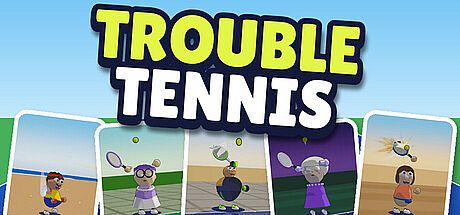


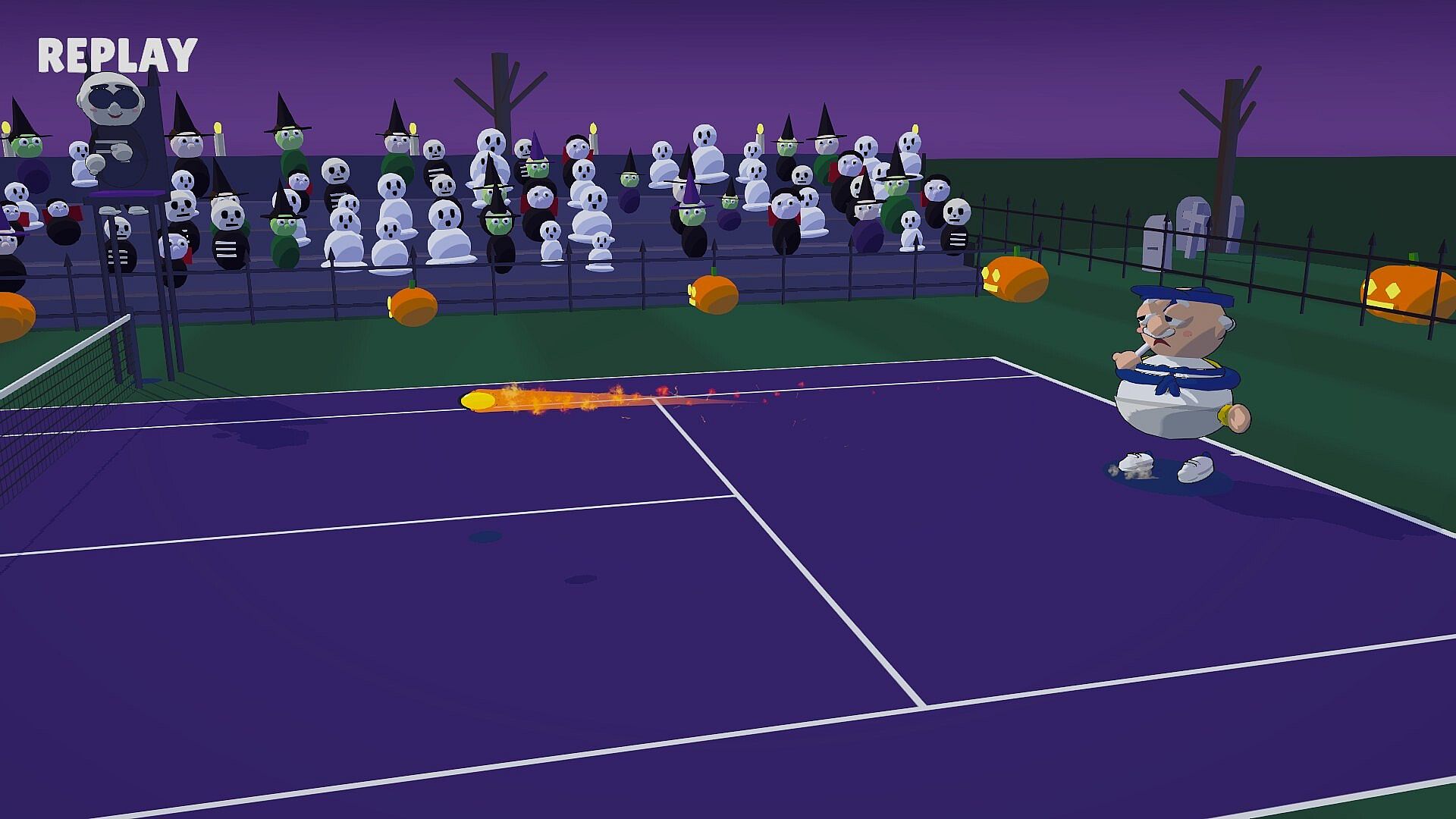
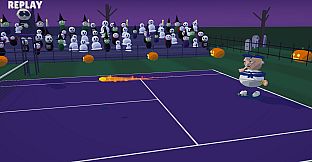
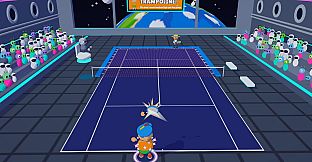
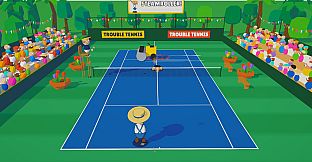
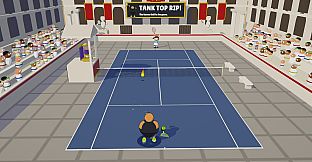
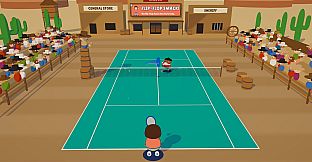
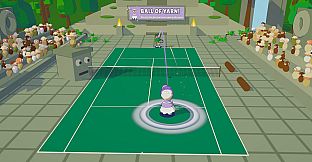
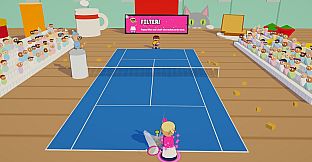
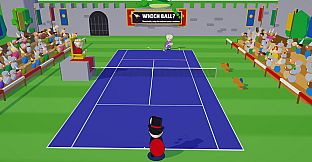
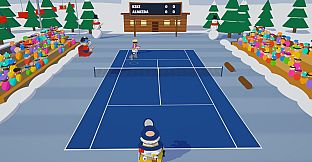
Trouble Tennis is an indie casual sports game that delivers arcade-style tennis on PC. It emphasizes fast rallies, character abilities, and escalating tension rather than realistic simulation. The core loop revolves around precise timing on swings that trigger visual and audio feedback, with the ball itself signaling the current intensity of play through glows, sparks, trails, and flames.
Gameplay
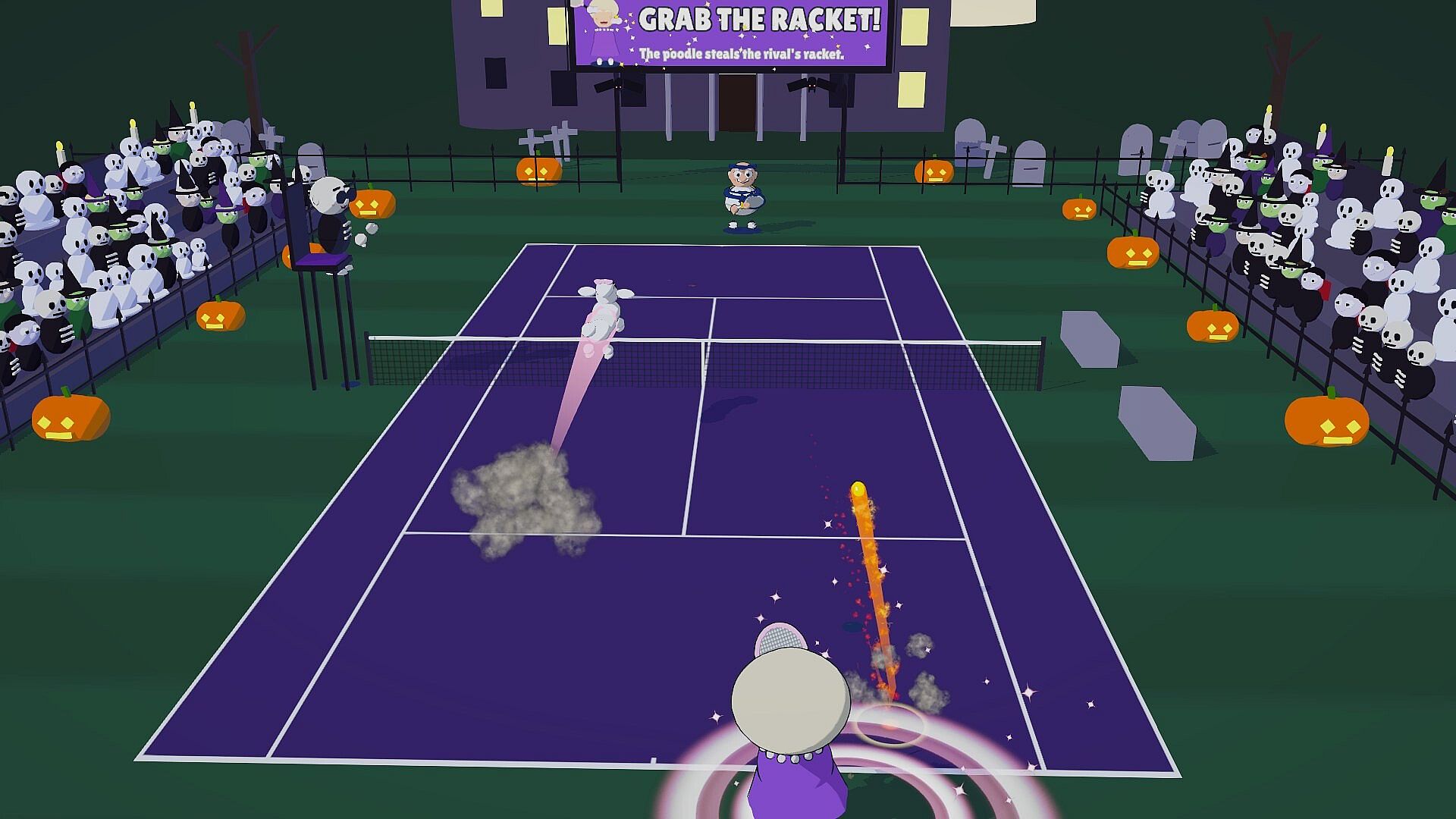
Every successful hit lands with impact, cracking strings and shaking the screen while building rally heat. Low shots accelerate the pace, lobs and drop shots slow it down, and smashes push intensity to its peak. No on-screen meter tracks this progress. Instead, the ball changes appearance and the sound design escalates to communicate the state of the rally. Body shots on opponents award the point outright, following the real rules of the sport.
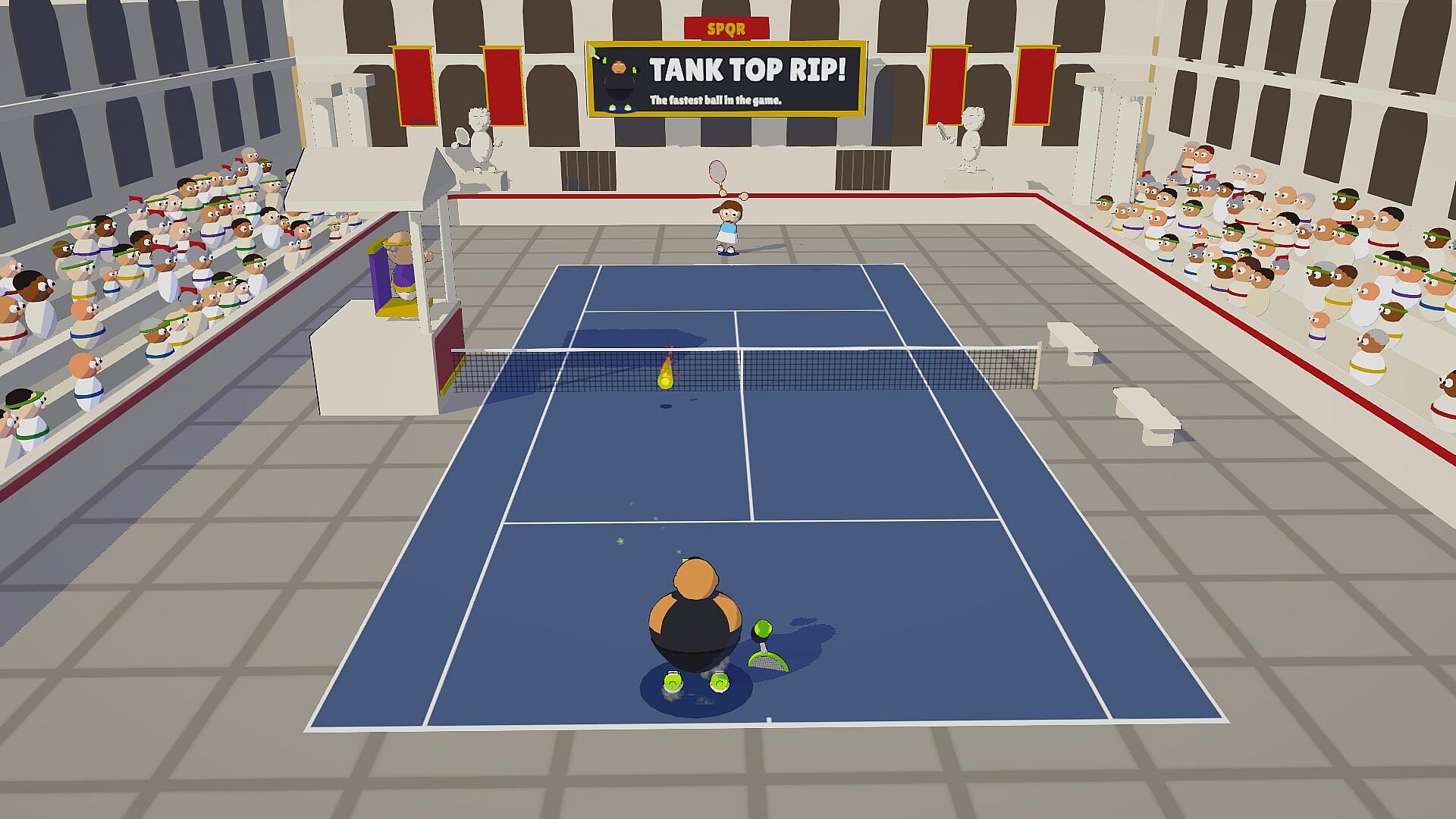
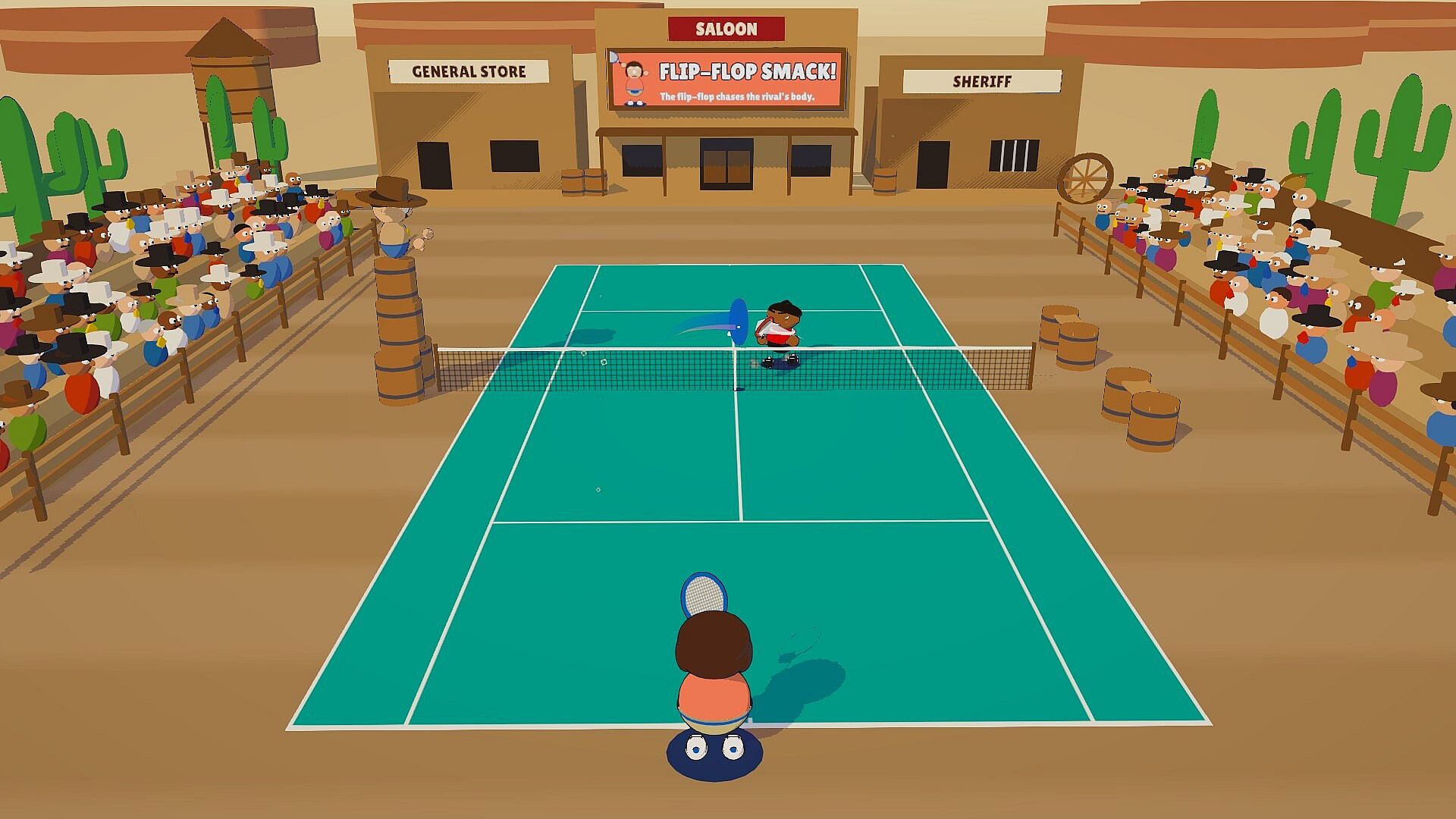
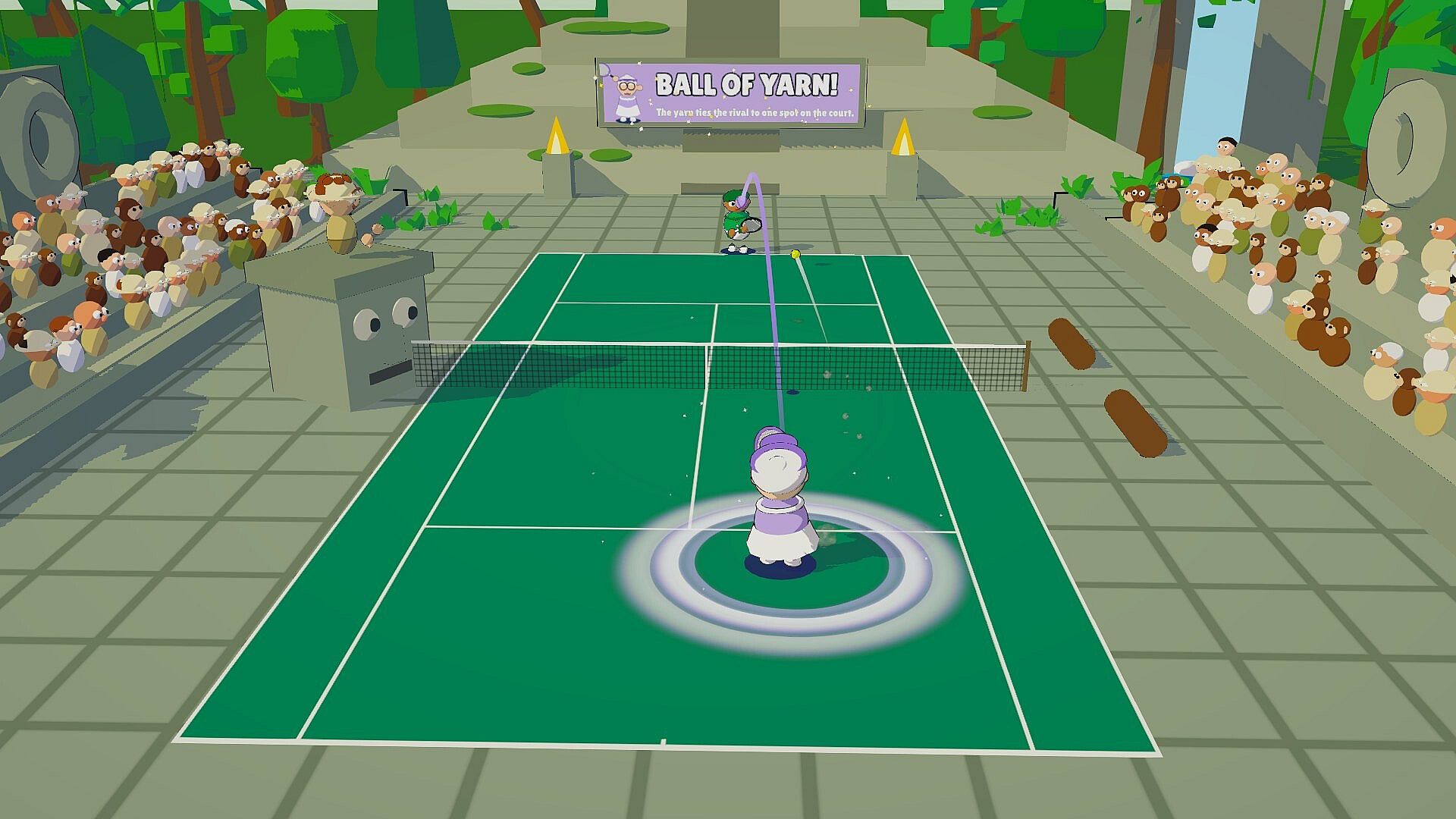
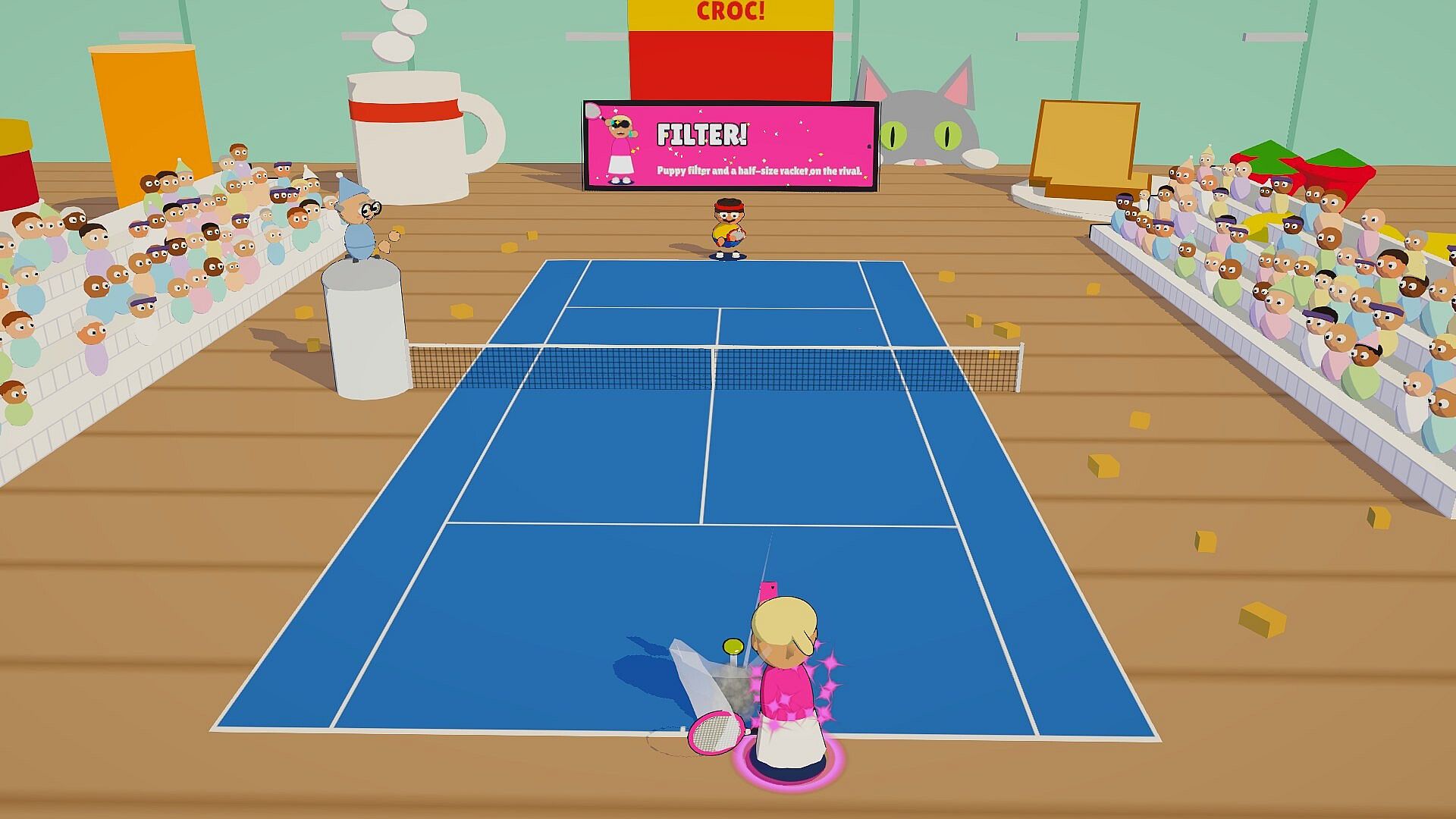
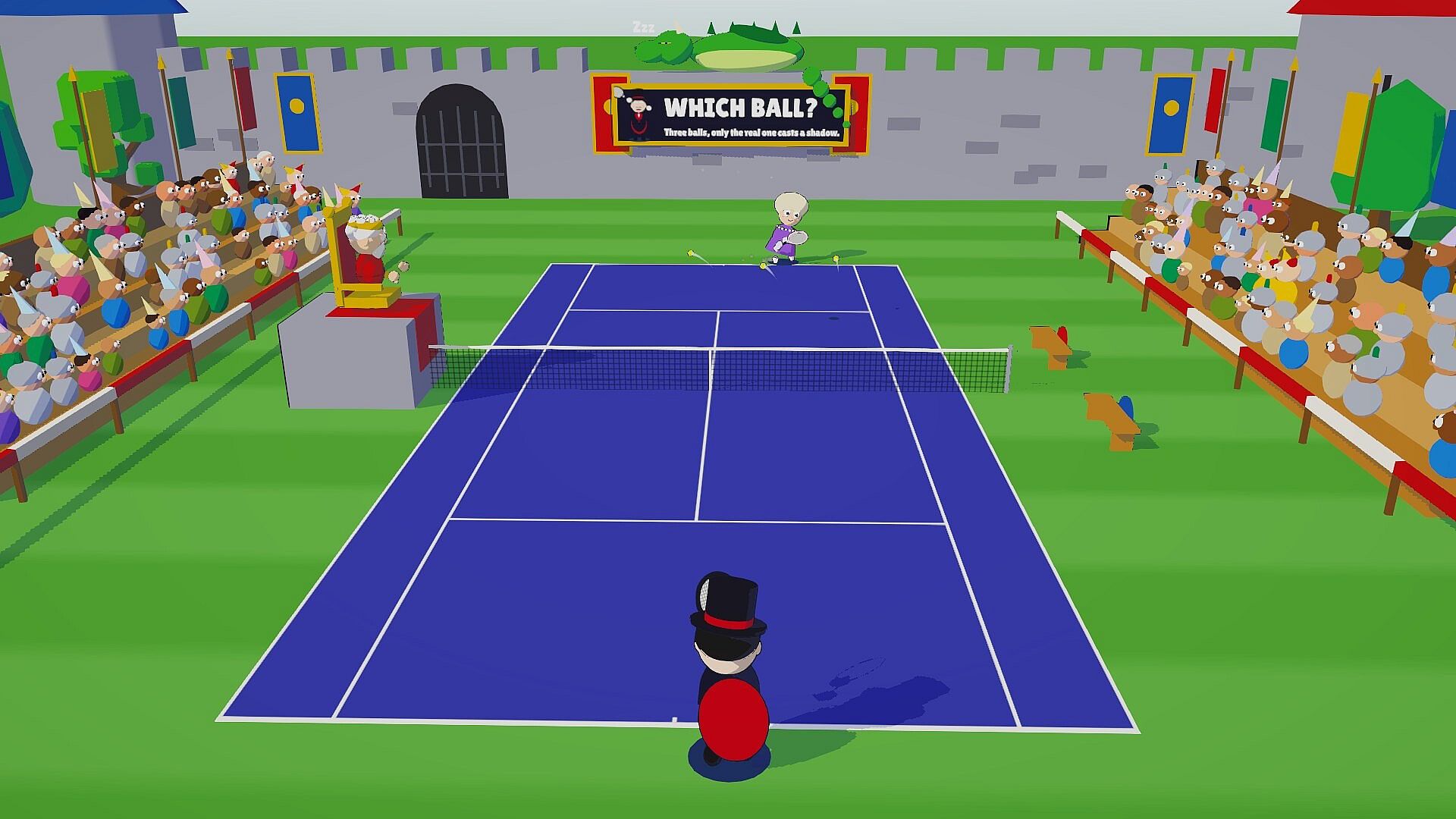
Fifteen club regulars each bring a unique skill on cooldown and an ultimate that charges during matches. Granny Cida deploys a ball of yarn to immobilize foes. Madame Matilde sends her poodle Fifi to chase balls or steal rackets. Tadeu the Magician splits shots into three, with only the shadowed one counting as real. Mama Neide tosses snacks and a homing flip-flop. Uncle Juca issues a freeze command that topples anyone who moves. Trainer Thiagão rips his tank top for the fastest serve in the game. Additional characters include Uncle Valdo with his underhand serve, Kiki with a puppy filter, a club president whose rulings affect the net, and an eight-year-old prodigy who hurls her racket in frustration.
Thirty-three talents span eight families in bronze, silver, and gold tiers, plus signature talents that modify each character's skill or ultimate. Collecting three from the same family unlocks a bonus. Players select from three cards per reign with one reroll available. These systems layer onto the base tennis mechanics without overwhelming the arcade focus.
Game Modes
King of the Court lets players compete until they lose, either solo or in local duo with a friend. Progression moves through Club Circuit, Stars, and Legend tiers while leveling attributes, selecting talents, and extending a reign as long as possible.
Tournament mode supports an online eight-player bracket or local duo play against seven other pairs. Everyone completes three matches, with placement matches determining fifth through eighth after quarterfinal losses. Talents are chosen before the first match and again before the final round, with CPU opponents filling queues when needed.
Quick Match offers 1v1 or 2v2 matches against online players, in private rooms with friends, or versus CPU opponents for practice. Coach Marcão's Lessons provide two short tutorials covering basic swings through advanced ultimate usage.
Courts and Progression
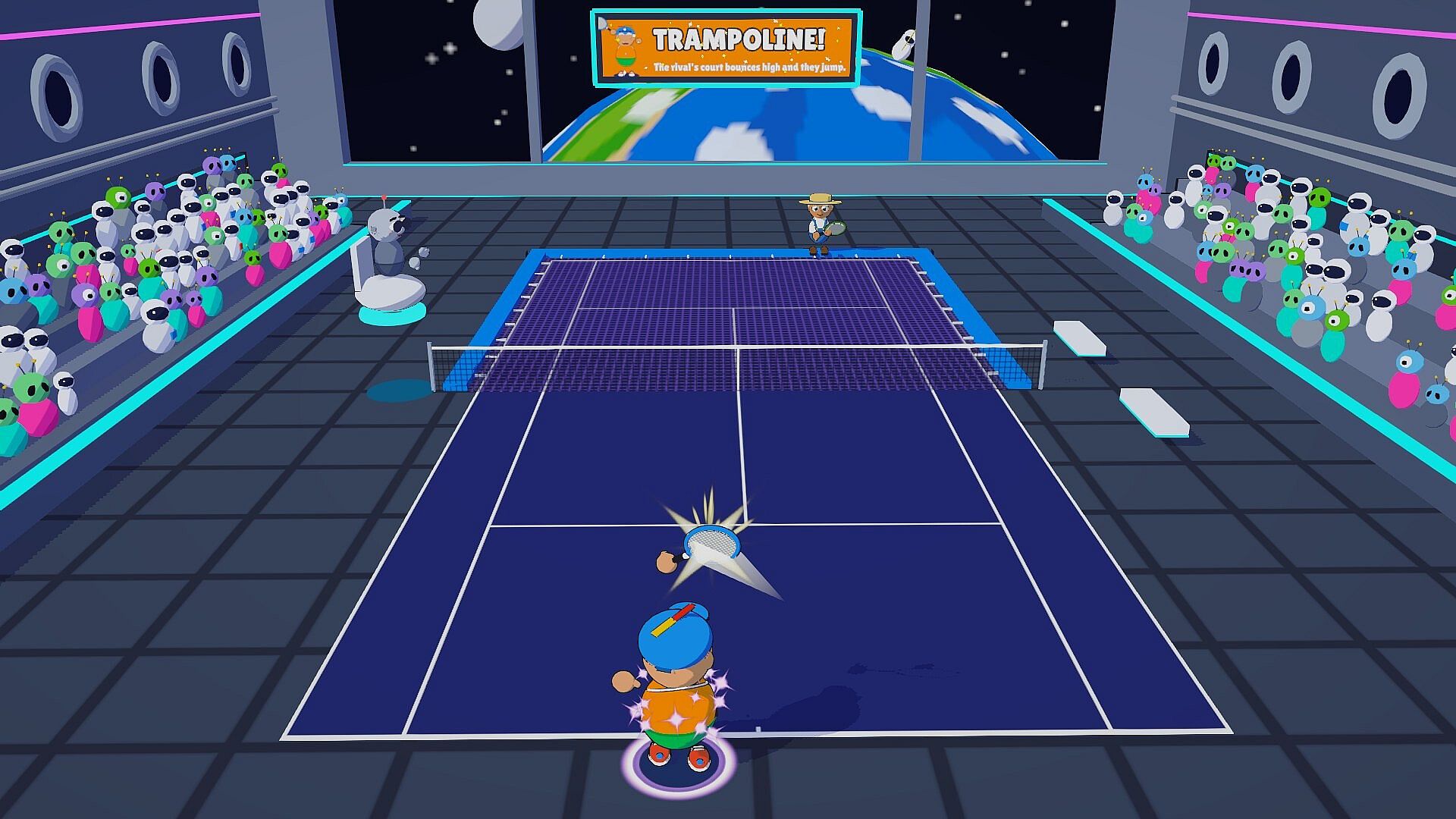
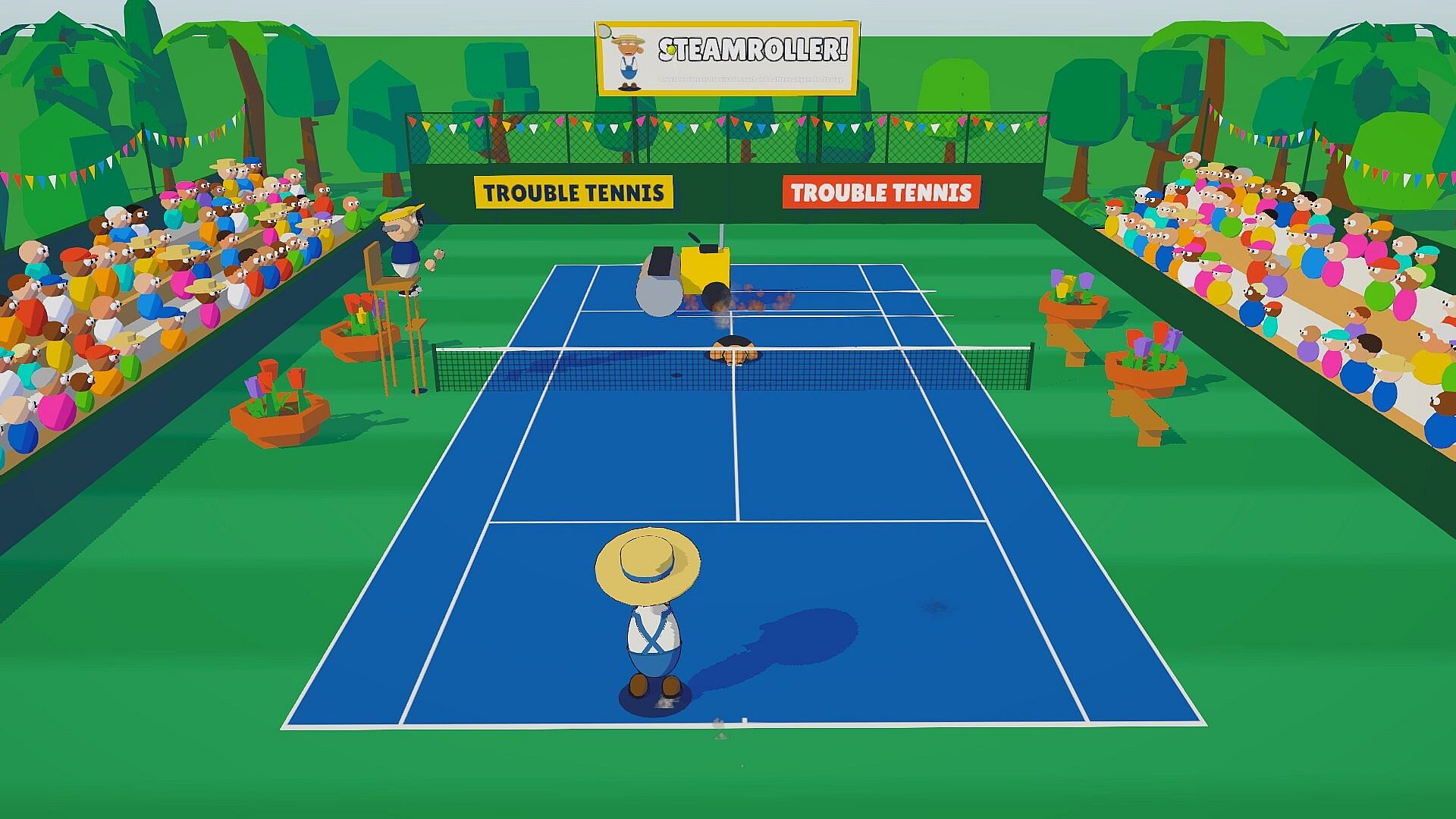
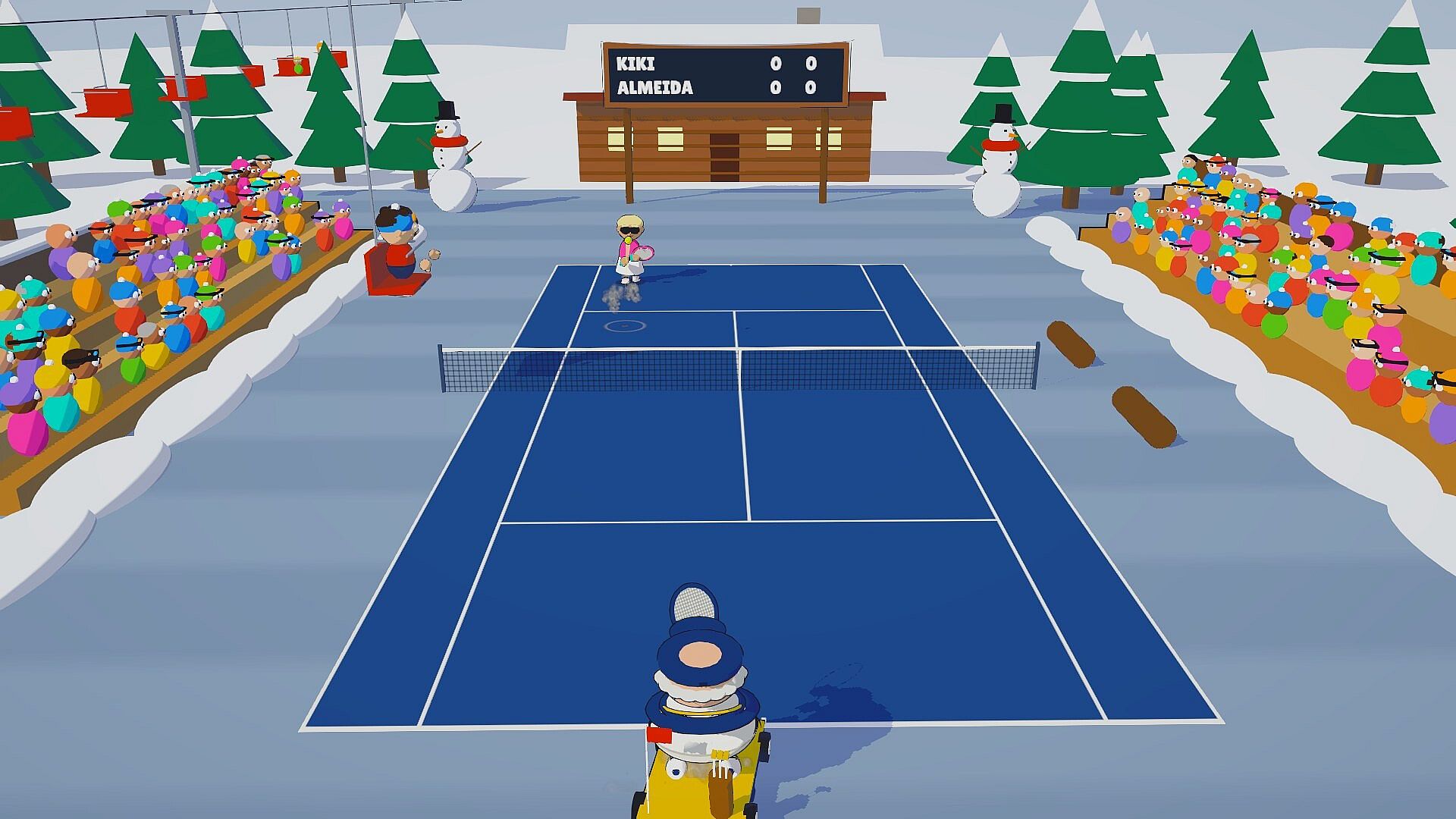
Eleven distinct courts range from the familiar Center Court at the club to a rooftop at sunset, a cruise ship deck, ski resort slopes, jungle temple, Wild West setting, Colosseum, castle, space station, haunted mansion, and oversized breakfast table. Each features unique music and environmental gags that activate on tense points, such as rolling tumbleweeds or a dragon opening one eye.
Players begin with three characters and unlock the remaining twelve through coins earned in matches. Gems purchased optionally fund cosmetics including outfits, rackets, ball trails, celebrations, taunts, and a Member Card. Seasons introduce a Season Cup with free and premium tracks alongside weekly missions. Leveling club membership, mastering characters, and completing a 50-sticker album tied to Steam achievements provide long-term goals.
Is It Worth Playing?
Trouble Tennis suits players seeking a lighthearted yet competitive arcade tennis experience with character-driven twists and local or online multiplayer options. The heat system and ability cooldowns create varied rallies without requiring deep simulation knowledge. Game modes support both quick sessions and longer runs through ranked progression or bracket play. Controller or mouse-and-keyboard support, plus direct Steam friends integration for invites, lowers barriers for casual groups. The Brazilian club theme and bilingual voice lines add personality without complicating the core loop. Those who enjoy fast feedback, body-shot tactics, and talent experimentation will find repeated value in climbing tiers or experimenting across the full cast of regulars.