







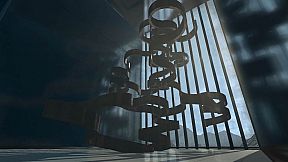
Tyd wag vir Niemand is an indie adventure game built around first-person platforming and time manipulation on PC. Players control a lone figure navigating surreal, abstract worlds where slowing time becomes essential for crossing gaps, dodging hazards, and progressing through each stage.
Gameplay
The core loop centers on precise movement combined with on-demand time control. Standard controls handle walking, running, and jumping while the mouse or dedicated buttons activate slowdown to alter the speed of platforms, obstacles, and environmental hazards. This mechanic turns fast-moving elements into manageable challenges, allowing navigation across narrow beams, rotating structures, and shifting surfaces that would otherwise prove impossible at normal speed. Environments feature large, dreamlike spaces filled with gravity-defying architecture, floating objects, and intricate trap layouts that demand careful observation and repeated attempts.
Progression follows a linear sequence of levels set in distinct mystical realms. Each area introduces new combinations of platforming demands and timing puzzles, with checkpoints that reset progress upon failure. The absence of combat shifts focus entirely to exploration and survival through dexterity and patience. Visual design emphasizes striking, non-representational landscapes that reward careful traversal, while audio cues reinforce the tension of each section.
Game Modes
The game operates exclusively in single-player mode. There are no multiplayer options, co-op features, or competitive elements. All content unfolds through a campaign of sequential levels that players complete in order, with an option for level selection once unlocked. The experience remains consistent across play sessions, relying on the same time-slowing system and platforming challenges without variations such as speed runs or alternate rulesets.
Visuals and Atmosphere
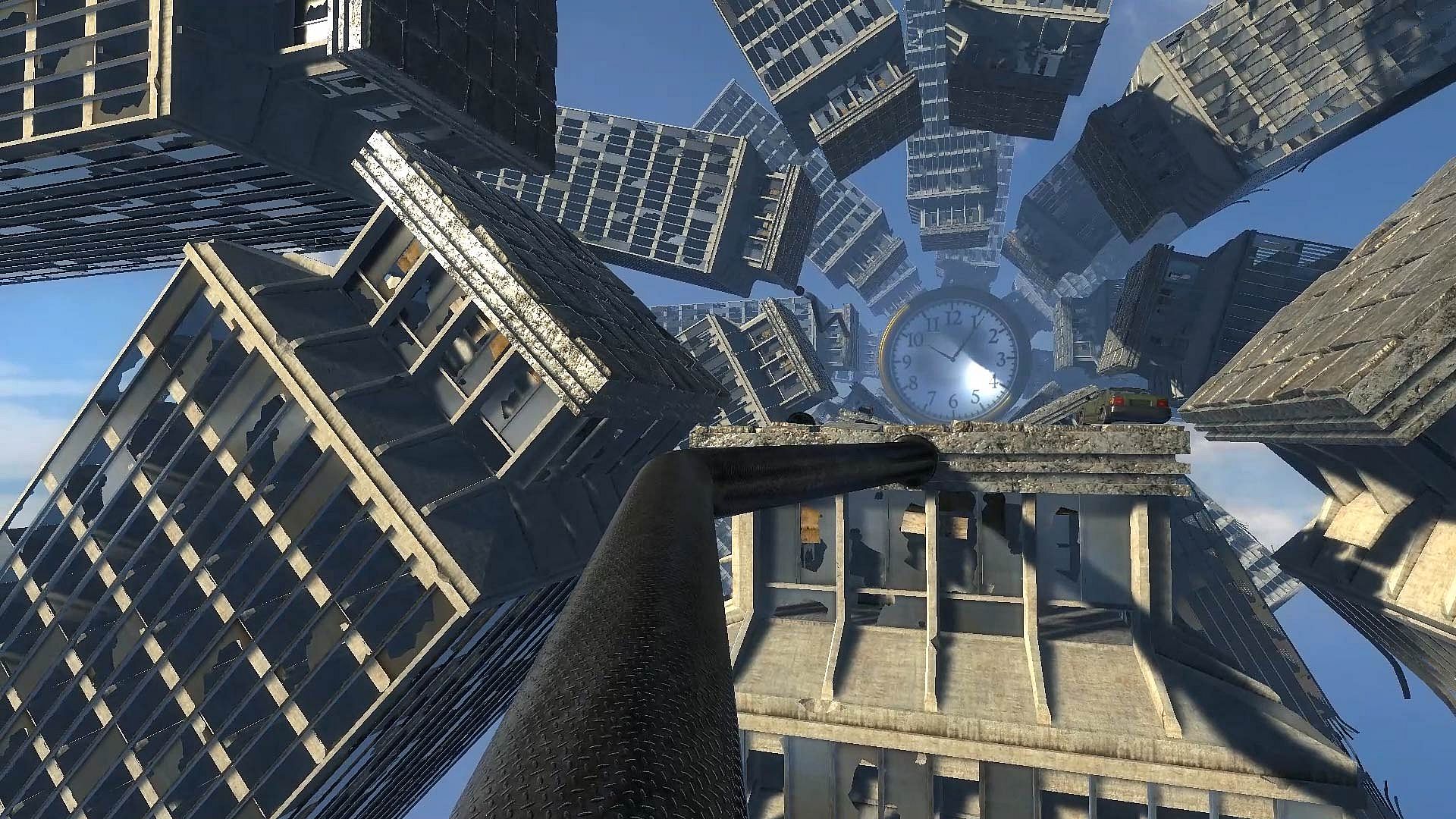
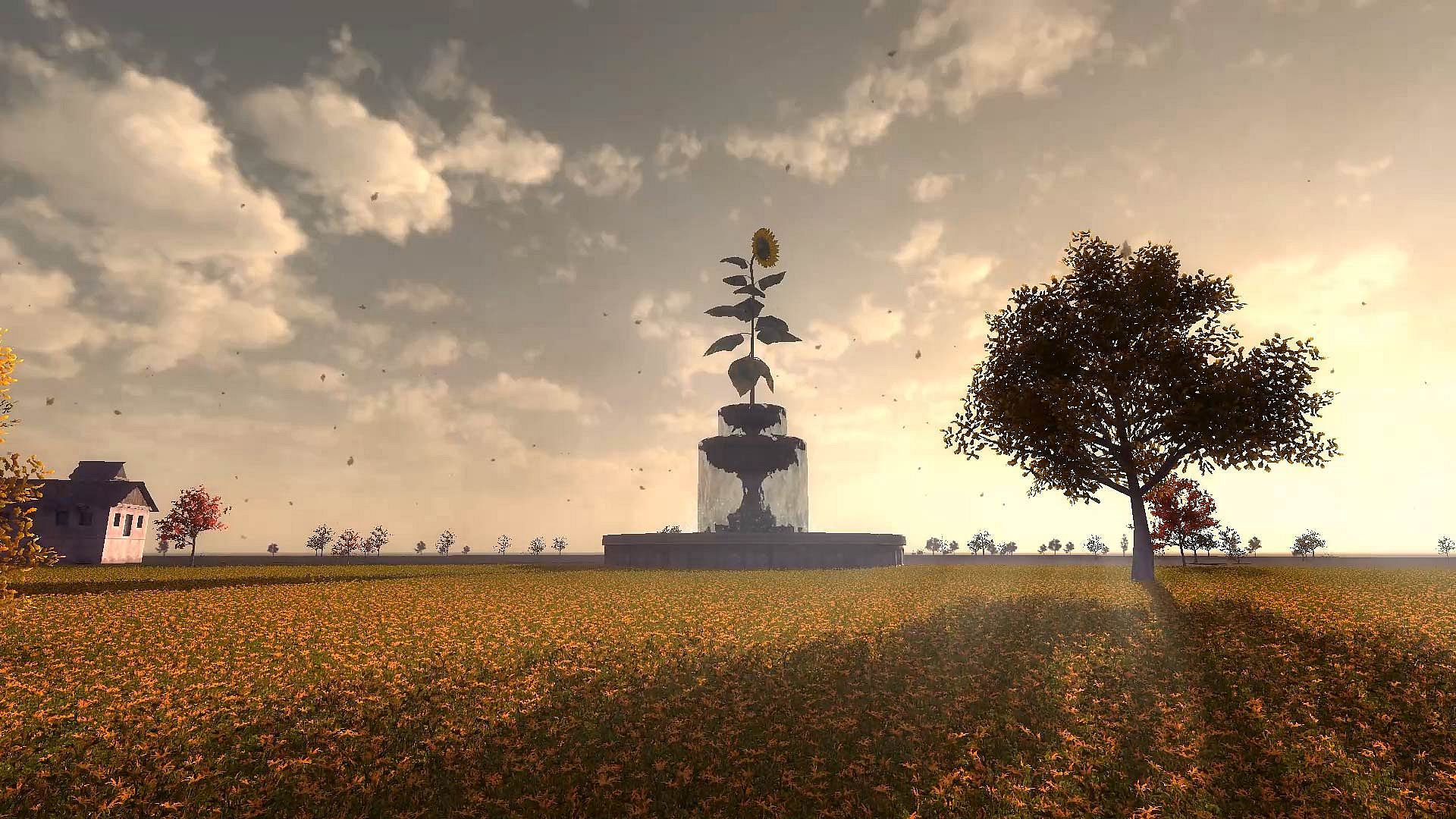
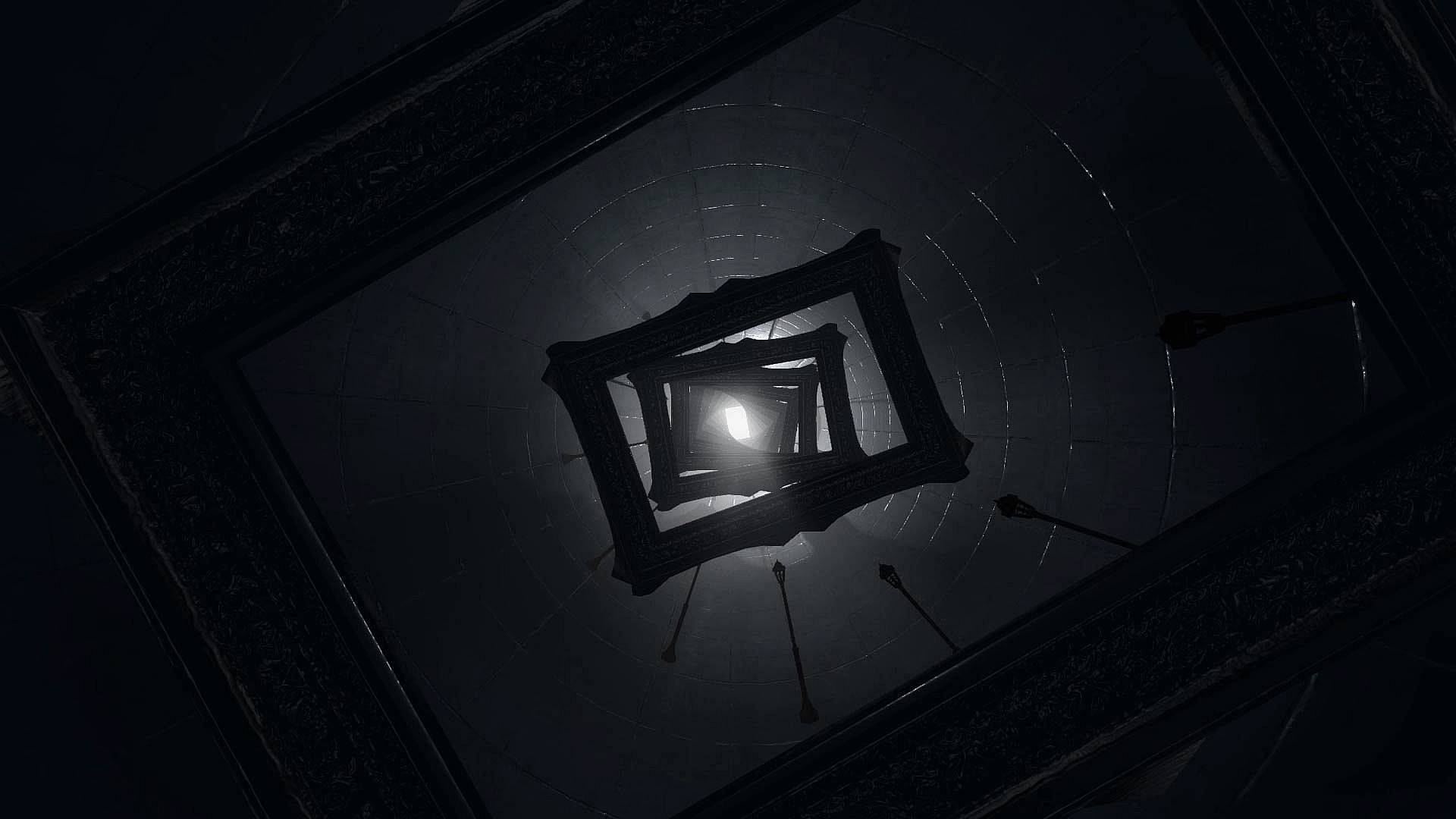
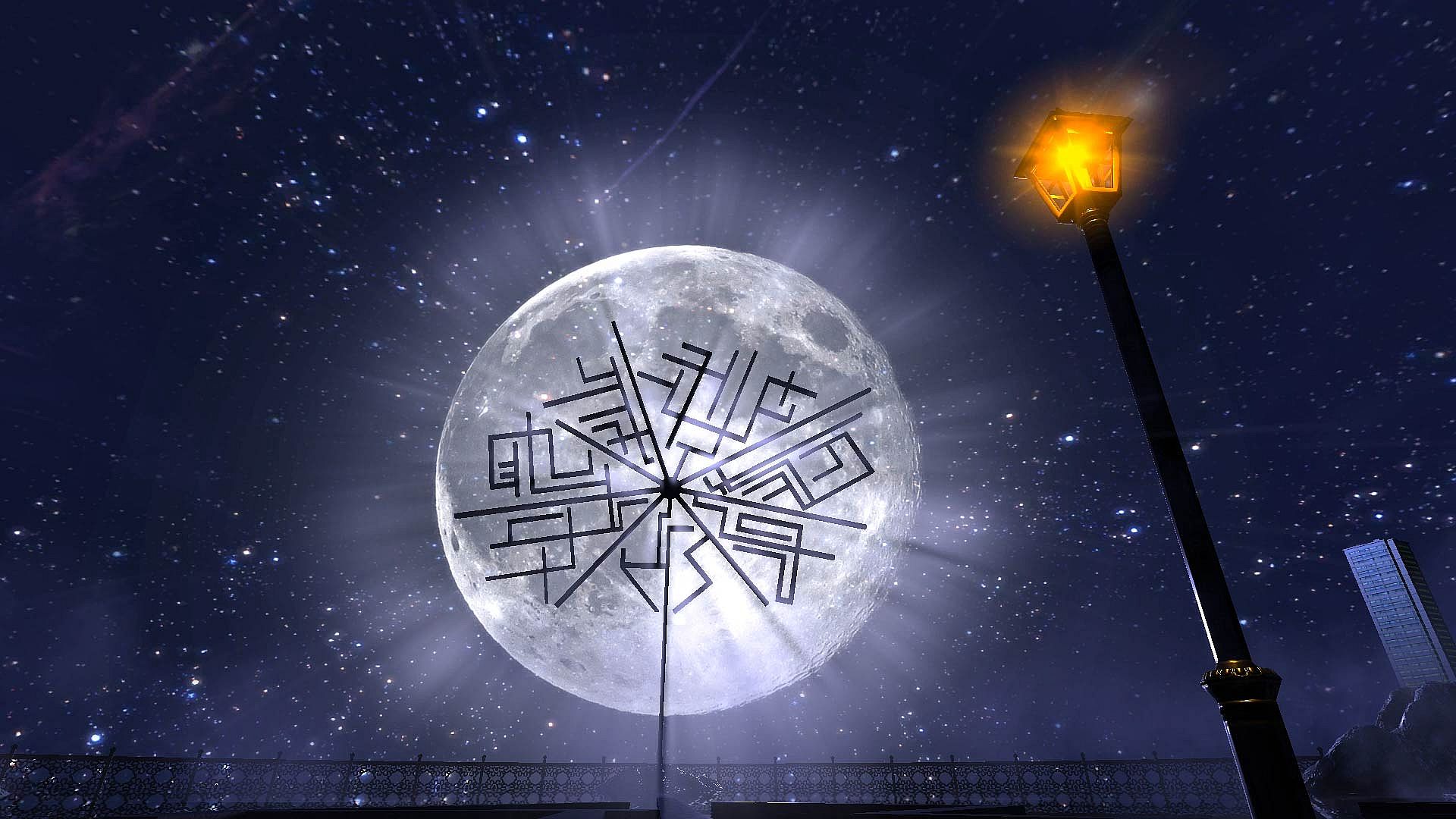
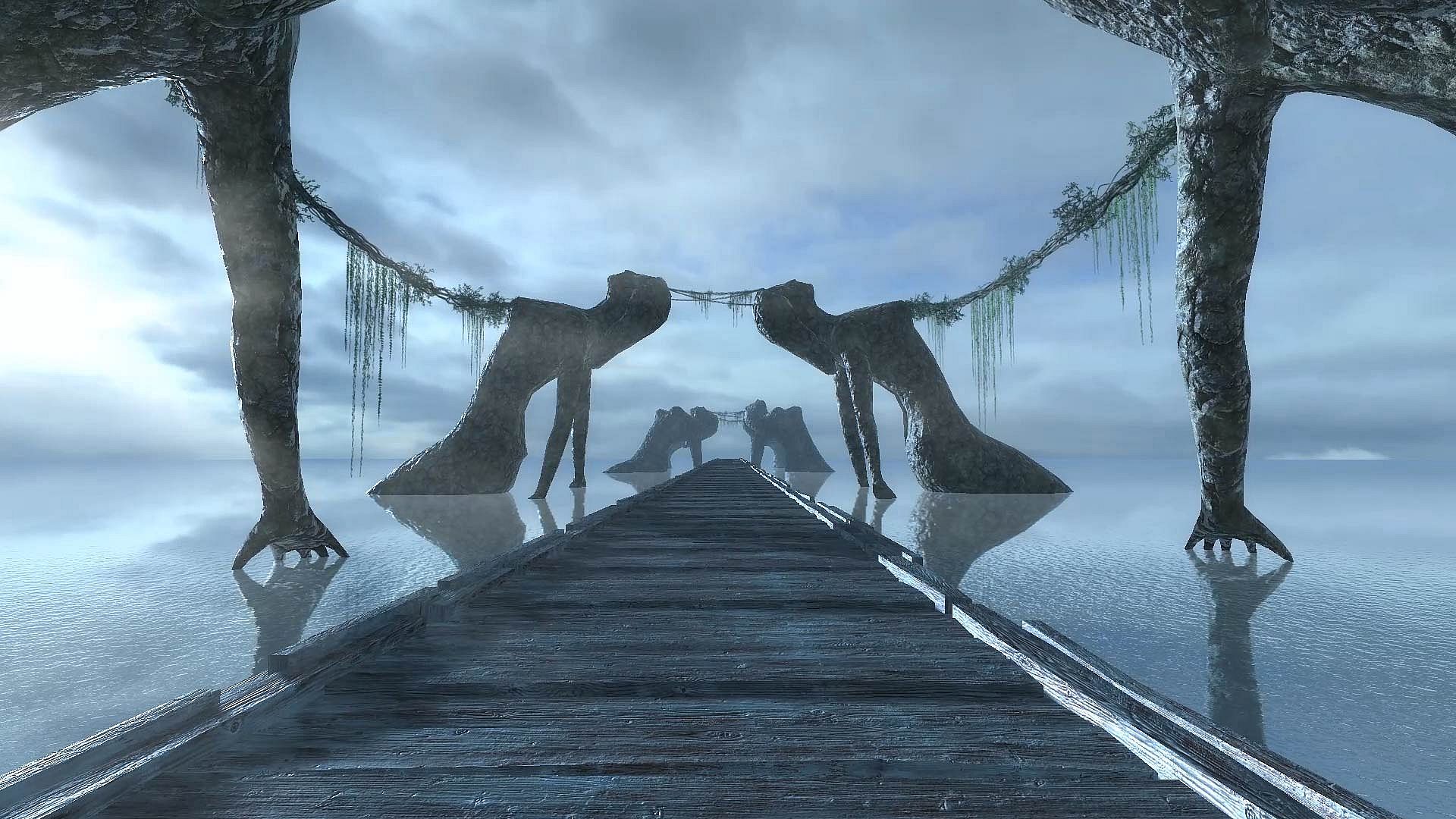
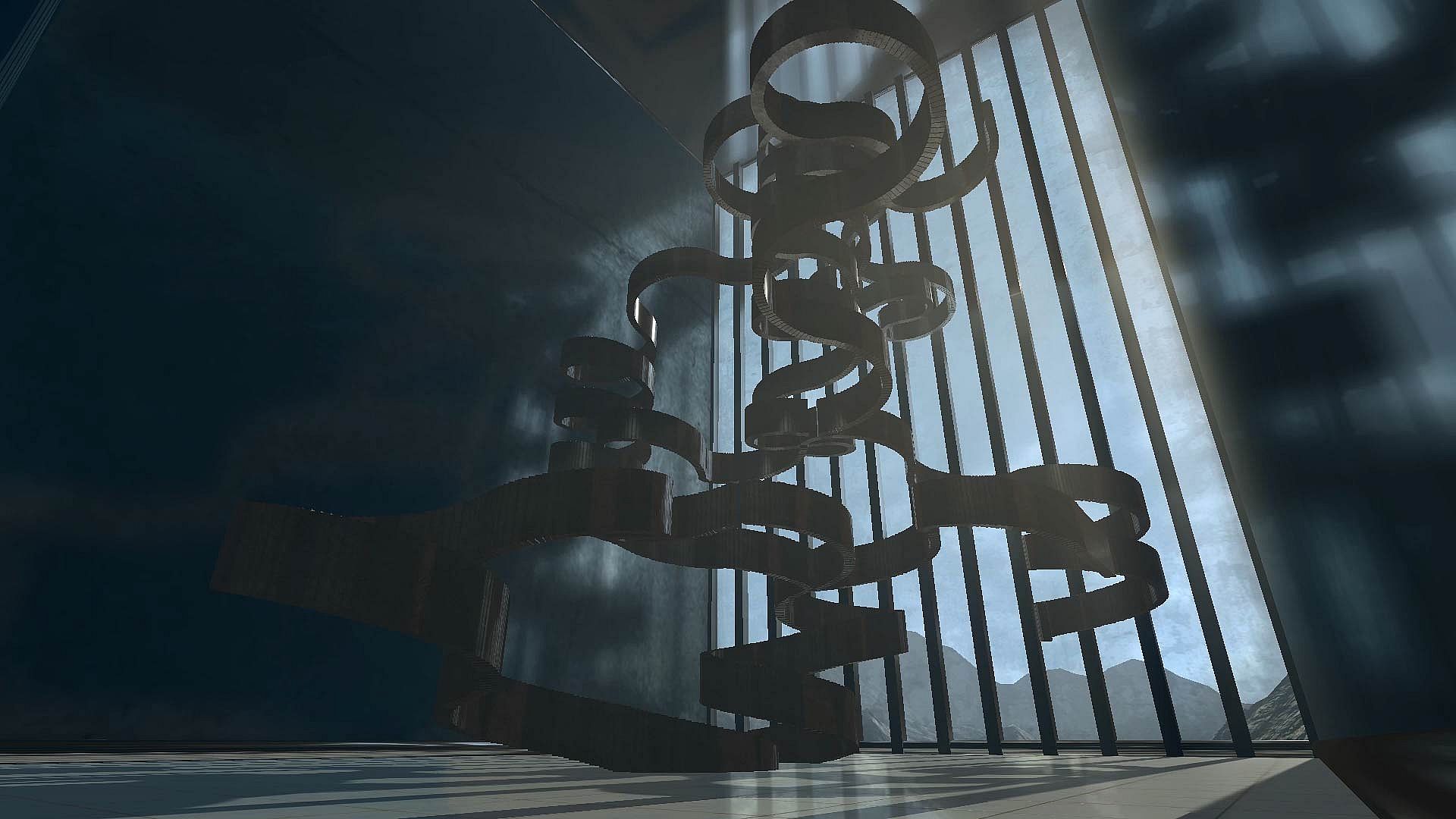
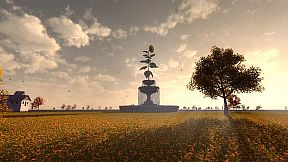
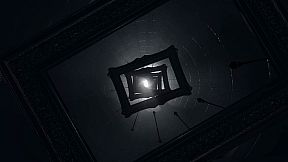
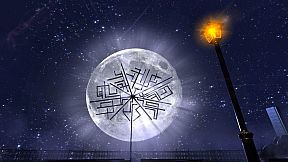
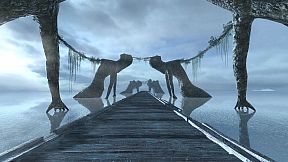
Abstract environments form the standout element, presenting twisted geometries, crystalline caverns, barren cityscapes, and organic gardens rendered in a style reminiscent of surrealist art. These spaces create a sense of mystery and isolation that aligns with the game's theme of distorted time and space. Sound design complements the visuals through atmospheric tracks and effects that heighten the intensity of precise maneuvers, though some sections feature repetitive audio loops during extended attempts.
Is It Worth Playing?
Reception on Steam sits in the mixed category, with roughly 60 percent positive ratings from dozens of user reviews. Players who enjoy demanding first-person platformers with timing mechanics often highlight the unique time-control system and striking art direction as strengths. Others note frustration from large checkpoint gaps, occasional bugs, and the steep precision required in later stages. At its current low price point, the title suits those seeking a short, challenging single-player experience focused on atmospheric exploration rather than narrative depth or varied gameplay modes. Those sensitive to punishing difficulty or seeking frequent saves may find it less appealing, while fans of abstract platforming can appreciate its distinctive approach. The game remains available and playable without ongoing seasonal updates or additional content.