




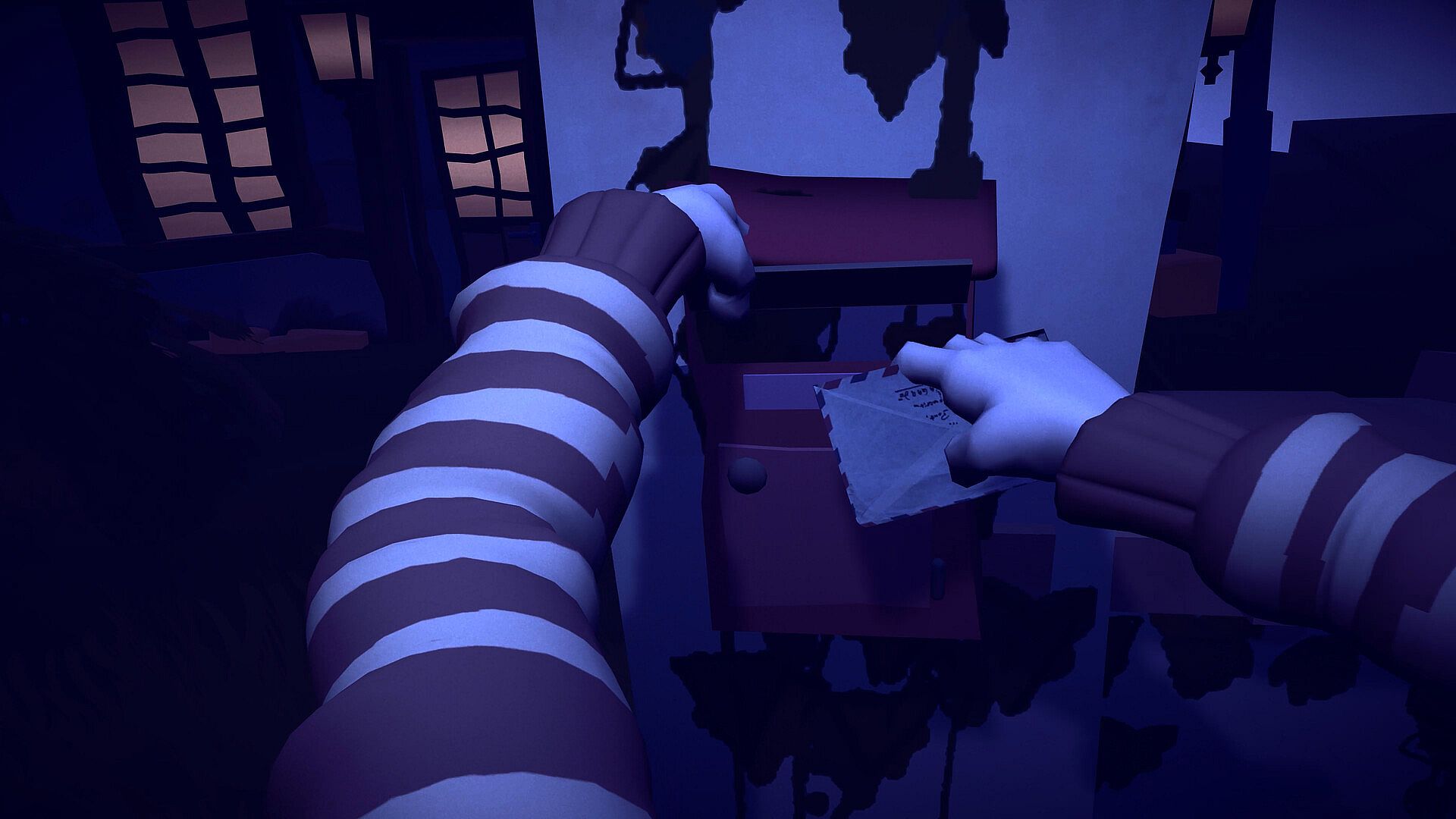
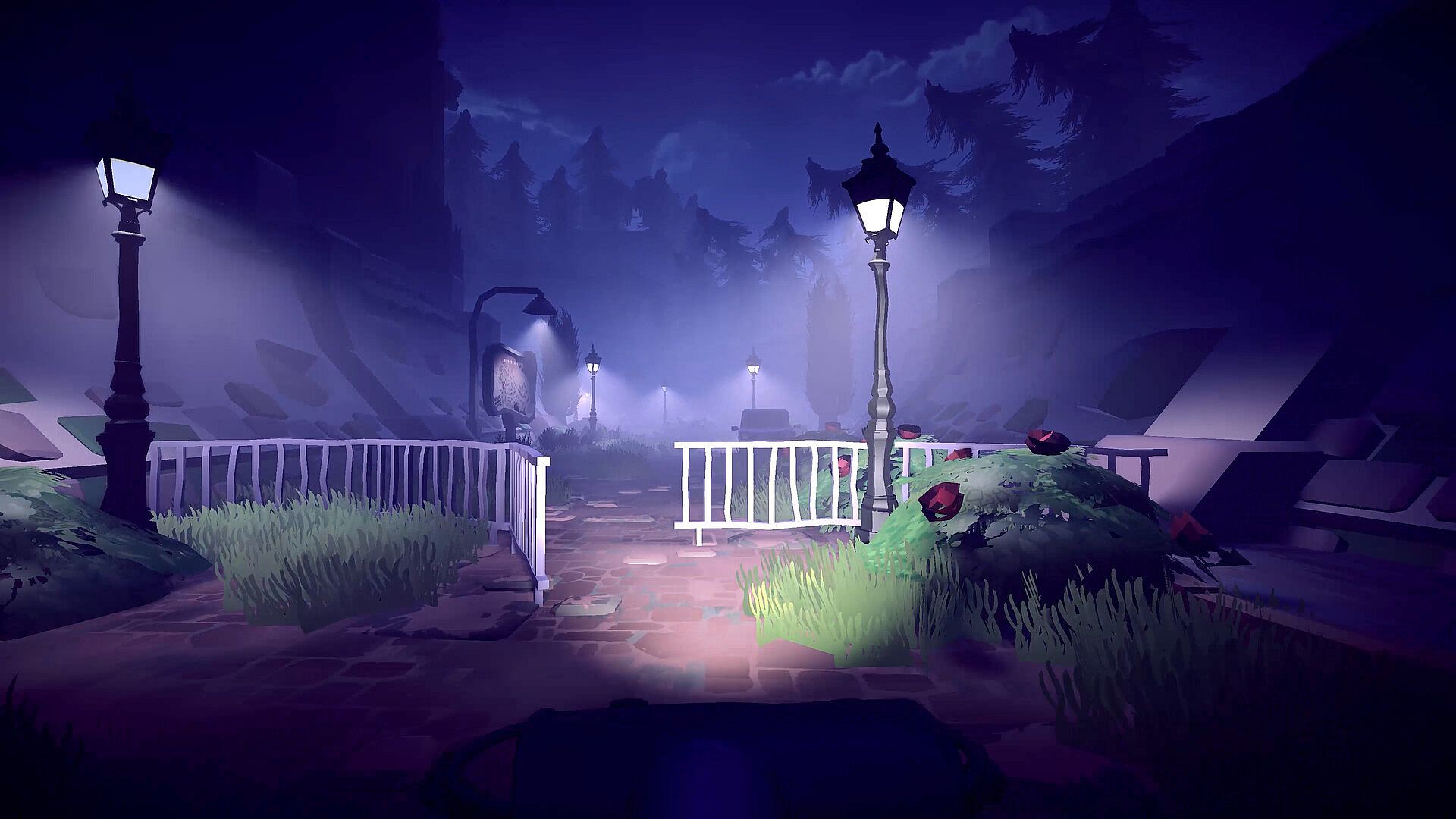

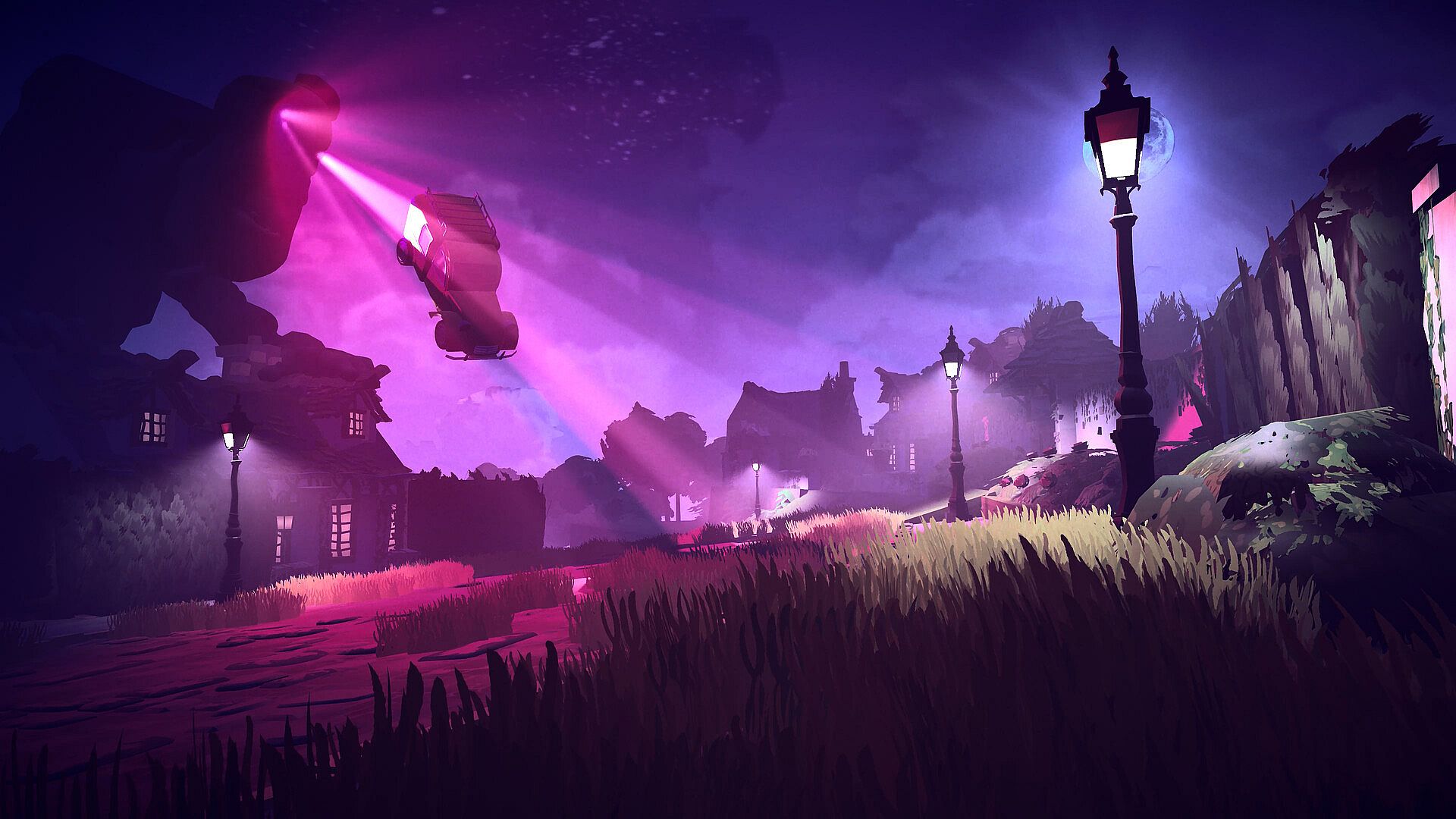
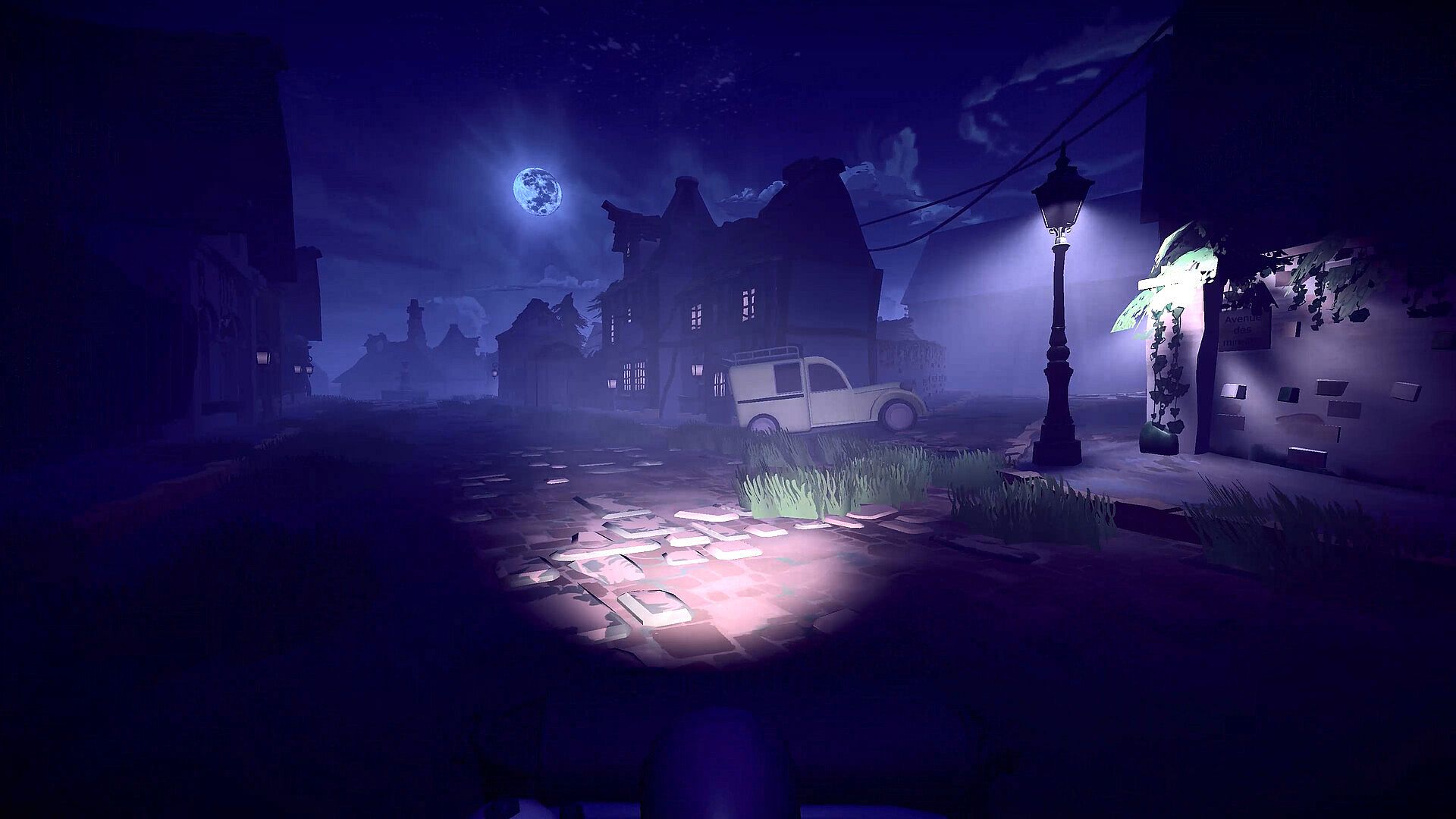
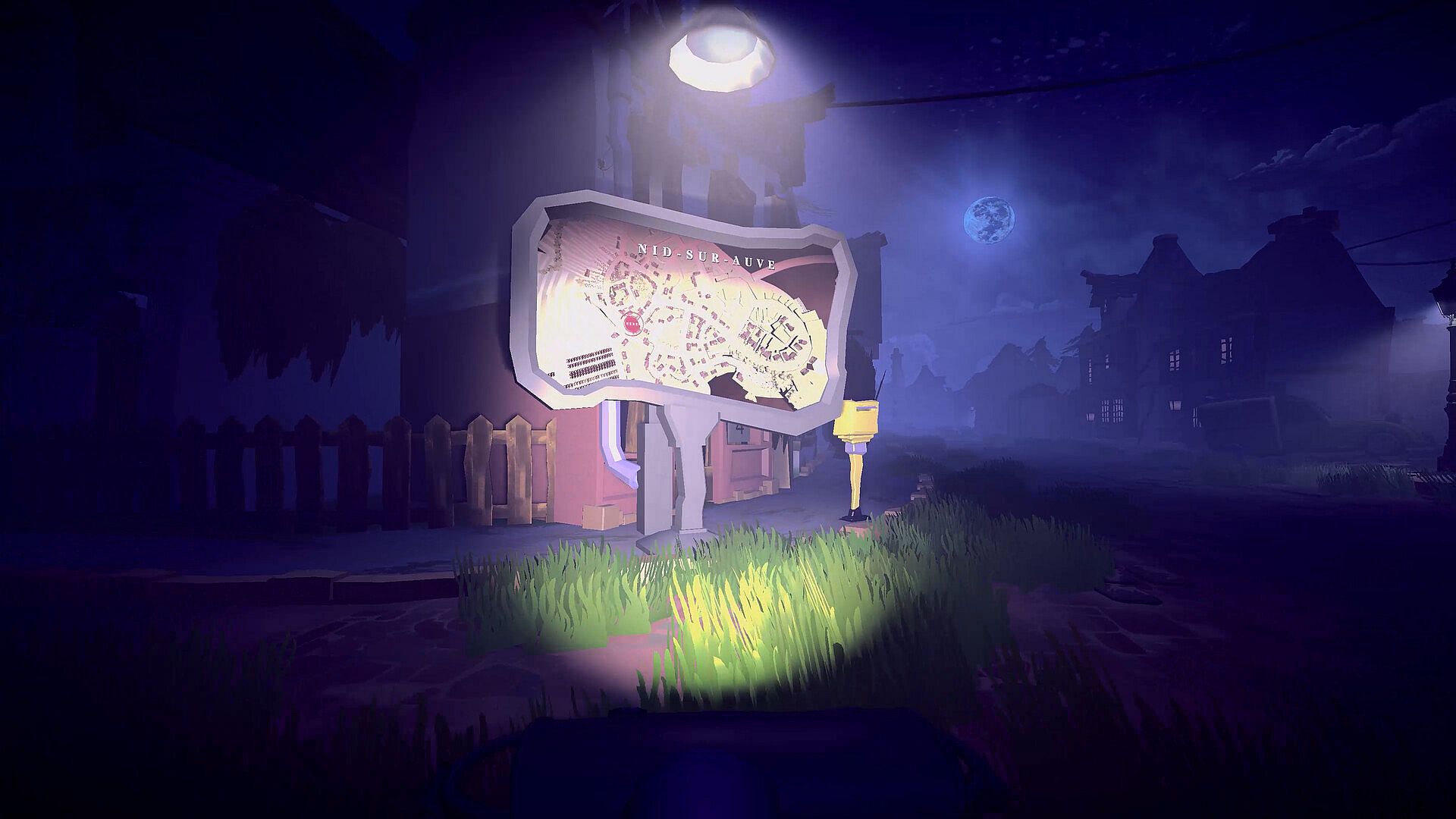
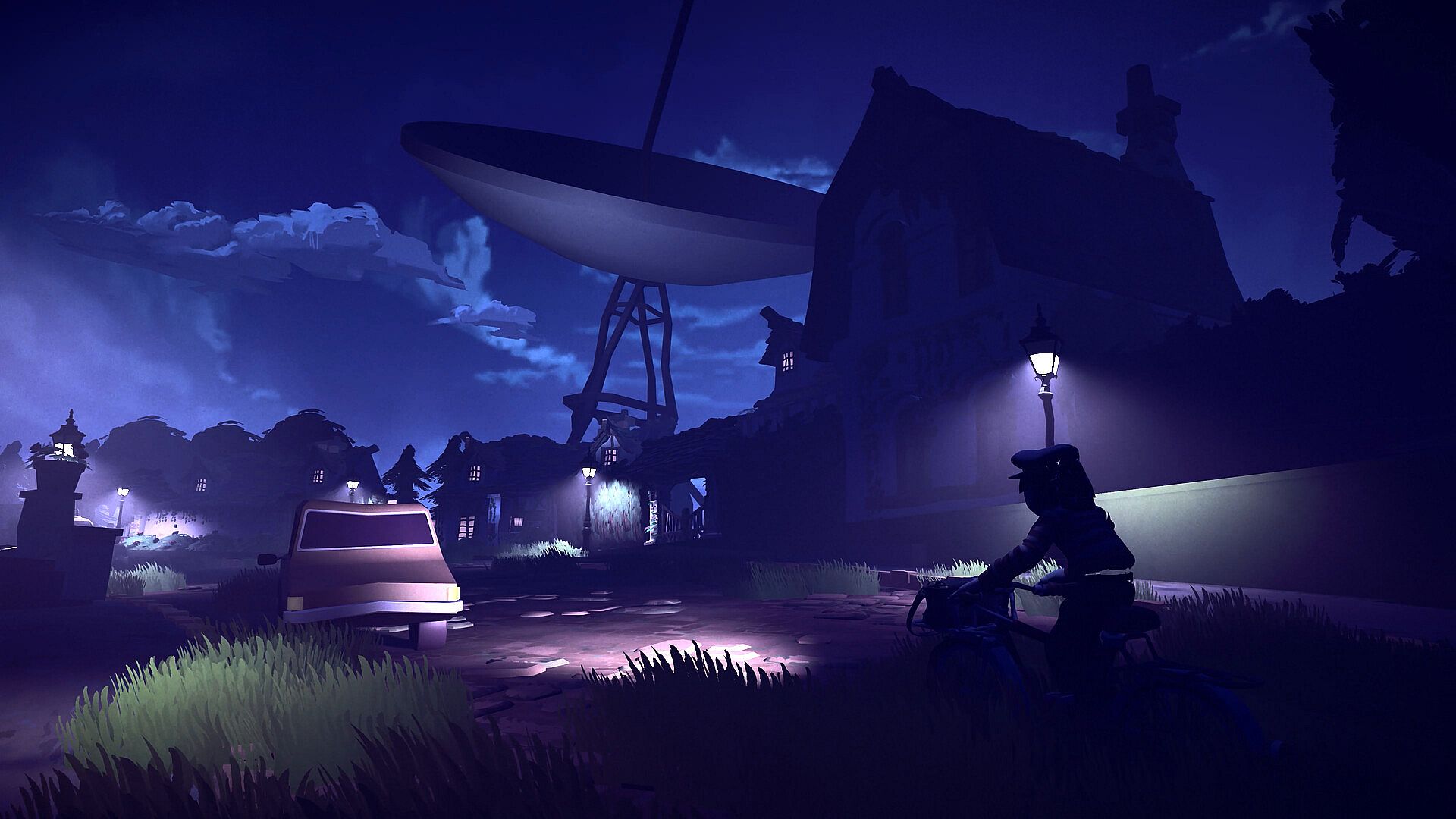





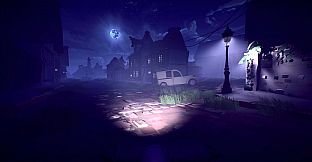



Unknown at This Address is an indie horror simulation game set in a handcrafted 1970s Normandy village. Players take on the role of a local kid completing mail delivery routes by bicycle during a communications blackout that has left the small town of Nid-sur-Auve isolated and uneasy.
Gameplay
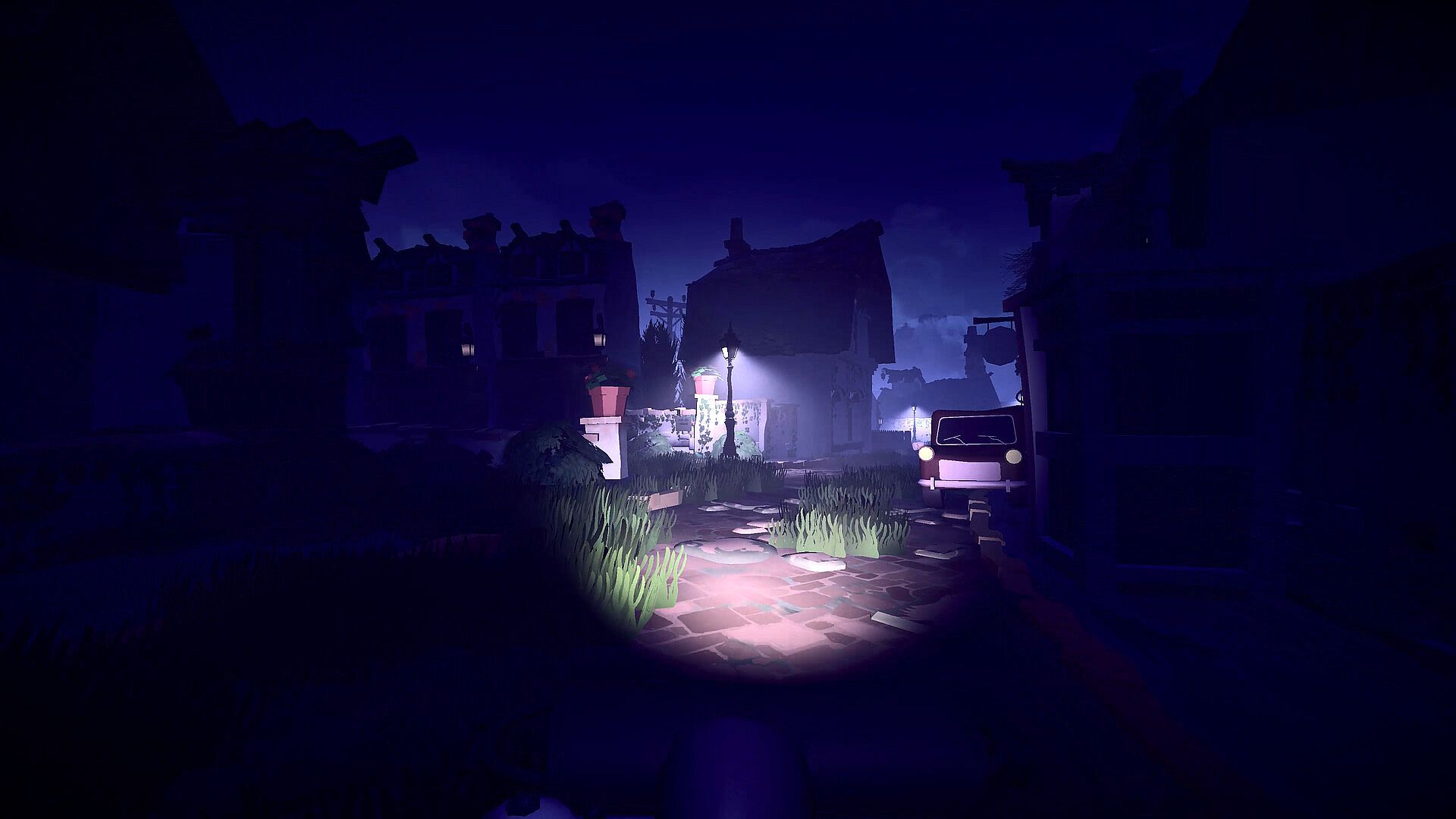
The core loop centers on navigating quiet streets before dawn while managing a satchel of letters. Riders stay mounted on the bike at all times, using handlebar controls to adjust speed. Slowing down improves visibility for spotting environmental cues but reduces overall control during movement.
Sound plays a central role. Players watch for lights and listen for specific audio signals such as whistling to gauge nearby threats. The design encourages steady pedaling while minimizing noise to avoid drawing attention in the otherwise empty neighborhoods.
Interactions with residents provide context about the blackout. Conversations with eccentric villagers help piece together events without leaving the delivery route. The village itself features detailed streets and buildings that reward careful observation during each pass.
Seven delivery days structure the experience. Hazards appear in procedurally placed locations across runs, creating variation while the handcrafted layout of Nid-sur-Auve remains consistent. A unique control scheme ties directly into the horror tension, requiring precise inputs to balance speed, visibility, and stealth.
Game Modes
The game offers a single-player experience only. No multiplayer options or additional modes exist. The entire session focuses on sequential delivery routes that build an escalating sense of unease through sound design and environmental storytelling.
Procedural hazard placement within the fixed village layout provides replay variety across the seven days without altering the core single-player structure. The short overall length keeps the focus tight on atmosphere and mechanical tension rather than extended campaigns or competitive elements.
Atmosphere and Setting
Nid-sur-Auve evokes a quiet small-town feel from the 1970s, with charming streets that gradually reveal an underlying tension. Detailed audio layers drive the eerie mood, from the creak of the bike to distant or close sounds that signal potential danger.
Players remain on the bike throughout, which limits mobility options and reinforces the sense of vulnerability. Environmental cues such as lights and audio signals replace traditional combat or evasion tools, making observation and timing the primary skills.
Is It Worth Playing?
This title suits players who enjoy focused, short-form horror simulations that emphasize atmosphere, sound, and deliberate pacing over action or open exploration. The two-hour length and single-player design deliver a self-contained session built around bike-based delivery and threat avoidance.
With its unique control scheme and procedural elements within a handcrafted setting, the game appeals to those interested in indie titles that prioritize tension through minimalism. As an upcoming release with no user reviews available yet, it remains best suited for audiences seeking a concise, atmospheric experience rather than long-term engagement or multiplayer features.