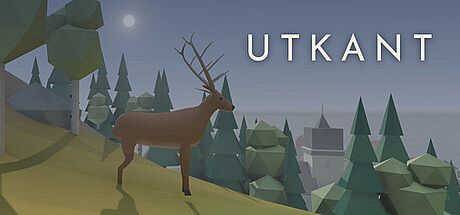


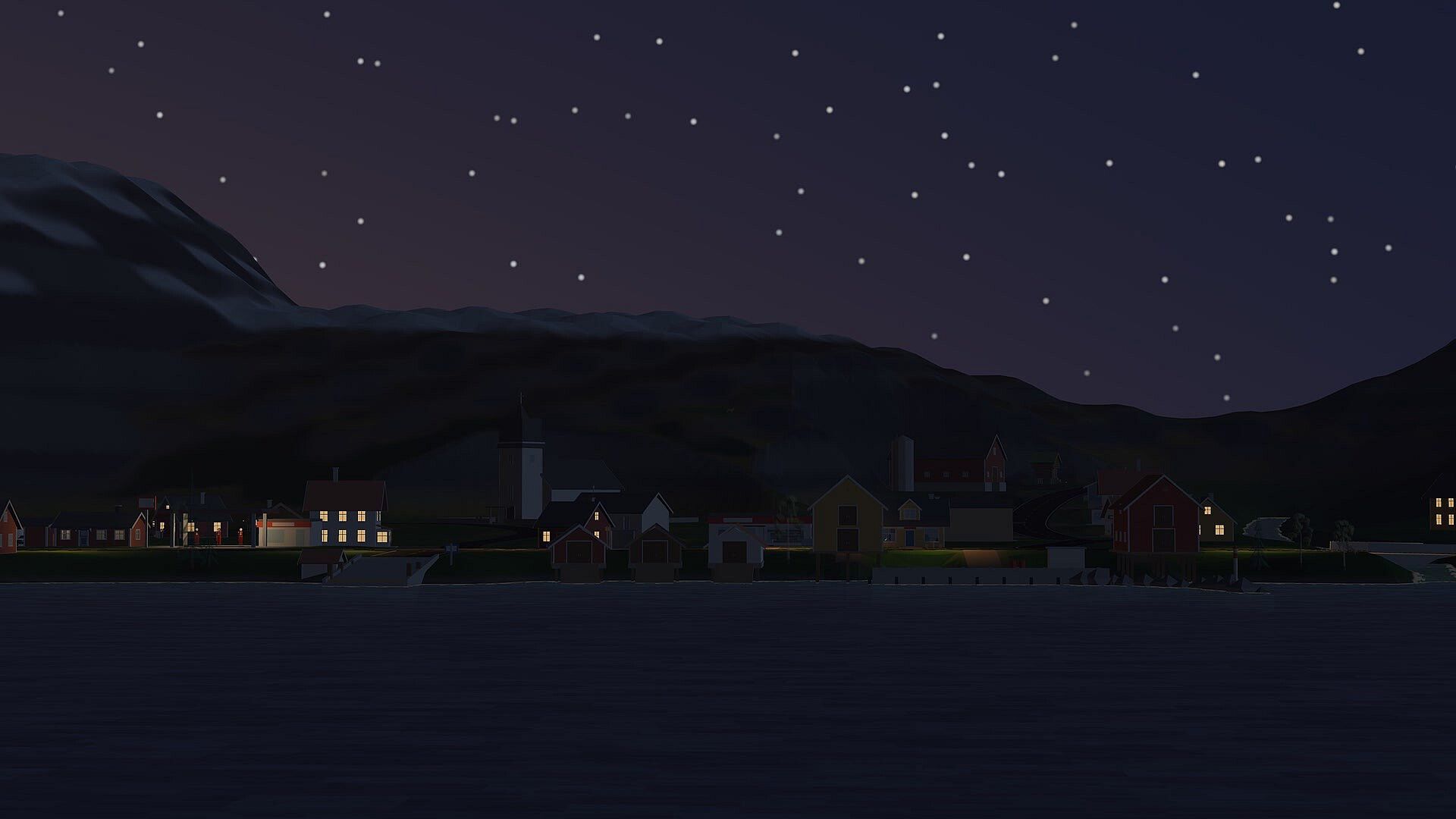
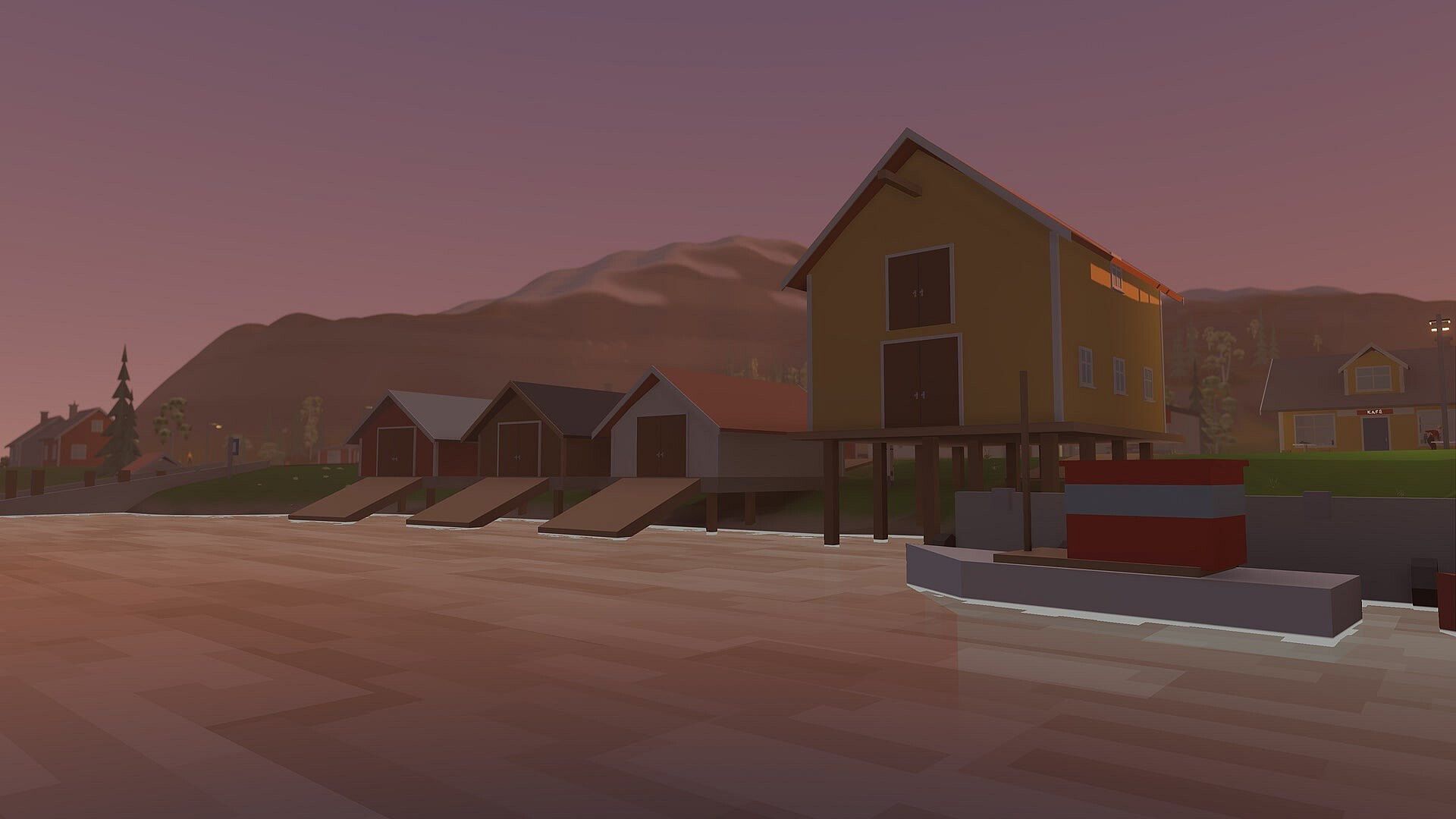
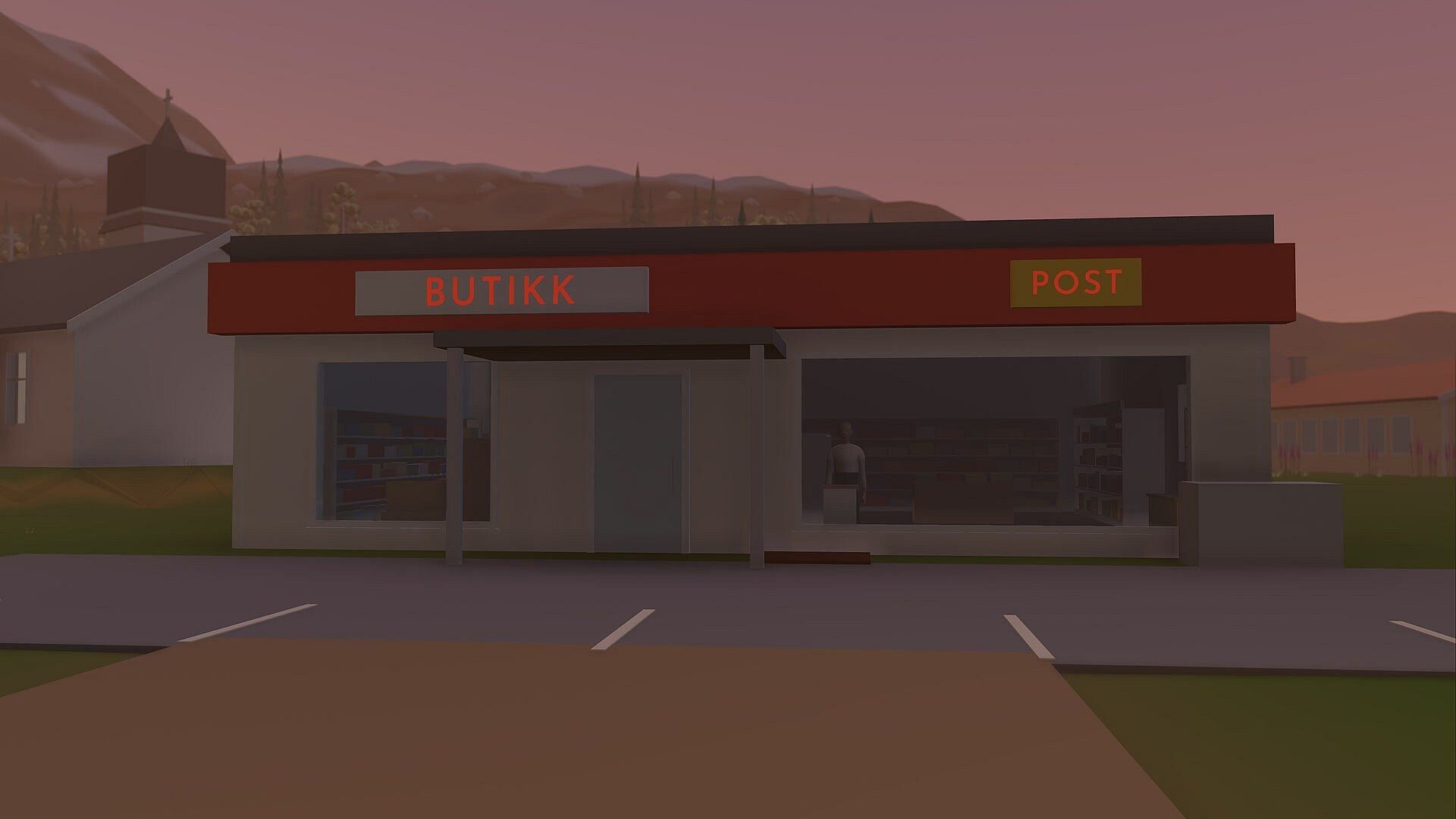

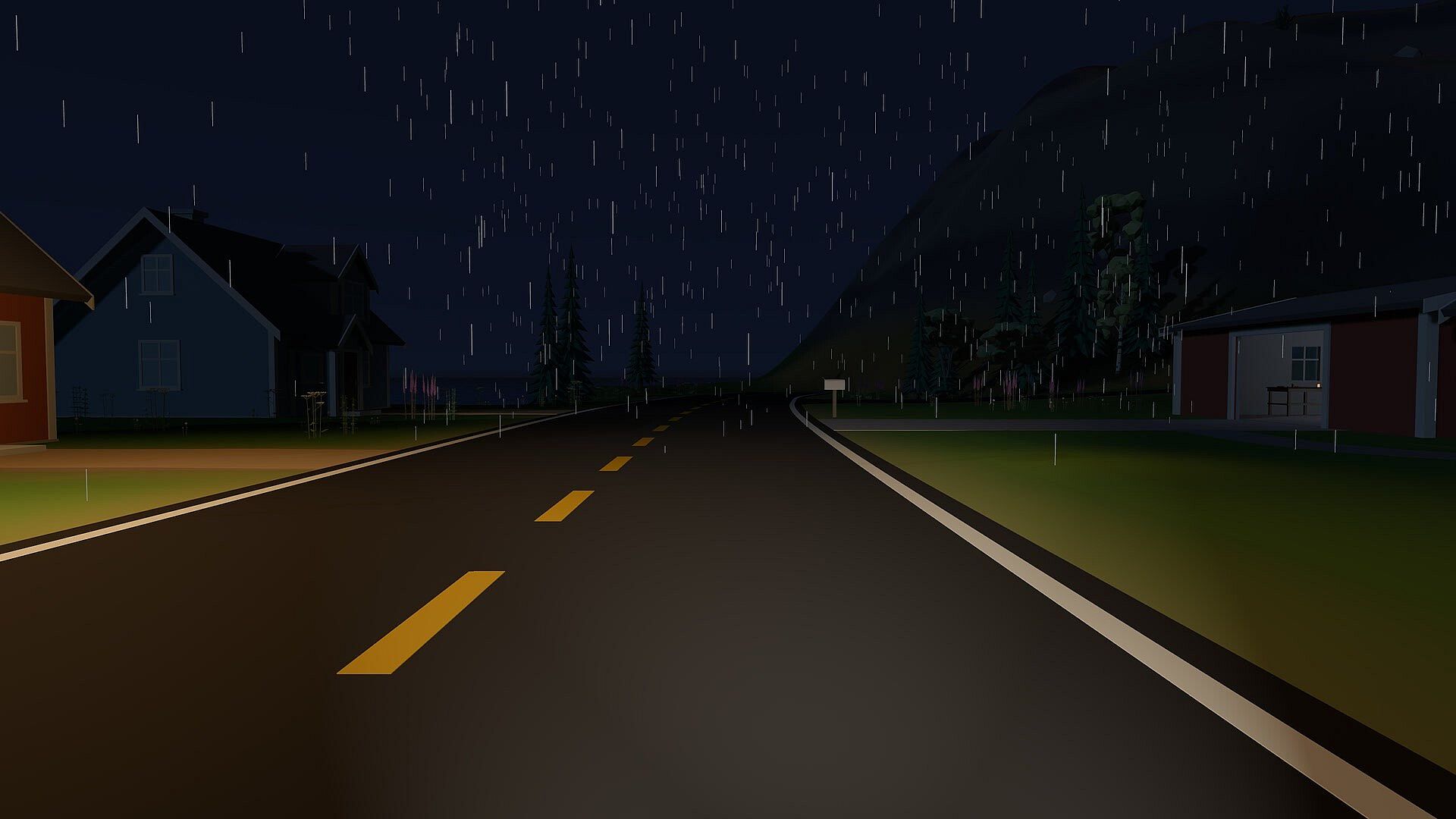
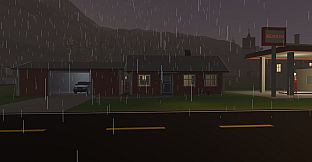
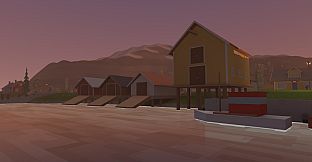
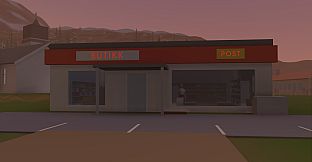

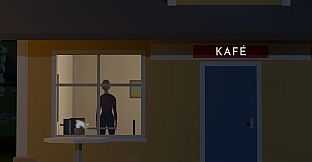
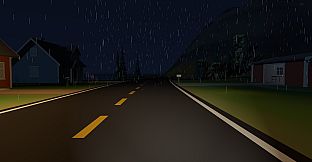


Utkant is an indie RPG simulation adventure game set on PC in a remote Norwegian village during 1988. Players take on the role of an outsider who purchases the old Haugen place at a low price following an estate auction. The story opens with the discovery of Madelen Lunde's body on the morning of arrival, positioning the newcomer as the village's primary suspect in a tight-knit community of six hundred people connected by a single road and limited ferry access.
Gameplay
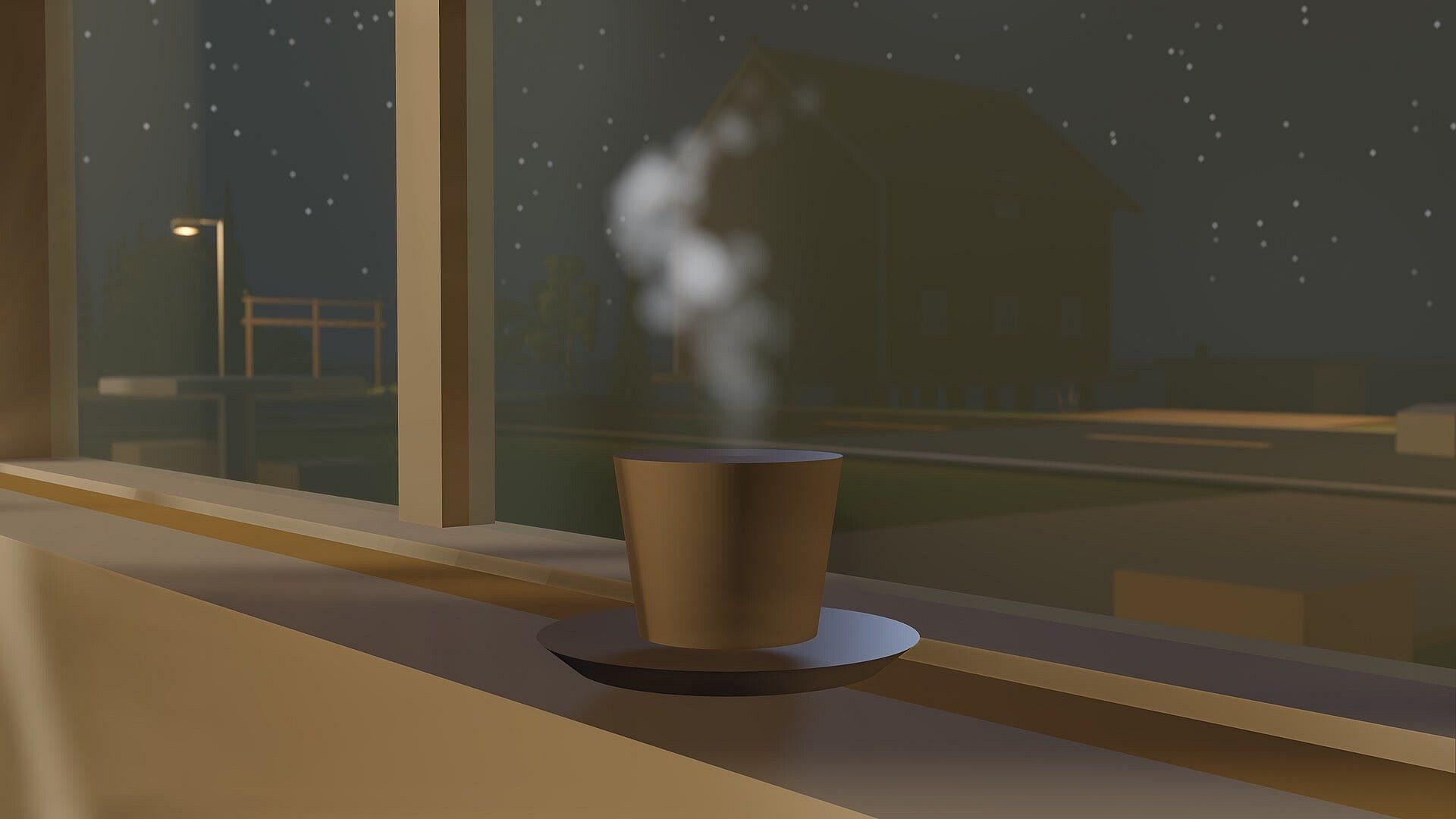
The core loop centers on exploration and investigation within a living village environment. Players interact with objects through physical systems that allow picking items up, carrying and throwing them, opening doors, attempting to pick locks, pouring liquids, soaking surfaces, and setting things alight. These mechanics support flexible problem solving without reliance on scripted sequences or quest markers. A full day and night cycle governs daily life, with businesses operating on set hours, street lamps activating at dusk, and residents following personal schedules. The absence of health bars shifts focus to environmental awareness and social observation, where actions and sightings by villagers influence ongoing suspicion levels.
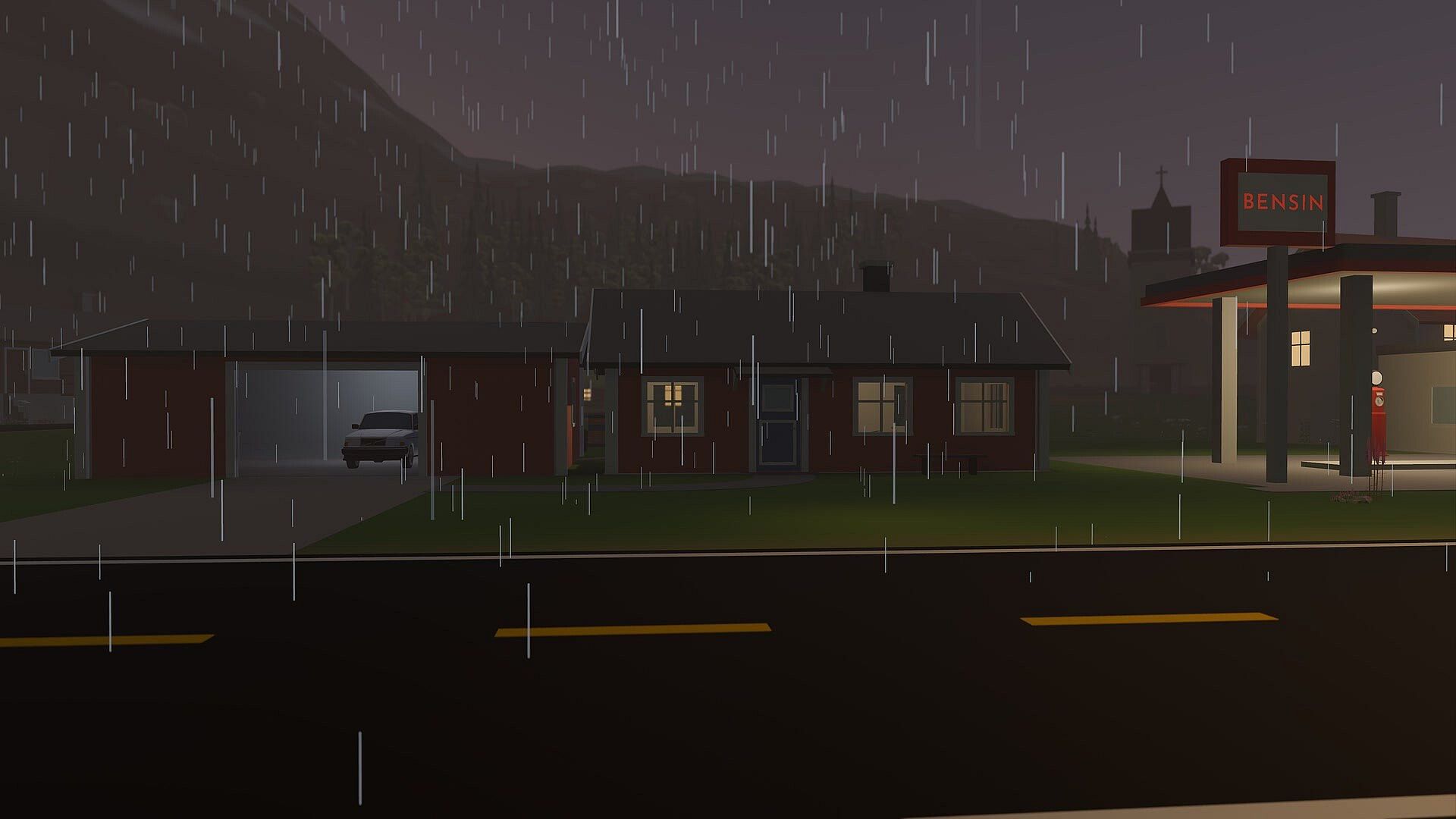
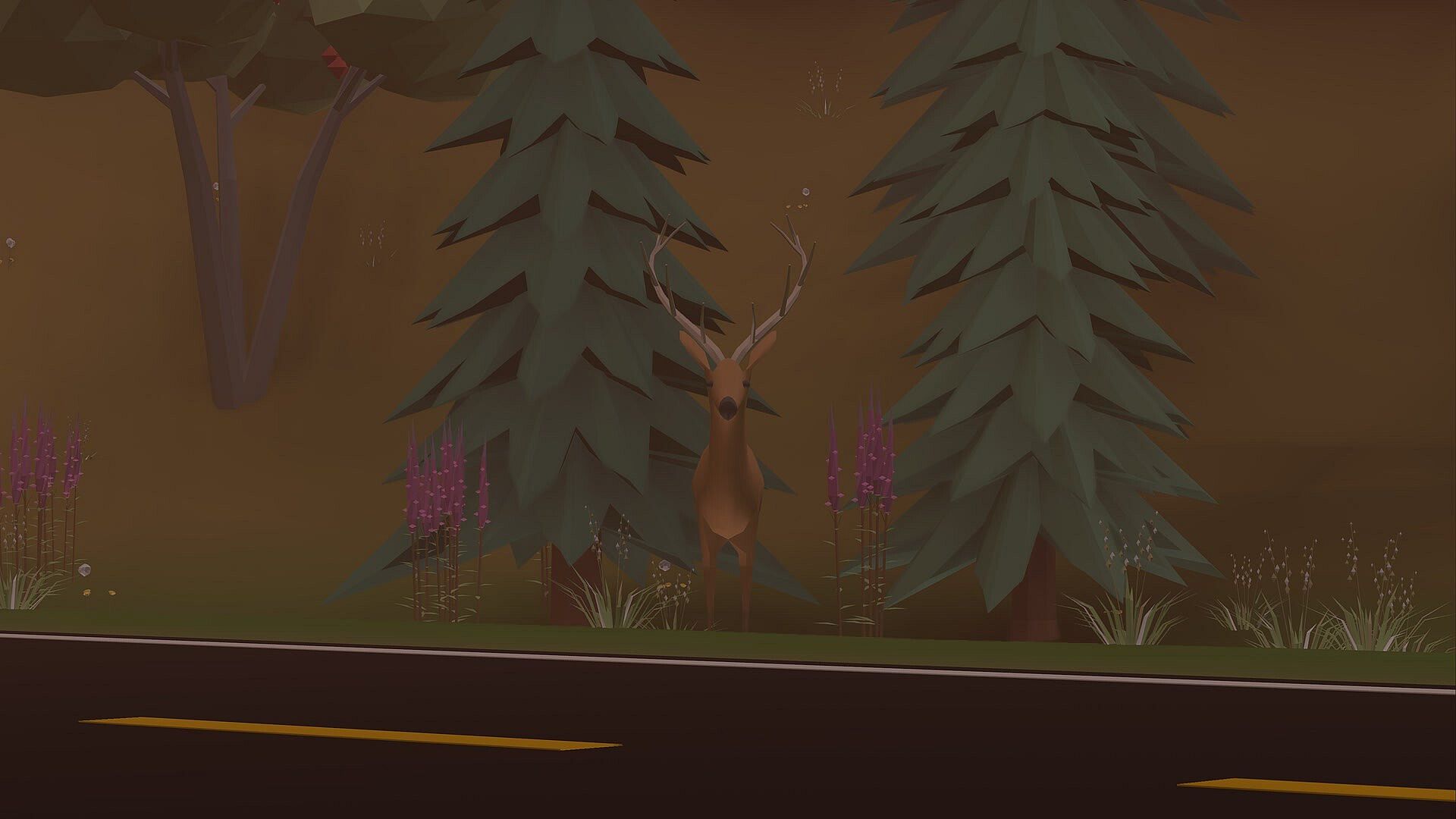
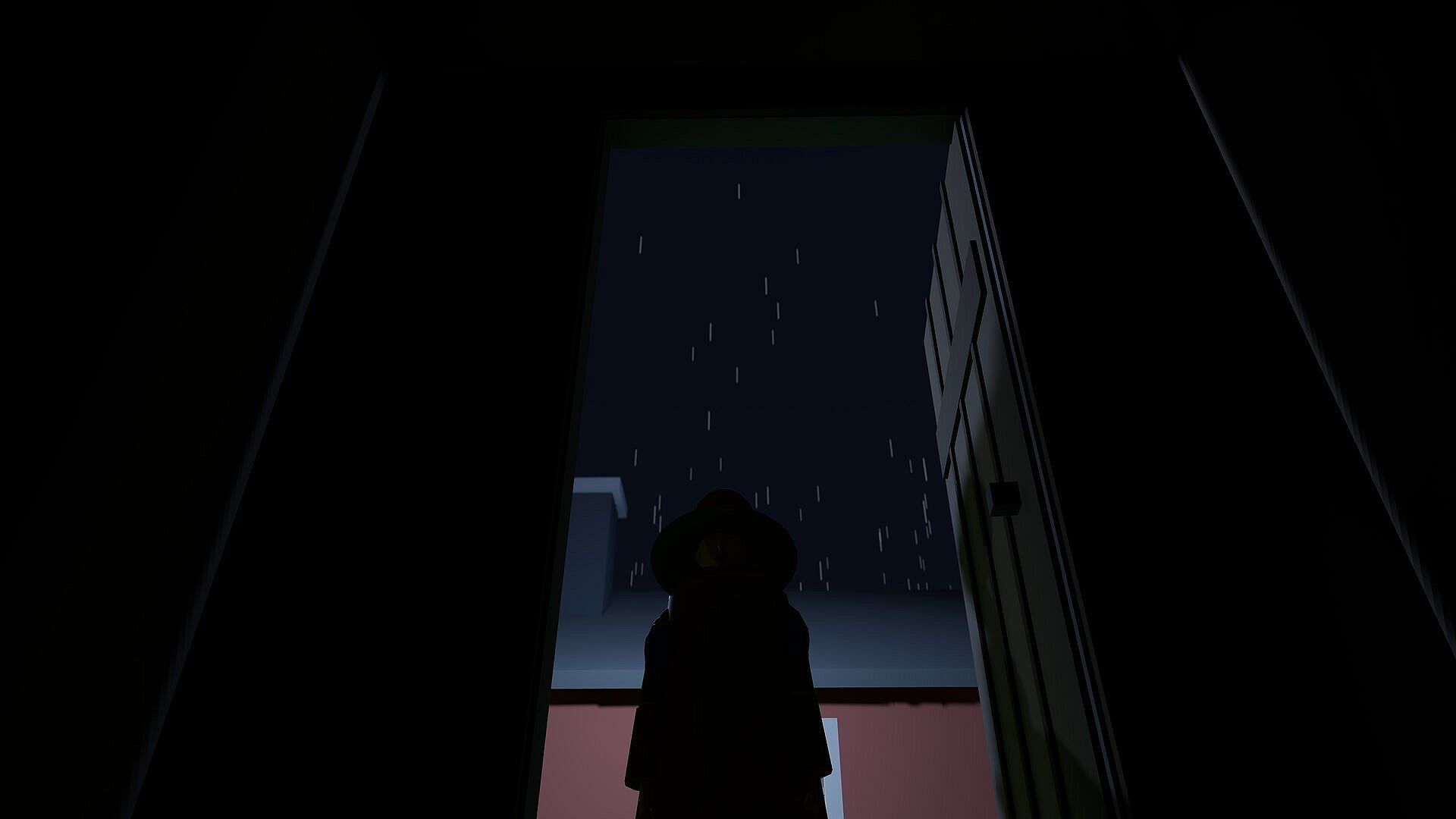
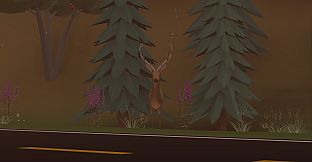
Practical activities include hunting in the surrounding woods and preparing meals over an open fire. Vehicles such as the old Volvo and motorcycle stored in the garage can be repaired and used for travel. The setting draws from real historical details of Norway in 1988, with period-accurate weapons, laws, and everyday items. Uncanny elements appear alongside ordinary clues, such as dreams in the Haugen house, a figure in a sou'wester visible only in headlights, and hymn numbers that do not match any known board. Each occurrence carries both a rational explanation and a possible supernatural echo, leaving interpretation to the player.
Game Modes
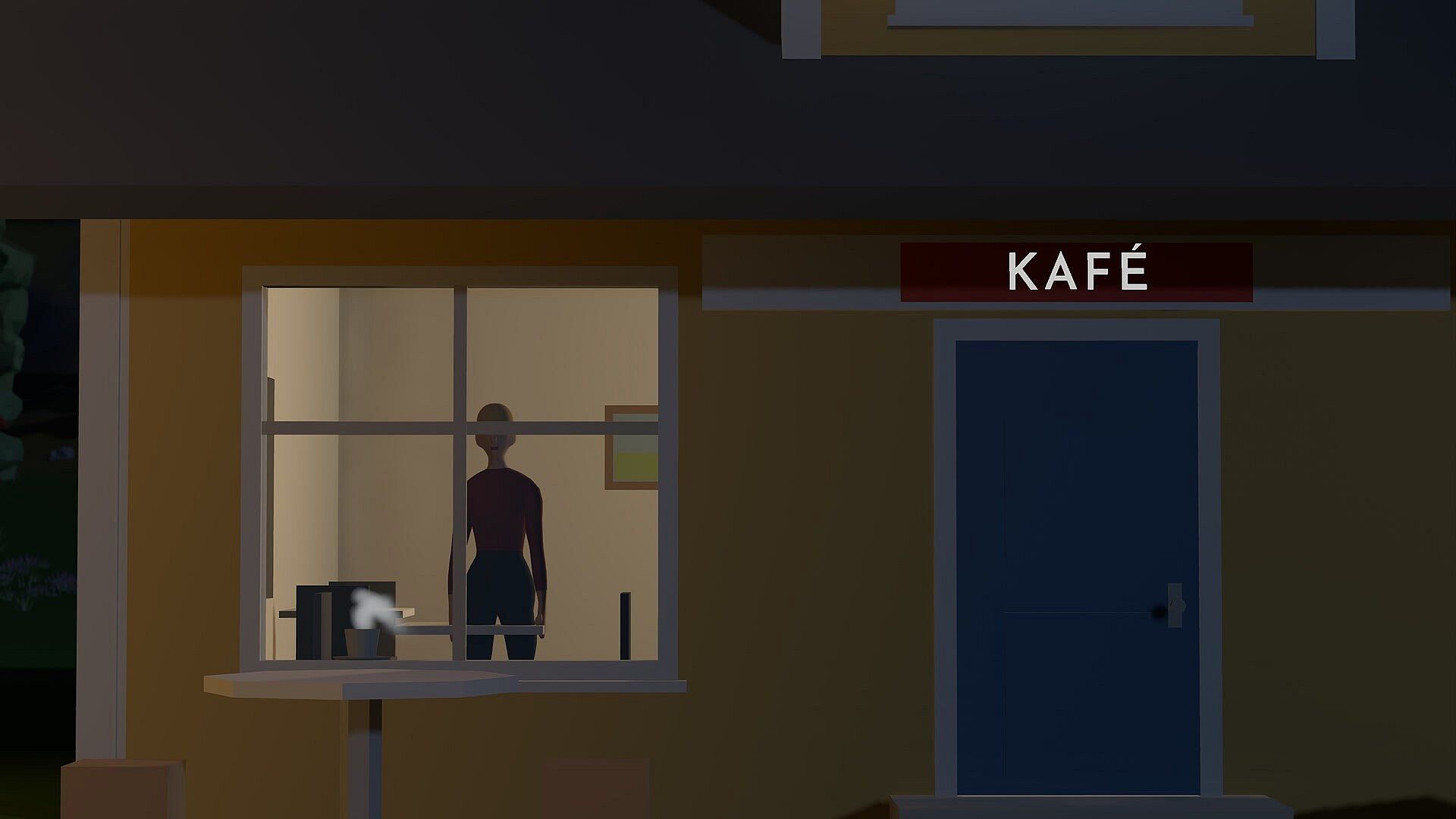
Utkant presents a single continuous single-player experience built around the central mystery and village life. There are no separate competitive or cooperative modes. The design emphasizes systems-driven interaction over linear progression, allowing players to approach situations through personal choice in movement, object manipulation, and social engagement. Time passes naturally with opening hours for locations like the local cafe and grocer, and residents maintain independent routines that affect availability and observation.
Setting and Atmosphere
The village operates as a closed system where every resident holds a secret that connects to smaller deceptions rather than the central crime. Locations such as the cafe for coffee and waffles, the grocer who tracks every purchase, and the bedehus with its choir folder create opportunities for information gathering through routine interactions. The lensmann handles both the investigation and gun permits, making personal reputation a factor in access and trust. The Haugen property sits on a burial mound tied to local folklore about hidden people and the farm's original owner, adding layers of tension between everyday routines and lingering unease.
Development Status
Utkant remains a solo-developed project in active development. The experience expands over time as new systems, locations, and narrative threads are added. The 1988 Norwegian setting stays grounded in historical accuracy, with no modern inventions included in weapons, laws, or technology. Players interested in immersive simulations can follow progress through wishlist updates on the platform where the game is listed.
Is It Worth Playing?
Utkant suits players who enjoy detailed immersive sims that reward careful observation and creative use of environmental systems. The focus on a contained community, period authenticity, and the interplay between ordinary clues and uncanny details creates a distinctive investigative loop without hand-holding elements. Those who prefer games with clear quest guidance or traditional combat progression may find the open-ended approach less direct. As development continues, the title offers an evolving single-player narrative that prioritizes player agency within a tightly observed rural setting. Early interest stems from its unique premise and mechanics rather than established review data or completed content.