

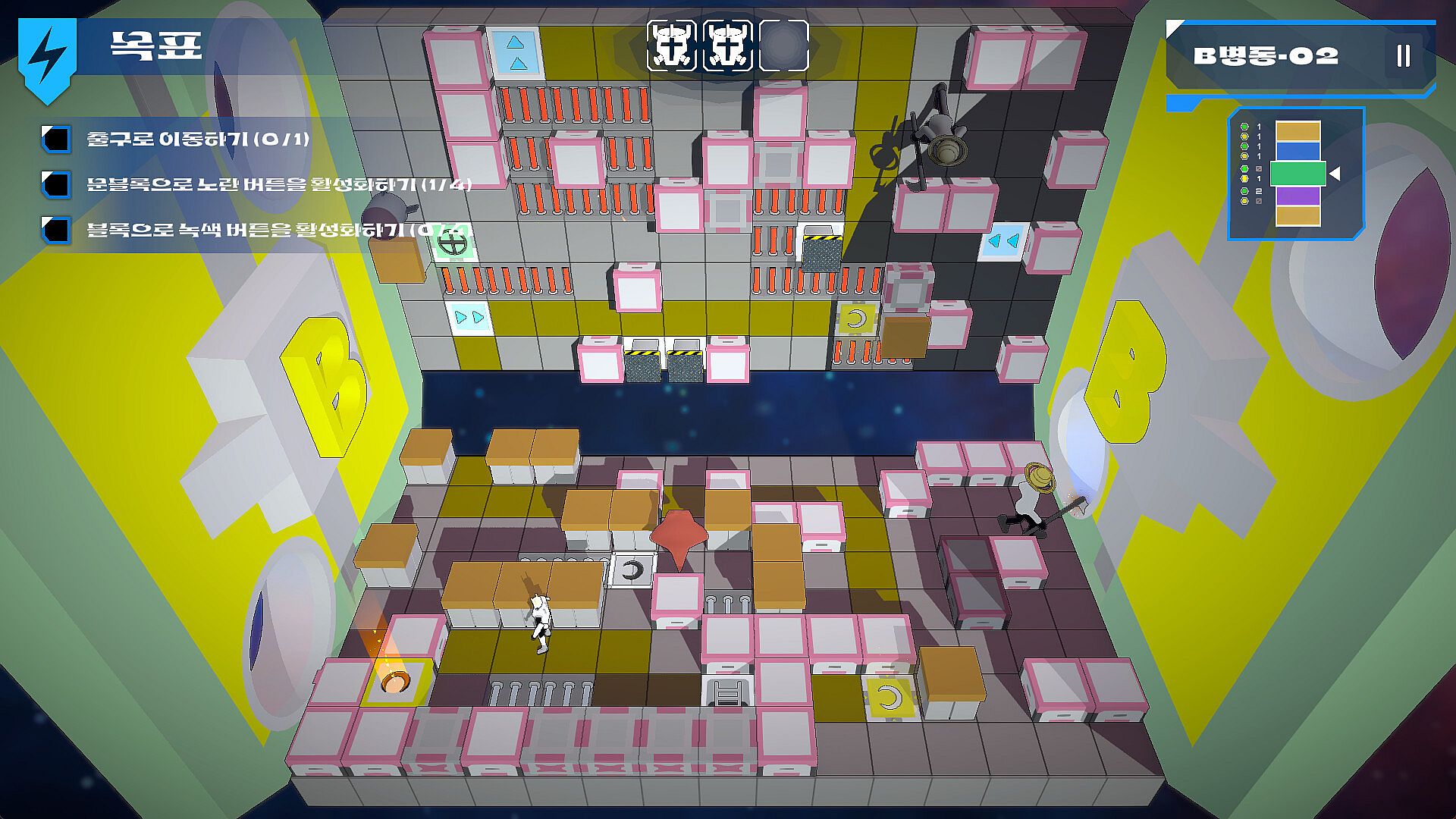
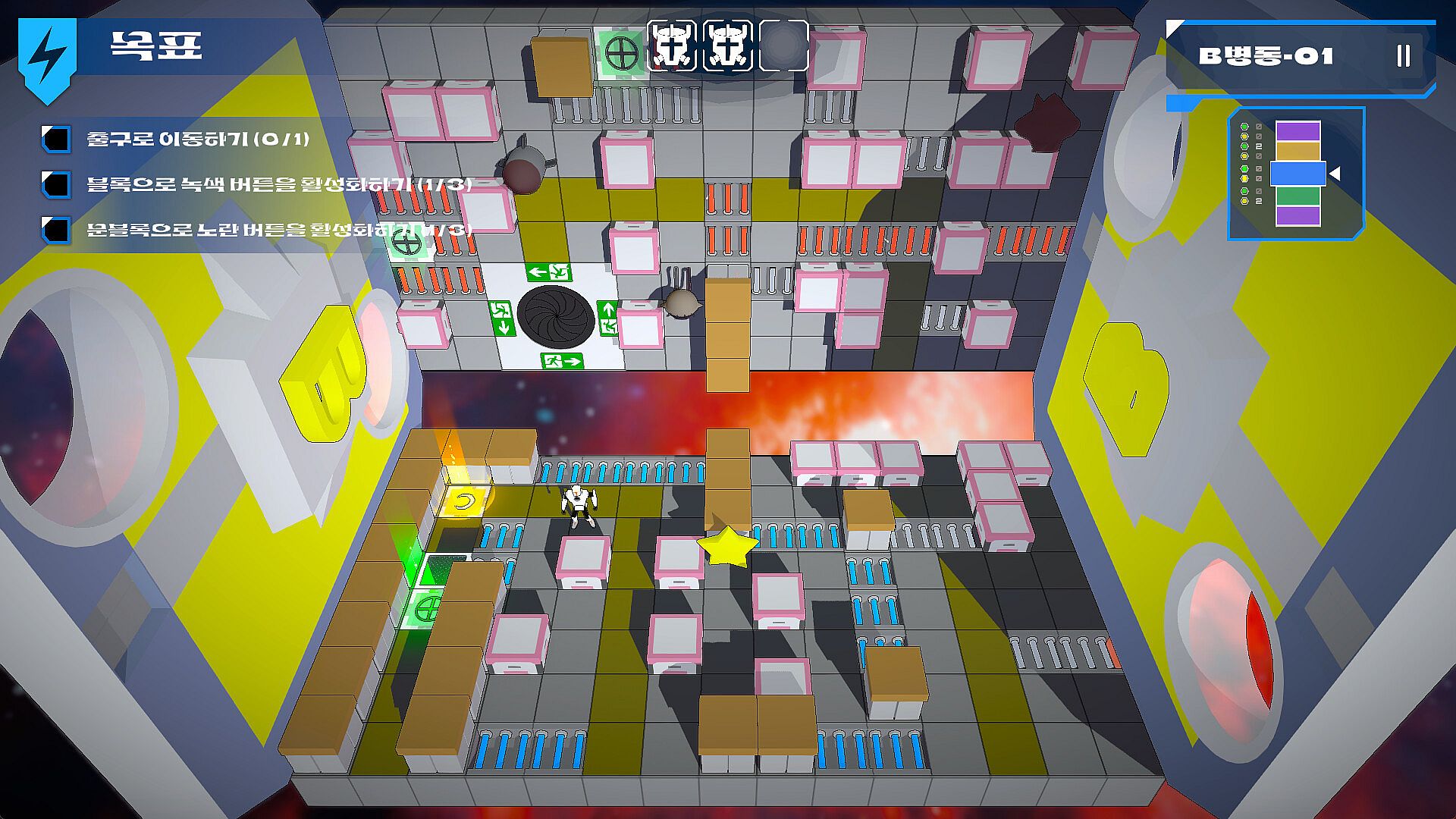
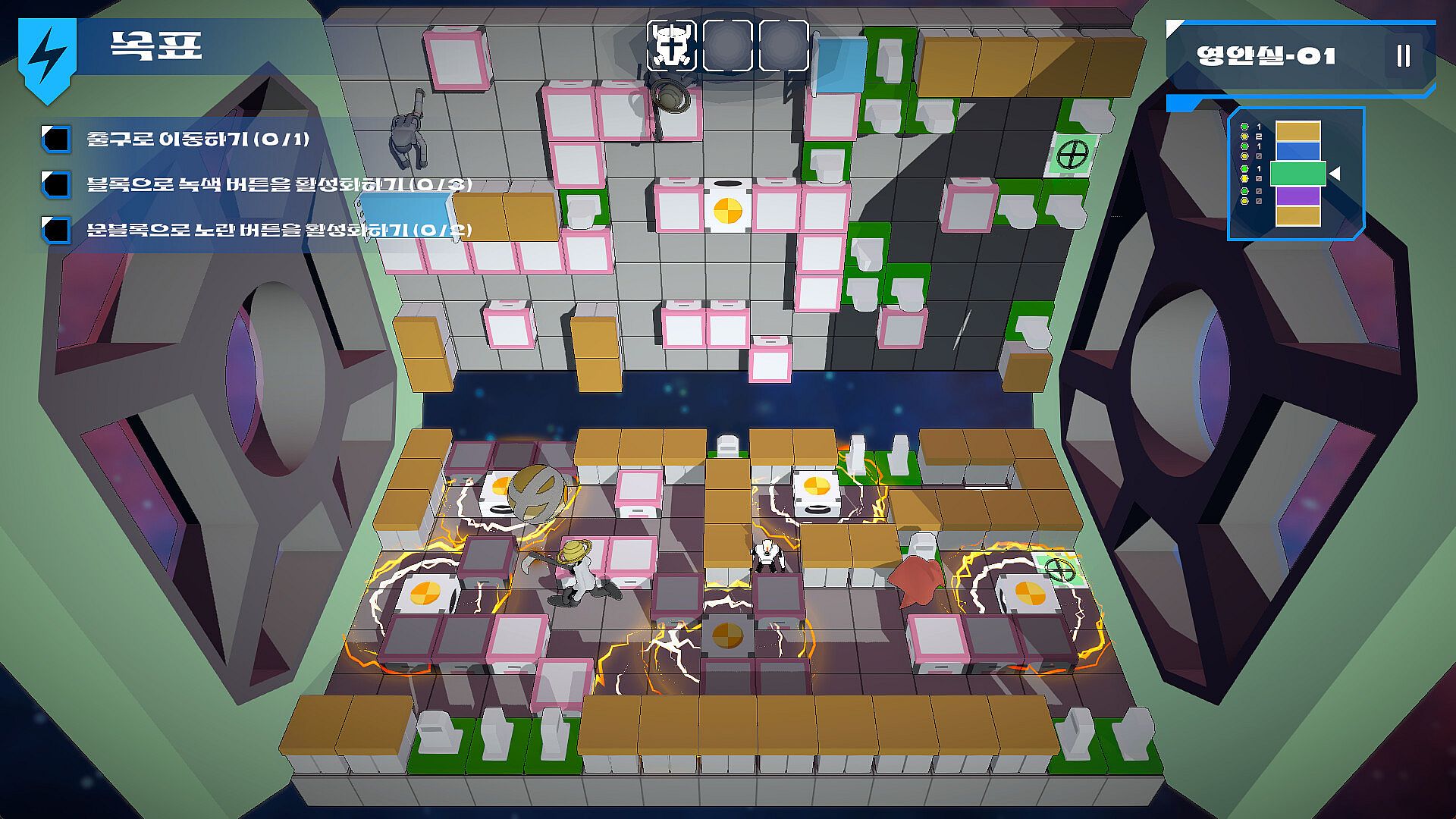
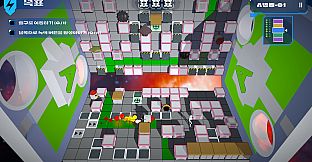
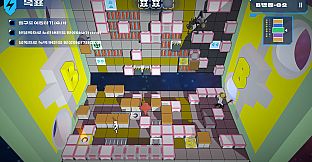
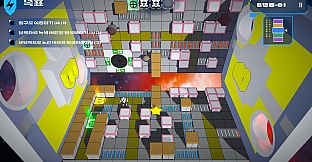
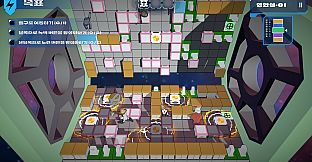
Vector Quake is a single-player 3D spatial puzzle-action game that combines gravity manipulation with strategic crate handling in a facility where floors and walls connect seamlessly. Developed as a graduation project by students at Hoseo University, the title places players in the role of Victor, who gains the ability to control gravity after an experimental procedure goes wrong amid a black hole incident. The result is a focused experience built around escaping a derelict space laboratory overrun by monsters.
Gameplay
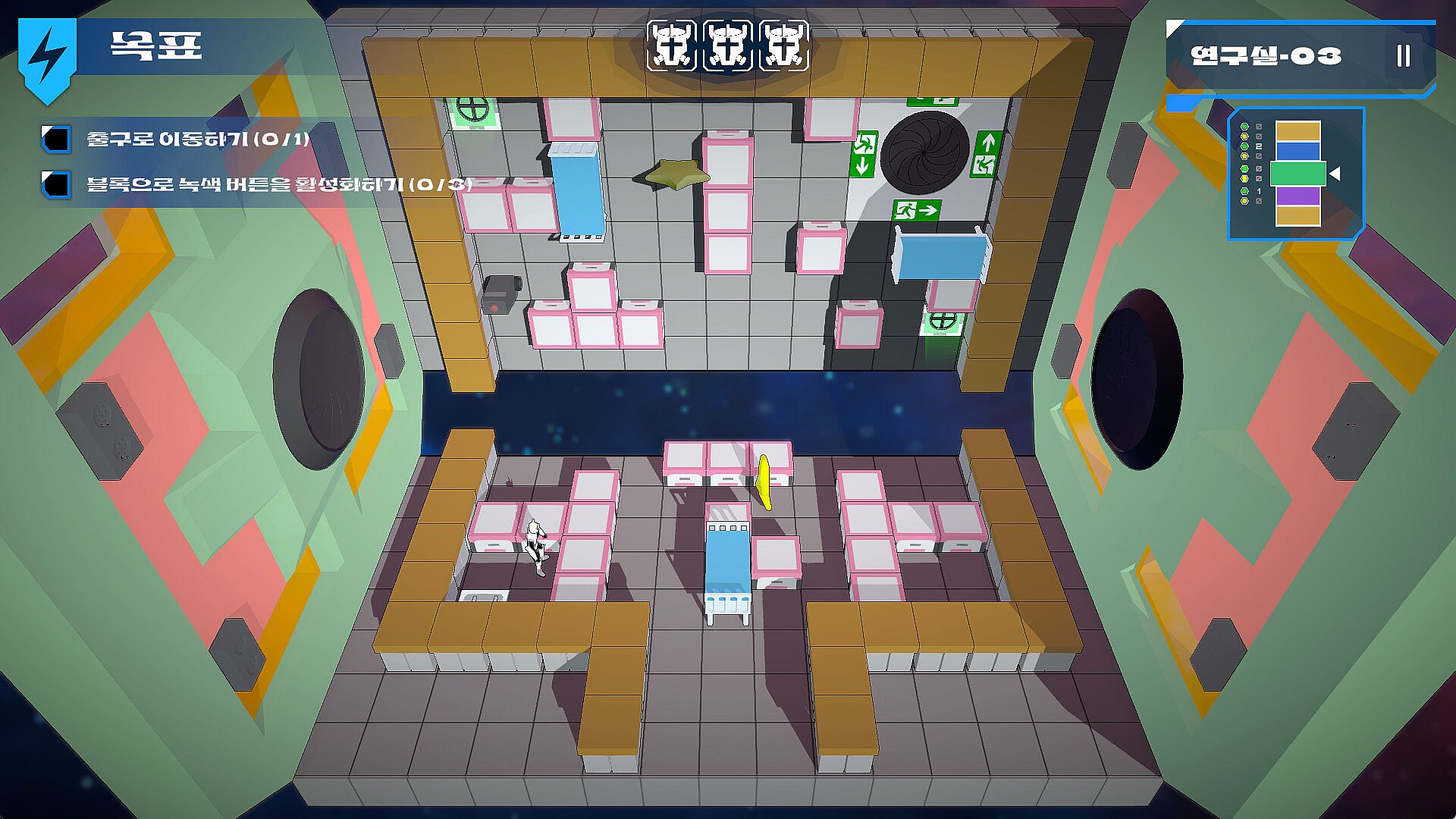
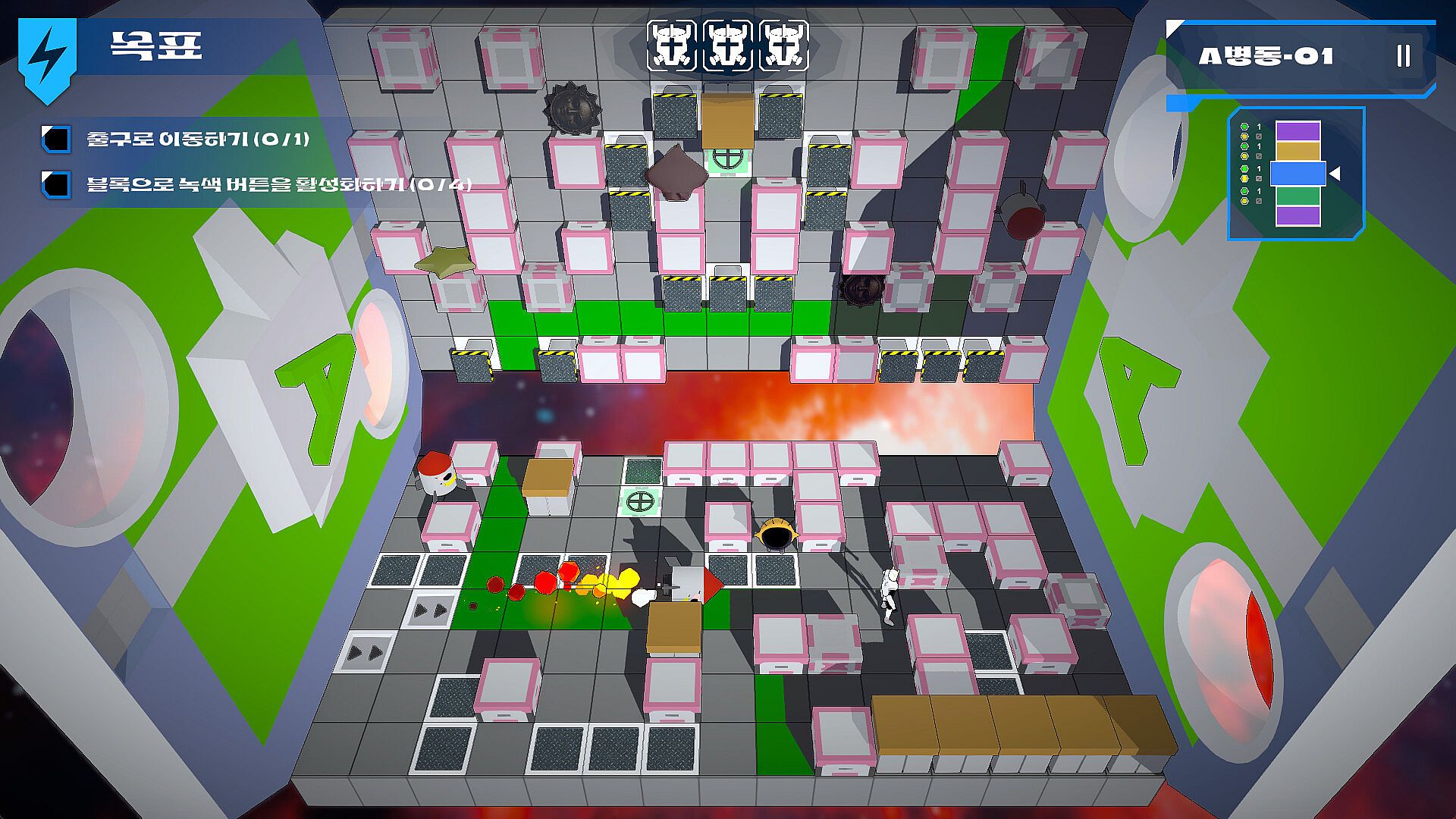
Vector Quake centers on navigating interconnected surfaces in fully three-dimensional stages. Players survey entire rooms where the floor, walls, and ceilings form one continuous grid. Movement, pushing, and flipping actions let crates slide across boundaries between surfaces, turning obstacles into bridges or platforms. Mechanisms activate only when crates land on specific switches, and enemies positioned on any surface can be avoided or defeated by redirecting those same crates as weapons. A single repositioned crate can open a new path or alter enemy encounters, requiring players to plan routes that account for gravity shifts and spatial orientation. The controls remain straightforward, emphasizing deliberate decisions over rapid reflexes while the environment demands constant awareness of the full room layout.
Game Modes
Vector Quake offers a single-player campaign structured around individual stages. Each stage presents a self-contained spatial puzzle with crates, switches, special tiles, enemies, and an exit distributed across multiple surfaces. Progress comes from solving these puzzles in sequence, with no additional modes or multiplayer elements included in the current build. The focus stays on mastering the core loop of observation, crate manipulation, and pathfinding within the continuous play space.
Key Mechanics
Crates serve multiple roles as both tools and threats. They activate switches to open doors or lower barriers, act as temporary platforms to reach higher or angled surfaces, and can be flipped or pushed to strike enemies. Gravity manipulation allows Victor to traverse what would normally be vertical walls as walkable floors. Enemies and mechanisms interact across the shared grid, so a crate moved on one surface can affect objects on another. Stages reward careful study of the entire environment rather than linear progression, and different orders of actions produce varied solutions.
Is It Worth Playing?
Vector Quake suits players who enjoy deliberate spatial puzzles and creative problem-solving in three dimensions. The free-to-play model on PC removes any financial barrier, letting interested users test the gravity-based crate mechanics and continuous-surface navigation directly. Those drawn to indie action-strategy titles that emphasize planning over speed will find the stage-based structure rewarding, while fans of more action-heavy experiences may prefer titles with faster pacing or combat depth. The student-developed nature keeps the scope focused on the core spatial concepts without extraneous features.