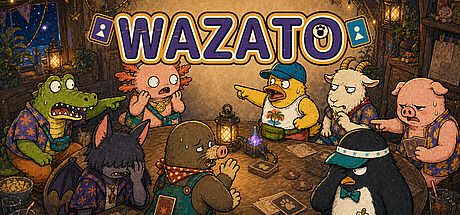


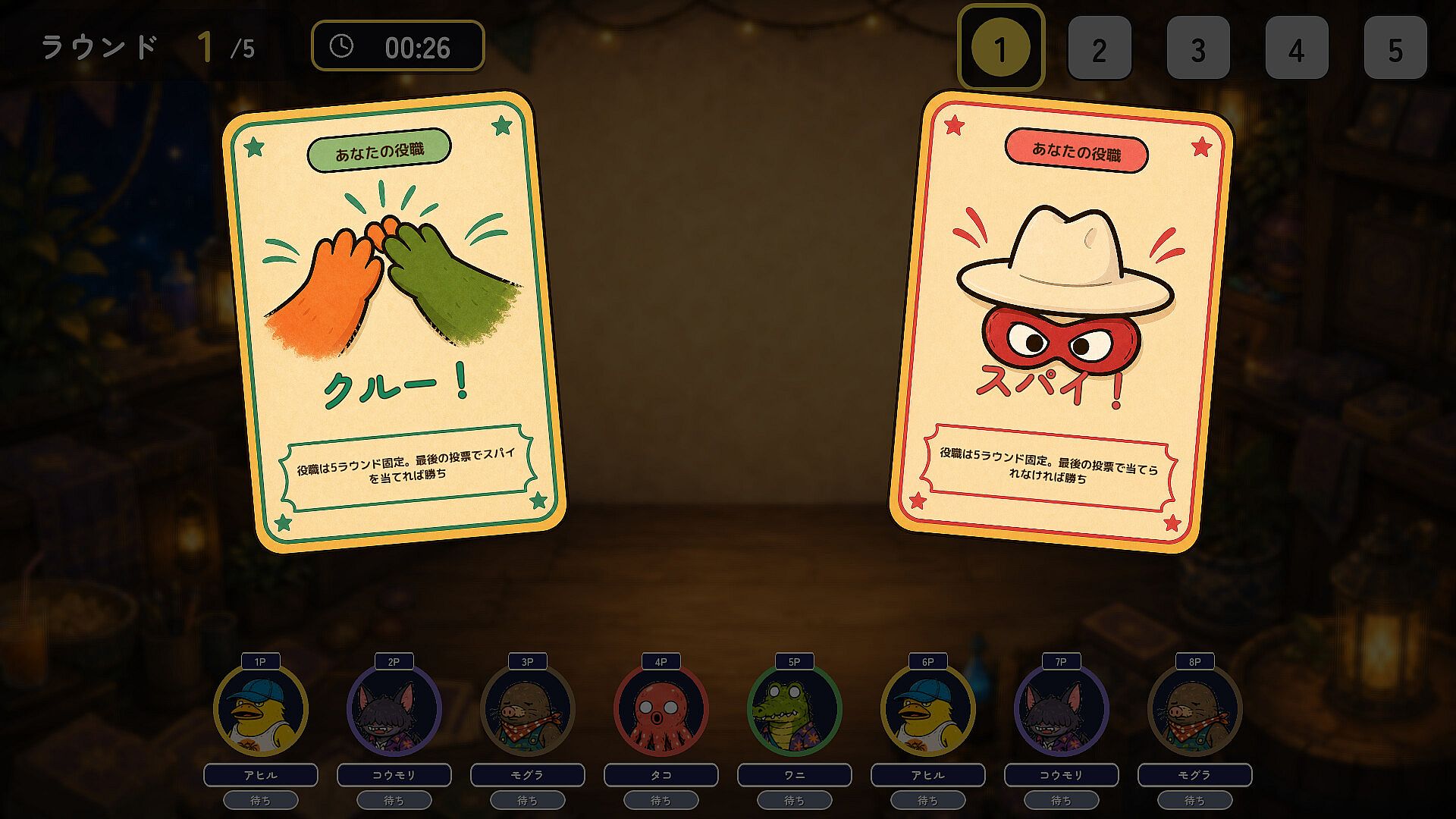

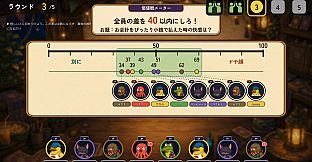



WAZATO: Sabotage or Mistake? to niezależna, casualowa gra imprezowa online na PC, łącząca kooperacyjne minigry z mechaniką dedukcji społecznej. Do trzech-ośmiu graczy wspólnie realizuje pięć misji, podczas gdy jeden ukryty szpieg próbuje je sabotować, pozostając niezauważonym.
Rozgrywka
Podstawą jest wspólne wykonywanie zadań, które wymagają koordynacji i szybkiego myślenia. Wszyscy biorą udział w każdej misji, ale szpieg dyskretnie wpływa na wyniki poprzez swoje decyzje i sugestie. Po każdej rundzie gracze analizują rezultaty i omawiają, co poszło dobrze, a co nie. Ta faza skłania do rozmowy o indywidualnych działaniach i ewentualnych nieścisłościach w zachowaniu.
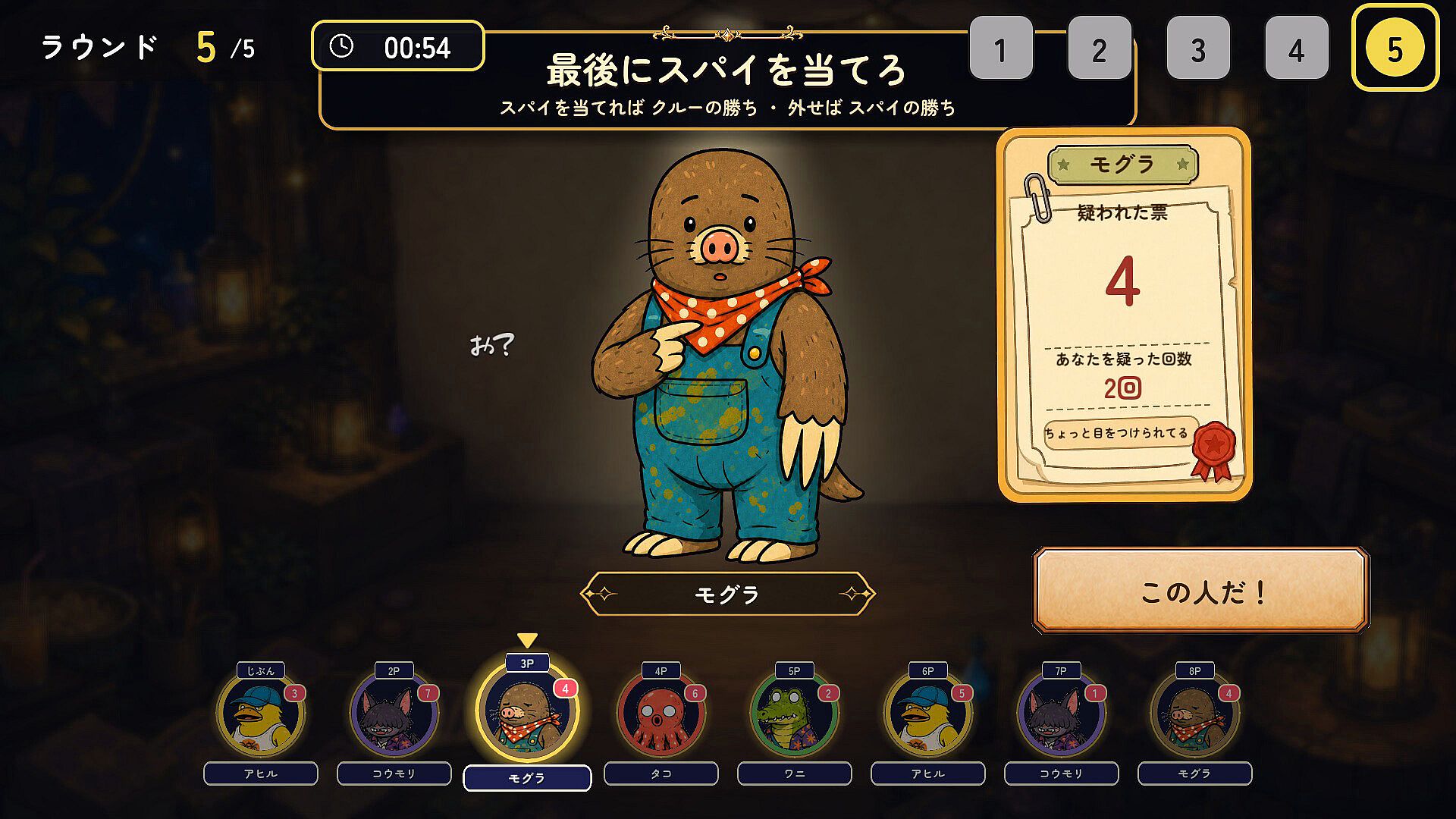
Bluff i obserwacja odgrywają kluczową rolę. Szpieg musi balansować między sabotowaniem a pozornie pomocnymi akcjami, by nie wzbudzić podejrzeń, podczas gdy członkowie załogi analizują wzorce zachowań w kolejnych rundach. Po każdej misji odbywa się głosowanie, które pozwala zawęzić krąg podejrzanych na podstawie wyników i wcześniejszych głosów. Ostateczna runda kończy się decydującym głosowaniem - załoga wygrywa, jeśli zdołała ukończyć wystarczającą liczbę misji lub poprawnie wskazać szpiega.
Tryby gry
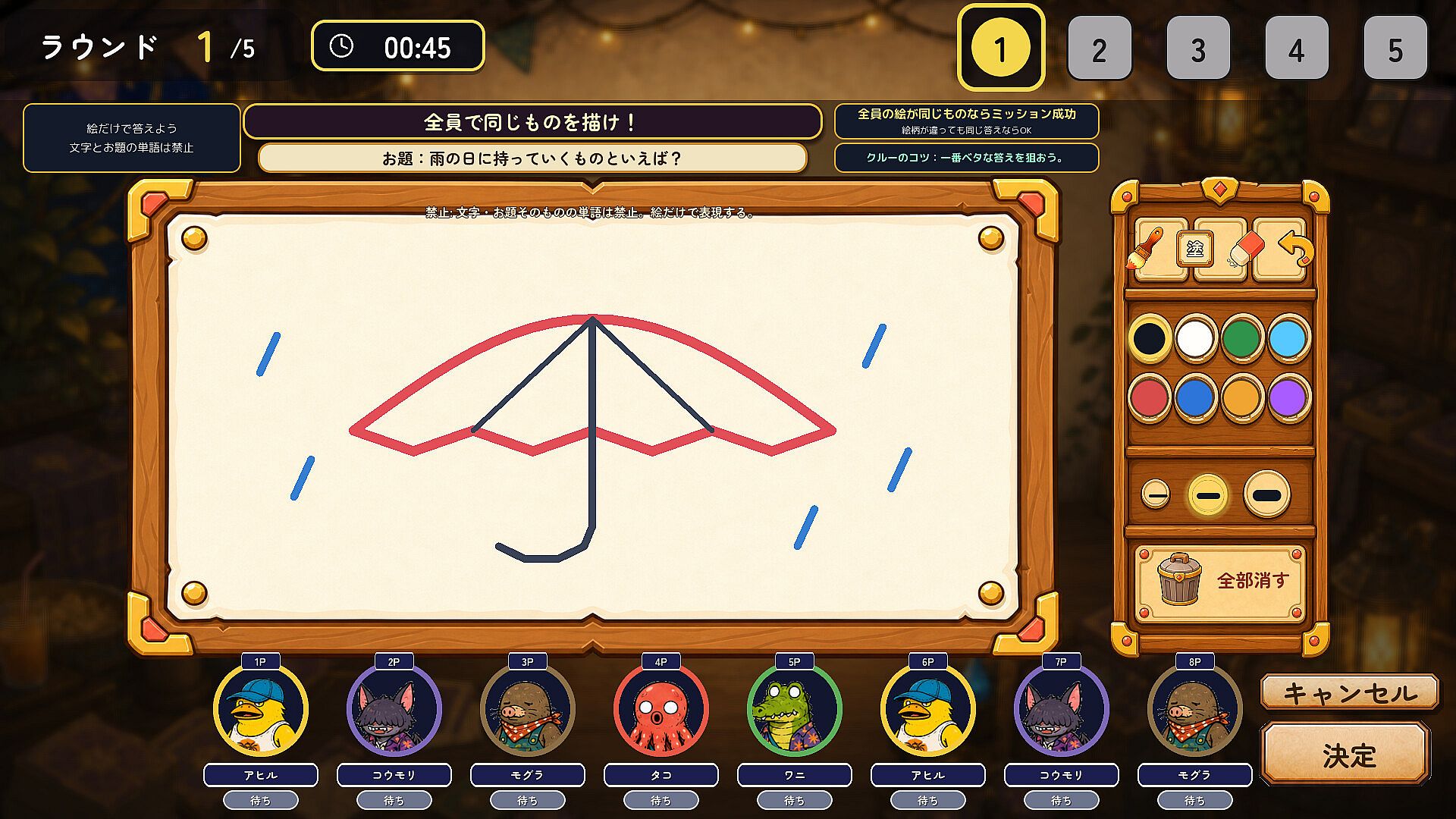
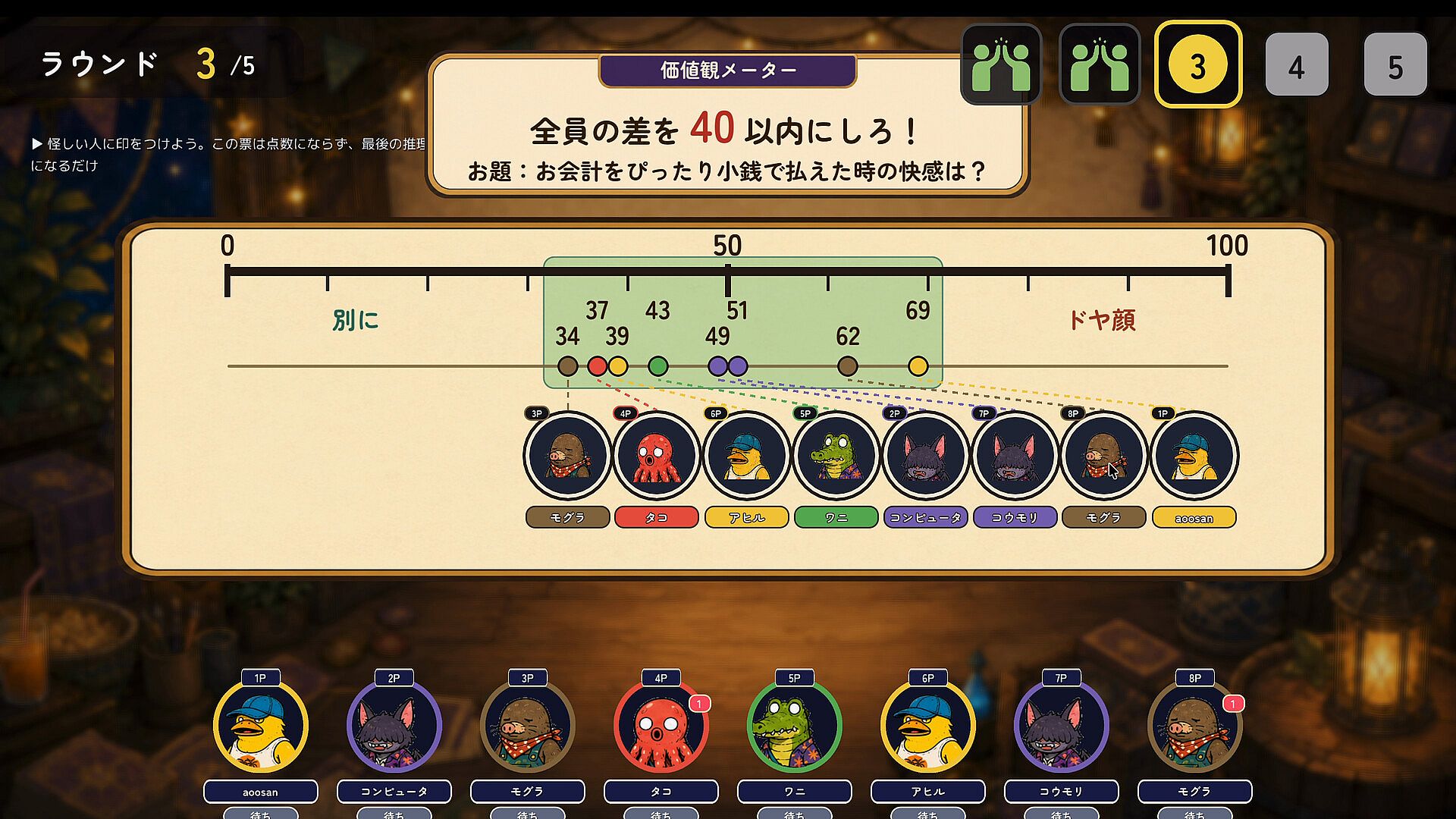
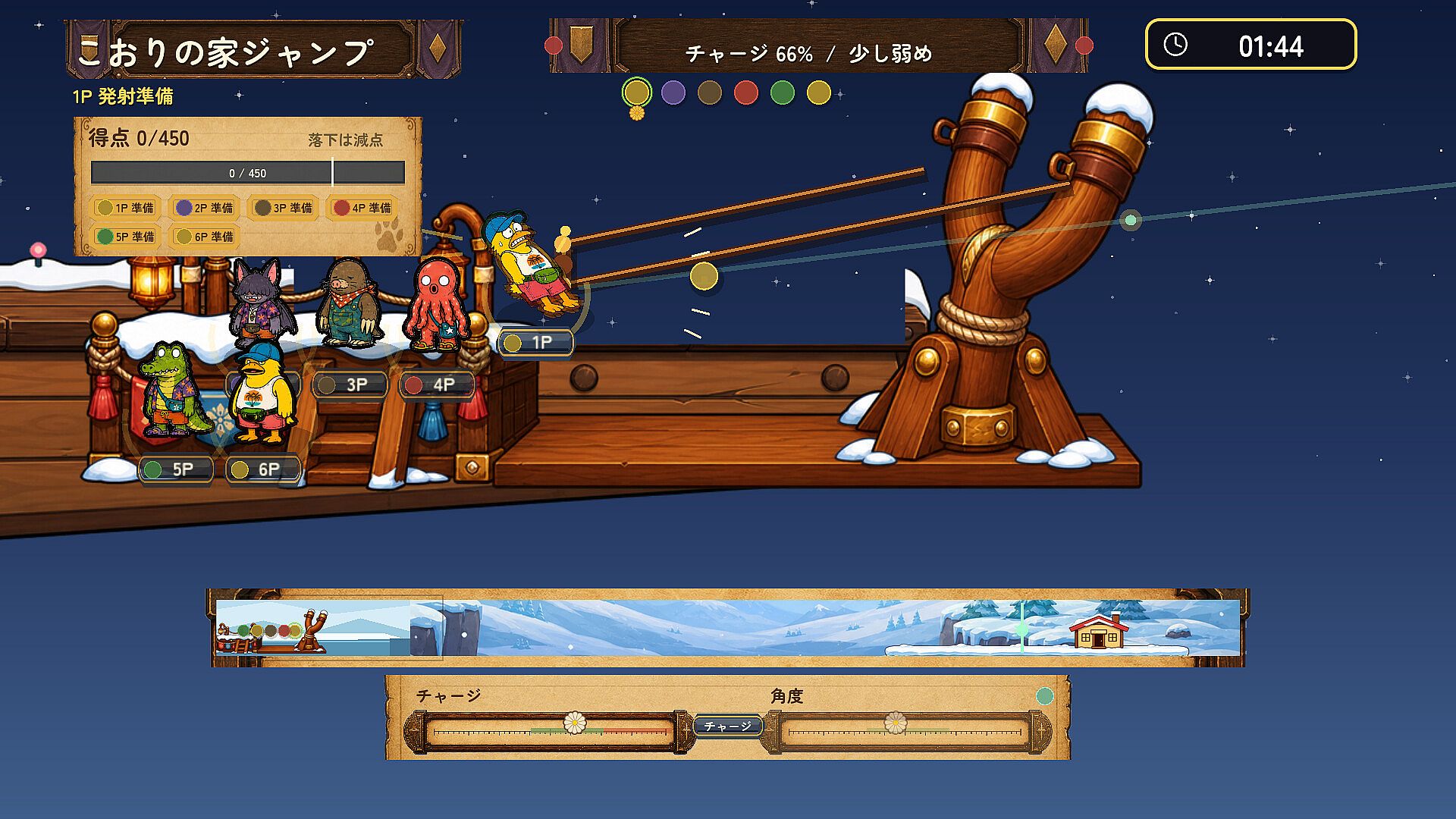
Sesja składa się z pięciu różnych wyzwań kooperacyjnych, testujących różne aspekty współpracy. Przykłady to First Thought - gdzie wszyscy gracze starają się podawać pasujące odpowiedzi - oraz Value Meter, w którym zespół dostosowuje wartości na skali numerycznej, by osiągnąć konsensus. Minigry kładą nacisk na intuicję i komunikację, a nie na indywidualne umiejętności.
Każde wyzwanie generuje mierzalne wyniki, które trafiają bezpośrednio do fazy dedukcji. Dzięki nim gracze otrzymują konkretne dane do oceny podczas dyskusji. Różnorodność zadań utrzymuje tempo i świeżość, jednocześnie podsycając napięcie związane z wykrywaniem ingerencji.
Struktura i funkcje trybu multiplayer
WAZATO obsługuje wyłącznie tryb online dla grup od trzech do ośmiu osób - nie ma trybu jednoosobowego ani offline. Głosowy czat umożliwia negocjacje i oskarżenia w czasie rzeczywistym, choć dostępna jest też komunikacja tekstowa. Krótkie sesje sprzyjają wielokrotnym rundom, a każda partia opiera się na pięciu misjach i zintegrowanym systemie głosowania.
Kluczowe mechaniki obejmują śledzenie wyników misji oraz historii głosowań - te elementy tworzą trwające śledztwo, które rozwija się z każdą rundą. Szpieg wygrywa, doprowadzając do niepowodzenia co najmniej trzech misji i unikając wykrycia w końcowym głosowaniu. Załoga zwycięża, kończąc pomyślnie trzy lub więcej misji albo prawidłowo wskazując szpiega.
Czy warto zagrać?
Produkcja jest adresowana do graczy lubiących dedukcję społeczną w połączeniu z lekkimi wyzwaniami kooperacyjnymi. Struktura nagradza uważne słuchanie i strategiczne powściągnięcie, co czyni ją odpowiednią dla grup otwartych na rozmowę i przyjacielskie podejrzenia. Gra jest wciąż w fazie rozwoju i nie została jeszcze wydana - aktualne informacje o dostępności można śledzić kanałami oficjalnymi.
Osoby, które cenią imprezówki łączące pracę zespołową z ukrytymi rolami, docenią format pięciu misji oraz analizę po każdej rundzie. Różnorodność minigier i głosowanie oparte na dowodach wyróżniają tytuł na tle czystych gier dedukcyjnych. Rekomendacja czatu głosowego sugeruje, że gra najlepiej sprawdza się w grupach komunikujących się otwarcie. Ogólnie koncepcja powinna zainteresować fanów casualowego multiplayeru skupionego na zaufaniu i dezinformacji, a nie na refleksie czy długich kampaniach.