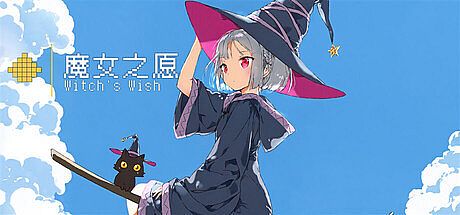


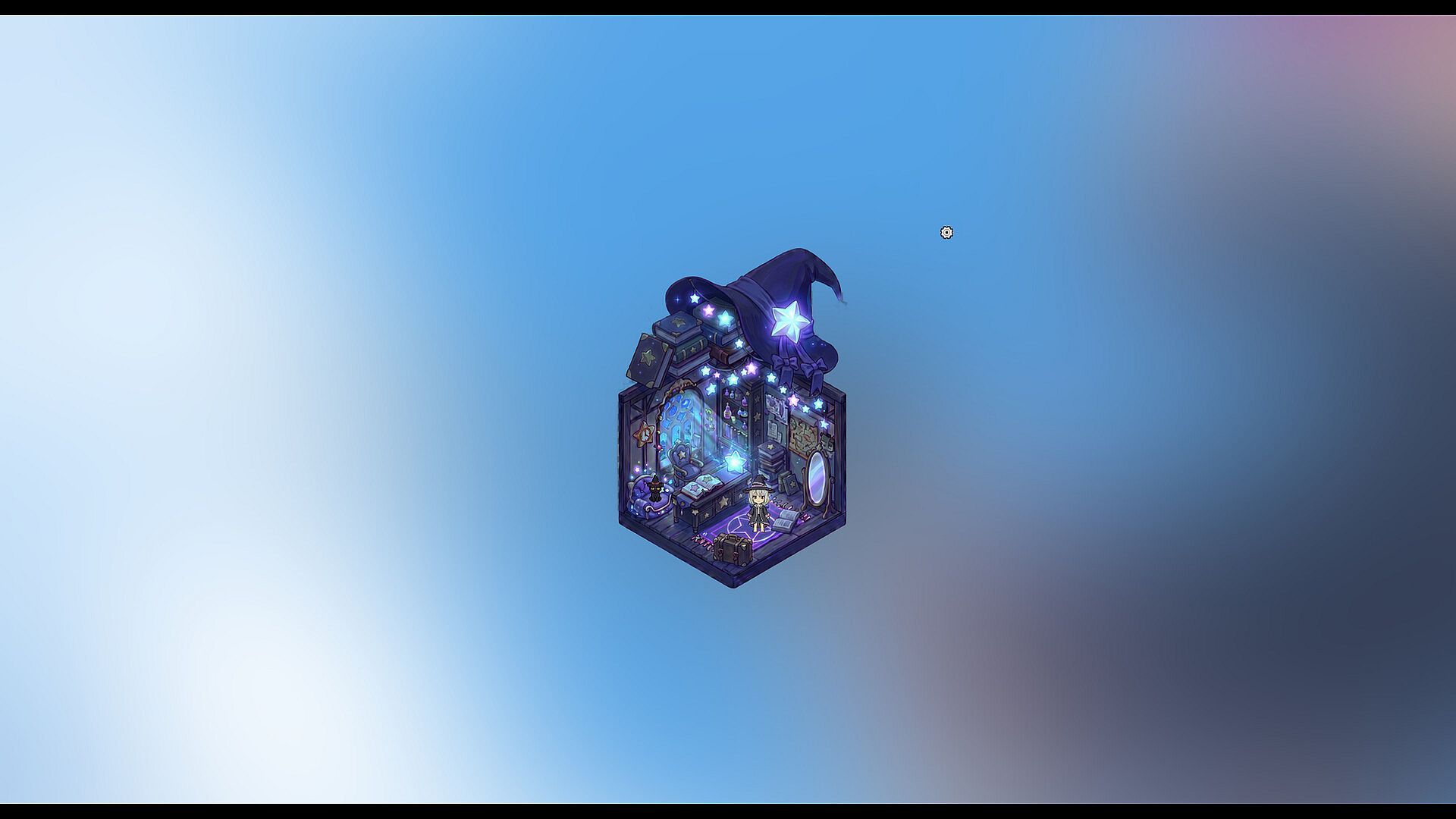
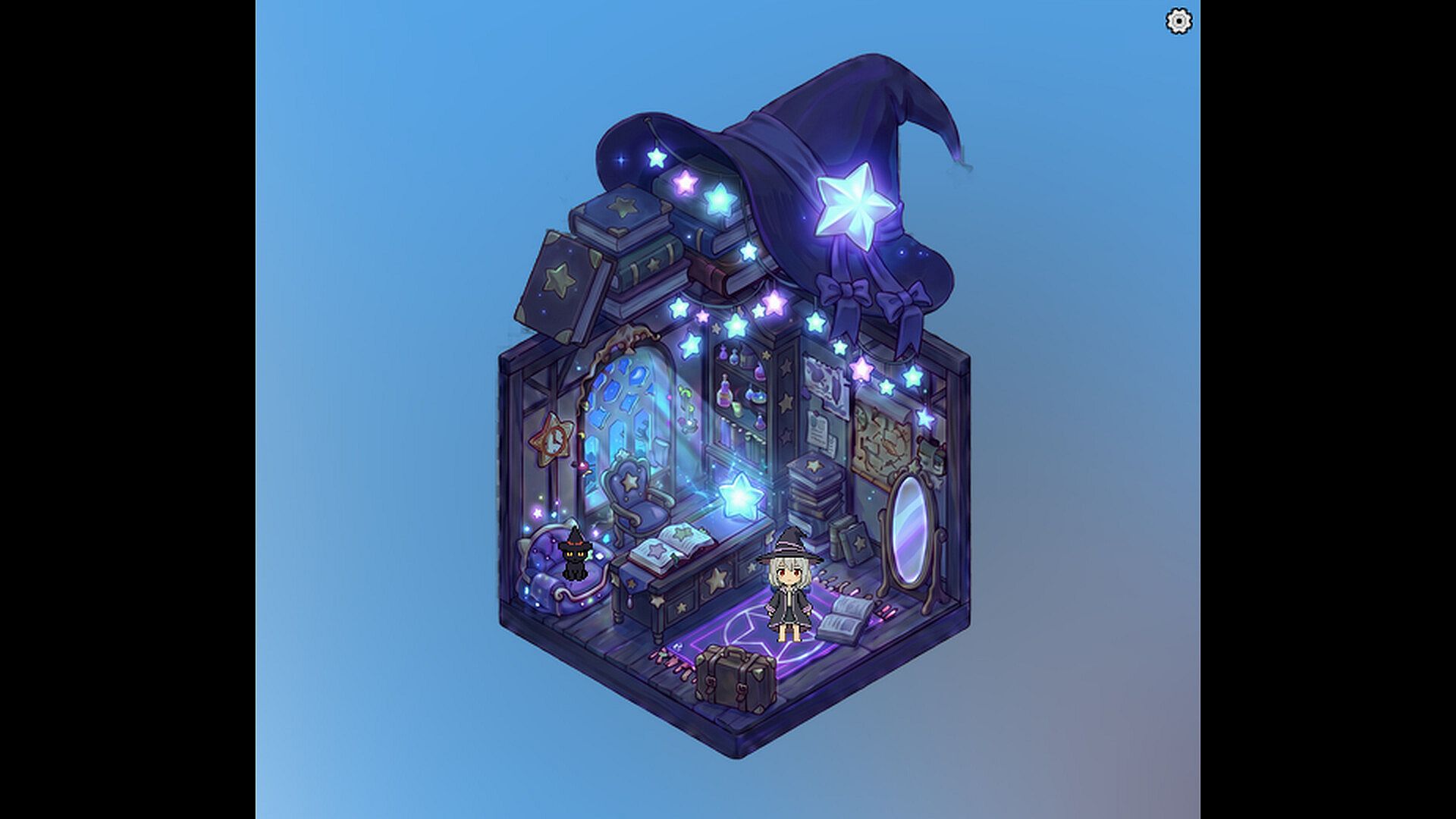

Witch's Wish to symulacja towarzysząca na komputer, łącząca elementy RPG i casual na PC. Gracz obserwuje praktykantkę czarownic imieniem Morino Hikari, która mieszka w małym, przezroczystym okienku na ekranie i prowadzi własne życie niezależnie od poleceń.
Rozgrywka
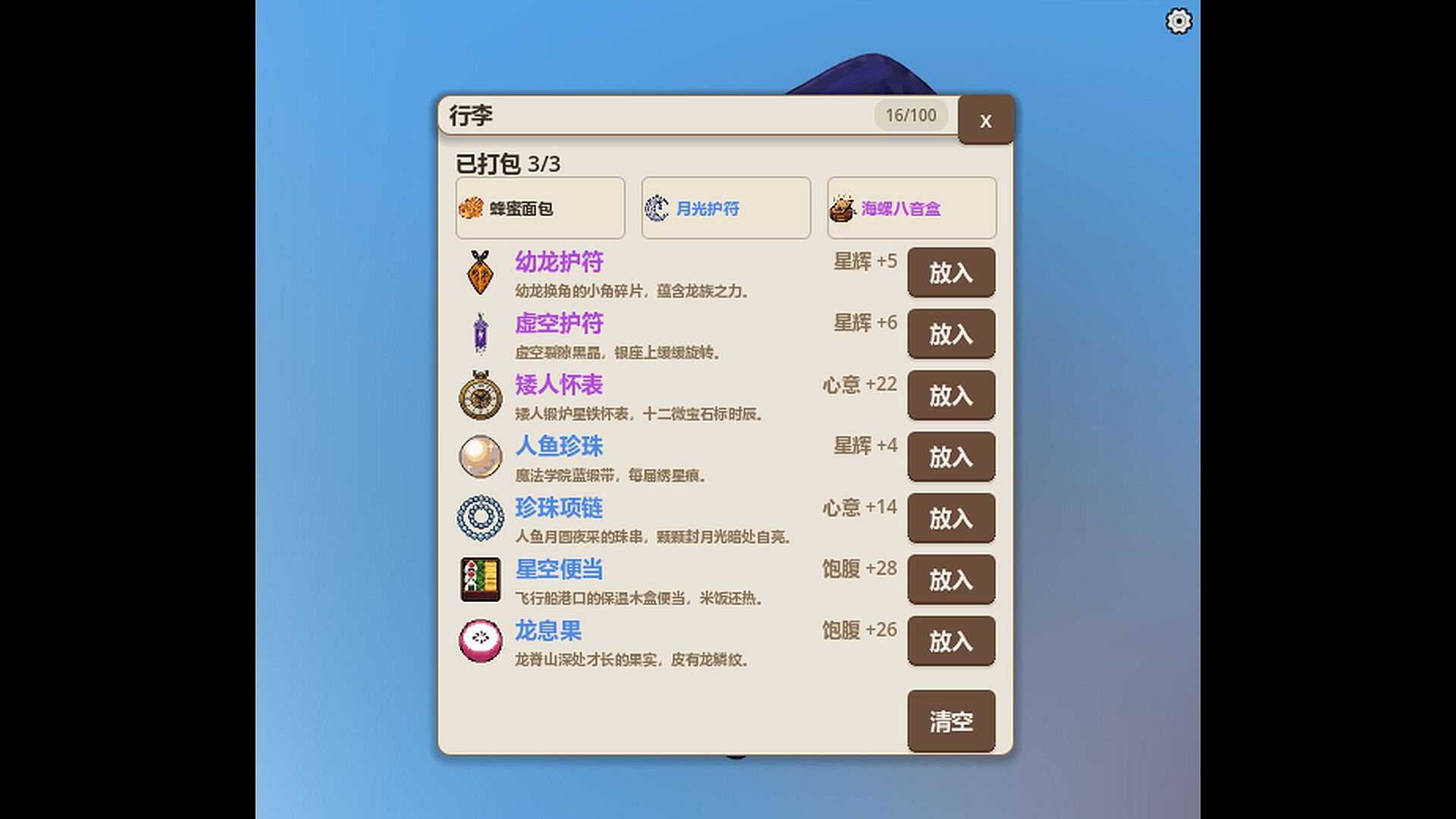
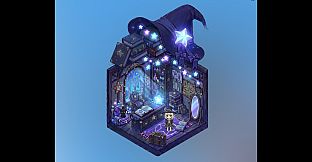
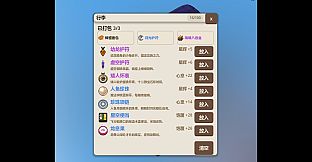
Podstawą zabawy jest obserwacja Hikari w jej skromnym pokoju - czyta księgi zaklęć, pisze pamiętnik albo odpoczywa przy biurku. Okienko unosi się nad innymi programami, a oświetlenie zmienia się wraz z porą dnia: w dzień wpada światło zza okna, wieczorem pali się pojedyncza świeca. Przed każdą podróżą gracz pakuje jej torbę: żywność wydłuża wyprawę i daje dodatkowe przedmioty po powrocie, talizmany wpływają na wybór celu (bezpieczniejszy las czy bardziej ryzykowne ruiny), a podarunki niosą osobisty przekaz, który Hikari interpretuje po powrocie.
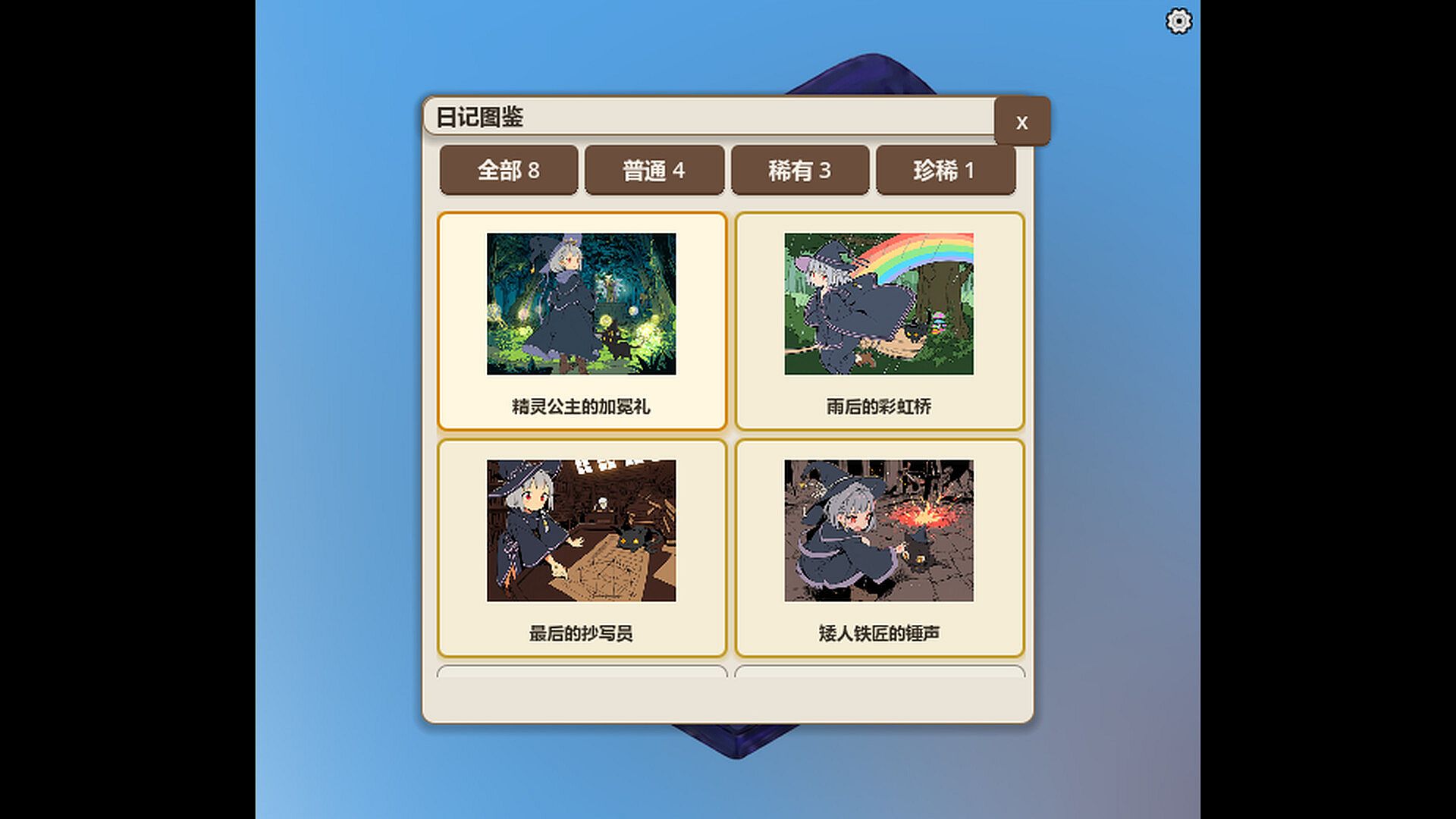
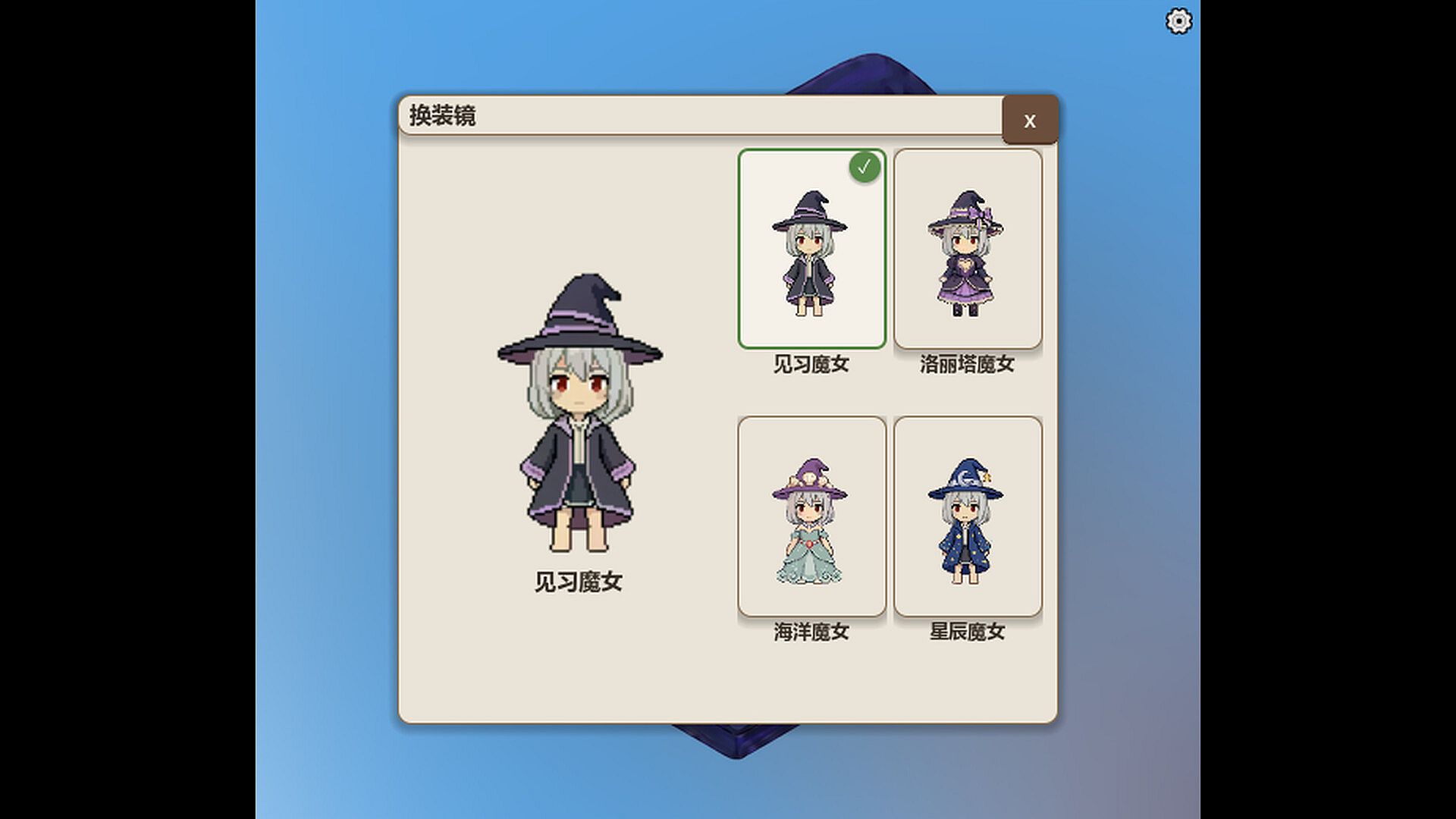
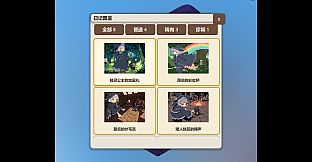
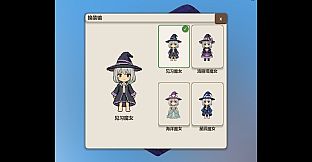
Gdy torba jest gotowa, Hikari wyrusza na miotle na czas od pół godziny do kilku godzin. W jej nieobecności na ekranie pojawiają się ilustrowane pocztówki z odręcznymi notatkami i unikalnymi grafikami miejsc na kontynencie Melkran. Listy opisują krajobrazy, drobne przygody lub spokojne refleksje - do wyboru jest ponad sto pięćdziesiąt różnych ilustracji. Stroje zdobywane podczas podróży to jedyna forma personalizacji; każdy z nich pochodzi z konkretnego spotkania, np. płaszcz ze smoczej łuski od krasnoludów czy wianek od leśnych duszków. Można wybrać strój ręcznie albo pozwolić Hikari decydować samodzielnie.
Gra nie wymaga codziennych logowań, pasków zasobów ani elementów rywalizacji. Wystarczy od czasu do czasu zerknąć na oświetlony pokój w rogu ekranu - Hikari może być obecna albo w drodze. Wyłączenie komputera nie przerywa jej harmonogramu; po ponownym uruchomieniu wita się z graczem.
Tryby gry
Nie ma osobnych, nazwanych trybów - całość opiera się na jednym, ciągłym systemie towarzyskim. Główna aktywność to przygotowywanie torby i kolekcjonowanie pocztówek z podróży po sześciu regionach i dwunastu głównych miejscach Melkran, a czasem także w ukrytych lokacjach, które pojawiają się przy sprzyjających okolicznościach. Historie na kartkach dzielą się na pięć kategorii: krajobrazy, wydarzenia lub osobiste przemyślenia. Stroje są pamiątkami z tych wypraw, a nie przedmiotami kupowanymi w grze.
Gracz wpływa na przebieg podróży jedynie pośrednio, wybierając przedmioty, które określają długość, kierunek i nagrody, ale Hikari sama decyduje o trasie i wyborach. System stawia na pasywną obserwację przeplataną okresowym pakowaniem, bez aktywnego sterowania czy odrębnych wariantów rozgrywki.
Eksploracja i kolekcjonowanie
Podróże odkrywają świat poprzez pocztówki, które tworzą osobistą kronikę Melkran. Ilustracje przedstawiają m.in. górskie kuźnie, podwodne targi, pustynne ruiny czy śnieżne szczyty - każda jest unikalna i nie powtarza się. Stroje pełnią rolę materialnych wspomnień i są noszone podczas codziennych czynności w pokoju, takich jak czytanie czy pisanie pamiętnika. Ukryte miejsca pojawiają się tylko przy określonych warunkach szczęścia podczas podróży, dodając różnorodności bez konieczności powtarzania przygotowań.
Przezroczysty overlay pozwala Hikari pozostawać widoczną podczas innych zadań na komputerze, zapewniając stałą, lecz nienachalną obecność. Zmieniające się warunki oświetlenia podkreślają wrażenie żywej przestrzeni, która trwa równolegle z normalnym użytkowaniem pulpitu.
Czy warto zagrać?
Witch's Wish przypadnie do gustu osobom szukającym spokojnej, jednoosobowej rozgrywki skupionej na towarzyszeniu i stopniowym odkrywaniu. Brak timerów, rankingów czy obowiązkowych logowań sprawia, że gra jest odpowiednia dla graczy preferujących okazjonalną interakcję zamiast sztywnych sesji. Kolekcjonowanie pocztówek i strojów daje namacalny postęp związany z samodzielnymi podróżami Hikari, a integracja z pulpitem zapewnia stały element, który wpisuje się w inne aktywności.
Ze względu na status gry przedpremierowej, opinie są jeszcze ograniczone - nie ma jeszcze zbiorczych ocen ani szerokich recenzji graczy. Osoby lubujące się w symulacjach i grach casualowych mogą docenić nacisk na osobistą interpretację podarunków i historii zamiast mechanicznej złożoności. Tytuł najbardziej odpowiada tym, którzy czują się komfortowo z pasywną obserwacją i fragmentaryczną narracją, a nie z bezpośrednią akcją czy elementami multiplayer.