




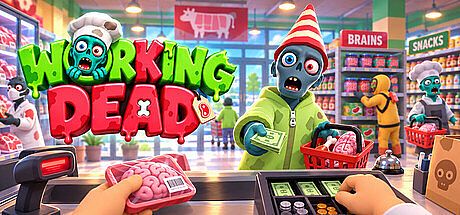


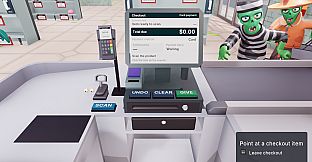
Working Dead is a first-person online co-op supermarket simulator set in a world where the apocalypse has not stopped daily commerce. Players take on the roles of human employees in a store that sells zombie meat to zombie customers, handling everything from processing deliveries to managing sales on the floor. The experience emphasizes teamwork among two to four participants on PC, blending routine retail tasks with unexpected hazards from the undead clientele.
Gameplay
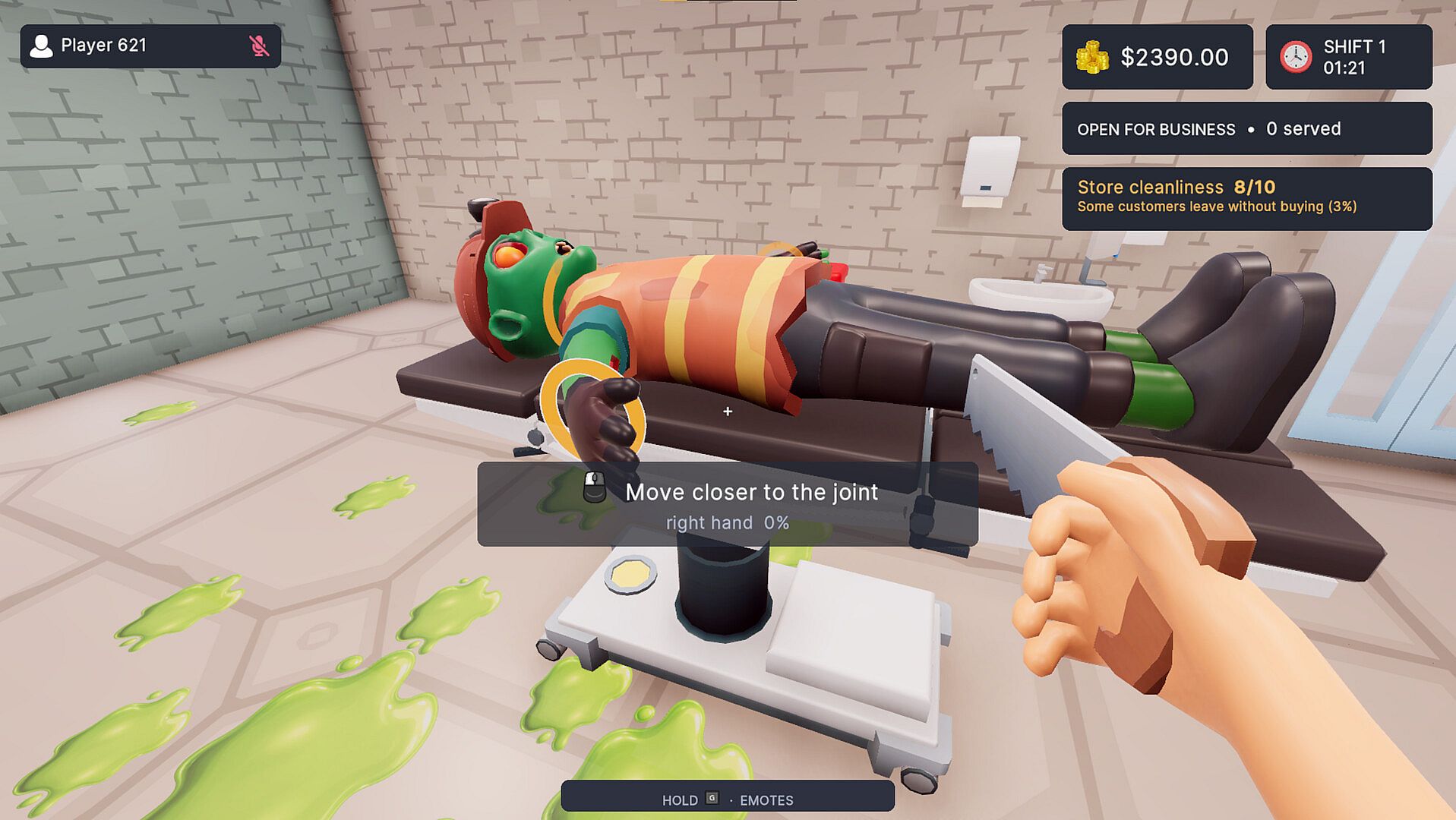
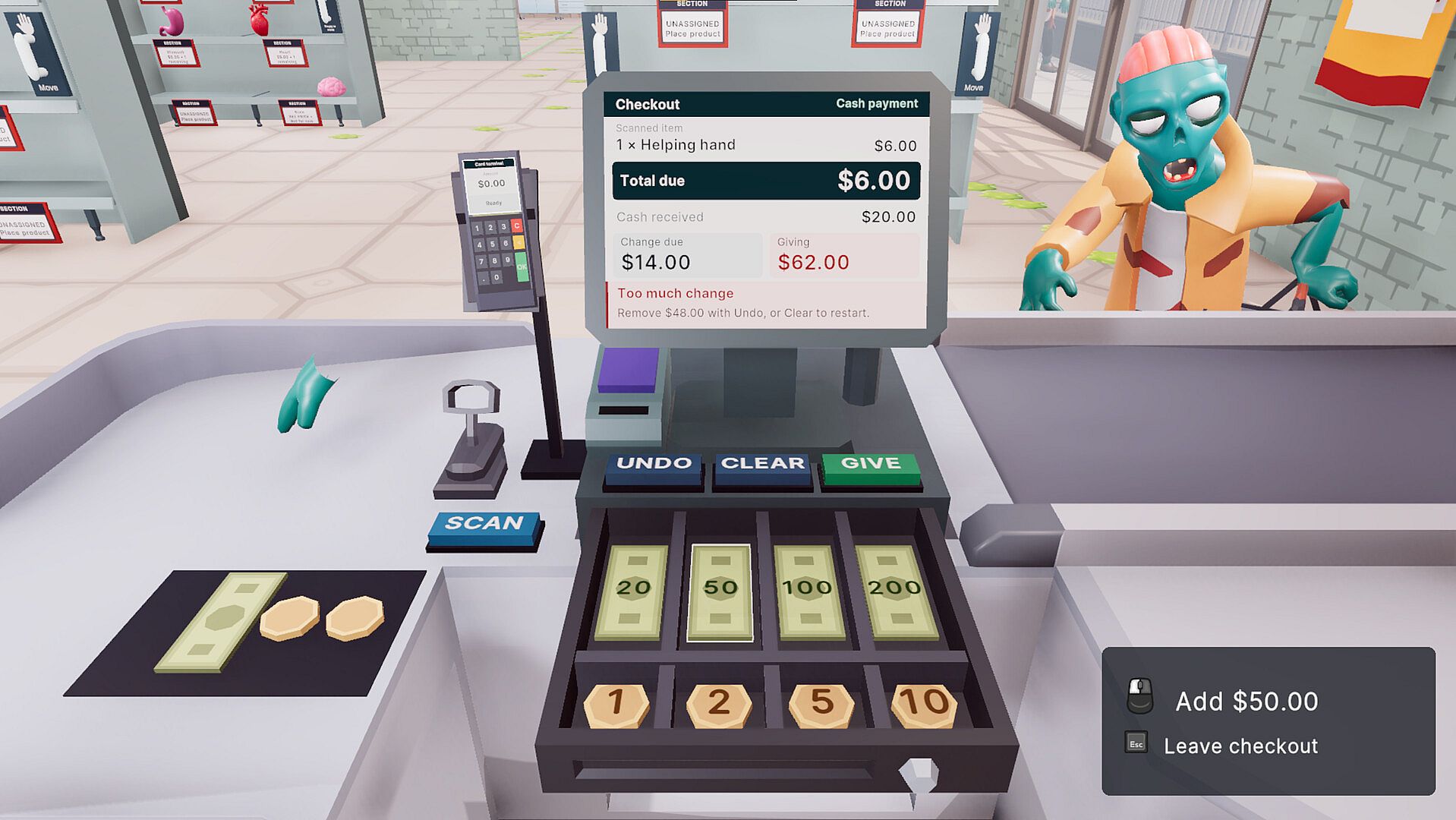
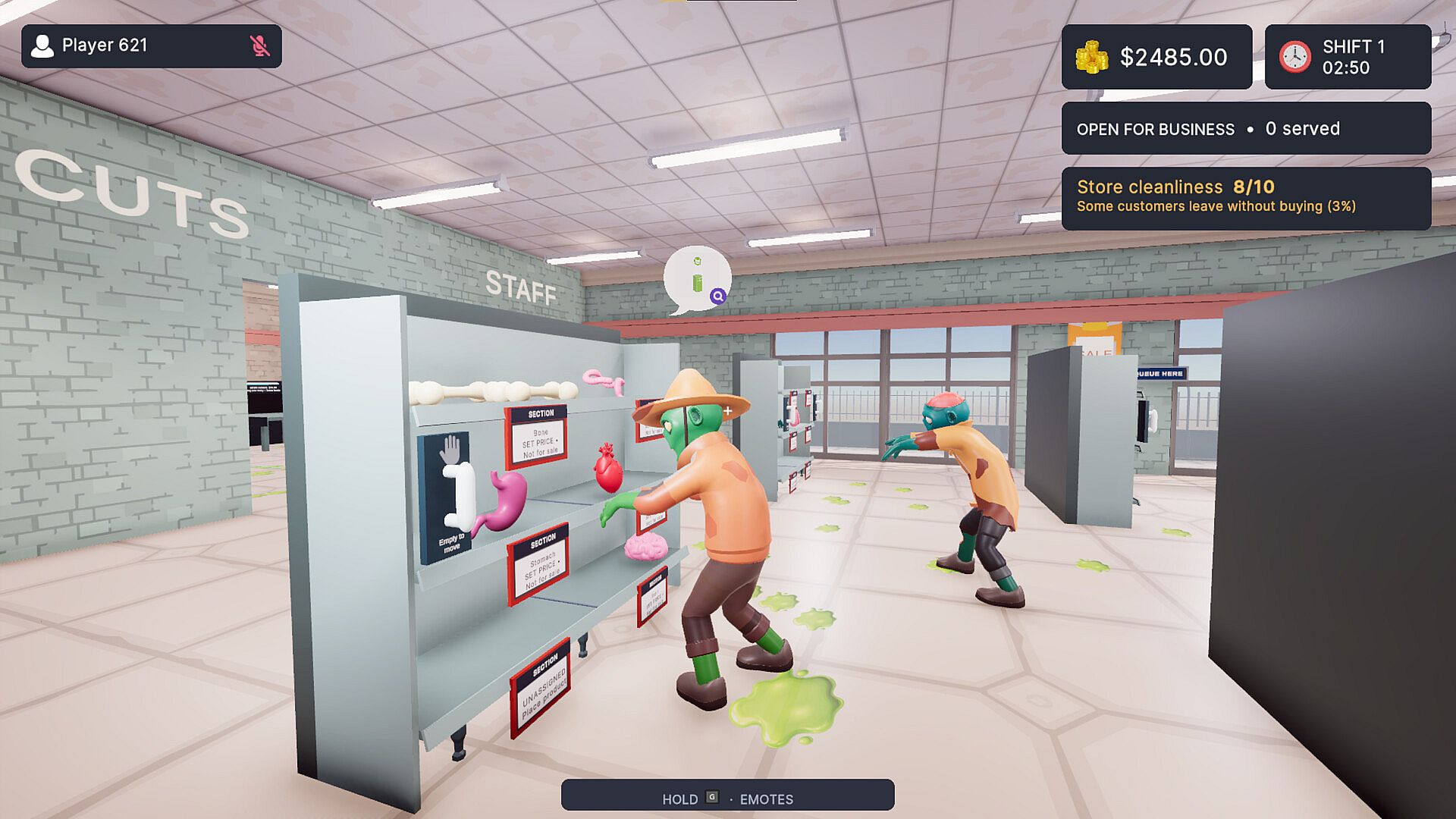
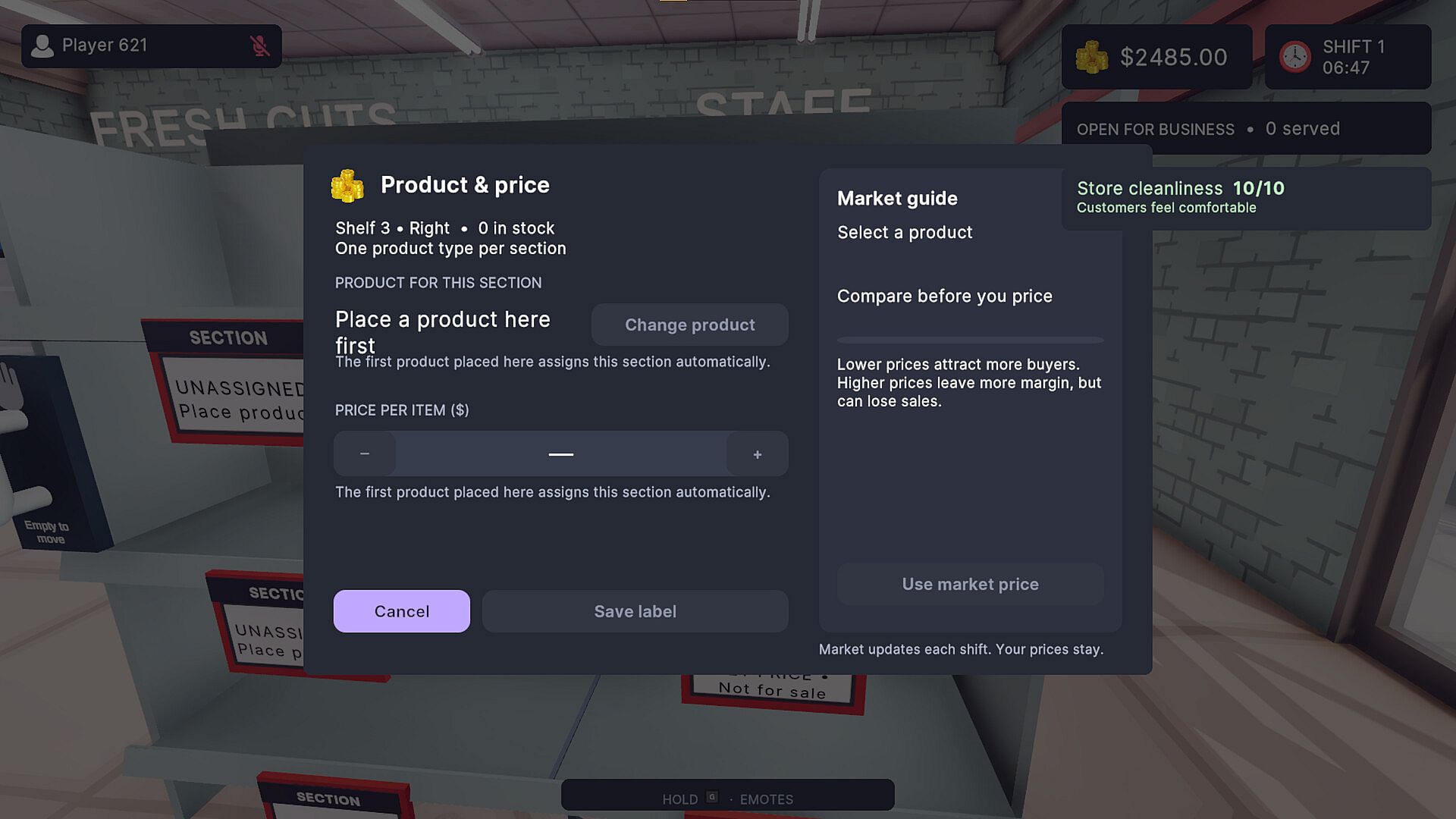
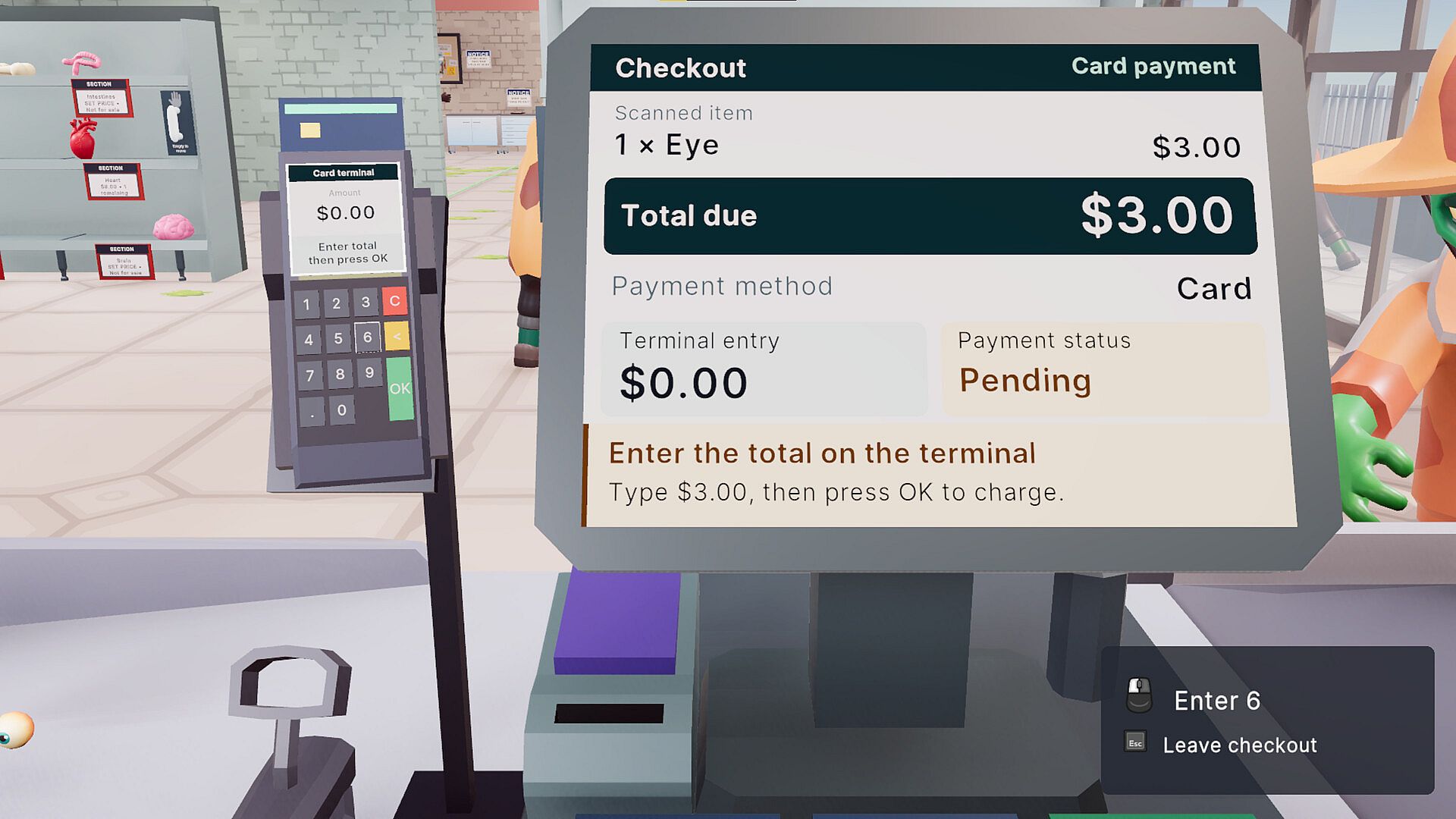
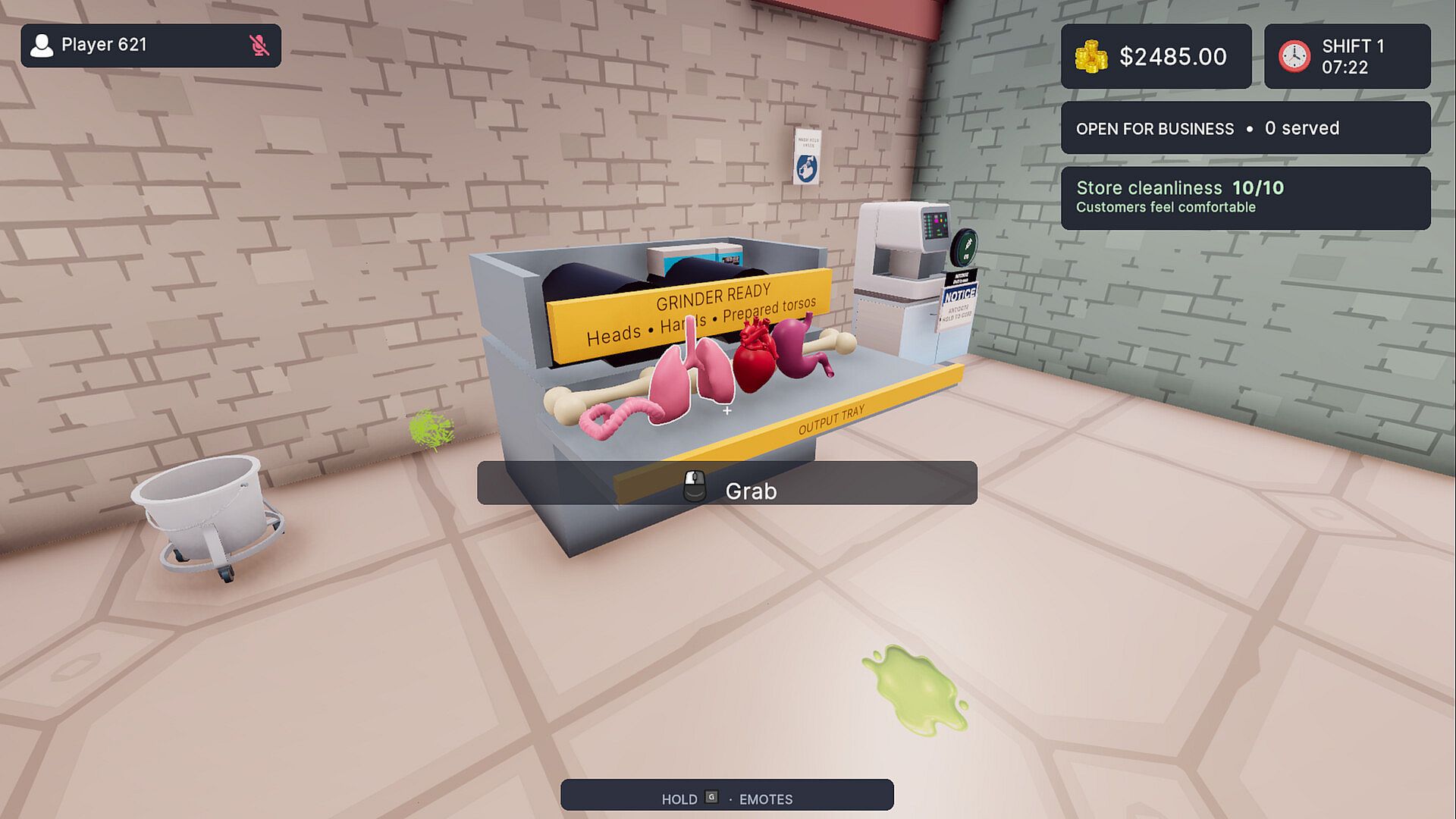
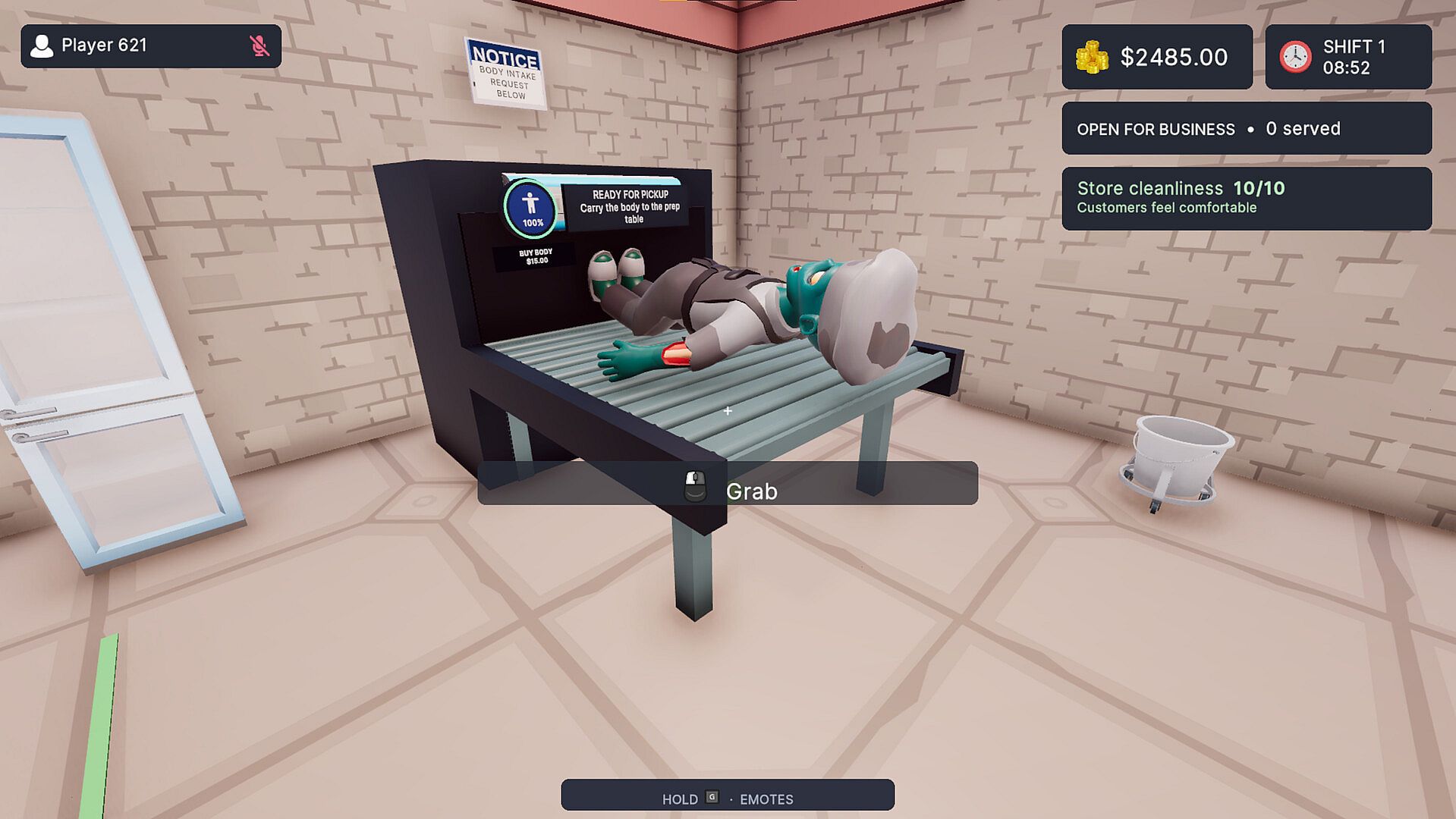
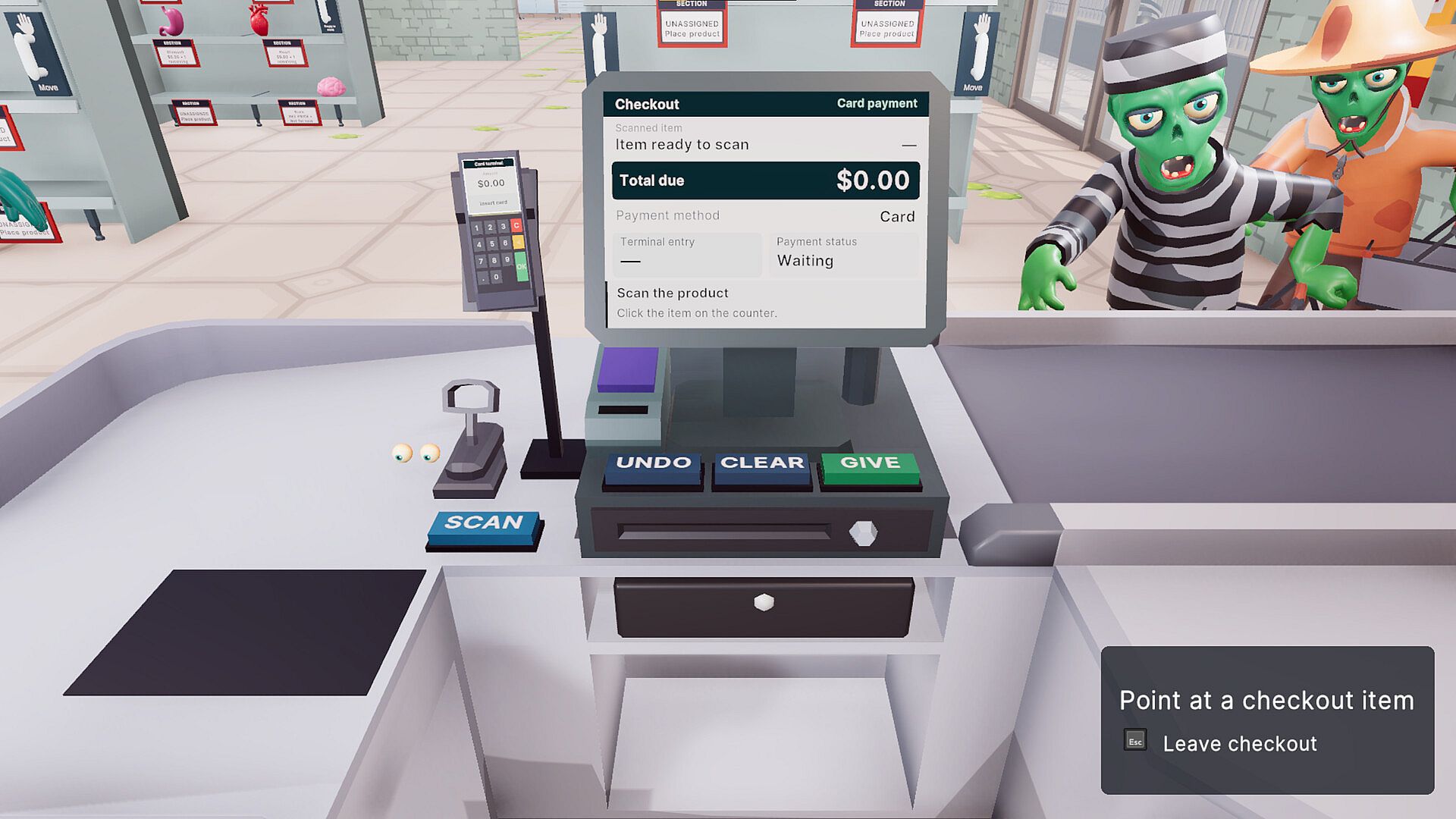
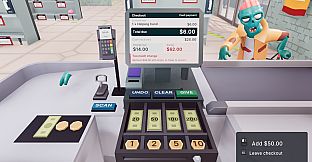
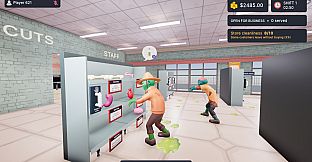
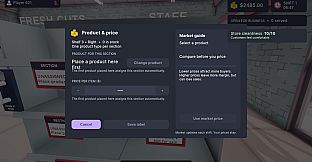
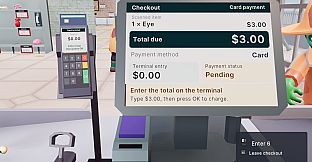
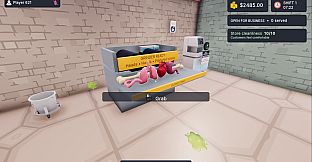
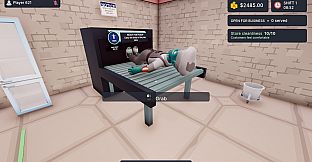
The core loop centers on turning incoming zombie deliveries into sellable merchandise. Employees separate parts such as heads and hands, organize the stock, and move items onto shelves before customers arrive. Roles can shift fluidly, with one person preparing goods while another handles restocking and a third manages the checkout counter. Proximity voice chat supports coordination across the aisles, allowing quick adjustments when tasks overlap or complications arise.
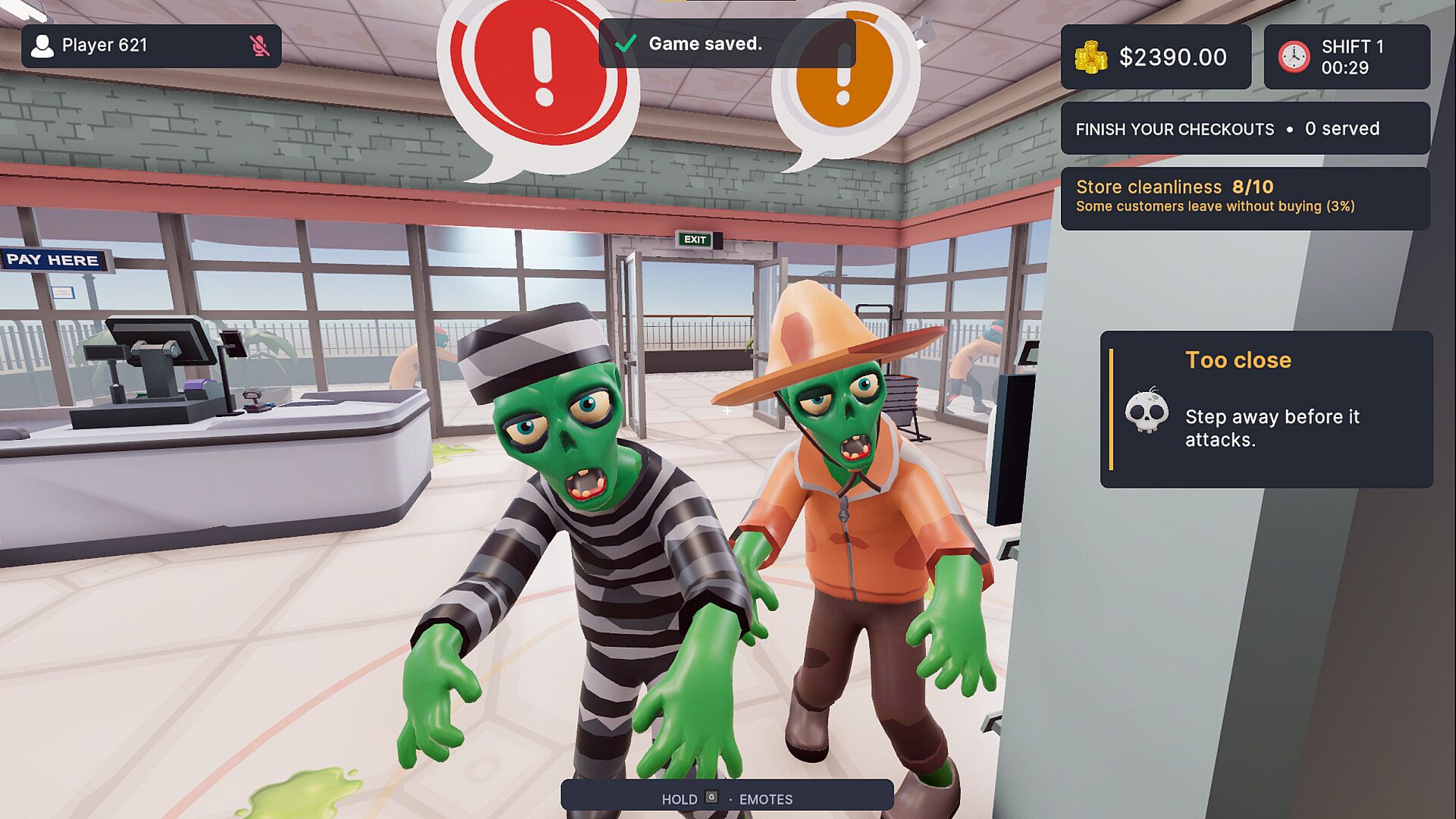
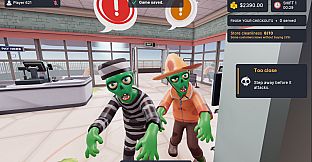
Customer interactions add tension to the shift. Most zombies shop without issue, but provoking one by running into it or striking it with a thrown product can trigger a chase through the store. Escaping requires care, as colliding with additional customers only escalates the situation. A bite transforms a player into a zombie, granting immunity from further attacks and the ability to move freely among the crowd. However, the change alters voice communication into gibberish and prevents completing sales at the register. An antidote offers a path back to human form, though the team must adapt its workflow in the meantime.
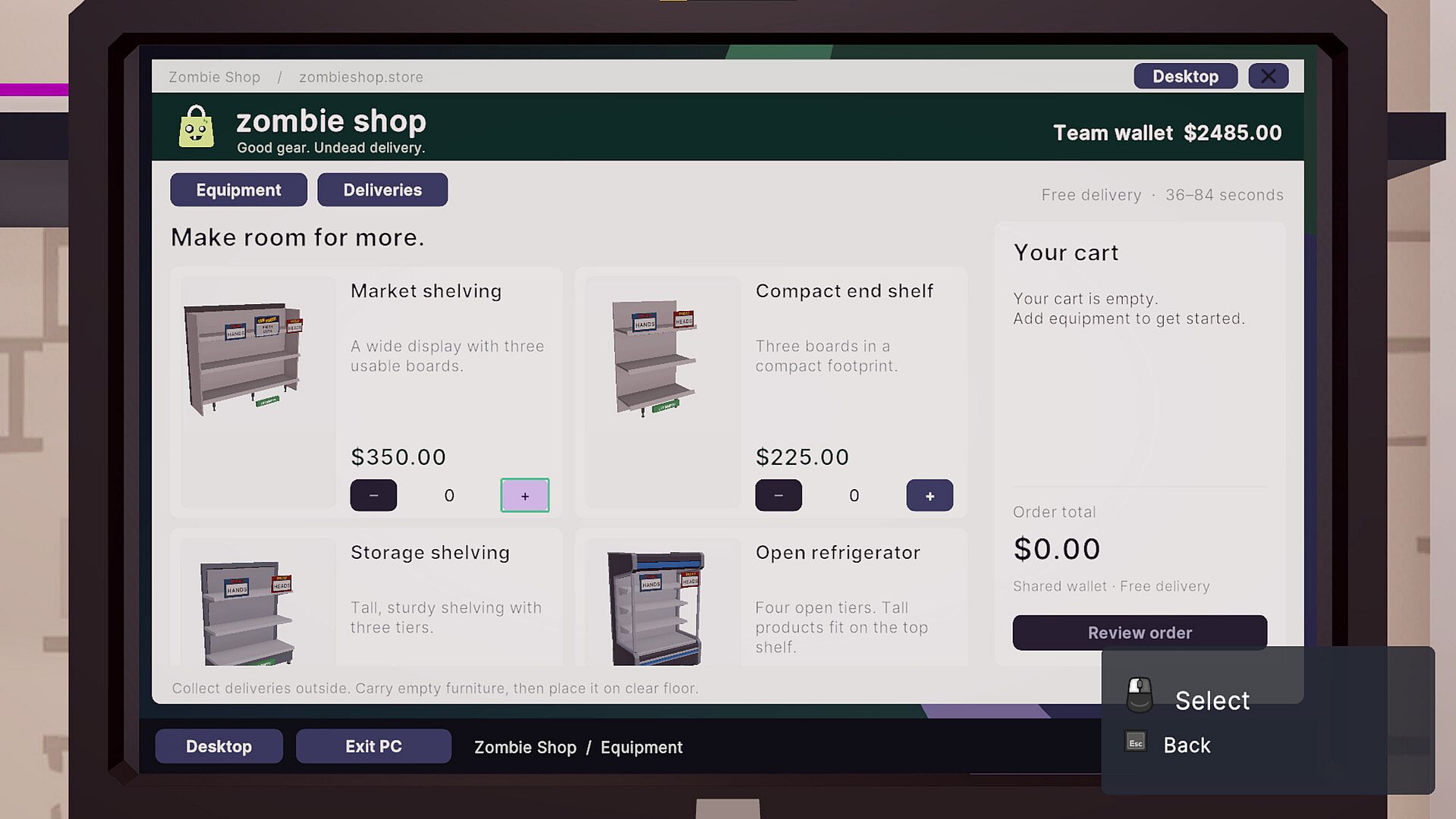
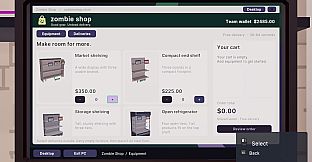
Progression comes through earnings that fund store expansions. Reinvesting allows for larger spaces, better equipment, and additional product lines, which in turn support busier shifts and higher sales volume. The setup rewards efficient division of labor and quick thinking when routines break down.
Game Modes
Working Dead focuses on cooperative sessions for two to four players without separate named modes. All play revolves around shared store operations in real time, where participants divide responsibilities for processing deliveries, stocking shelves, and handling transactions. Sessions scale with the number of players, encouraging flexible role assignment as the store grows and customer volume increases. The single shared environment means every participant contributes to the same shift goals, adapting on the fly to bites, chases, or inventory demands.
Store Management and Progression
Expansion forms a steady part of the experience. Earnings from successful shifts purchase upgrades that increase floor space, improve processing tools, and introduce new merchandise options. Larger setups demand tighter coordination, as more customers arrive and the risk of incidents rises. Players learn to balance preparation time with sales efficiency, deciding when to push for growth and when to stabilize current operations.
The zombie element integrates directly into daily tasks rather than serving as a separate threat layer. Deliveries provide the raw materials, while customer behavior influences how smoothly a shift proceeds. This creates a loop where mechanical retail work intersects with reactive survival decisions, all within the same store environment.
Is It Worth Playing?
Working Dead suits players who enjoy cooperative simulation games that mix repetitive tasks with sudden disruptions. The emphasis on dividing labor and communicating through voice chat makes it particularly engaging for small groups that like to experiment with different role combinations. Those who appreciate light management elements alongside occasional action will find the bite mechanics and customer chases add variety without shifting the focus away from the supermarket setting. The game remains in active development with ongoing opportunities for store growth, so groups interested in long-term cooperative play may find repeated sessions rewarding as the business scales. It offers a distinctive take on the genre through its undead twist, though the experience depends heavily on player coordination and willingness to adapt mid-shift.











