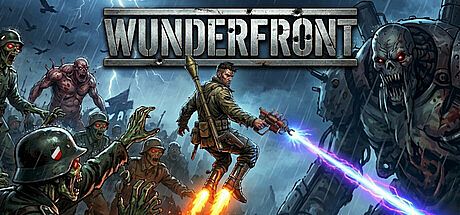


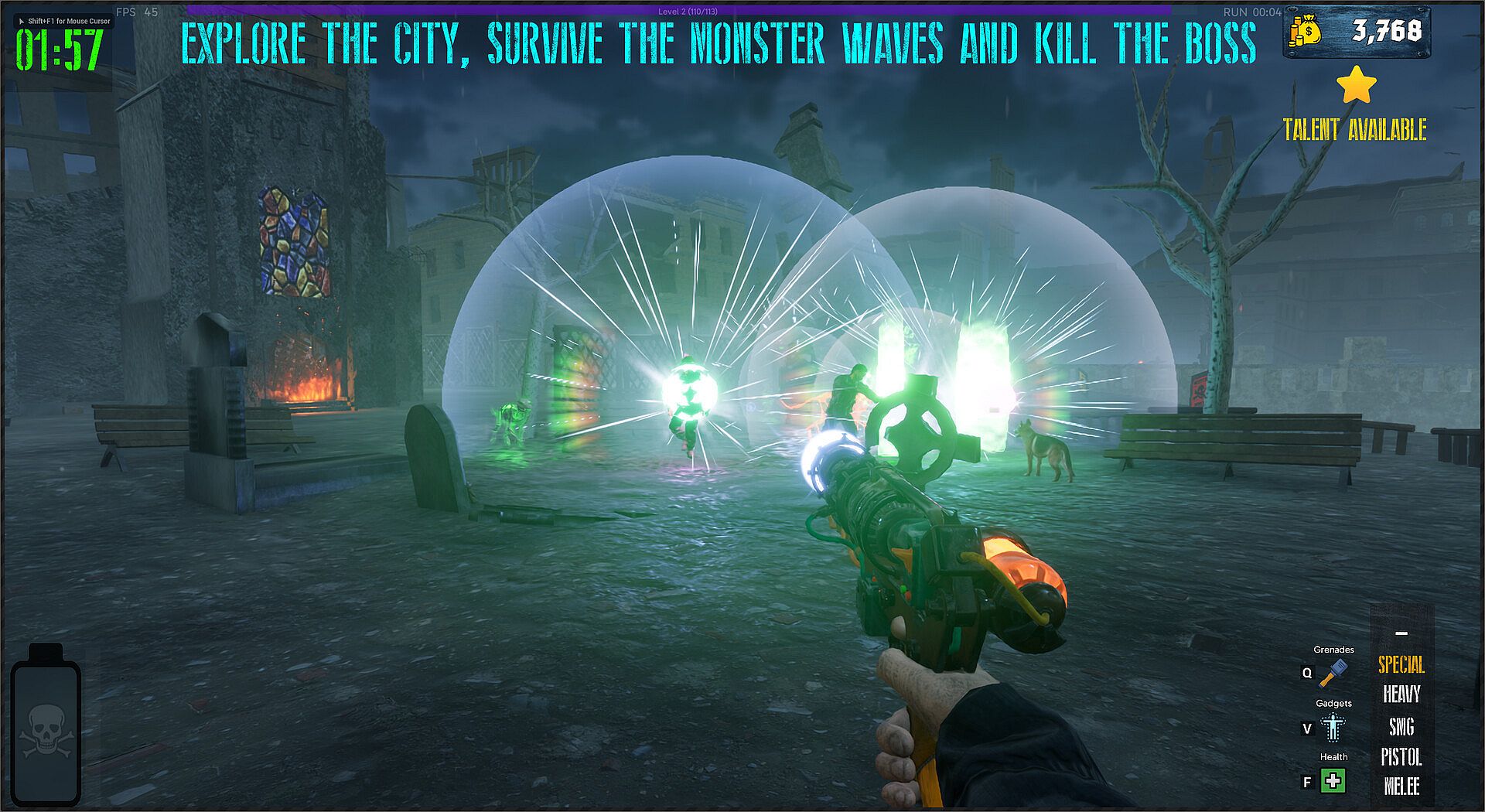
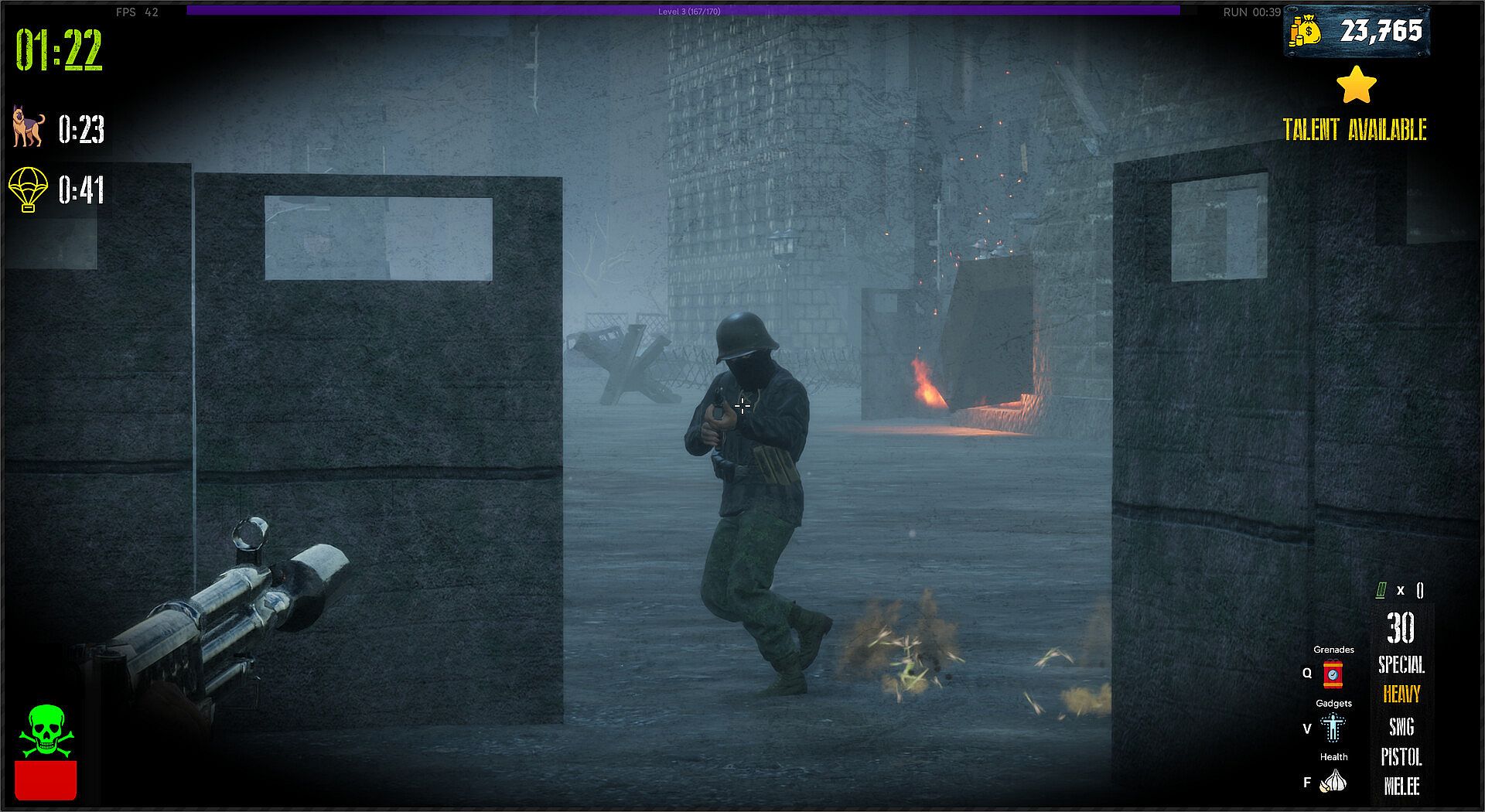
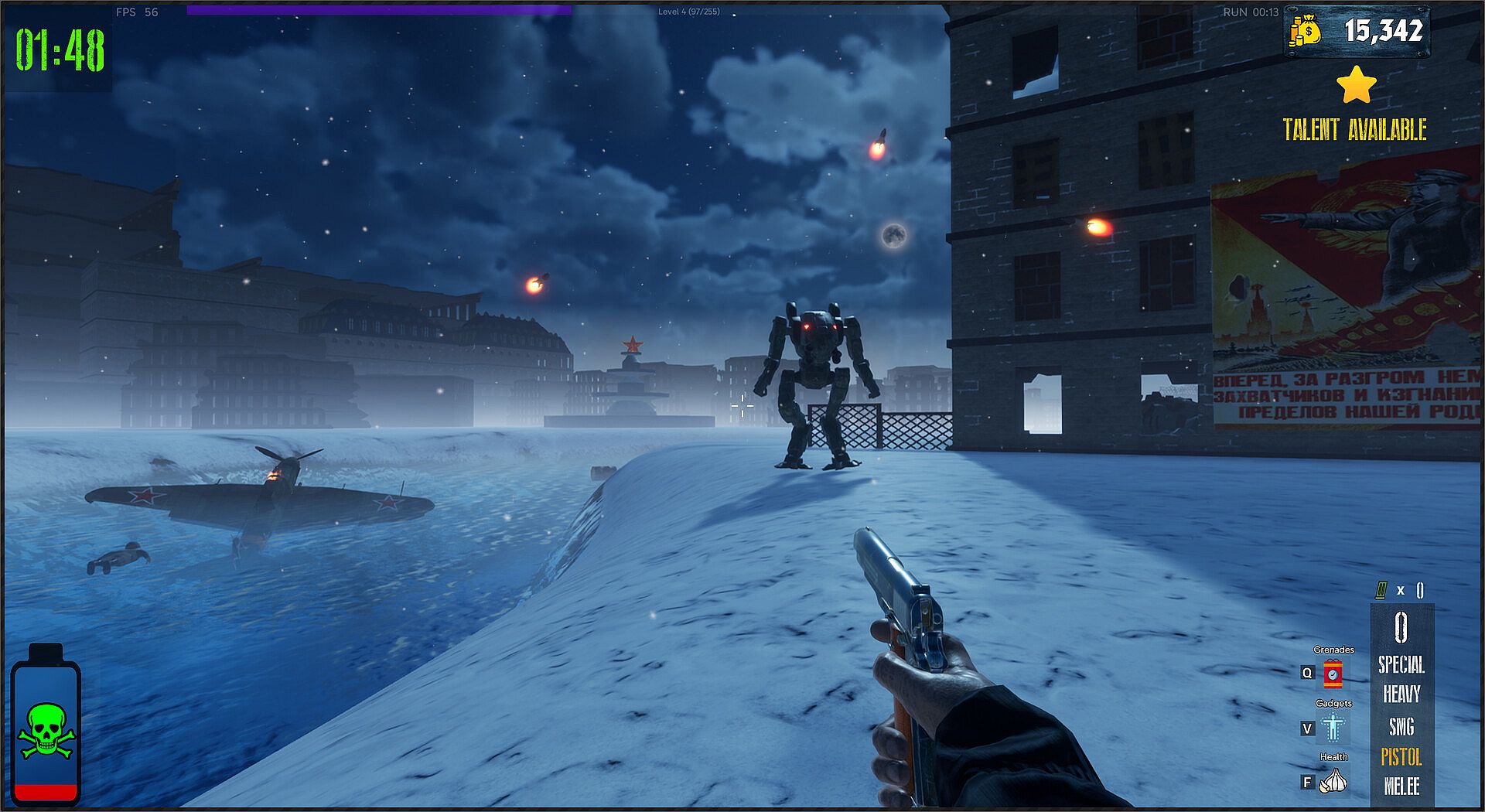
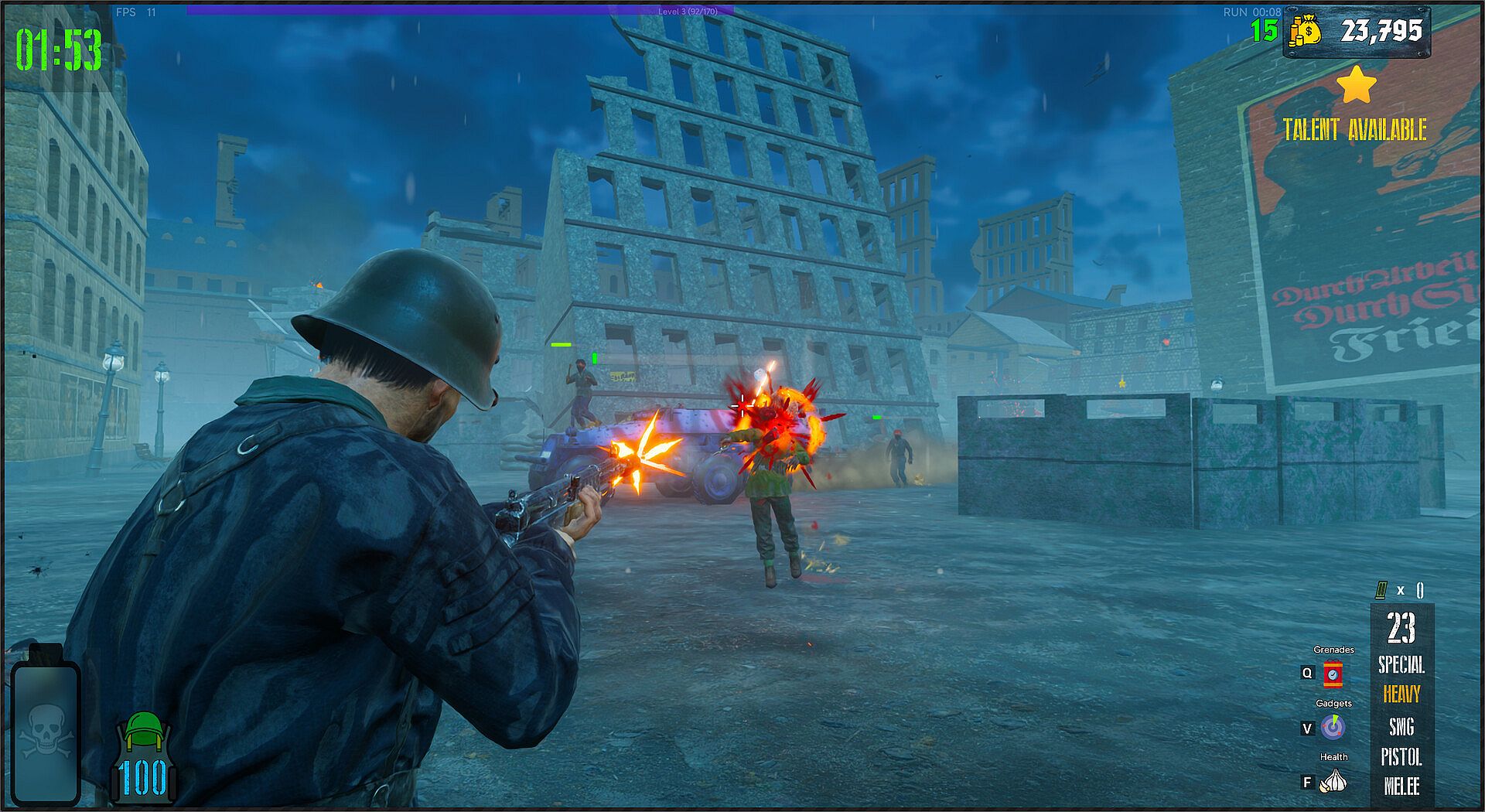
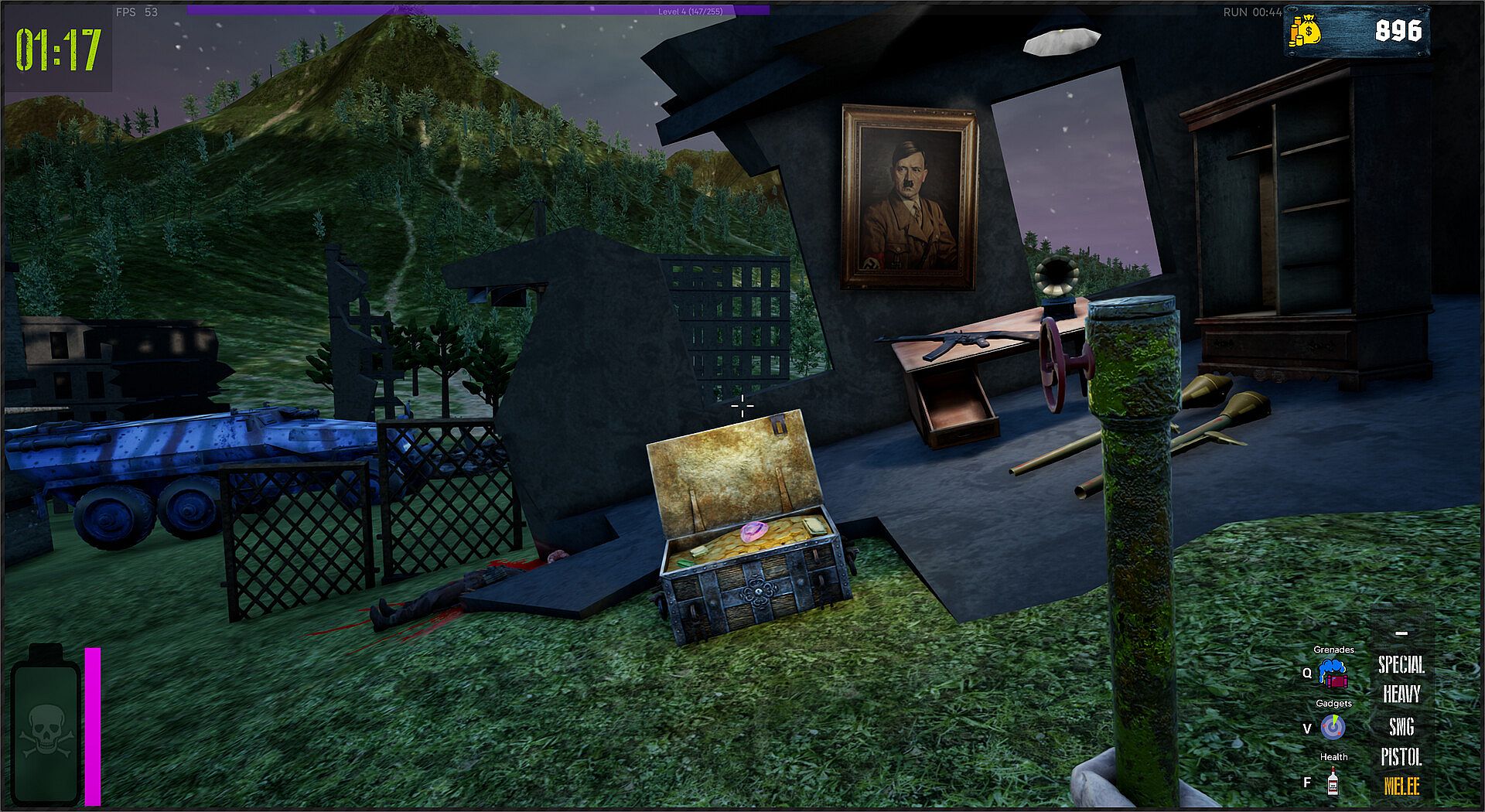
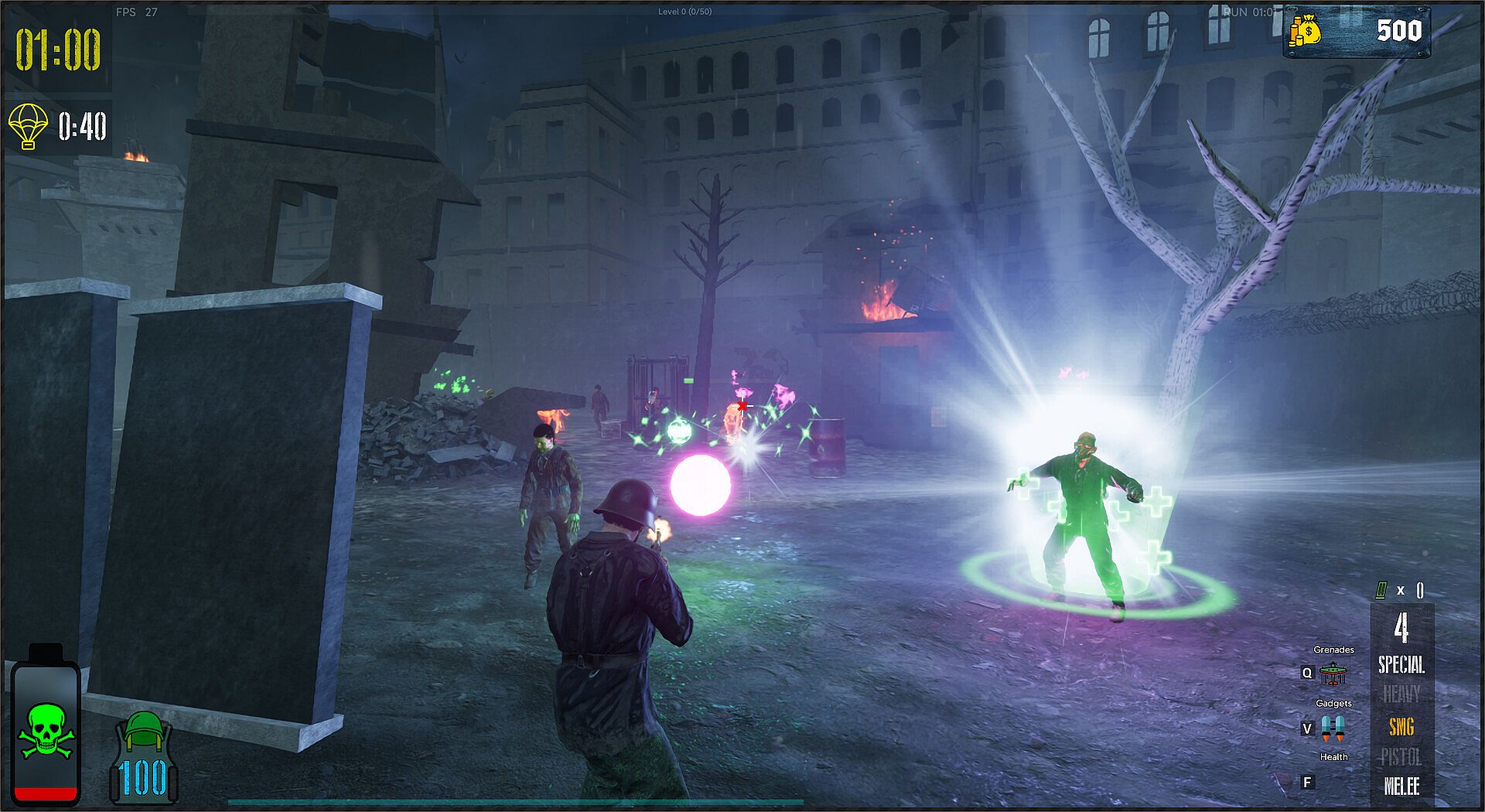
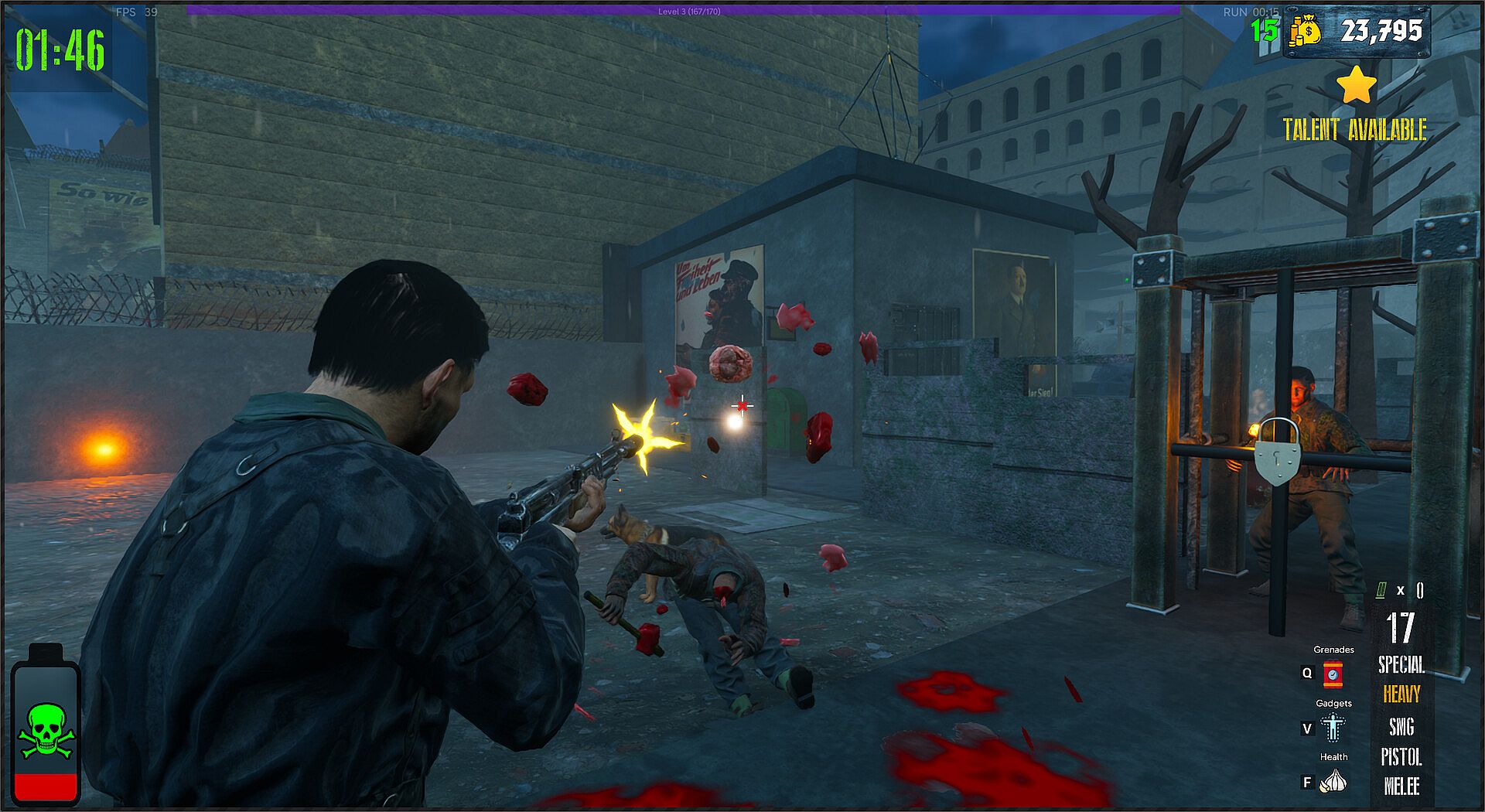
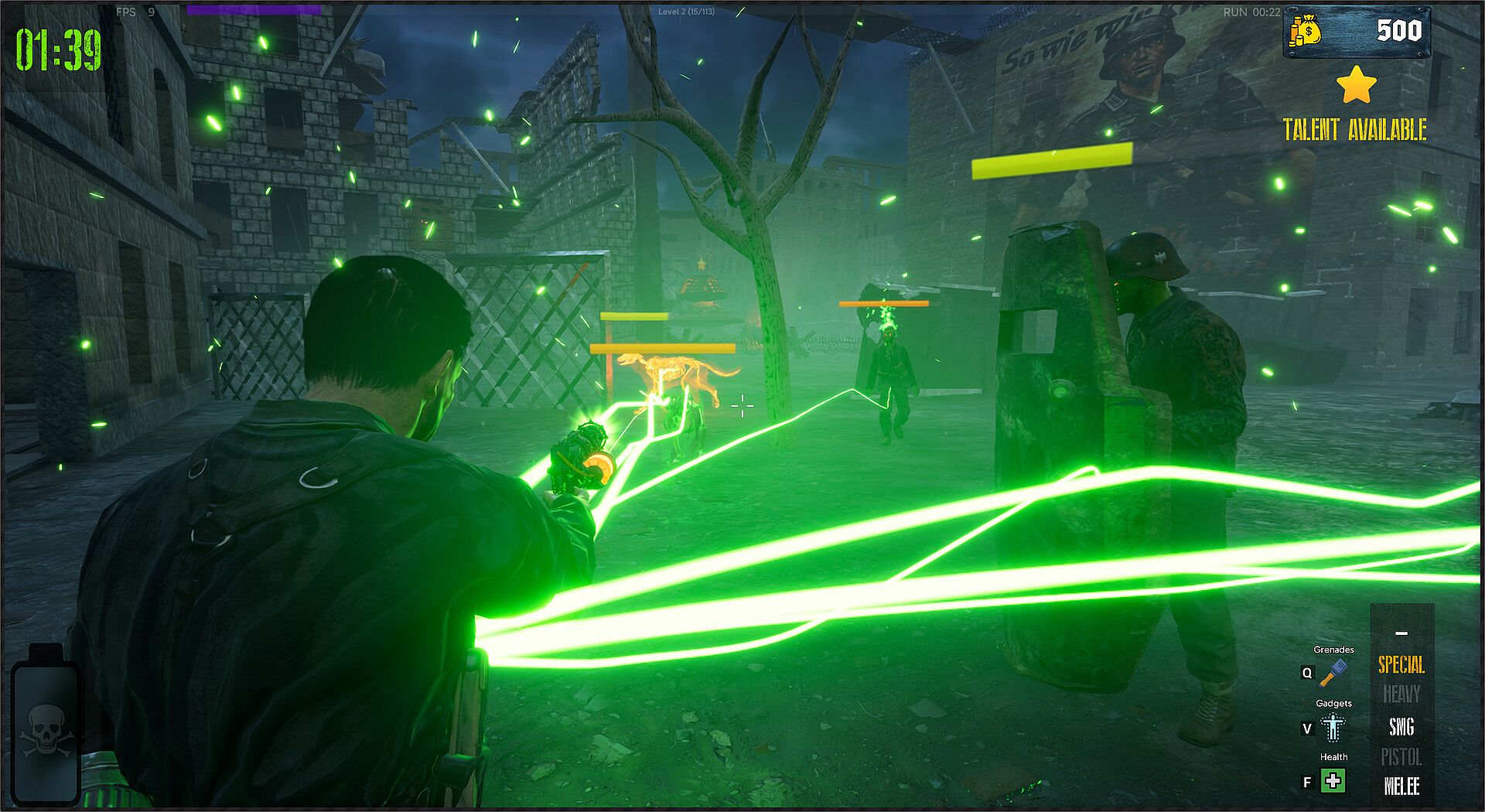
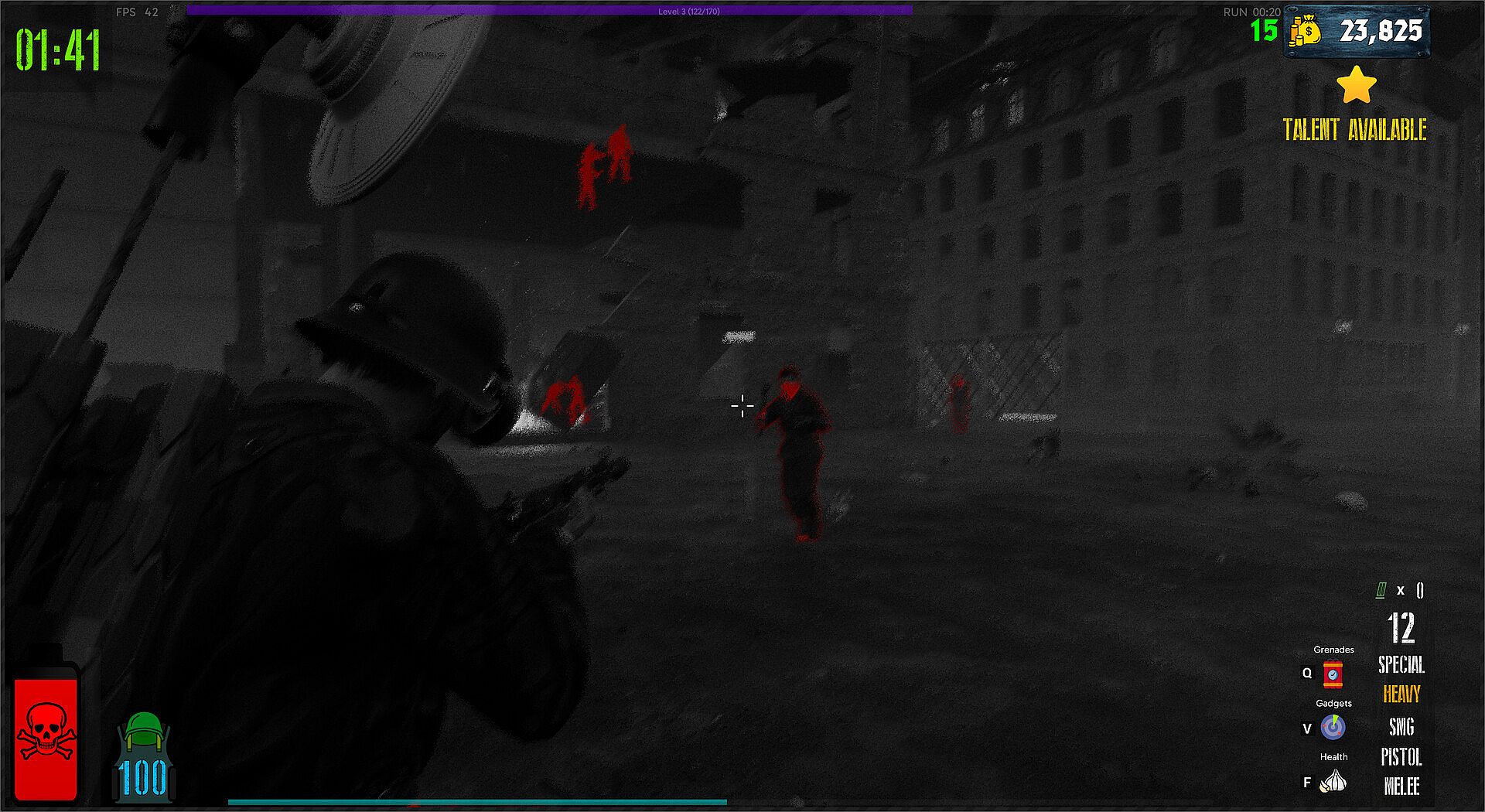
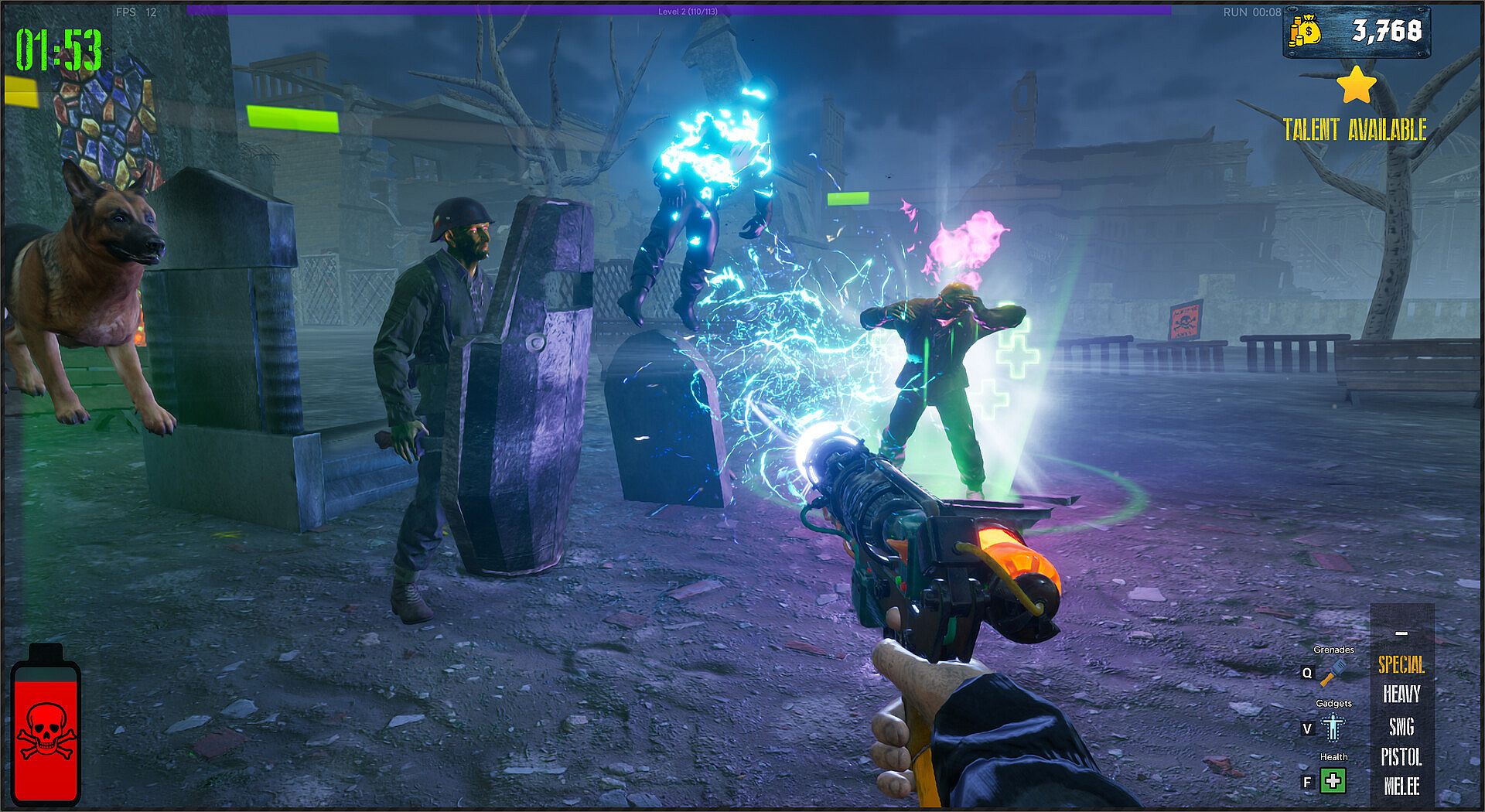
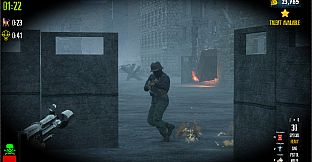
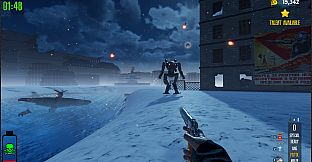
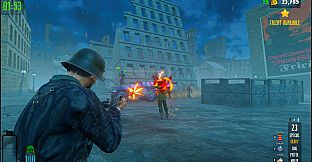
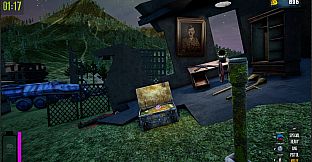
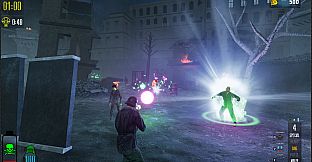
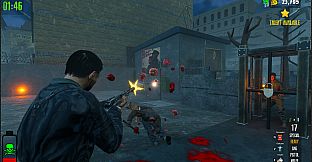
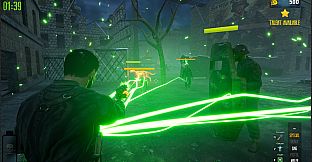
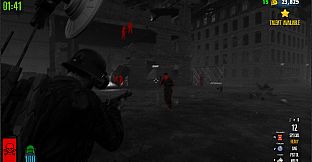
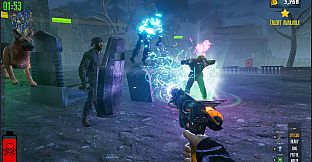
Wunderfront is a single-player roguelite survival shooter set in a twisted version of the final months of World War II. Nazi scientists have unleashed experimental gadgets and bio-engineered mutants onto the battlefield, turning ruined cities into hunting grounds filled with monstrosities and bandits. Players scavenge for resources while mastering a blend of authentic period firearms and powerful wonder weapons to stay alive across repeated runs.
Gameplay
The core loop centers on short, intense deployments into overrun districts. Each run begins with basic fists and limited options. Players move through dangerous areas to collect cash and loot from hidden caches, then visit shops to purchase better gear. Historical weapons sit alongside mad-science inventions that deliver area-clearing destruction. Exploration rewards careful searching, as districts contain collectible secrets, trapped hostages who need rescue, and occasional airdrops that provide critical supplies.
Progression happens through a talent tree that carries over between runs. Every deployment grants talent points upon completion or death, which players spend to unlock permanent combat upgrades. These include improved reflexes, access to combat stimulants for temporary boosts, or the ability to bring a trained dog companion into the field. Builds can emphasize speed, raw firepower, or support options to suit different approaches to the same threats.
Combat mixes ranged shooting with close-quarters options against waves of mutants and human enemies. Boss monsters control key territories, and defeating them opens routes to new areas. The system encourages repeated attempts as each failure feeds into stronger future characters through accumulated talents and unlocked abilities.
Game Modes
Wunderfront operates entirely as a single-player experience focused on roguelite runs. There are no separate multiplayer or co-op modes listed. The gameplay revolves around successive deployments into the ruined city, where the goal is to survive longer, gather more resources, and push further into uncharted districts. Each run stands alone in the moment but contributes to overall character growth via the shared talent system.
Exploration and scavenging form the backbone of every attempt. Players navigate procedurally challenging layouts filled with enemies, loot opportunities, and objectives such as hostage rescues or airdrop retrievals. Boss encounters serve as major milestones that unlock progression to additional battlegrounds. The structure rewards adaptation and experimentation with different weapon combinations and talent choices rather than linear story advancement.
Progression and Customization
Talent points earned from runs allow permanent expansion of capabilities. The tree supports varied playstyles, from aggressive close-range builds to those that leverage long-range wonder weapons or companion assistance. Scavenged funds translate directly into arsenal upgrades at in-game shops, creating a loop of risk and reward where better equipment increases survival odds on subsequent attempts.
Environmental interaction adds depth. Districts hold secrets and tactical advantages that players can uncover through thorough searches. Airdrops and rescued hostages provide immediate benefits during a run, while collectibles contribute to long-term completion goals. This combination keeps individual runs fresh even as the overall power curve rises.
Is It Worth Playing?
Wunderfront targets players who enjoy roguelite shooters with persistent progression and build customization. The single-player focus means the experience centers on personal skill improvement and experimentation rather than competitive or cooperative elements. With a planned 2027 release and no reviews available yet, suitability depends on interest in the described loop of scavenging, talent investment, and repeated survival attempts against escalating threats. Those drawn to historical weapon mixes paired with experimental powers in a post-apocalyptic WW2 setting may find the systems engaging once the game launches.