


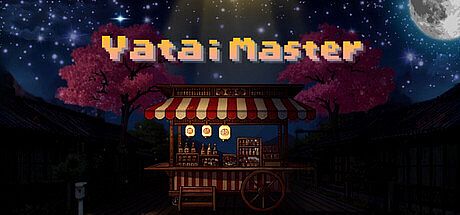


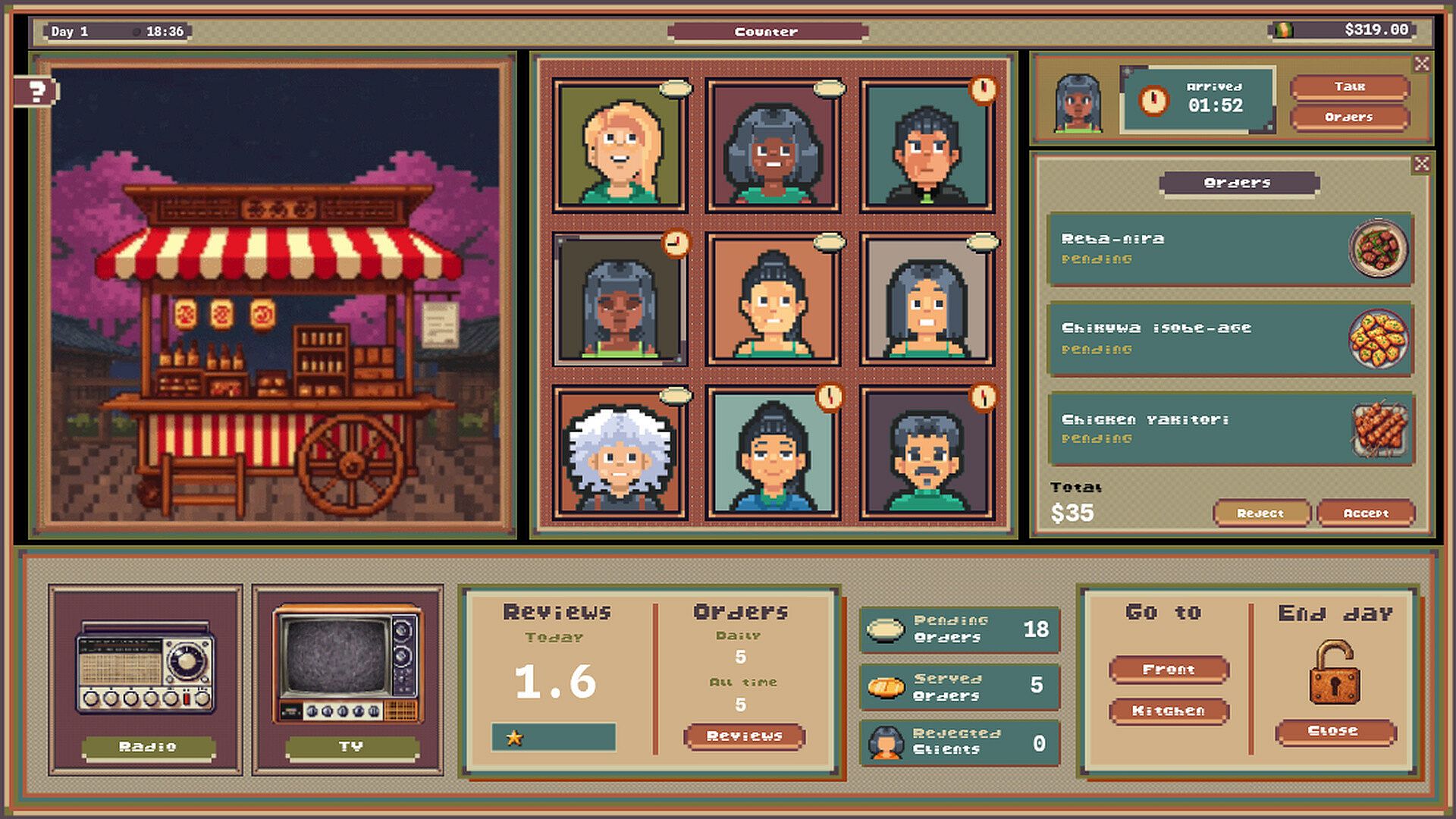
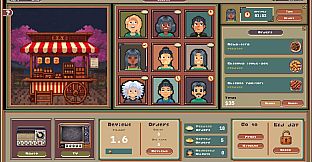
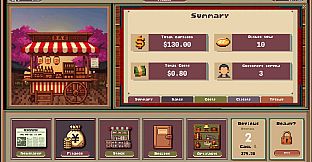
Yatai Master is an indie casual simulation game centered on managing a small Japanese-inspired street food stall over the course of one year. Players take on the role of the yatai owner in the final stretch before retirement, handling ingredient purchases, dish preparation, customer service, and business decisions while building connections with regulars. The experience blends resource management with light narrative elements drawn from daily interactions and local events.
Gameplay
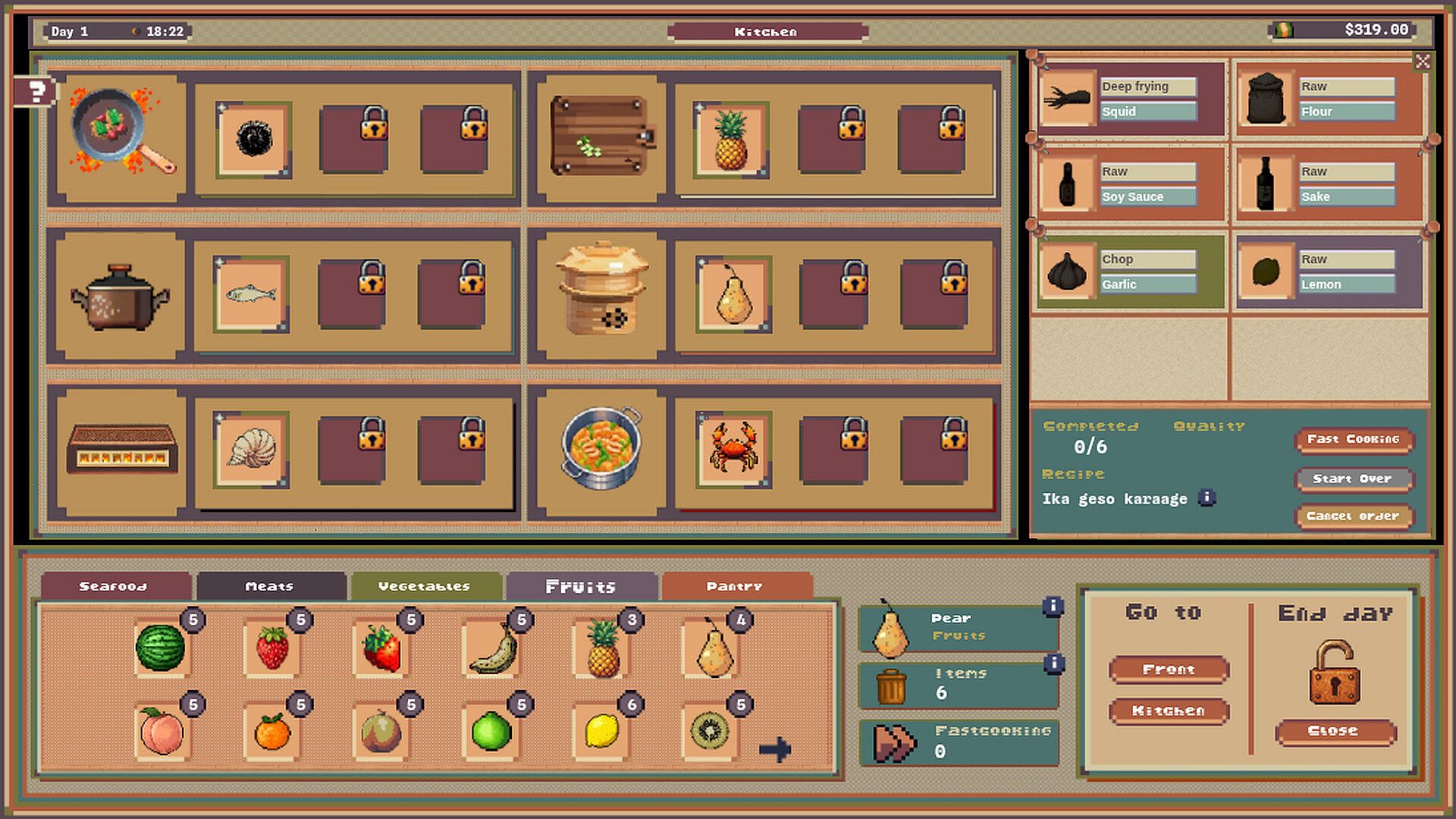
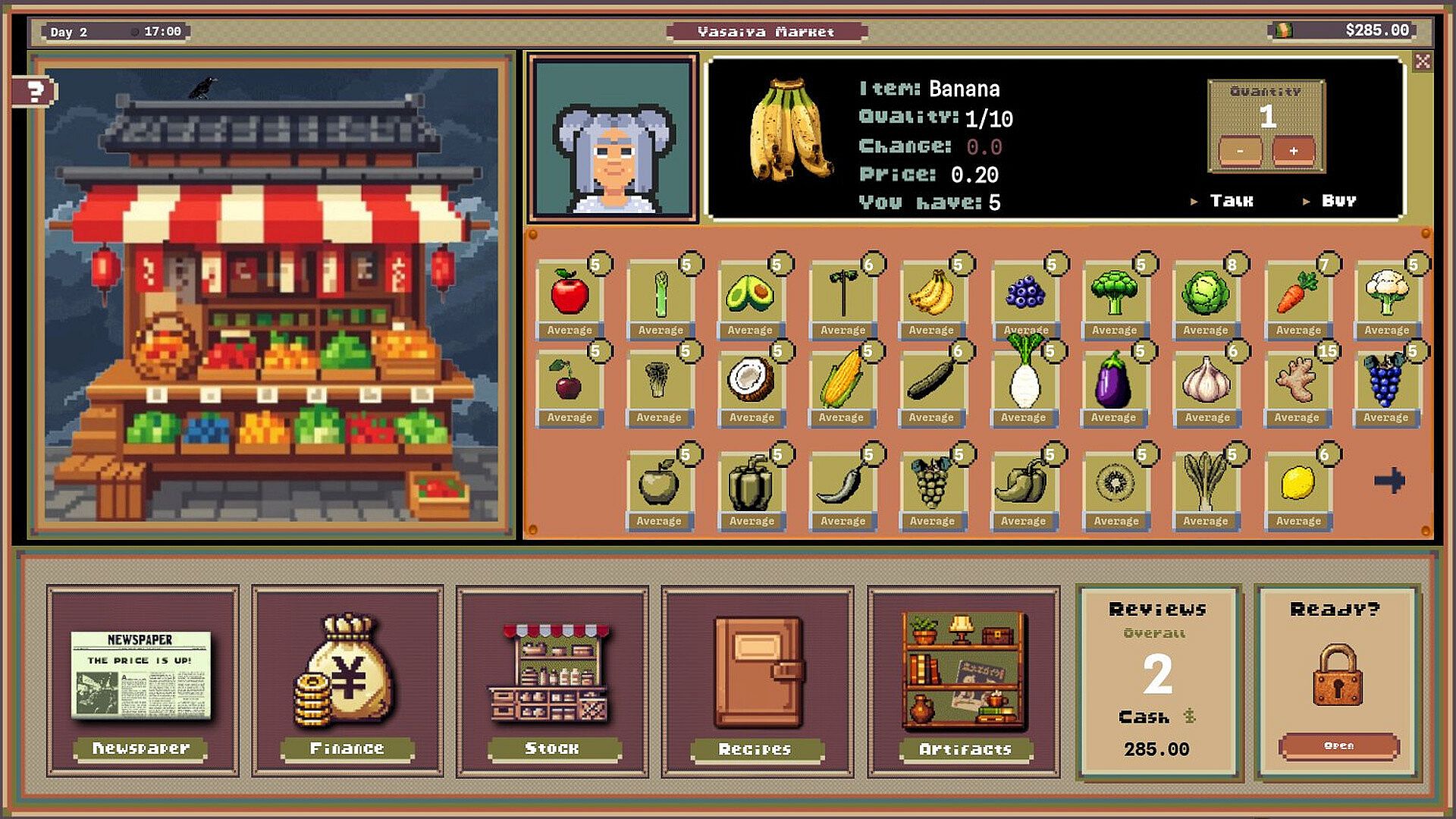
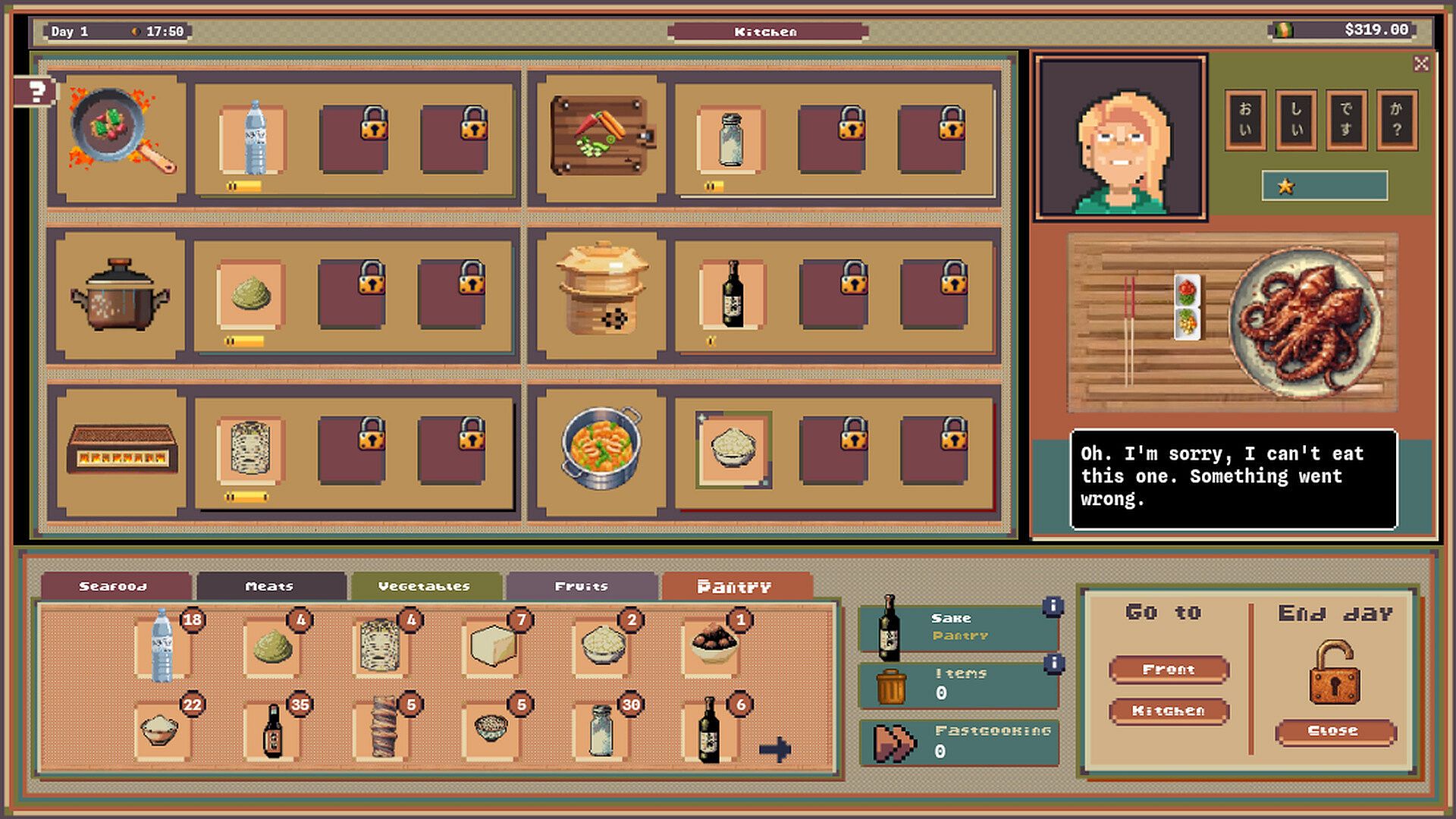
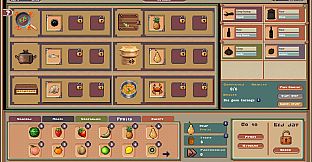
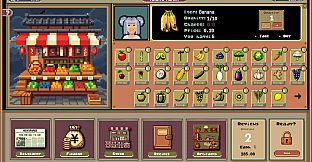
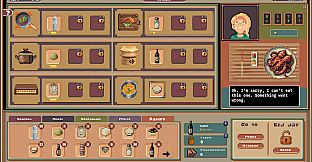
The core loop revolves around preparing and serving food each night while balancing limited resources. Players visit specialized markets to buy ingredients of varying quality and price, then return to the stall to manage stock and prepare orders under time constraints. Cooking involves selecting the right components, monitoring preparation steps, and deciding whether to prioritize speed or quality in a compact kitchen setup with restricted space and equipment.
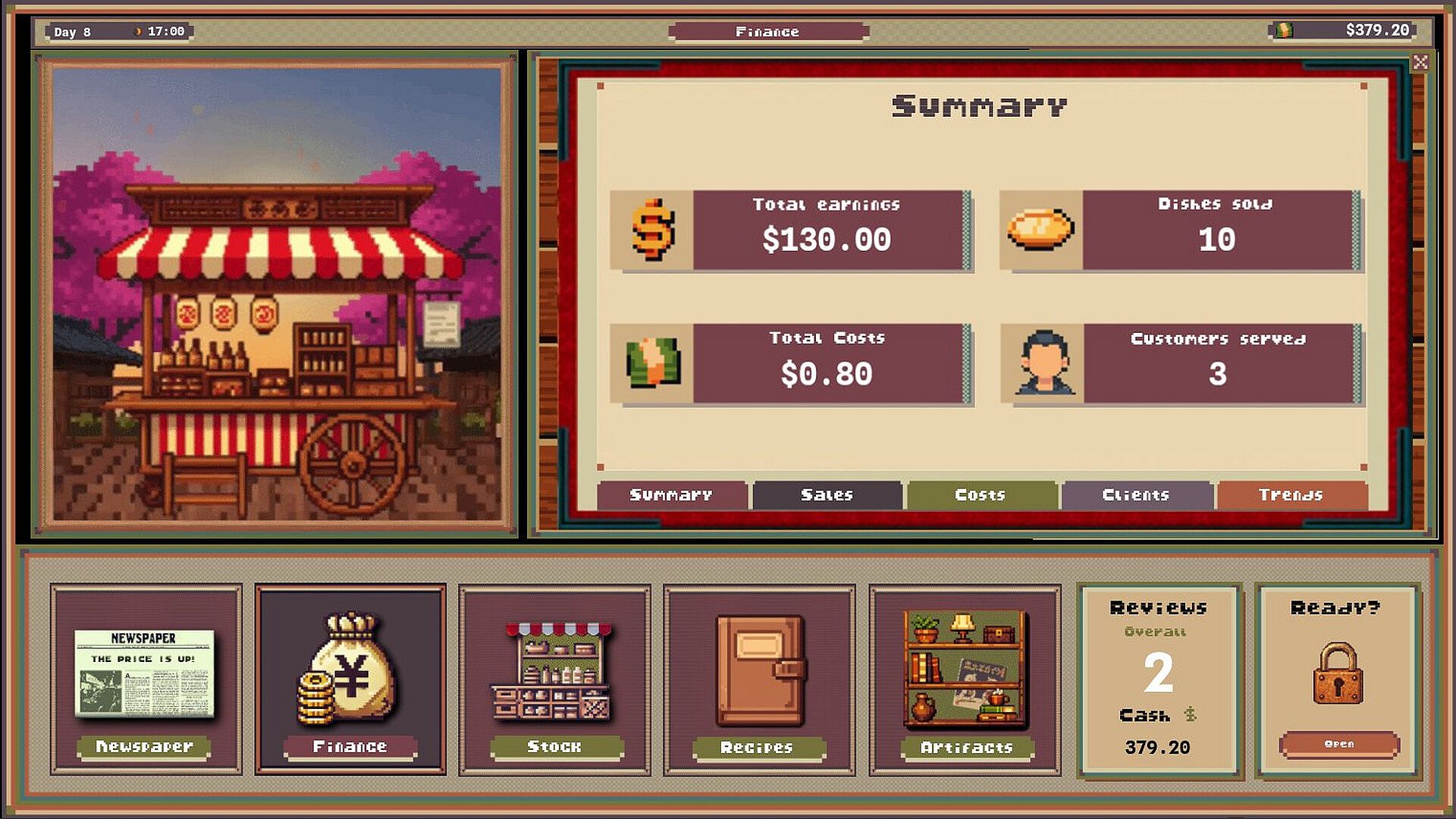
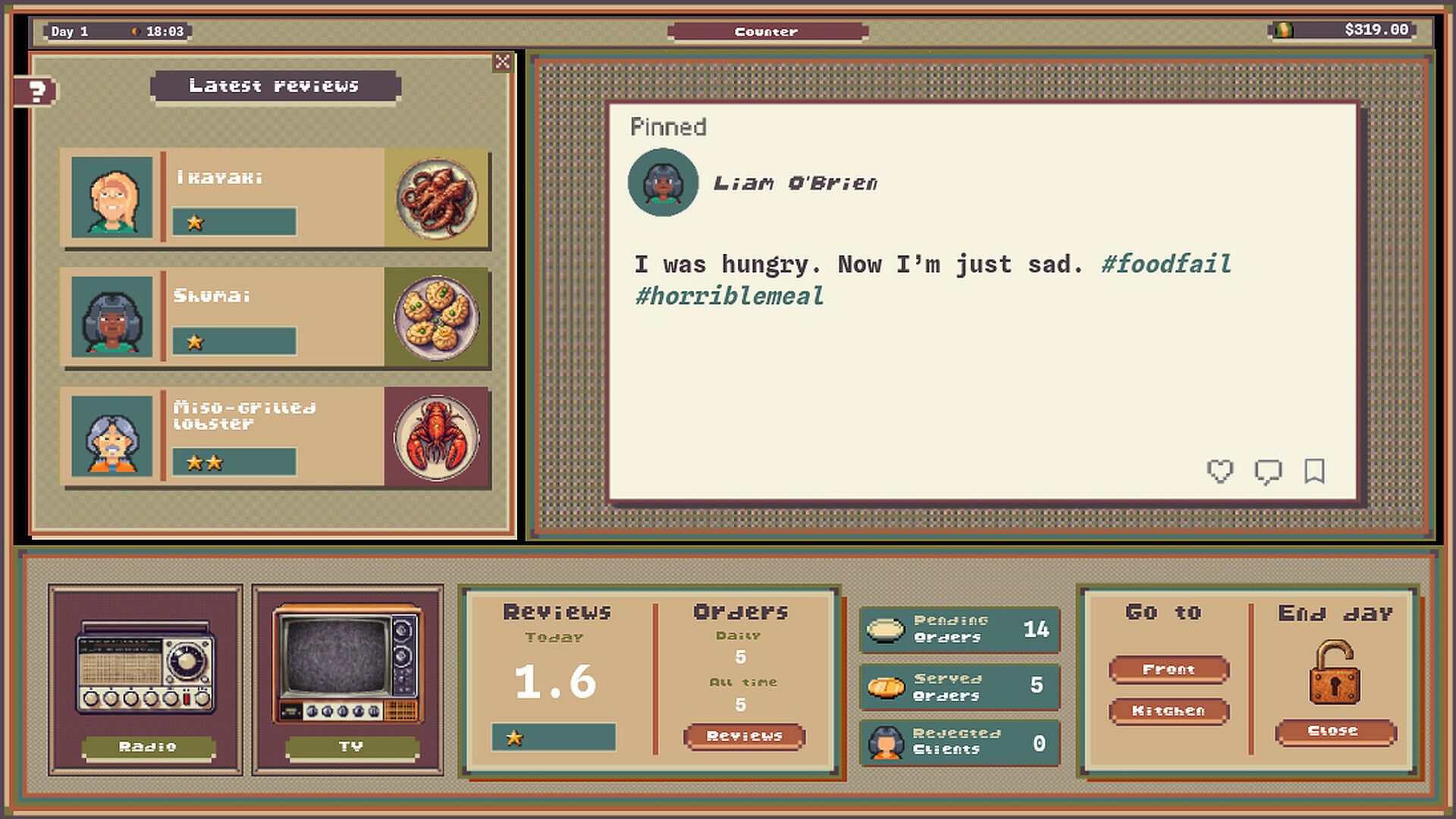
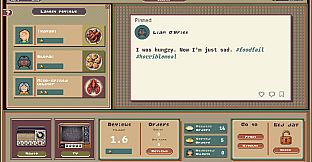
Reputation builds through consistent service and customer satisfaction, influencing sales and unlocking new options like additional cooking tools or supplier contacts. Stock tracking, expense monitoring, and review analysis help guide choices across the 365-day period, with daily events and conversations adding layers to the routine. Ingredient quality directly affects the final dish, and preparation methods reward careful handling over rushed shortcuts.
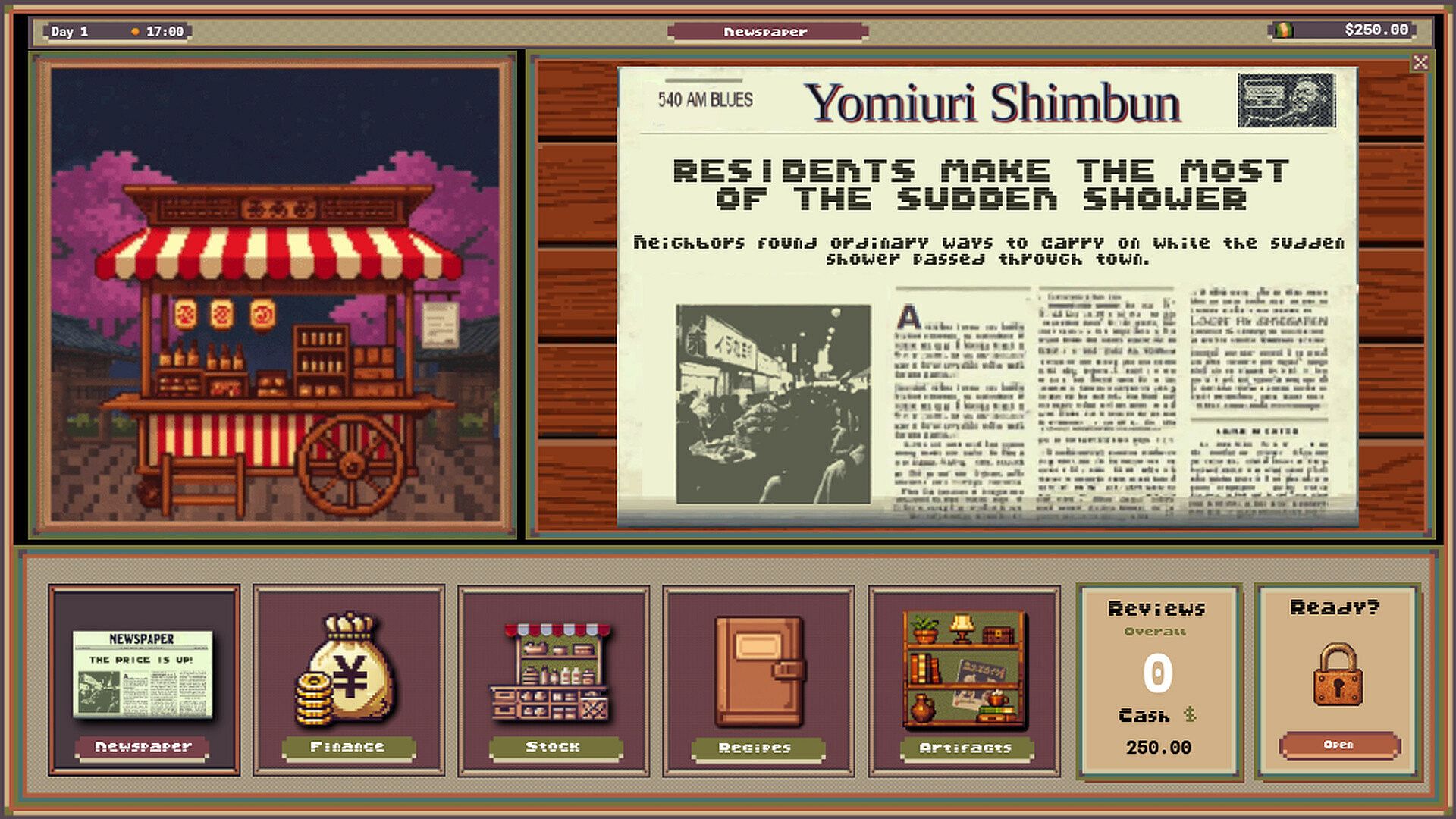
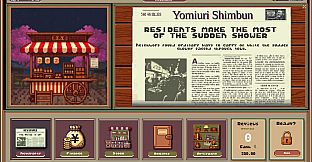
Regular customers return night after night, each with distinct preferences and personal details that emerge through dialogue. These interactions can open opportunities such as new recipes or local insights, turning the stall into a hub for community stories. The narrative unfolds gradually through news, reviews, and quiet moments, reflecting on the owner's career and the meaning found in everyday work.
Game Modes
Yatai Master operates as a single continuous experience without separate game modes or multiplayer options. The entire campaign spans exactly 365 days leading up to the owner's retirement, with progression tied to performance metrics like reputation, customer relationships, and financial stability. Decisions made throughout the year influence available resources, equipment upgrades, and the overall story direction.
Multiple endings become available based on how the stall is managed, encouraging replay through different approaches to balancing quality, speed, and social engagement. There are no competitive or cooperative variants, keeping the focus on the solitary management and narrative elements of running the yatai.
Key Features and Mechanics
More than 100 dishes can be prepared using ingredients sourced from distinct markets that differ in specialization, pricing, and quality levels. Merchants at these locations provide opportunities for comparison and discovery, while equipment unlocks expand kitchen efficiency over time. Limited kitchen space requires careful planning of prep areas and cooking stations to handle multiple orders efficiently.
Customer interactions extend beyond orders to include conversations that reveal hobbies, stories, and preferences. These exchanges contribute to relationship building and can yield tangible benefits like recipe unlocks or new exploration leads. Business oversight includes adapting to changing customer volume, which increases as days progress, and responding to external factors such as local events.
The game emphasizes a quiet tone focused on routine, legacy, and community rather than high-stakes action. Exploration of markets and conversations gradually expands the world around the stall without leaving the core location.
Is It Worth Playing?
Yatai Master suits players who enjoy thoughtful management simulations with narrative depth and cozy atmospheres. The single-player structure delivers a contained story across a full year of in-game time, rewarding consistent attention to detail in cooking, stock management, and customer relations. Different endings based on performance provide incentive for multiple playthroughs focused on varied priorities.
Those drawn to games about small businesses, food preparation, and interpersonal connections will find the mechanics align closely with those interests. The experience remains in development with a planned release in February 2027, so current interest centers on the detailed systems for ingredient handling, reputation building, and story emergence through daily operations. It offers a focused alternative to broader simulation titles by centering on one intimate setting and its evolving community.












