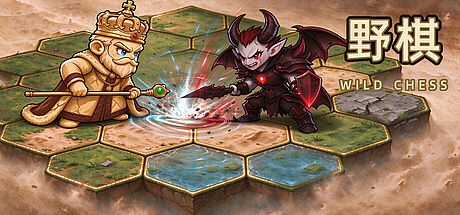


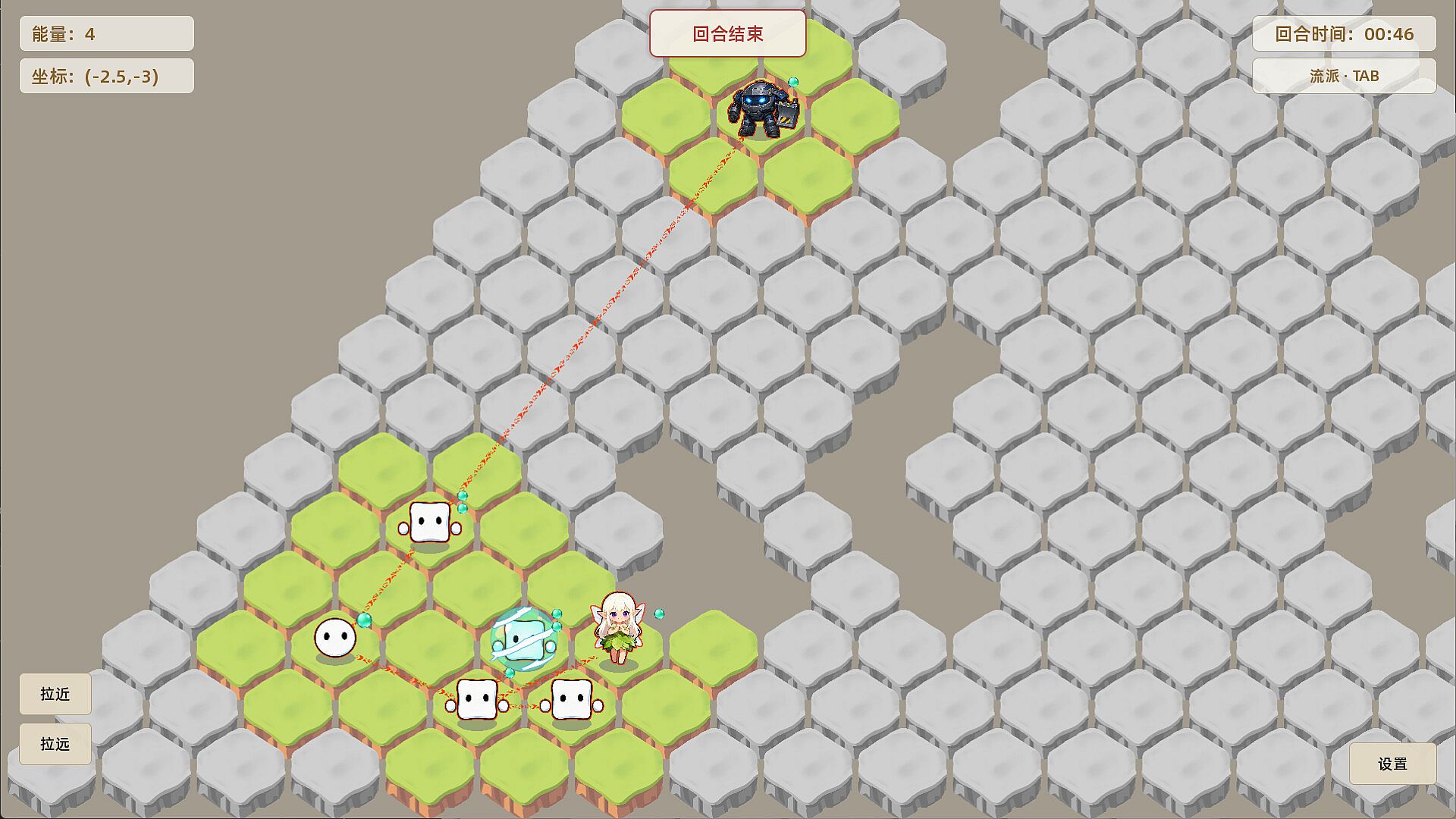
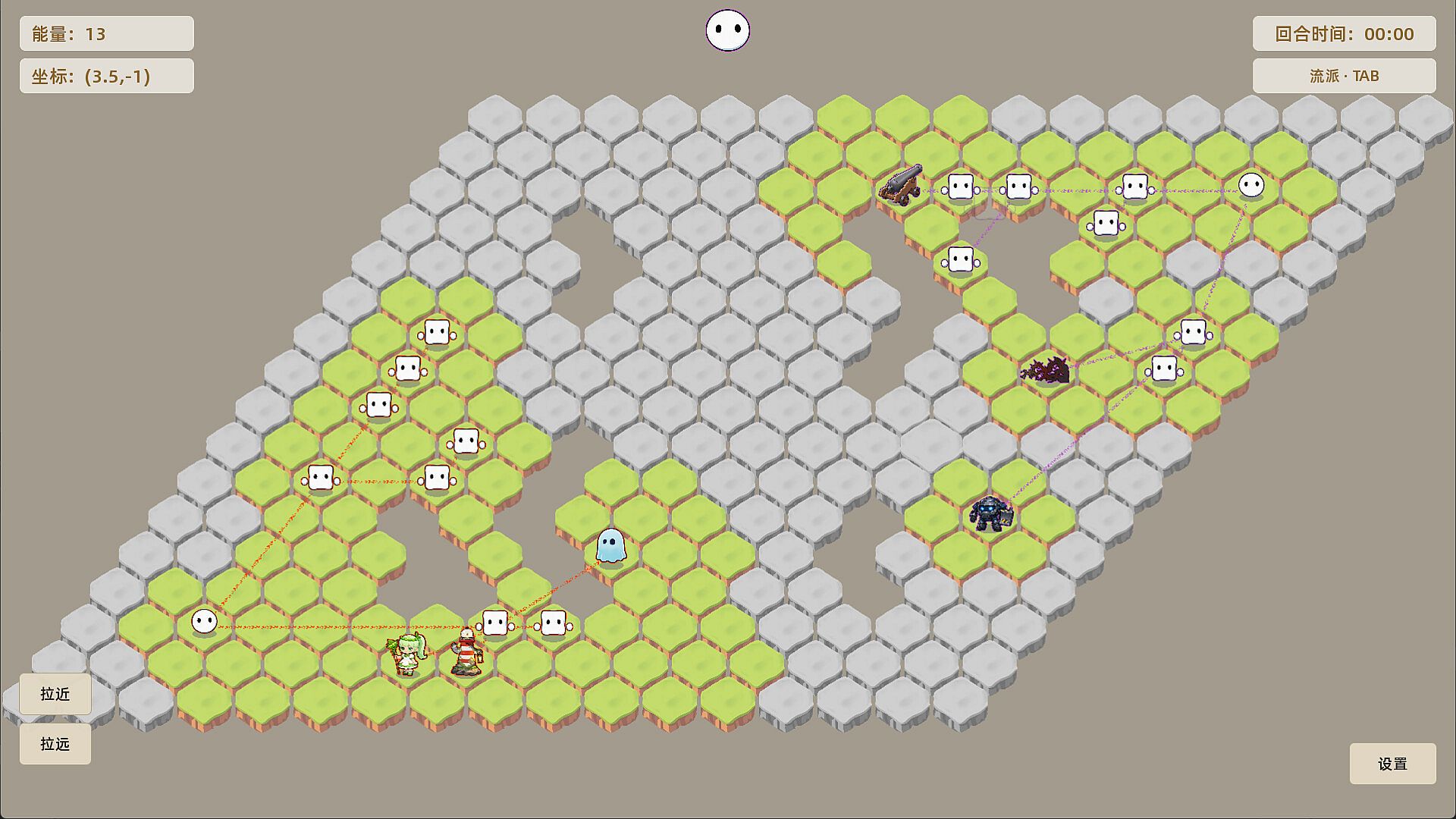

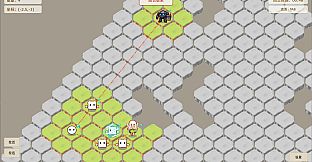
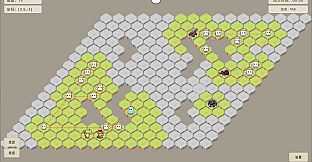
Wild Chess, known as 野棋, is a strategy game focused on 1v1 online matches. Players command rival armies across a hex battlefield in this turn-based tactical experience. Each side starts with a single commander piece that generates energy at the beginning of every turn. The objective remains straightforward: eliminate the opposing commander to secure victory.
Gameplay
Matches unfold through careful energy management and piece positioning. Commanders produce 10 energy per turn, while the second player receives an additional 5 energy on their opening turn. Spawning a new piece requires 4 energy, movement costs 1, and attacks demand 2. Every spawned piece can perform both a move and an attack within the same turn, making resource allocation critical for gaining the initiative or surrounding threats.
Turn timers scale with game length, beginning at 30 seconds for the first three turns, extending to 60 seconds through turn six, then 120 seconds until turn twelve, and finally 300 seconds thereafter. Players may conclude their turn early whenever desired. Vision operates under fog of war, limiting sight to nearby tiles and concealing distant enemy units until scouted or revealed through specific evolutions.
Terrain shapes movement options for most pieces while certain evolutions bypass or alter these restrictions. Range, line of sight, and cooldown management frequently determine outcomes before direct confrontations occur. Protecting the commander, controlling key lanes, and executing efficient piece trades prove as decisive as aggressive maneuvers.
Game Modes
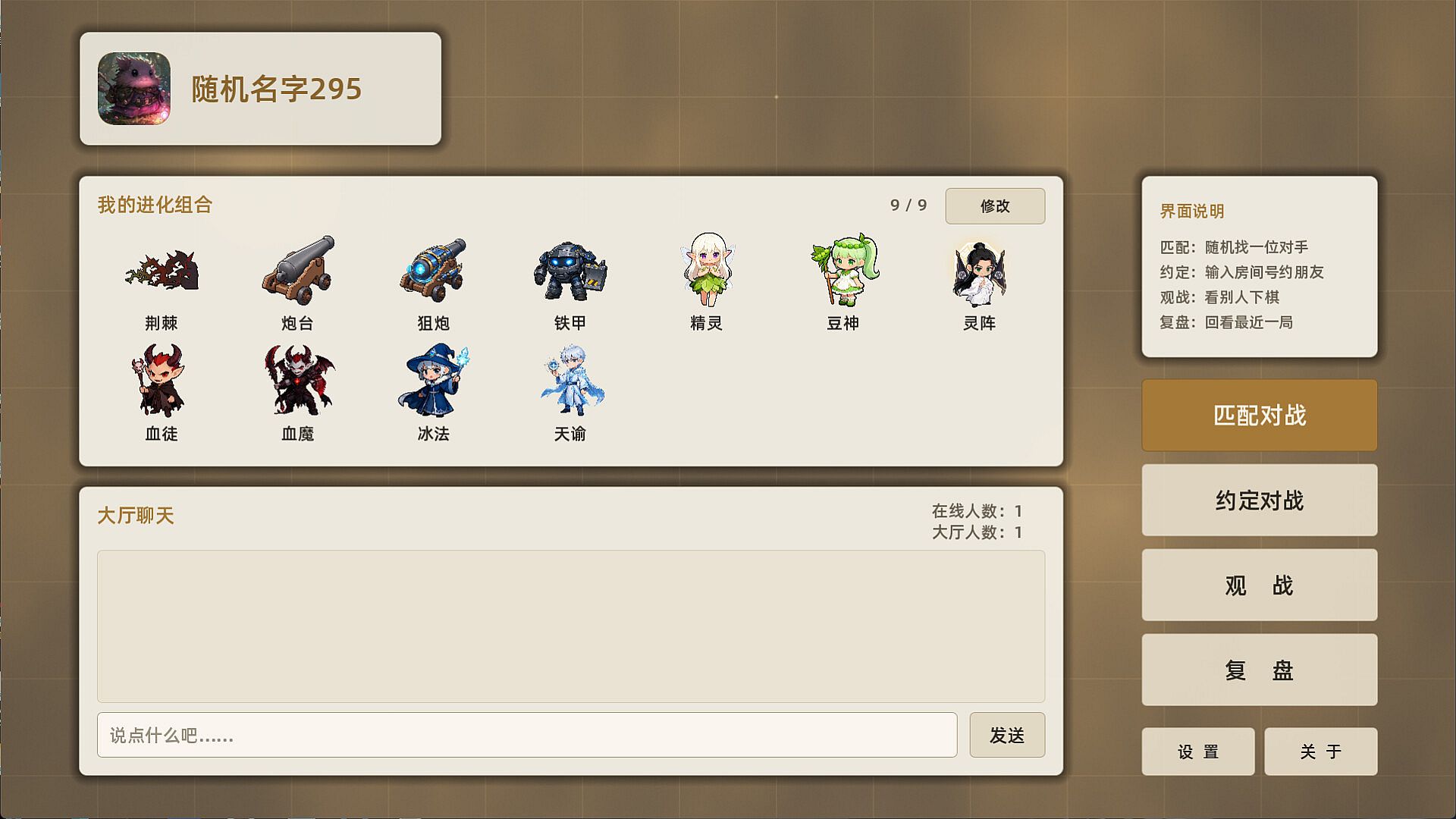
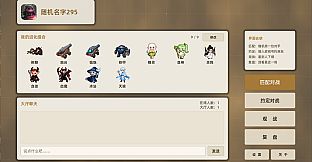
Wild Chess supports several online formats centered on live human opponents. Quick match pairs players directly through the lobby system. Password-protected rooms allow friends to join specific sessions. Direct challenges can be issued from the lobby interface. Spectators may observe active matches in real time.
Every completed match receives automatic recording. Replays include pause and playback controls, enabling detailed review of sequences and decisions. Lobby chat facilitates opponent searches and post-match discussion. No single-player options, AI opponents, offline modes, or local play exist.
Evolutions and School Building
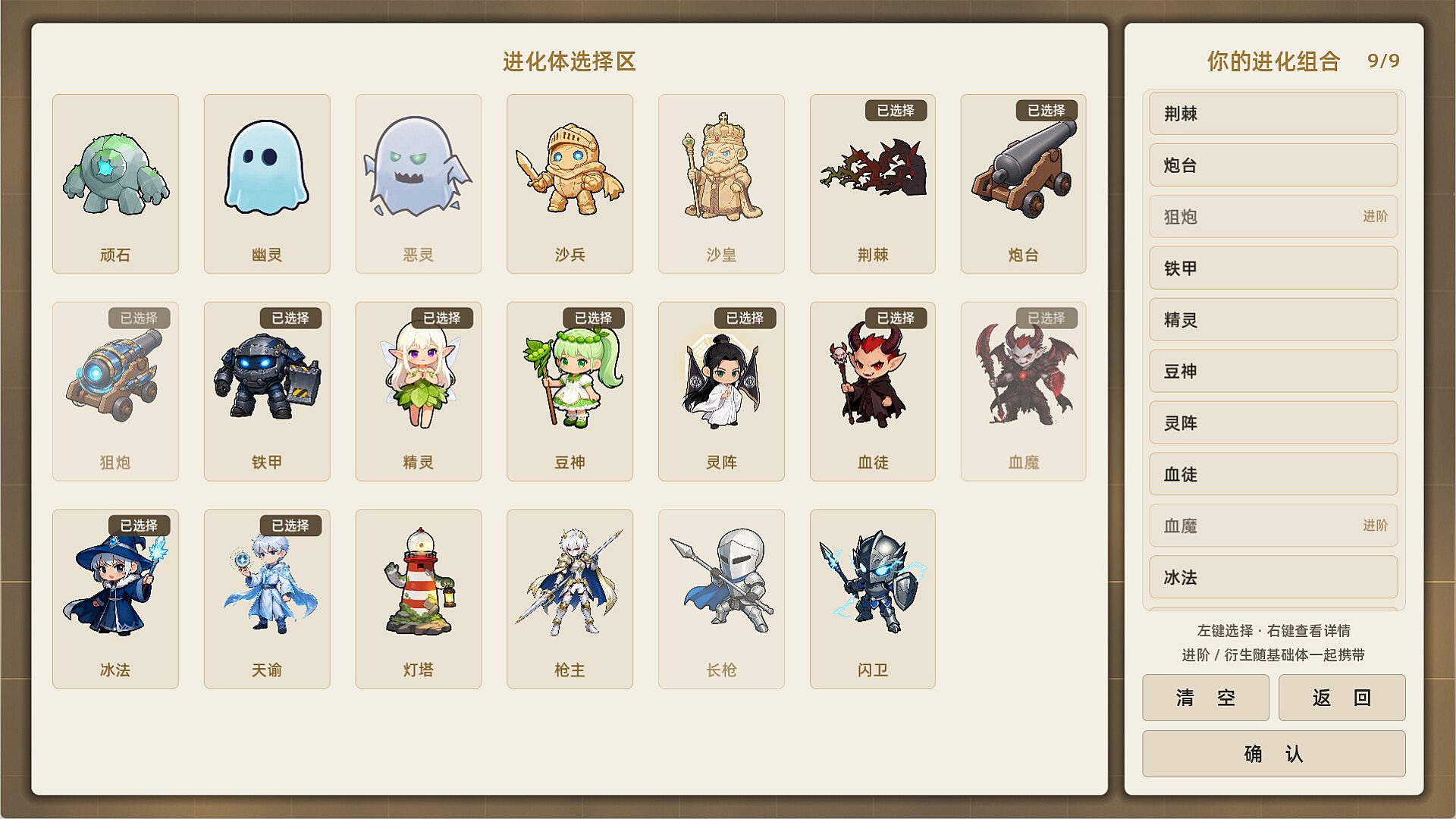
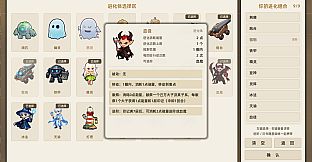
Unevolved pieces transform into one of twenty specialized forms, each carrying distinct energy costs, copy limits per match, and ability cooldowns. Examples include ghosts that phase through terrain and terrify foes, with three combining into a wraith capable of possessing enemies. Cannons provide ranged bombardment, scaling into snipers that mark and fire on subsequent turns. Sand soldiers convert ground into desert, leading to a sand emperor that maneuvers freely through such terrain.
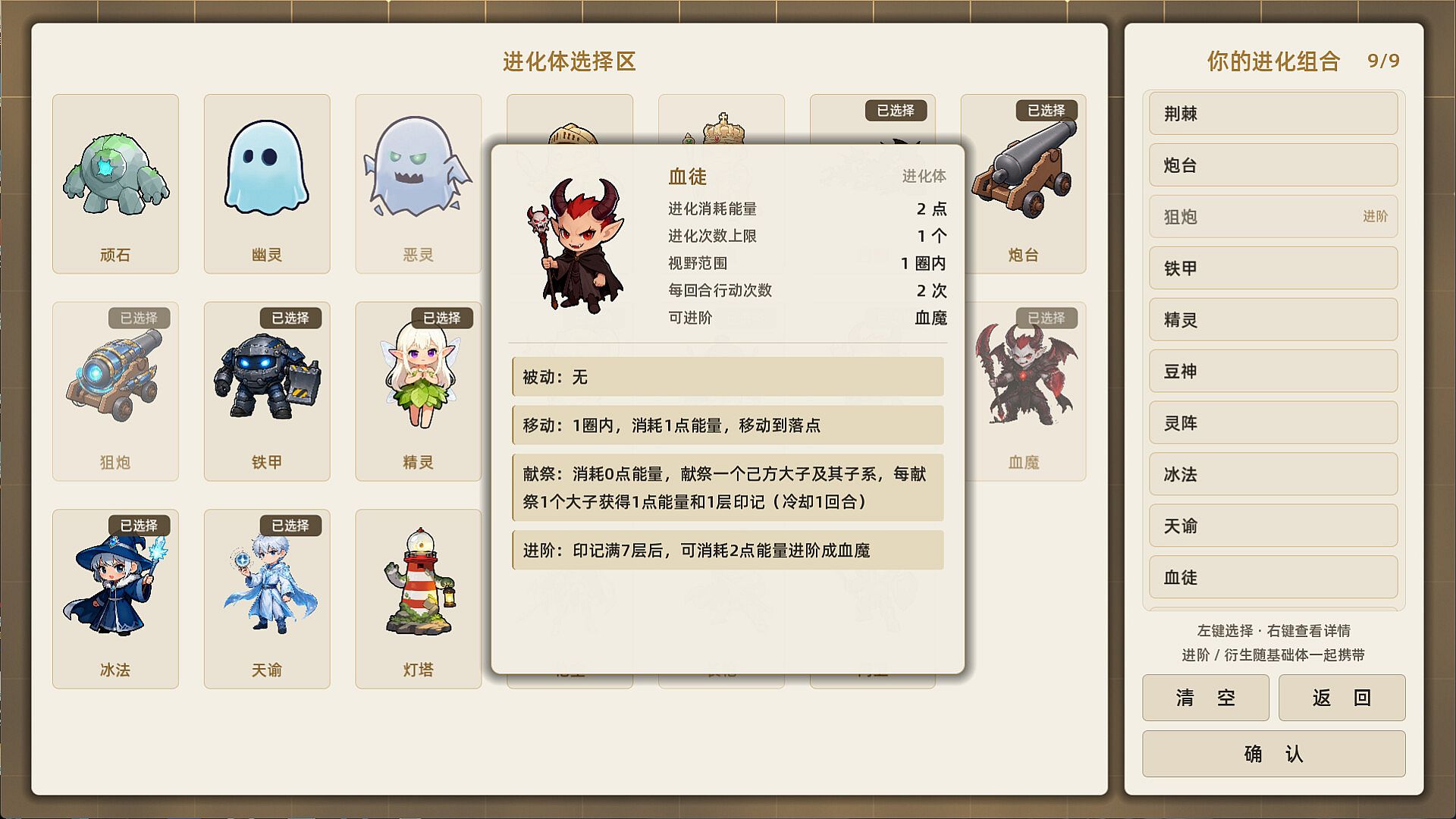
Other forms feature an armored beast charging in straight lines, an ice mage freezing targets for a full turn, a blood cultist sacrificing pieces for energy that evolves into a shielded blood demon, a spear master summoning temporary striking spears, and a stone golem offering complete damage immunity. Forms grant passive effects, extended vision, or retaliatory abilities. Before matches, players select up to nine forms to define their school, shaping available options and strategic depth.
Is It Worth Playing?
Wild Chess suits players seeking pure 1v1 tactical depth in a hex-based board game without progression systems, ranked ladders, or additional content layers. Matches emphasize understanding form matchups, energy timing, and positional play. The complete roster and all features release together with no locked elements or ongoing purchases required. Interface and text appear exclusively in Simplified Chinese, and constant internet access remains necessary for all activity.
Those comfortable with online-only play, turn timers that lengthen over time, and a focus on personal skill development rather than unlocks will find consistent engagement. Replays support ongoing improvement through self-review. The absence of single-player content or localization narrows the audience to dedicated strategy enthusiasts prepared for the language requirement and live-server dependency.