


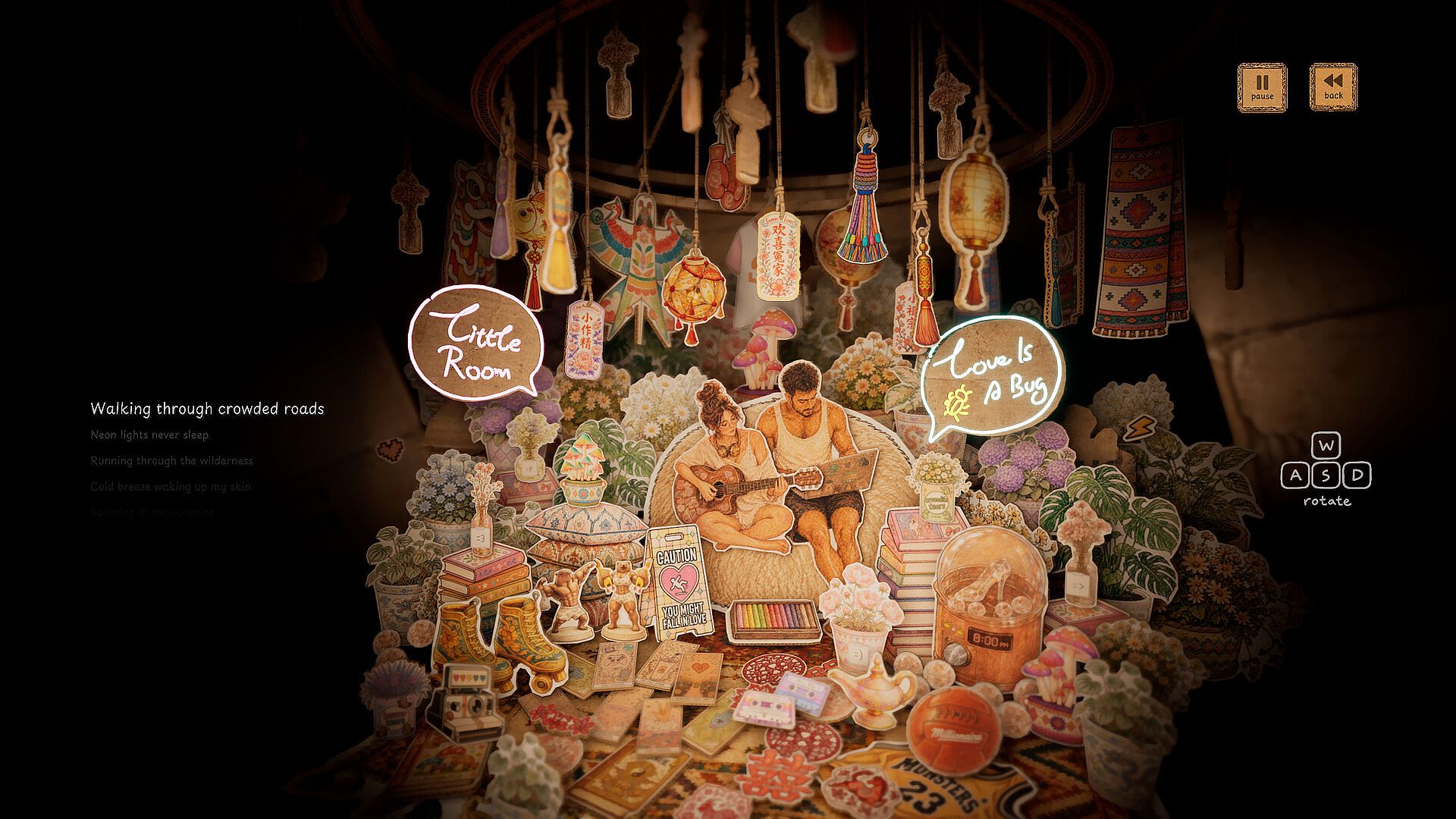
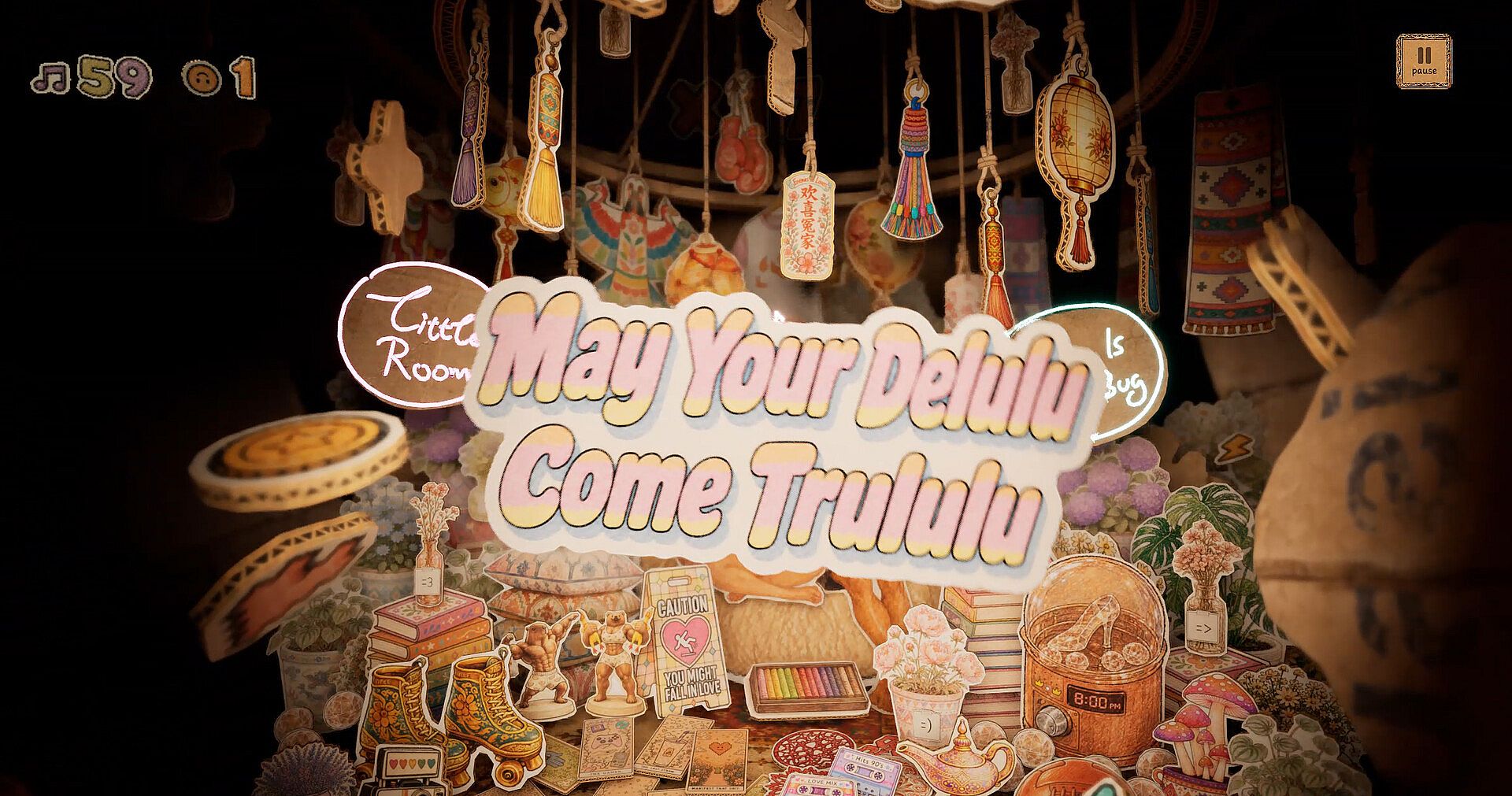
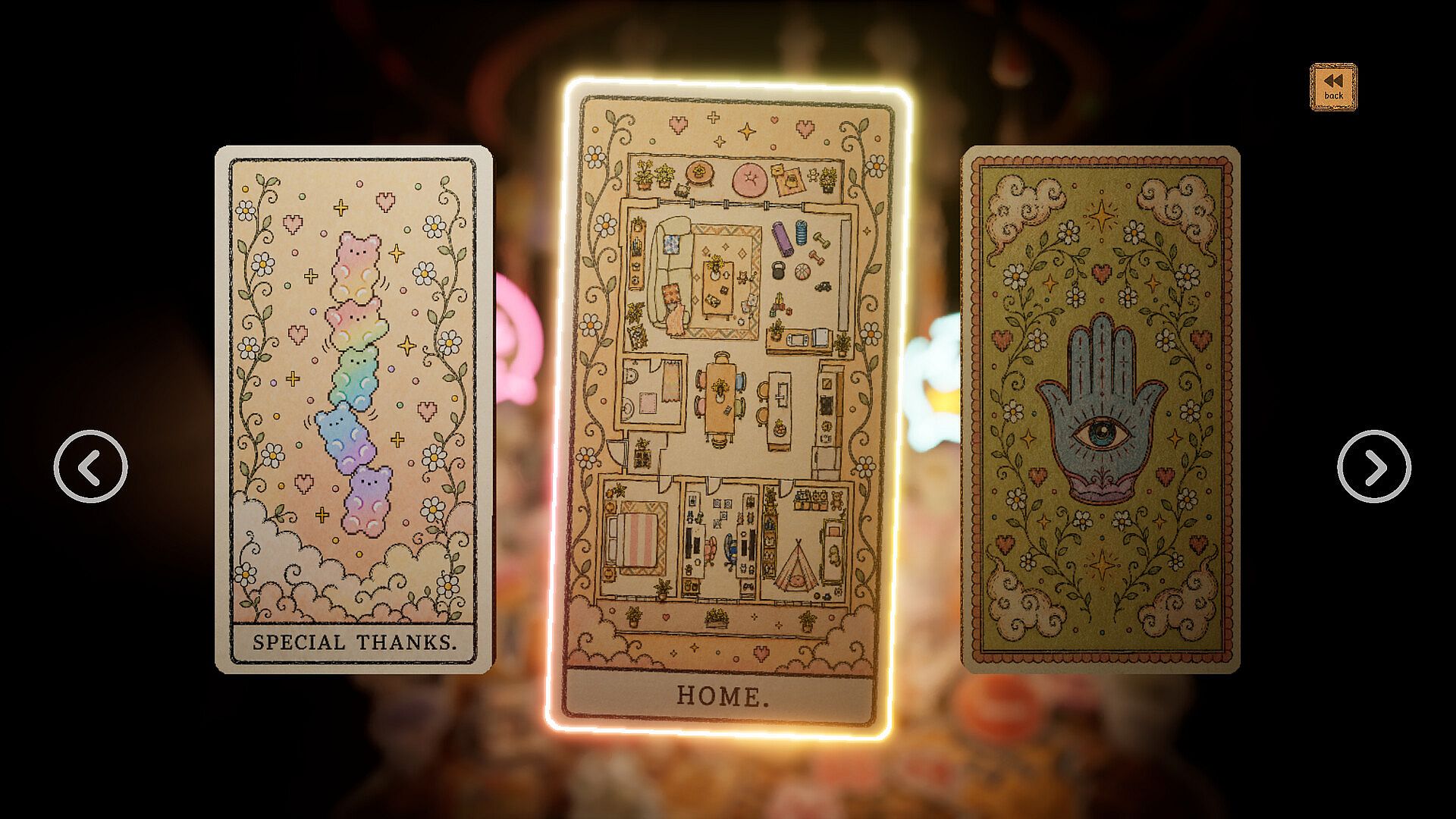
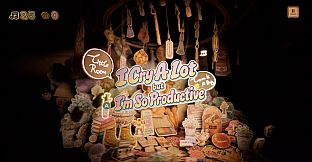
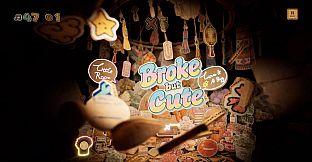
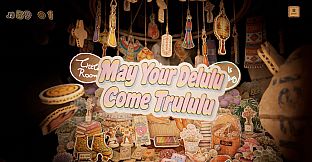
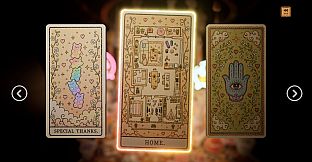

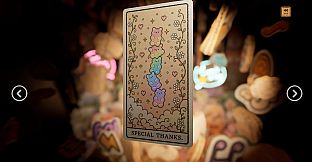
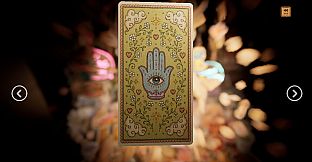
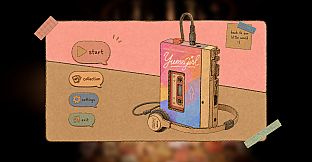
YumeGirl is a casual indie game on PC in Early Access that takes the form of an interactive music video. Players step into a world assembled from personal songs, drawings, and small physical-style scenes that reflect time shared between two people. The experience centers on listening to original tracks while engaging with simple handmade elements to unlock collectible cards. Each card adds a short narrative layer tied directly to the music, building a larger picture of connection and personal growth.
Gameplay
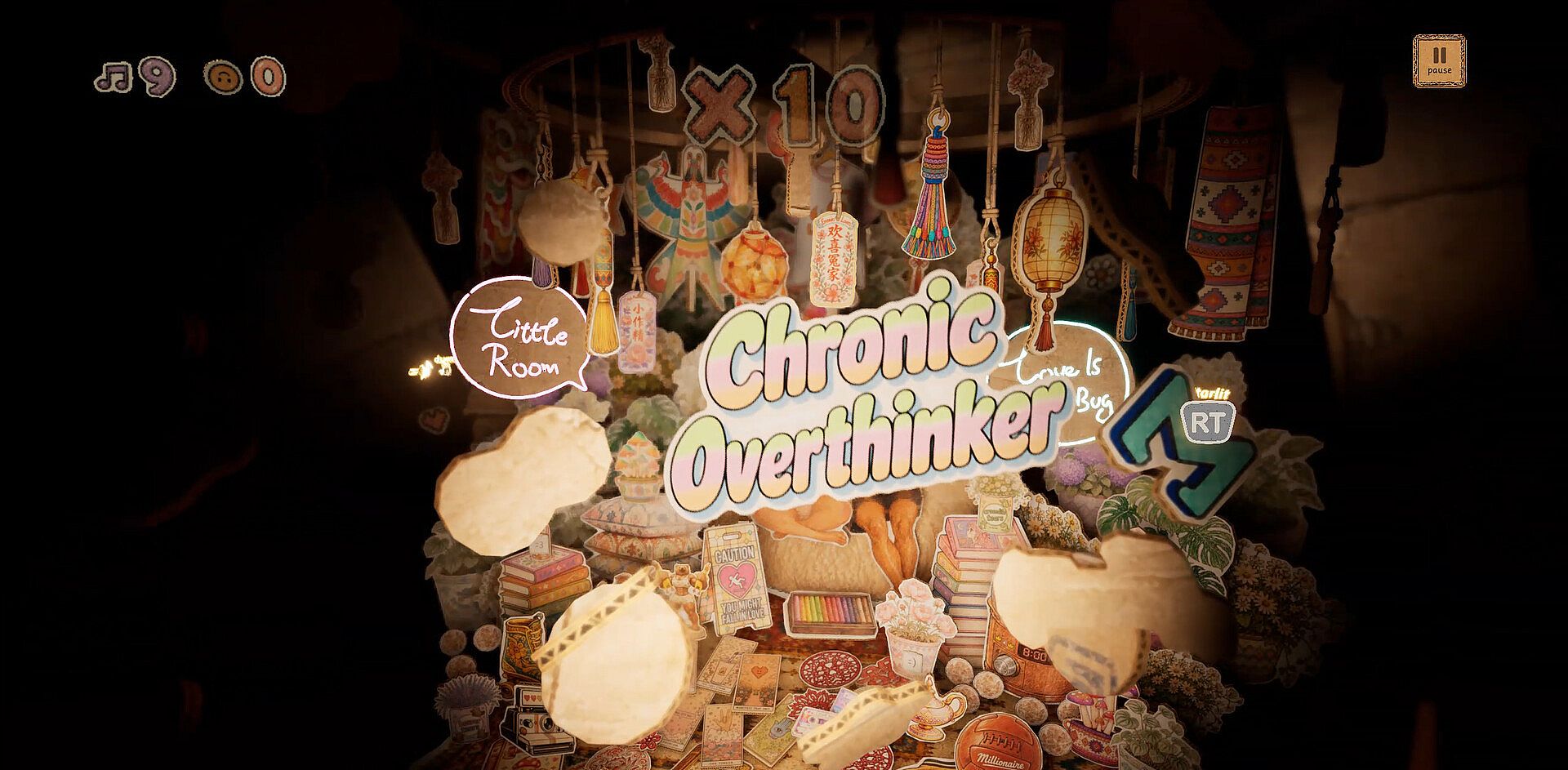
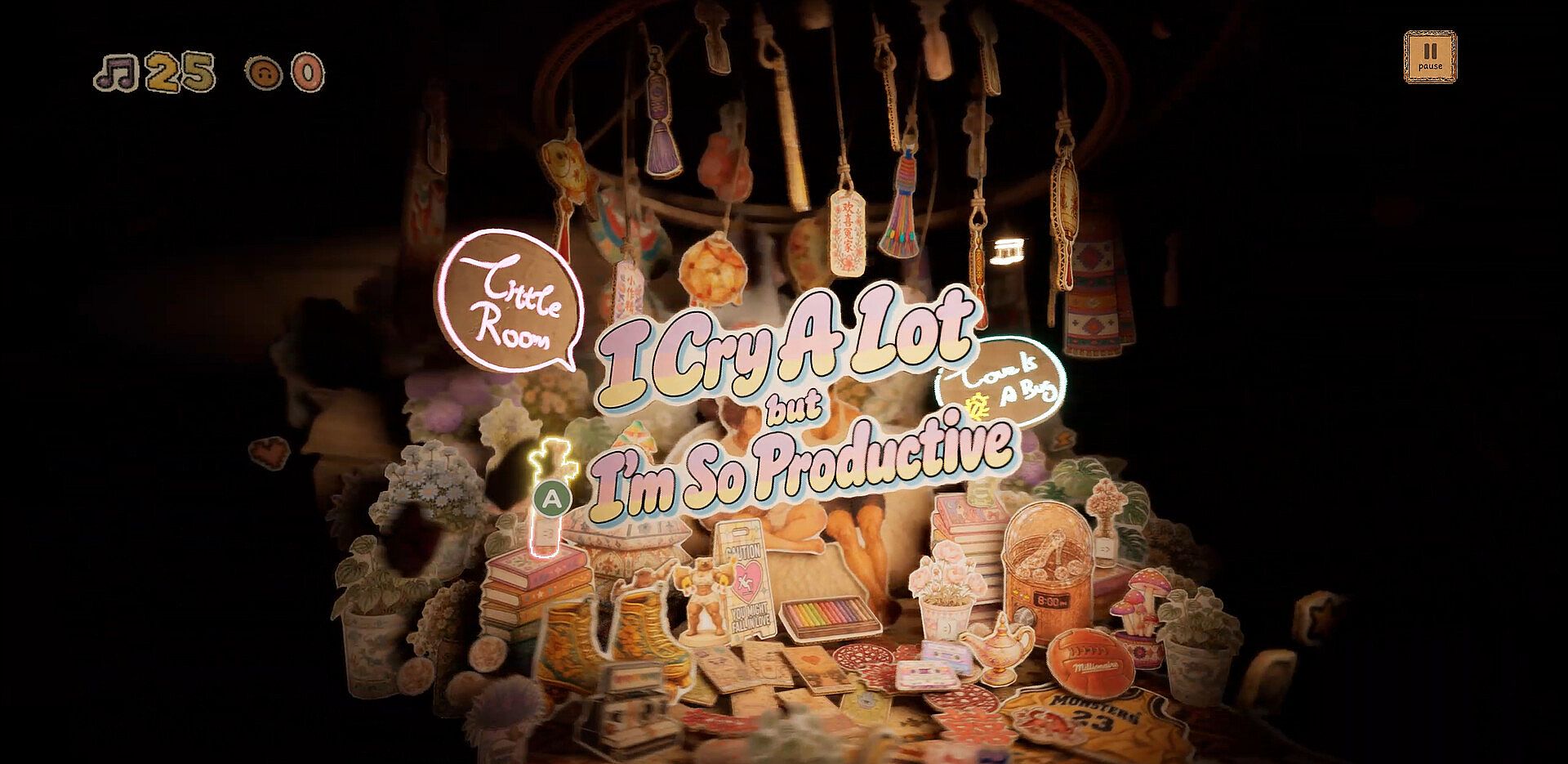
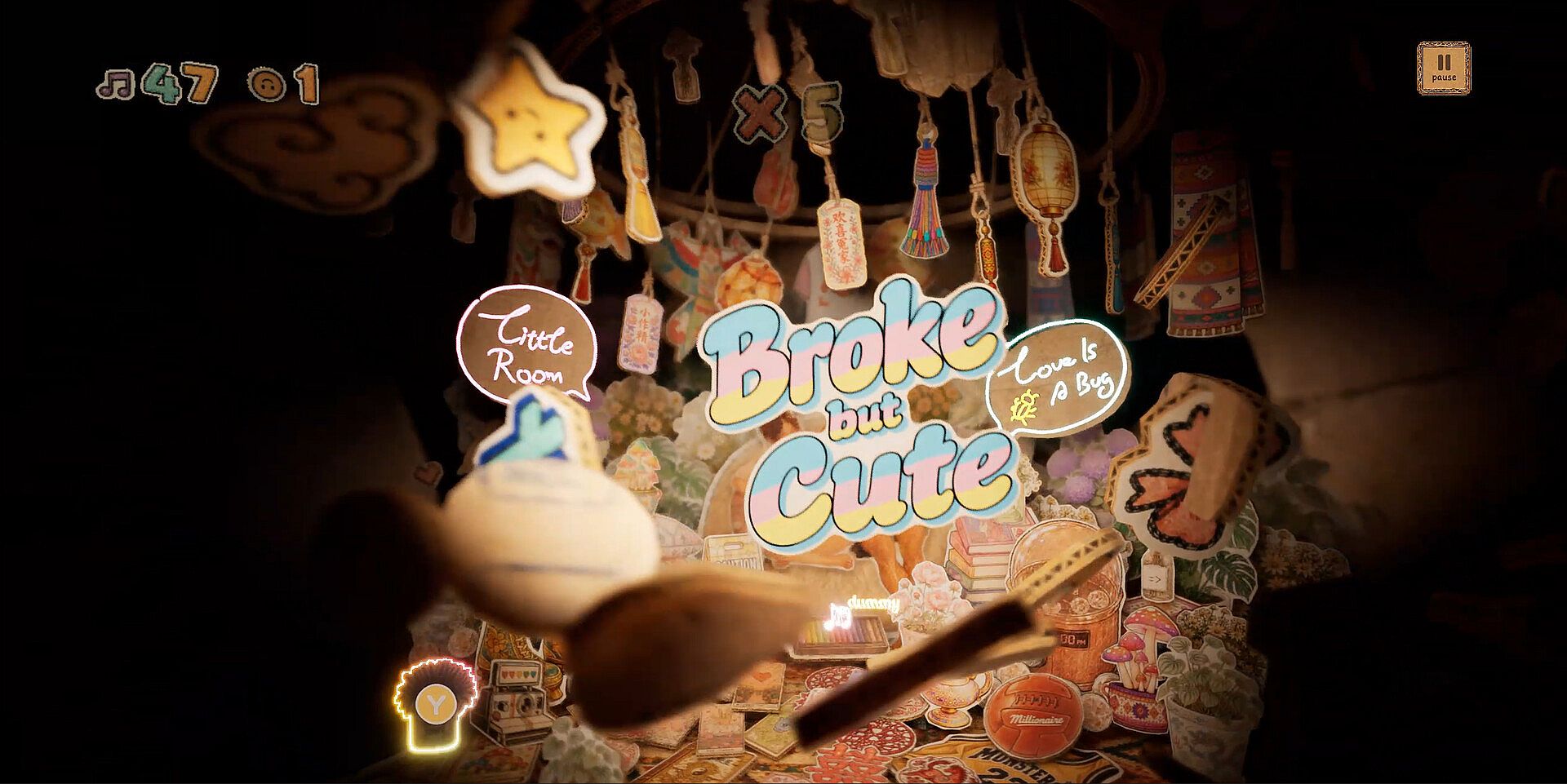
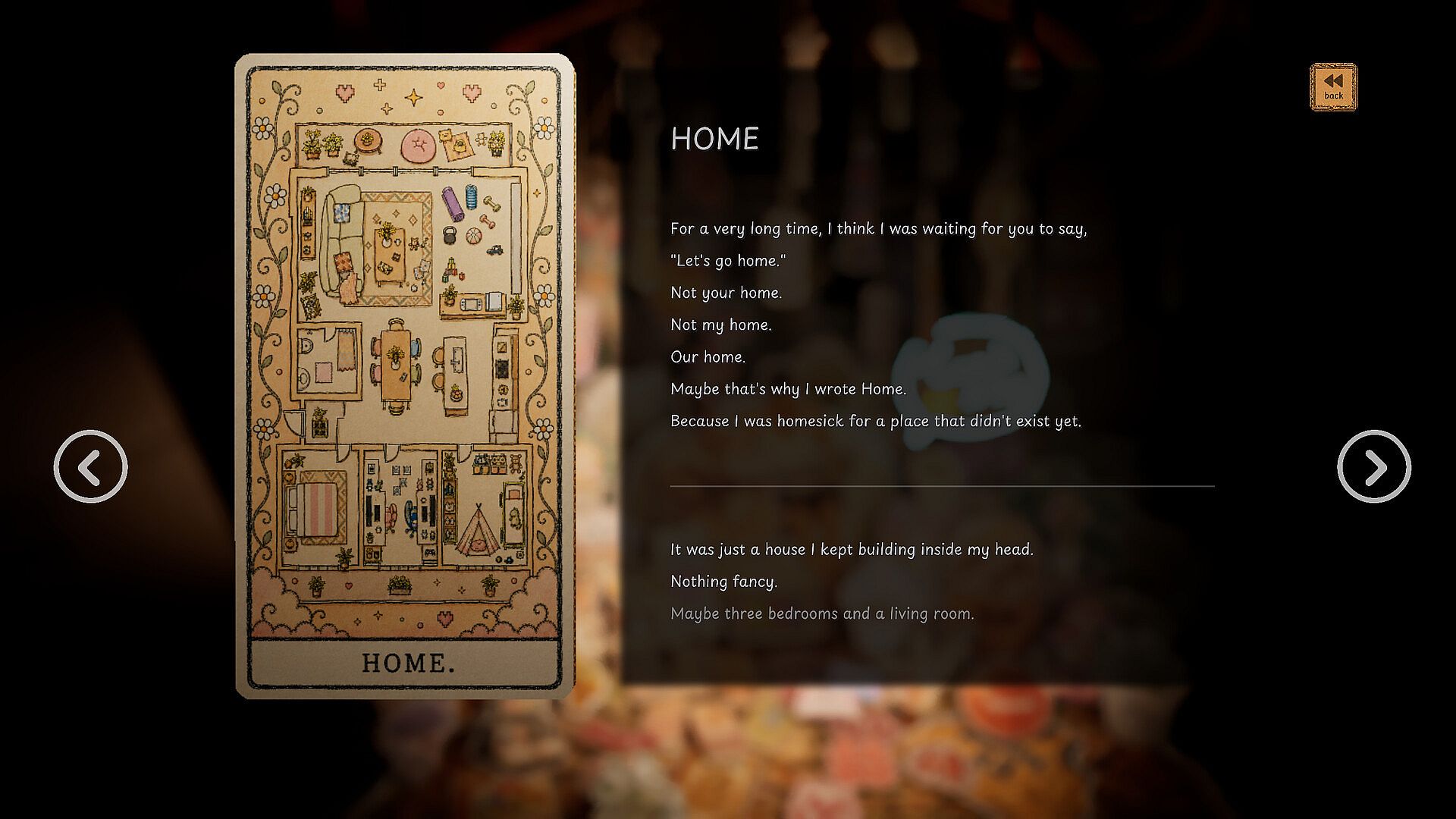
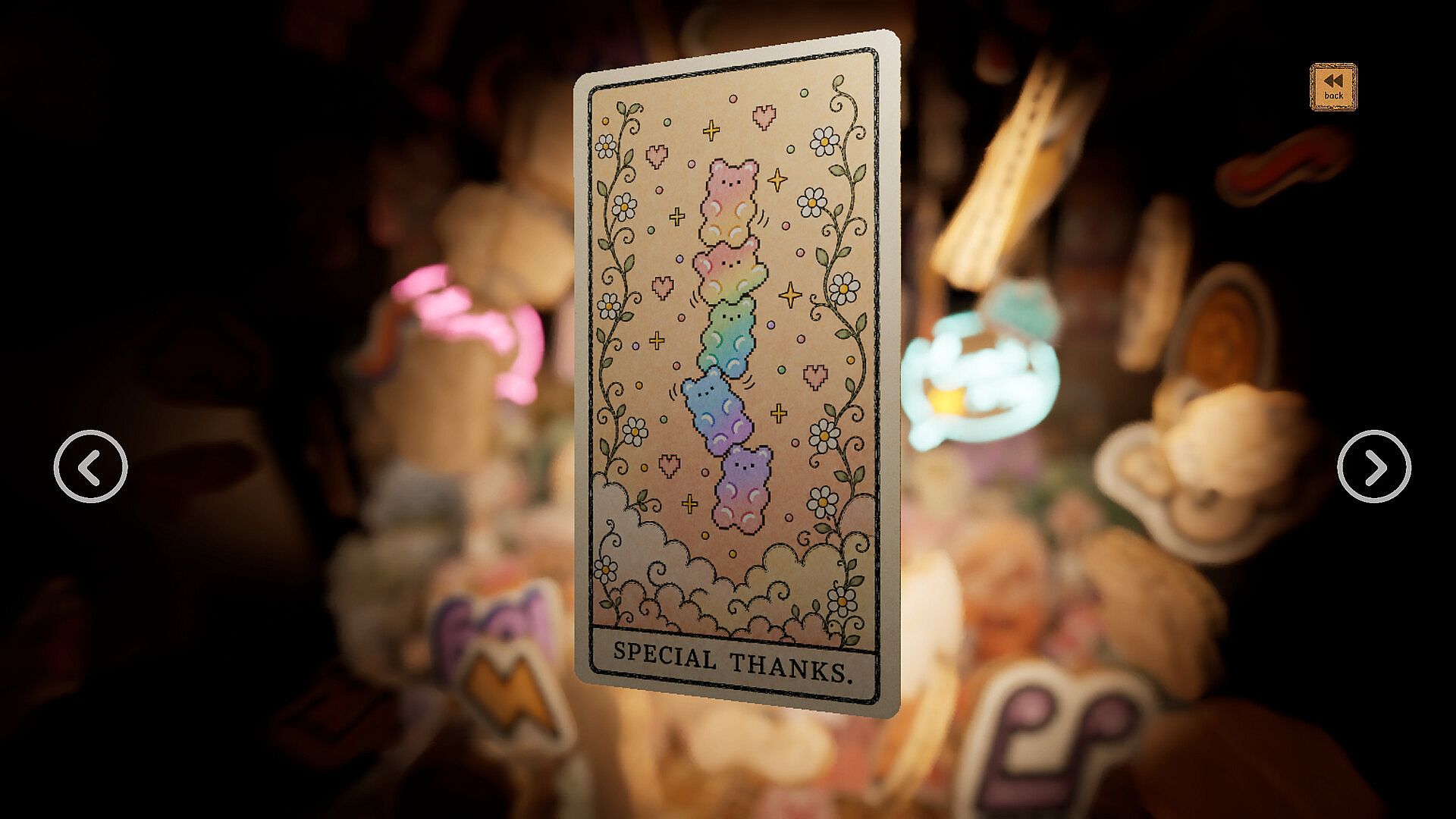
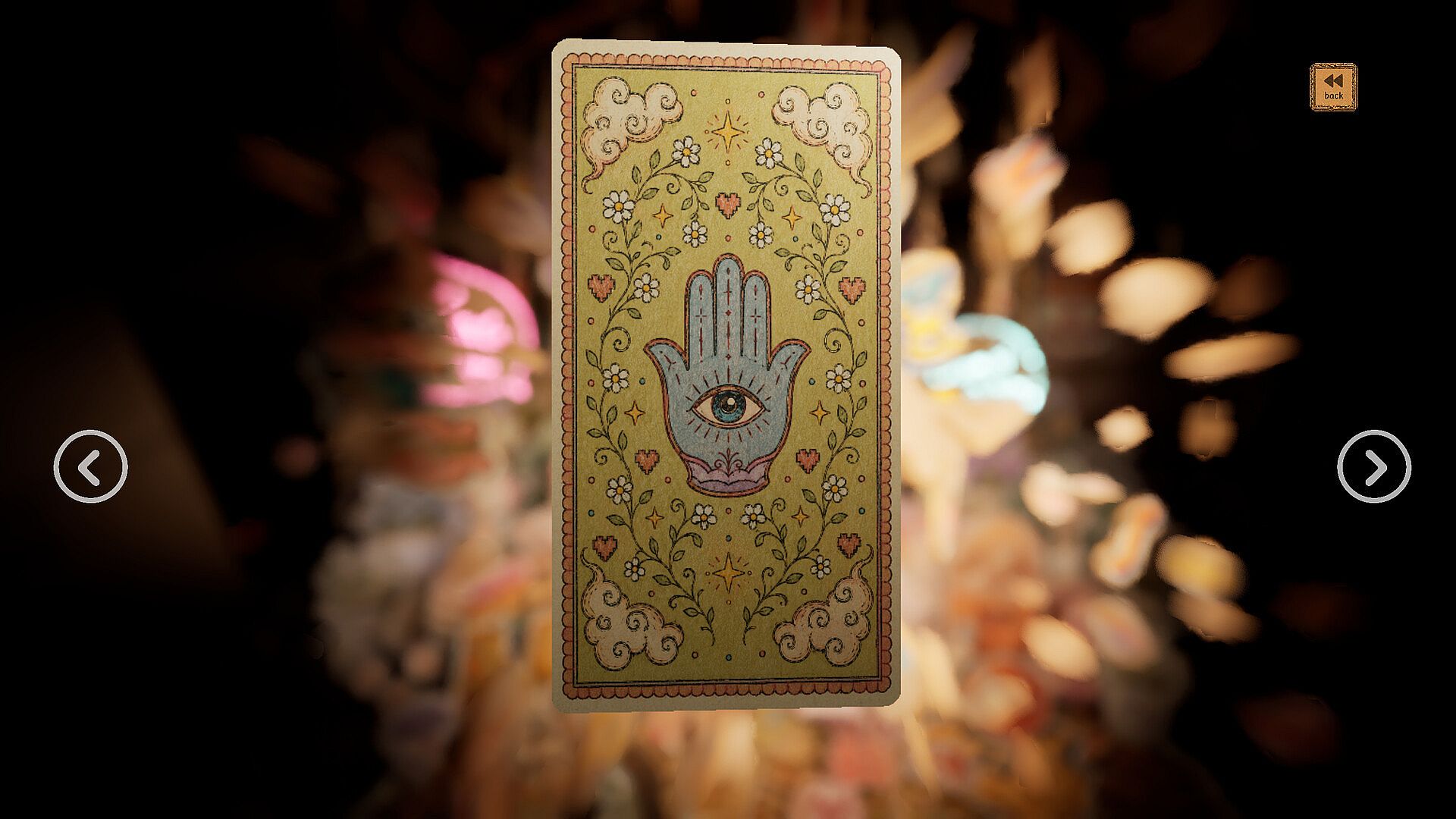
The core loop involves moving through individual songs one at a time. As each track plays, players interact with cardboard-style scenes, doodles, and memory objects placed in a bedroom-desk setting. These interactions reveal hidden details and lead to the collection of cards. The cards themselves contain brief stories that expand on the lyrics, covering moments such as shared laughter, quiet reflections, or small inside jokes. Progress feels deliberate and paced around the music rather than traditional objectives or timers. The handmade quality extends to every visual element, creating a consistent sense of something assembled by hand with care and a touch of whimsy.
Game Modes
YumeGirl offers a single-player sequence built around its song list. There are no separate competitive or multiplayer options. Instead, the structure follows a straightforward progression where completing interactions in one song unlocks the next card and advances the overall narrative. Players can revisit tracks to explore additional details in the scenes or review collected cards at their own pace. This approach keeps the focus on the music and the layered stories rather than varied rule sets or team-based play.
The Story and Themes
The cards piece together two intertwined narratives. One follows the relationship between the girl and the person she cares for, told through memories that range from everyday moments to more personal thoughts. The second follows her own process of learning about love, personal growth, and self-understanding. These elements emerge gradually across the songs without requiring complex choices or branching paths. The tone stays intimate and reflective, inviting players to linger with the music and the small stories attached to each card.
The Handmade Aesthetic
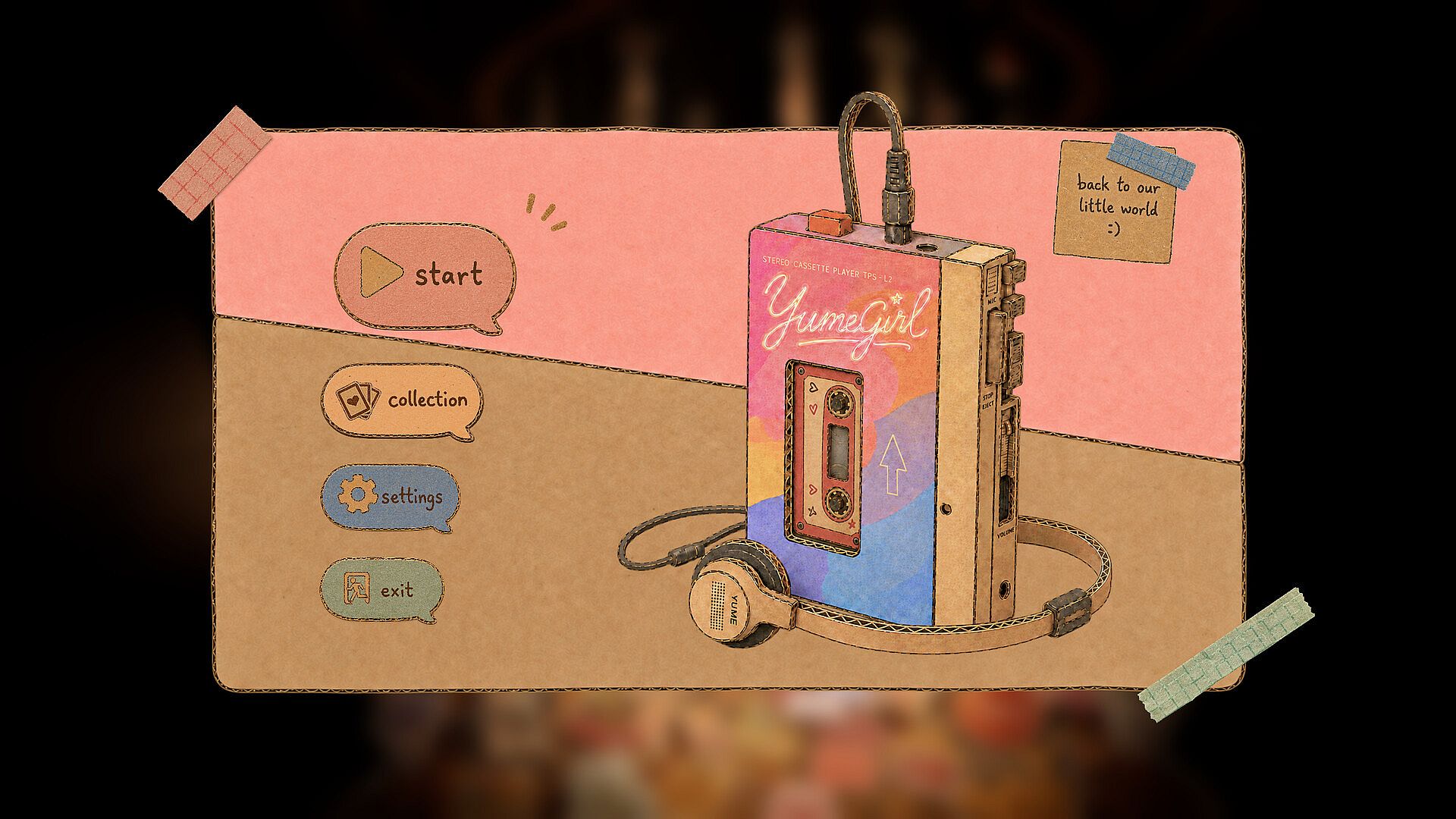
Visuals emphasize a crafted, personal feel with cardboard constructions, simple illustrations, and scattered memory items. Sound design centers on the original songs that serve as both soundtrack and narrative driver. Interactions remain light and exploratory, matching the casual genre while encouraging players to notice small details in each scene. The overall presentation reinforces the idea of a private creation that has been shared more widely than originally intended.
Is It Worth Playing?
YumeGirl suits players who enjoy short, music-focused experiences with a strong narrative through collectibles. Its Early Access status means the current version centers on the core song-and-card loop described in the source material. Those drawn to indie casual titles that prioritize atmosphere and personal storytelling over action or competition will find the most alignment here. The absence of traditional game systems keeps the emphasis on listening and uncovering the small stories, which may appeal to fans of visual novels or interactive music projects. If the concept of a handmade love letter turned into a game resonates, the title delivers exactly that focused experience without additional layers or modes.