








Astral Ascent is a 2D side-scrolling platformer roguelite that places players in the role of one of four distinct heroes attempting to break free from the Garden, an astral prison. The core experience centers on repeated runs through procedurally arranged challenges where quick reactions and build choices determine success against powerful guardians.
Gameplay
Each run begins in a central hub area called the Garden, where players interact with NPCs to prepare before heading out with Sova. Movement relies on directional controls, jumping, dashing, and double jumps that reset during combat for fluid aerial maneuvers. Combat mixes basic attacks, a character-specific signature ability, and four equippable spells that share a cooldown system, forcing strategic sequencing of abilities.
Heroes include Ayla, who relies on twin daggers for rapid strikes, along with three others that each bring unique signature moves and playstyles. Spells come in large numbers and can be enhanced through systems like gambits and imprints introduced in later updates. Runs feature room selection after each completion, with options that trade risk for rewards such as new spells, currency, or upgrades. Experience gained during a run levels the character temporarily, granting access to prowess modifications at shrines.
Meta-progression unlocks additional spells, characters, and modifiers across multiple attempts. Higher difficulties introduce destiny levels that add challenges while increasing rewards. Recent free updates have expanded options with new spells, weapon types for certain heroes, and specialization trees that shape passive upgrades more consistently.
Game Modes
The primary mode consists of escape attempts structured across four worlds. Each world contains twelve rooms leading to a boss encounter against one of the Zodiac guardians. Rooms fall into fight types focused on clearing enemy waves or exploration types that include platforms, hazards, chests, and altars for rewards. Players choose paths at junctions, balancing difficulty indicated by star fragments against potential gains.
Local two-player co-op allows a second participant to join directly in the Garden hub for shared runs. Remote Play Together supports online sessions with a friend. Alternative world variants appear in runs for owners of specific DLC content, offering different enemy sets and layouts while maintaining the same room and boss structure.
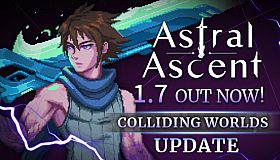
A free crossover update added three new bosses with distinct mechanics, three themed rooms, and summon options drawn from another title, all accessible after an initial clear. A dedicated boss rush mode remains in development for focused arena-style challenges with archetype-based builds.
Progression and Updates
Story elements unfold gradually through repeated successes, revealing details about the heroes, the Zodiacs, and the prison's overseer. Each Zodiac defeat contributes to meta currencies and fragments that support the path of destinies system for scaling difficulty and rewards.
Support continues with regular patches that refine balance, add content, and introduce quality-of-life features such as improved imprint management and specialization choices. The game reached full release in late 2023 after early access and maintains an active development cycle with both free updates and optional DLC expansions for new worlds, heroes, and spells.
Is It Worth Playing?
Player feedback on Steam rates the title Very Positive based on thousands of reviews, highlighting responsive controls, build variety, and boss encounters as standout elements. The roguelite structure rewards experimentation with spells and hero abilities while the co-op option broadens appeal for shared sessions.
Those who enjoy precise platforming combined with ability crafting and escalating challenges will find consistent depth here. The presence of ongoing free content, including recent crossover additions, keeps the experience fresh for returning players. Newcomers benefit from the accessible entry point and steady meta unlocks that encourage multiple runs without excessive repetition in core systems.