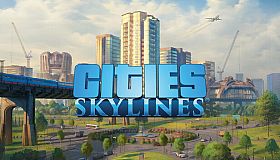
Cities: Skylines is a city-building simulation game available on Xbox One and Xbox Series consoles. Players take on the role of mayor, starting with an undeveloped plot of land connected to a highway and expanding it into a functioning urban area through careful planning and ongoing management.
Gameplay
The core loop centers on zoning land for residential, commercial, and industrial use while constructing roads that support traffic flow and determine building placement. As population grows, new services become necessary to maintain resident satisfaction and city stability. These include power plants, water treatment facilities, sewage systems, schools, hospitals, police stations, and fire departments. Budget management requires balancing tax income against service costs, with adjustments to tax rates across different zone types influencing development patterns.
Traffic forms a major focus, with detailed simulation of individual vehicles and citizen movement patterns. Public transportation options such as buses and metros help alleviate congestion on roads of varying widths and types. Districts allow targeted policies that restrict building types, alter taxes, or promote specific transport modes within defined areas. A day and night cycle affects citizen routines, with reduced activity and slower traffic after dark in many zones.
Additional layers include pollution tracking, employment levels, and citizen health metrics. Water flow and sewage systems add spatial challenges to infrastructure placement. The simulation reacts dynamically to player decisions, with residents responding to service coverage, noise, and economic conditions.
Game Modes
The game supports sandbox-style play that emphasizes creative freedom without strict victory conditions or time limits. Players can adjust starting conditions through options such as unlimited funds or unlocked items to focus purely on design and expansion. A hard mode increases construction and upkeep costs while reducing initial demand, providing greater challenge for experienced users.
Progression occurs through population milestones that unlock additional buildings, services, and tools. These tiers encourage gradual scaling from small towns to larger metropolitan areas while introducing new management demands at each stage.
Key Mechanics and Systems
Road networks serve dual purposes as both transport arteries and zoning boundaries, with grid adaptation allowing flexible layouts rather than rigid patterns. Economy tools let players fine-tune spending and revenue through service budgets and tax policies. Public services must cover growing populations efficiently to prevent issues like crime spikes or health declines.
Environmental factors such as pollution and noise influence property values and resident happiness. Policies applied at district or city level enable specialization, such as favoring certain industries or improving transit access in targeted zones. The overall system rewards balanced growth that accounts for interconnected needs like jobs, housing, and utilities.
Is It Worth Playing?
This simulation appeals to players who enjoy methodical city management and long-term planning on console. The single-player focus allows uninterrupted sessions dedicated to building and refining urban layouts. Ongoing updates have maintained support for the title years after launch, with active player communities exploring different approaches to traffic, zoning, and service optimization.
Those interested in detailed infrastructure challenges and economic balancing will find substantial depth. The experience suits individuals comfortable with iterative adjustments rather than fast-paced action. Availability on Xbox platforms makes it accessible for console users seeking a substantial building simulation without requiring a PC setup.