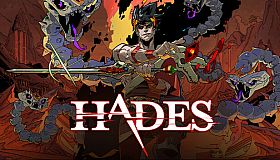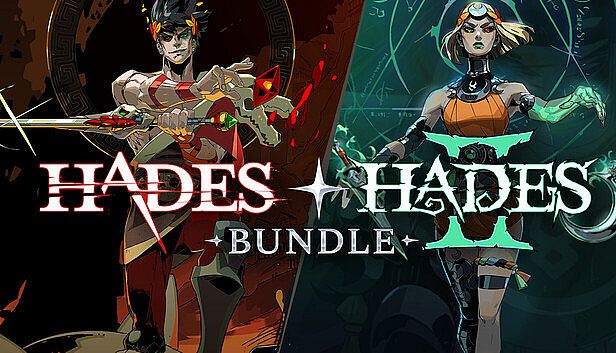



Hades i Hades II to dynamiczne gry akcji z elementami roguelike i RPG, stworzone przez Supergiant Games na PC. Gracz wciela się w nieśmiertelne postacie z mitologii greckiej, które wielokrotnie przemierzają niebezpieczne krainy pełne wrogów, pułapek i łupów. Każda próba kończy się śmiercią lub sukcesem, po czym bohater wraca do głównej siedziby, by wydać zdobyte zasoby na stałe ulepszenia i rozwijać wątki fabularne poprzez rozmowy.
Rozgrywka
Podstawą jest szybka walka w rzucie izometrycznym, w której wybiera się broń i łączy tymczasowe wzmocnienia - Błogosławieństwa - otrzymywane od olimpijskich bogów. Błogosławieństwa zmieniają ataki, dodają efekty żywiołów lub zapewniają ochronę, zachęcając do testowania różnych kombinacji w kolejnych próbach. W pierwszej części Zagreus korzysta z różnych oręży, takich jak miecz Stygius czy łuk Coronacht, przemierzając cztery główne regiony Podziemia. W Hades II gracz przejmuje kontrolę nad Melinoë, która łączy klasyczne ataki z magią. Może wzmacniać swoje zdolności do wersji Omega, a także korzystać z nowych mechanik - towarzyszy oraz systemu Strachu, który podnosi poziom trudności w zamian za lepsze nagrody.
Postęp mierzy się zbieraniem zasobów, takich jak ciemność, klejnoty czy klucze, które służą do odblokowywania trwałych ulepszeń w siedzibie. Każda próba generuje losowy układ pomieszczeń, różnorodnych przeciwników oraz walki z bossami, wymagające rozpoznawania schematów i budowania synergii. Hades II wprowadza dwa różne szlaki w ramach jednej próby: jeden prowadzi w głąb Podziemia, drugi - ku powierzchni i Góry Olimp, z unikalnymi lokacjami i wyzwaniami. Walka pozostaje precyzyjna i nagradza dobre pozycjonowanie oraz wyczucie czasu.
Tryby gry
Obie części skupiają się na trybie jednoosobowym opartym na przebiegach roguelike'owych. Standardowa rozgrywka polega na wyborze broni, zbieraniu Błogosławieństw i próbie dotarcia jak najdalej przed powrotem do siedziby. W Hades II pojawia się dodatkowo tryb Nurkowania we śnie - losowa kolejność regionów, dostępna po odblokowaniu przez postęp fabularny. Dostępne są także wyzwania i próby z narzuconym ekwipunkiem lub ograniczeniami, przeznaczone do ćwiczenia konkretnych buildów i zdobywania nagród.
Te tryby zachęcają do wielokrotnego powracania do gry bez zmiany jej podstawowej struktury. Nie ma elementów multiplayer - całość koncentruje się na indywidualnym opanowaniu mechanik i odkrywaniu historii przez dziesiątki prób.
Fabuła i rozwój postaci
Historia rozwija się głównie poprzez interakcje w siedzibie, a nie przerywniki filmowe. Każda udana lub nieudana próba odsłania nowe dialogi z bogami, cieniami i towarzyszami, budując relacje, które otwierają kolejne ulepszenia i tajemnice. W Hades gracz śledzi starania Zagreusa o ucieczkę i odkrywanie rodzinnych sekretów. Hades II kontynuuje mit, stawiając Melinoë naprzeciw Tytana Chronosa, wspieraną przez sojuszników z Olimpu oraz nowe elementy związane z magią. Systemy takie jak Arkana czy zaklęcia w kociołku pogłębiają personalizację i zachęcają do długoterminowego inwestowania w postać.
Czy warto zagrać?
Gry przypadną do gustu osobom, które cenią strukturę roguelike'ową połączoną z mocną narracją i dopracowaną walką. Po premierze Hades II otrzymał liczne aktualizacje, dodające nowe sceny z dubbingiem, wydarzenia dialogowe, rozszerzenia relacji oraz tryb Nurkowania we śnie - potwierdza to dalsze wsparcie twórców. Recenzje podkreślają głębię walki, różnorodność buildów oraz satysfakcjonującą pętlę rozgrywki, która nagradza wytrwałość. Fani jednoosobowych przygód z motywami mitologii greckiej, proceduralną różnorodnością i rozwojem postaci przez relacje znajdą tu sporo treści. Pakiet daje dostęp do obu części, pozwalając prześledzić ewolucję serii.