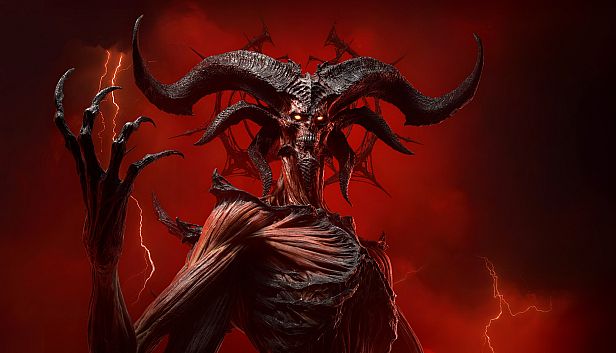














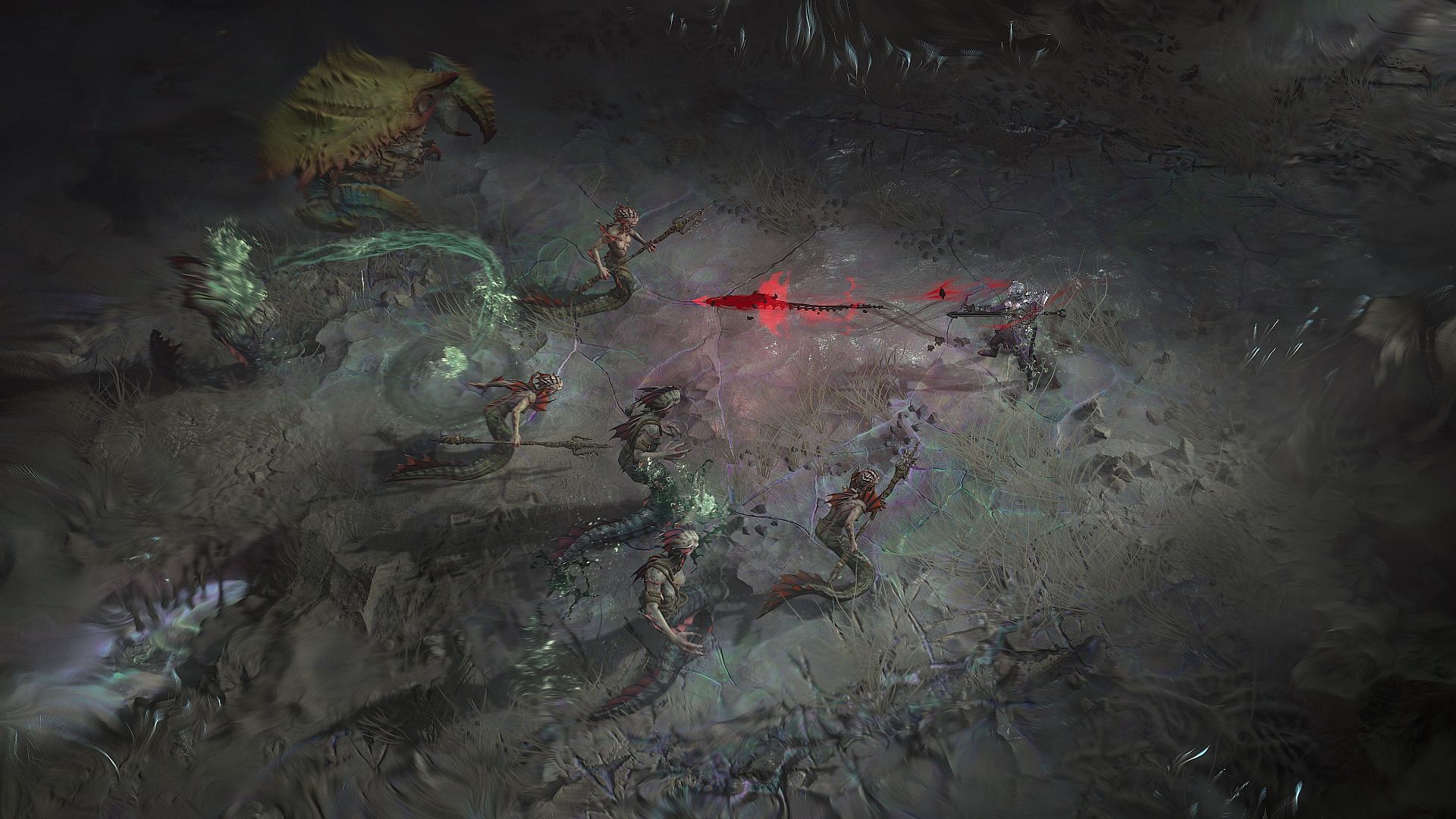
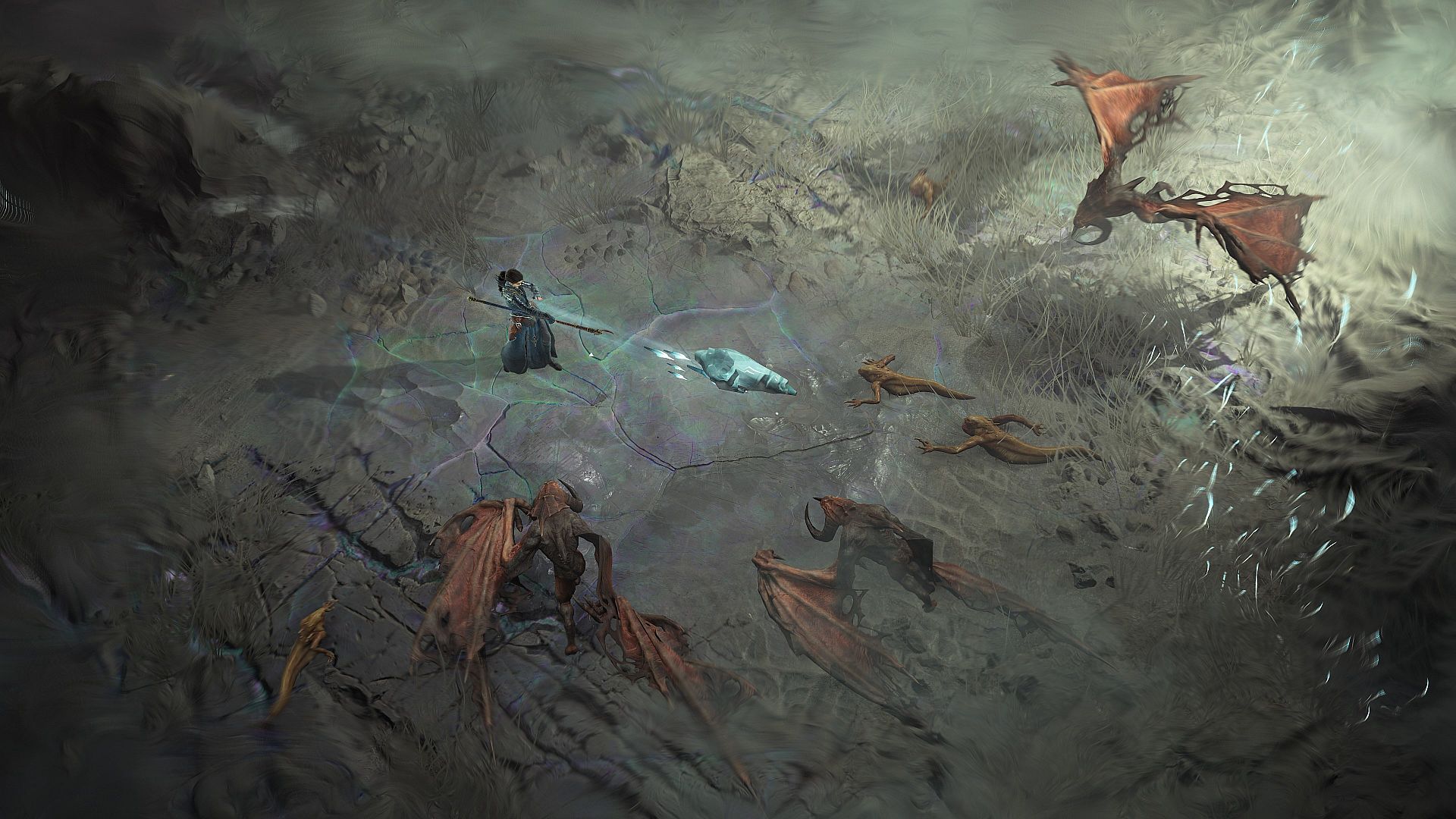
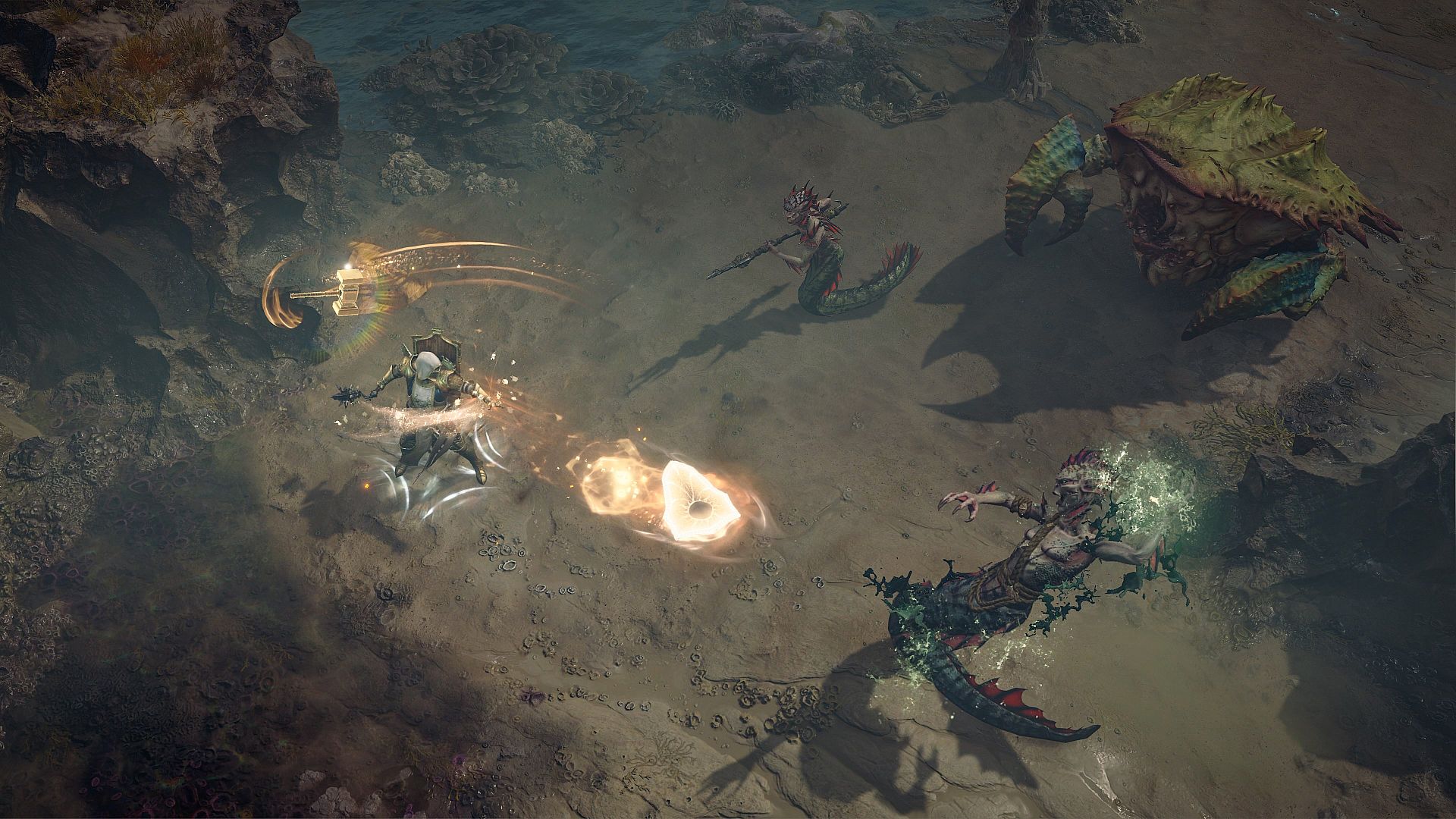
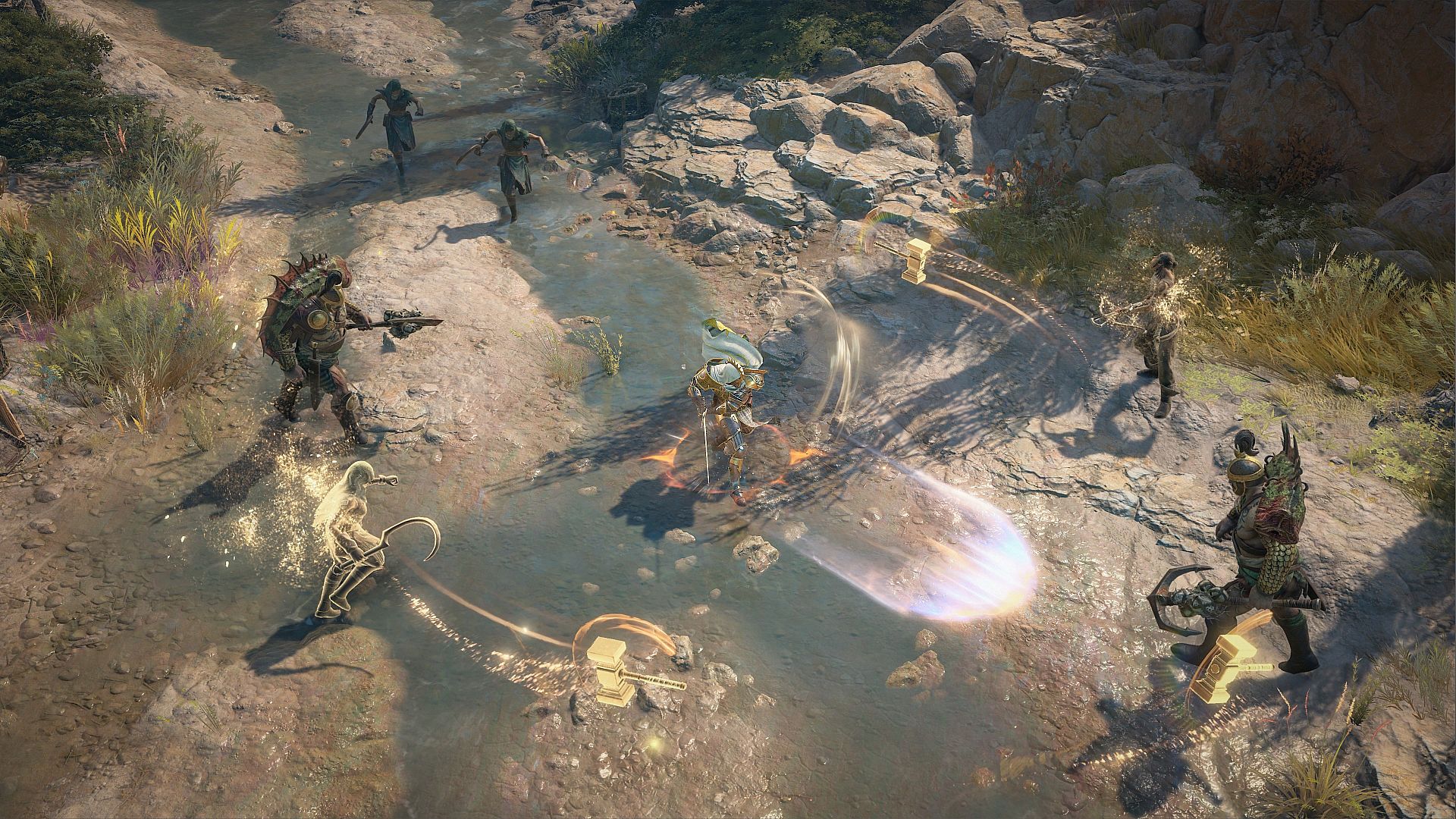
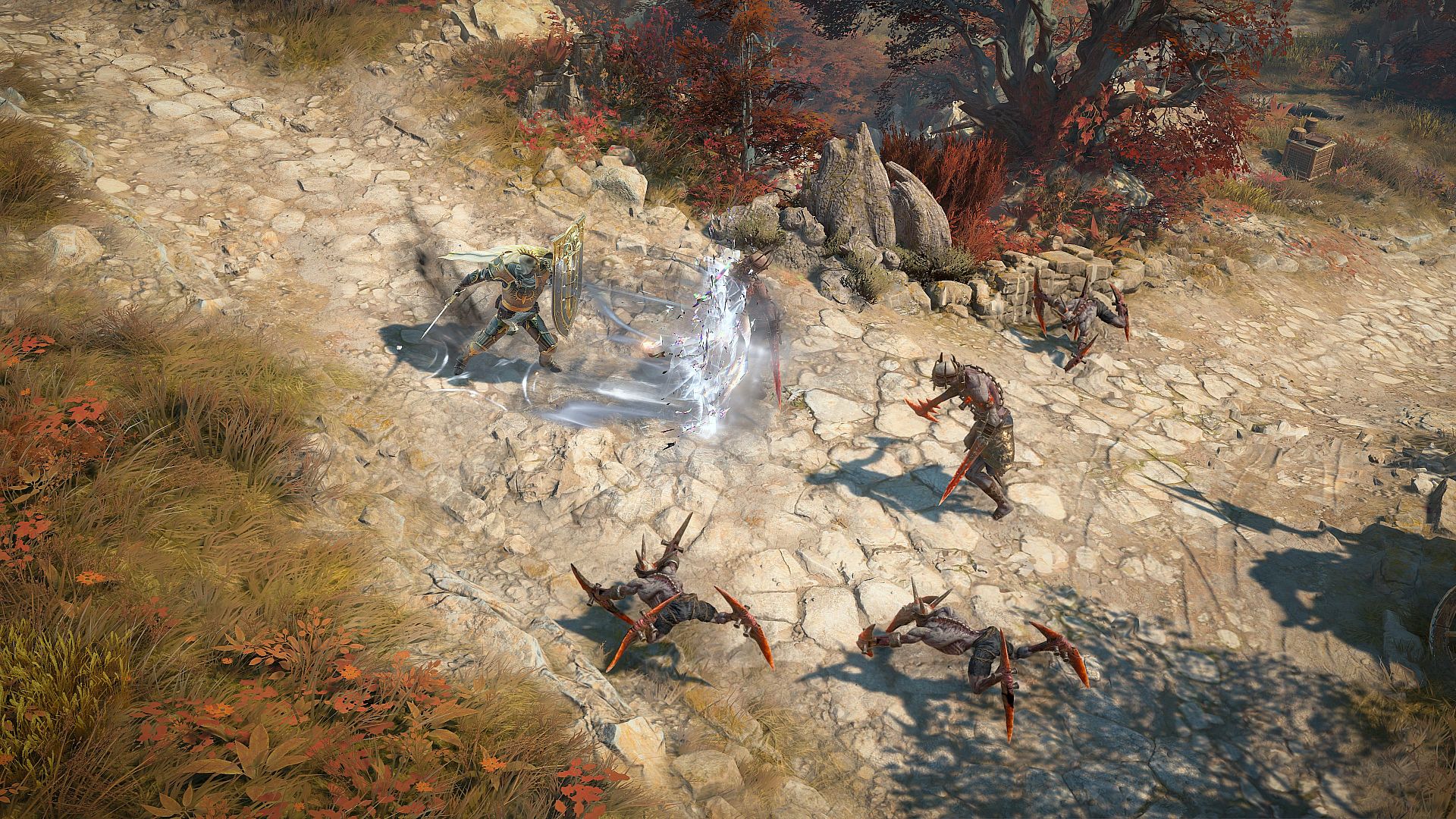
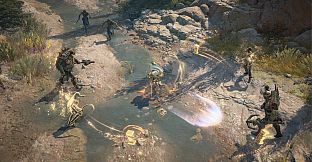
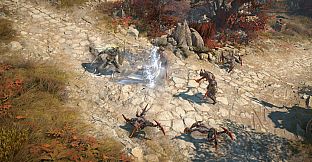
Diablo IV: Lord of Hatred to drugi duży dodatek do action RPG od Blizzard, który rozwija mroczny świat Sanctuary nową kampanią skupioną na starciu z Pierwszym Złem - Mephisto. Premiera w 2026 roku wymaga posiadania podstawowej wersji Diablo IV i zabiera graczy do bujnego, starożytnego regionu Skovos, gdzie walka z demonami nabiera nowej intensywności dzięki ulepszonym mechanikom i opcjom postaci.
Główne mechaniki
W Diablo IV: Lord of Hatred podstawowa pętla rozgrywki opiera się na eksploracji niebezpiecznych terenów, walce z hordami demonów i zbieraniu ekwipunku, by wzmocnić bohatera. Gracze mogą wybrać nowe klasy, jak Paladyn stawiający na święte ataki i zdolności obronne czy Warlock skupiony na przywoływaniu mrocznych sił i klątwach. Dodatek gruntownie przerabia endgame, wprowadzając mechaniki transmutacji do personalizacji sprzętu, bonusy setów dla potężnych synergii oraz nacisk na strategiczne budowanie buildów. Walka jest płynna, z umiejętnościami łączącymi się w niszczycielskie combo, a eksploracja Skovos odsłania ukryte ruiny i dynamiczne wydarzenia nagradzające dokładne przeszukiwanie.
Mechaniki takie jak dodatkowa karta skrytki i extra sloty na postacie ułatwiają zarządzanie inwentarzem i eksperymenty, pozwalając utrzymywać wiele buildów bez ciągłego przerzucania rzeczy. Rozgrywka zachęca do powrotów dzięki losowym lochom i starciom z bossami o skalującej się trudności, zmuszając do dopracowywania taktyk przeciw coraz groźniejszym przeciwnikom.
Tryby gry
Dodatek płynnie integruje się z istniejącymi trybami Diablo IV, dodając głębi endgame'owi. Główna kampania to fabularna przygoda prowadząca przez Skovos w walce z Mephisto, wzbogacona o side questy rozwijające lore. Dla fanów ciągłych wyzwań ulepszony endgame daje więcej swobody w farmieniu rzadkich itemów czy braniu udziału w eventach sezonowych powiązanych z Season 13.
Elementy multiplayer trzymają wysoki poziom, wspierając kooperację w walce z trudnymi bossami czy rywalizację na leaderboardach. Bez wprowadzania zupełnie nowych trybów standalone, aktualizacje doskonalą te istniejące - poprawiają progres gearu i customizację skilli, czyniąc sesje angażującymi zarówno w solo, jak i grupie.
Czy warto grać?
Fanom action RPG lubiącym głęboką customizację i nieustanną walkę Diablo IV: Lord of Hatred oferuje solidną wartość dzięki ulepszeniom endgame'u i nowym klasom. Opinie graczy wychwalają Paladina za mechaniczne bogactwo, a fabułę dodatku za świetne environy i side questy, choć niektórzy wskazują na problemy z tempem kampanii. Z bieżącym wsparciem przez Season 13 i dużymi zmianami w systemach gearu gra pozostaje świeża w 2026 roku.
Jeśli masz podstawkę i chcesz więcej głębi w demon-slayingu, to must-have, szczególnie dla ceniących różnorodność buildów i kooperacyjne wyzwania. Nowi gracze powinni zacząć od core title, by ogarnąć progresję, ale weterani docenią, jak wzmacnia to całość bez potrzeby restartu.