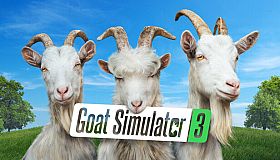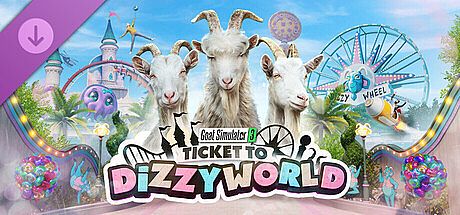


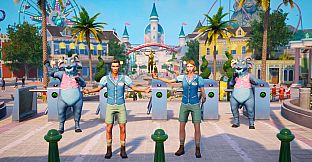
Goat Simulator 3 Ticket to Dizzyworld delivers a fresh sandbox experience on PC in the casual simulation and adventure genres. Players step into the role of a goat exploring a dedicated amusement park setting filled with rides, carnival attractions, and opportunities for physics-driven chaos. The expansion builds directly on the core loop of causing mayhem through headbutts, licks, and improvised interactions while adding park-specific elements like themed vehicles and collectibles.
Gameplay
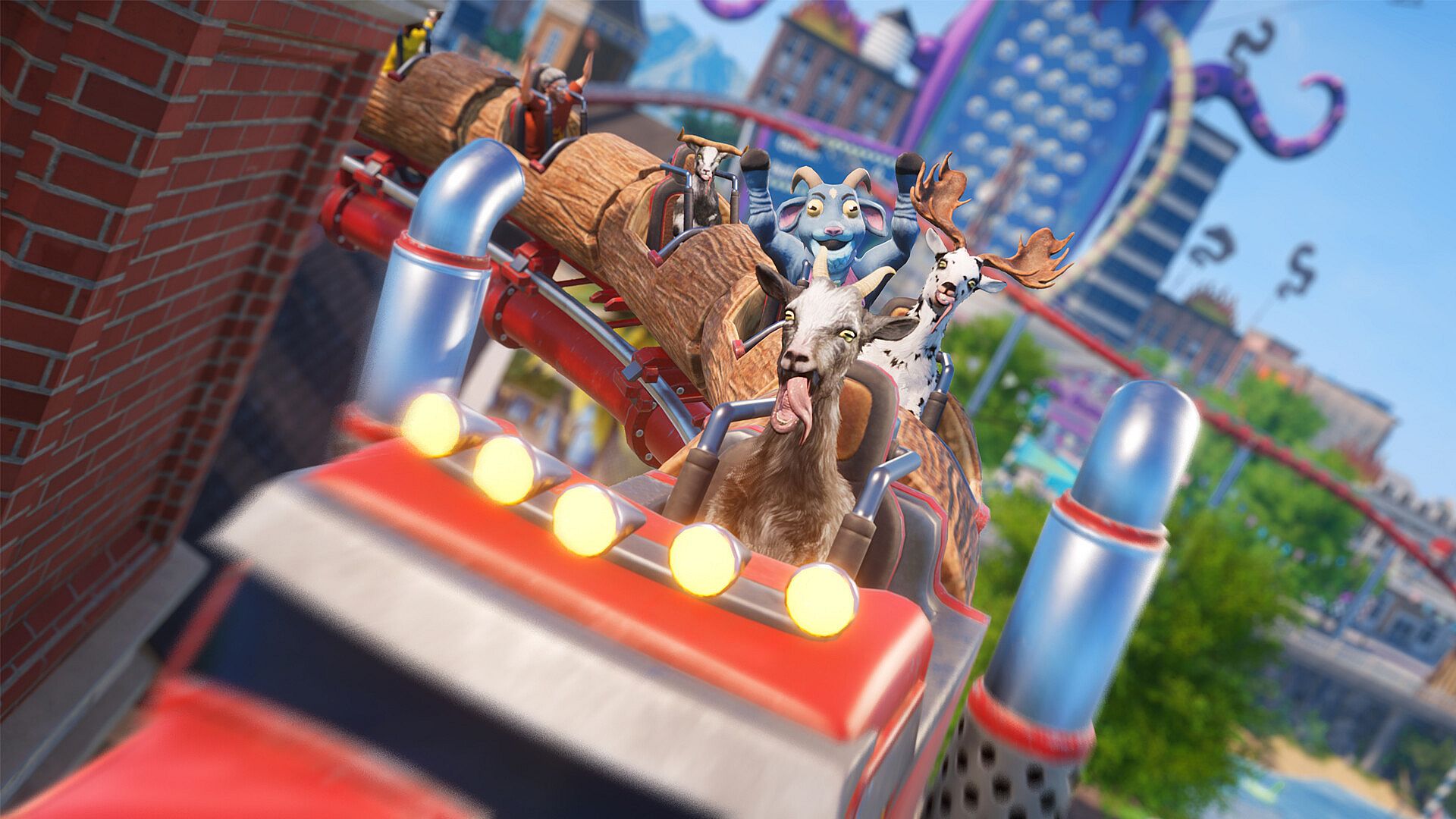
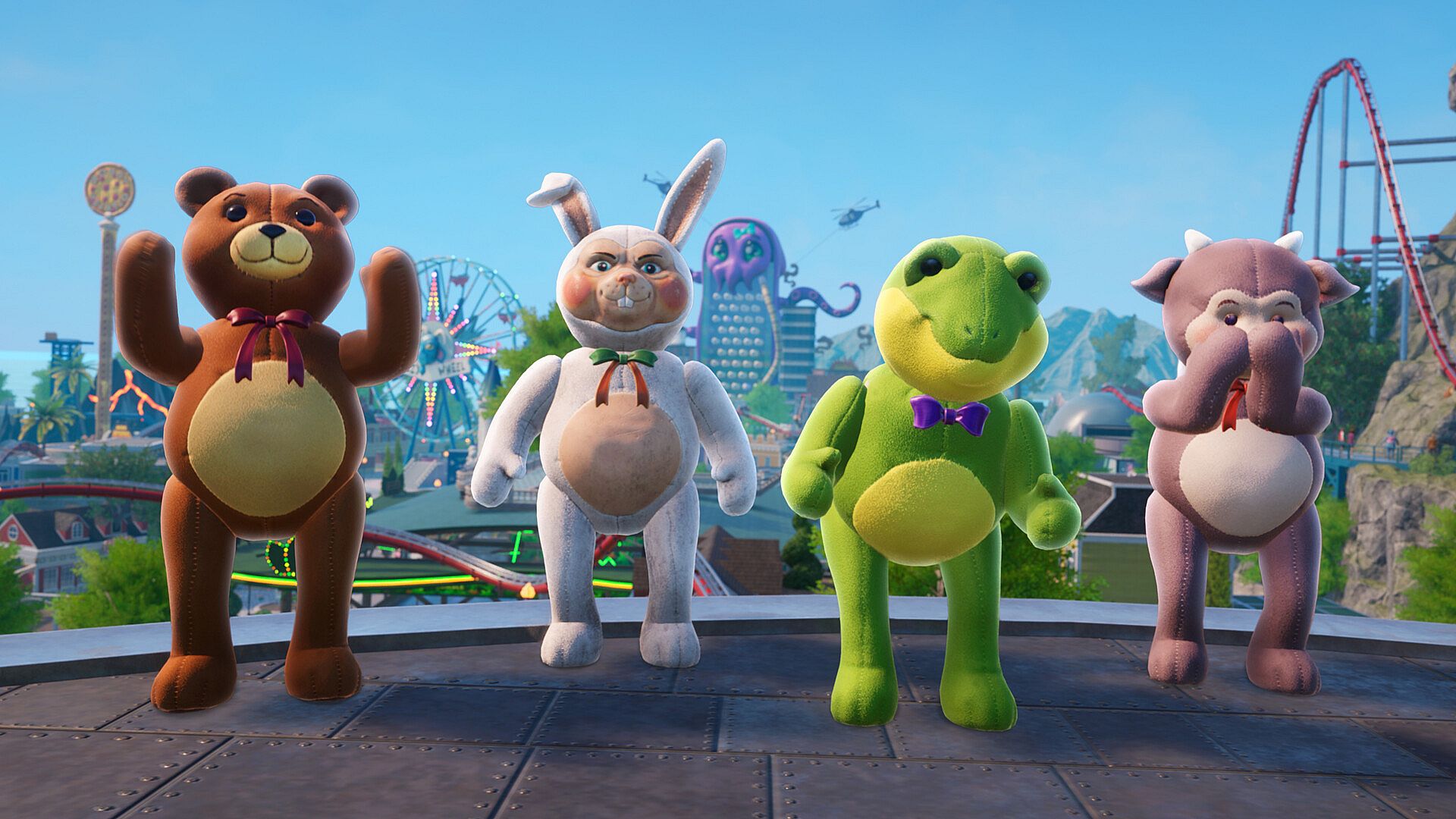
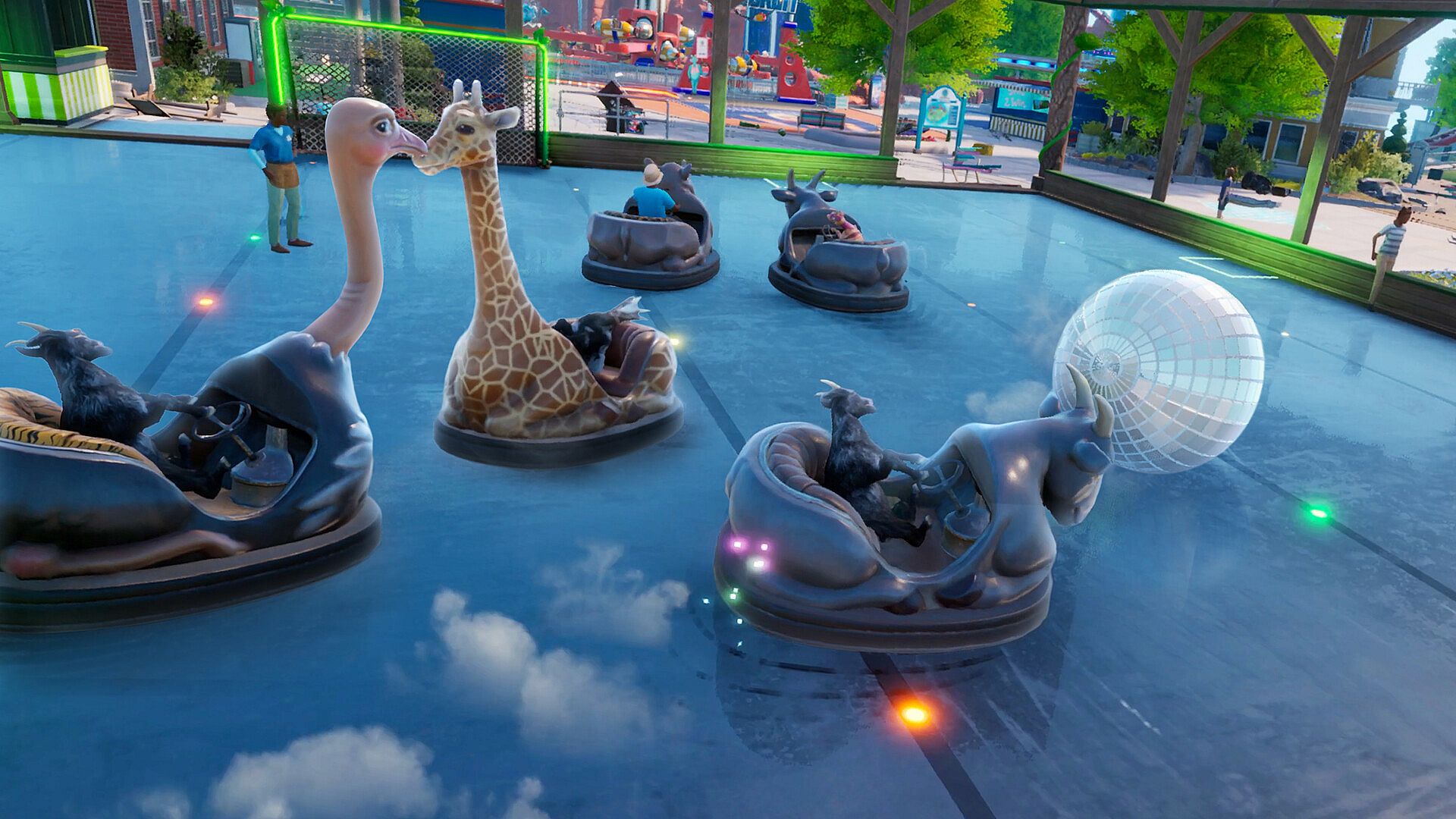
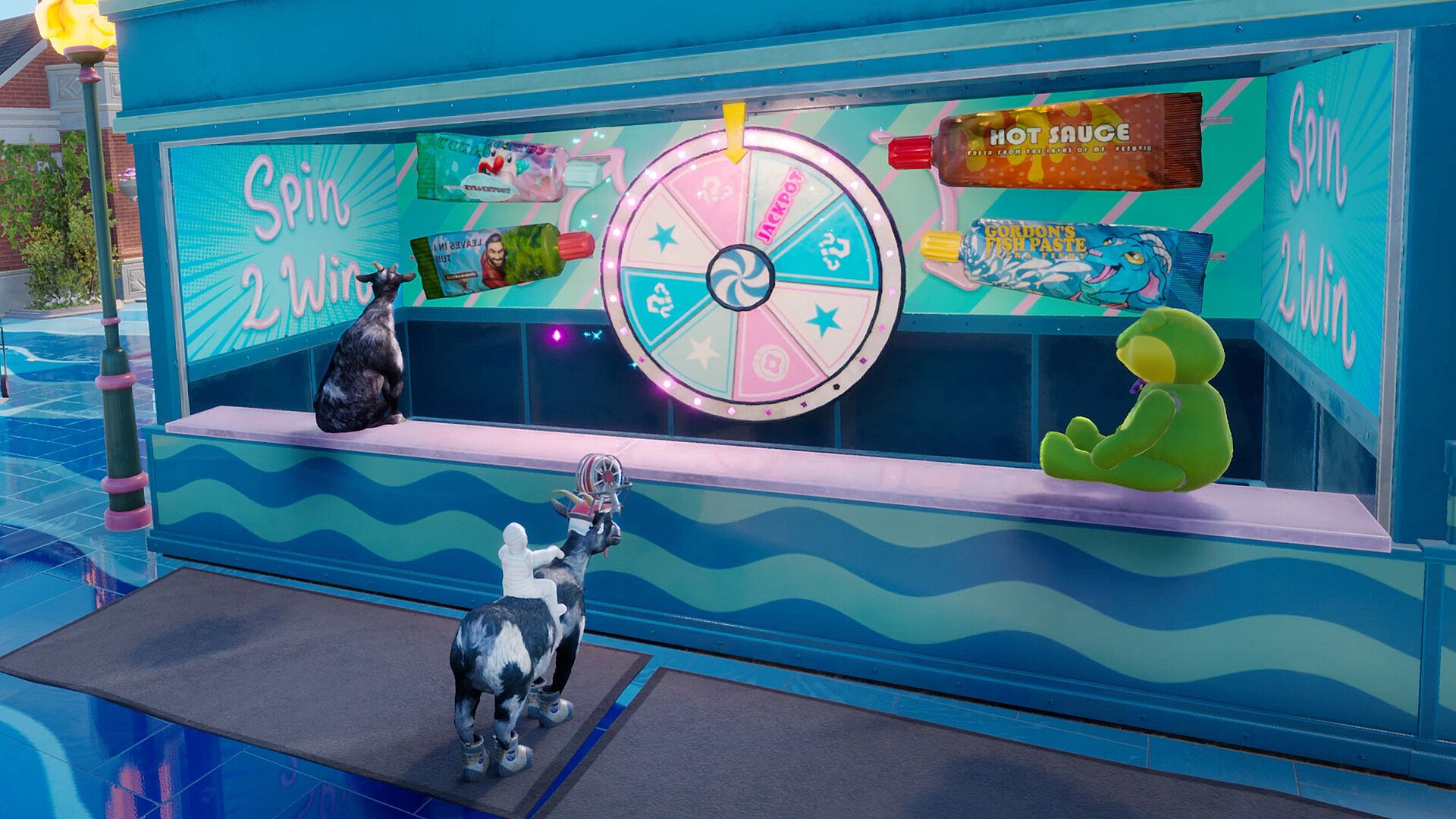
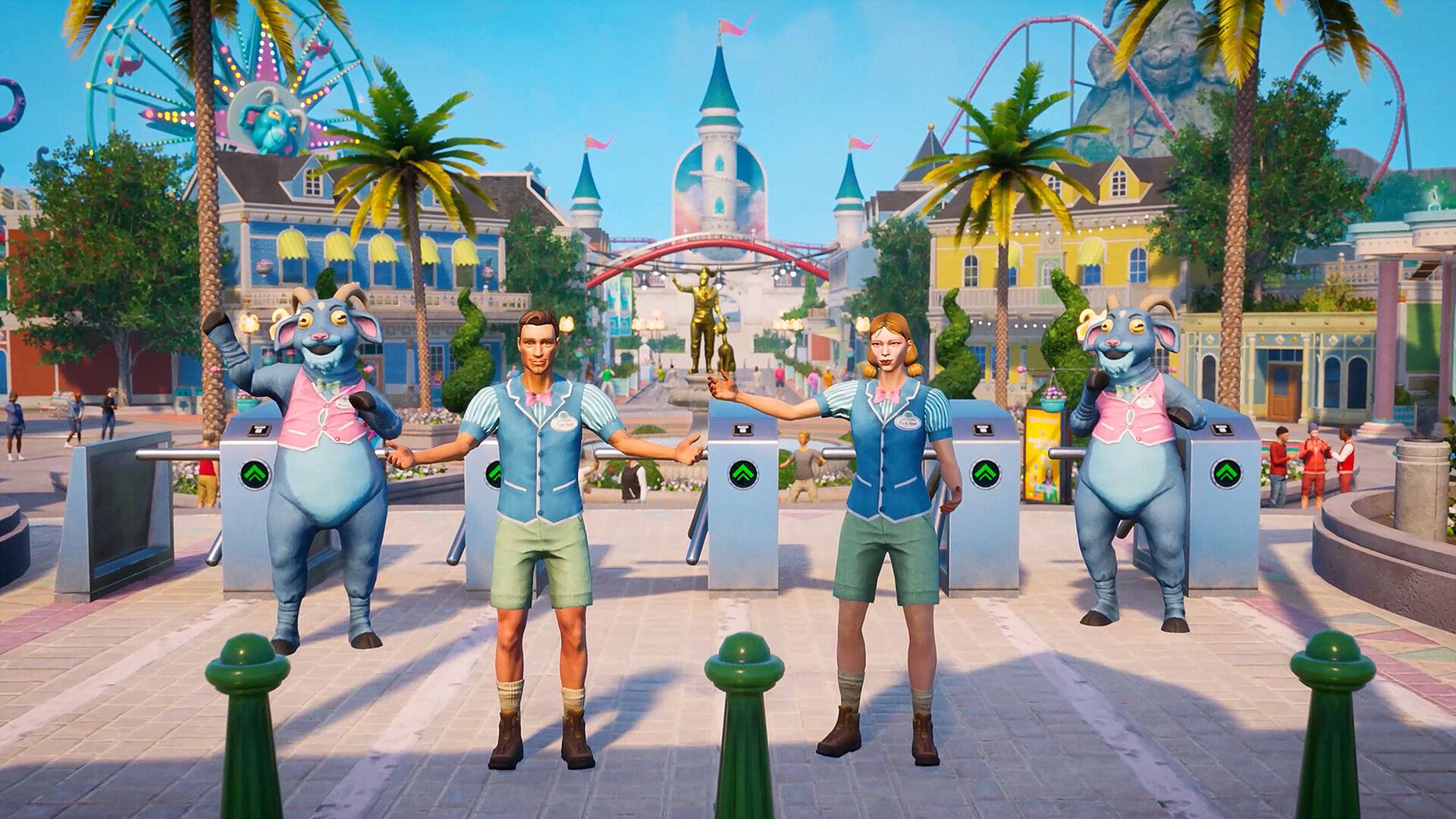
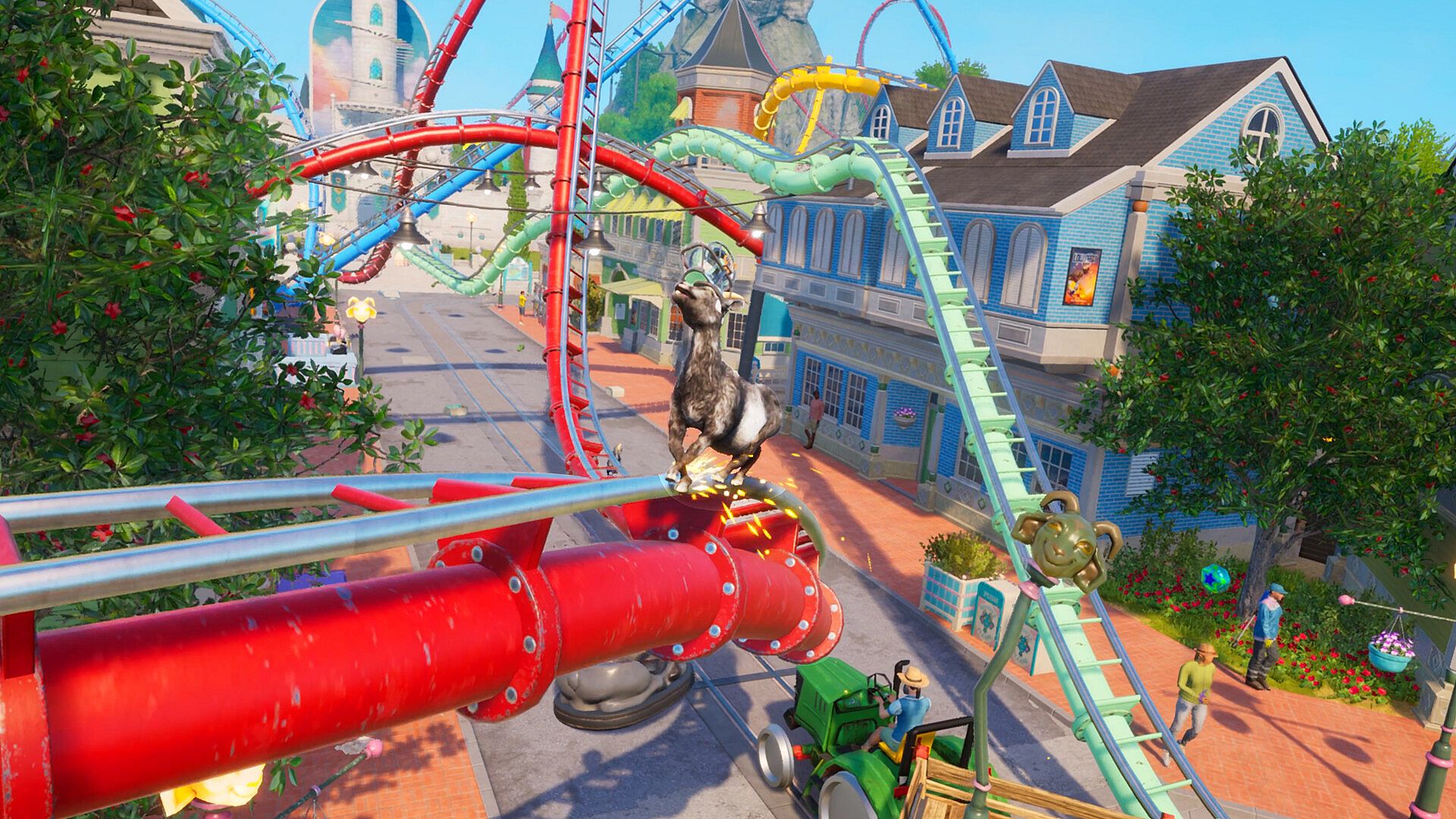
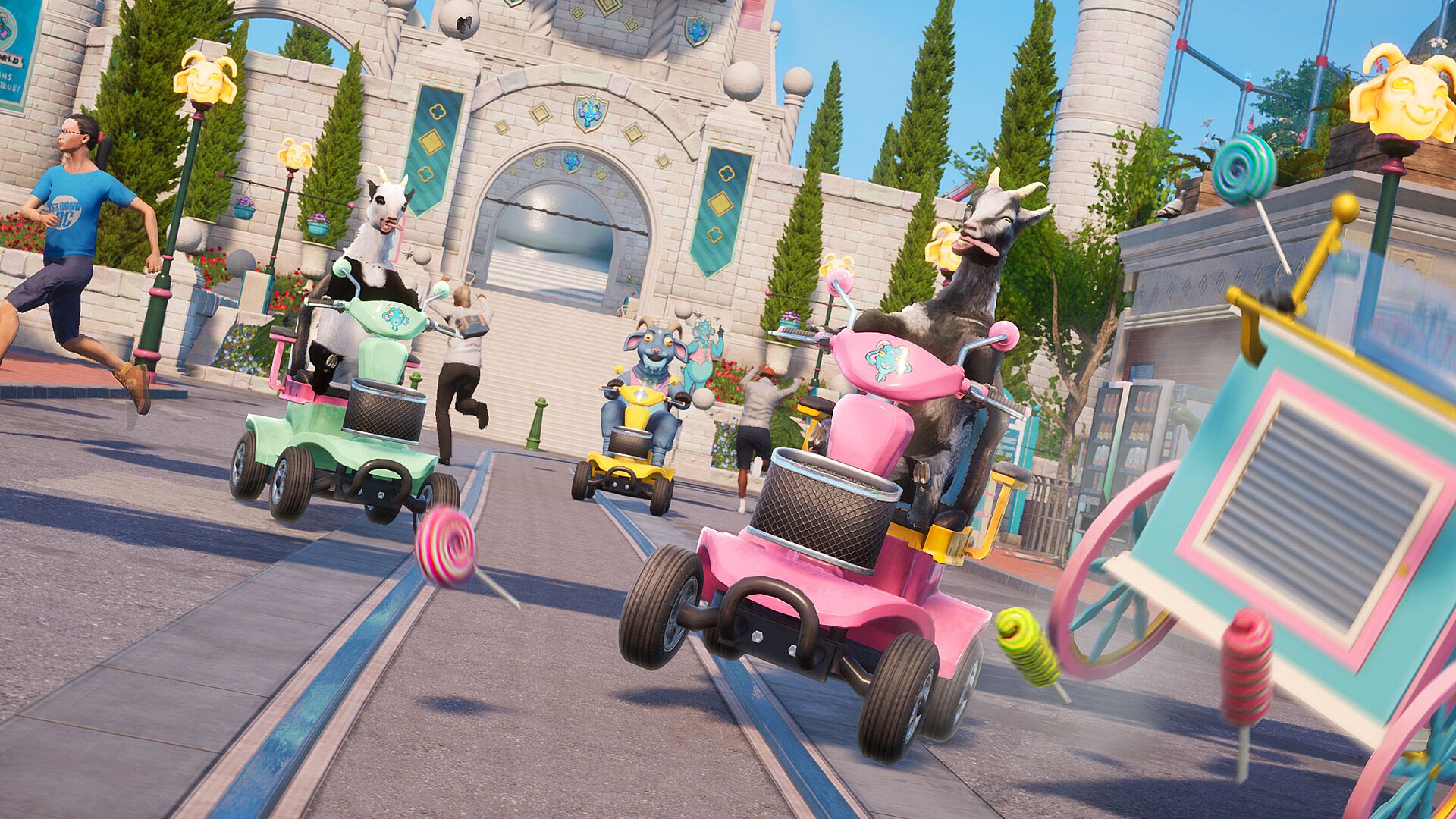
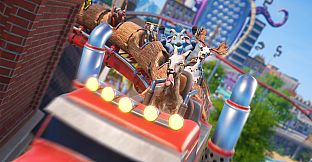
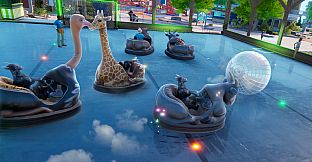
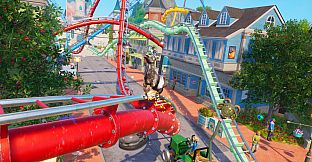
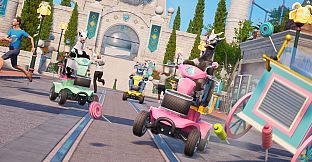
The central loop revolves around free-form exploration of a new map designed as a goat-themed baa-musement park. Movement relies on the established goat abilities of charging into objects and using a sticky tongue to grab or manipulate items. New additions include first-person views during rides that let players experience rollercoasters and other attractions from the goat's perspective. Scooters provide a way to cover ground without constant hoof action, while bumper cars introduce direct collisions with other park elements and visitors. Cotton candy stands serve as interactive points amid the environment. Dizzy Tokens scattered across the area can be gathered and exchanged for rewards, encouraging thorough searches of the map. New goat variants and gear items expand customization options for appearance and abilities, and fresh achievements track progress through park activities. The overall structure supports extended sessions of unstructured play where players test physics interactions with staff NPCs, visitors, and ride machinery.
Game Modes
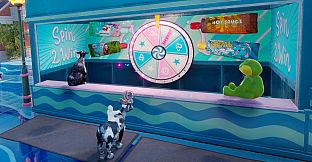
Gameplay centers on single-player sandbox exploration of the Dizzyworld map. Players navigate carnival games, amusement rides, and open areas to create their own sequences of events, such as constructing rollercoasters or turning visitors into balloons. The design emphasizes emergent interactions rather than linear objectives, allowing repeated visits to discover new combinations of goat actions and park features. Multiplayer support from the base game carries over, enabling cooperative sessions where multiple goats can share the space and compete in available minigames if present in the shared world. No separate competitive or story-driven modes are introduced in this expansion; the focus remains on open-ended sandbox play within the amusement park setting.
Key Features and Exploration
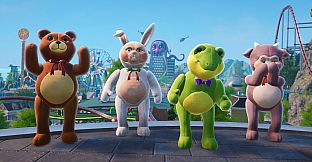
The park layout includes dedicated ride areas accessible in first-goat view, bumper car zones for collisions, and scattered token collectibles that unlock rewards. New gears and goats integrate with existing customization systems to alter how players interact with the environment. Achievements provide optional goals tied to specific park behaviors, such as ride completions or NPC interactions. The map supports the same style of emergent physics play as the original Goat Simulator, with added emphasis on vertical movement through rides and horizontal traversal via scooters. Visitors and staff populate the area to react to goat presence, adding layers to the simulation without altering the fundamental sandbox approach.
Is It Worth Playing?
This expansion suits players who enjoy chaotic, physics-based sandbox games on PC and already own Goat Simulator 3. It adds a self-contained map with new ride mechanics, collectibles, and customization options that extend the core loop of mischief and exploration. Those seeking structured campaigns or competitive depth may find the open-ended format less appealing, while fans of the series' humor and emergent gameplay will appreciate the fresh setting and features. The content releases on November 19, 2026, and integrates seamlessly with the base game's systems for continued play sessions focused on the amusement park theme.