



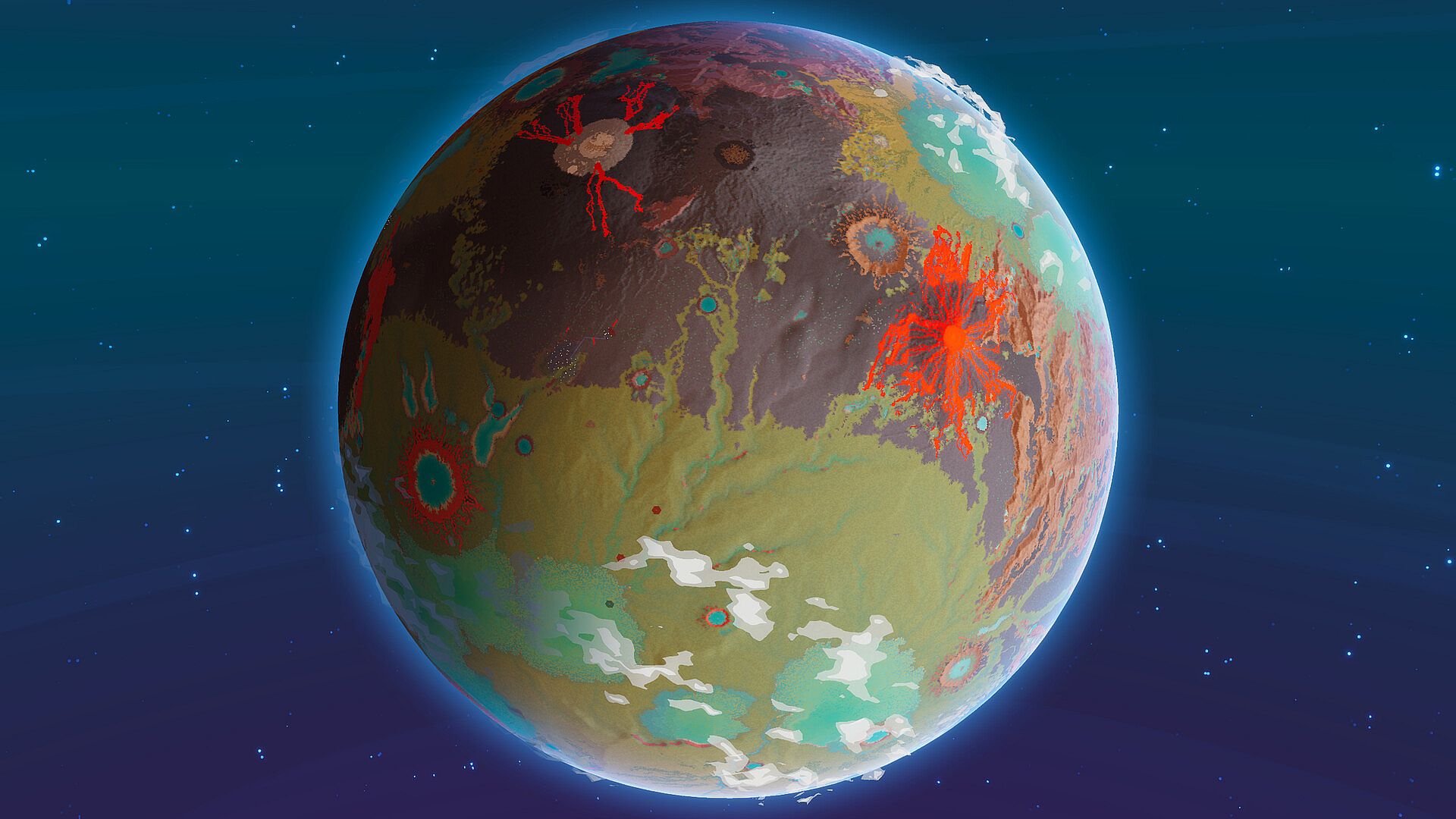



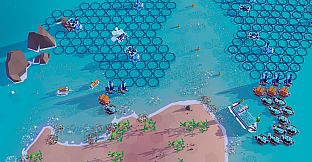
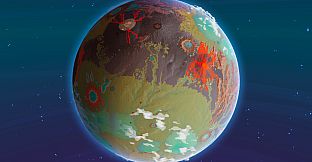
Plan B: Terraform is a strategy simulation game focused on turning barren planets into thriving ecosystems through careful planning and automated production chains. Players manage resource extraction, factory construction, and environmental changes on a large hexagonal world map, balancing logistics with gradual planetary transformation.
Gameplay
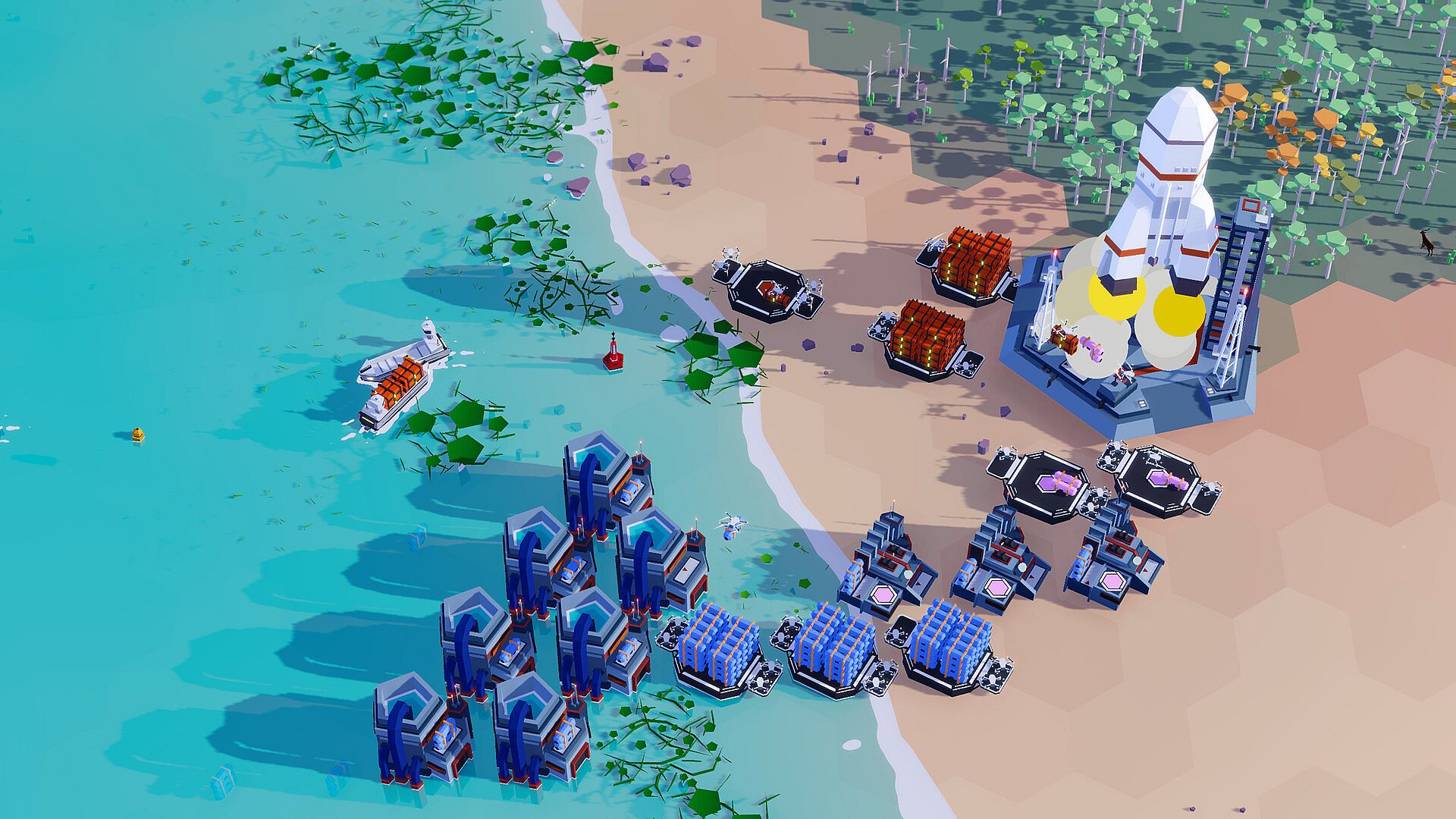
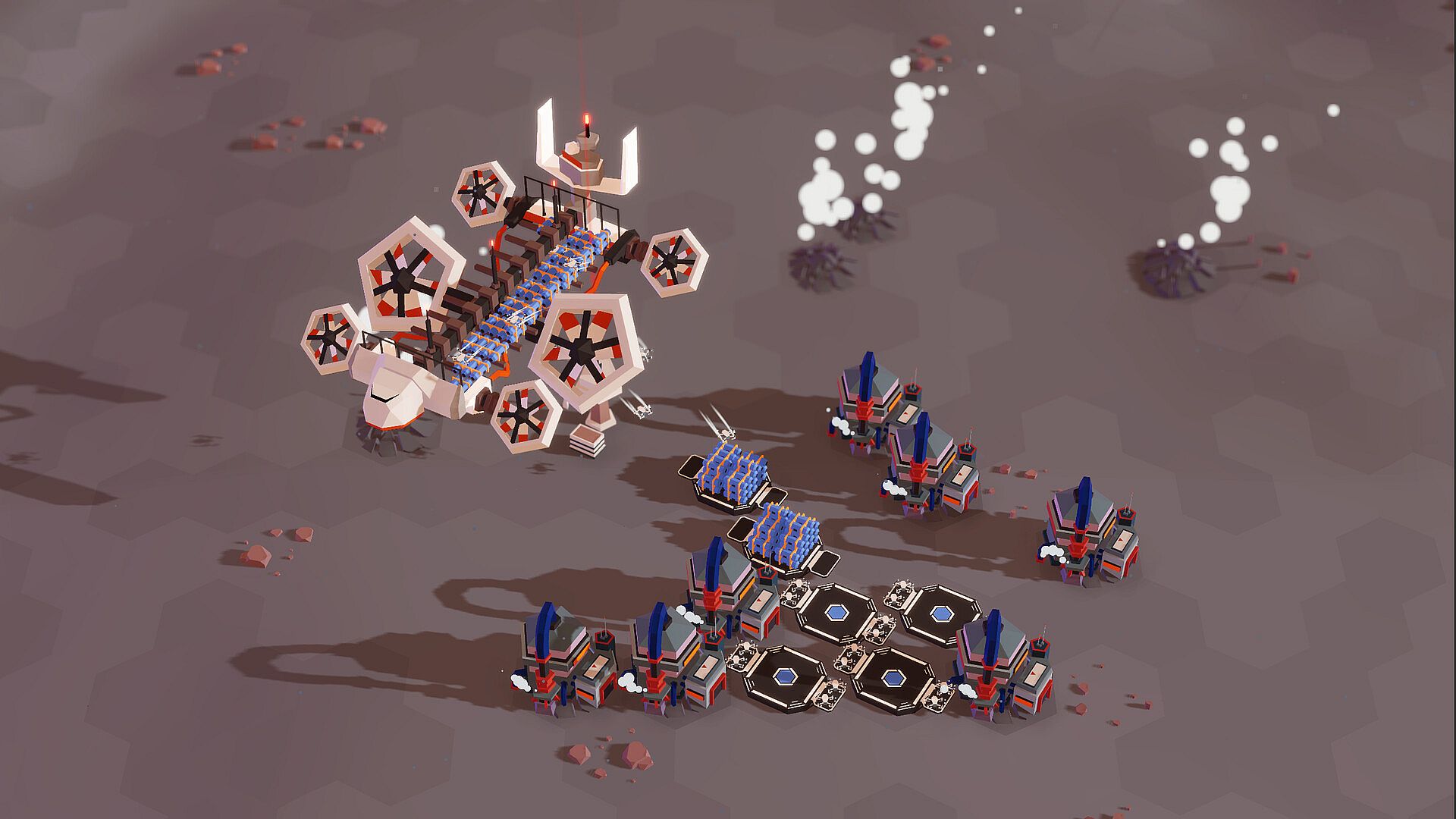
The core loop centers on expanding a network of extractors, processors, and transport systems to support growing populations while altering the planet's atmosphere, temperature, and water cycles. Resources flow through trucks and trains across the hex grid, feeding increasingly complex factories that refine ores into advanced materials. Terraforming emerges as a byproduct of these operations, with greenhouse gas emissions raising temperatures to melt ice and create rivers or oceans, followed by forest seeding to spread greenery.
Atmospheric and ecological simulations run dynamically, responding to player actions such as gas neutralization or satellite deployment. Population growth demands steady supply lines for food, goods, and waste recycling, which in turn unlocks higher-tier production. The absence of combat or time pressure allows experimentation with layouts and automation priorities, though inefficient designs can slow overall progress.
Base building emphasizes scale, with factories sprawling across the planet surface and transport infrastructure linking distant sites. Visual feedback from animations and environmental shifts provides ongoing satisfaction as barren rock gives way to habitable zones.
Game Modes
The standard experience functions as an open sandbox where players start on a lifeless rock and pursue long-term habitability goals at their own pace. Procedural generation ensures varied starting conditions and resource distributions across playthroughs.
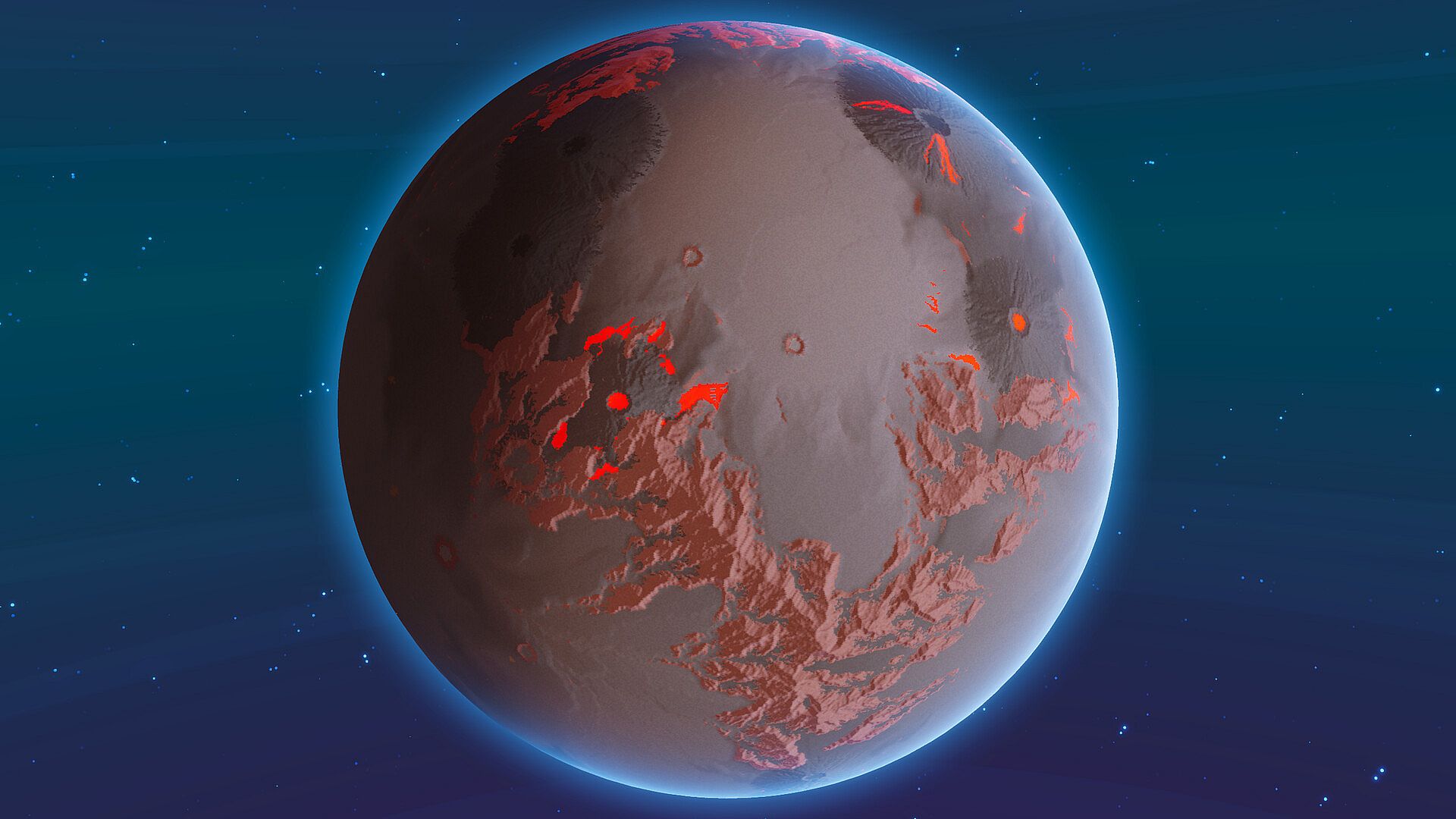
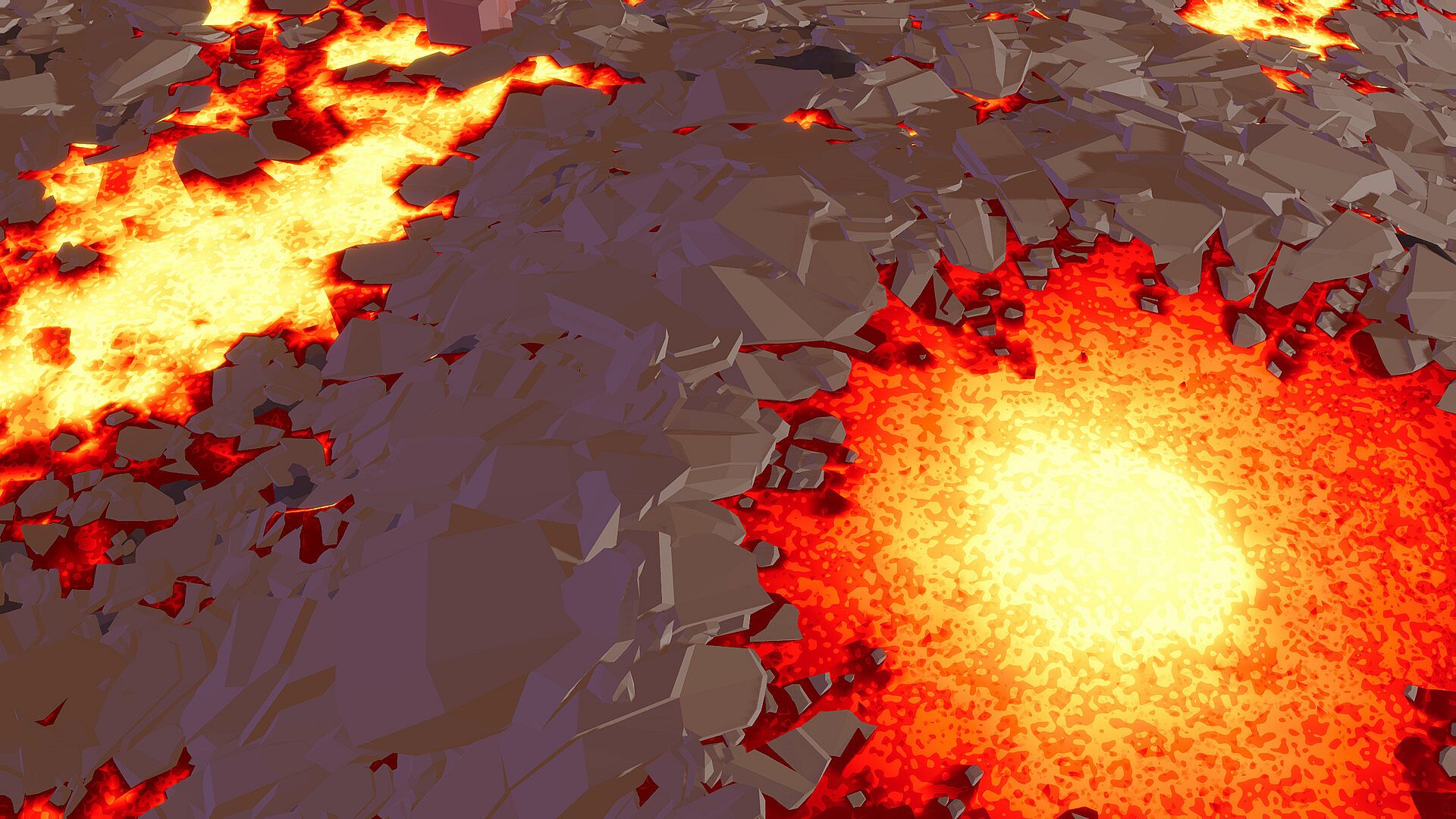
The Worlds of Fire and Water expansion introduces two specialized scenarios. Fire World presents a volcanic environment with frequent eruptions, extreme heat, and initial mineral scarcity that resolves only as lava cools into extractable basalt. Early water comes from limited geysers, supplemented later by rocket-launched ice comets, while new tools handle atmospheric greenhouse gases and orbital solar shades.
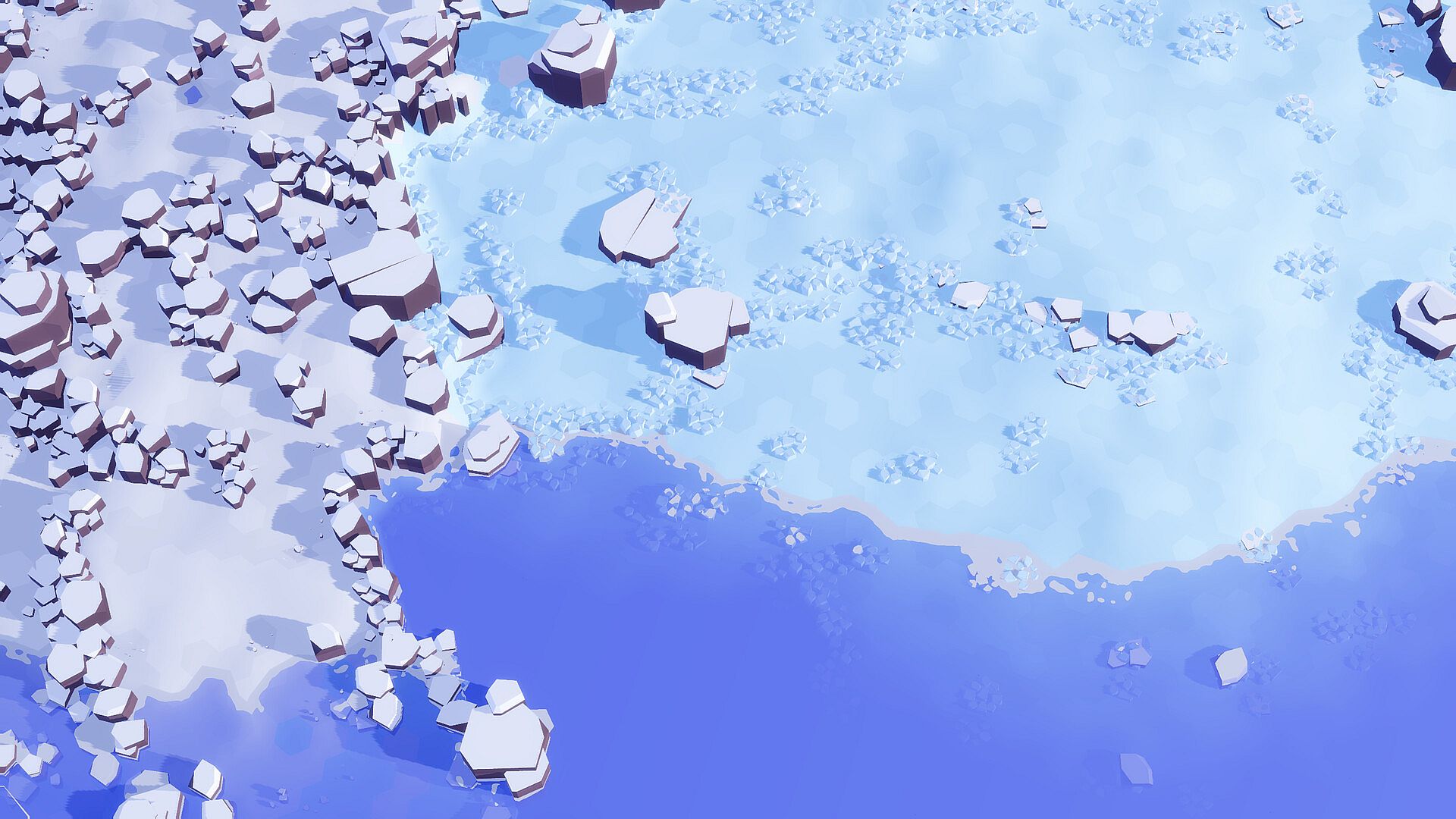
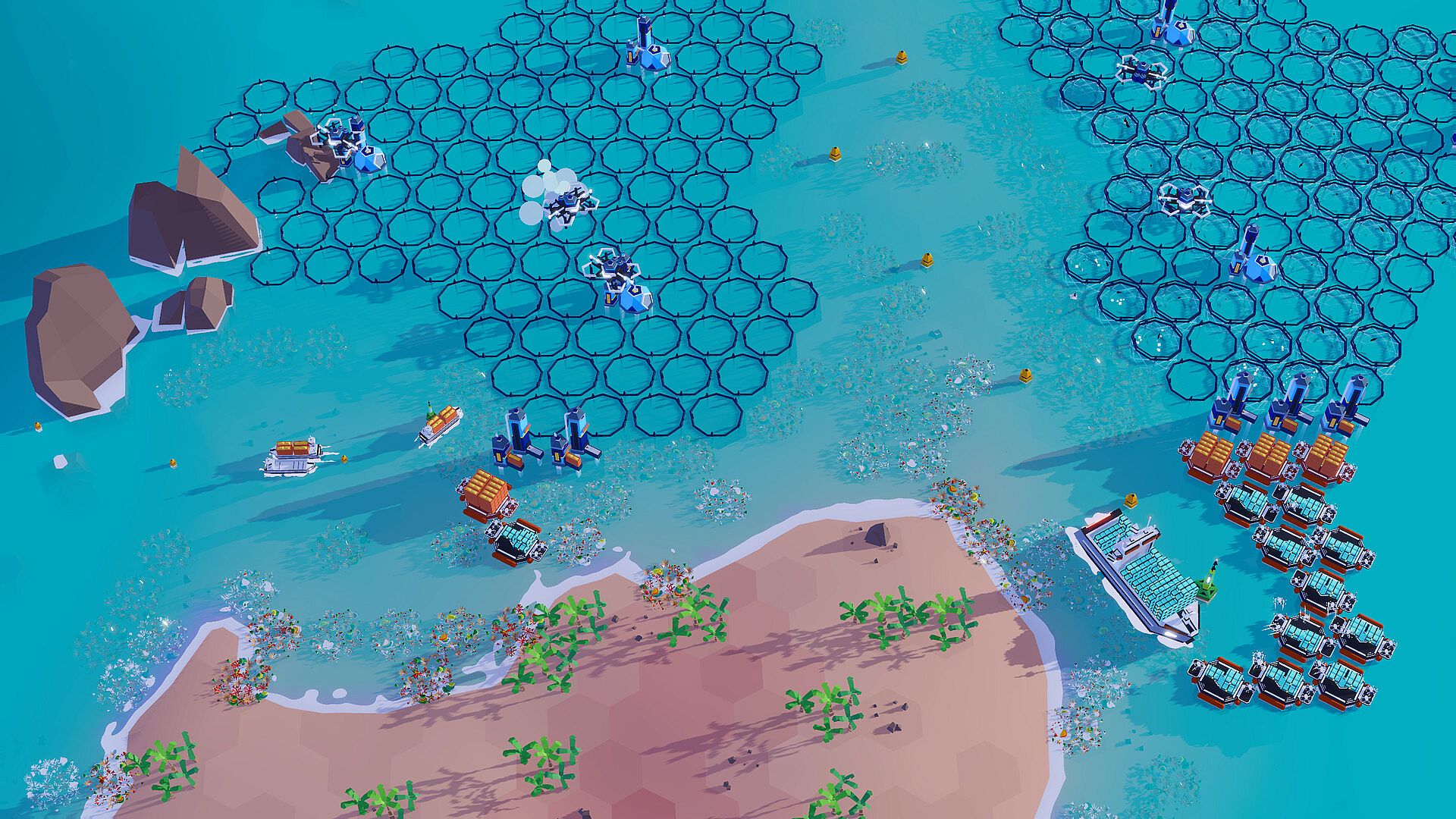
Water World begins as a near-global ocean with scattered islands for initial colonization. Cooling the planet expands ice caps and lowers sea levels to reveal land, supplemented by dams and terrain reshaping. Mineral extraction occurs via ocean floor filters, but polluted water blocks plant and plankton growth, requiring targeted cleaning to bootstrap oxygen production and ecological balance.
Is It Worth Playing?
Player feedback highlights the game's relaxing pace and satisfying automation systems, with many comparing the logistics focus to similar factory builders. Steam reviews stand at very positive overall, reflecting consistent appreciation for the peaceful progression and visual polish.
The title suits fans of simulation and strategy games who enjoy methodical expansion without combat or failure states. Recent updates have added a tech tree and quality-of-life improvements to upgrades and environmental tools, keeping the experience fresh ahead of the upcoming expansion.
Those seeking high-stakes challenges or multiplayer elements may find the single-player sandbox too laid-back, but the depth of production chains and terraforming feedback rewards patient players who value steady, observable growth.