





Ways of Alchemy is an indie RPG and simulation title built around card-based mechanics. Players step into the role of a medieval alchemist who begins with a simple shack and limited knowledge, then expands operations through potion creation, resource management, and strategic decisions that shape long-term progression.
Gameplay
The core loop centers on collecting ingredients, combining them in a cauldron, and managing an expanding estate. Over 100 unique ingredients connect to five pillars of reality: Void, Mirror, Veil, Pain, and Song. Brewing follows either established recipes from a grimoire or open experimentation that can yield stronger or unexpected results. More than 35 potions become available through this system, supporting both sale to merchants and practical use in other activities.
Estate growth involves turning the initial shack into a larger settlement while balancing reputation and external pressures. Players handle daily needs such as food and energy for characters, avoid exhaustion or trauma, and respond to authorities including tax inspectors and the Inquisition. A transmutation system extends beyond basic potions, allowing creation of servants like spirits, homunculi, chimeras, and golems that assist with tasks or expeditions.
Progression features an Ascension Tree with 15 subclasses. These range from traditional alchemy paths to more forbidden approaches such as necromancy or flesh-smiting. Choices throughout influence access to these options and contribute to one of 13 possible endings tied to the Great Making and variations of the Philosopher's Stone.
Game Modes
Ways of Alchemy presents a unified single-player experience that blends crafting, management, and exploration without separate named modes. The card-driven interface handles all major activities in one continuous flow. Players drag and combine cards to grow crops, prepare meals, craft items, and dispatch hired adventurers.
Adventuring sends teams across five regions on 24 quests. Preparation includes equipping potions and artifacts for better outcomes, while on-the-spot decisions during challenges can involve additional brews for bonuses or power-ups. Rewards from these outings supply rare ingredients, blueprints, books, and over 70 artifacts that feed back into crafting and progression.
Business elements integrate naturally through potion sales and reputation tracking. Experimentation risks or safe recipe following both feed into the same overarching systems, encouraging repeated playthroughs via different subclass choices and ending paths rather than distinct game variants.
Progression and Systems
Early stages focus on basic survival and simple potion sales. As the estate develops, new mechanics unlock, including higher-level recipes up to tier 8 and advanced transmutation options. The five pillars provide a consistent framework for ingredient properties, guiding both reliable crafting and creative combinations.
Character management adds depth through hunger, energy, and potential scars from overwork. These elements affect efficiency and can lead to permanent consequences if ignored. Subclass selection further customizes the experience by altering available abilities and story branches.
The game supports extended play sessions, with estimates around 30 or more hours depending on exploration thoroughness and pursuit of multiple endings. Updates following the August 2025 release have included patches and additional content to refine systems and expand options.
Is It Worth Playing?
Ways of Alchemy suits players who enjoy deliberate, card-based simulation combined with RPG progression and crafting depth. The flexible potion system rewards both methodical recipe adherence and risky experimentation, while adventurer management and estate expansion provide ongoing goals. Those drawn to titles with strong resource loops, multiple character paths, and consequence-driven narratives will find consistent engagement across a single cohesive campaign.
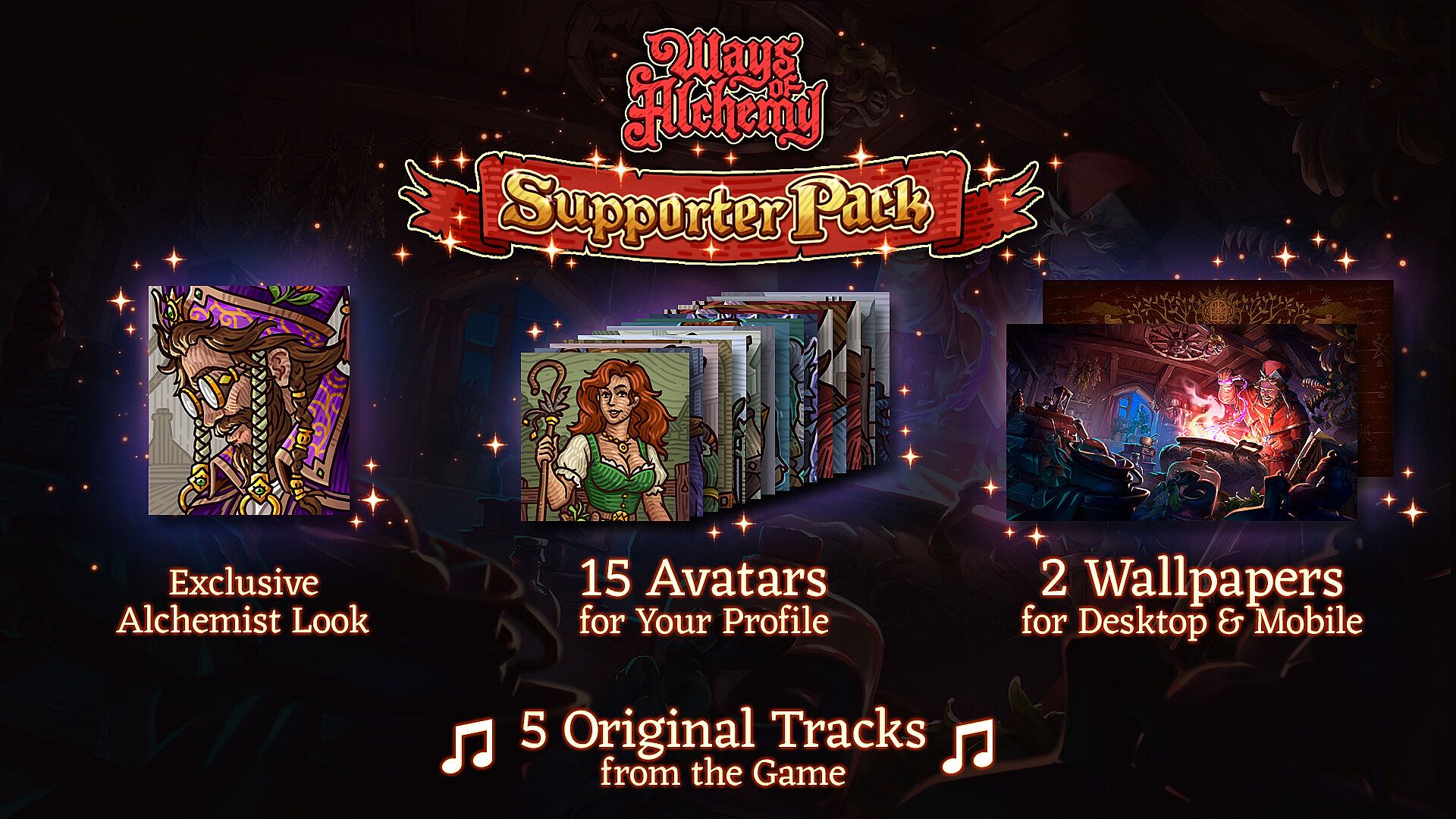
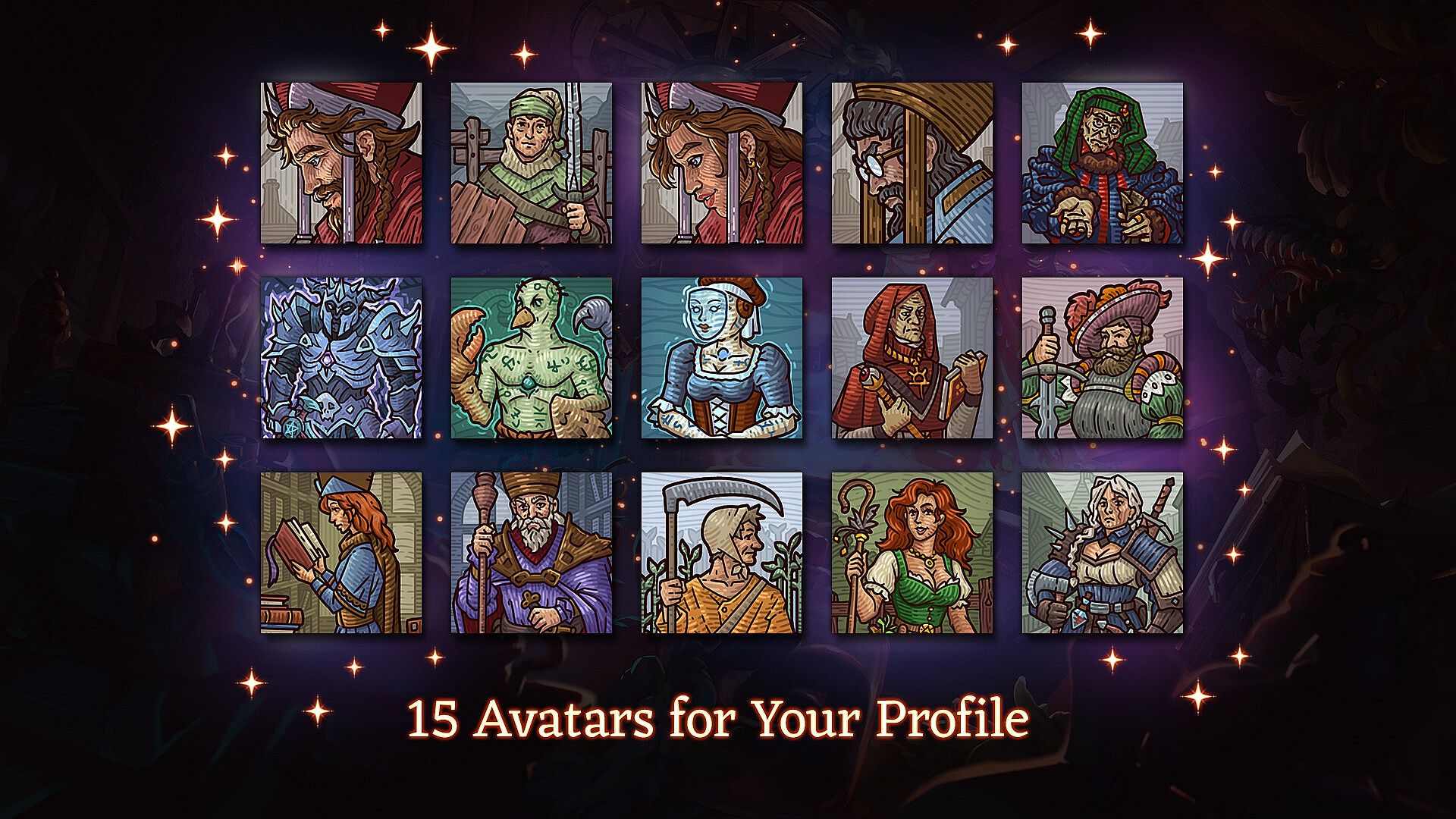
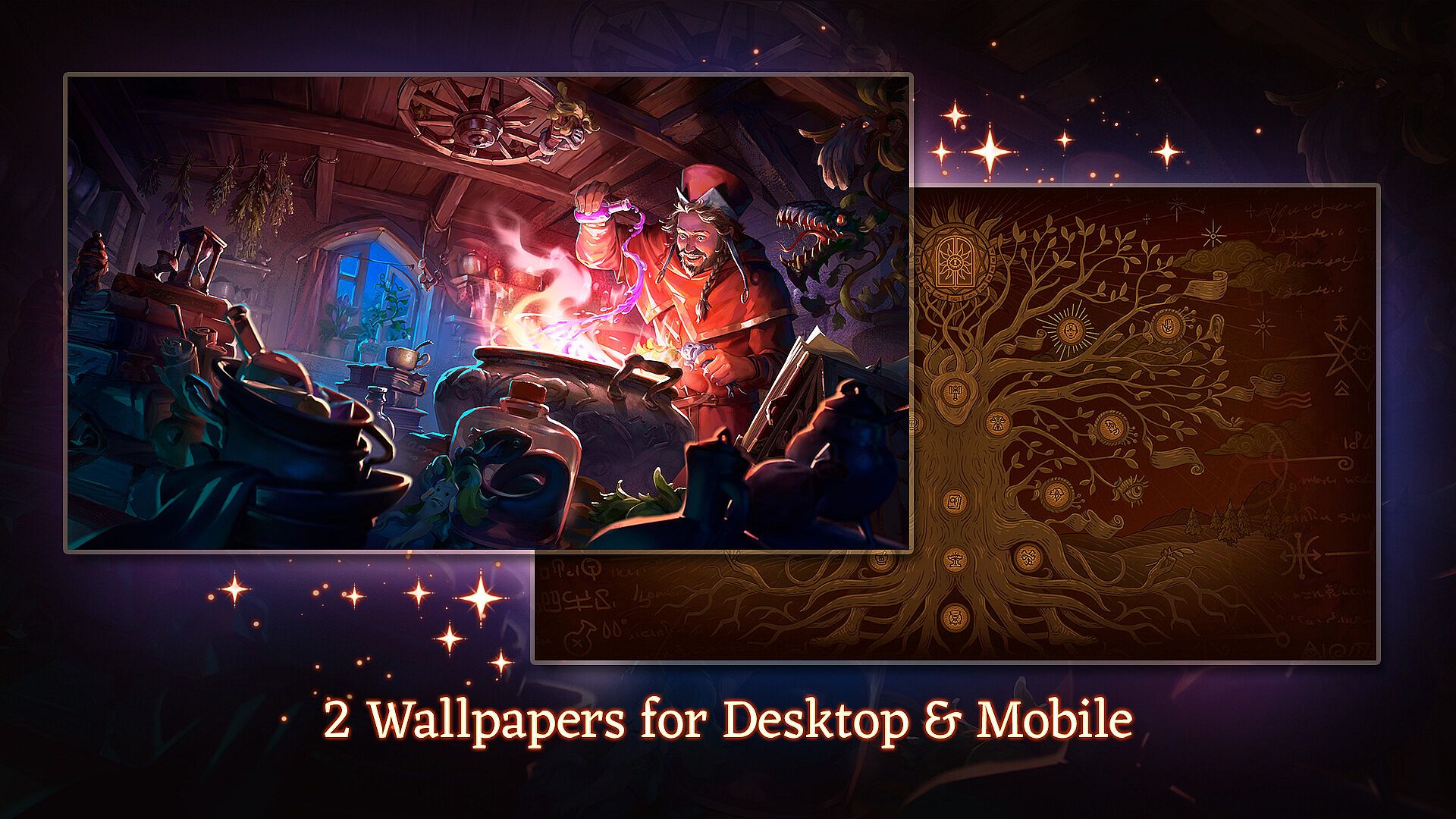
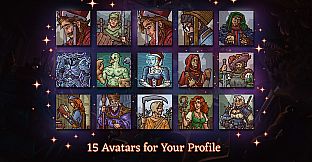
The experience emphasizes strategic preparation and adaptation over fast action. Supporter options exist for players who want extra digital items such as alternative portraits or soundtrack tracks, though these remain entirely optional and provide no mechanical benefits. The game runs on PC and Steam Deck, with continued developer support indicated after launch. For fans of thoughtful alchemy and card-driven medieval management, the title delivers a focused and replayable loop built on verified systems.