




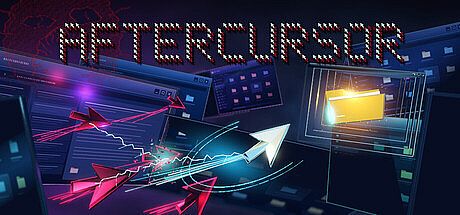


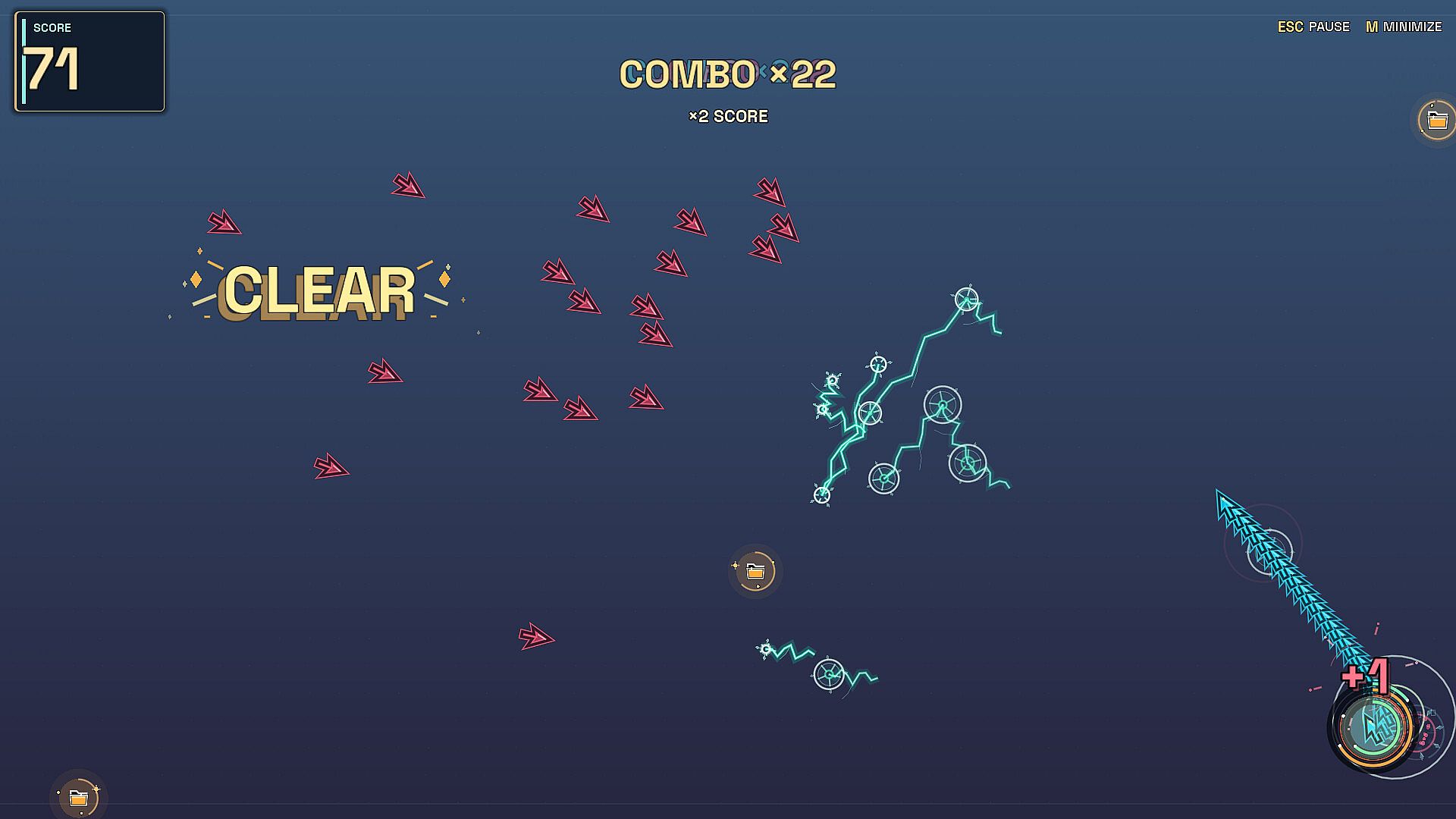
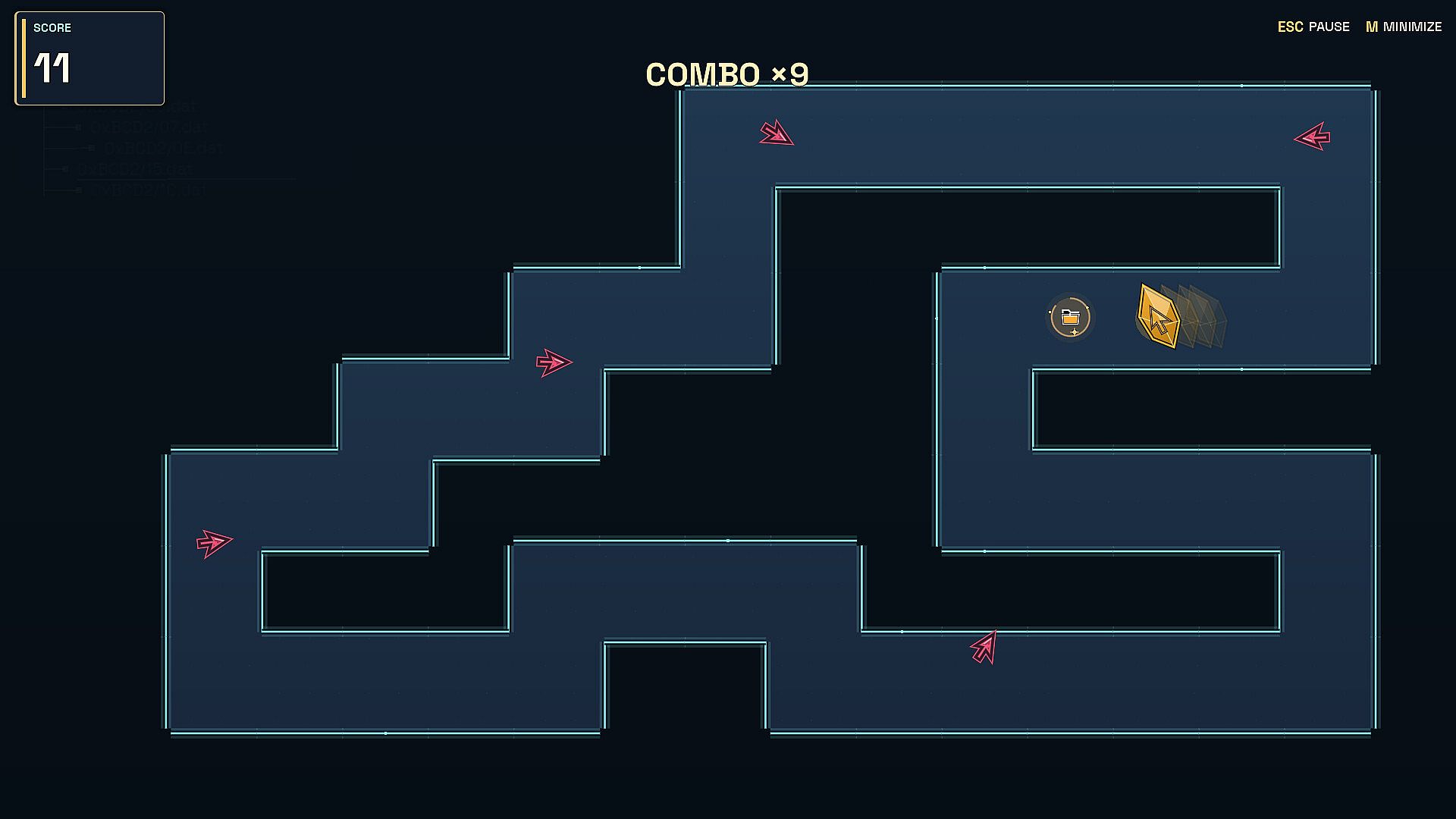
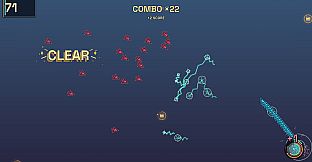
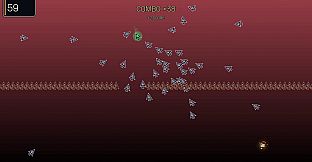
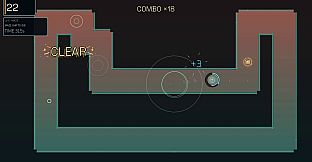
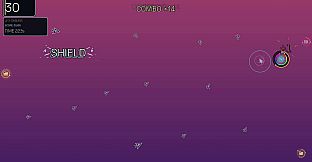
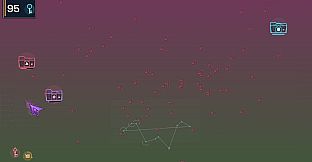

AfterCursor is an action indie game for PC that turns the familiar desktop environment into a high-stakes arena of movement and timing. Players guide a single cursor across a cluttered screen, chasing folders for points while phantom copies of their own cursor multiply and drift unpredictably. The core loop centers on quick decisions about when to grab another pickup or thread through tightening gaps as the field grows crowded and the music intensifies.
Gameplay
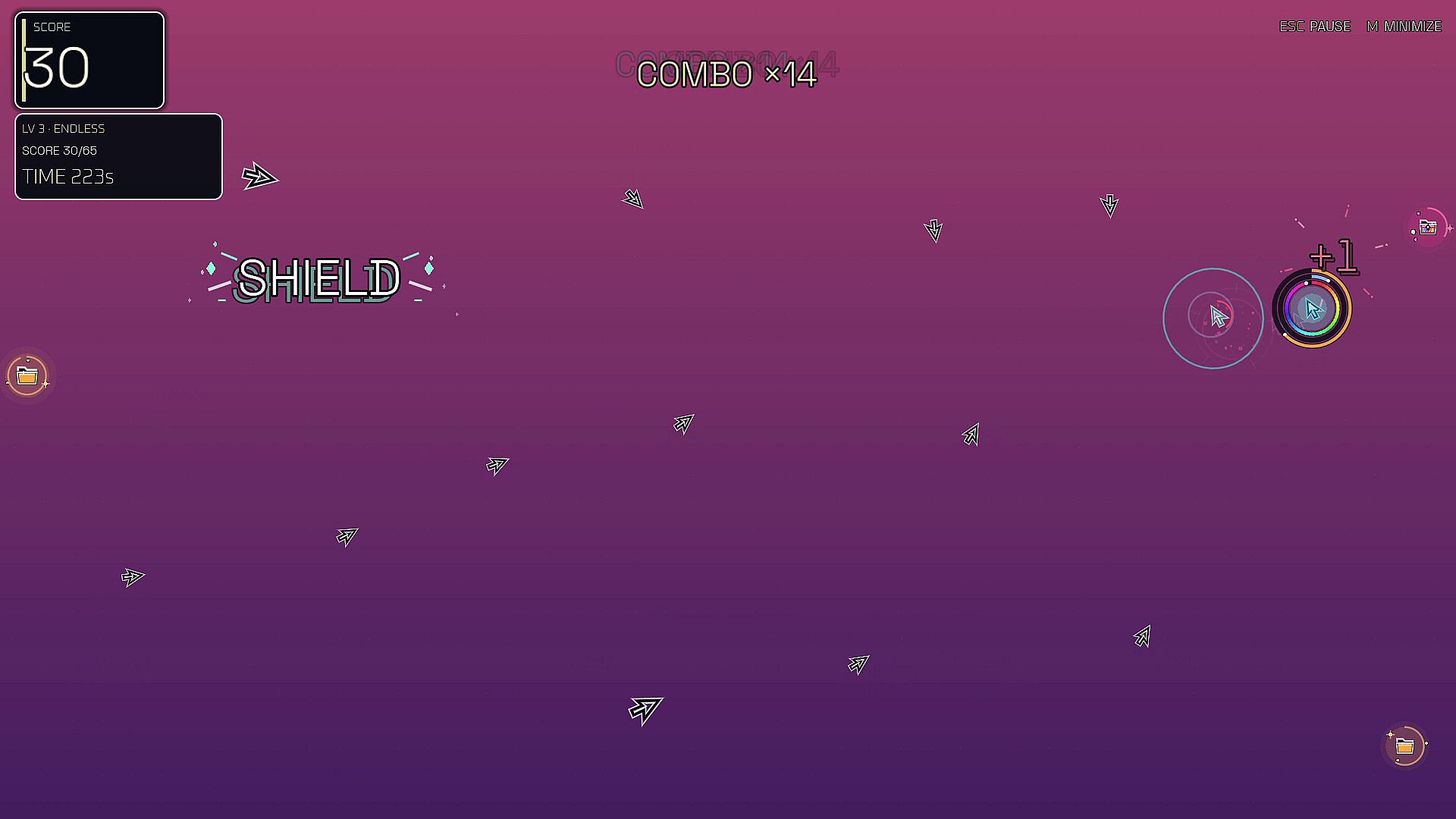
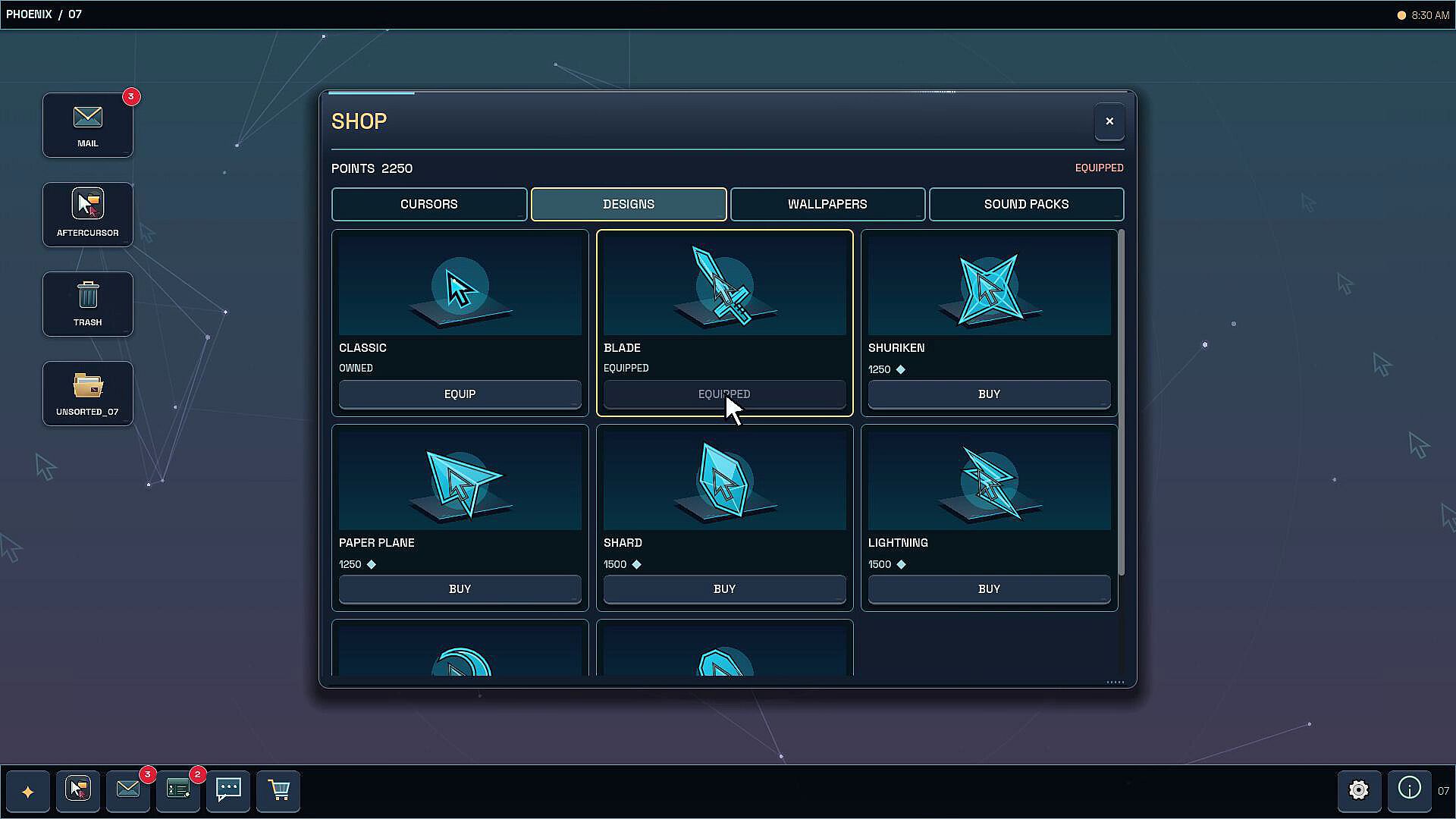
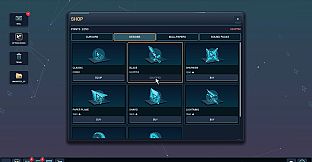
The experience revolves around three repeated actions: move the mouse with precision, collect glowing folders to build score chains, and evade the growing swarm of phantom cursors that linger and shift positions. Special folders trigger temporary effects that can either clear space or introduce new hazards, forcing players to weigh short-term gains against longer survival. As pickups accumulate, the screen fills further, the tempo rises, and narrow passages demand tighter control. Points earned across sessions unlock different cursor appearances and animated desktop backgrounds, letting players adjust the visual style to match their preference without altering core rules.
Work-related interruptions appear as pop-up messages or stray files that briefly alter the layout, adding layers of distraction that mirror the procrastination theme. The mouse remains the sole input, emphasizing accuracy over speed in crowded moments and rewarding consistent chaining over reckless grabs.
Game Modes
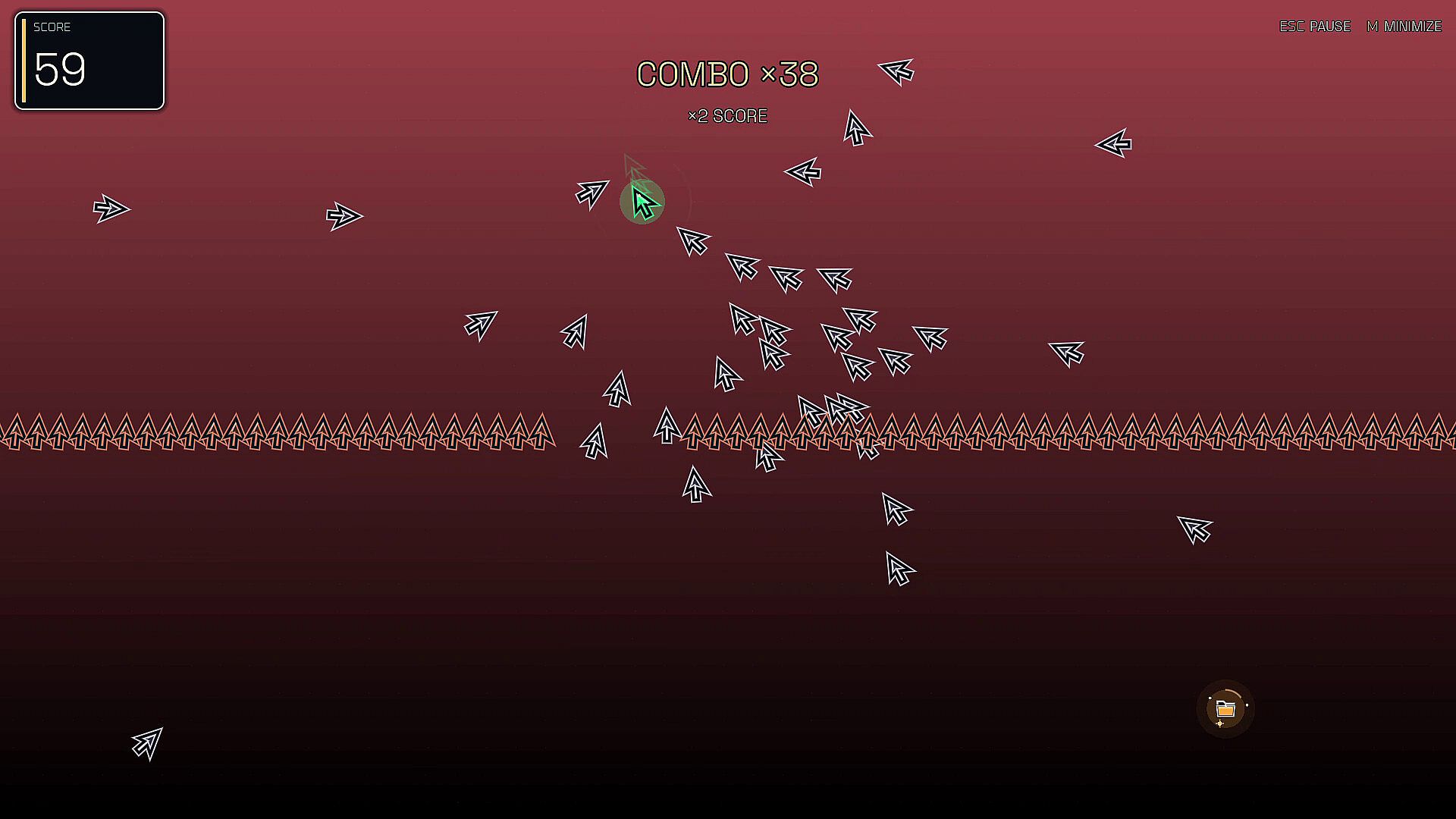
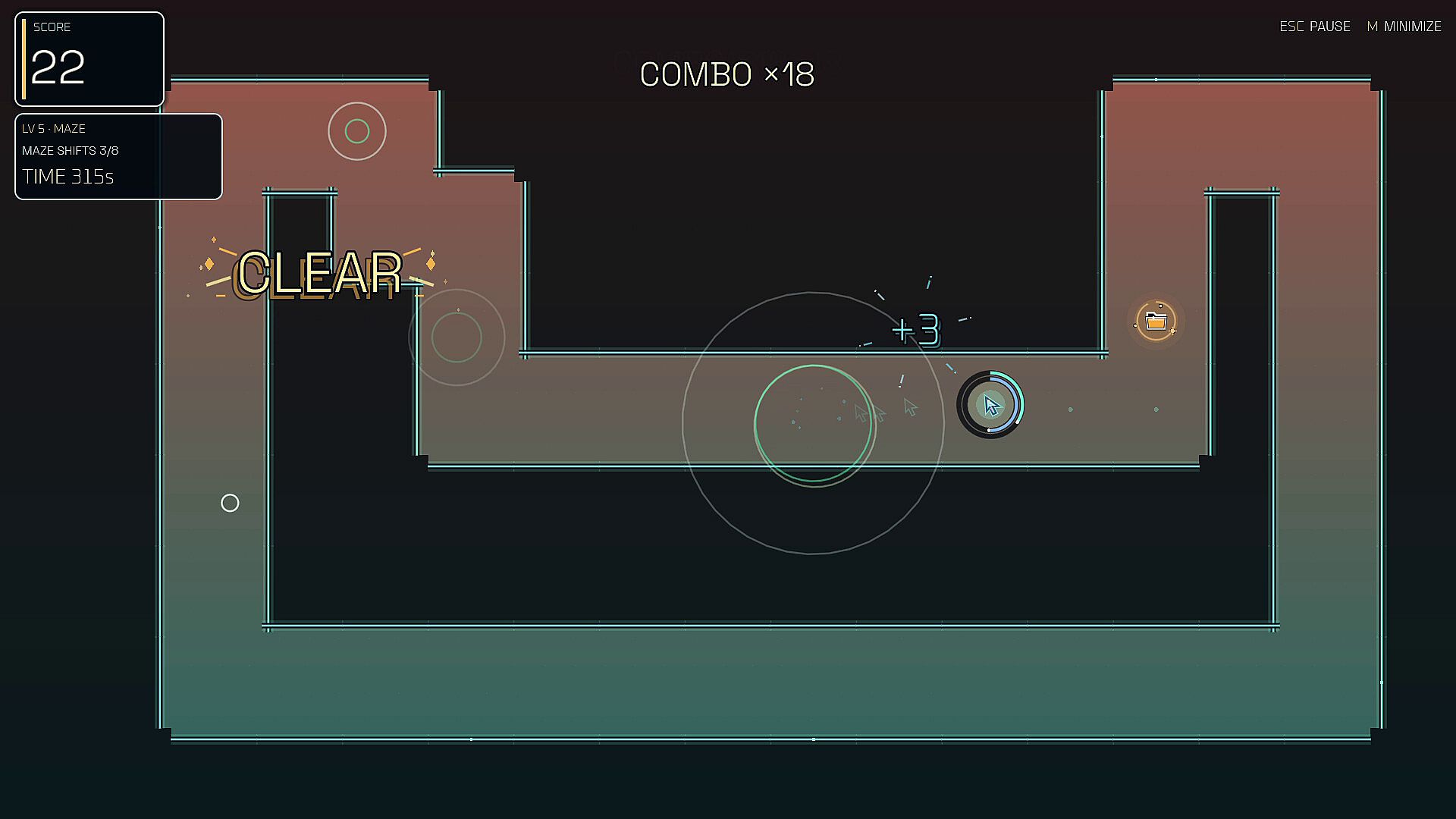
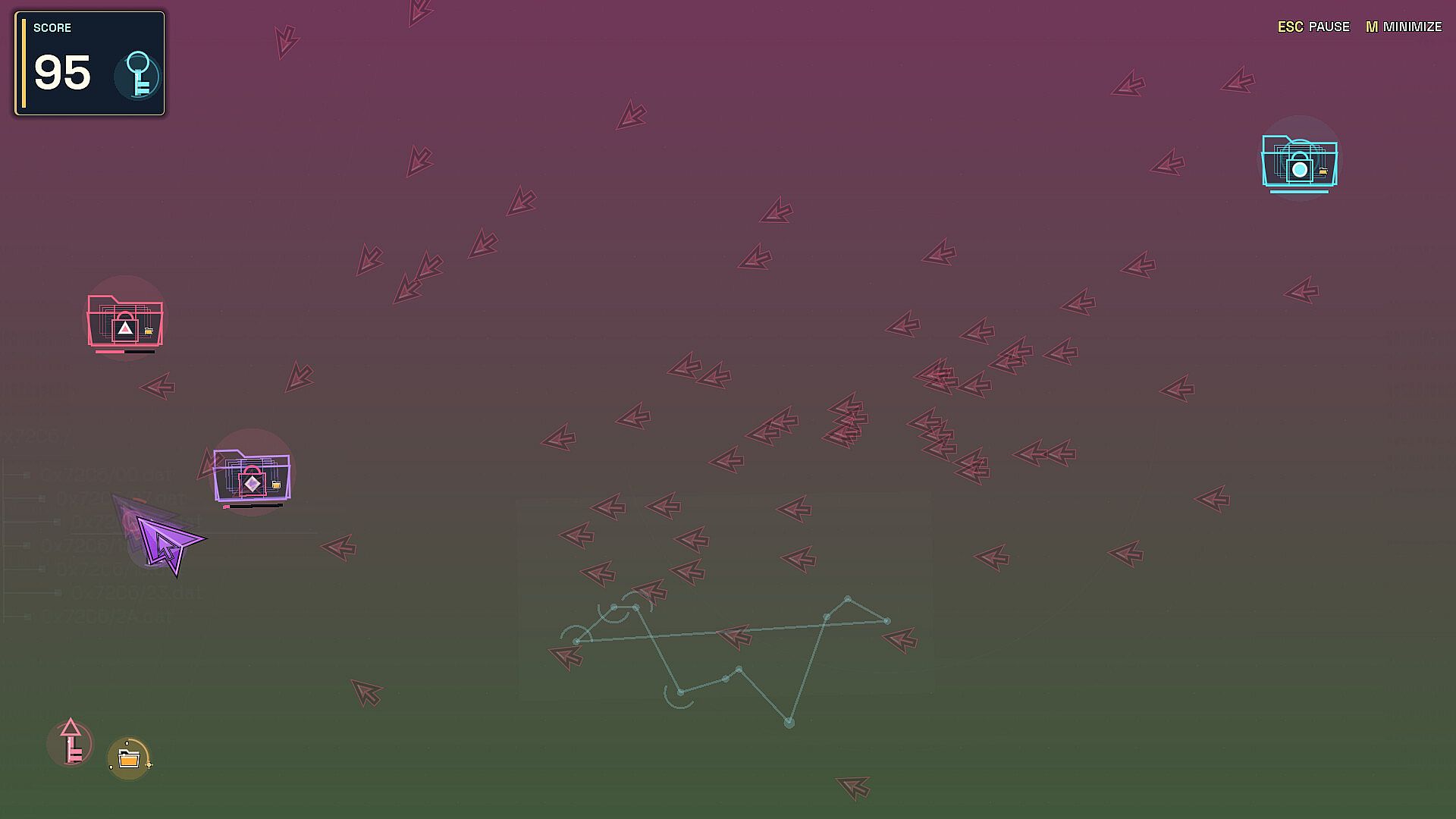
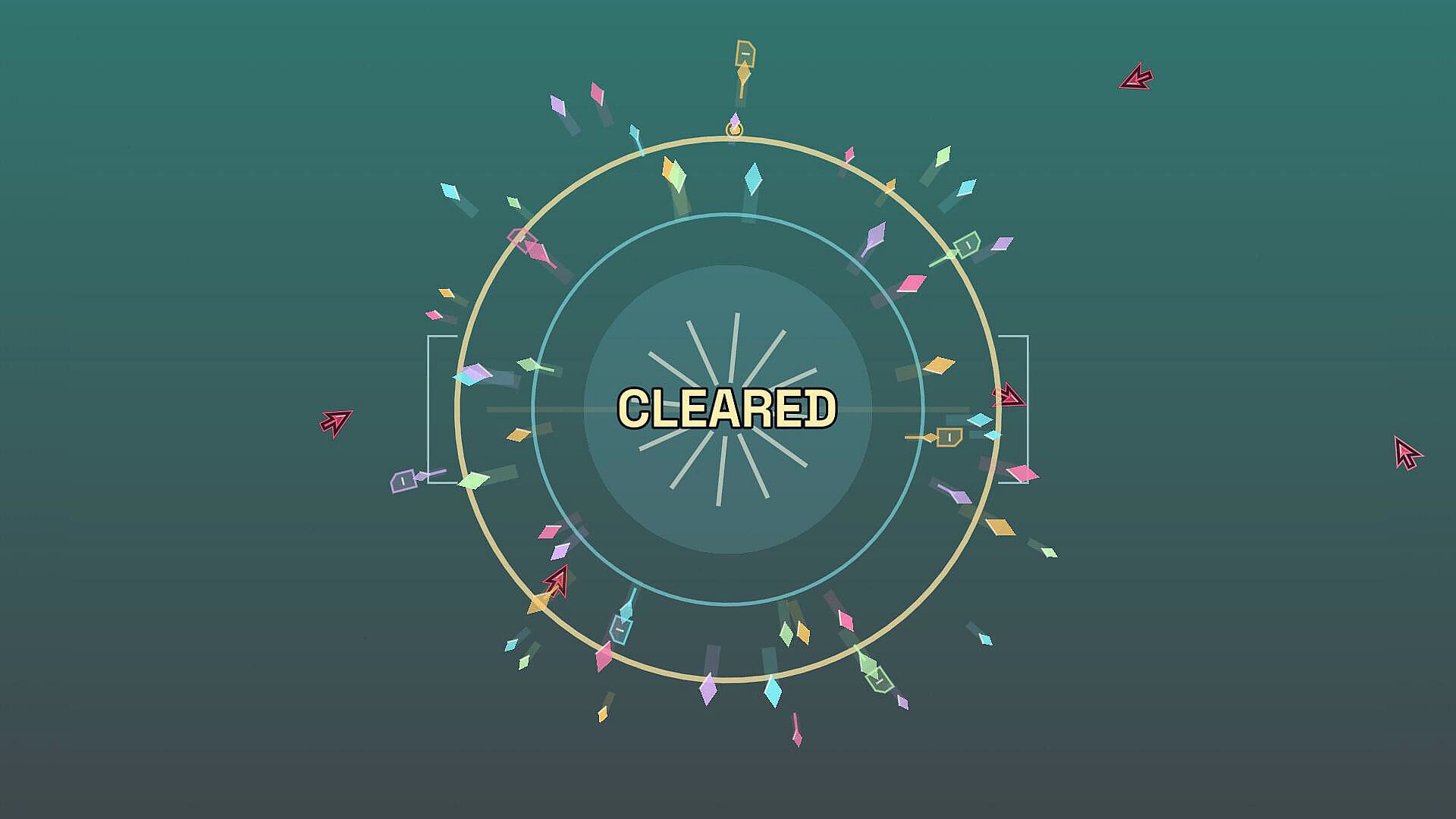
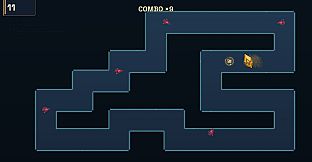
Four distinct modes shape how the central mechanics play out. Story mode presents fifty levels that introduce new goals, shifting desktop elements, and narrative interruptions between sessions. Endless mode focuses on sustaining long chains and pushing personal high scores in an open field that grows steadily more difficult. Maze mode confines movement to shifting corridors where phantom cursors close in from multiple directions. Waves mode requires slipping between successive barriers of moving cursors that sweep across the screen. Relay mode adds a transport objective: players must collect keys and deliver them to designated archive zones before phantoms overwhelm the area.
Each mode reuses the same pickup and evasion systems but changes the spatial constraints and win conditions, encouraging different risk assessments during runs.
Progression and Customization
Score totals carry over between modes and serve as currency for cosmetic unlocks. Cursor styles range from simple recolors to more animated variants, while desktop wallpapers provide moving backgrounds that fit different moods. These options appear gradually as players accumulate points, giving a steady sense of advancement without affecting balance or difficulty. The system encourages repeated play across modes to gather enough currency for preferred customizations.
Is It Worth Playing?
AfterCursor suits players who enjoy precise mouse-driven action and short, repeatable sessions built around scoring and survival. Its indie focus on a single, tightly integrated mechanic delivers variety through mode-specific layouts rather than expanding systems or added content layers. Those drawn to cursor-control challenges or desktop-themed experiments will find the loop immediately accessible yet demanding at higher densities. The absence of multiplayer keeps the emphasis on personal improvement and experimentation with pickup timing. For anyone seeking a focused action experience that rewards steady practice over broad progression trees, the game offers a clear match in its current form.











