





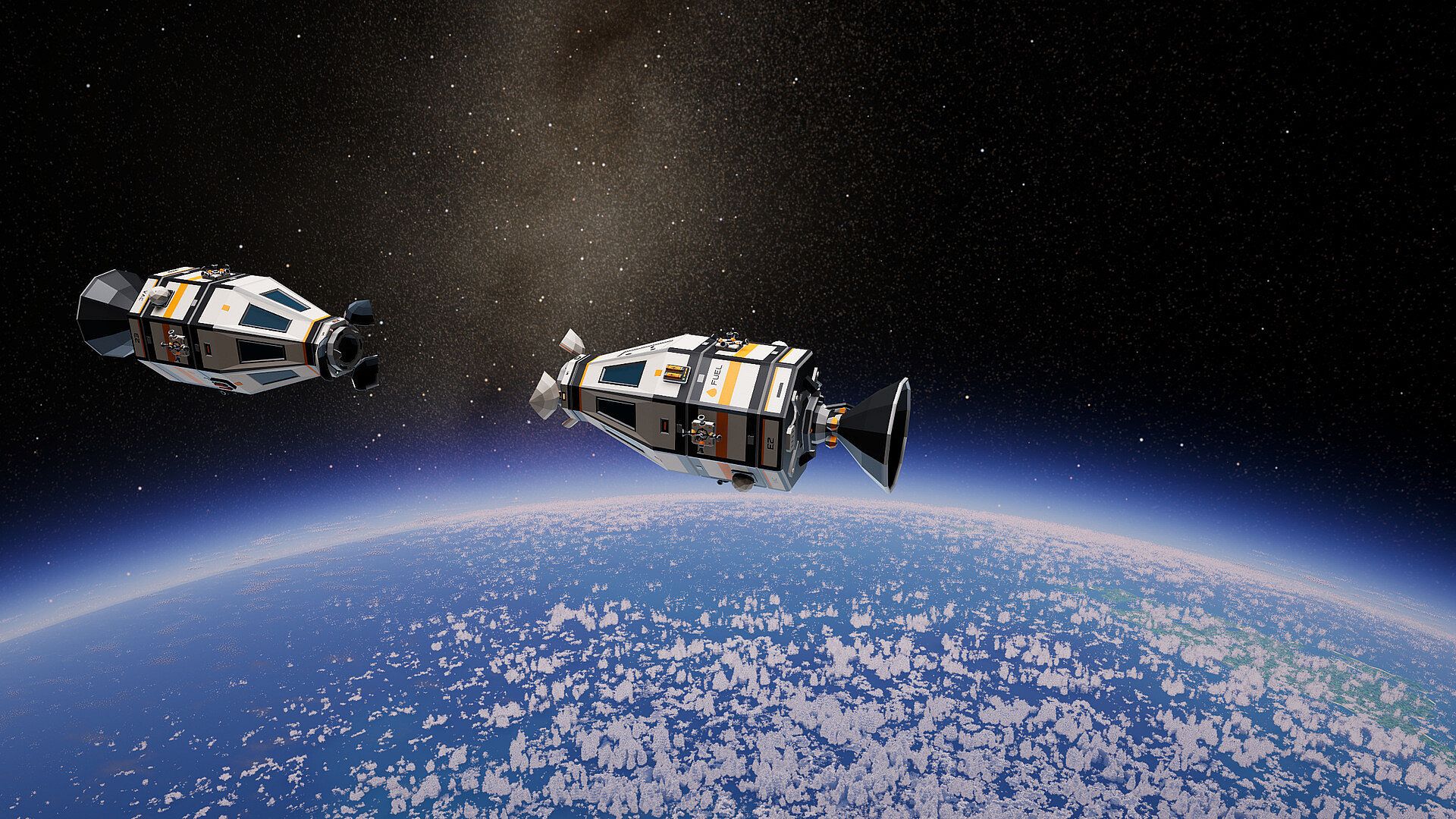

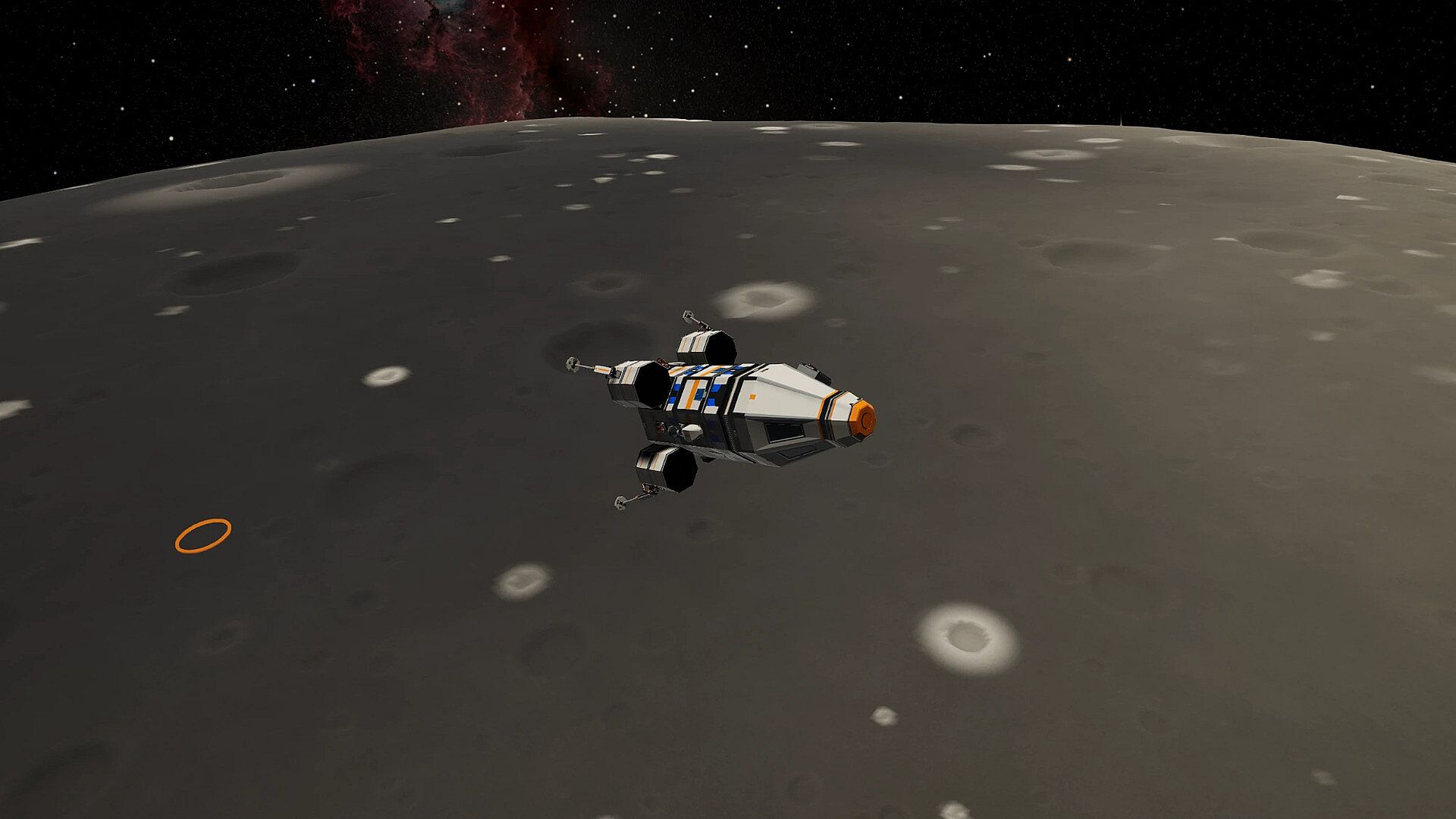

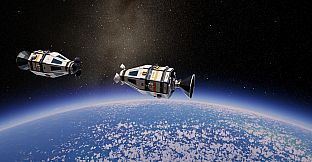

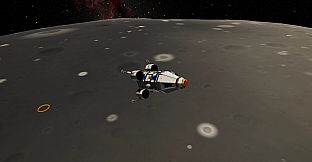
AIDA Space Program is a single-player action simulation adventure game that places players in charge of a fledgling space program on the planet Gaia. The core premise centers on a comet named AIDA whose orbit brings it progressively closer with each twelve-year pass, culminating in a potential impact after fifty years of in-game time. Players must master real orbital mechanics to build rockets, conduct missions, expand facilities, and ultimately decide how to deflect the threat.
Gameplay
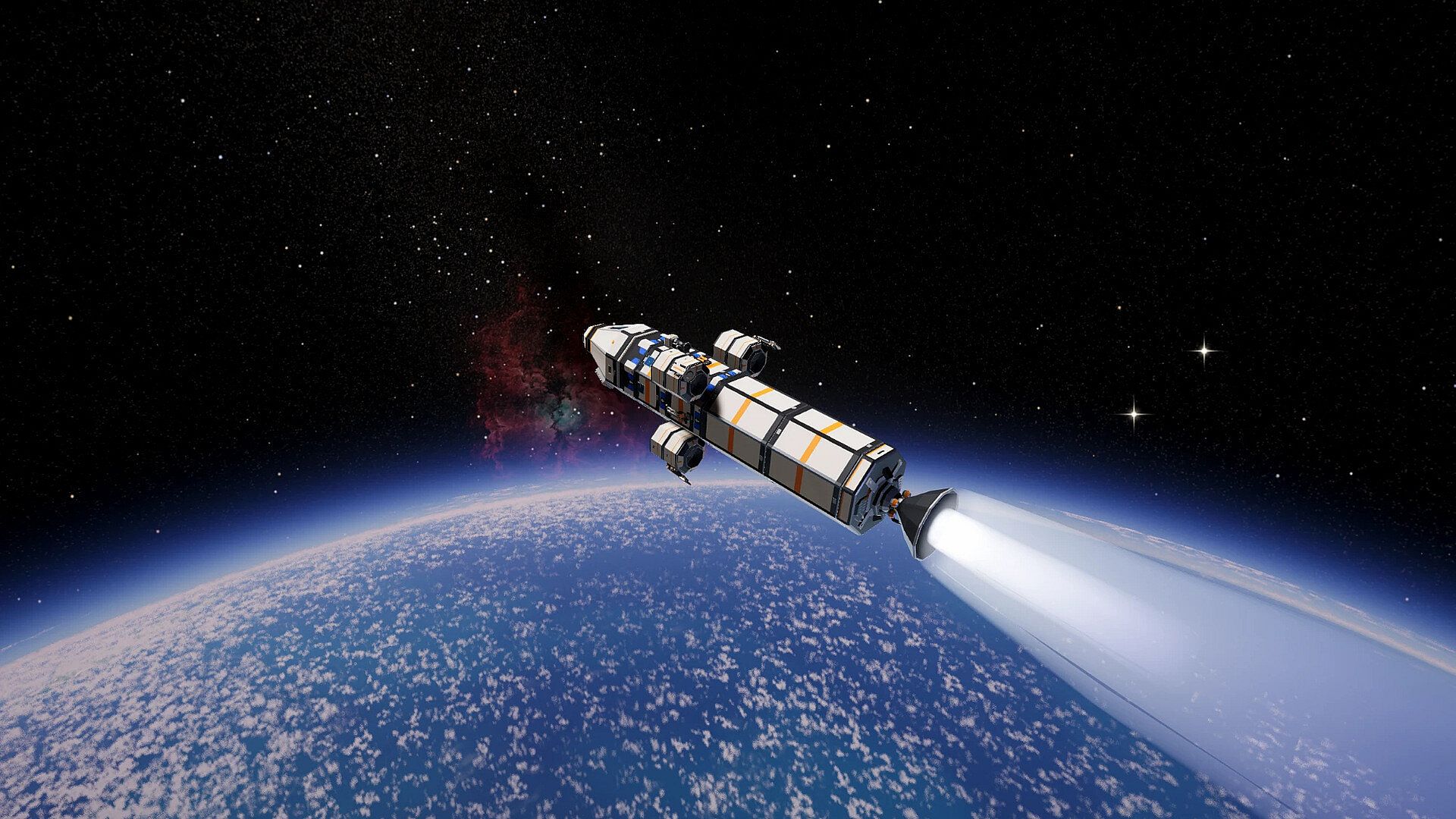
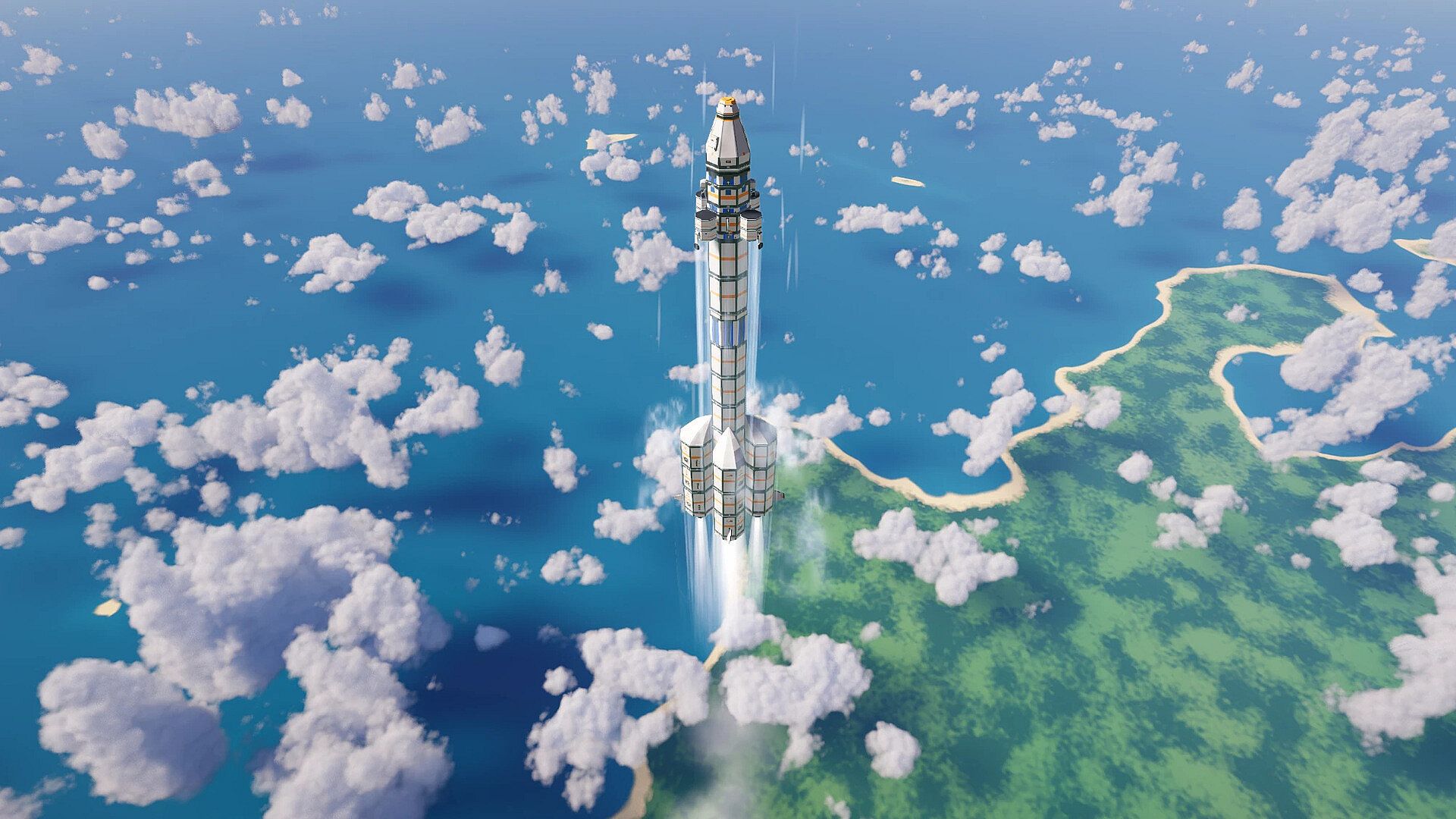
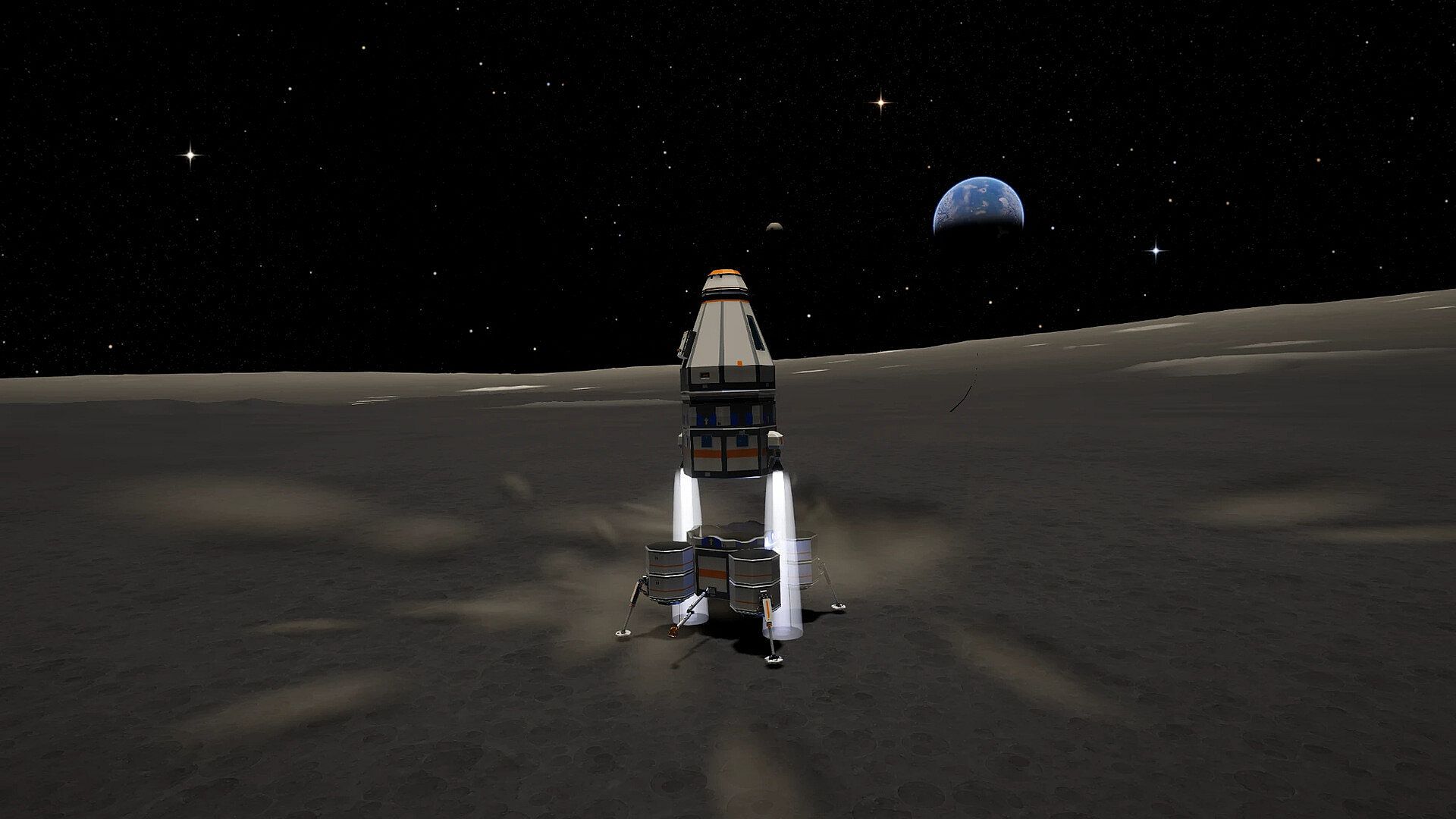
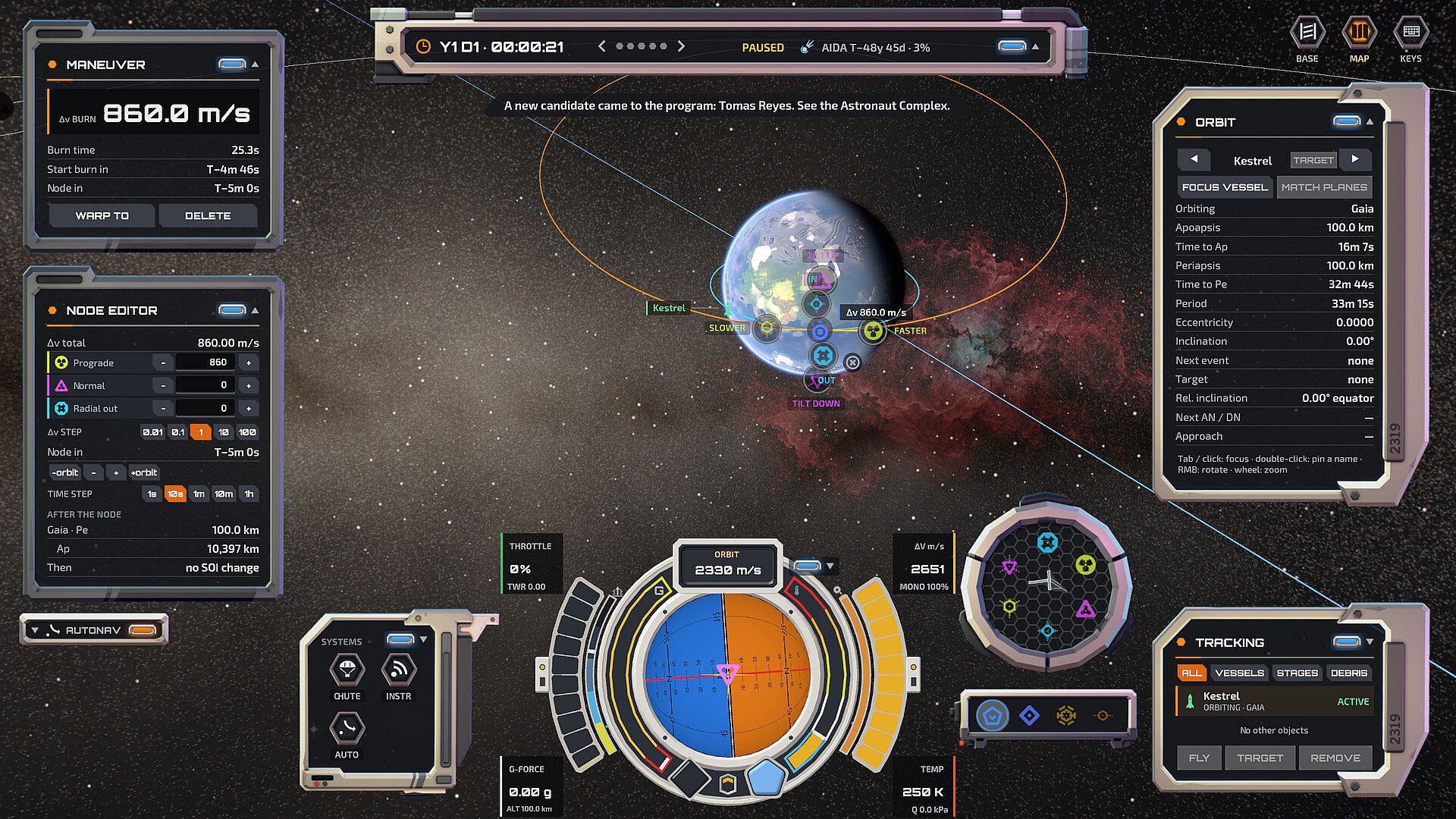
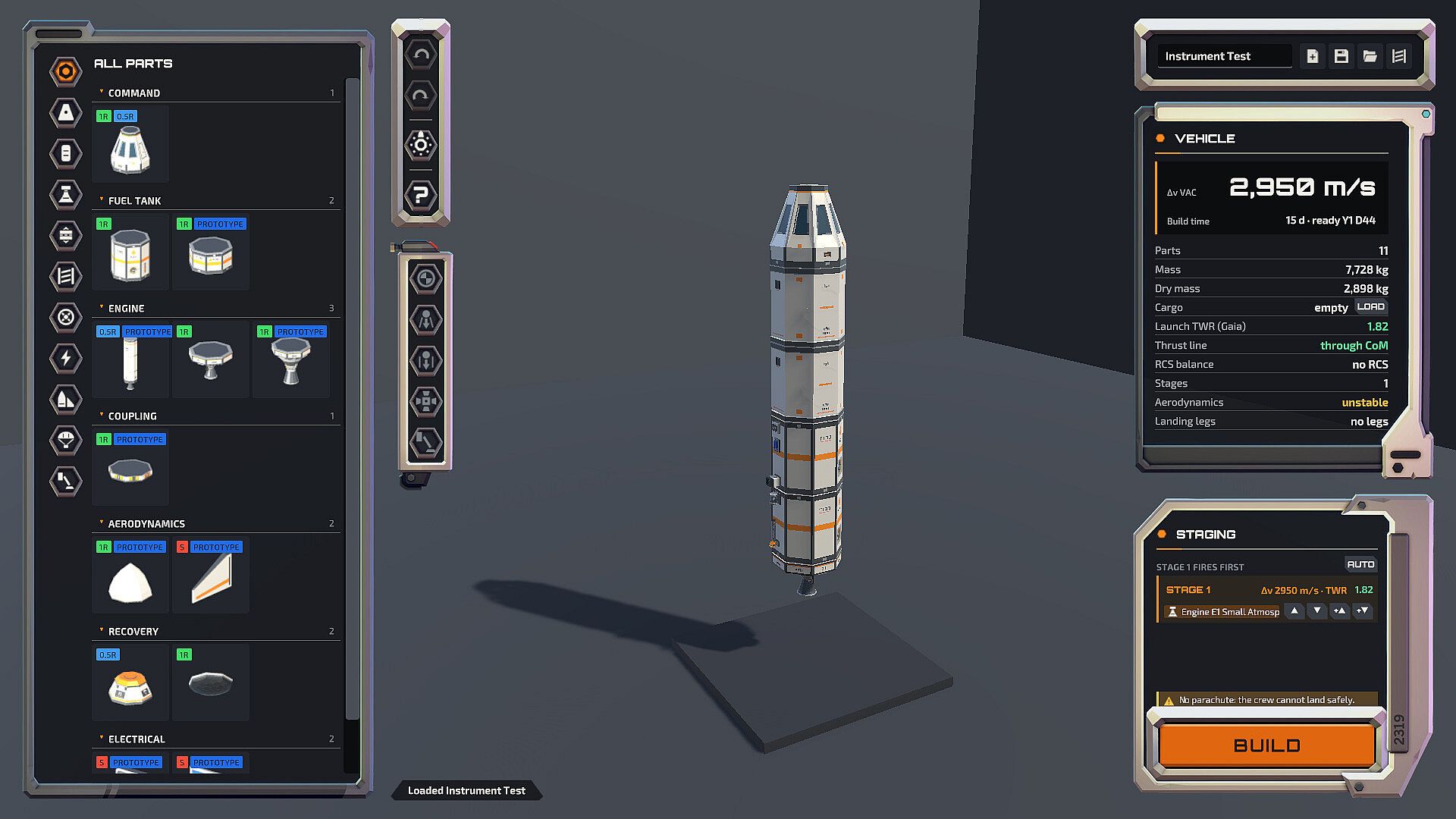
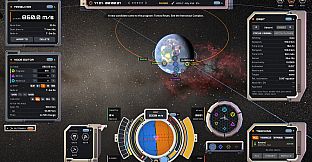
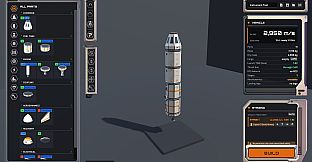
The experience begins with basic assumptions about reaching space that quickly collide with actual physics. Players design and assemble rockets in a vehicle assembly building using dozens of parts, applying staging, symmetry tools, and live readouts for delta-v and thrust-to-weight ratio on each stage. Launches demand precise control during ascent, followed by orbital insertion, transfer windows, gravity assists, and maneuvers plotted on a map view with nodes. Missions progress from initial hops to a Luna flyby, powered Moon landing, orbital docking, and atmospheric reentry that generates plasma effects.
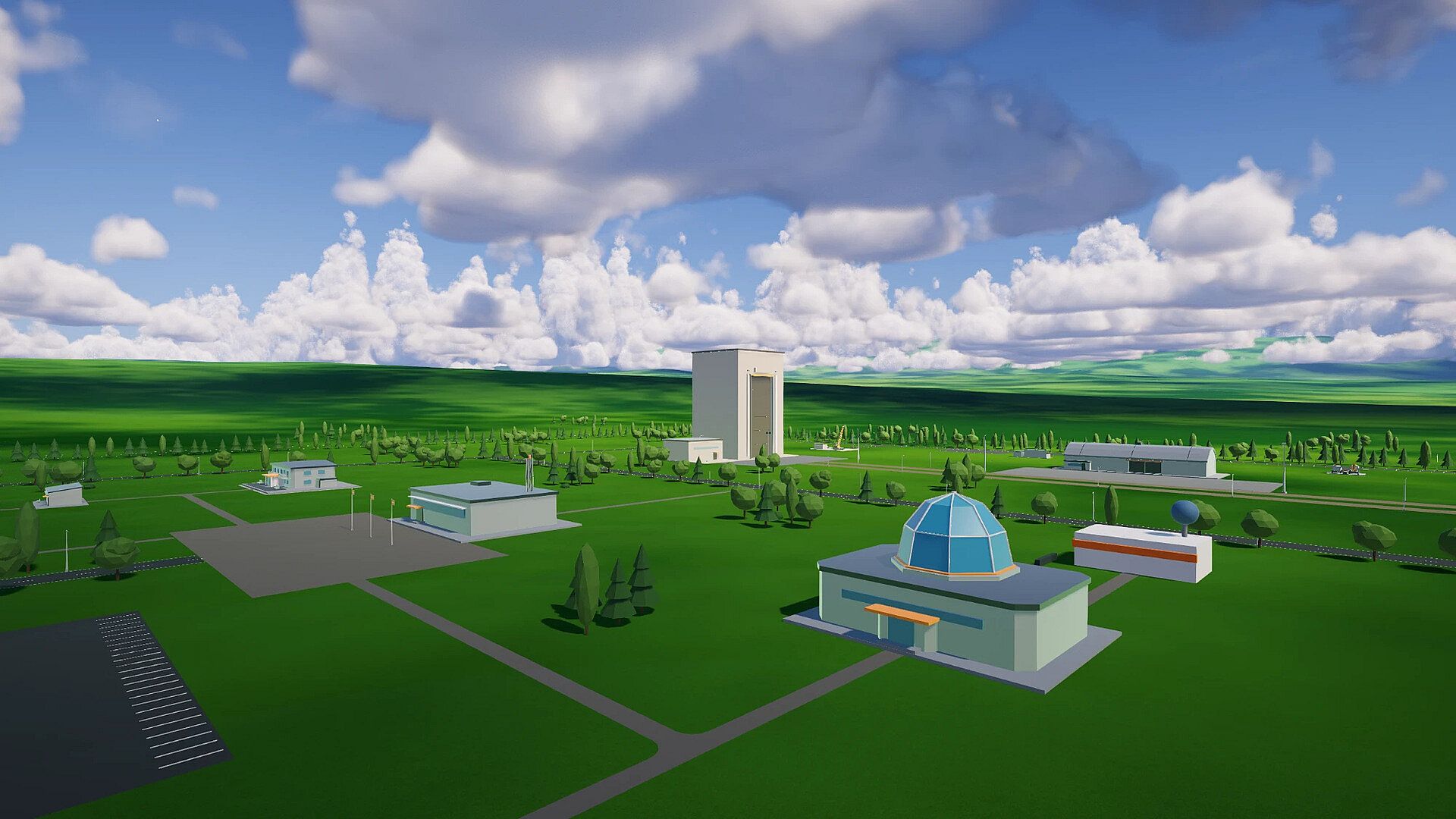
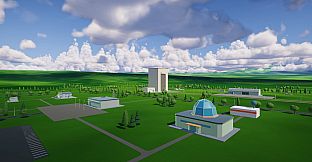
Research follows a road map based on real-world data, materials availability, and elapsed time rather than abstract points. The space center expands through leveled buildings including launch pads, test stands, tracking stations, labs, industry facilities, and warehouses, each contributing specific functions. Astronauts carry individual names and performance limits, with any fatality triggering an accident investigation instead of a simple reset. IRIS serves as the AI mission coordinator, providing guidance through drawings and navball cues while remaining honest about proposed plans and later offering automation for mastered procedures.
The star system contains fifteen celestial bodies orbiting the star Theia, encompassing the Moon with its smaller companion, a red planet, a metal asteroid, a gas giant featuring volcanic and twin moons, a world with crossed rings, and an undiscovered object at the far end of AIDA's path.
Game Modes
The primary experience is a linear story campaign that unfolds across the fifty-year timeline leading to the comet's fifth pass. Between passes, players interleave rocket construction, technology development, facility upgrades, crewed flights, and strategic choices that determine available deflection options such as a kinetic impactor or nuclear stand-off device. The campaign integrates all core systems into a single progression path without separate sandbox or free-play modes at launch.
A free demo delivers the complete first act, consisting of five missions that guide players from the initial rocket hop through a successful Moon landing. This segment requires roughly five hours and serves as a self-contained introduction to the mechanics, allowing evaluation of the physics-driven gameplay before the full release.
Story and Setting
The narrative frames the space program against a society that has largely stopped looking skyward. IRIS delivers mission control dialogue with a warm yet playful tone, commenting on failures and successes while teaching orbital concepts step by step. Player decisions during research and construction influence which final deflection technology becomes feasible, creating a sense of long-term consequence tied directly to the campaign deadline.
Is It Worth Playing?
The game targets players interested in realistic spaceflight simulation who value learning through trial, error, and gradual mastery of orbital mechanics. Its single-player campaign structure rewards methodical planning and persistence, with permanent crew consequences adding weight to each flight. The free demo provides substantial access to early content, making it straightforward to test compatibility with the physics focus and pacing. As a solo-developed title still approaching full release, it emphasizes authentic systems over broad accessibility features. Those drawn to hard science fiction space programs with building, flying, and strategic elements will find the approach distinctive, while players seeking faster action or multiplayer options may prefer other titles.












