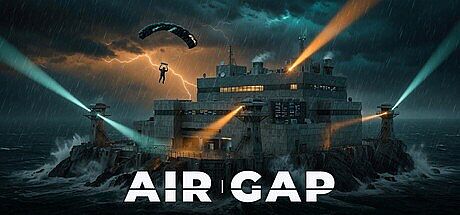


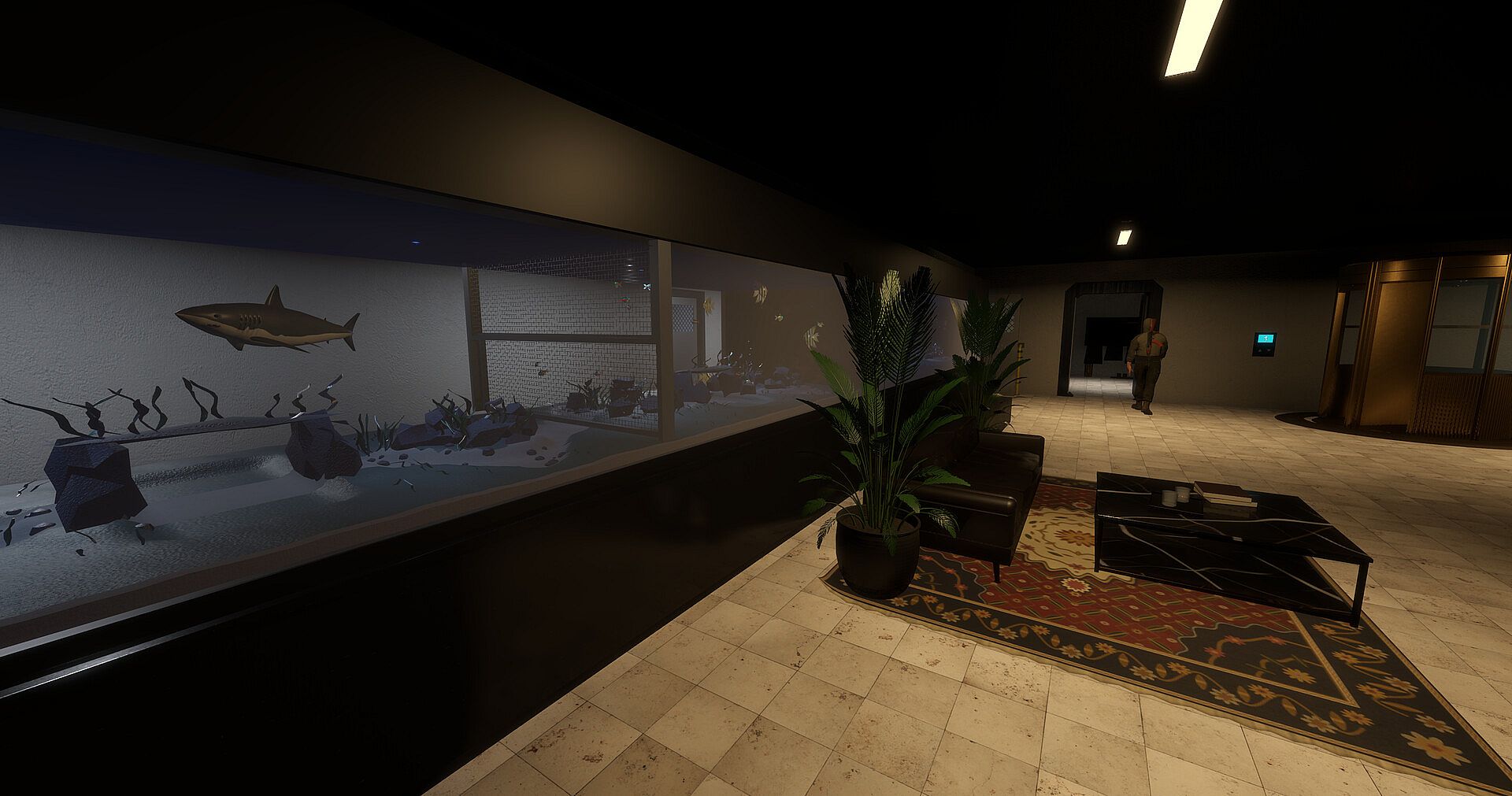
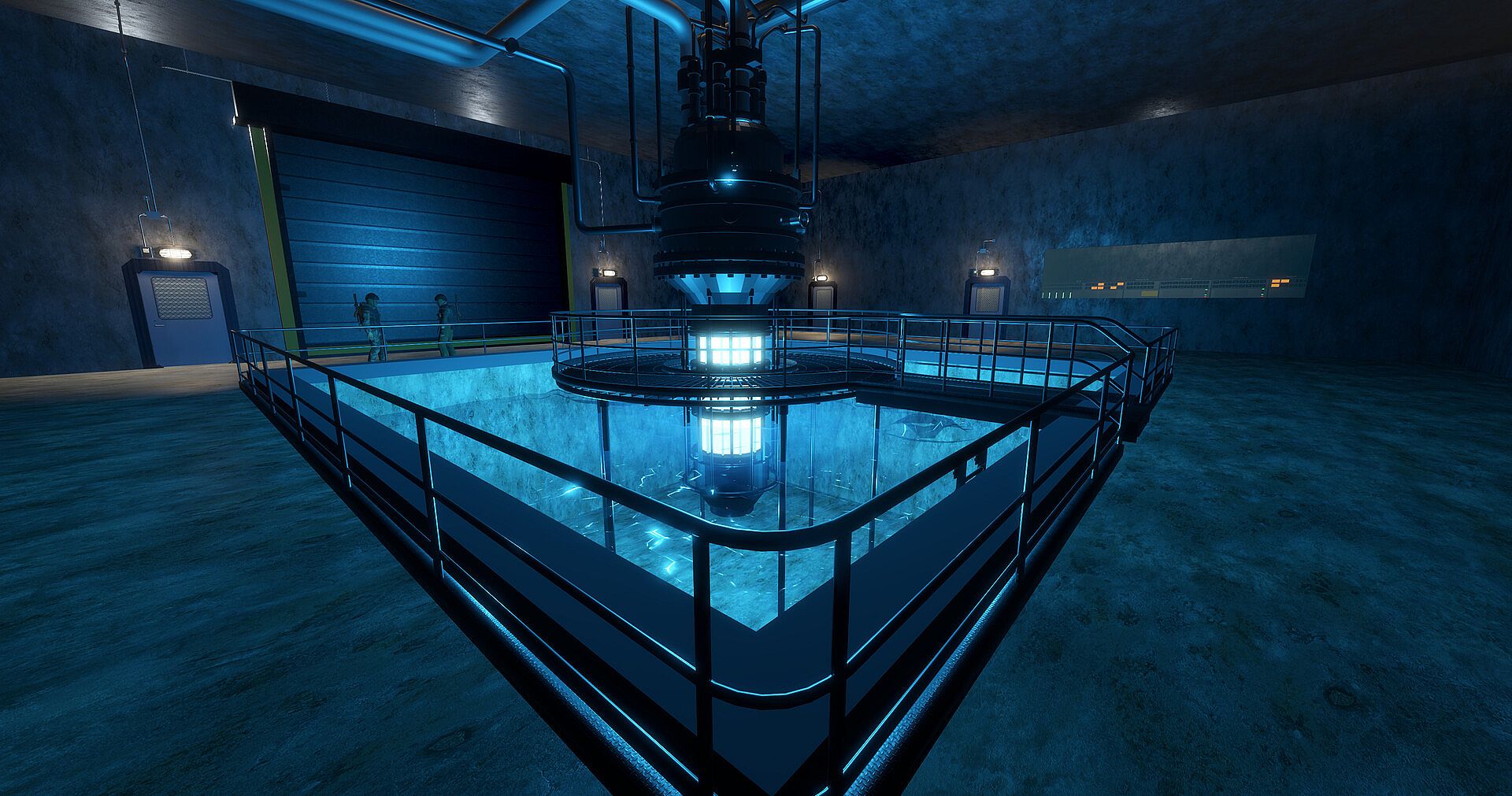
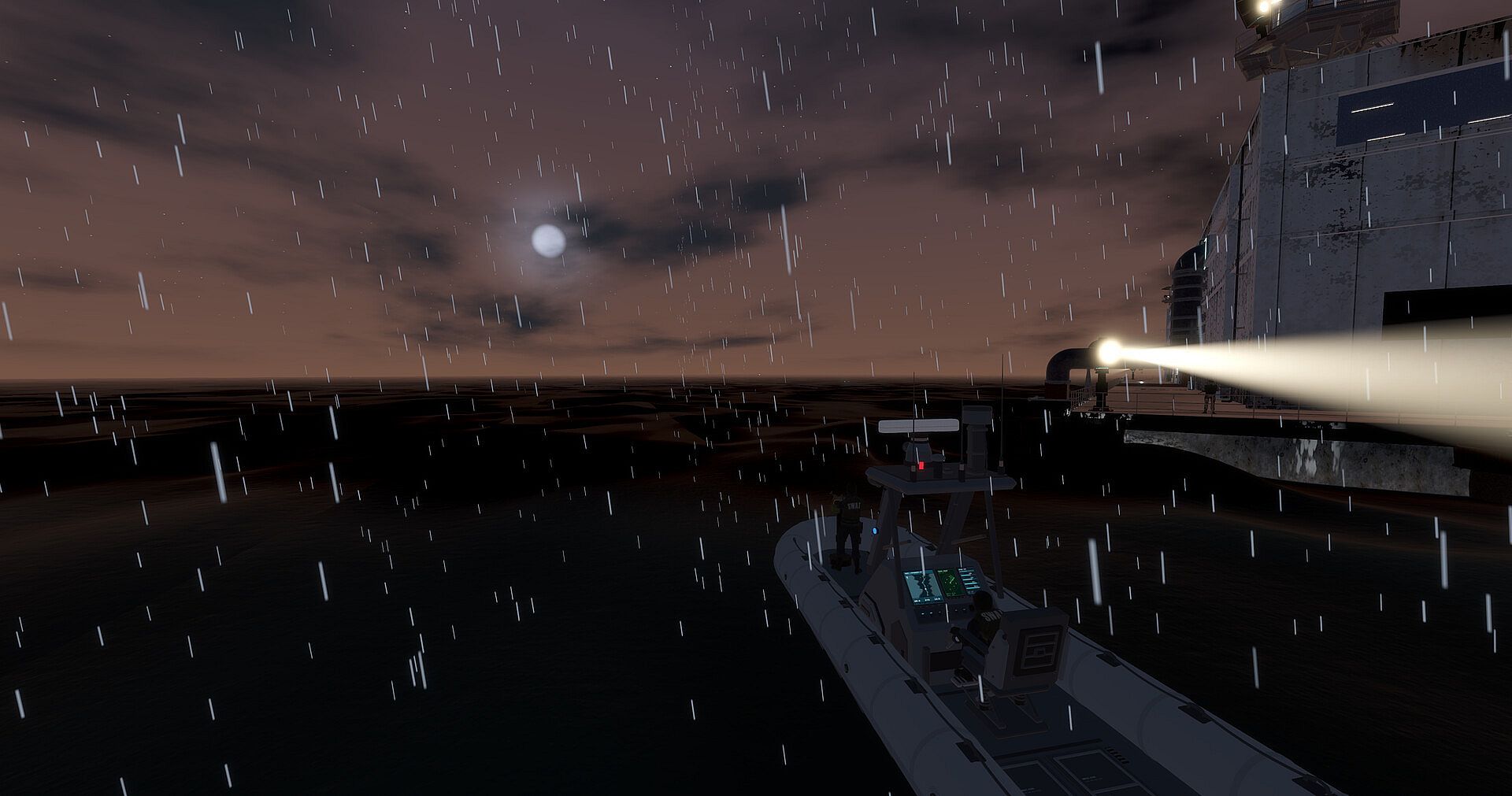
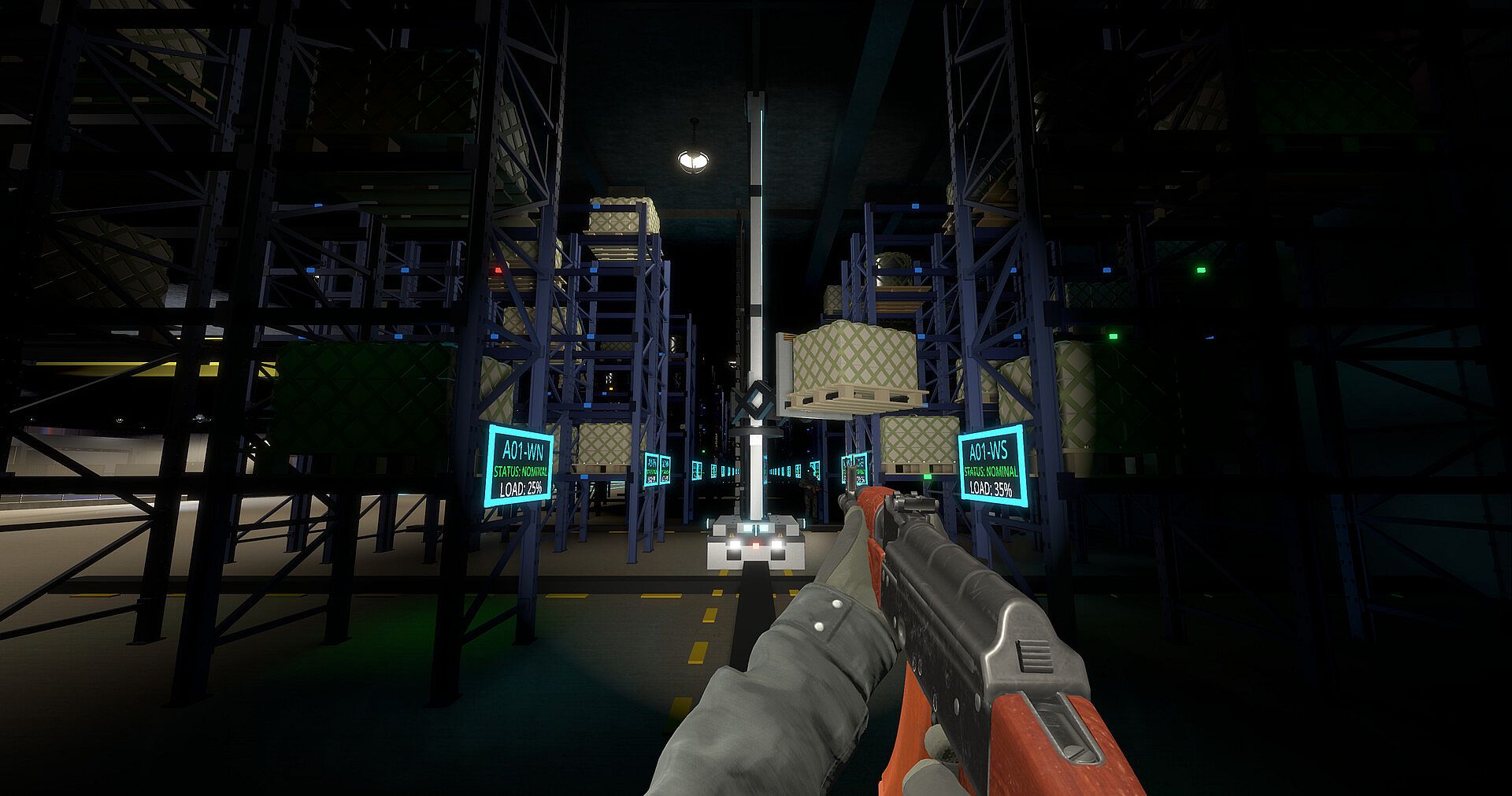
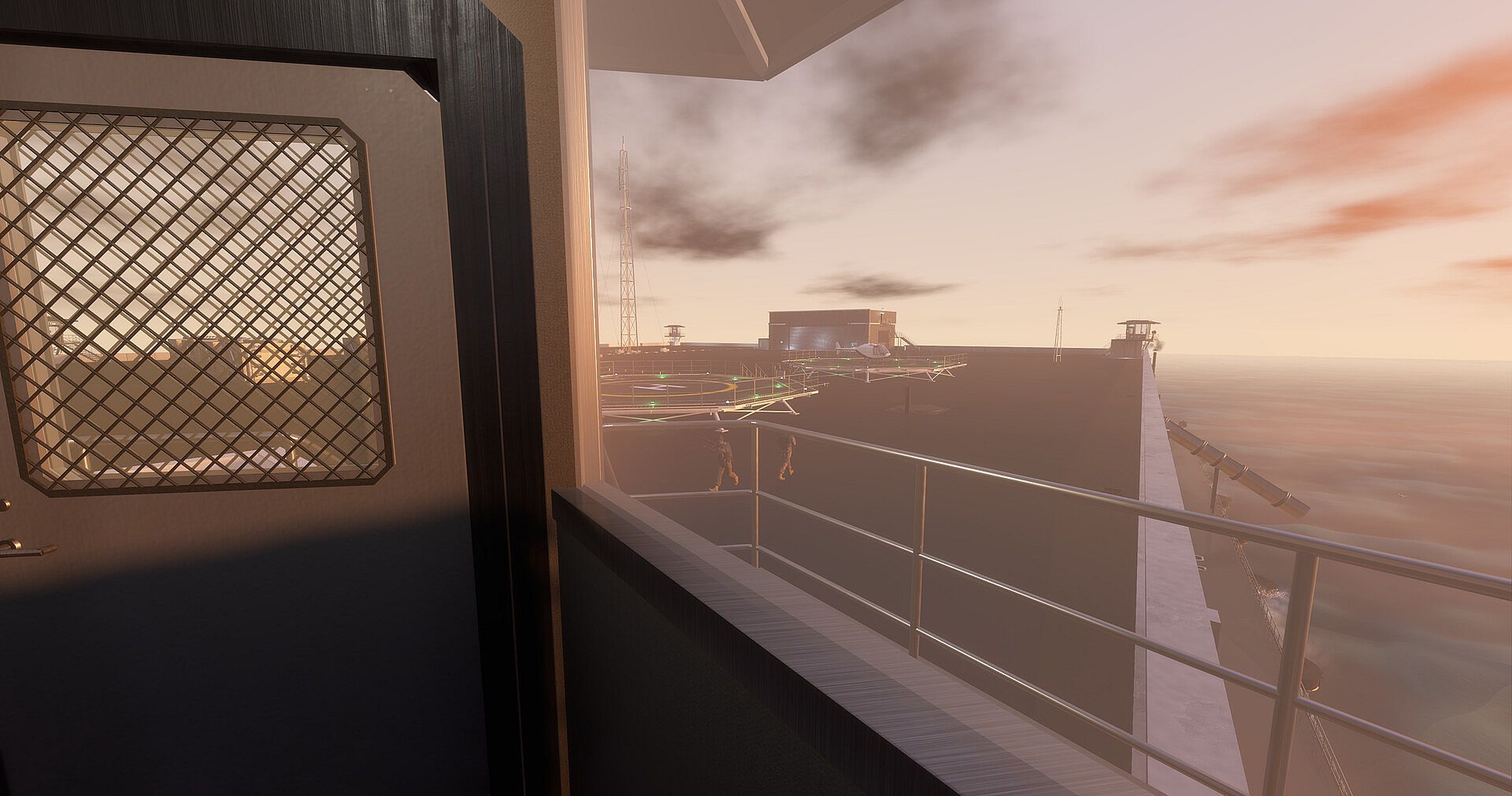
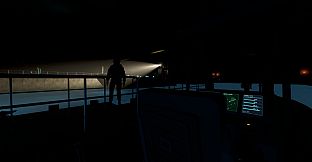
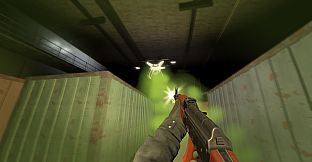
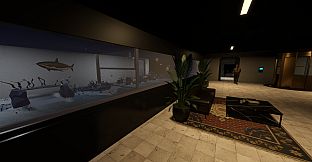
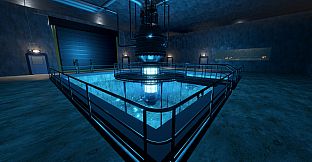
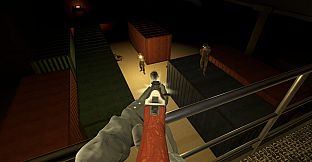
AirGap is a first-person stealth roguelite that blends action, strategy, indie, and simulation elements on PC. Players take on the role of an infiltrator tasked with sabotaging an offshore AI datacenter facility through mechanical failures, electrical disruptions, and other forms of interference before escaping by boat.
Gameplay
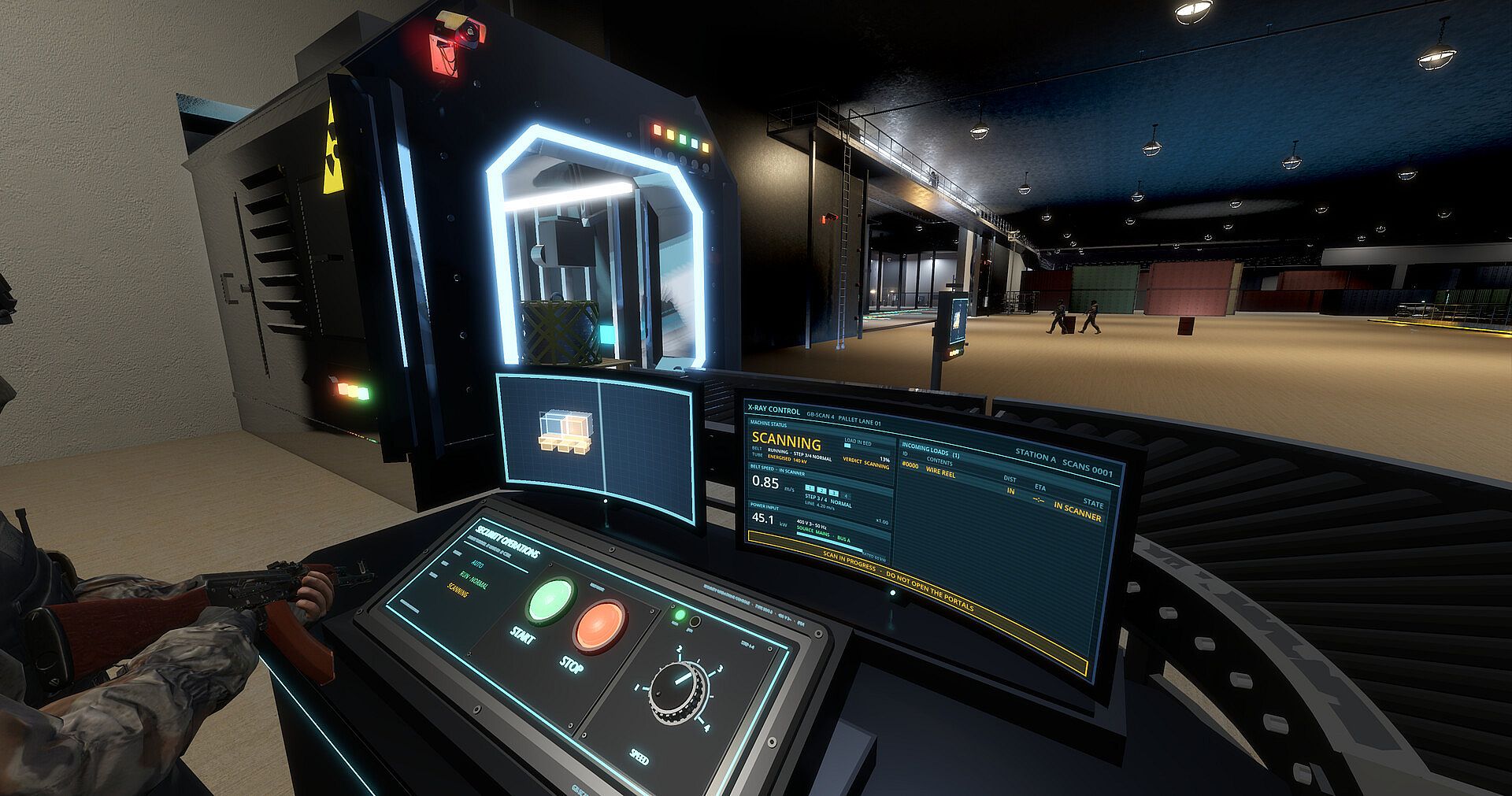
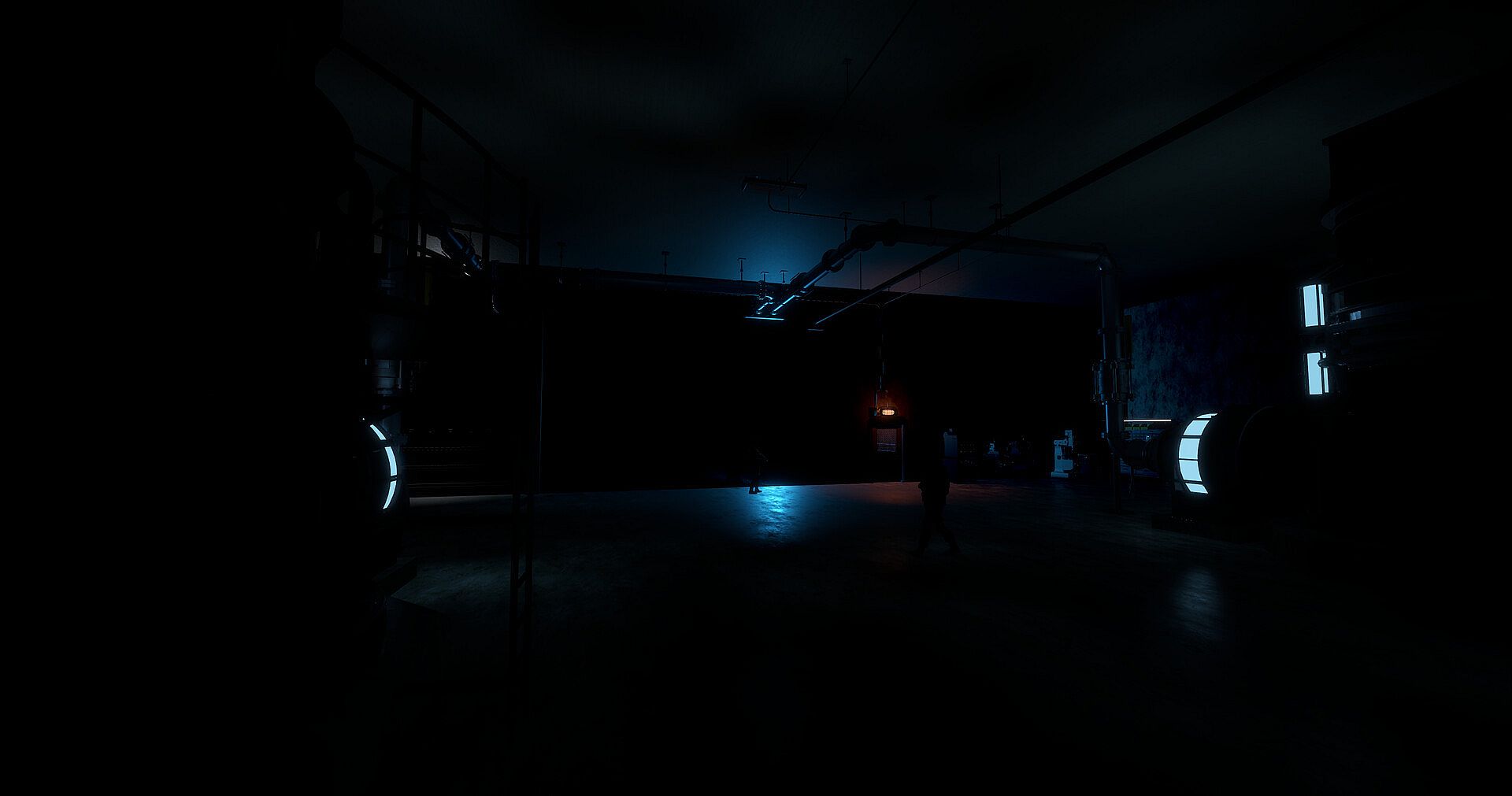
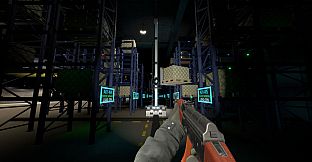
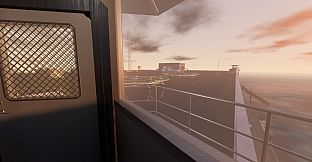
The core loop centers on infiltration and sabotage within a single handcrafted island facility that includes a supply dock, warehouse, server halls, reactor level, barracks, and the Director's private wing. Every light fixture functions as a live, simulated, shootable source that can swing or cast dynamic shadows when damaged. Breakers and machines respond to player actions, allowing entire zones to lose power at once through targeted interventions at the ops room mimic panel or E-STOP controls.
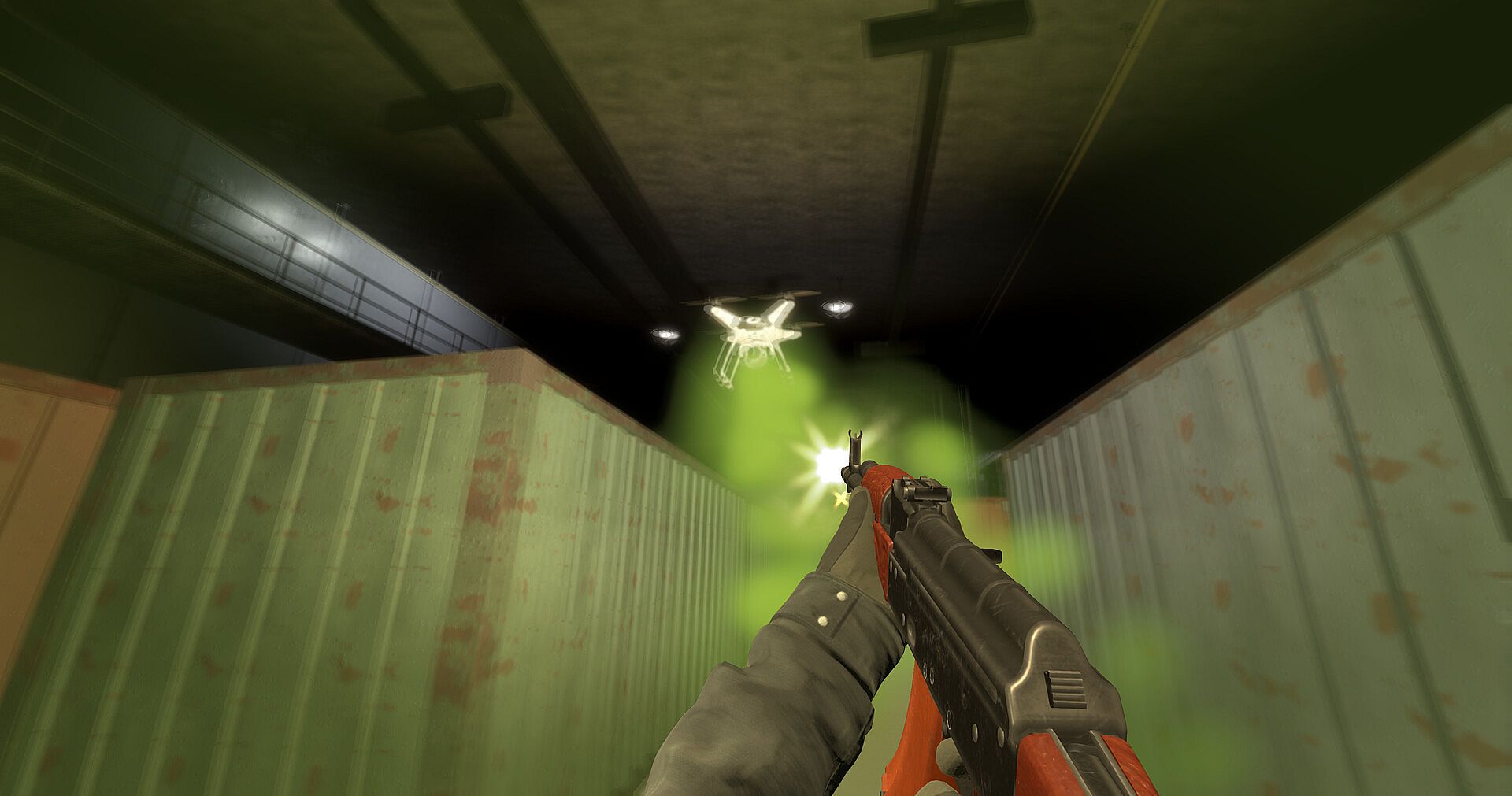
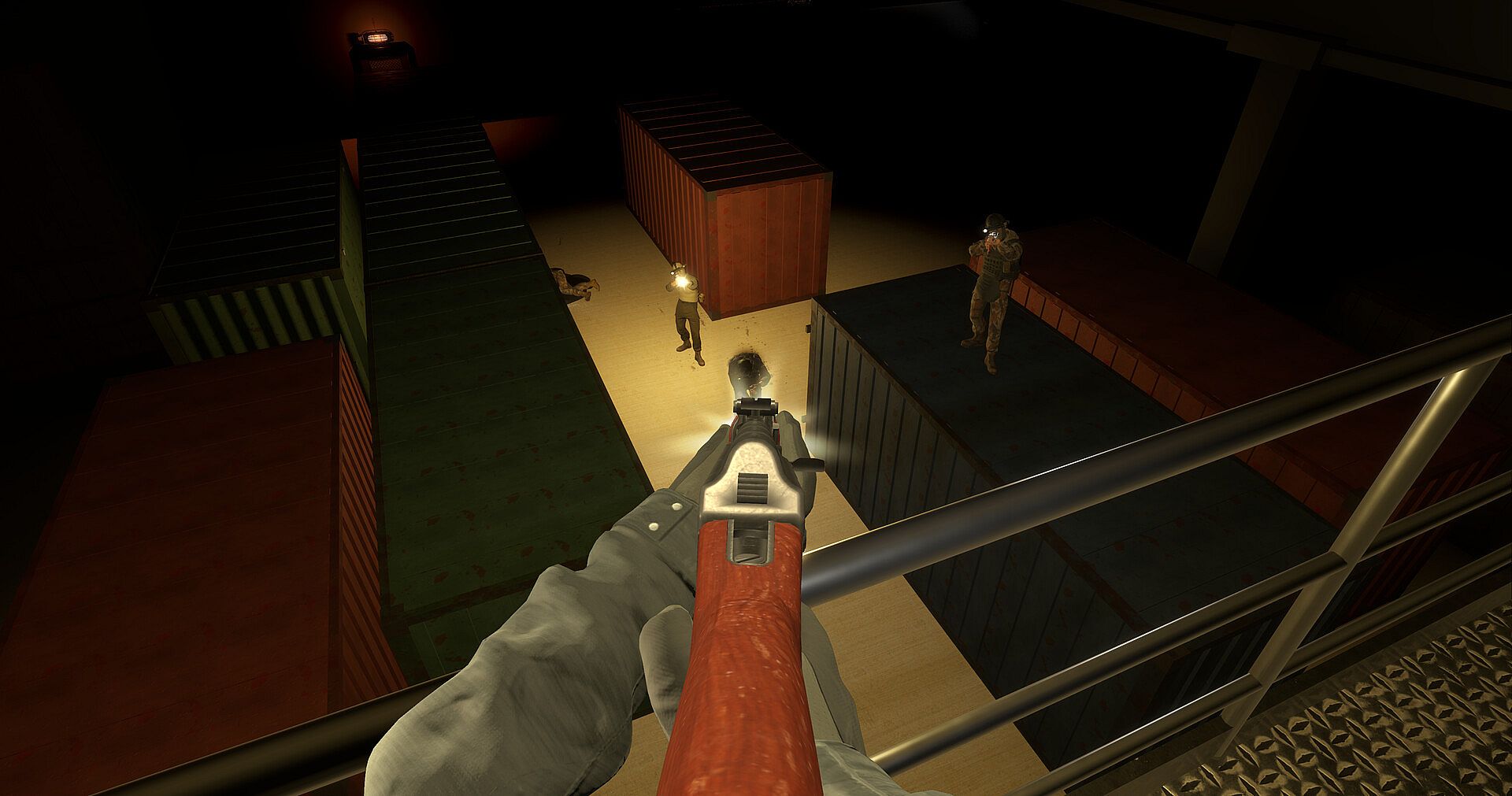
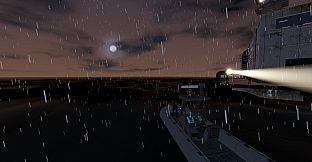
Guards operate with independent routines that include shift changes, patrol routes, smoke breaks, and time at the Director's bar. They perceive noise, light, and movement, then communicate over a live radio network to investigate and coordinate responses. Systemic stealth incorporates factors such as sound, illumination, smoke, glass, locks, vents, and keycard tiers, while cameras and other defenses add layers of risk. Three distinct entry methods place the player at different starting locations with unique initial challenges: parachute drop during a storm, swimming approach under dock lights, or stowing away in a supply crate.
Persistent elements separate knowledge from equipment. Intel on guard schedules, keycard placements, and subsystem connections carries across runs, allowing the player to build expertise over repeated attempts. Sabotage effects remain permanent only on clean exits with no bodies discovered and no alarms triggered. Detection or failure leads to targeted repairs by the facility's systems, such as welding shut a used vent or posting a guard in a previously blind camera spot.
Game Modes
AirGap operates as a single-player roguelite focused on repeated infiltration runs against an adaptive facility. Each attempt emphasizes different entry points and problem-solving approaches based on chosen insertion method and discovered intel. The emphasis remains on learning guard behaviors and facility layouts rather than character progression, with outcomes determining what carries forward into future runs.
Key Mechanics and Systems
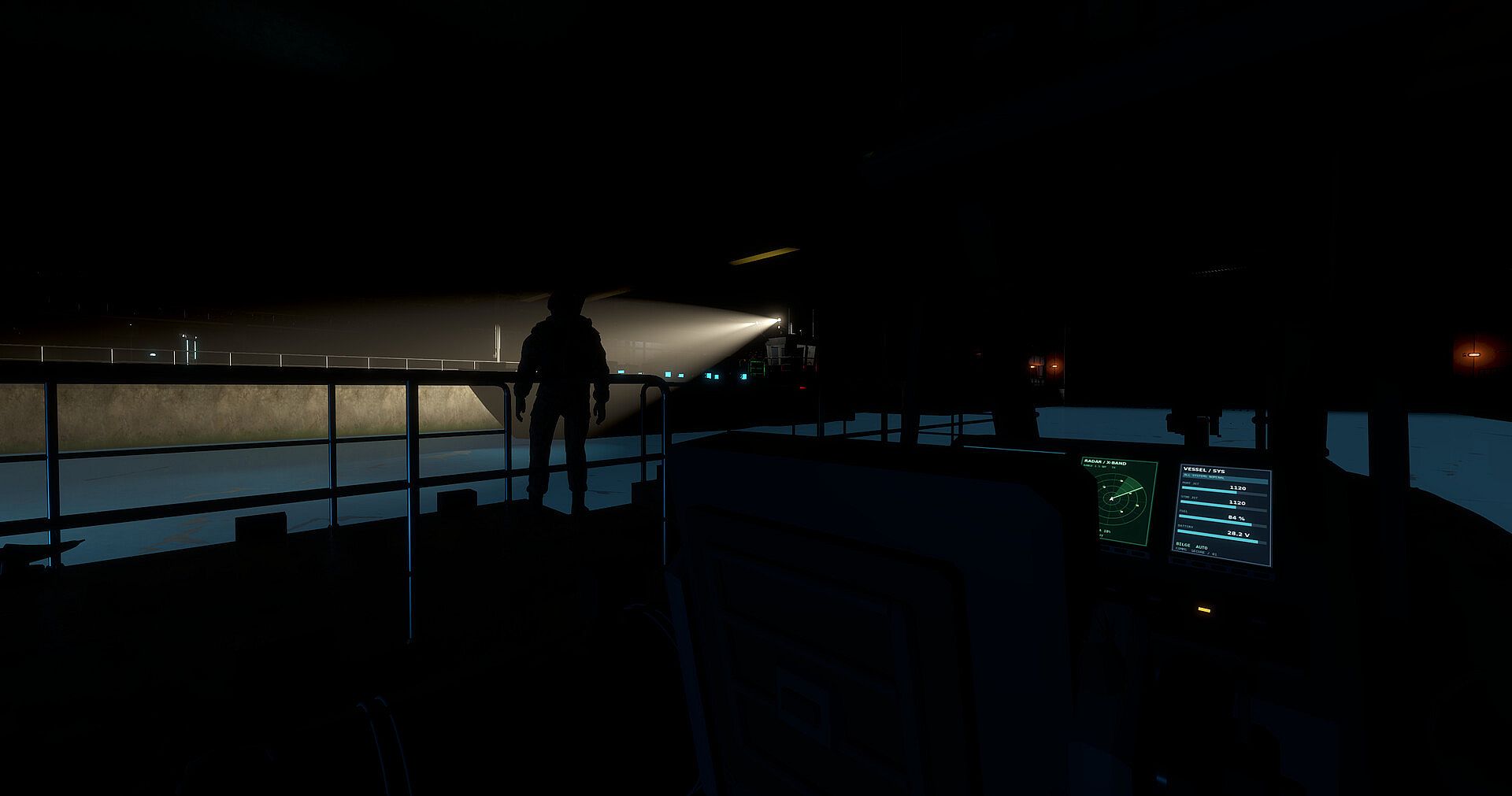
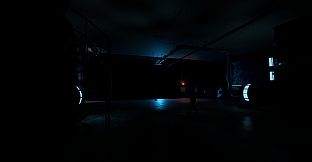
The fully simulated electrical grid stands out as a central feature, where every component can be shot, switched, or cut to create true darkness without any baked lighting. Guards react realistically to power loss by deploying headlamps and intensifying searches. Morale and mechanical issues can be created through direct actions like planting charges or indirect disruptions, all while managing the risk of bodies being found or radios going silent.
One optional list of standout systems includes the following:
- Live guard routines and group hunting behavior
- Persistent player knowledge across deaths
- Shootable and interactive lighting and power elements
- Multiple insertion options leading to varied starting conditions
Is It Worth Playing?
AirGap targets players who enjoy methodical stealth combined with systemic simulation and roguelite progression through knowledge rather than upgrades. The upcoming release in Q4 2026 means no player reviews or ratings are available yet, and the developer has not announced post-launch support details. Those drawn to detailed facility sabotage, adaptive AI opponents, and persistent learning across attempts may find the described systems compelling once it launches. The single-player focus and emphasis on clean, thoughtful playstyles set it apart from more action-oriented titles in the genre.