




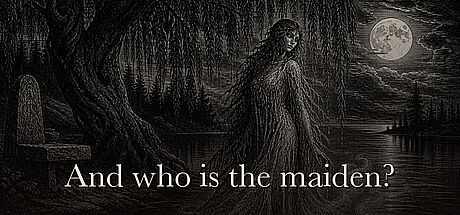




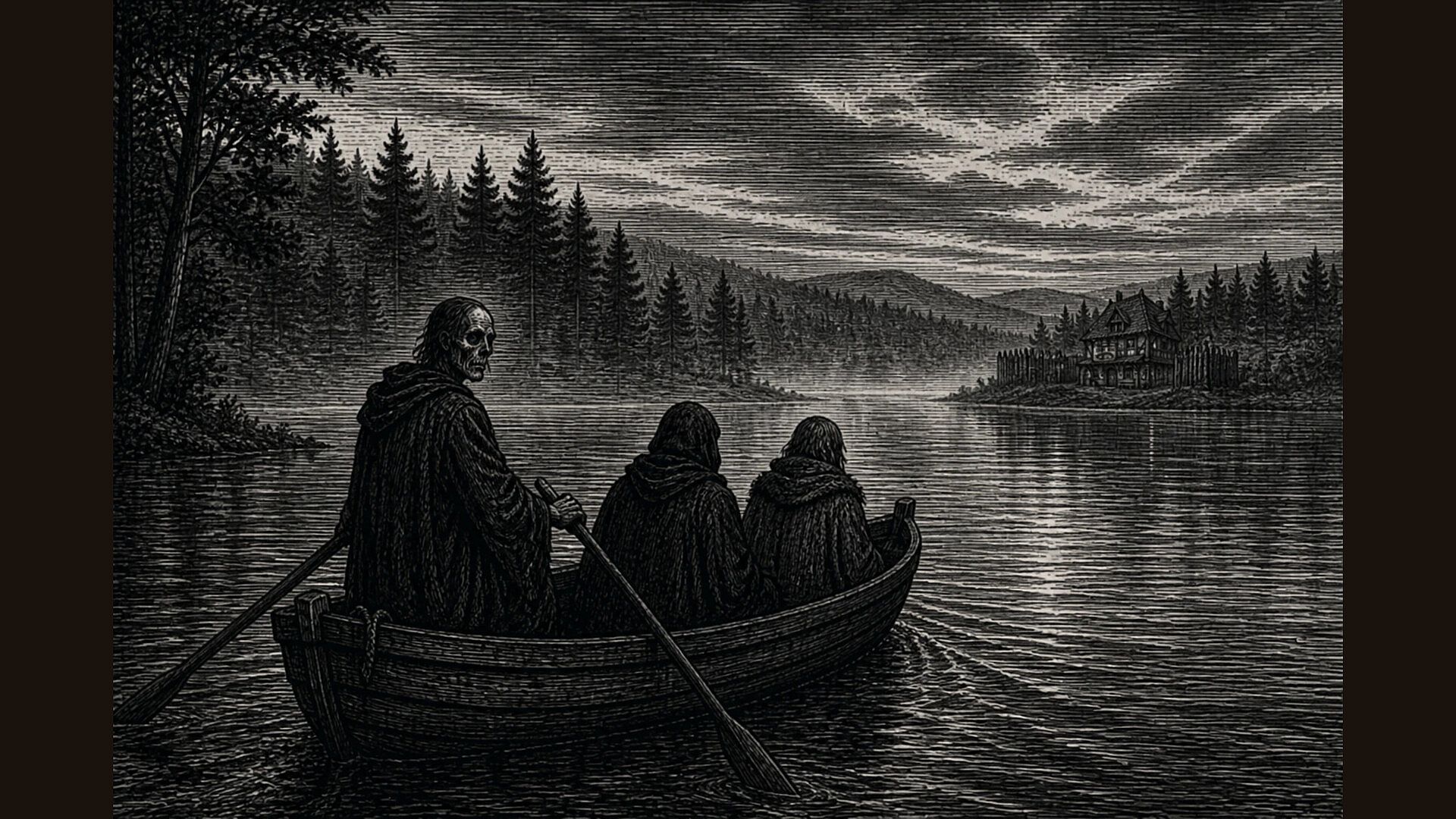


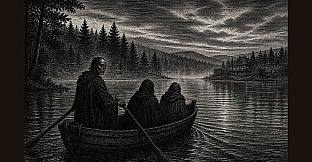


And who is the maiden? is an indie RPG adventure set on PC that centers on a narrative mystery unfolding by a lakeside village. Players step into the role of a traveler who arrives with three companions to probe a drowning incident in Sielany, where the shore itself seems to hold answers. The experience draws from Slavic folk traditions and the poem Świtezianka by Adam Mickiewicz, presenting a dark fantasy atmosphere filled with superstition, ritual, and moral ambiguity rather than action or combat focus.
Gameplay
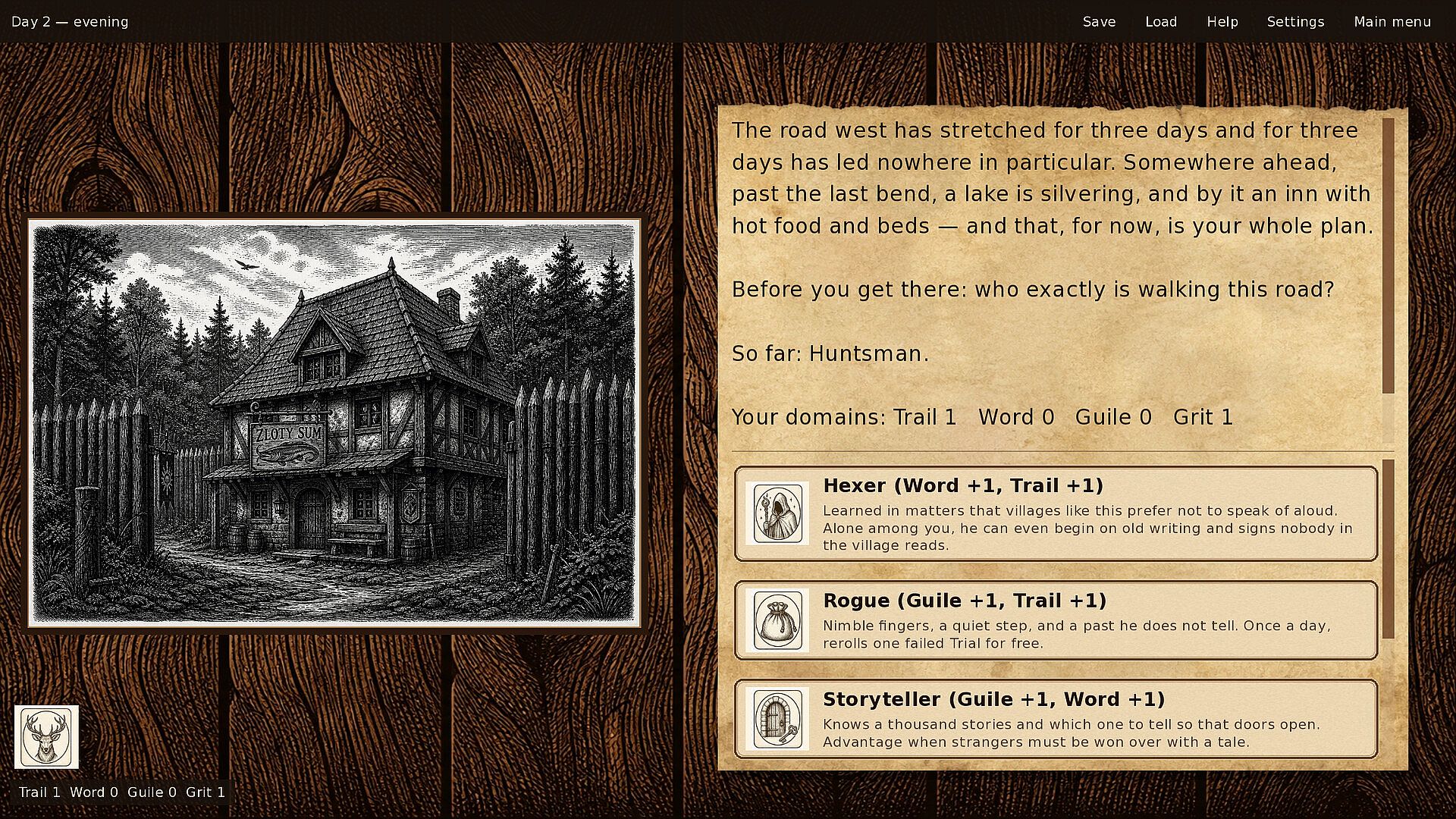
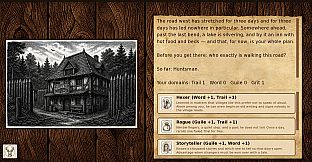
The core loop revolves around assembling a party of three companions chosen from six archetypes at the outset. Each companion brings strengths in one of four domains: Trail for exploration and tracking, Word for dialogue and persuasion, Guile for deception and subtlety, or Steel for direct confrontation. These domains influence every trial and investigation step that follows.
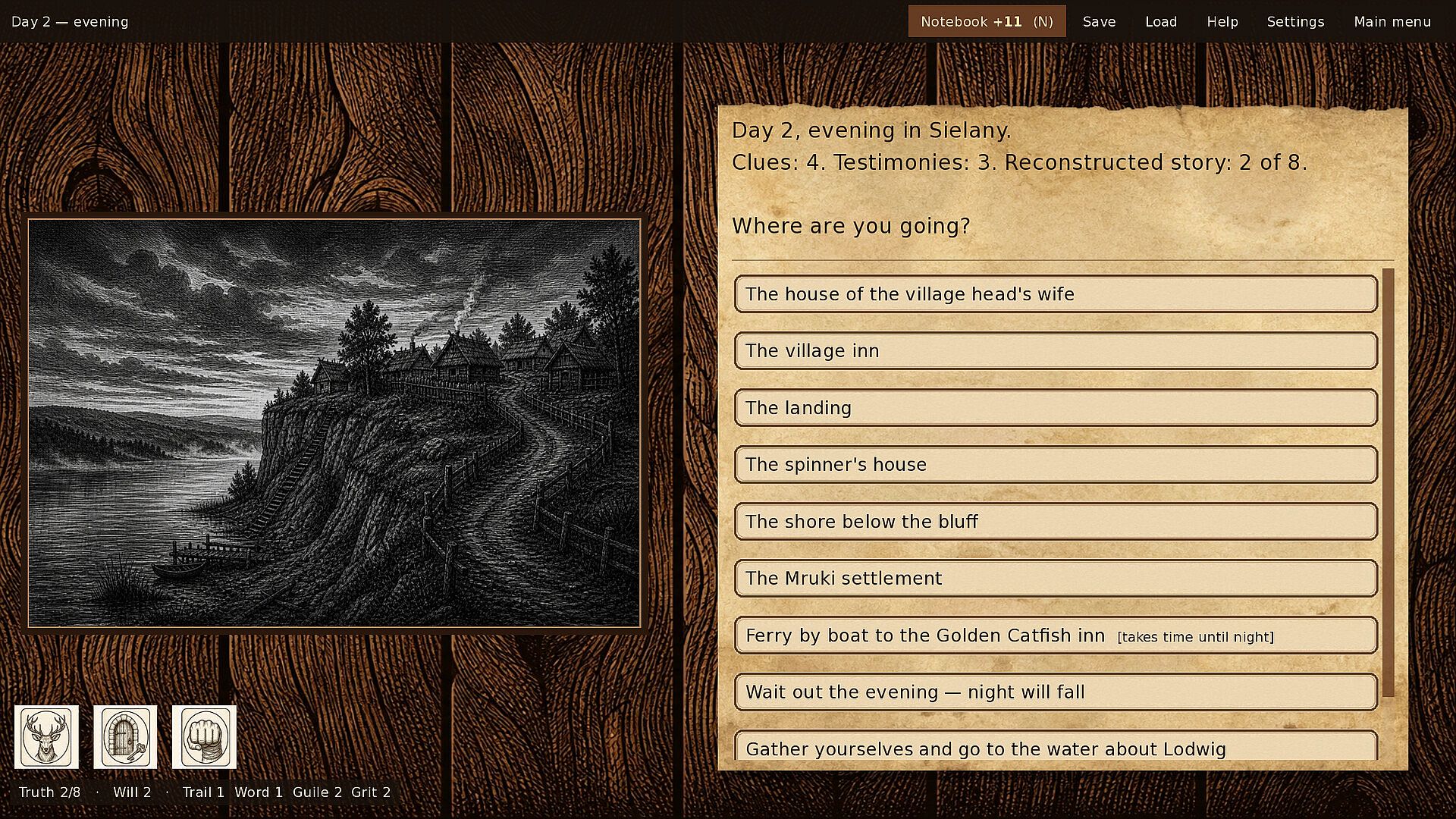
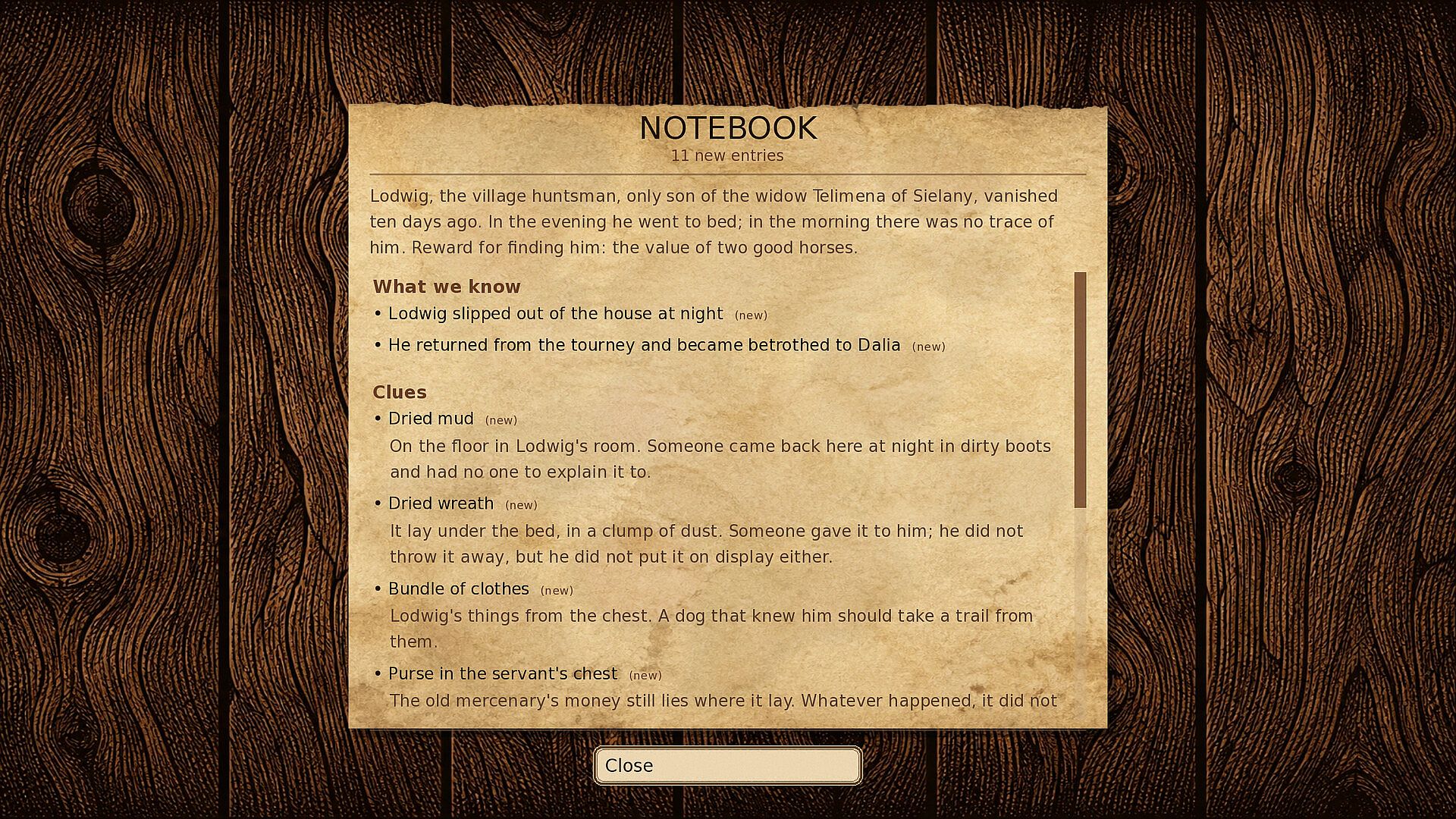
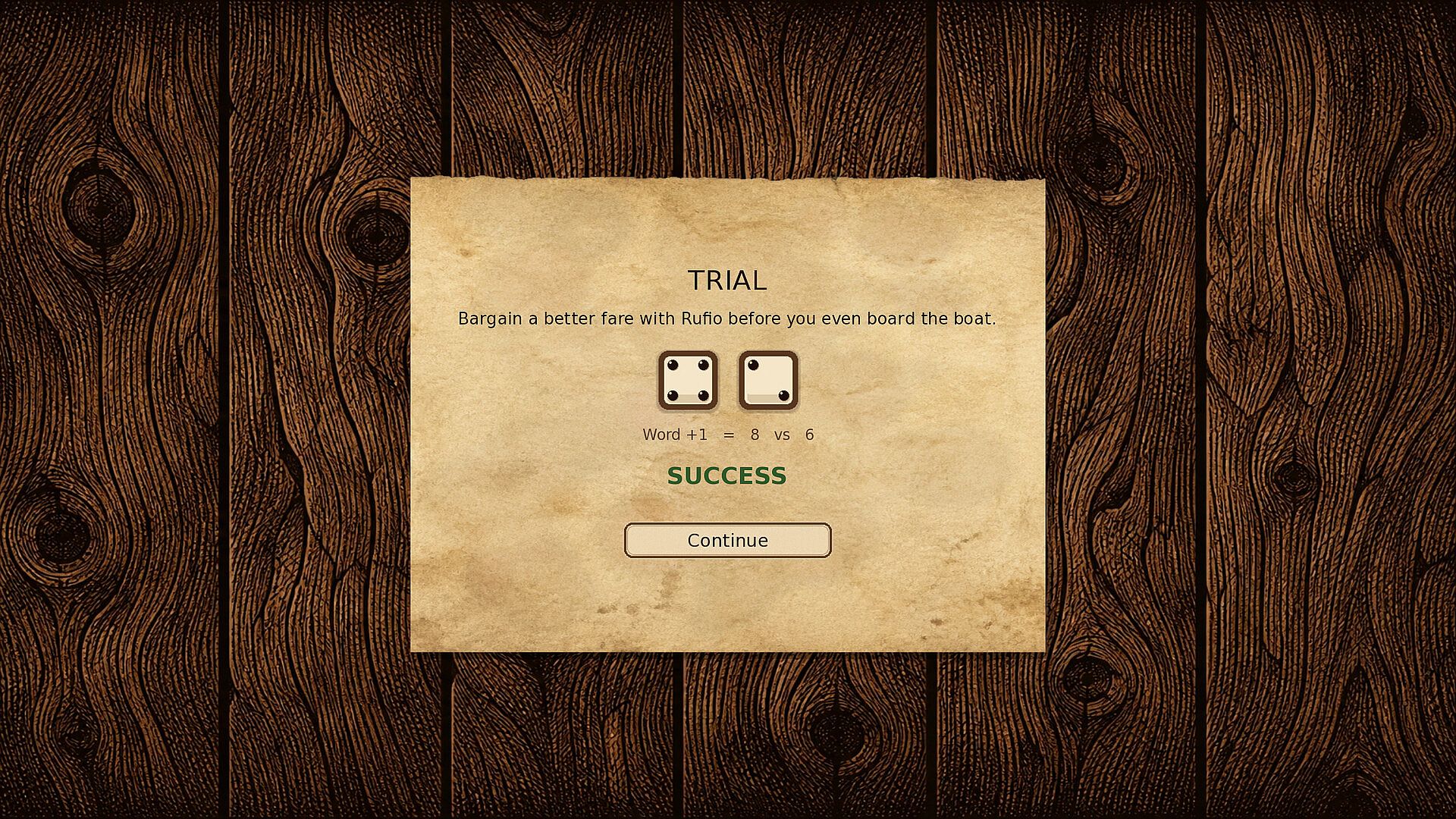
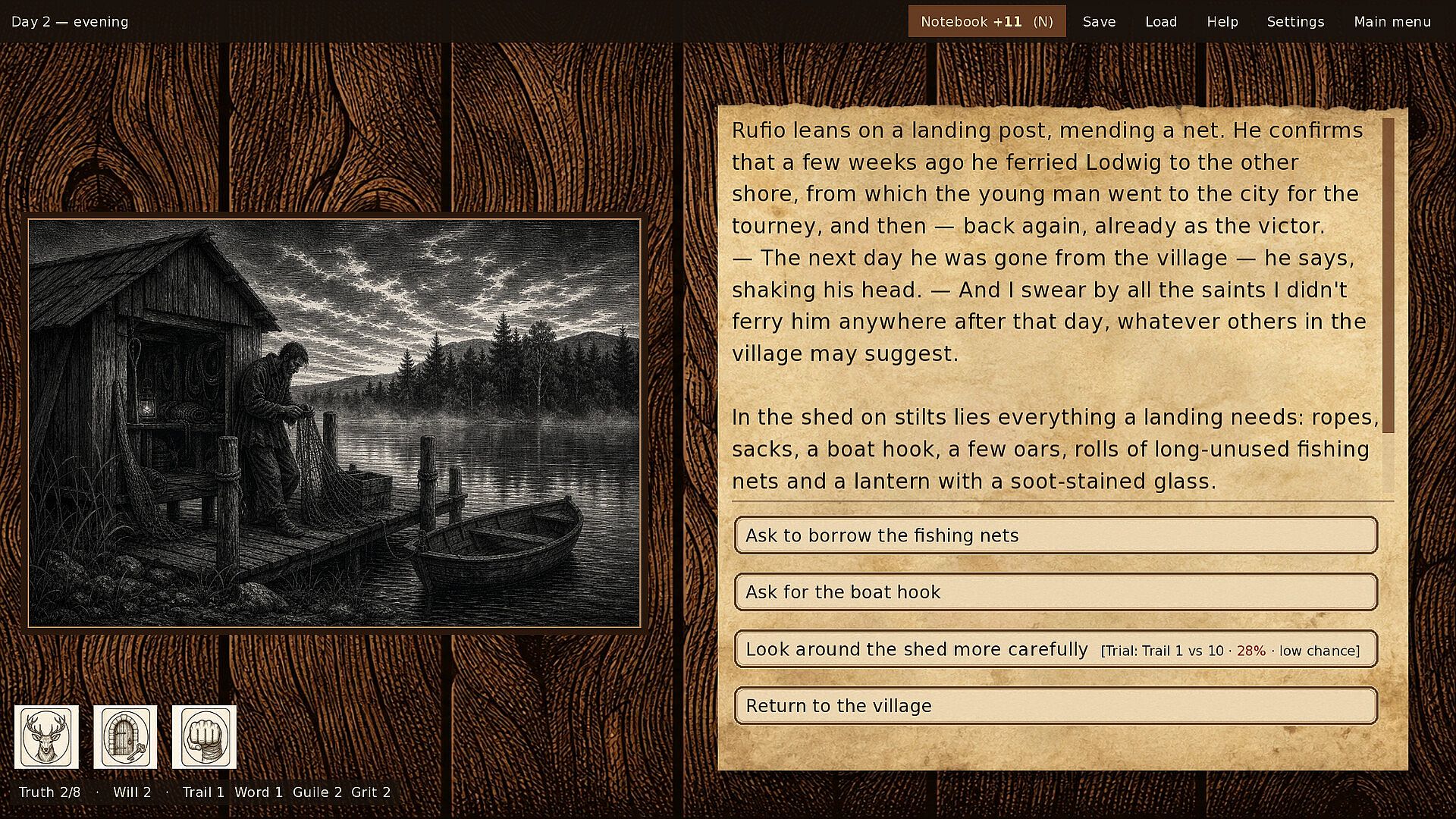
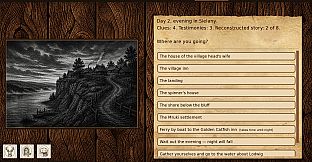
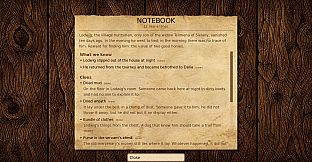
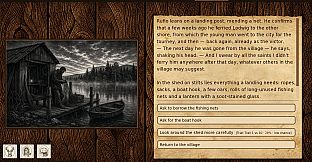
Players move through key locations in Sielany, including the manor, inn, dock, wild shore, and hidden spots the villagers prefer to keep secret. A detective's notebook records clues and testimonies that persist across the limited days available before the water claims its due. Risky choices during scenes of investigation or testimony resolve through dice checks tied to the party's domain strengths. A resource called Will allows players to override a failed roll once per situation when luck turns against them.
Interactions with both the living residents and whatever rises from the lake shape the path forward. Dialogue options and ritual decisions determine which threads of evidence gain weight and how the story resolves. The visual style uses woodcut illustrations paired with a parchment-style interface, while the soundtrack stays rooted in the watery, folk-inspired setting.
Game Modes
The game operates as a single-player narrative experience built around investigation, testimony gathering, and choice-driven progression. There are no separate multiplayer or competitive modes. Instead, the structure emphasizes replayability through different starting companion selections and varied paths through the village locations. Each playthrough lasts a handful of in-game days, with the notebook carrying forward accumulated knowledge to influence later decisions.
Trials appear as integrated dice-based checks during key moments, blending narrative outcomes with mechanical risk. The focus remains on reading scenes, weighing trust, and managing the party's domain strengths rather than traditional leveling or resource management systems.
Story and Endings
The narrative follows the drowning of a young man in Sielany and the questions that surface about a mysterious maiden tied to the lake. Eleven distinct endings emerge depending on which companions join the party, which clues receive attention, and how players respond during confrontations with both villagers and the lake's own presence. These conclusions range from acts of mercy and bargains to violence, silence, or outcomes the village refuses to name.
The story originates from the award-winning scenario A kto dziewczyna? by Adam Wołoszczuk, a finalist in the Quentin 2019 competition for best RPG writing. Choices made early and throughout determine not only the final outcome but also the tone of the epilogue that follows the central investigation and confrontation phases.
Is It Worth Playing?
This title suits players who prefer choice-heavy, story-first adventures over action or open-world exploration. The limited timeframe and persistent notebook create a focused detective rhythm that rewards careful observation and companion selection. Multiple endings encourage additional playthroughs to explore alternate truths and shore paths.
Availability on Windows, macOS, and Linux with controller support and Steam Deck compatibility broadens access for those who enjoy narrative RPGs on varied hardware. The dark Slavic fantasy tone and folk-ballad inspiration provide a distinct atmosphere for anyone drawn to superstition-laden mysteries rather than high-fantasy heroics. Those seeking a compact, replayable experience centered on investigation and moral decisions will find the structure aligns closely with that preference.












