


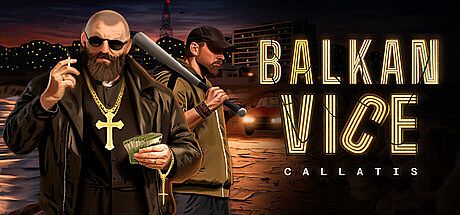


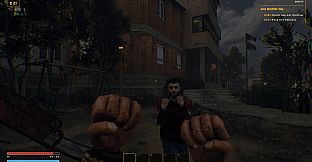
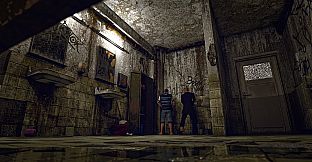

Balkan Vice: Callatis is an open-world casino management RPG set in a post-communist Black Sea resort city during the early 2000s. Players take on the role of Florin, a young man looking for a place to belong, as he arrives in Callatis and begins building a casino business while forming connections with locals. The game blends elements of action, indie development, RPG progression, simulation mechanics, and adventure storytelling on PC.
Gameplay
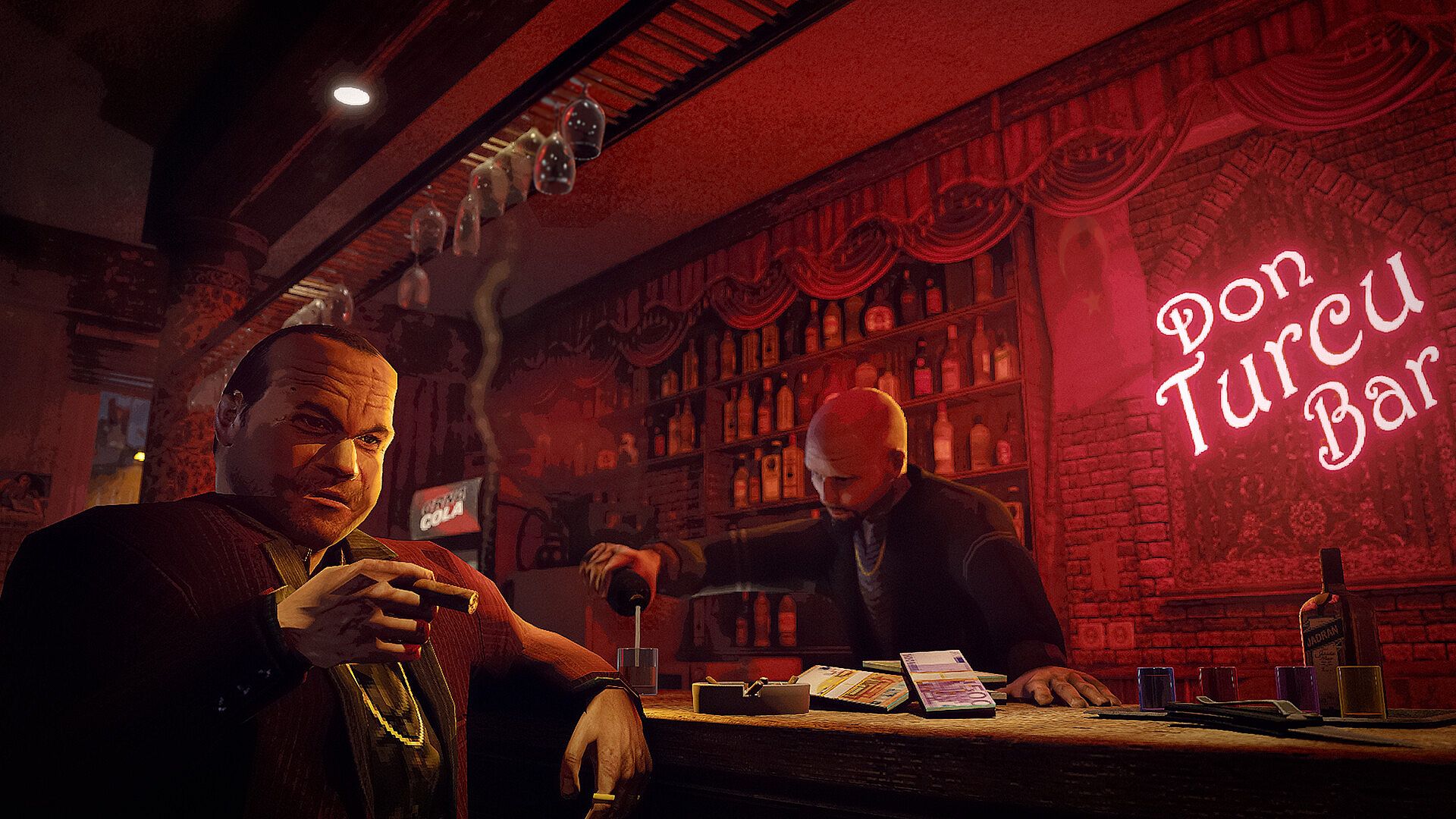
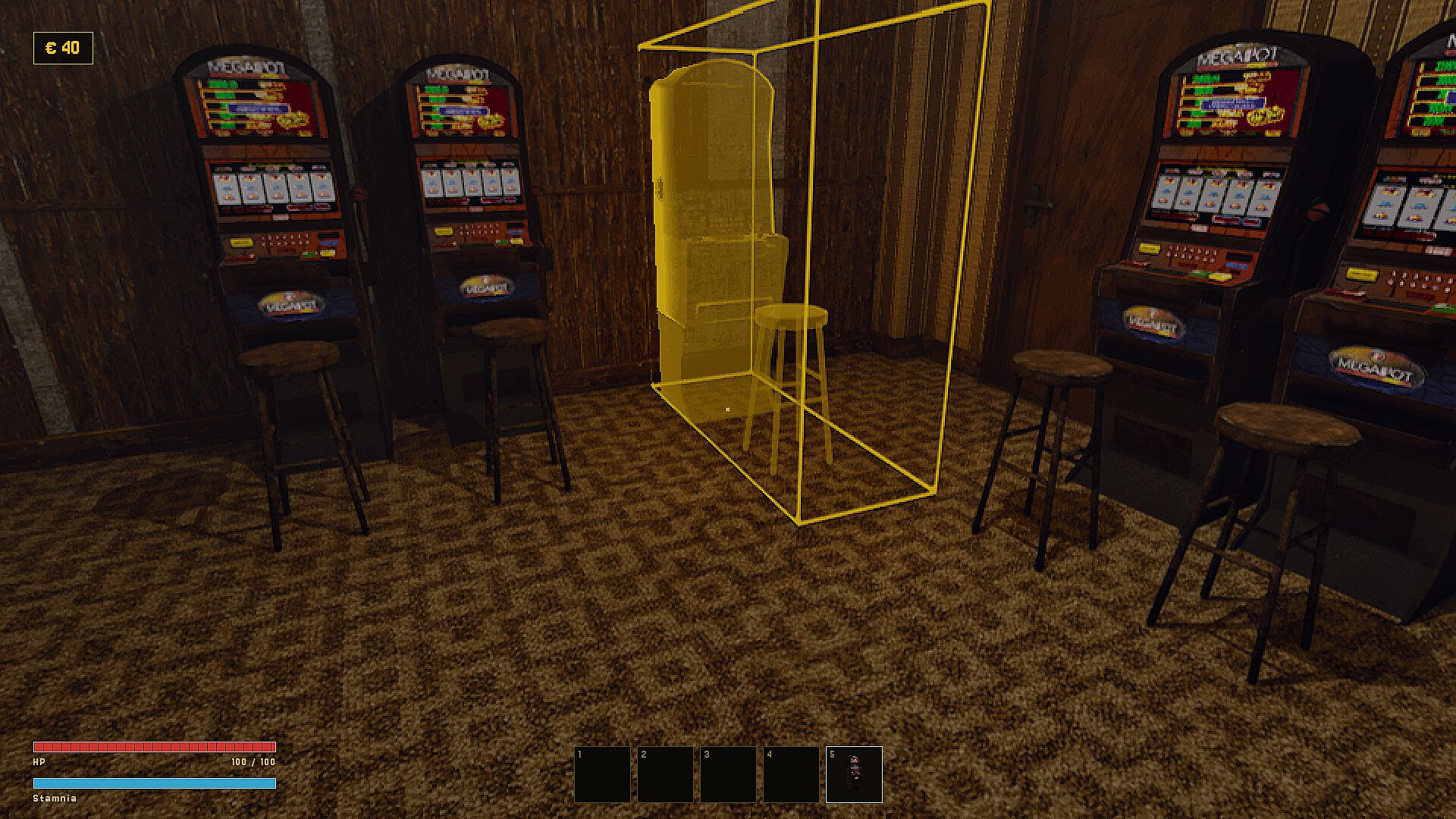
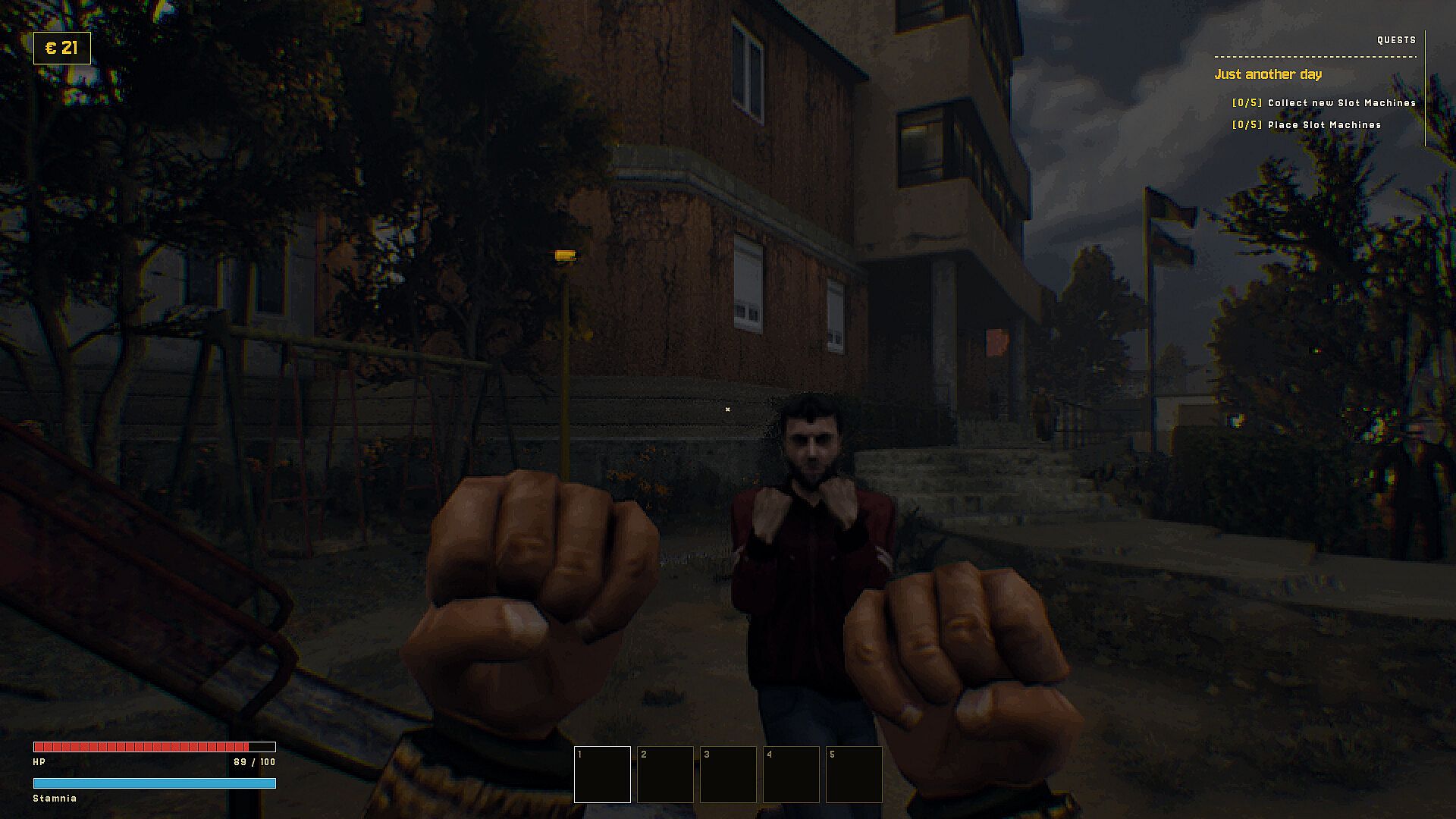
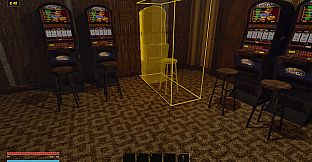
The core loop centers on managing a growing casino operation in a detailed urban environment. Players start by acquiring and positioning slot machines throughout the property, then adjust individual win rates to balance profit margins against the risk of detection. Interactions with each machine allow fine-tuning of payouts while keeping operations discreet enough to avoid immediate suspicion from patrons. Success in these adjustments generates revenue that funds further expansion, but overzealous tweaks can lead to confrontations where angry customers damage equipment.
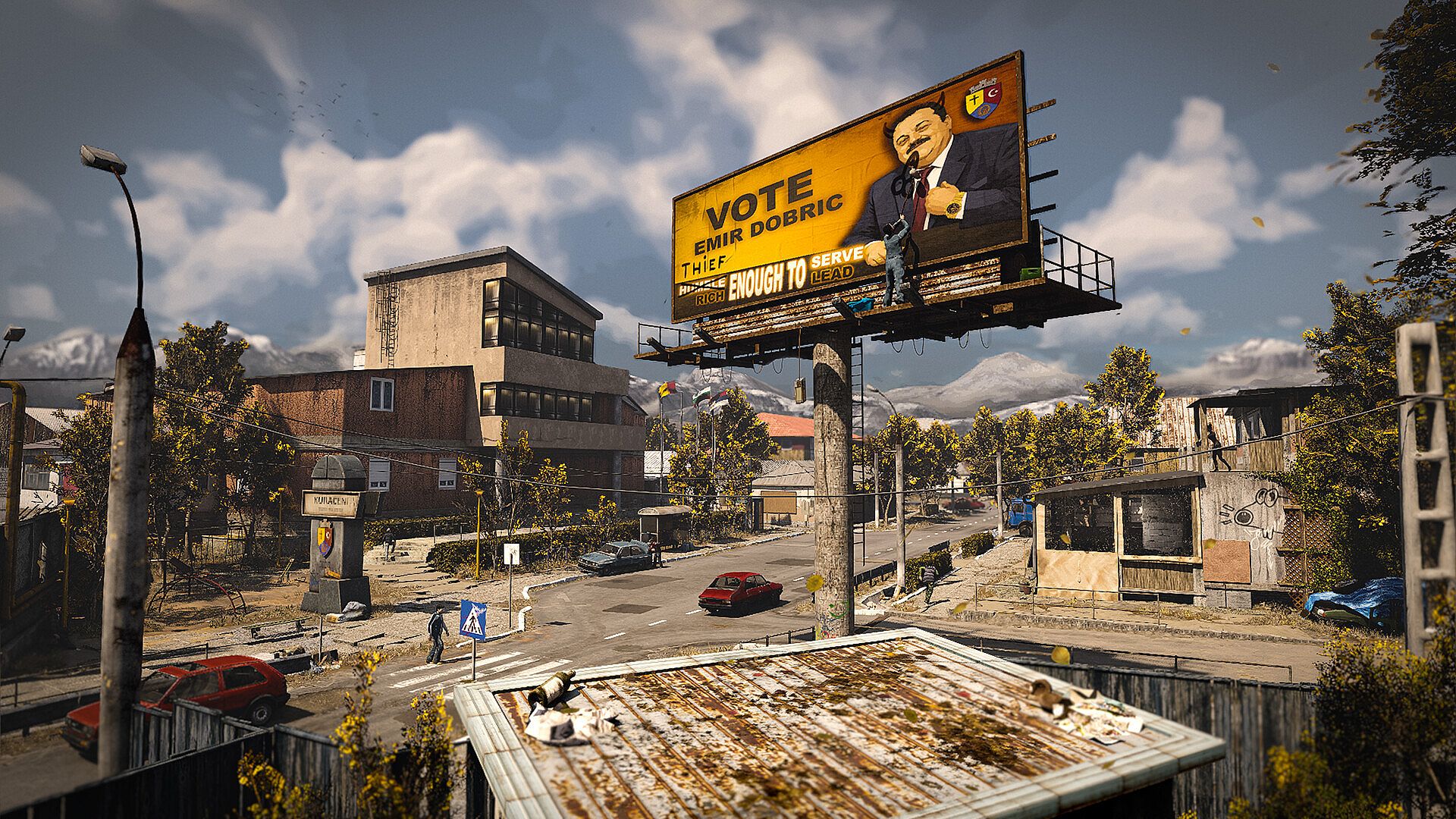
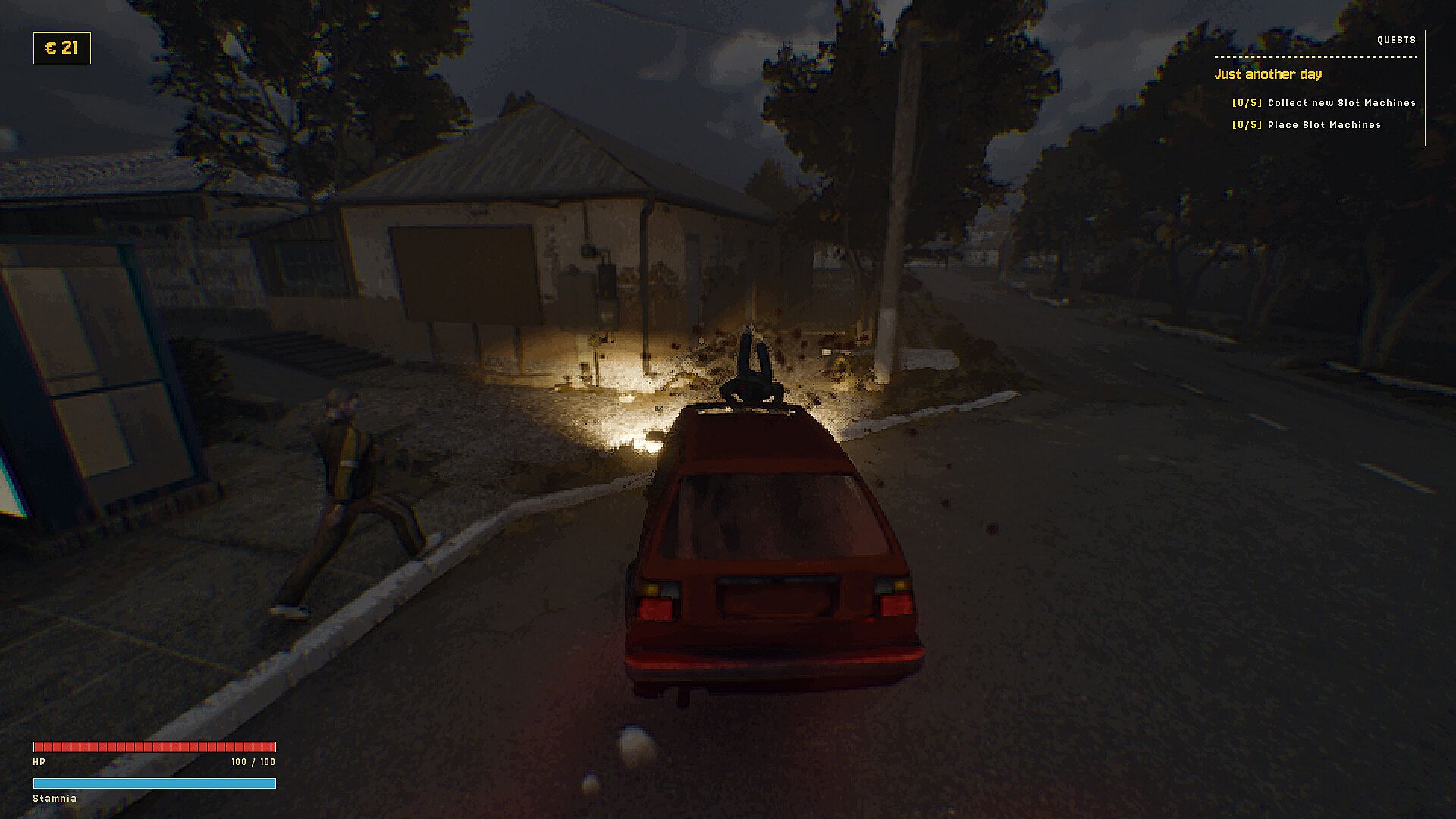
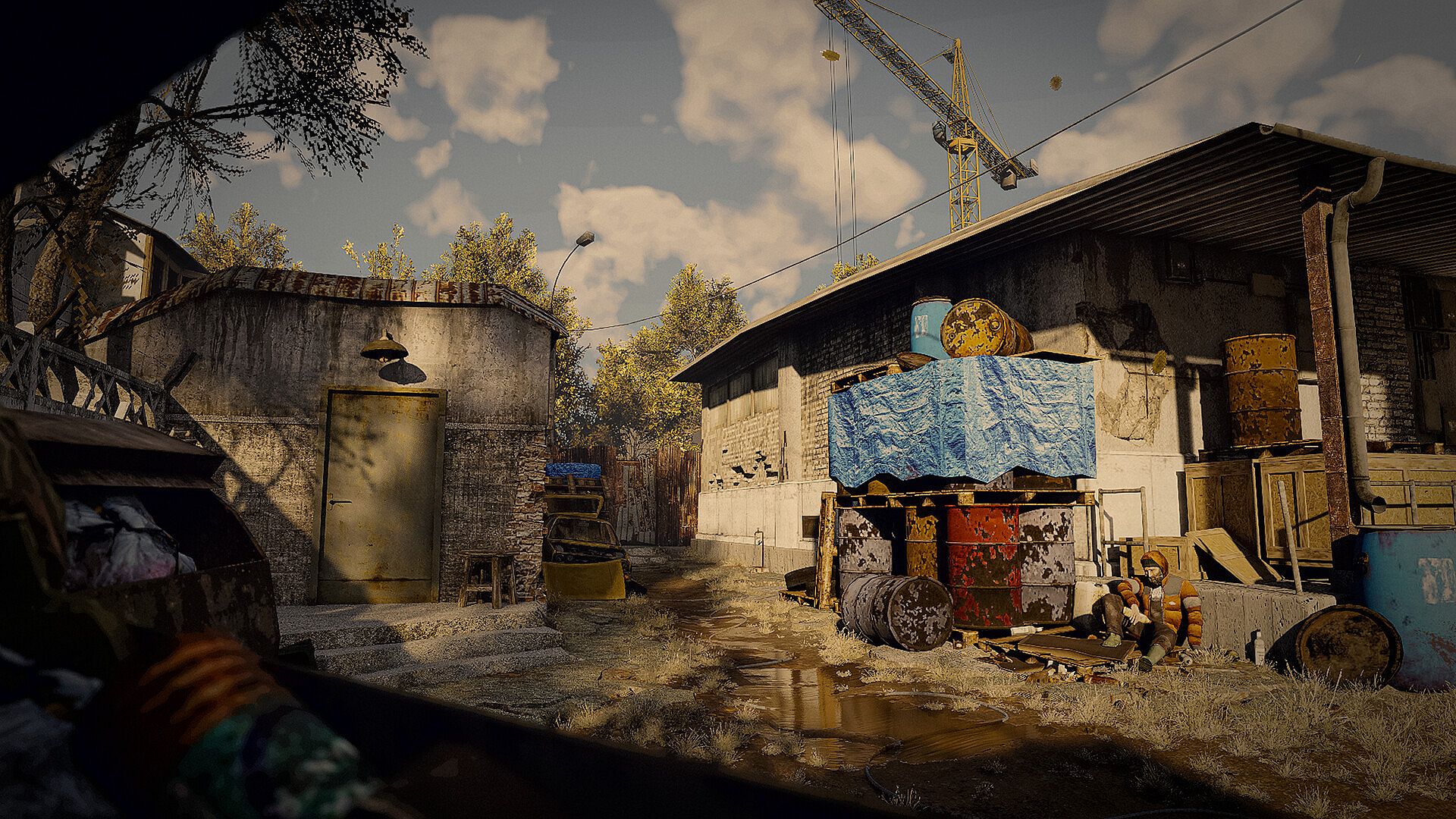
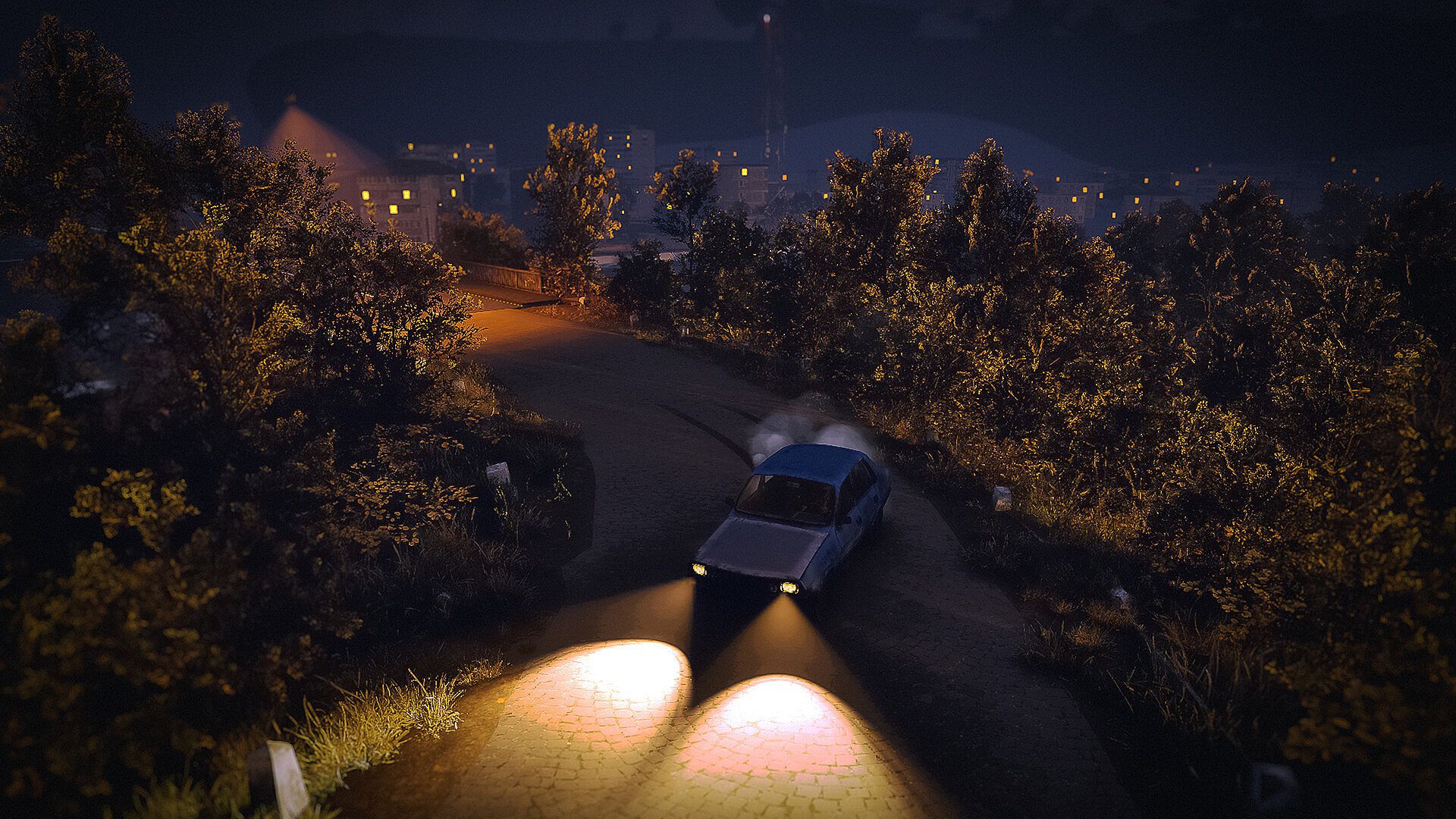
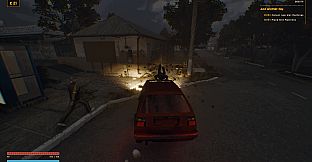
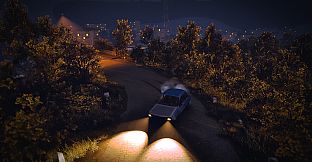
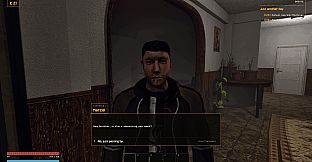
Exploration forms another key pillar. Free-roam driving lets players navigate the city streets at their own pace, passing concrete apartment blocks, aging seaside hotels, shipyard cranes, and the coastline. This movement supports both business logistics and personal story advancement. Missions arise naturally through conversations with residents, revealing individual needs and offering opportunities to complete tasks that strengthen ties to the community. These interactions shape Florin's sense of belonging without relying on traditional quest markers.
Progression ties directly to business growth and relationship building. Each profitable decision increases stakes, as accumulated assets and social bonds make it harder to disengage from the life being constructed. The setting emphasizes a fading resort atmosphere where opportunity mixes with underlying tension from the post-communist era.
Game Modes
The experience operates as a single-player title with no separate multiplayer components. Core activities integrate seamlessly into one continuous open-world session rather than distinct modes. Players manage casino operations, undertake story-driven missions, and explore the city map freely within the same playthrough. This unified structure encourages experimentation with machine placement and tuning alongside narrative choices that influence acceptance among Callatis residents.
Driving and free-roam elements support all other systems without requiring switches between dedicated modes. Business decisions carry consequences that affect both financial stability and personal connections, creating a layered loop where management, exploration, and dialogue feed into each other continuously.
Story and Setting
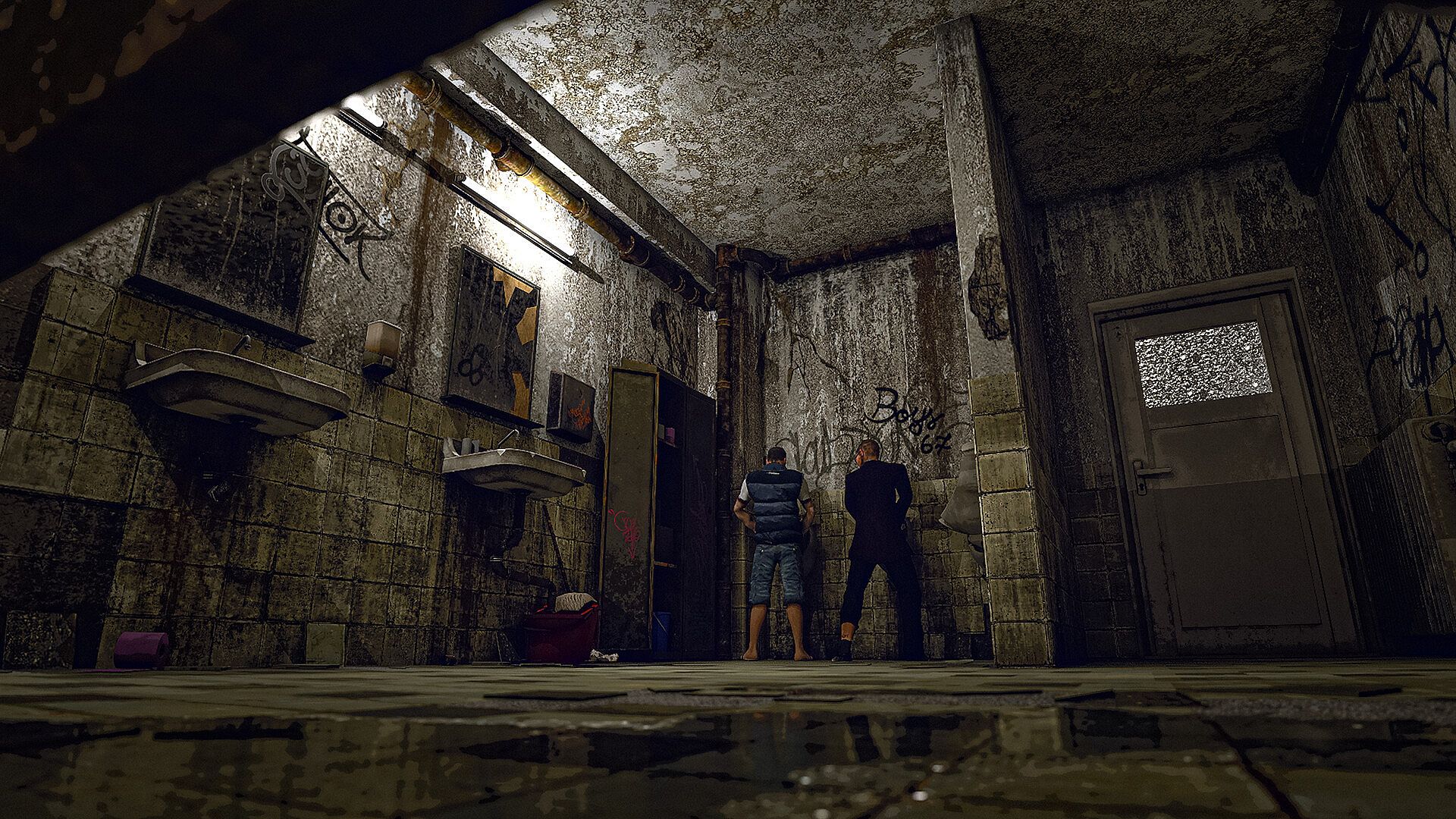
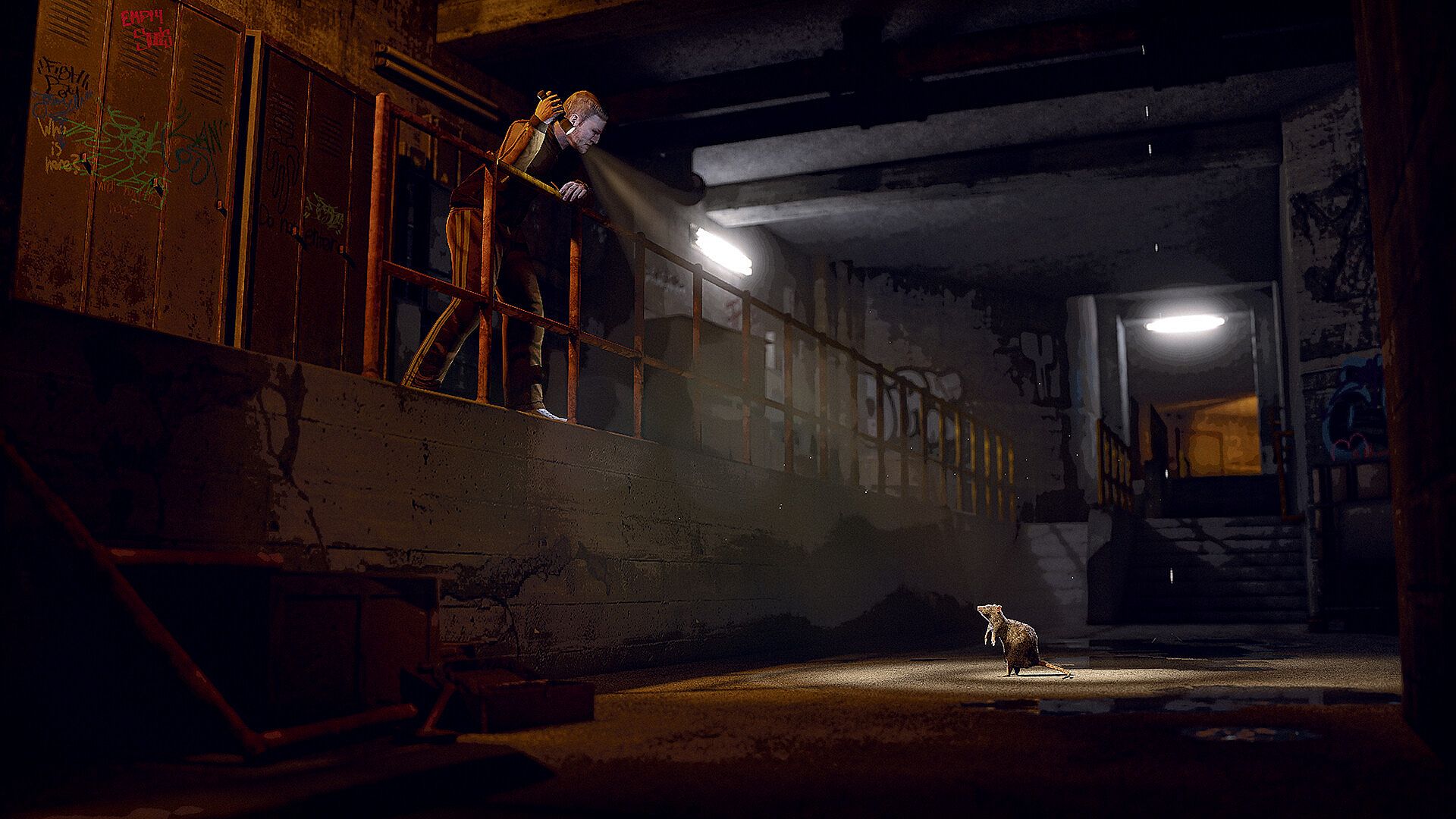
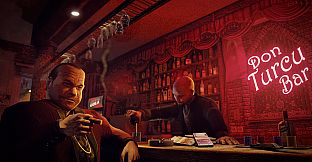
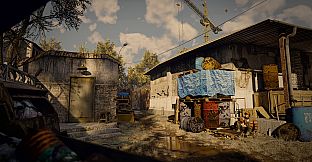
Florin's narrative unfolds through the people encountered and the work performed for them. Missions provide insight into local needs while gradually embedding the protagonist in the social fabric of the city. Every completed task adds another layer of attachment, reinforcing the central theme that success brings greater difficulty in walking away. The post-communist backdrop of Callatis supplies visual and atmospheric context, with its mix of concrete architecture, seaside decay, and lingering industrial elements shaping daily life and business prospects.
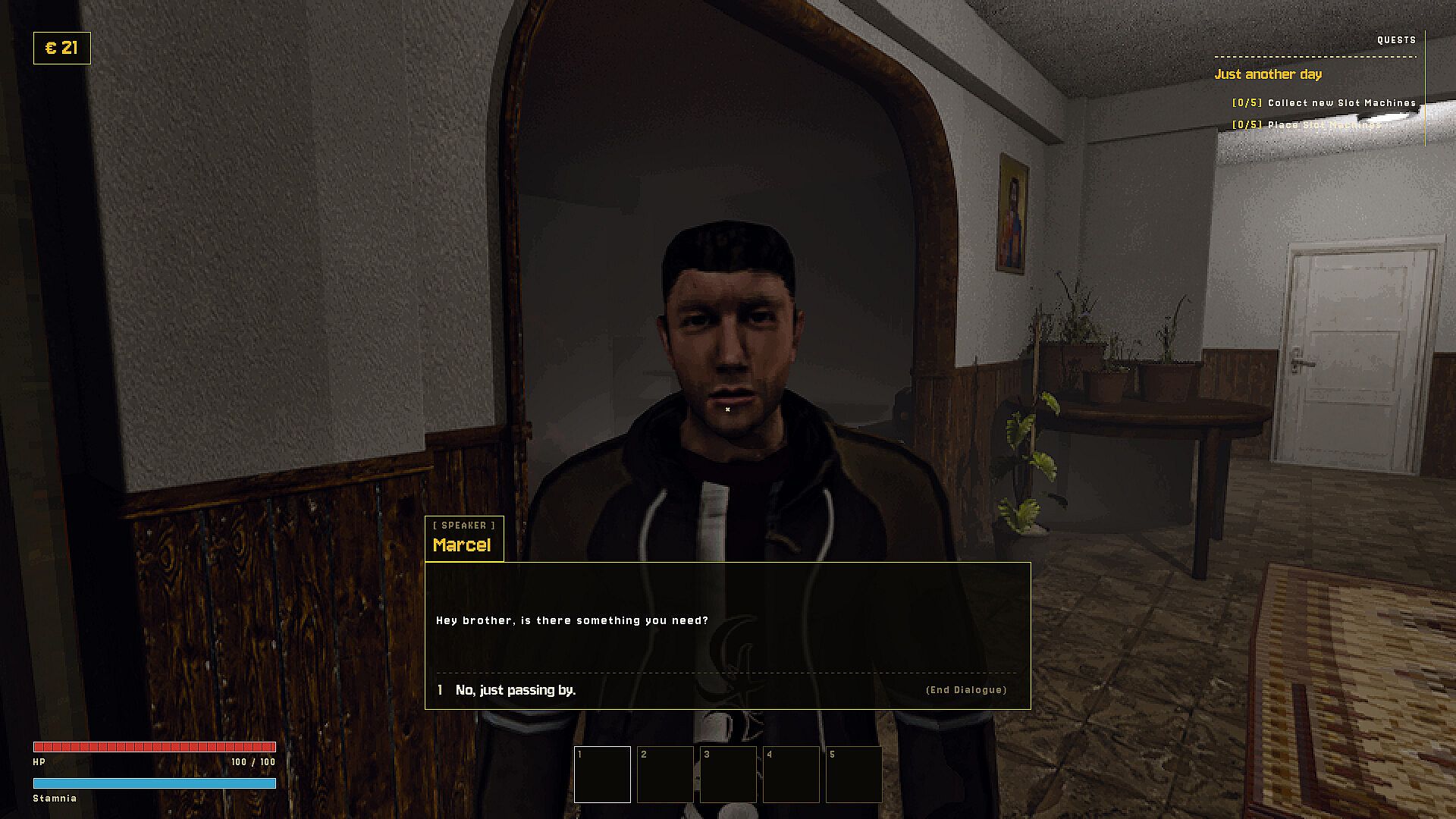
Dialogue and mission outcomes determine how deeply Florin integrates. Players learn about residents' motivations and challenges through direct interaction, turning routine tasks into meaningful steps toward acceptance. This approach keeps the story grounded in the player's actions rather than linear cutscenes.
Is It Worth Playing?
Balkan Vice: Callatis targets players interested in management simulation combined with open-world exploration and light RPG elements. The focus on casino mechanics, such as machine placement and win-rate adjustments, offers a distinctive loop for those who enjoy incremental business building with risk-reward tension. Free-roam driving and mission-based social interactions add variety for fans of atmospheric single-player adventures set in unique historical contexts.
Since the game remains unreleased with no user reviews available, its appeal rests on the described systems of discreet profit management, city navigation, and relationship development. Those drawn to indie titles that merge simulation depth with narrative progression through everyday activities may find the premise engaging once it launches. Availability will be limited to PC at release, with system requirements supporting mid-range hardware for the open-world elements.












