






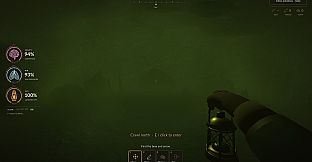
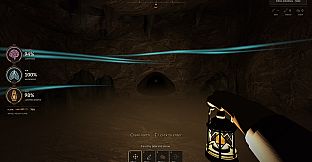
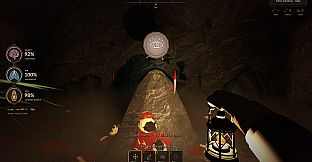
Beast Hunt is a first-person survival horror game built around deduction and careful resource management in a procedurally shifting cave system. Players navigate tight tunnels and open grottos while tracking an unseen predator through indirect evidence rather than direct confrontation until the final moment.
Gameplay
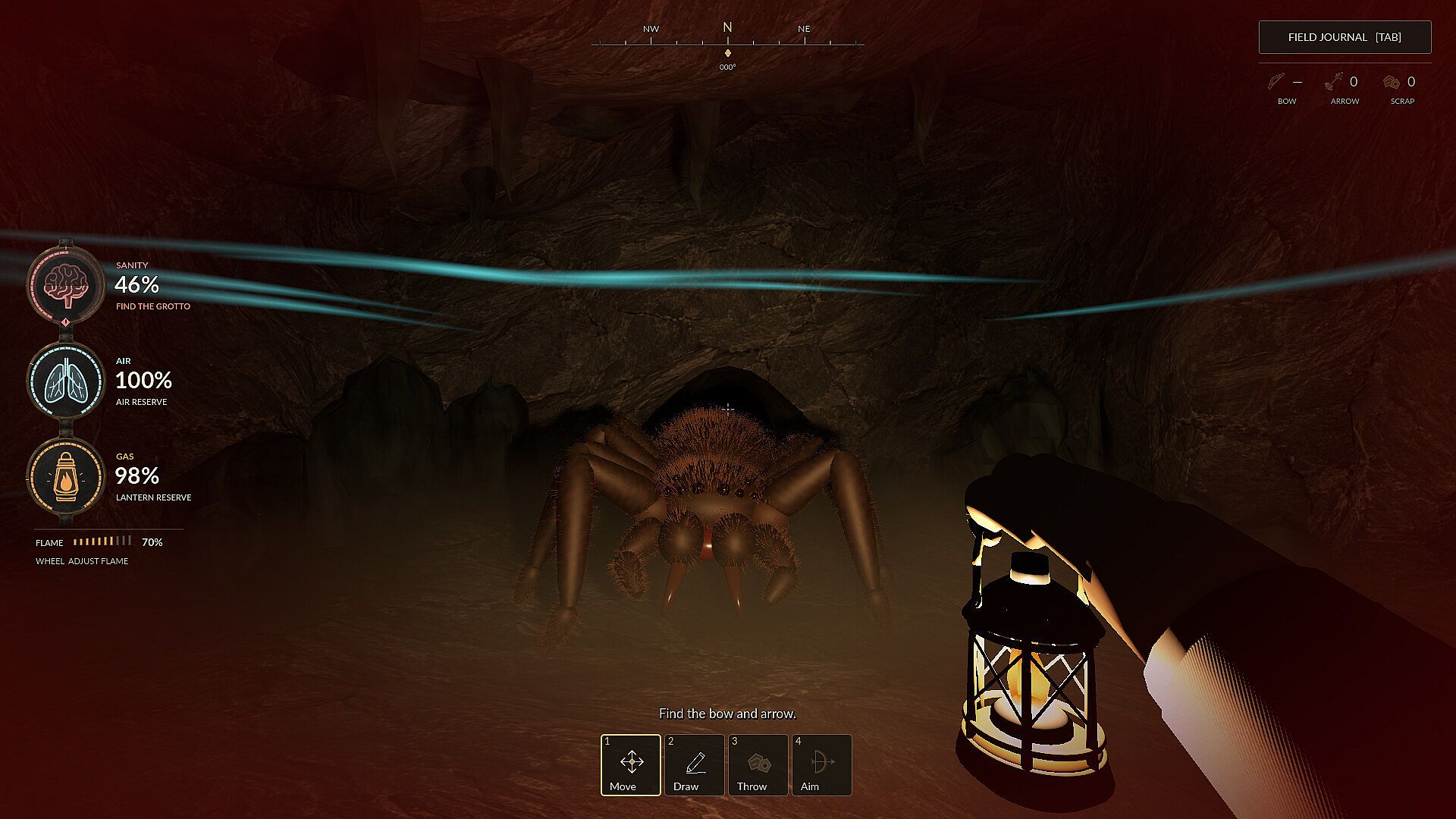
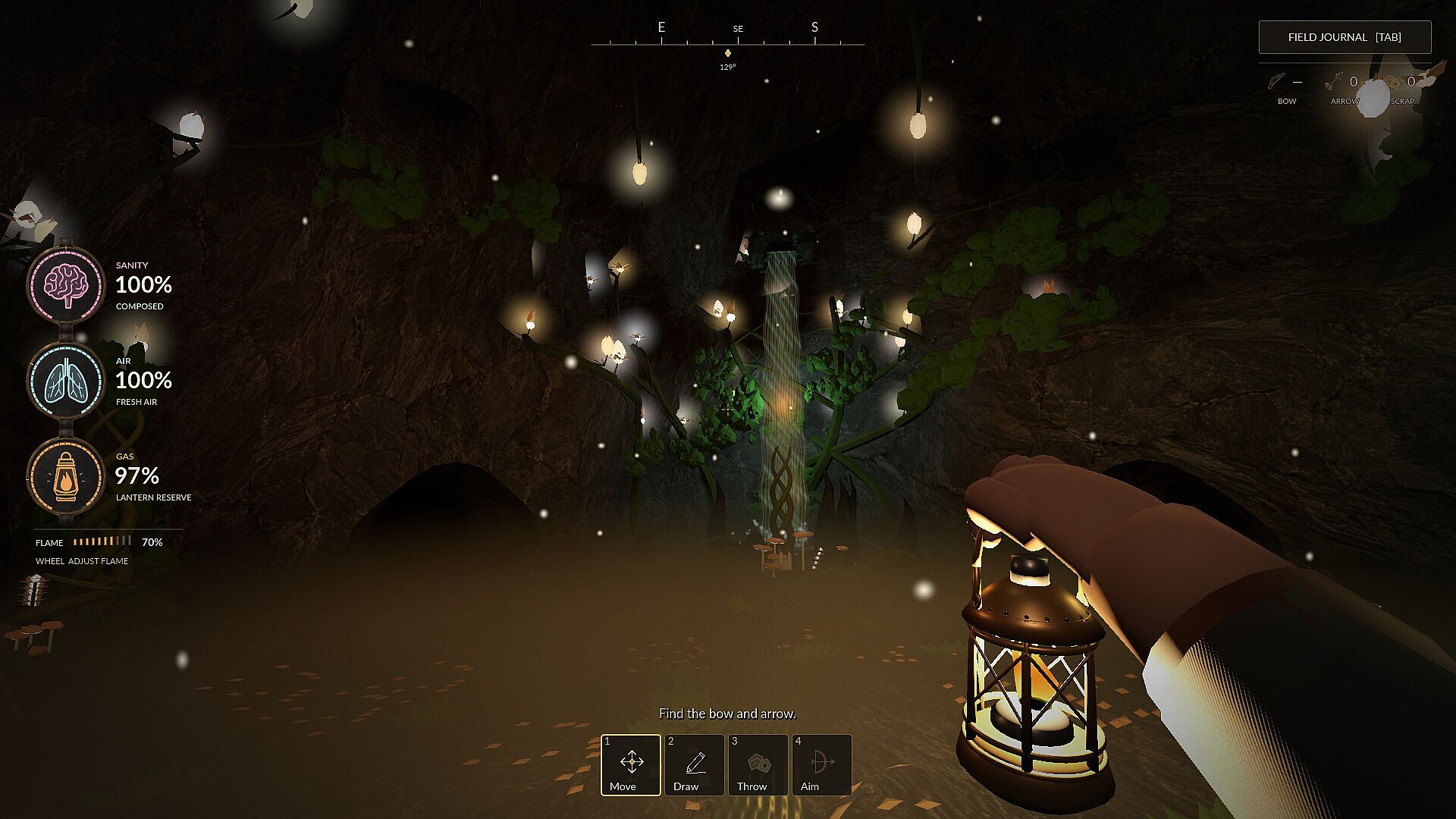
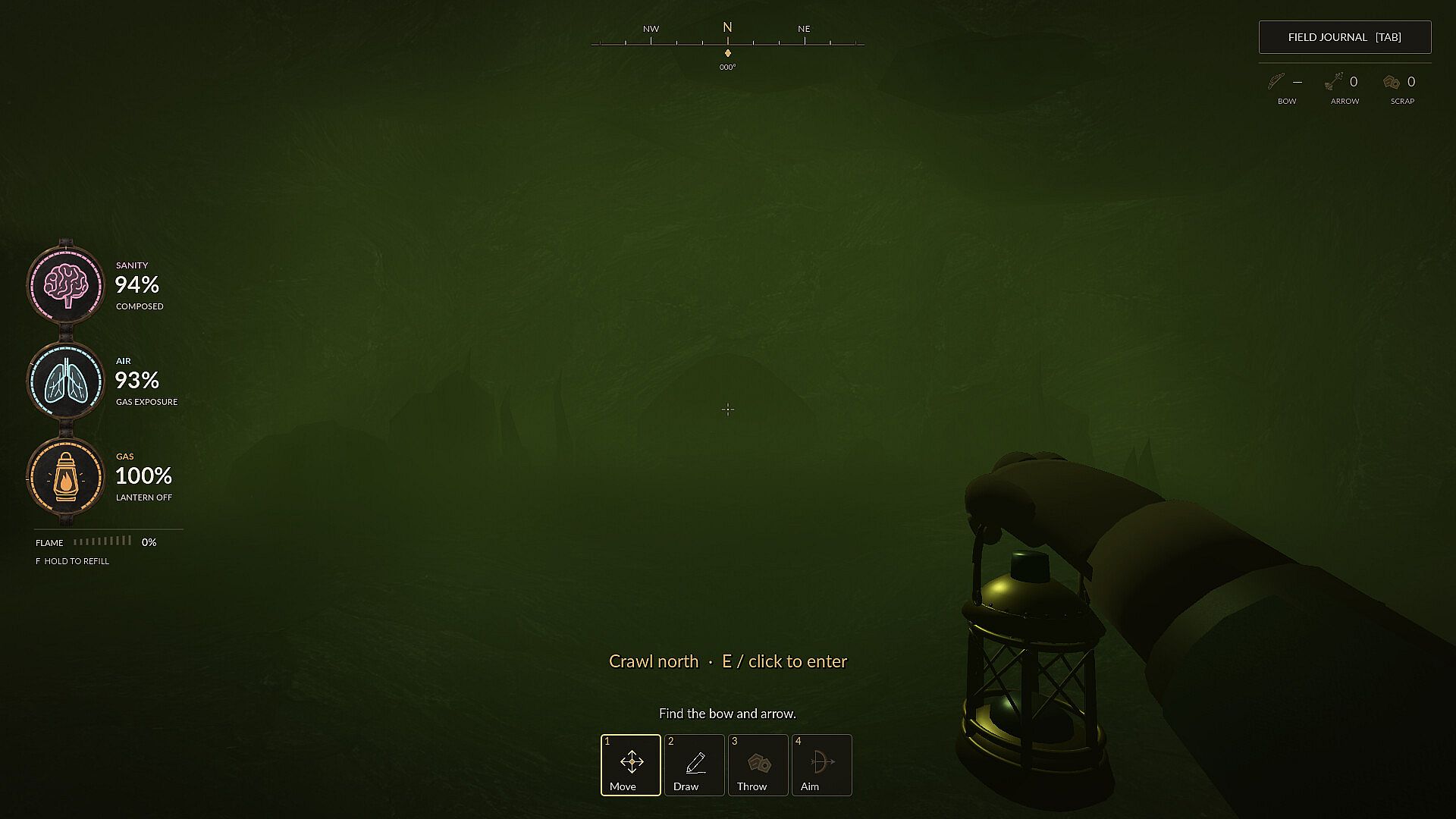
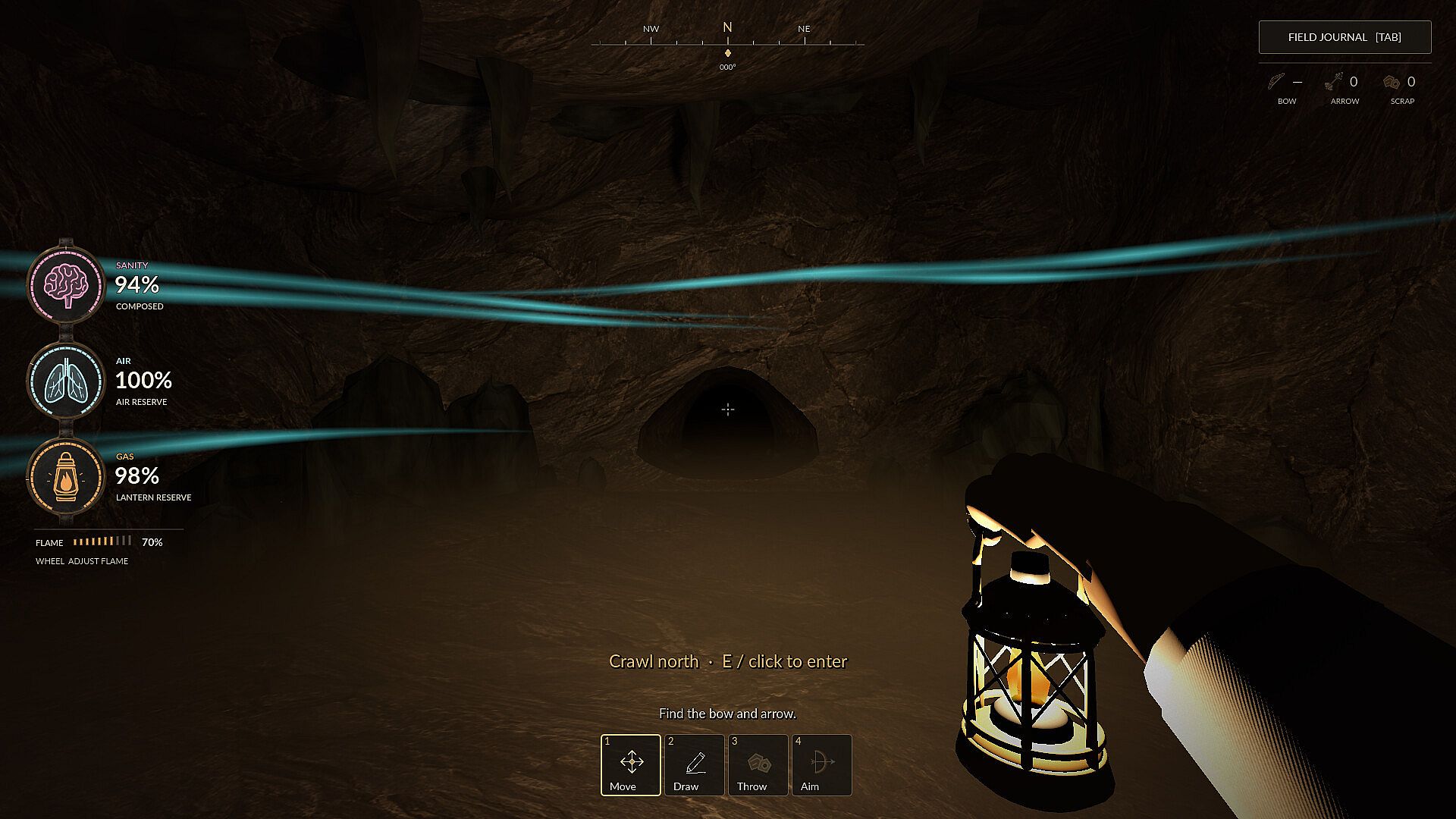
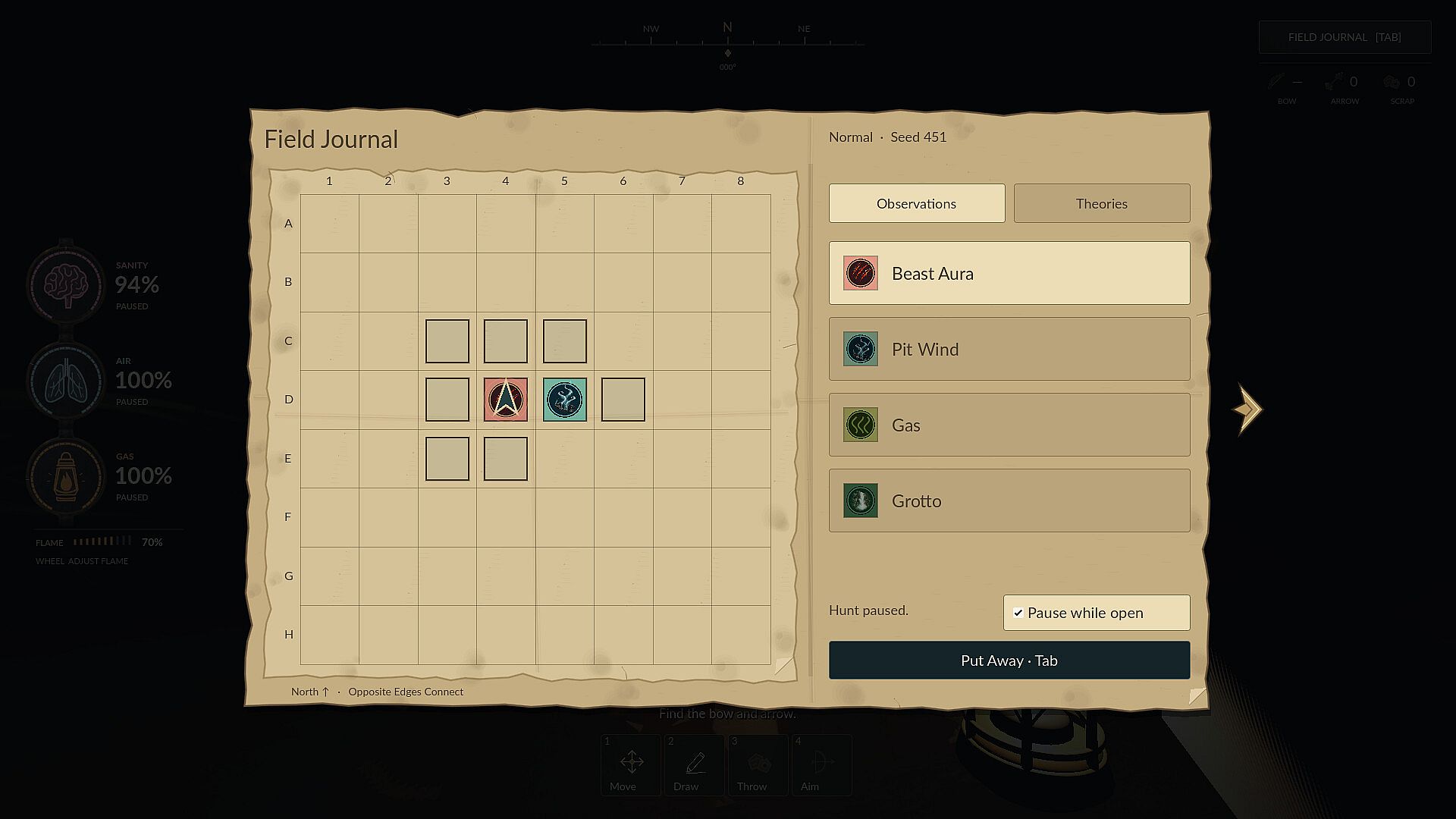
The core loop centers on exploration and observation. Light sources reveal details in the darkness but consume fuel at different rates depending on brightness settings. Narrow passages restrict movement and deplete air supply, while certain areas introduce gas hazards that make open flames risky. Sanity levels influence how the environment behaves, with lower values drawing additional threats closer during prolonged stays in the dark.
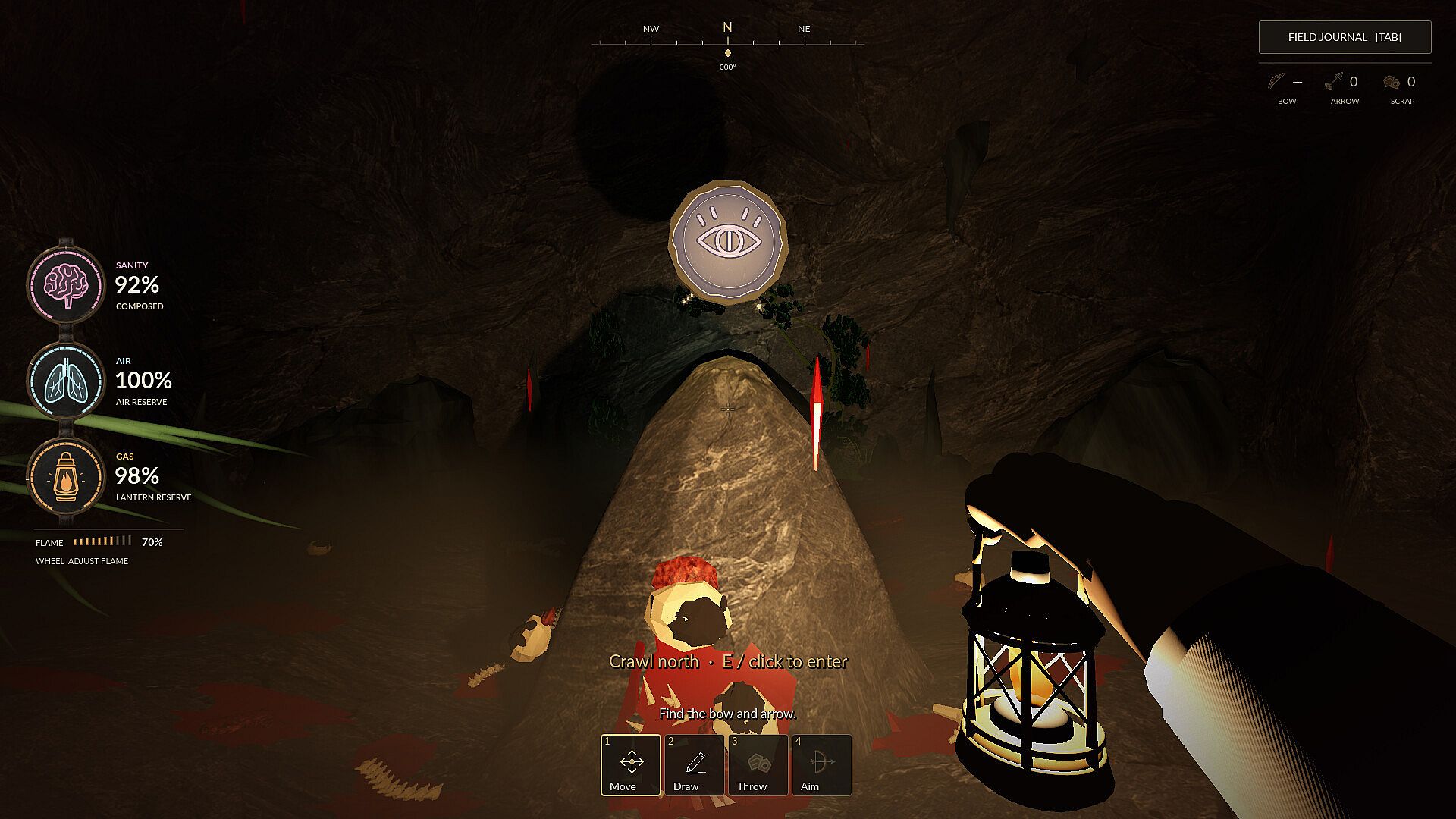
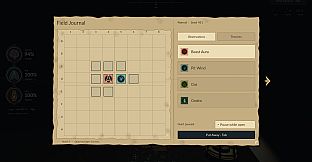
Clues appear in multiple forms. Cave blood indicates recent proximity to the target. Air currents suggest drops or vents that could prove fatal. Players record findings in a field journal, mark routes on a map, and leave chalk indicators on walls to avoid retracing steps inefficiently. Testing passages by tossing scrap ahead provides auditory feedback before committing to a crawl.
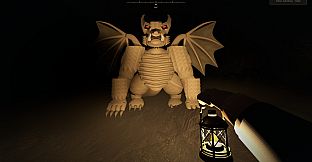
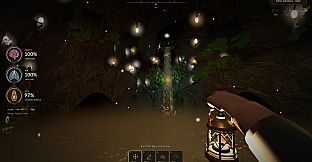
Combat arrives only after sufficient evidence narrows the location. The bow and arrow require steady aim and precise timing once the Beast is cornered. Recovery happens in safer grottos where players can restore resources and plan the return path, though sudden chases can force abrupt changes to any prepared route.
Game Modes
Expeditions form the primary structure. Each run generates a fresh cave layout that demands new deduction paths. Six difficulty settings adjust resource drain rates, clue frequency, and threat aggression. Custom cave options allow players to modify layout density, resource availability, and environmental hazards to tailor the challenge level for subsequent attempts.
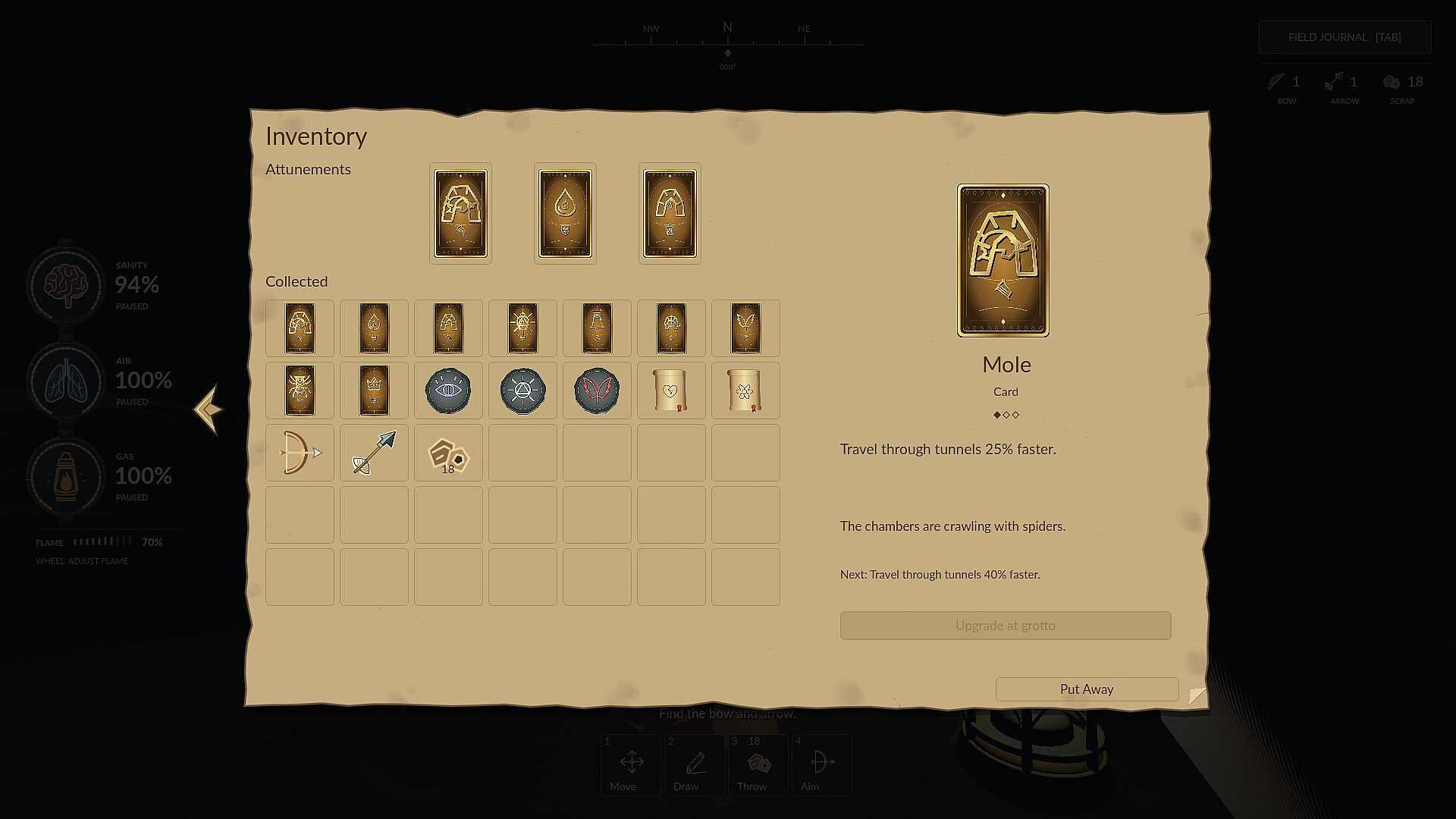
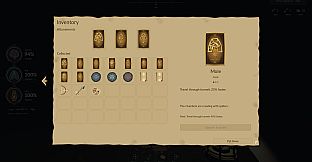
Progression ties into repeated expeditions through collected items that alter future runs. Arcana cards, protective runes, and parchments provide temporary or upgradeable abilities that influence movement, observation, or survival. Scrap serves as currency for card improvements, while experience converts into lasting enhancements that carry across multiple hunts.
Exploration and Tension
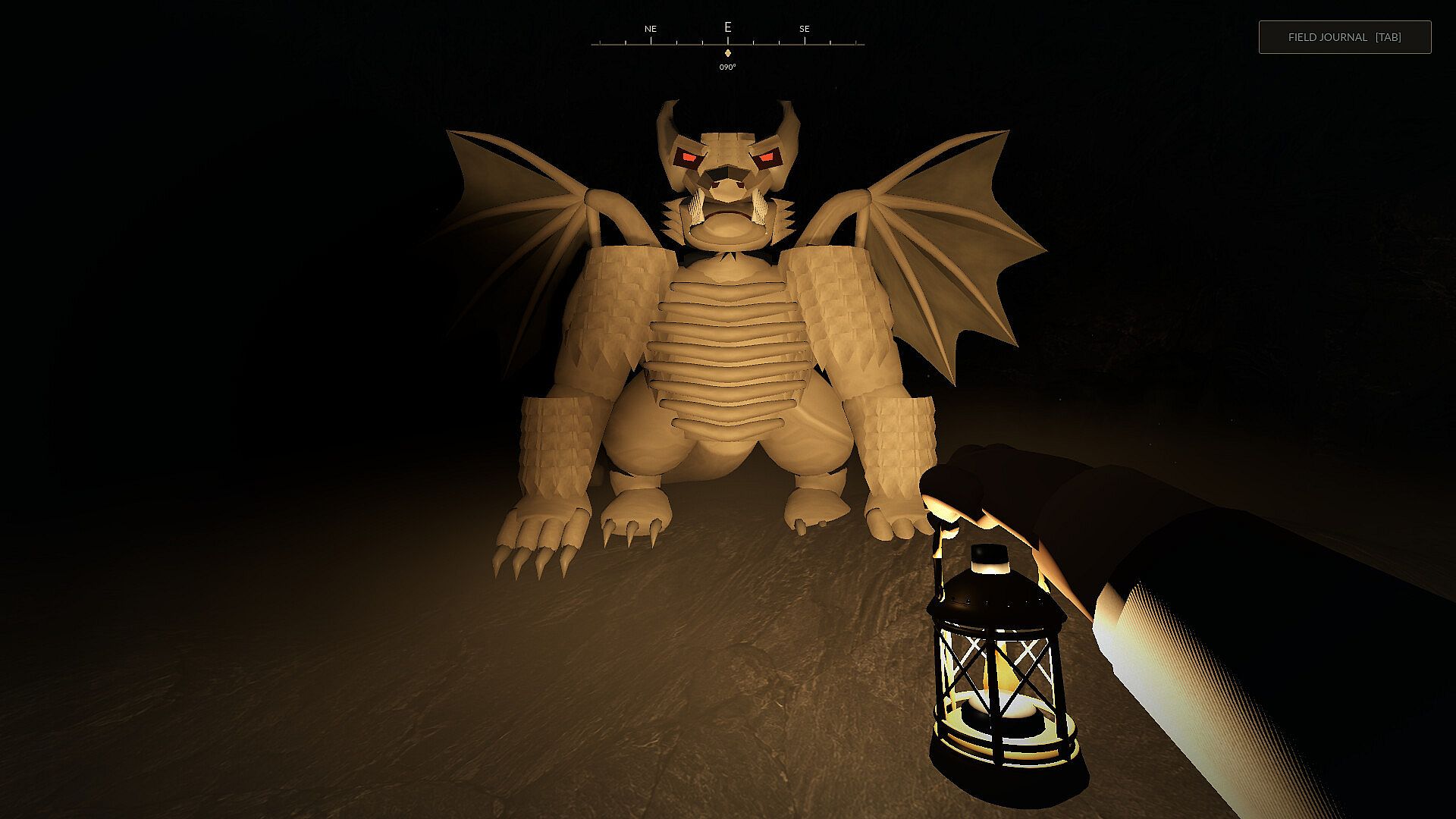
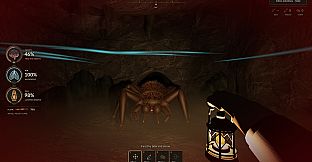
Navigation relies on sensory cues and memory rather than a traditional minimap. Prolonged darkness heightens nyctophobia risks, while confined spaces trigger claustrophobia through restricted camera movement and breathing sounds. Arachnophobia elements surface as sanity declines, introducing spider encounters that punish hesitation. The overall horror draws from amalgamation themes where the Beast itself may represent merged organisms, revealed gradually through collected evidence.
Resource trade-offs define decision making. Brighter light reveals more clues at the cost of faster fuel consumption. Detours to investigate side passages spend air and sanity that cannot be easily recovered. Players must balance thorough mapping against the need to locate the target before supplies run out.
Is It Worth Playing?
Beast Hunt suits players who enjoy methodical survival horror focused on deduction and environmental awareness over combat or jump scares. The emphasis on journal notes, map marking, and auditory testing creates a deliberate pace that rewards patience and pattern recognition. Those sensitive to arachnophobia, claustrophobia, or nyctophobia should review the warnings, as these elements form central mechanics rather than optional encounters.
Replay value stems from layout variety, difficulty scaling, and the card and upgrade systems that encourage different approaches on later expeditions. The singleplayer focus keeps attention on personal tension and planning without multiplayer coordination. For fans of cave-based exploration games that prioritize observation and resource tension, the mechanics deliver consistent pressure through every run.













