


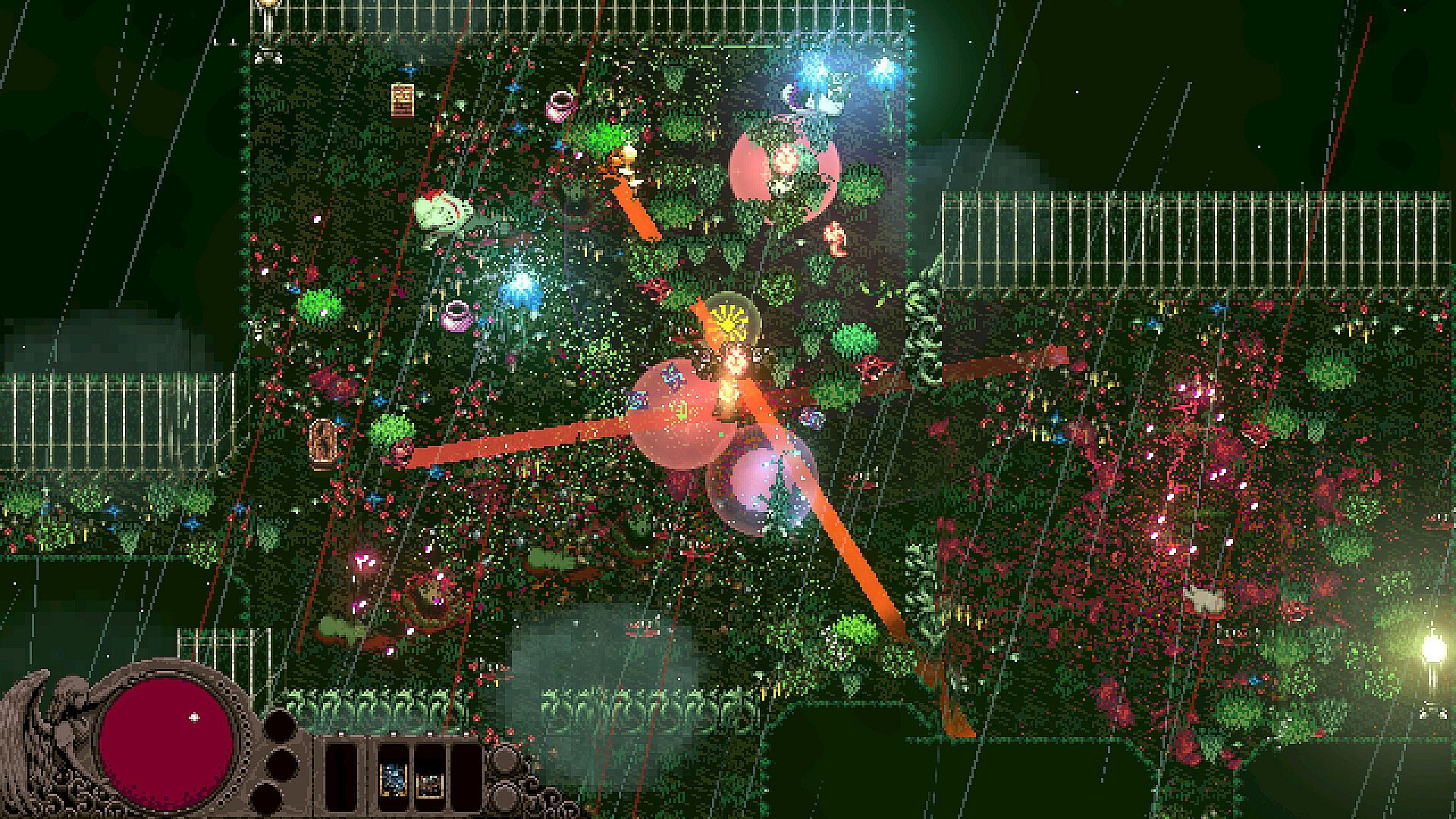
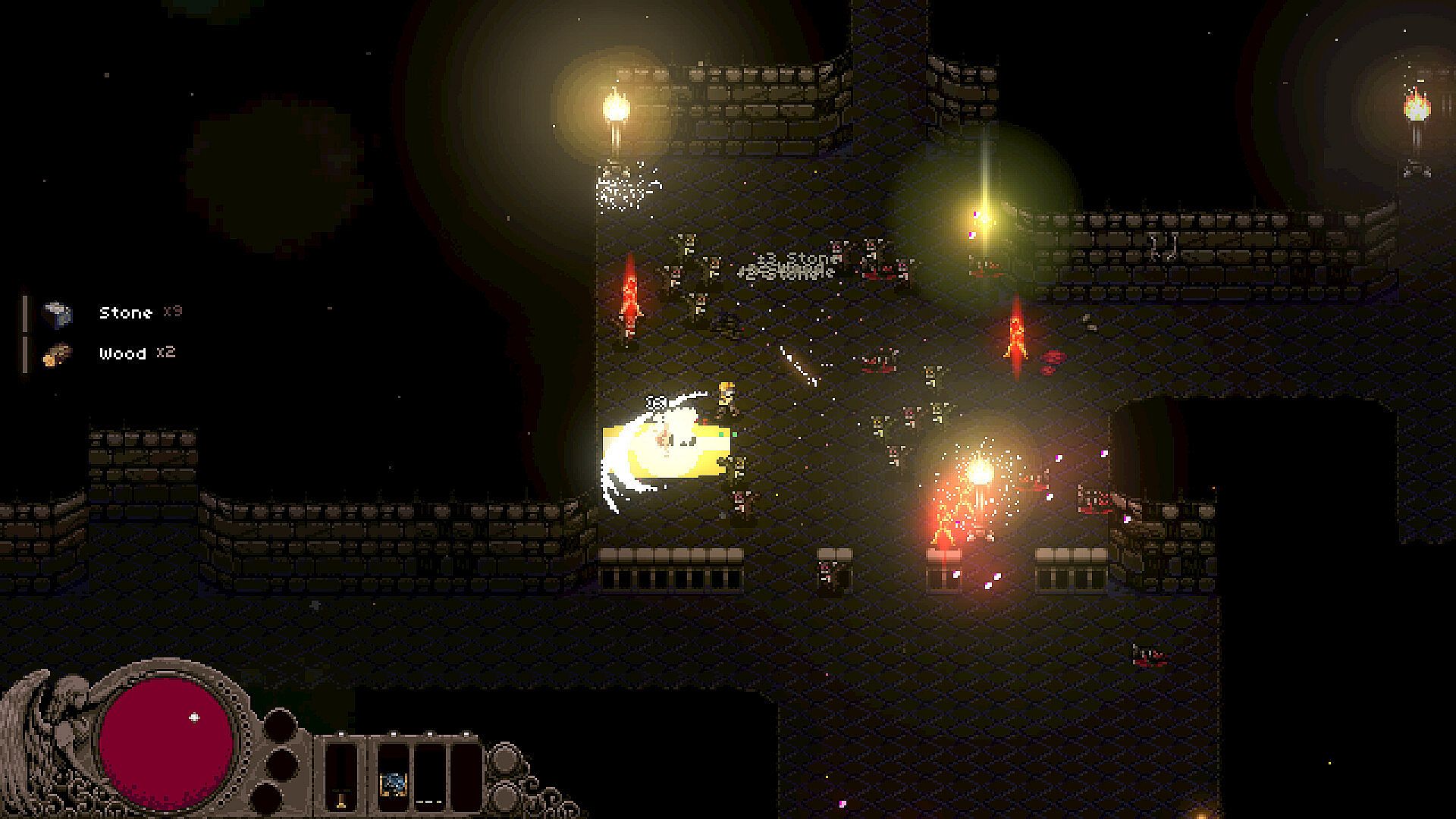
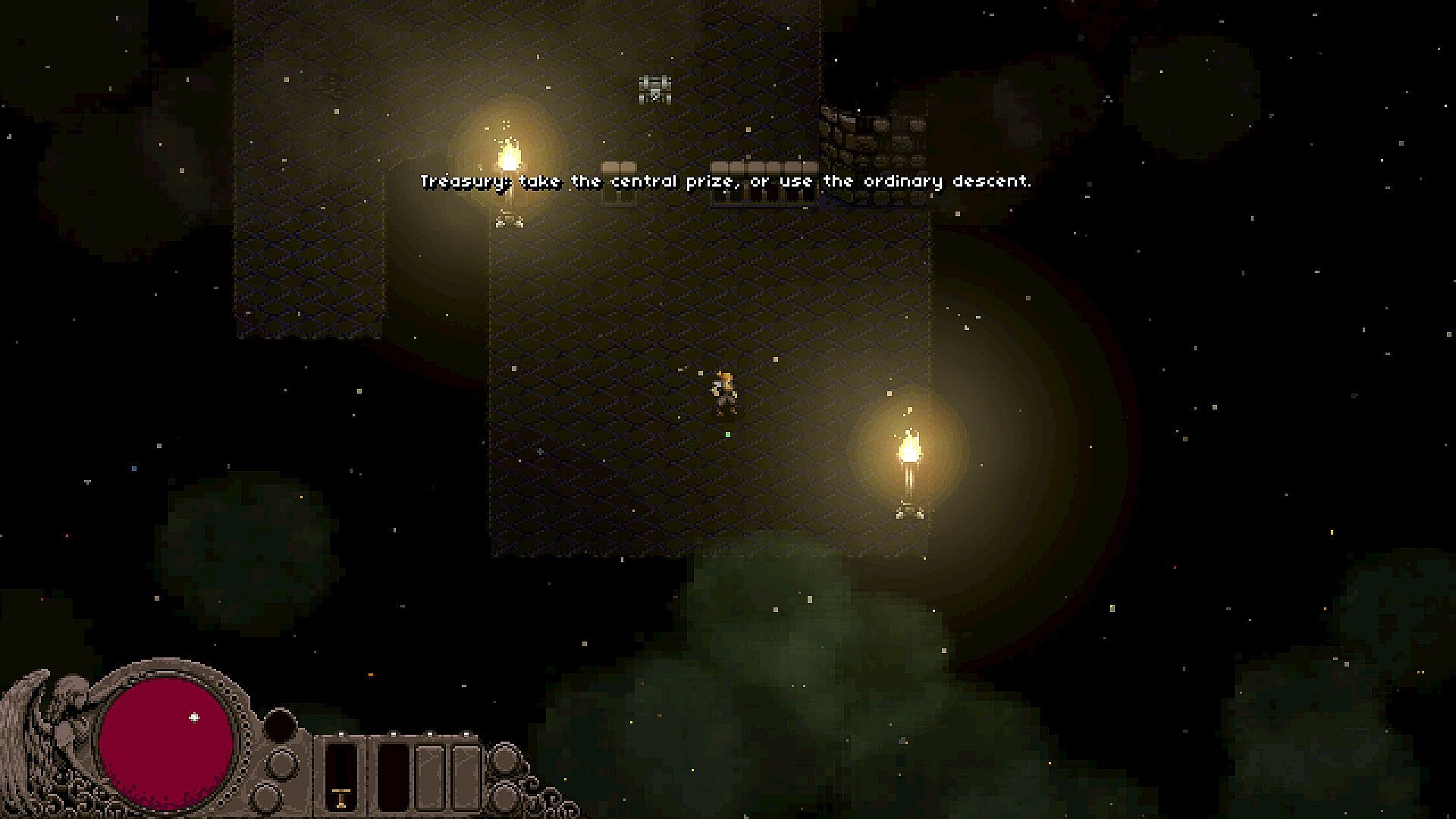

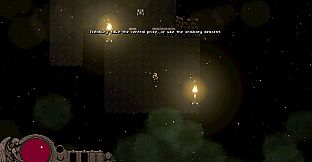
Bloodfell is an action roguelite for PC that puts players in control of Abigail as she fights her way through Hell after emerging from Limbo. The game centers on fast-paced combat runs where movement and weapon choice determine survival against hordes of the dead. Procedural elements and build decisions keep each attempt distinct while a persistent settlement offers long-term progression between runs.
Gameplay
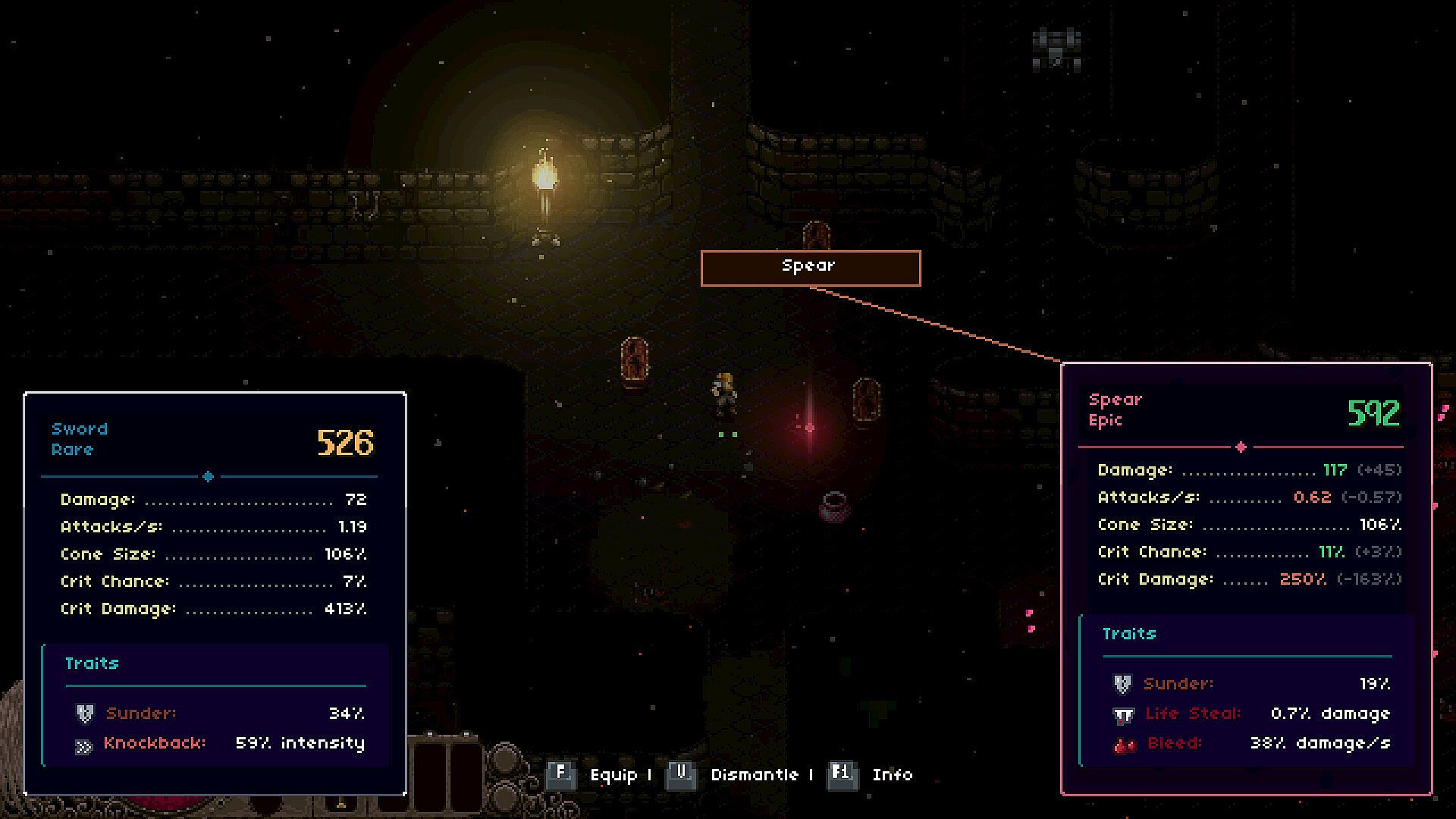
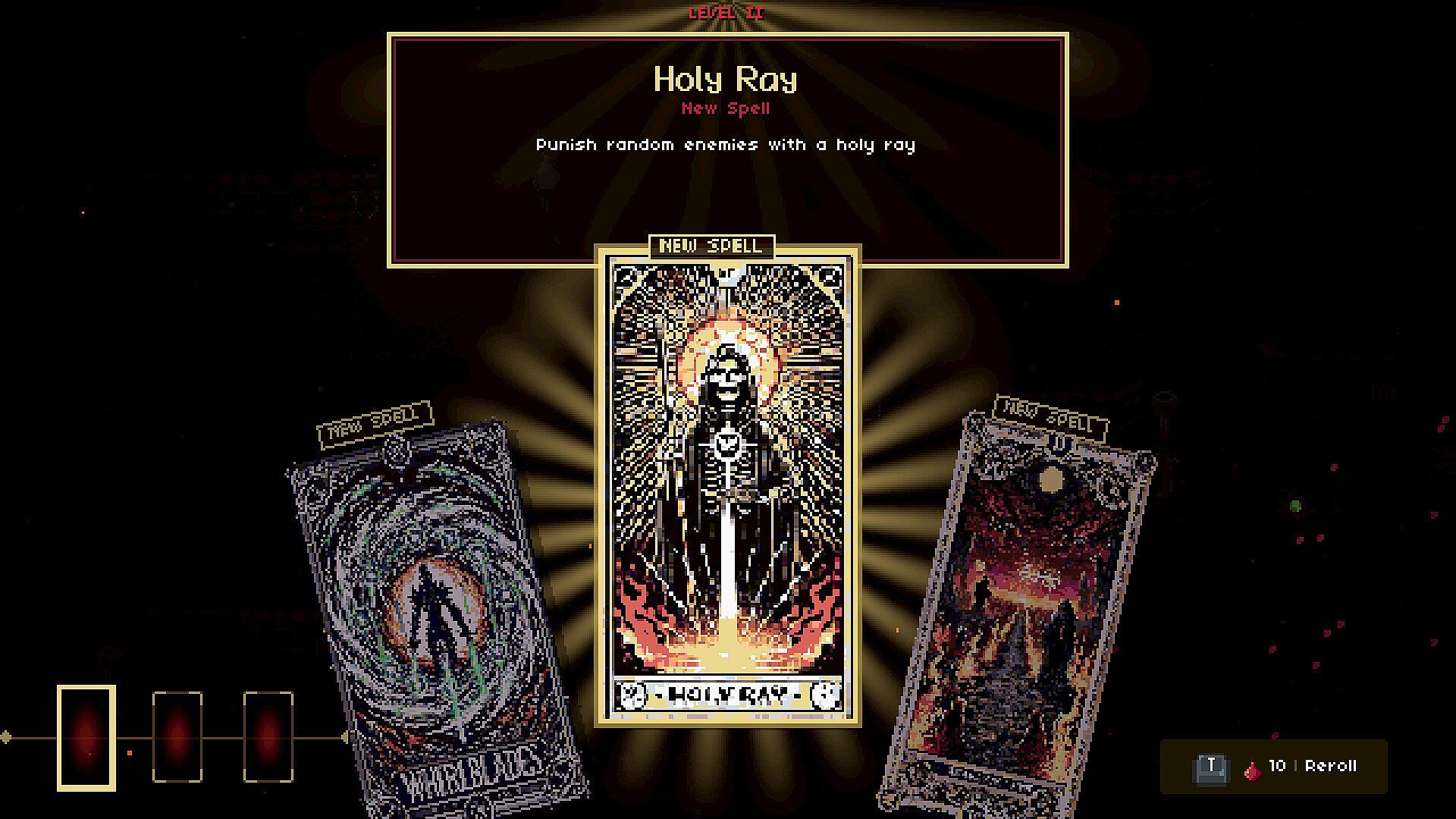
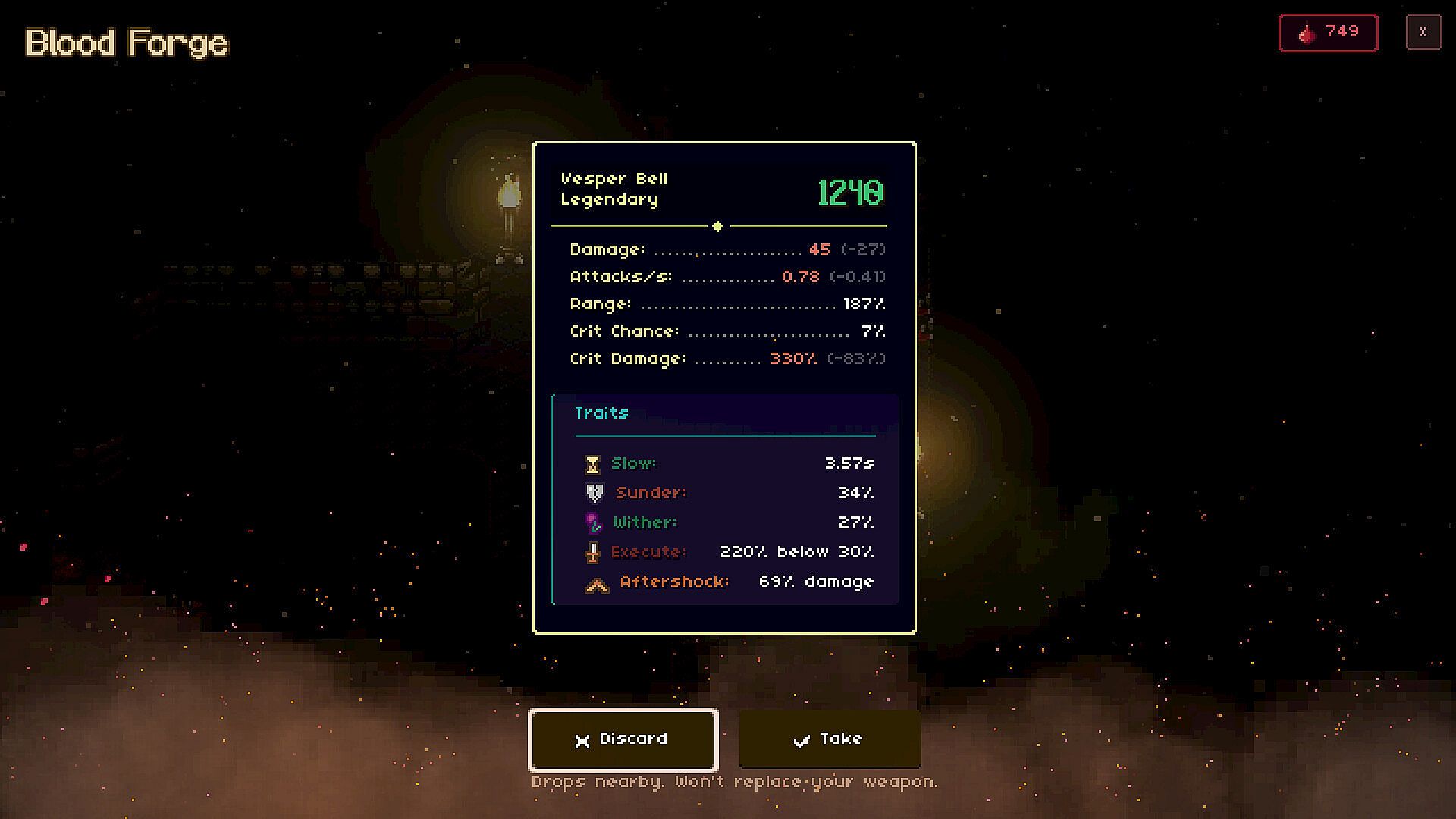
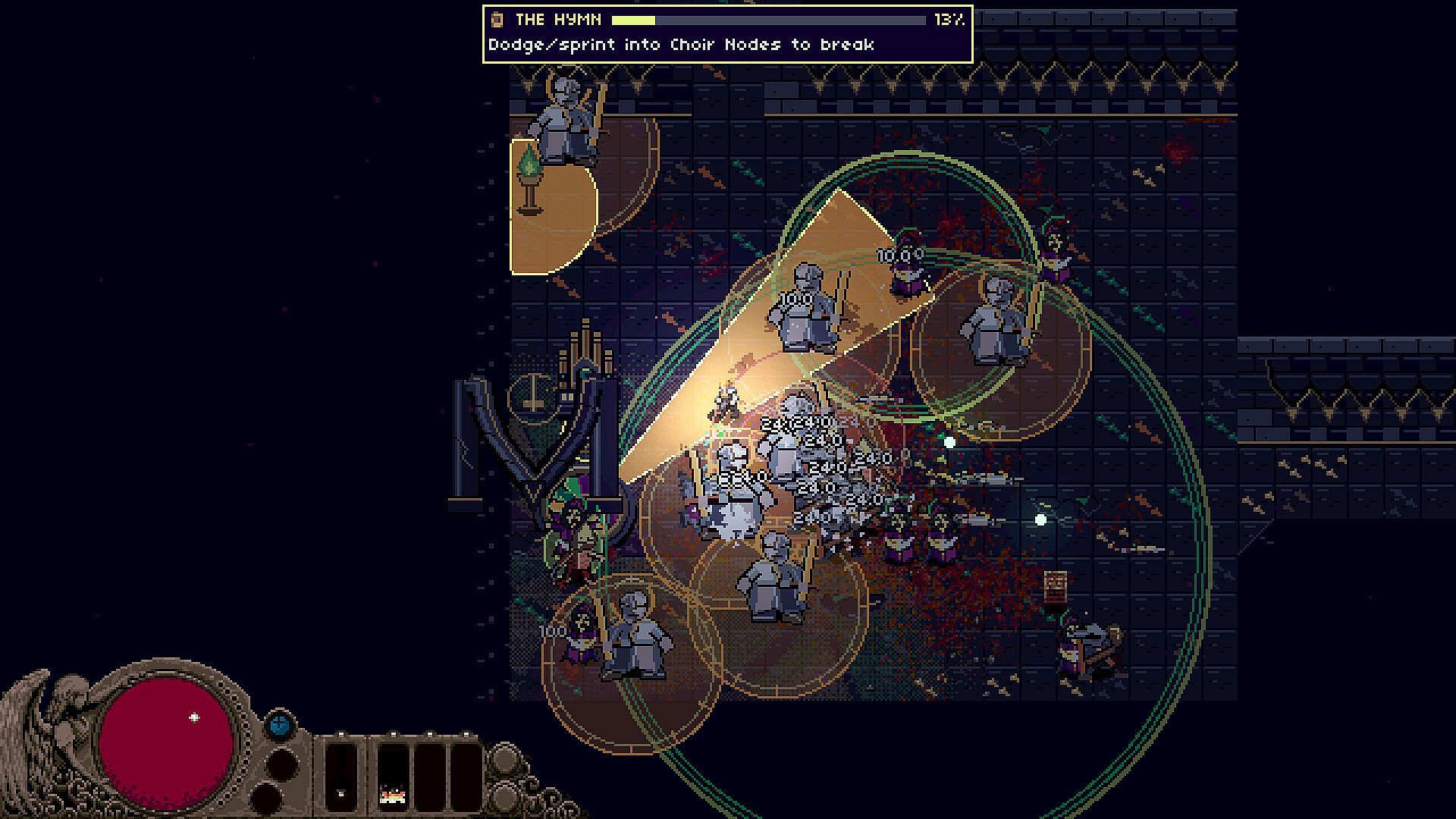
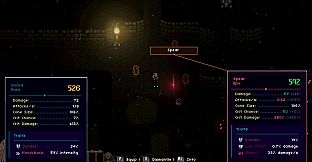
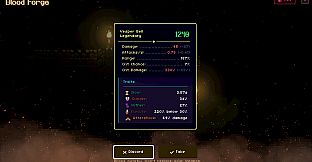
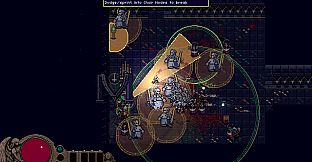
The core loop revolves around descending through floors filled with enemies. Players must keep moving while using a single equipped weapon and available spells to clear crowds. Combat emphasizes positioning, as dodging attacks and repositioning to strike back turns close calls into opportunities for more loot. Weapons include options that suit different approaches, such as maintaining distance with a spear, retrieving a returning boomerang after throws, or delivering close-range blasts with a blunderbuss. These finds combine with spells and glyphs to shape each run, and level-up choices further refine the build by enhancing specific strengths or adding new capabilities.
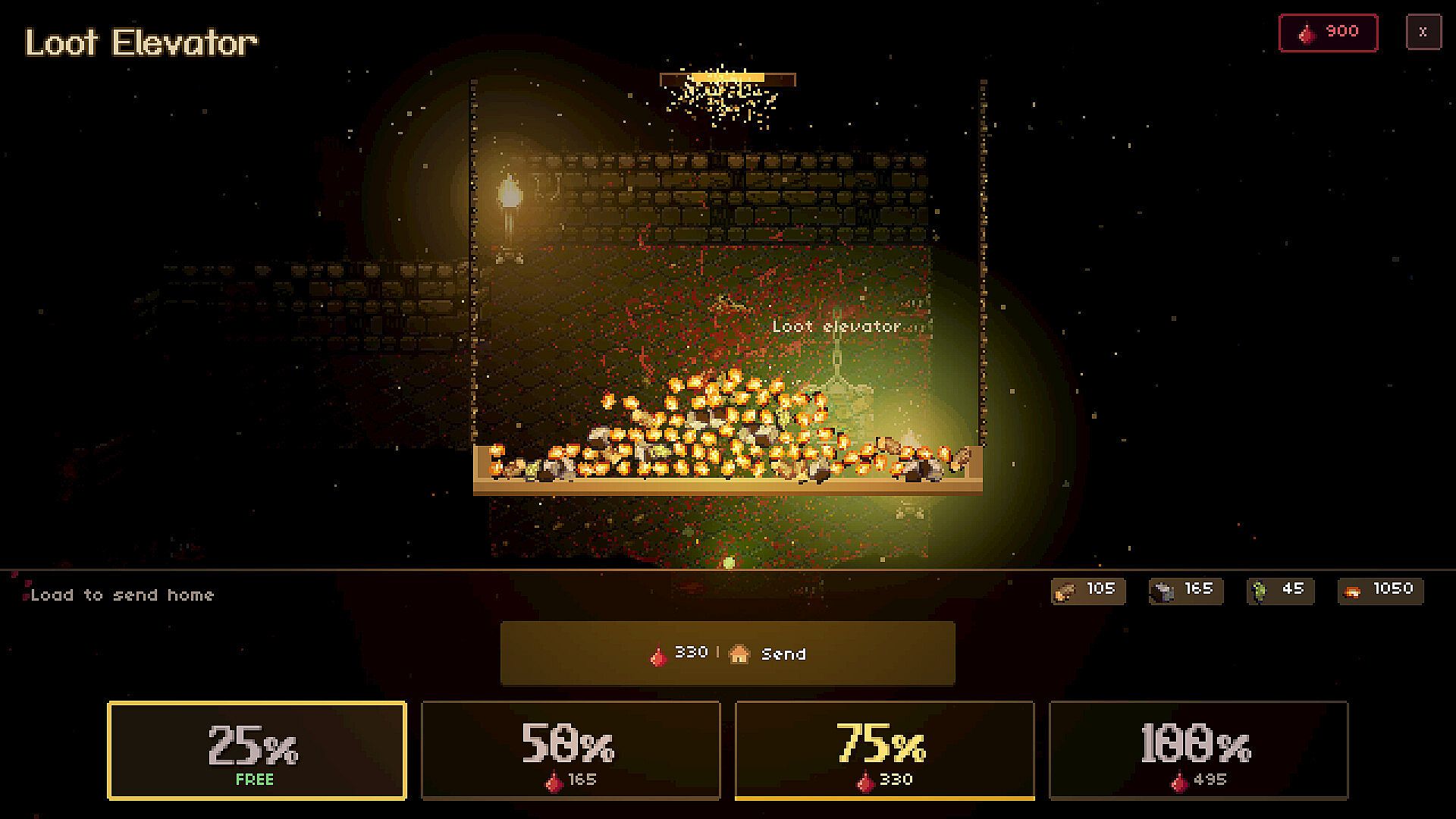
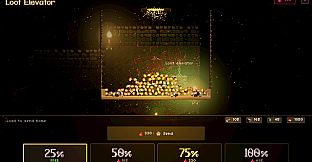
Floors grow more rewarding yet riskier as players push deeper. Every decision weighs the value of continued progress against the chance of losing accumulated resources. Hostile ground in each area can be turned to an advantage once its patterns are learned, rewarding observation and adaptation during the run.
Game Modes
Bloodfell focuses on repeated roguelite runs through procedural floors across five distinct biomes. Each biome presents its own set of enemies and environmental hazards that influence movement and combat tactics. There are no separate named modes beyond the core descent structure, though players select which biome to tackle next based on their current build and goals. Runs end either in success with new materials or in defeat that returns the player to the settlement with whatever progress was secured.
Progression and Builds
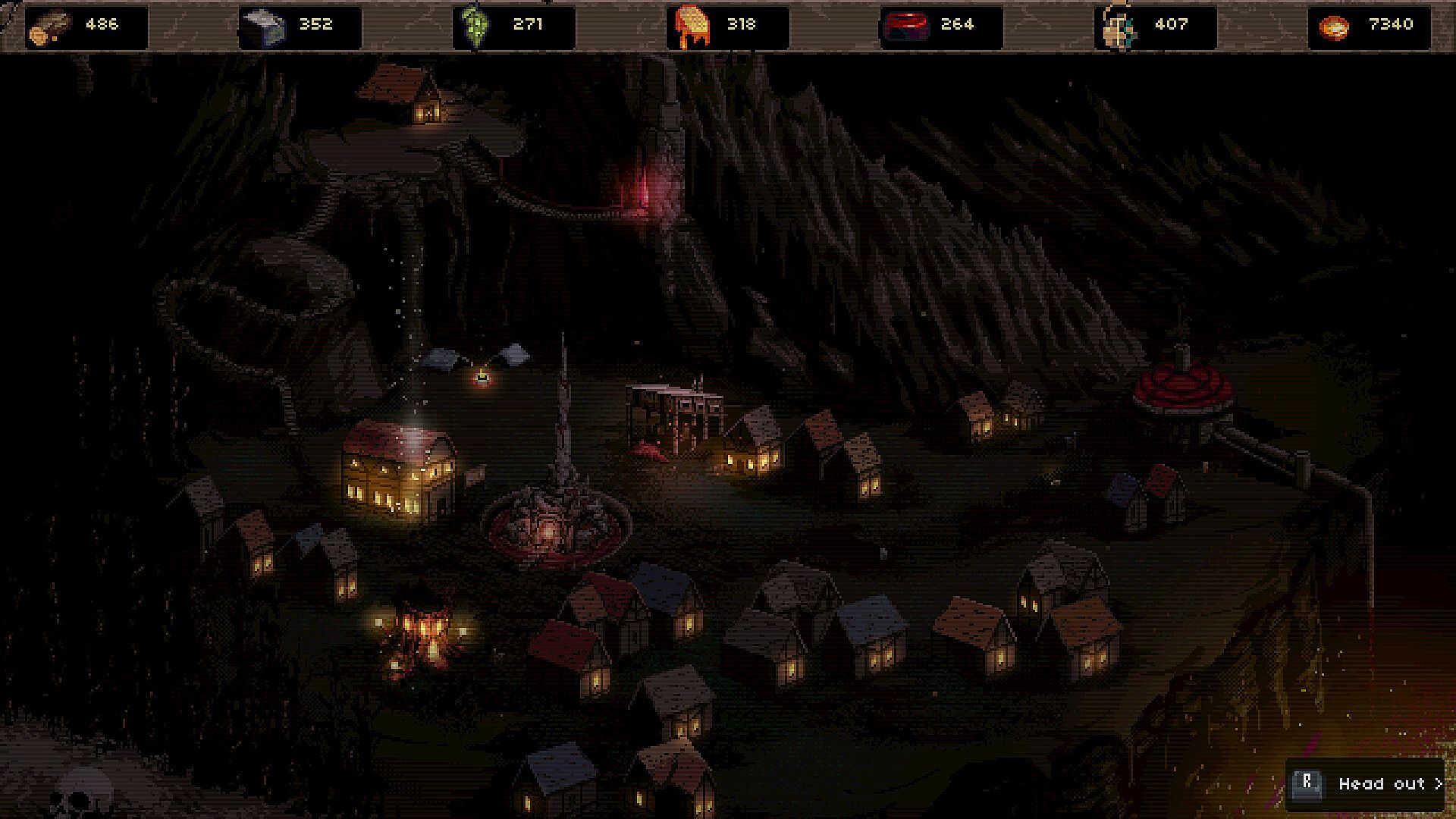
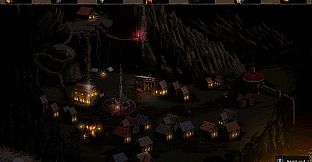
Between runs, materials gathered from successful floors fund upgrades in a ruined settlement. Restoring buildings unlocks permanent improvements that carry over to future attempts, such as access to additional weapon types and spell varieties. This system expands the range of viable builds over time without altering the fundamental risk-reward tension of each descent. Players decide which upgrades to prioritize, gradually opening more options for combining weapons, spells, and glyphs into stronger loadouts.
Is It Worth Playing?
Bloodfell suits players who enjoy action roguelites that reward quick reflexes, deliberate build choices, and willingness to risk deeper runs for better rewards. The single-weapon constraint and emphasis on movement create a focused combat loop, while the settlement upgrades provide meaningful long-term goals. Those drawn to procedural action with weapon variety and risk management will find the structure engaging. Without confirmed player reviews or update history at this stage, the game appeals most to fans of the genre who value tight combat feedback and incremental progression systems over broader multiplayer features.