



Branchbound is an indie strategy game for PC that centers on a shared luminous tree. Two players work together to keep the tree alive through careful placement of branches and colors, turning a simple set of rules into a tense duel of geometry and foresight.
Gameplay
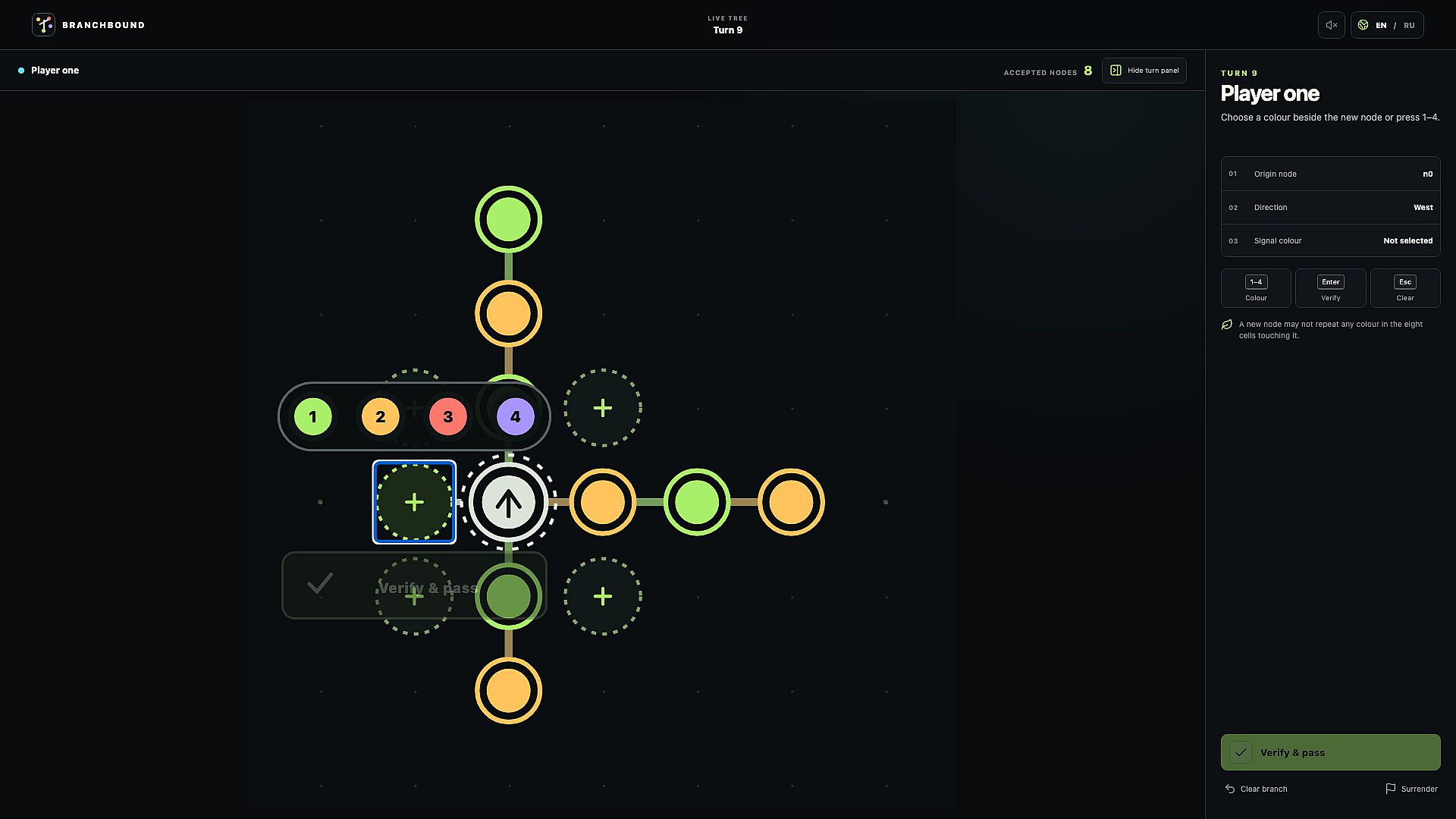
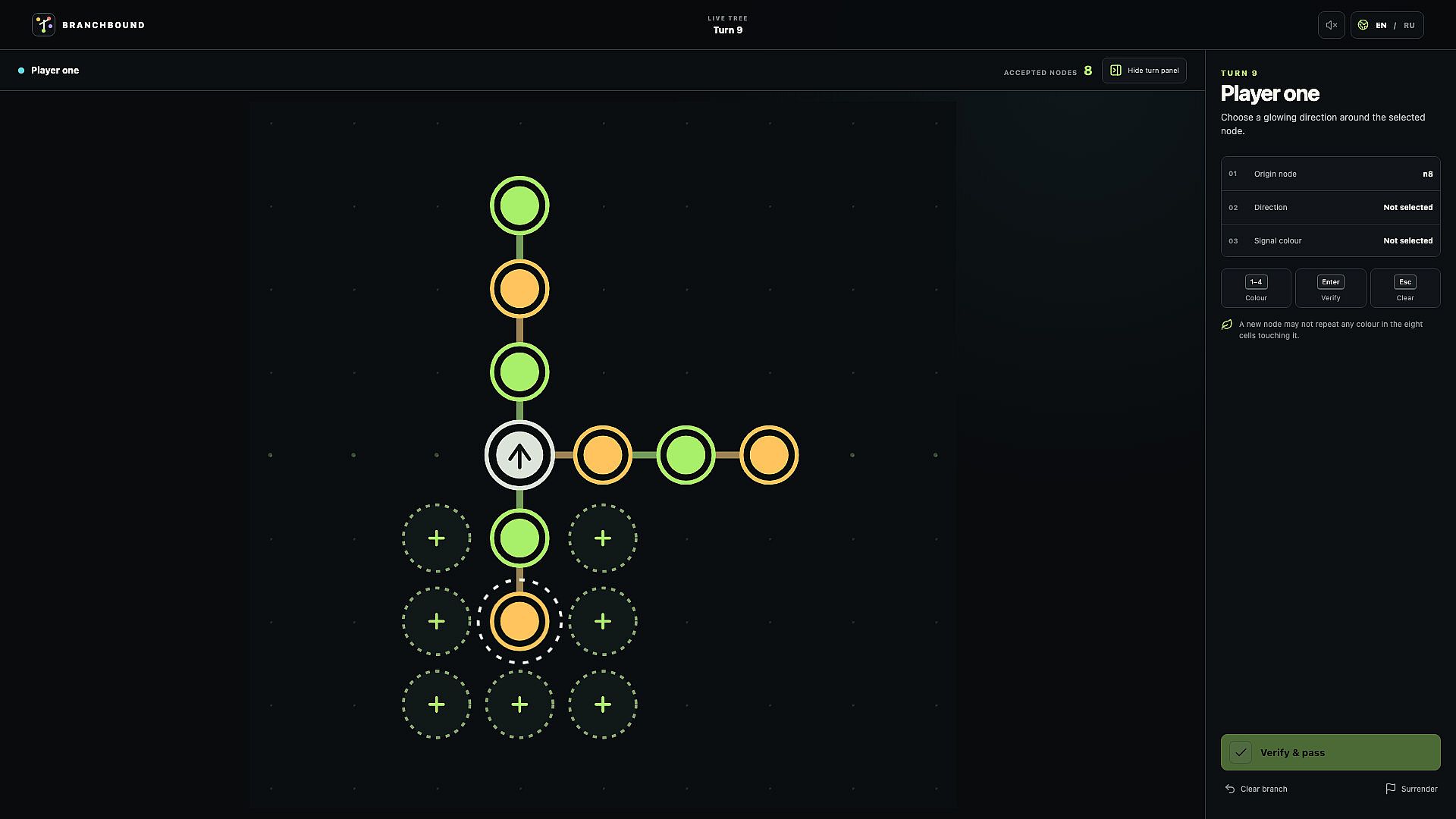
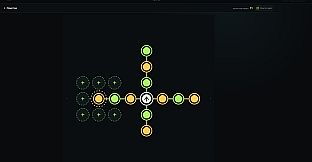
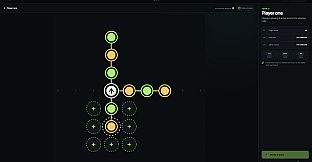
The core loop revolves around extending branches from open nodes on a grid. Each turn a player selects any available node and chooses one of eight directions to grow a new branch segment. A signal color is then assigned to the new node, but it cannot match the color of any adjacent node, including those on nearby branches. This adjacency rule creates shifting constraints that affect both players equally.
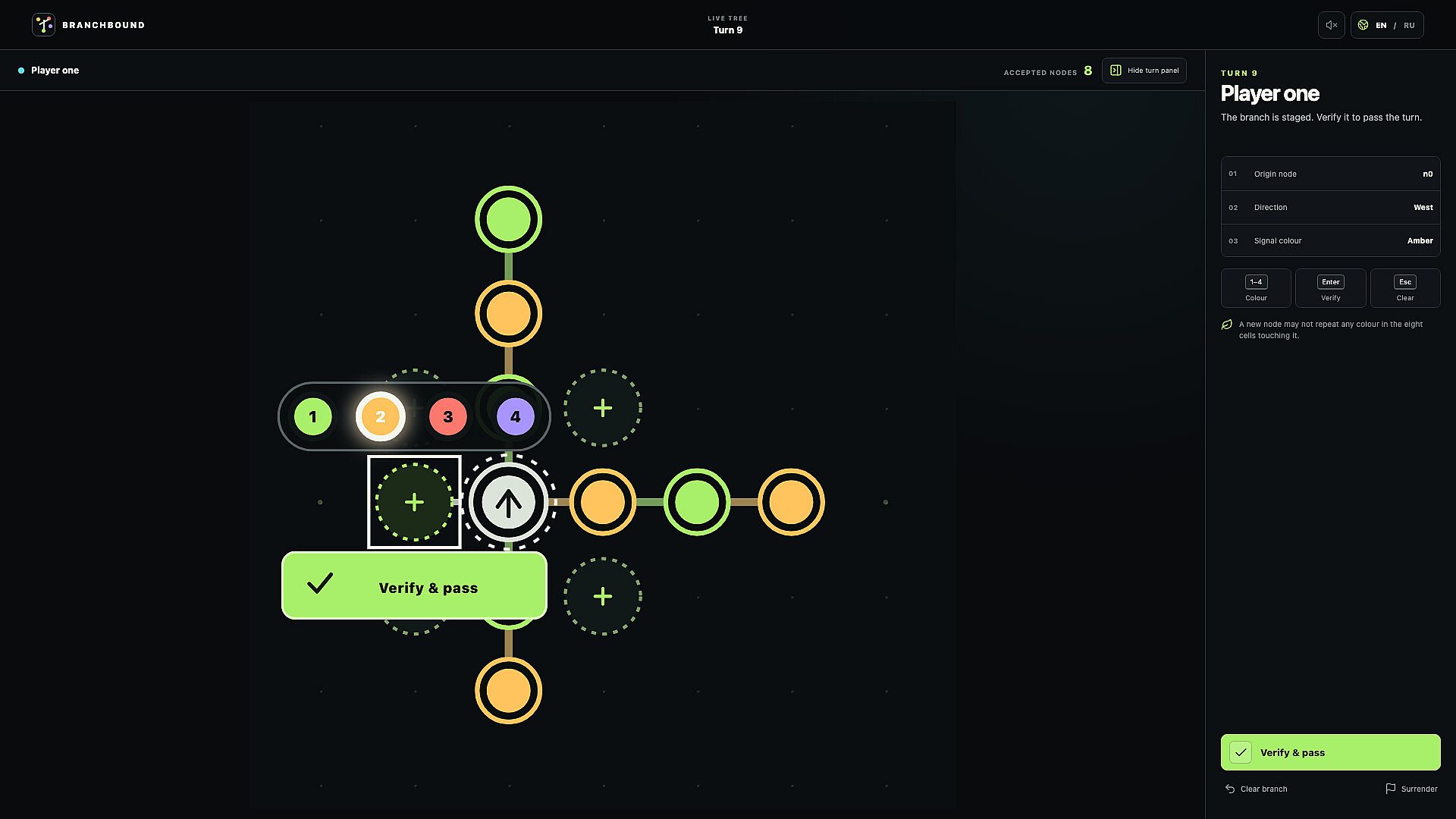
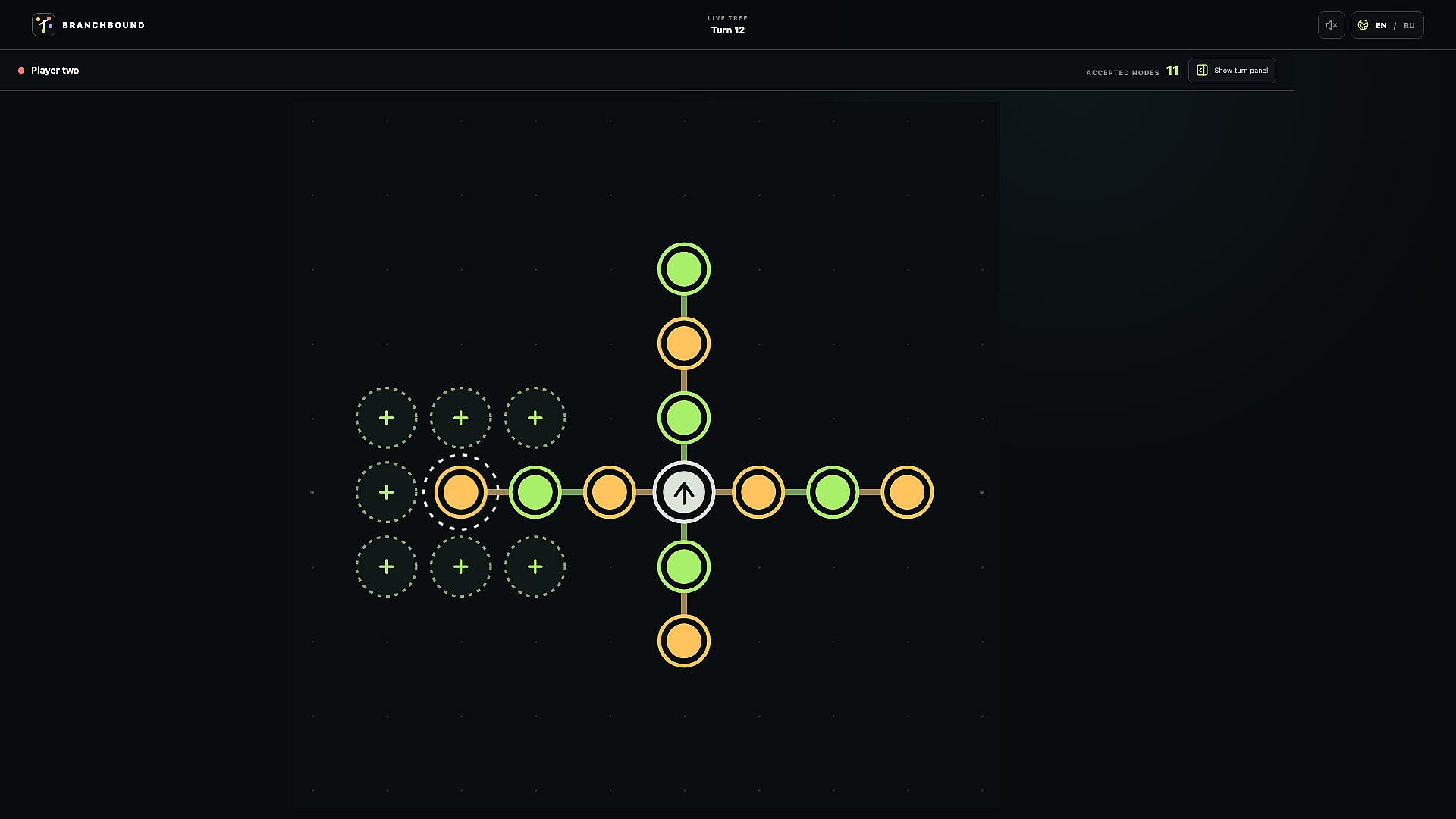
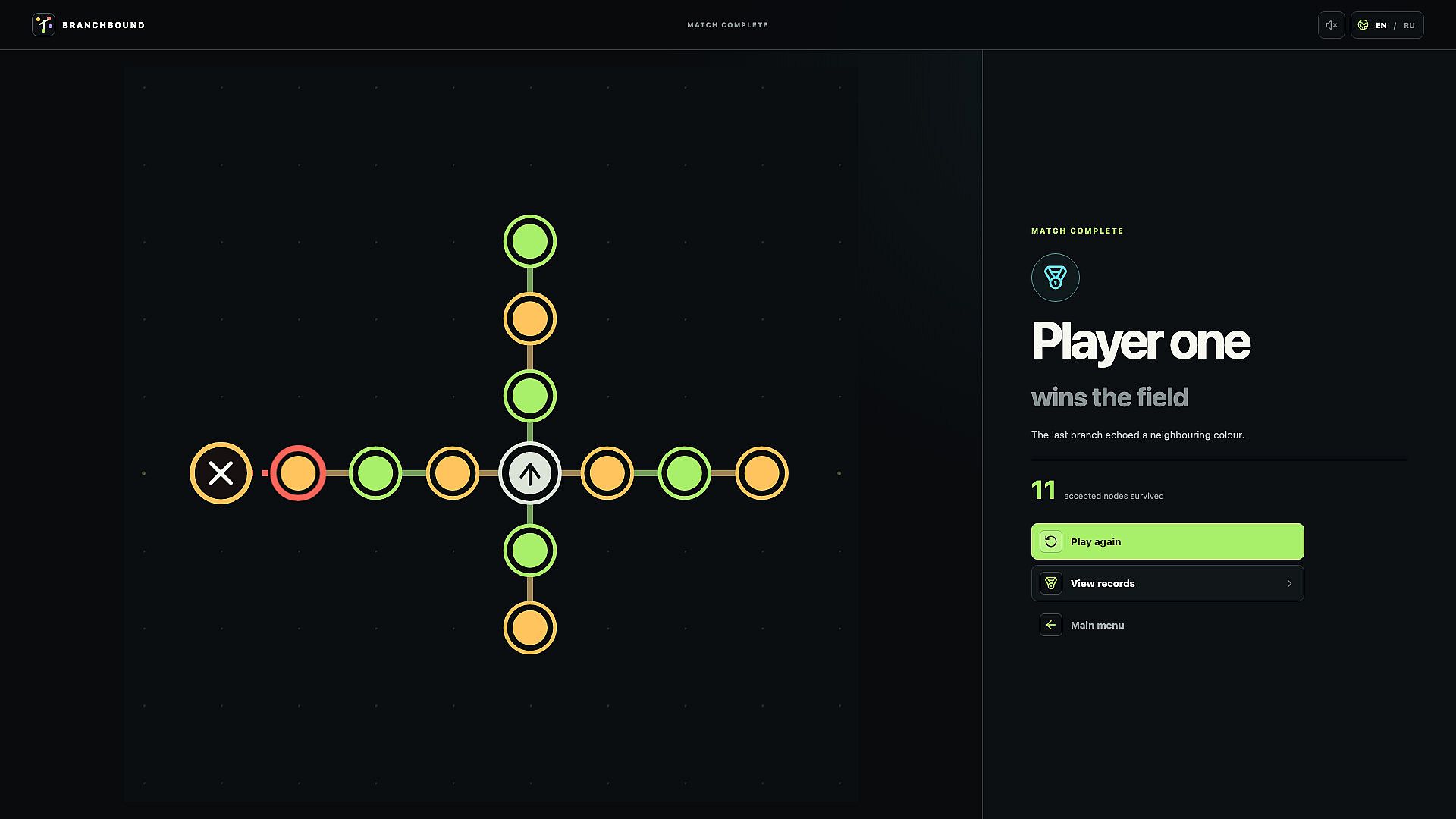
After placing a node, the move must be verified as legal before the turn passes. An invalid placement that creates an echo causes the branch to break immediately, removing the offending segment and altering the board state. The shared tree grows with every successful node, yet each addition narrows the safe options for future moves. Players are not defending individual colors; they are collectively deciding how long the signal network can survive under mounting restrictions.
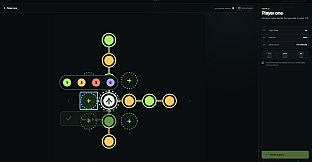
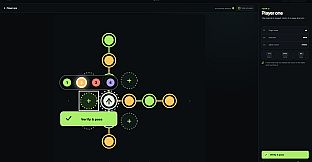
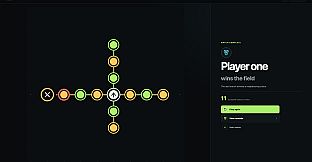
Controls remain straightforward. Colors and verification appear beside the cursor for quick selection, or players can use number keys one through four followed by Enter. The turn panel can be collapsed to give the full grid the entire screen, allowing uninterrupted focus on the evolving structure. At the end of a session the completed tree can be inspected, with the best results saved locally on the device.
Game Modes
Branchbound supports local hotseat duels for two players sharing the same device. This setup emphasizes direct competition and immediate feedback between opponents. A practice mode pits a single player against Moss, a deterministic bot that follows fixed rules without randomness, providing consistent opposition for skill development.
Field size and color count are adjustable before each match. The compact 9x9 grid favors tight, rapid games, while the wider 11x11 field allows more expansive growth and longer strategic planning. Color options range from two to four; two colors produce the sharpest geometric patterns and the most restrictive color conflicts, while three or four colors soften the constraints and extend play sessions.
All play occurs fully offline. No account, server connection, or in-game purchases are required. The interface supports both English and Russian, with seamless switching available at any time.
Strategic Depth and Accessibility
Despite the minimal ruleset, Branchbound rewards careful observation of color adjacency and spatial patterns. Every accepted node permanently changes the available geometry and safe colors for both participants, forcing constant reevaluation of the board. The game remains accessible to newcomers through its clear visual feedback and optional bot opponent, yet it offers enough complexity to engage experienced strategy players who enjoy abstract puzzles over traditional combat or resource systems.
Local records encourage repeated attempts to improve personal bests on the final tree structures. The absence of online features keeps the experience focused and private, suiting players who prefer uninterrupted sessions without external matchmaking or updates.
Is It Worth Playing?
Branchbound suits players who enjoy compact abstract strategy games built around shared constraints and geometric decision-making. Its offline nature and local hotseat focus make it ideal for direct two-player sessions or solo practice against the deterministic bot. Those seeking quick matches with meaningful choices will find value in the adjustable field sizes and color counts, particularly the sharp two-color variant. The game offers no additional modes, factions, or ongoing content beyond the core duel experience described, so expectations should align with a focused, self-contained title rather than expansive campaigns or live-service elements. If the premise of collaboratively sustaining a branching signal network appeals, the straightforward rules and immediate feedback provide a satisfying loop without unnecessary complexity.