




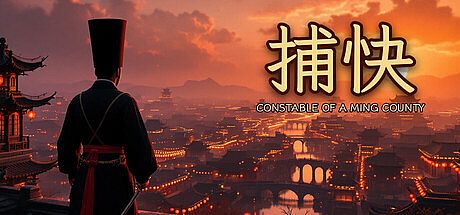


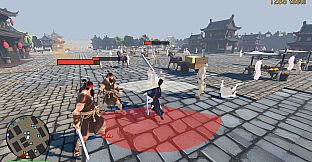
捕快: Constable of a Ming County is a single-player action RPG adventure set in a bustling Ming dynasty county town on PC. Players step into the role of the newly appointed constable, handling street-level crimes, investigating incidents, and maintaining order through a mix of combat, deduction, and daily tasks in an open-town environment.
Gameplay
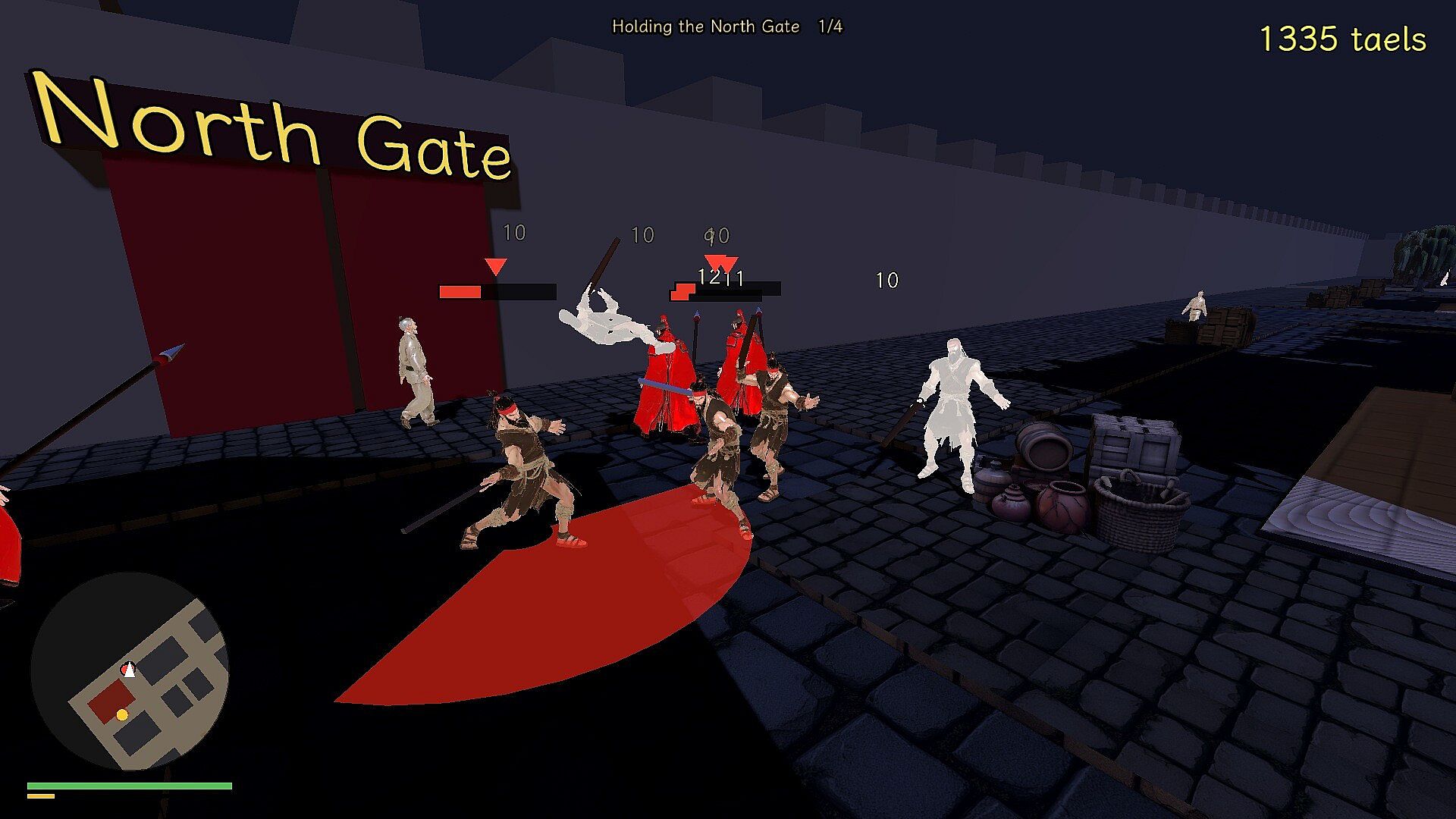
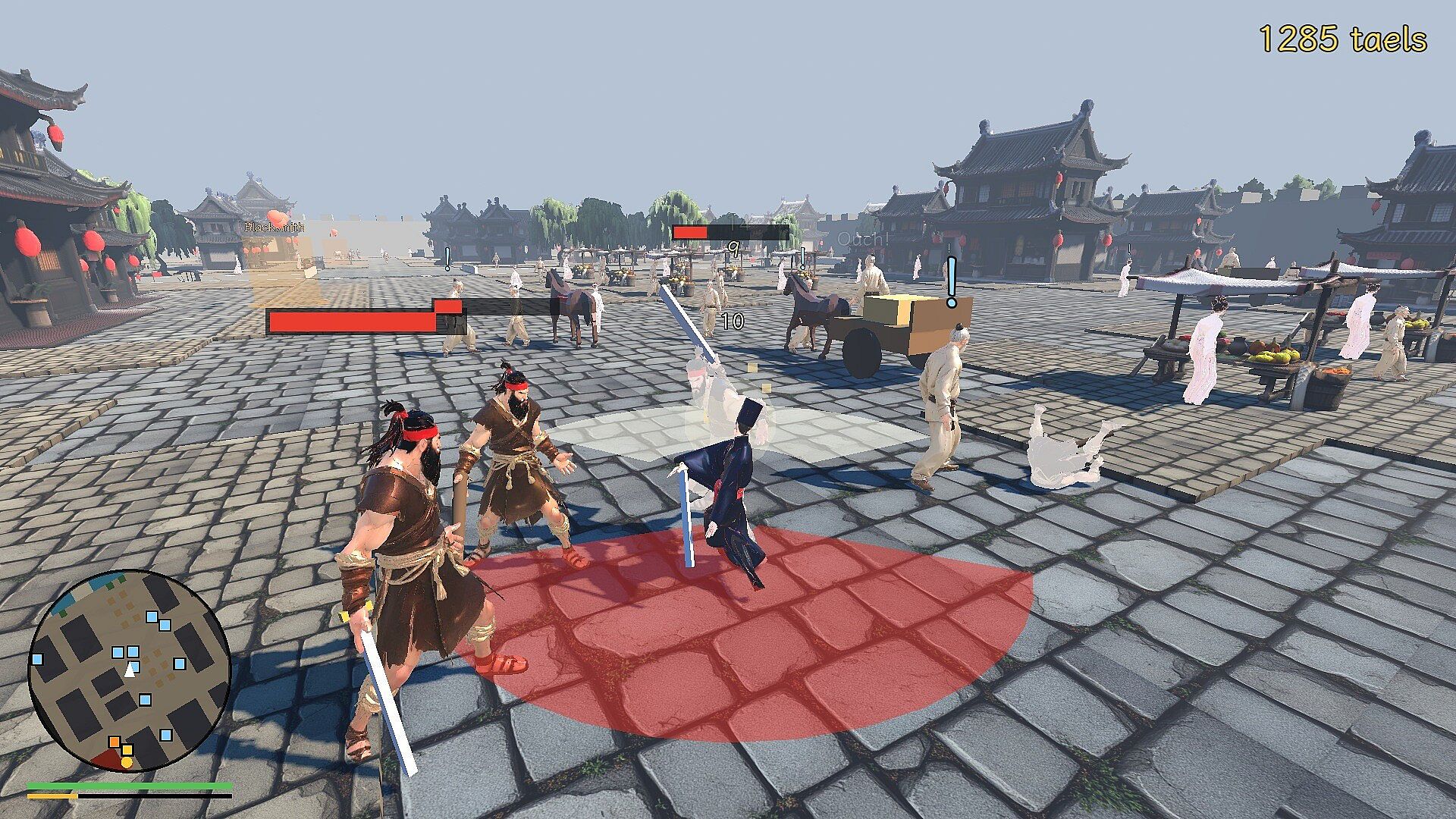
The core loop centers on patrolling the lively streets where pickpockets, brawlers, and thugs often disrupt shopkeepers and residents. Intervention leads to direct fights using blade strikes and a chain tool designed to restrain fleeing suspects before escorting them to the yamen. Combat emphasizes light and heavy attacks alongside the chain mechanic, with larger encounters against bosses that employ distinct patterns and abilities.
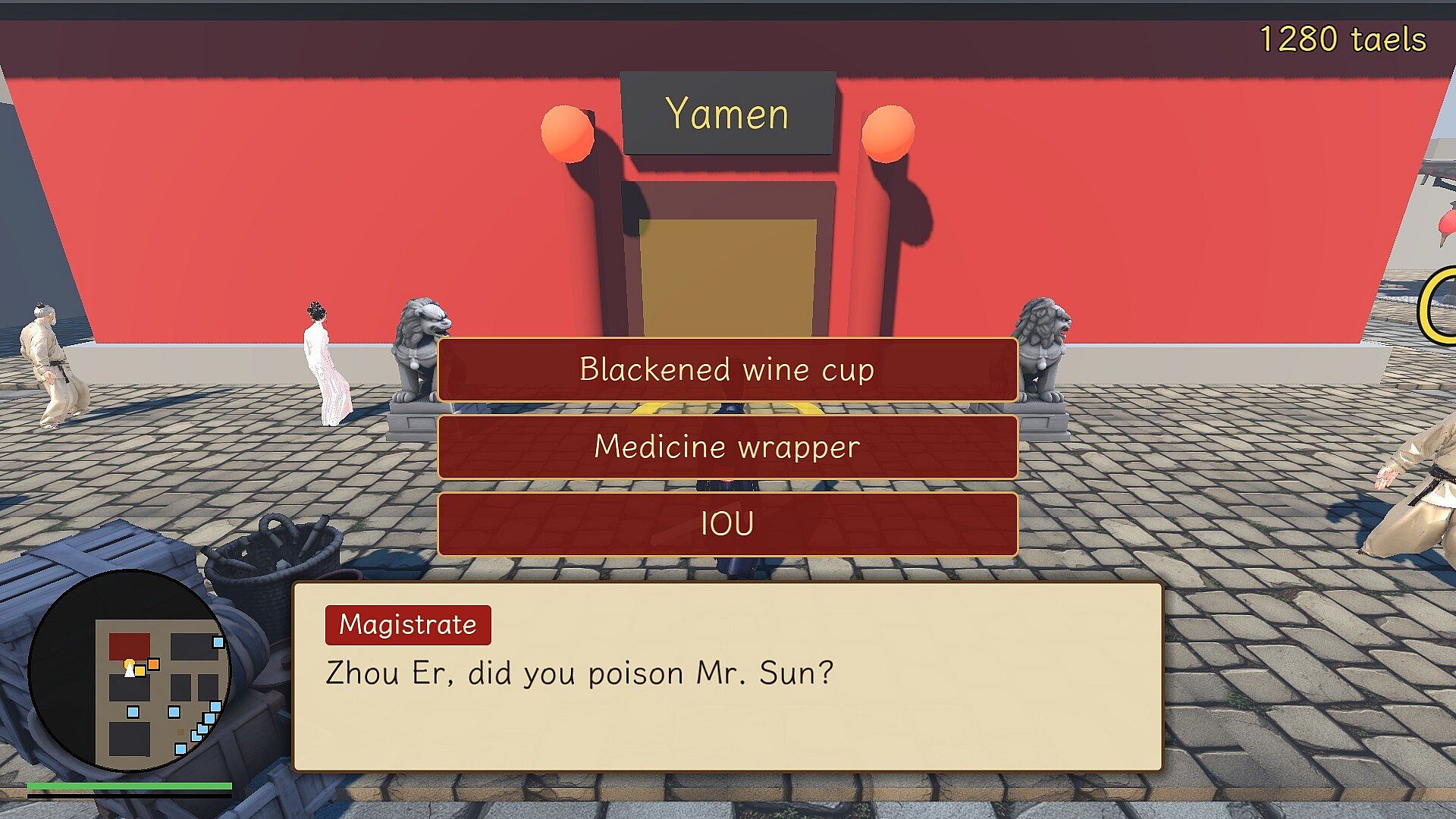
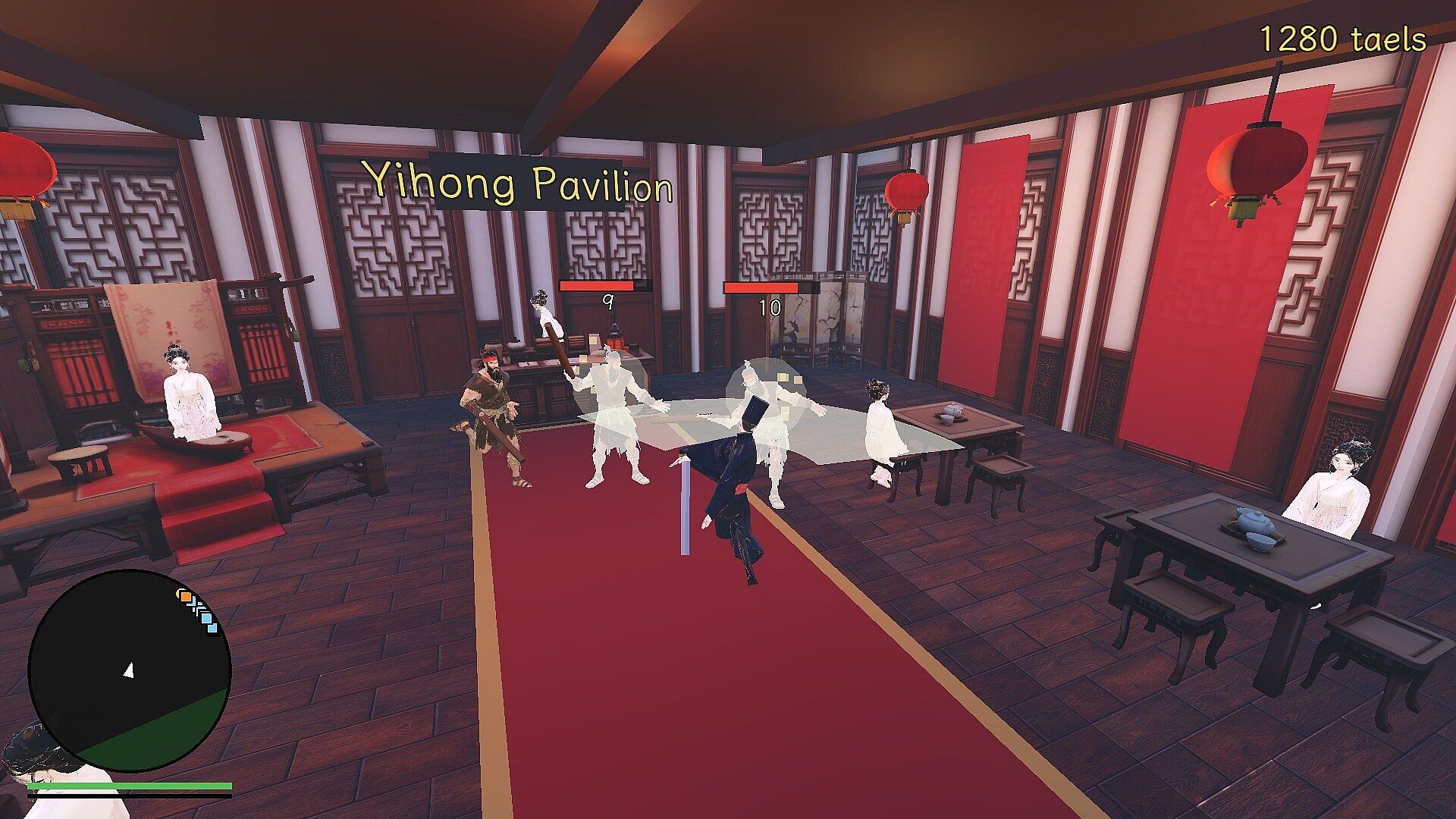
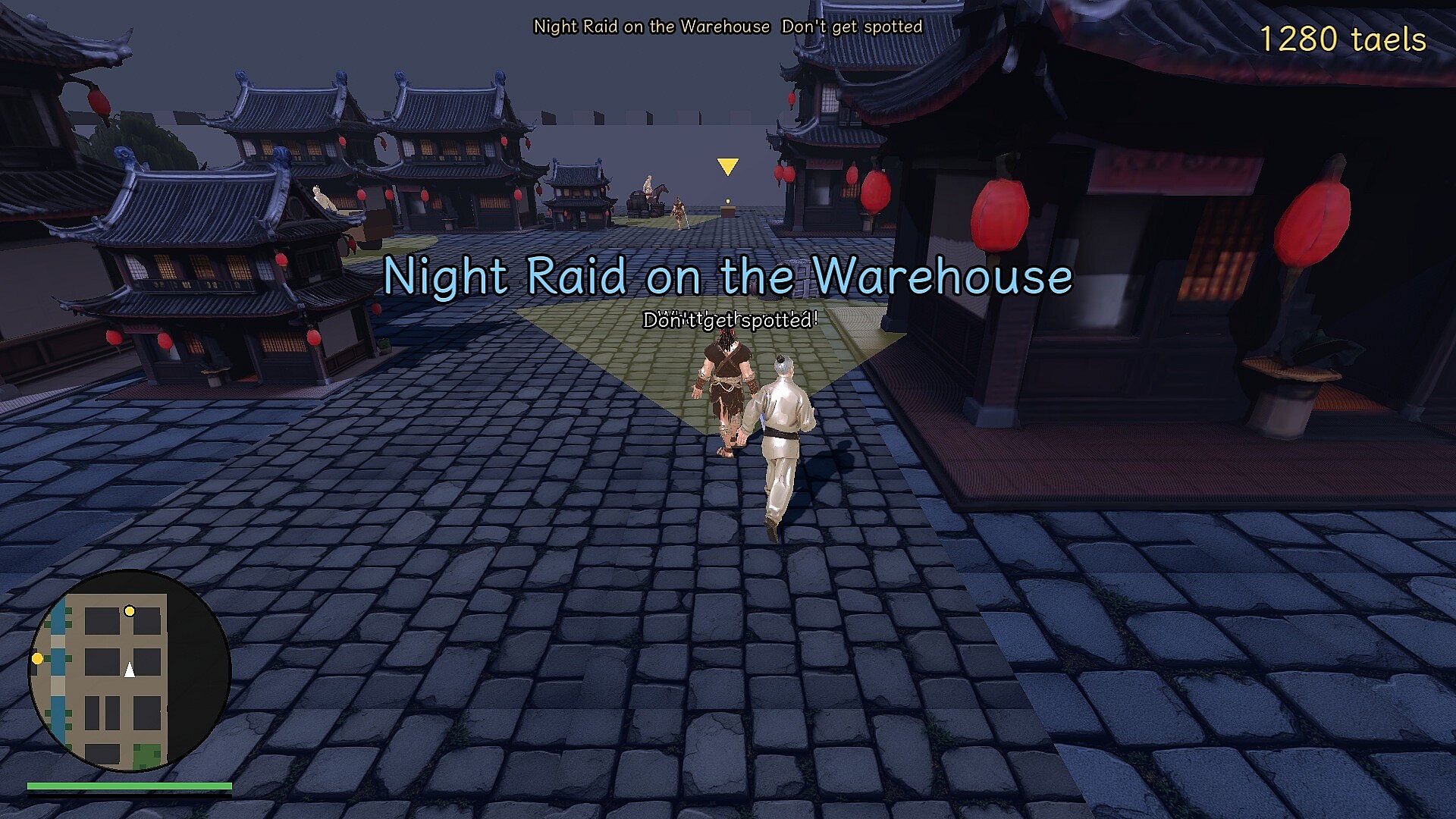
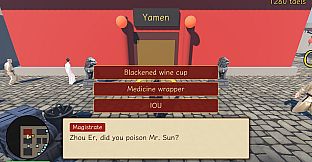
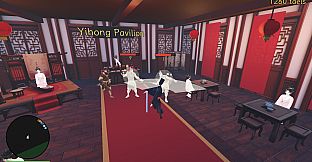
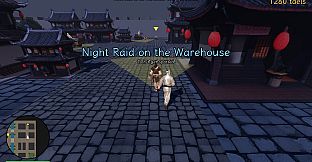
Investigation forms another pillar. Players examine crime scenes for clues, question witnesses, track footprints, and shadow suspects during nighttime hours. Evidence gathered must then be presented effectively during trials to secure convictions. Progression involves earning silver and experience points to level up, unlock new skills, and improve weapon handling. Additional activities include nighttime infiltration of secured warehouses, neutralizing explosive kegs in crowded markets, clearing out groups of troublemakers from locations like Yihong Pavilion, and participating in lighter contests such as bun-eating challenges.
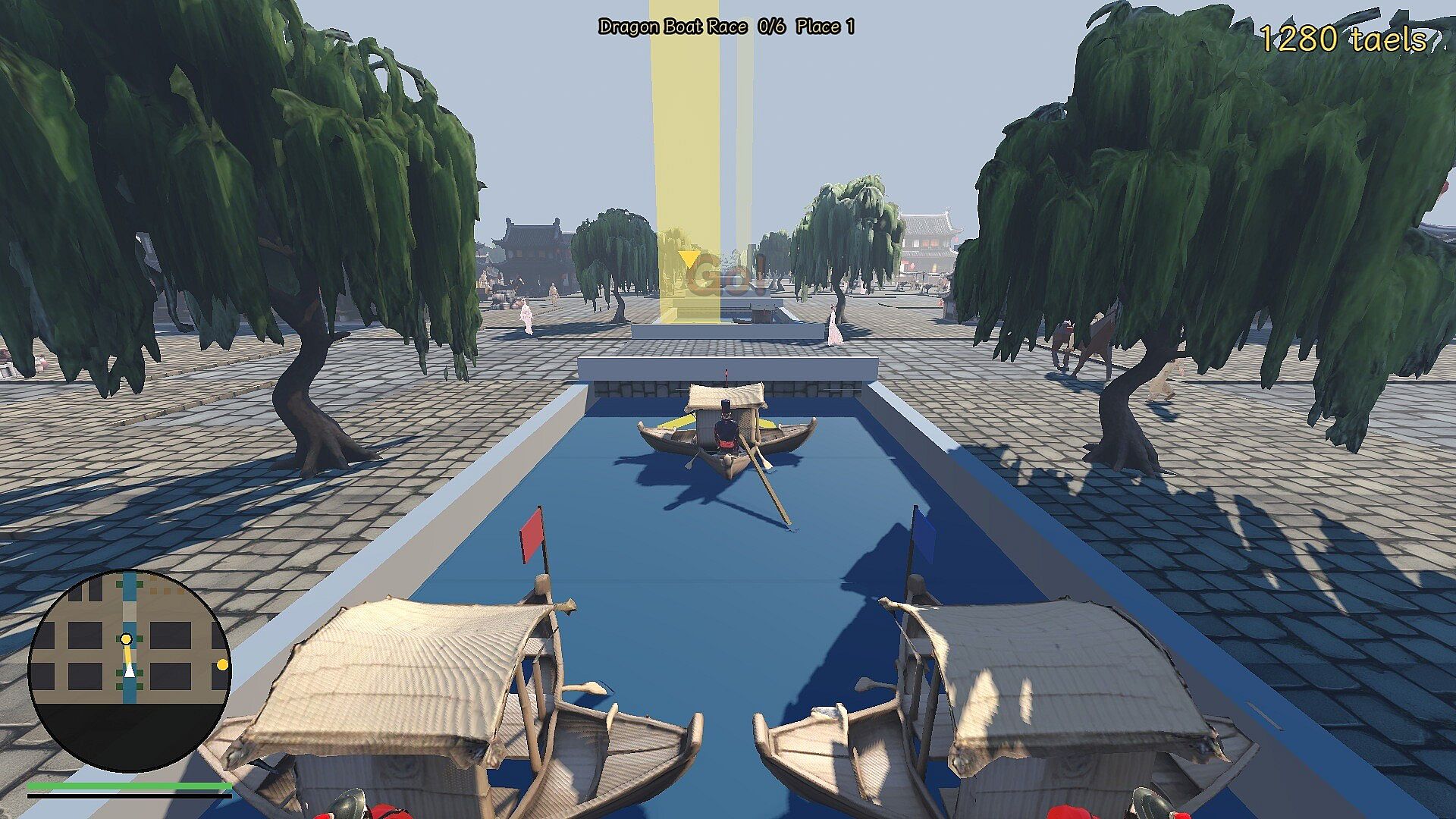
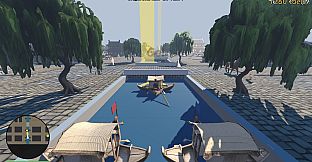
Horseback gallops through town streets, footraces during the Lantern Festival, and dragon boat rowing on the canal add variety to movement and competition. Daily bounties refresh available jobs on a board, encouraging repeated engagement with the town's systems. The third-person perspective supports fluid navigation across the county setting while managing these overlapping responsibilities.
Game Modes
The game operates as a cohesive single-player experience without separate multiplayer modes. Core activities blend into an ongoing routine of patrol duties, case resolutions, and opportunistic tasks. Patrolling addresses immediate street disturbances through combat and arrests. Case solving follows a structured sequence of scene analysis, witness interaction, tracking, and courtroom presentation.
Racing elements appear as distinct events tied to festivals and canal competitions, offering timed challenges separate from regular duties. Side activities such as stealth entries, explosive defusal, and venue clearances function as optional objectives that reward silver and experience. The bounty board provides a rotating selection of daily assignments that integrate with the main loop, allowing players to focus on combat, investigation, or miscellaneous jobs as desired. Leveling and skill development apply across all these elements, sharpening overall effectiveness in the county town.
Setting and Progression
The Ming dynasty county town serves as the central hub, with busy streets, markets, and waterways providing the backdrop for constable work. Progression ties directly to performance in patrols, investigations, and side tasks, building experience and resources to access better skills and equipment. Silver earned funds improvements while experience points drive character growth. The system supports a steady rhythm of daily responsibilities alongside one-off events like races and contests, creating a grounded routine of law enforcement in a historical context.
Is It Worth Playing?
This title suits players interested in a single-player blend of action combat, light investigation, and open-town exploration within a Ming dynasty setting. The verified mechanics emphasize direct intervention in street crimes, evidence-based case work, and varied activities including races and contests. With a release date in October 2026 and no user reviews available at launch, reception remains to be seen. Those drawn to indie action-adventure games focused on constable duties, skill progression, and repeatable daily tasks will find the core systems align closely with the described features. Availability is limited to PC with support for English, Simplified Chinese, and Traditional Chinese interfaces.











