




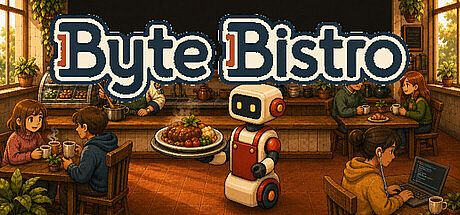


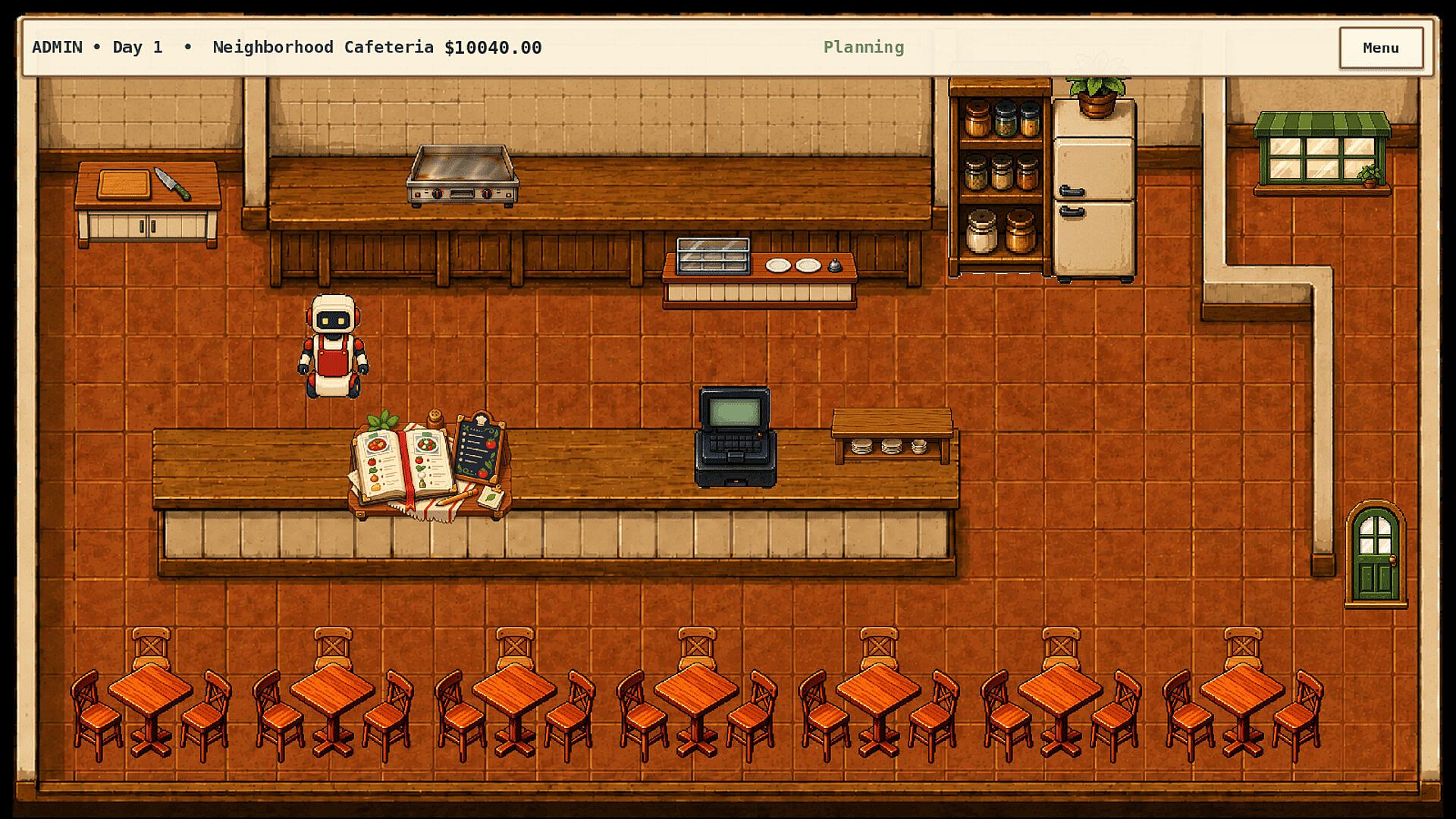
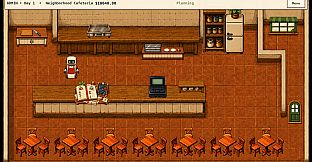
Byte Bistro is a single-player strategy, indie, casual, and simulation game set on PC where players manage a neighborhood café using programmable robots. The premise begins with a modest kitchen and one robot ready for its first set of instructions. From there, the focus stays on building efficient routines that handle ingredient gathering, cooking, plating, serving, and cleaning while guests arrive and the business expands.
Gameplay
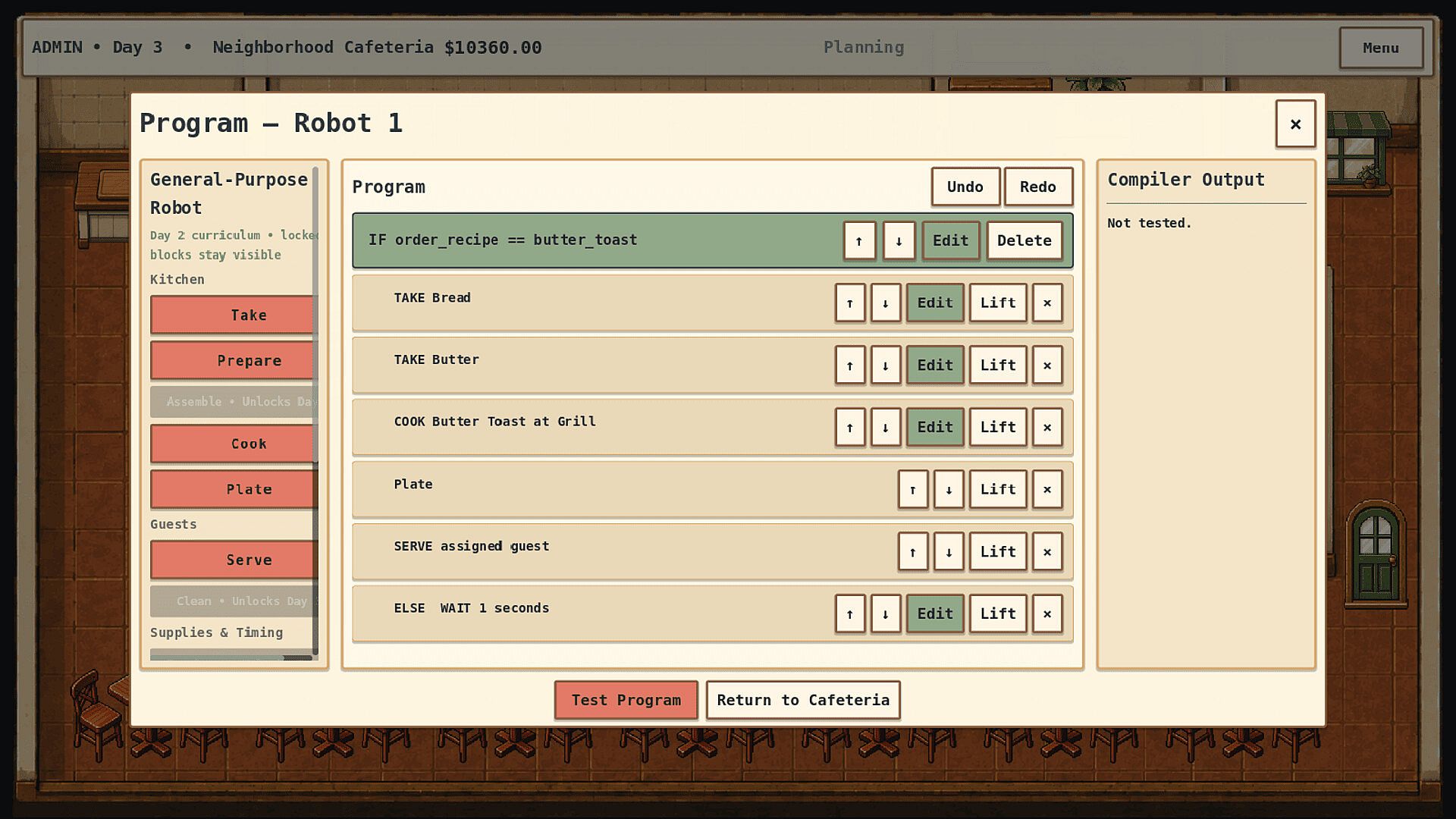
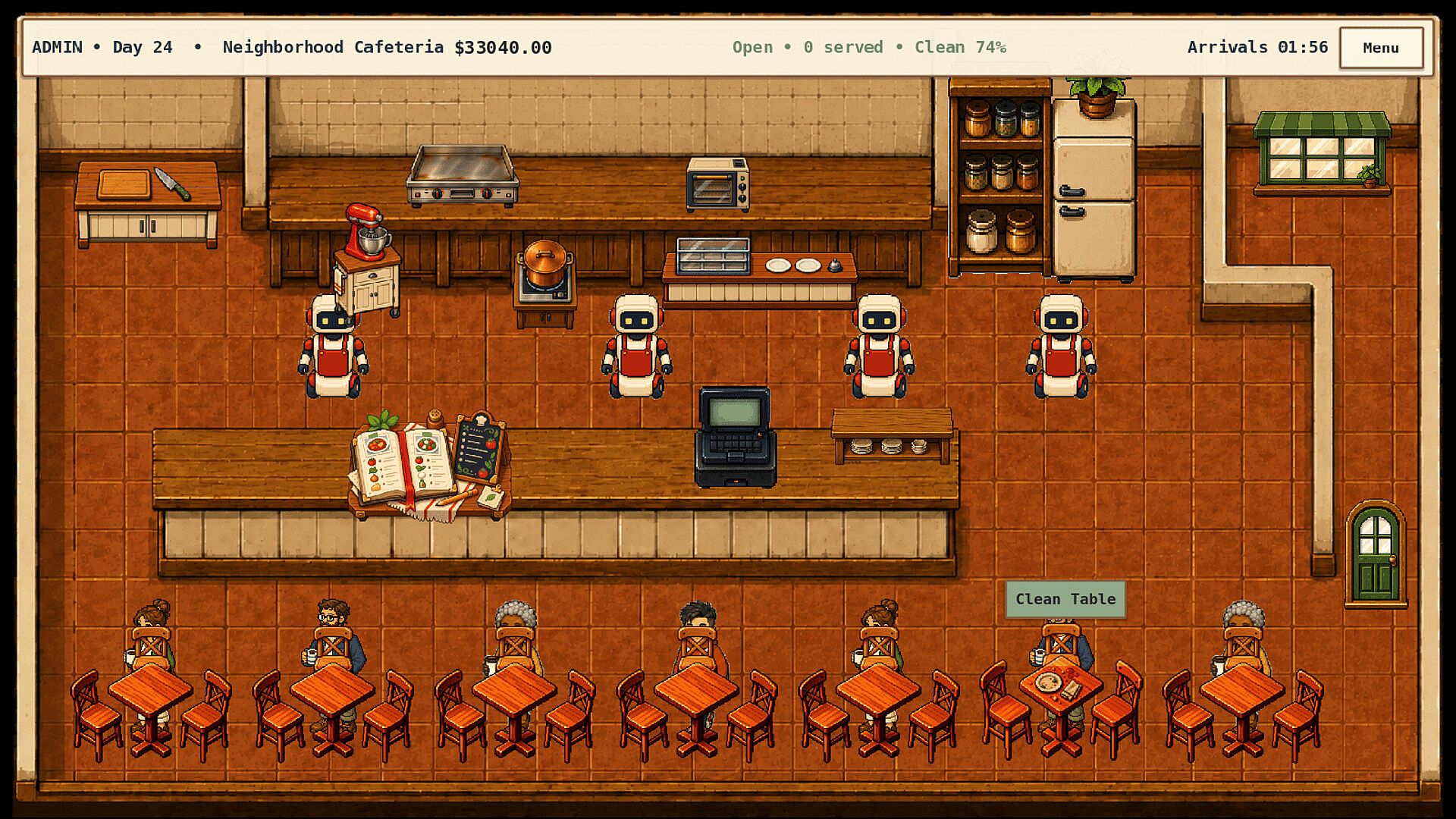
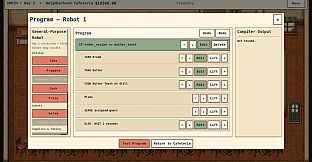
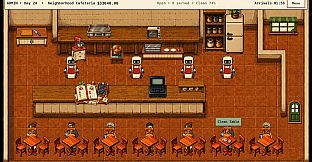
Core gameplay centers on visual programming. Players arrange sequences of actions for robots to follow, starting with basic steps and advancing to conditions, loops, variables, and reusable functions. Up to four robots operate in the same shared kitchen, so assigning distinct roles and coordinating their paths becomes essential as stations fill up or supplies run low. Interruptions like an empty shelf or a crowded counter require quick adjustments to the logic.
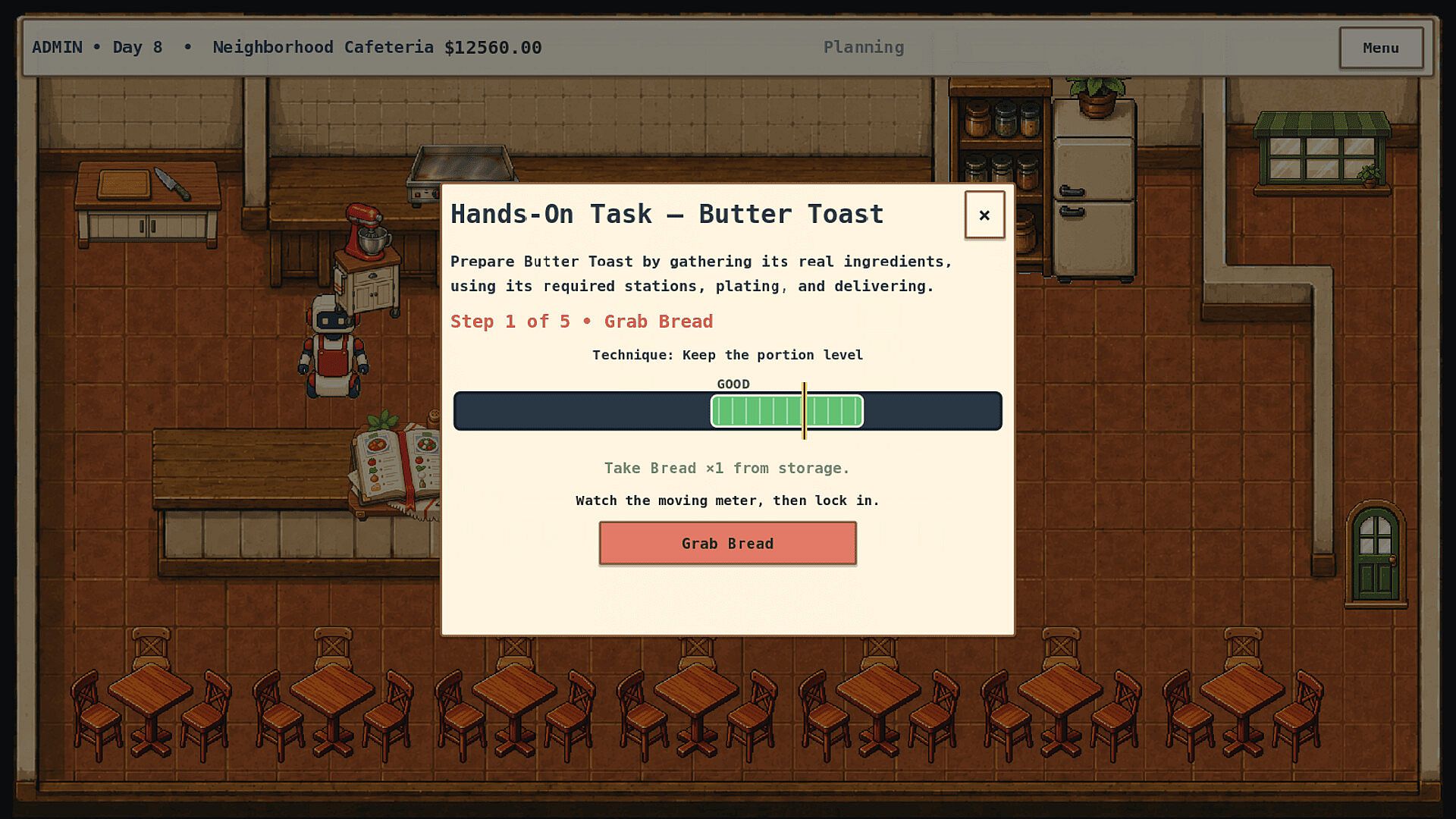
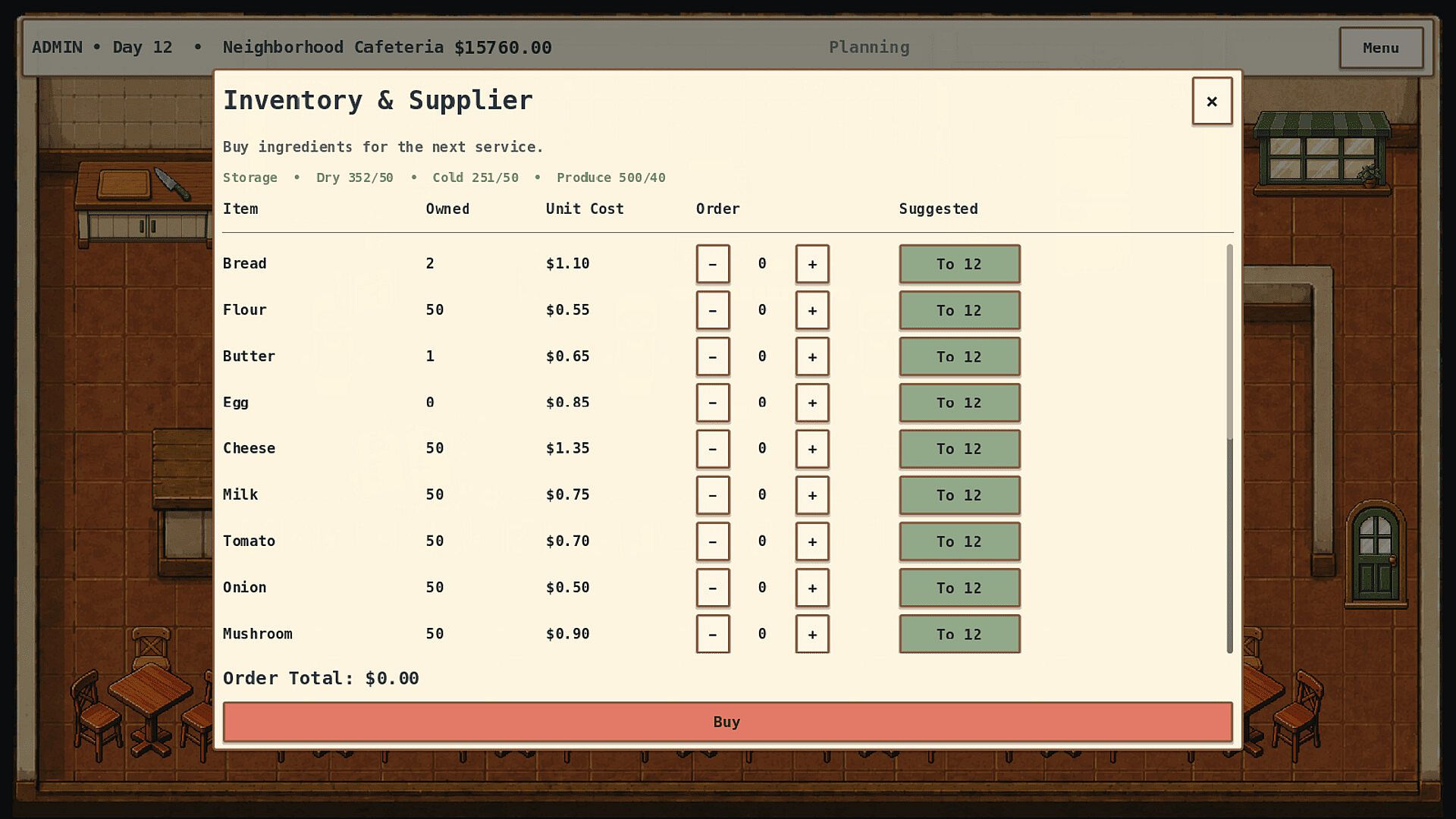
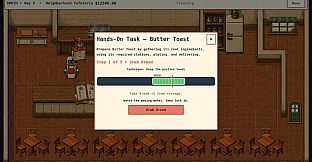
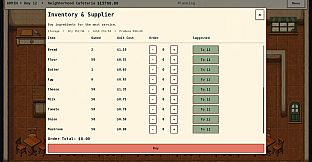
Outside of programming, players handle menu selection, pricing, supply orders, and earnings spent on equipment upgrades. Thirty recipes draw from twenty-five ingredients across the campaign. Hands-on minigames let players step in for specific cooking tasks or table cleaning while robots continue their programmed work. The warm pixel-art style and original soundtrack support a relaxed pace that still rewards careful planning and iteration.
Game Modes
The main campaign runs through twenty-four services. Each service presents new challenges that test and expand the programming toolkit, with progress unlocking additional recipes and equipment options. After completing the campaign, endless mode allows continued operation without the daily structure, focusing purely on refining automation and sustaining the café.
Desktop Companion provides a separate compact view. Robot programs created in the main game continue running in the background, using ingredients and generating earnings while the full window stays open. This mode does not advance campaign progress but keeps the kitchen active during other tasks.
Key Mechanics and Progression
Progression ties directly to programming depth and business decisions. Early sequences handle straightforward flows, while later stages demand conditional logic to adapt to variable guest numbers or station conflicts. Dividing labor among the four robots encourages experimentation with different job assignments and reusable routines that scale across services.
Resource management adds another layer. Ordering supplies at the right times prevents bottlenecks, and upgrade choices influence how efficiently robots can move or process items. The single shared kitchen forces players to balance speed with spatial awareness, turning each service into a test of both code quality and operational foresight.
Who the Game Appeals To
Byte Bistro suits players who enjoy automation mechanics, puzzle-like programming challenges, and light business simulation. Those drawn to indie titles with clear progression systems and cozy presentation will find the pixel-art café setting and incremental complexity rewarding. The absence of multiplayer keeps the experience focused on personal iteration and refinement.
Is It Worth Playing?
Byte Bistro delivers a focused loop of programming, testing, and café growth that rewards logical thinking and patience. The campaign structure provides a clear path from simple sequences to advanced routines, while endless mode and the companion feature extend play without repetition. Players who appreciate visual scripting, resource oversight, and hands-on minigames will likely enjoy the steady sense of improvement as routines become more reliable and profitable. The game remains a solid choice for anyone seeking a thoughtful single-player simulation that blends casual pacing with genuine systems depth.











