


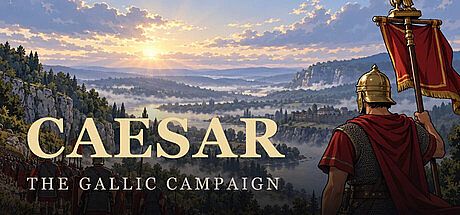


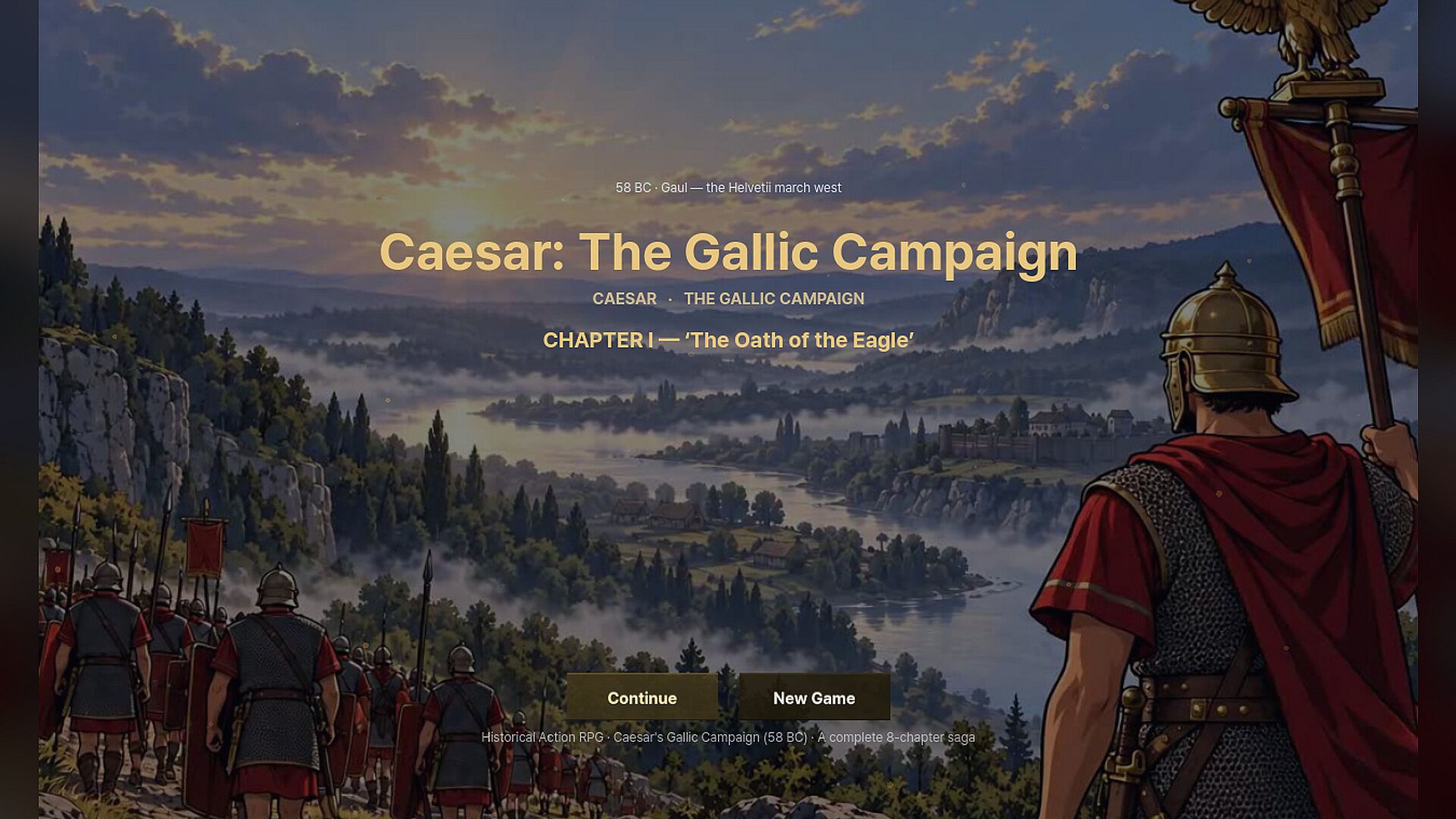
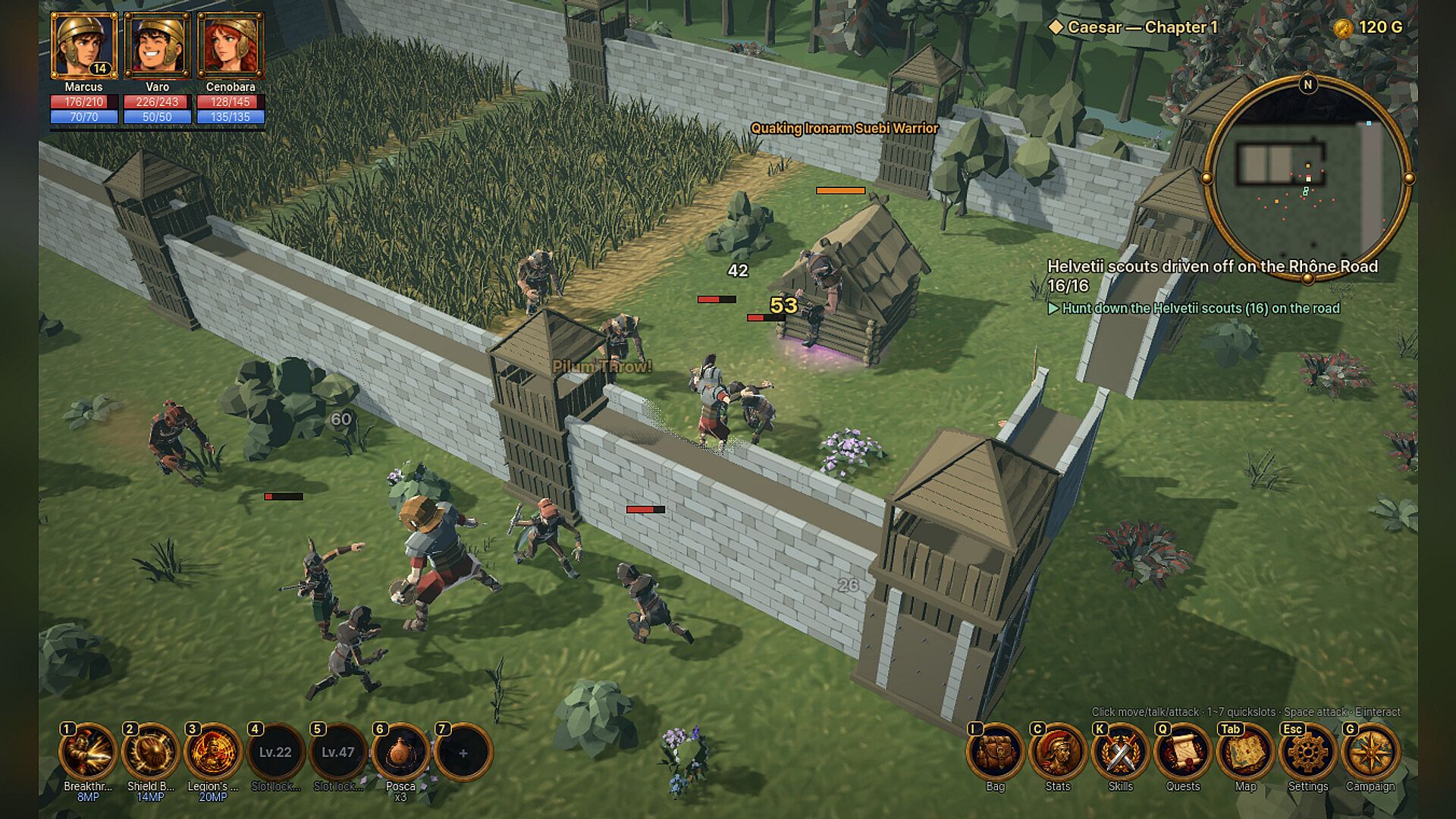
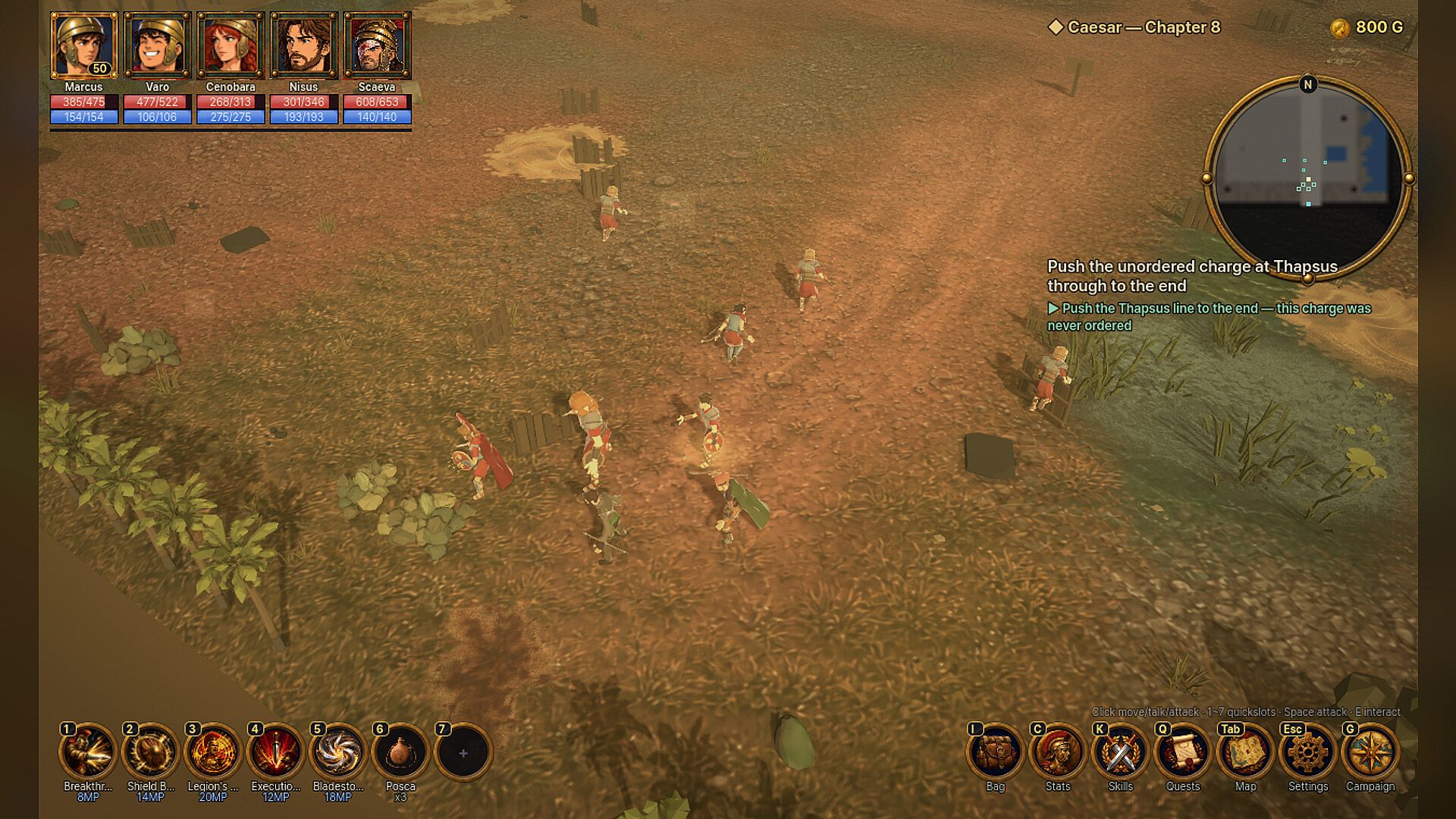
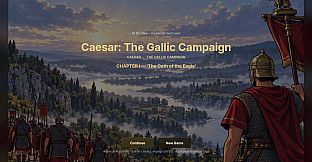
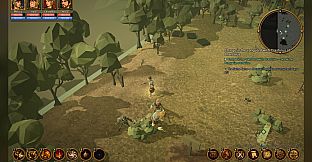
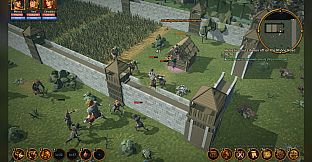
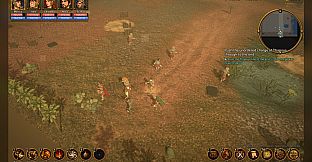
Caesar: The Gallic Campaign is a single-player action RPG set during the historical campaigns of Julius Caesar in Gaul and beyond. Players take the role of Marcus, a nameless legionary in the Tenth Legion, experiencing eight years of conflict from a ground-level perspective rather than through grand strategy maps. The game blends real-time combat with loot-driven progression across a linear campaign that follows documented events from the Helvetii migration through the siege of Alesia and into the Roman civil wars.
Gameplay
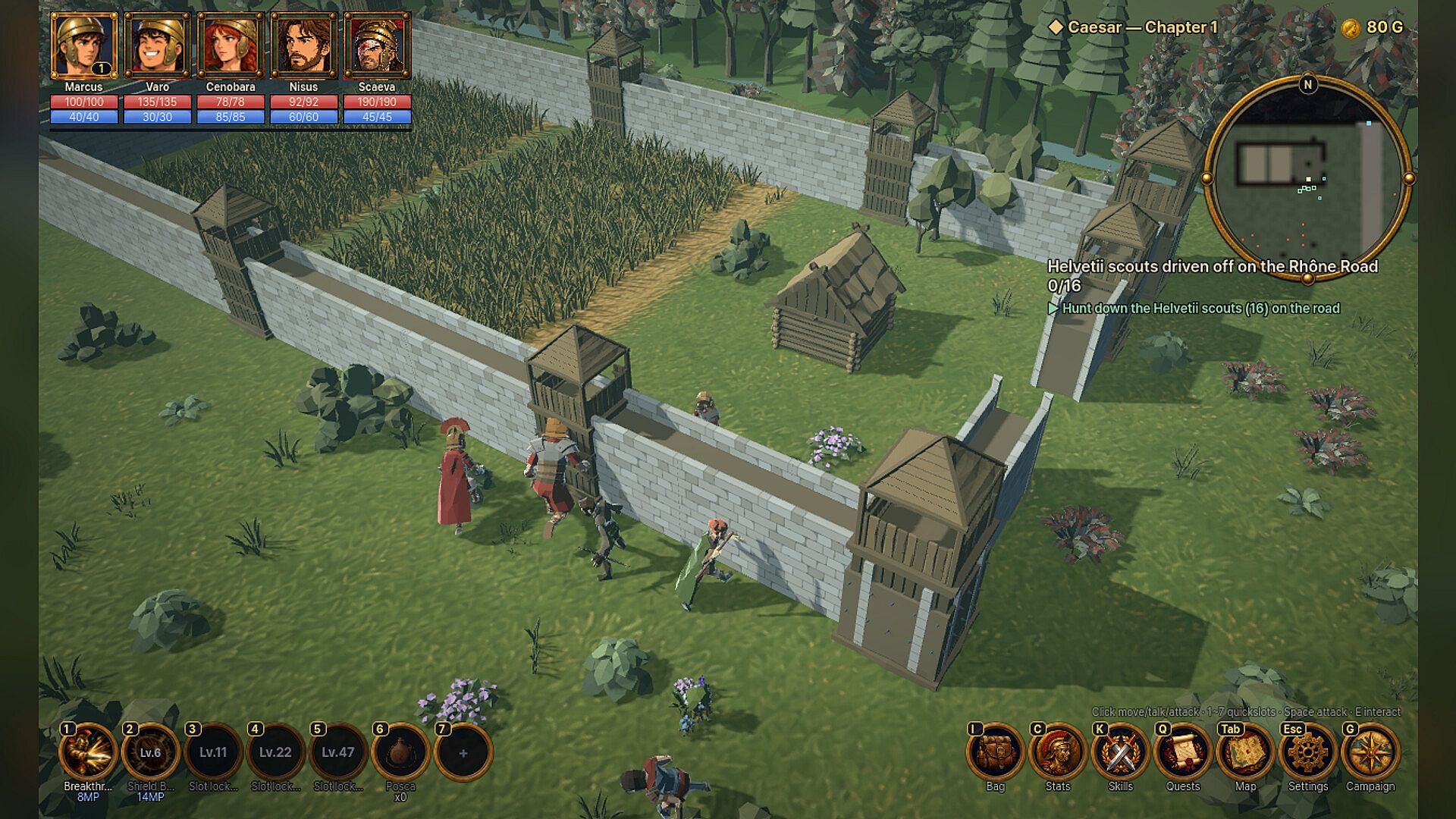
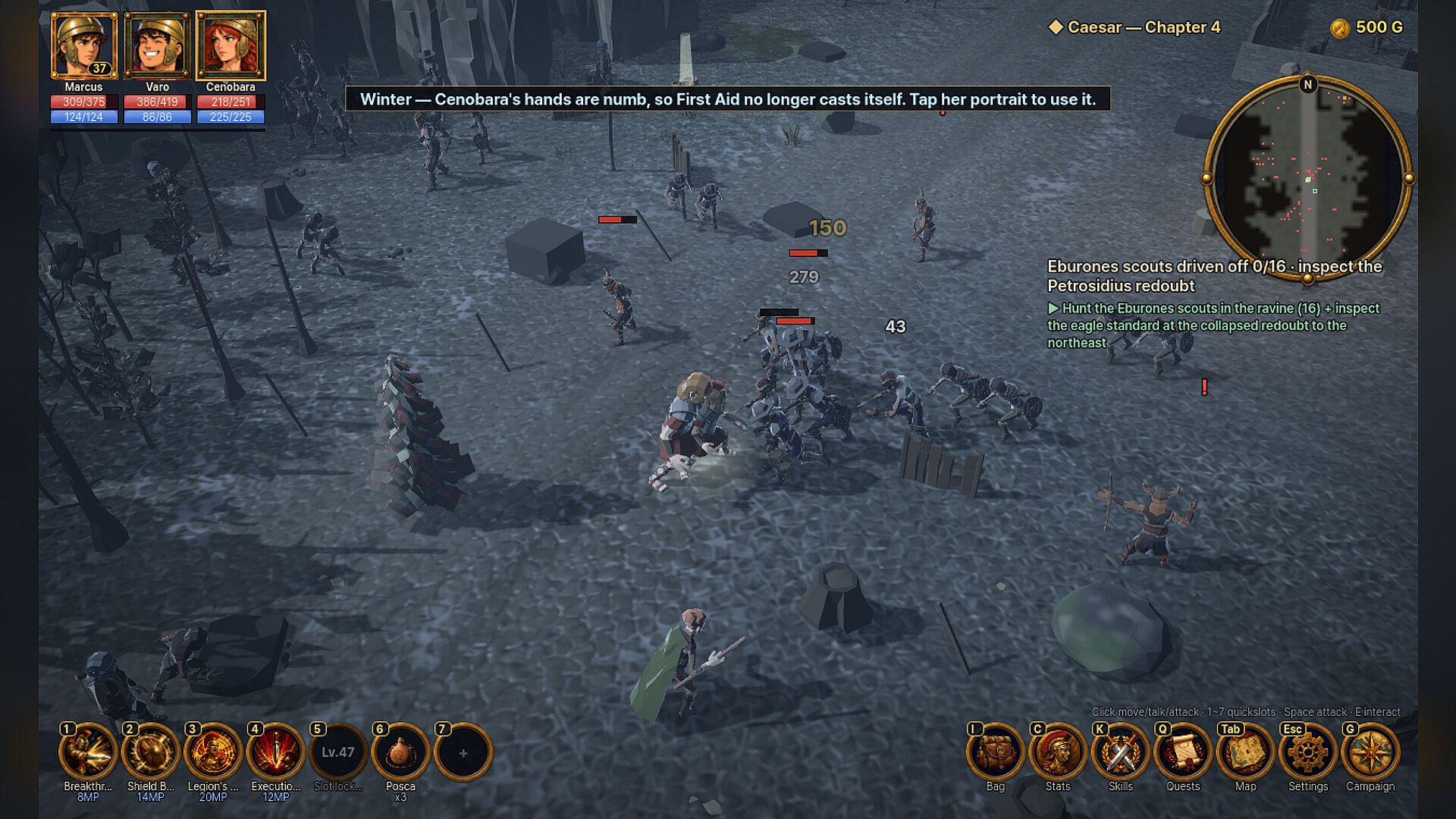
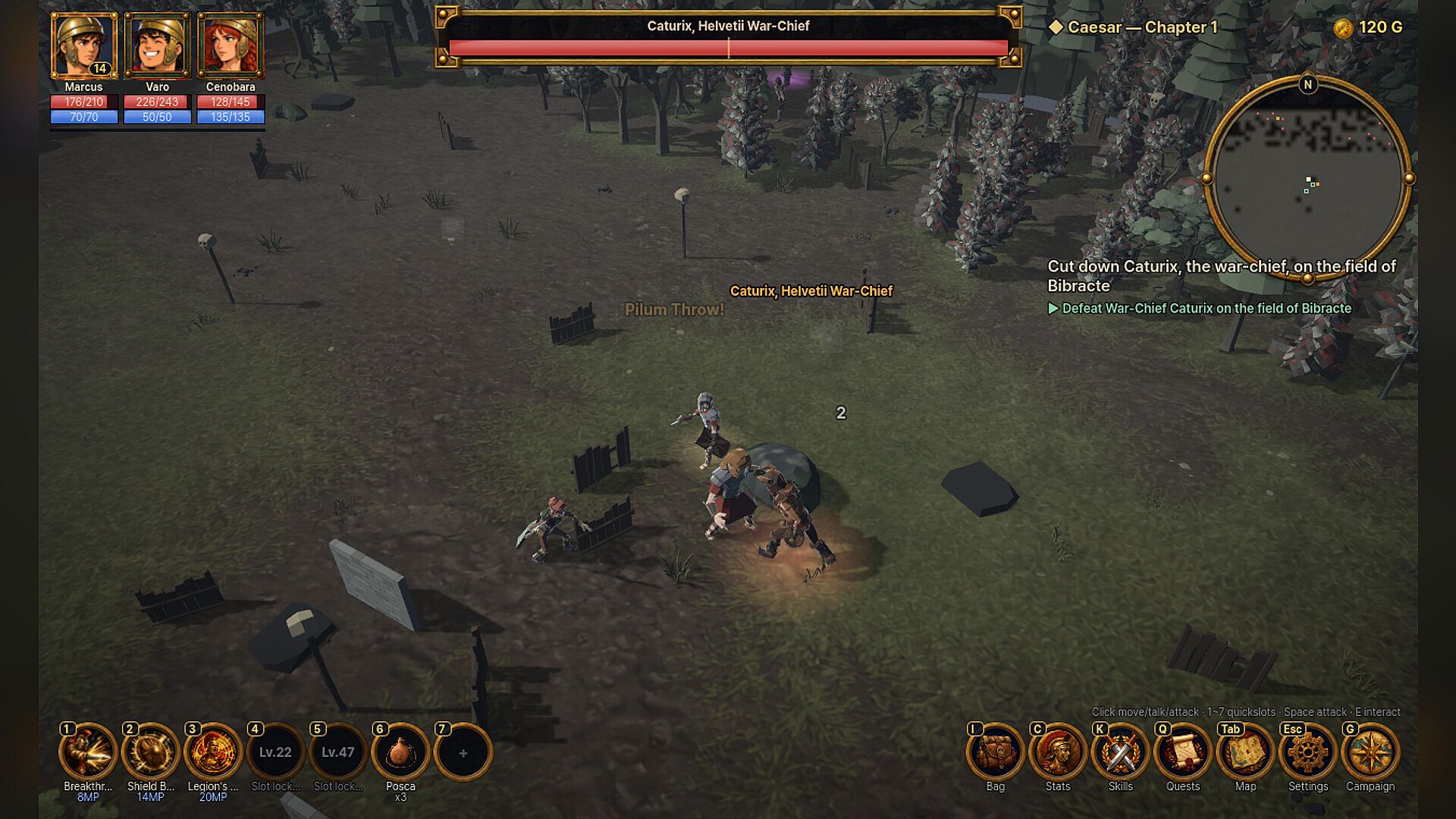
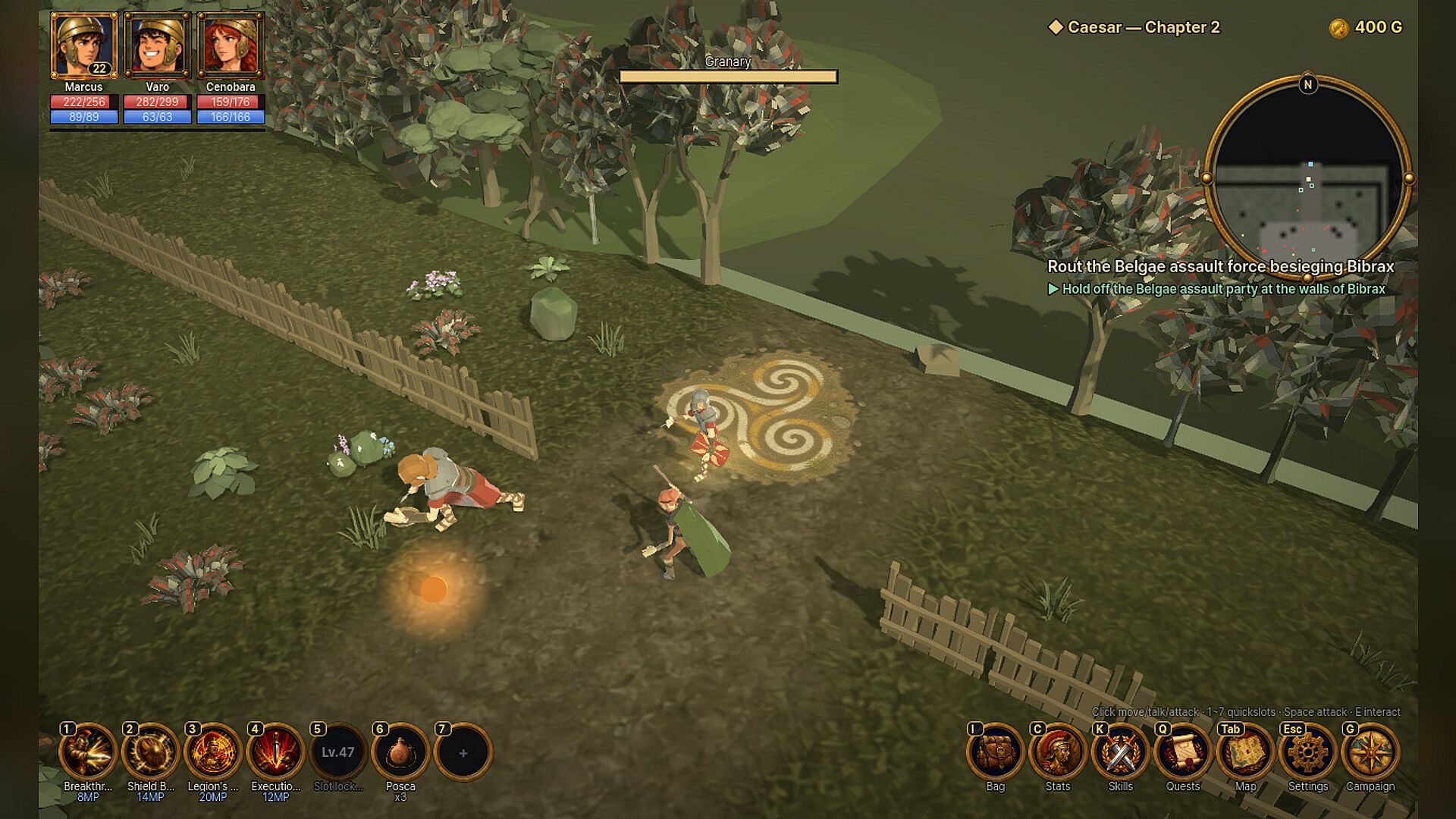
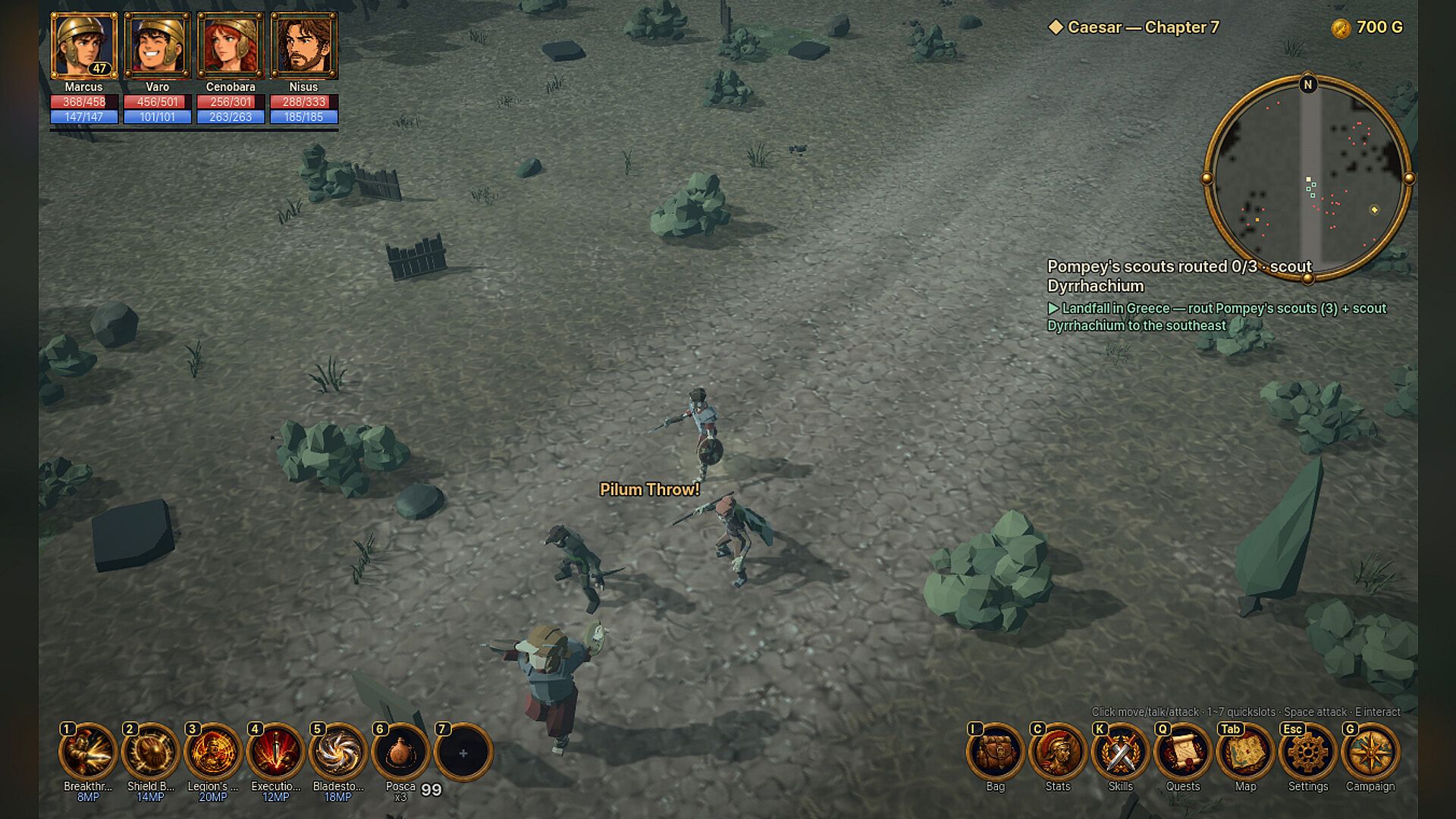
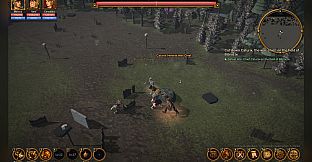
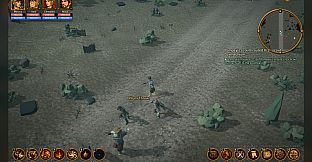
The core loop centers on direct control where a single click handles both movement and attacks. Combat decisions hinge on equipped weapons, slotted active skills unlocked through leveling, and passive abilities swapped to counter specific threats. Loot drops carry affixes that define builds, with runes available to reroll unwanted stats on gear. Elites appear with orange nameplates and carry unique titles tied to their affixes, serving as high-risk, high-reward encounters that demand attention to positioning and ability timing.
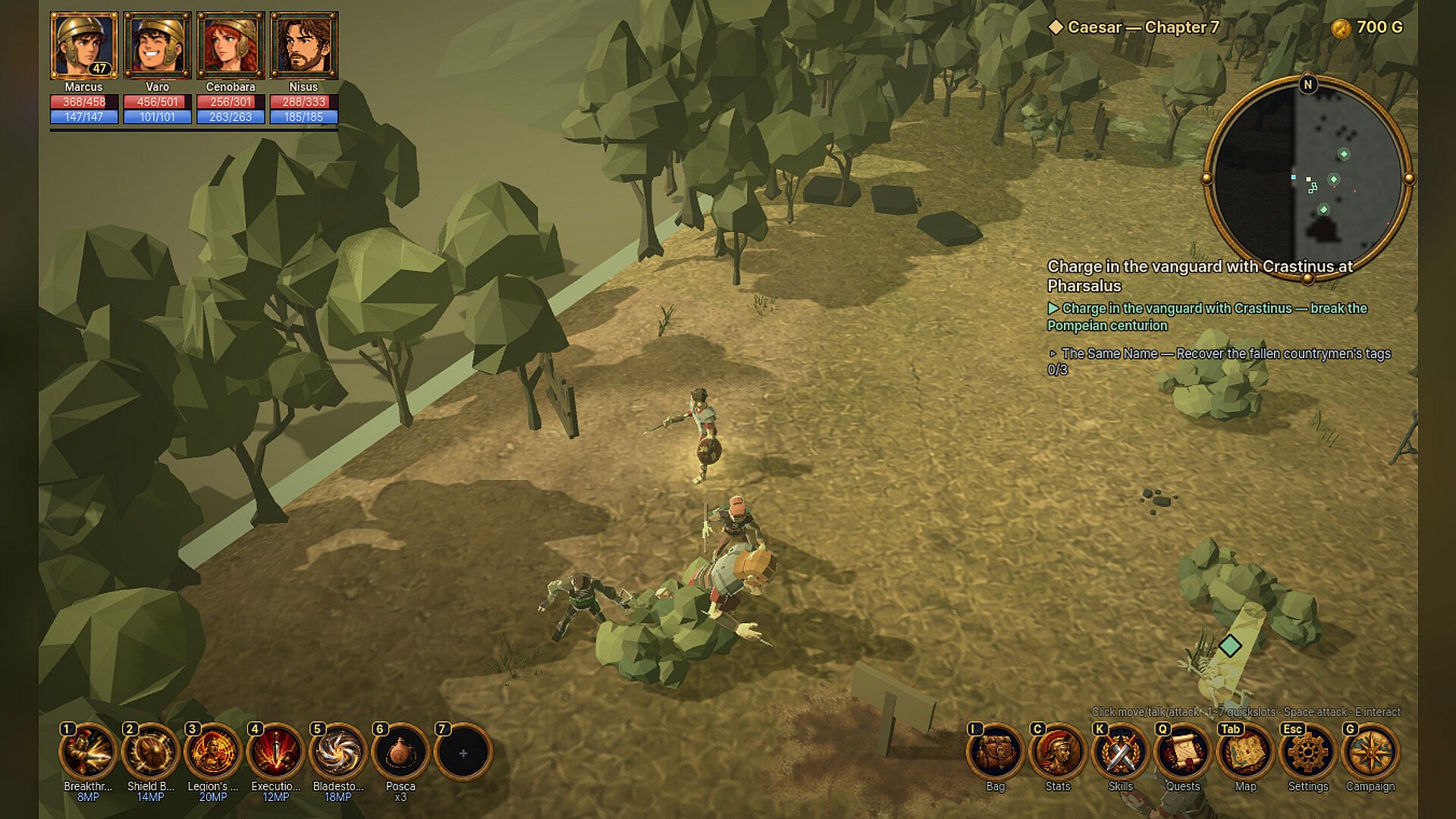
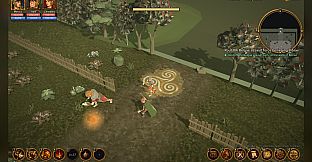
Companions such as the Gaul Cenobara and comrade Varo join the march, each with personal motivations. Gear can be passed to them to strengthen the group during extended fights. Gold collected from the field funds reforging, gambling for better items, and quartermaster upgrades that improve overall effectiveness. The campaign spans multiple regions with environments rebuilt per chapter to reflect local flora, architecture, and lighting, from Gaulish forests to Mediterranean cypress groves and North African palms.
Voice acting covers 790 lines in both English and Korean, supported by cinematic chapter openings, endings, and title cards. The entire experience runs on low-poly 3D models with a cinematic color grade and uses the GL Compatibility renderer for stable performance on older hardware and integrated graphics. Controls remain limited to mouse clicks or taps, allowing one-handed play throughout.
Game Modes
The game offers a single continuous campaign divided into eight chapters plus an epilogue. Difficulty operates on five separate tiers recorded per playthrough, beginning with Normal for straightforward story progression and scaling up to Torment where higher-tier legendary items become available. No additional modes such as multiplayer, endless runs, or separate skirmishes exist beyond this structured single-player experience.
Progression and Systems
Skill slots accommodate active abilities gained by leveling, while passives adjust on the fly to match enemy compositions. Quickslots one through eight hold potions and consumables for uninterrupted combat flow. The affix and rune system on weapons and armor forms the foundation of character builds, encouraging repeated runs to chase stronger rolls. Companions benefit from shared loot, extending survival in tougher encounters. Gold management directly influences combat readiness through reforging and vendor options rather than serving as simple currency.
Is It Worth Playing?
This title suits players who prefer narrative-driven action RPGs with streamlined controls and a focus on historical events presented at infantry level. The absence of turns or complex inputs makes it accessible for those who enjoy steady progression through chapters without pausing for strategy layers. Difficulty scaling and loot variety provide replay value within the fixed campaign structure, particularly for those interested in experimenting with affix combinations and companion support. As a single-player experience built for older hardware, it appeals to users seeking a self-contained story without ongoing seasonal content or multiplayer requirements. Those drawn to the setting and the click-based combat loop will find a focused journey that emphasizes personal survival and buildcraft over large-scale command.












