






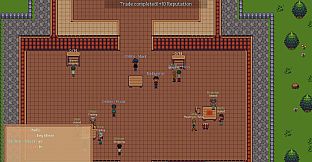
Card Shop Duelist to symulacja strategiczna, w której gracz przejmuje prowadzenie lokalnego sklepu z kartami kolekcjonerskimi na PC. Rozgrywka łączy zarządzanie sklepem z budowaniem talii i turniejowymi pojedynkami w fikcyjnej grze karcianej Battleforge. Zaczynasz od podstawowego lokalu i stopniowo rozwijasz działalność poprzez zakupy, ustalanie cen oraz kontakty z klientami, jednocześnie rozbudowując własną kolekcję.
Rozgrywka
Podstawą rozgrywki jest uzupełnianie półek, ustalanie cen i obsługa klientów w sklepie, który zmienia się wraz z postępem. Gracz zamawia boostery i pudełka od dostawców, przenosi towar z magazynu i układa ekspozycje zgodnie z aktualnym popytem. Dynamiczna ekonomia codziennie aktualizuje wartości kart i boosterów, co wymusza bieżące dostosowywanie cen hurtowych do trendów rynkowych. Panel rynku pomaga wychwytywać zmiany, zanim wpłyną na sprzedaż.
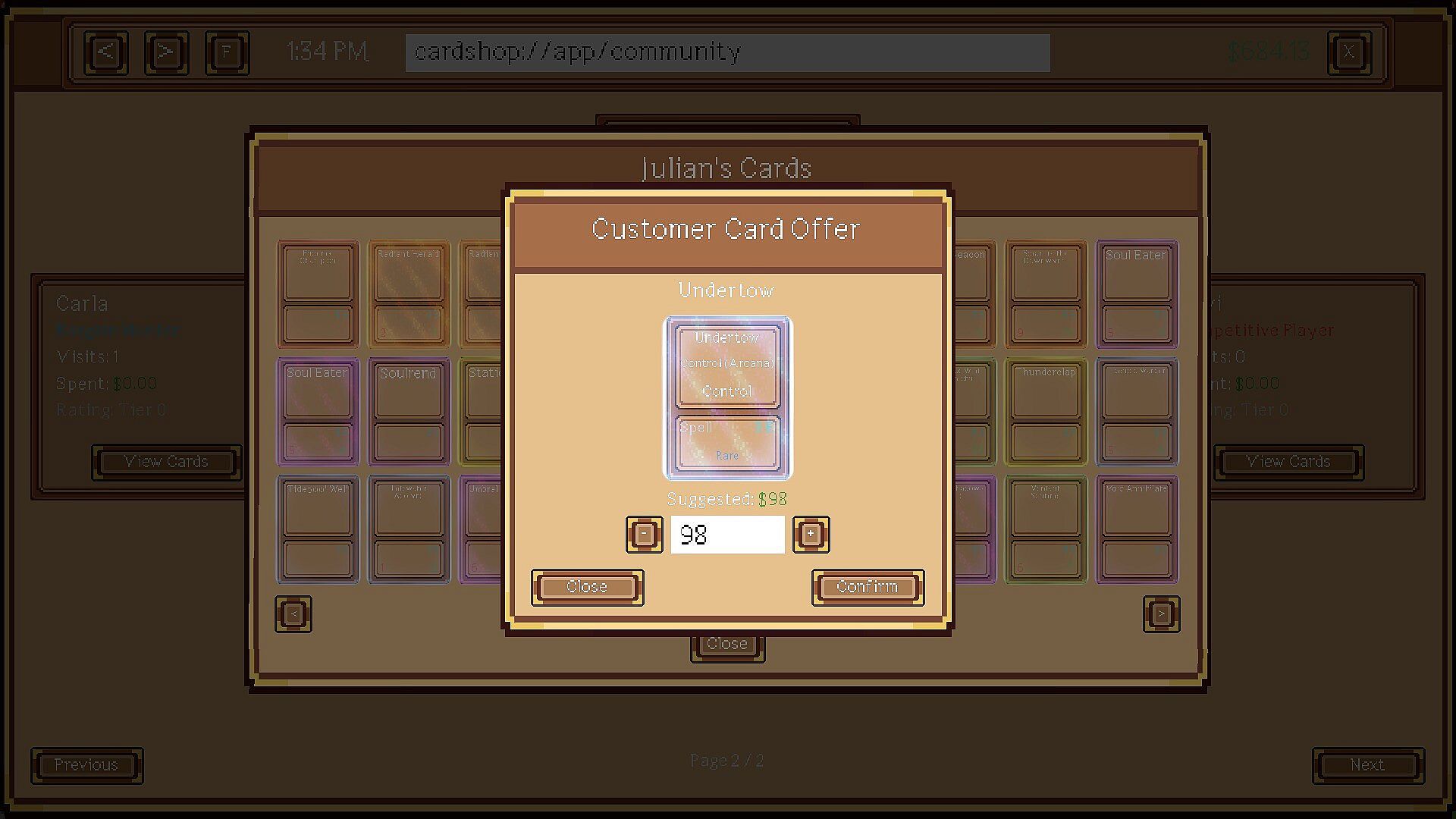
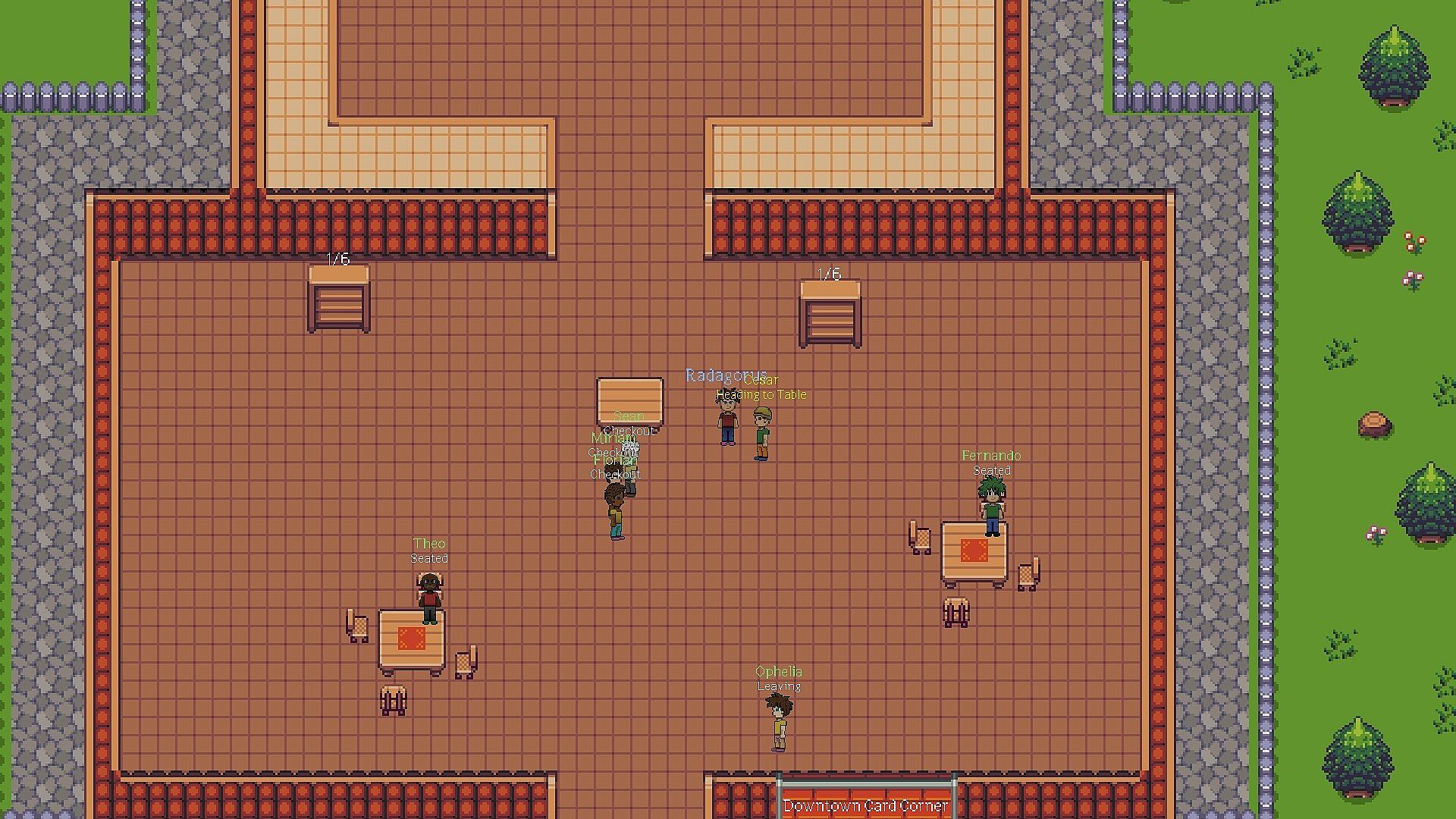
Klienci przychodzą z konkretnymi celami - szukają boosterów z ulubionego zestawu lub konkretnych singli. Stali bywalcy zapamiętują poprzednie wizyty, więc puste półki lub zawyżone ceny mogą zniechęcić ich do powrotu. Budowanie relacji z regularnymi klientami odblokowuje korzyści lojalnościowe. Merchandising ma duże znaczenie - pełne i zróżnicowane ekspozycje przyciągają więcej osób, podczas gdy ubogie stojaki odstraszają odwiedzających.
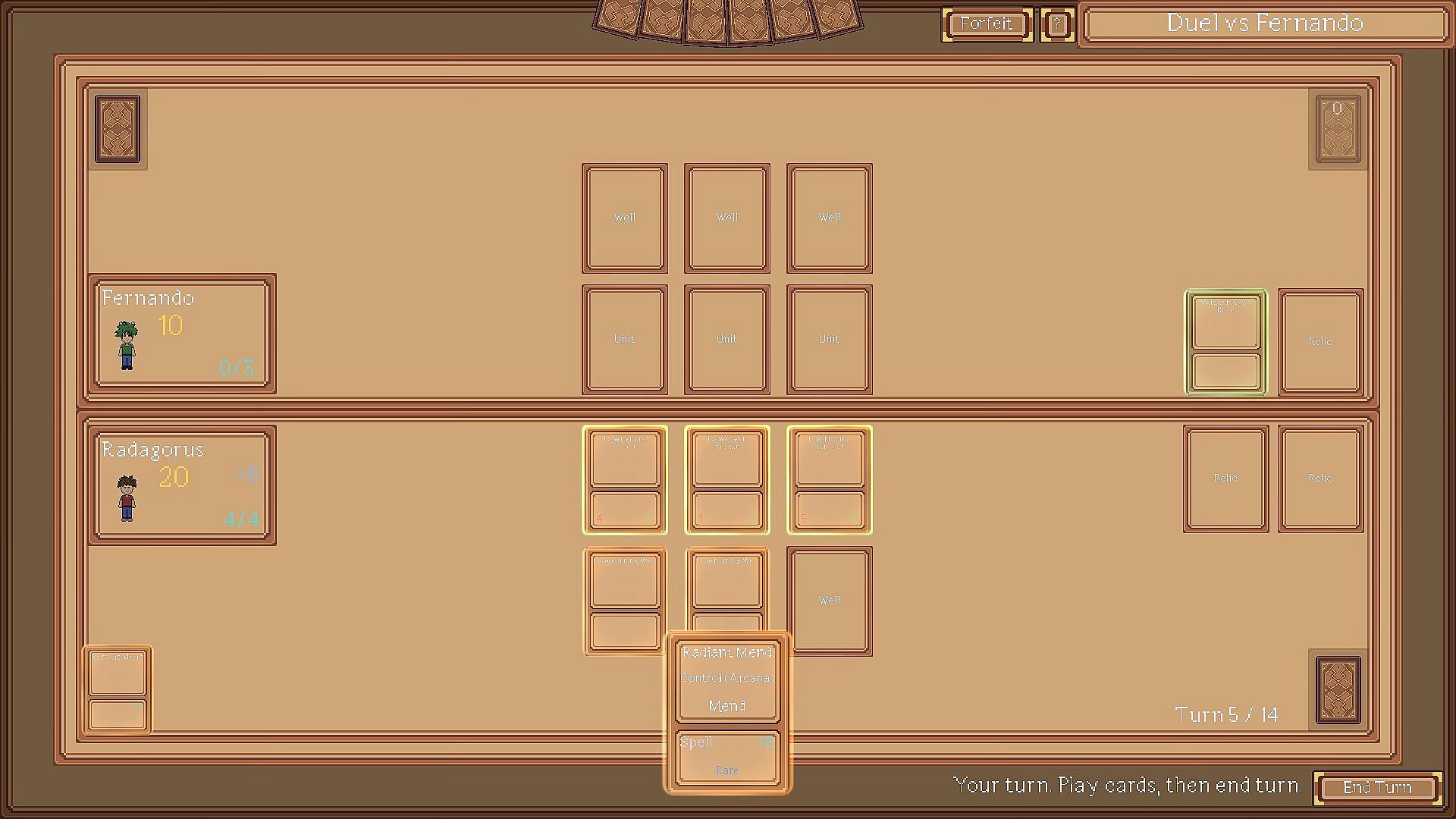
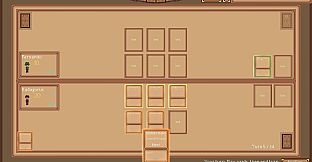
Pojedynki odbywają się przy ladzie, gdy klient przyjmie wyzwanie. Gracz buduje talię z osobistego zbioru, wykorzystując wyciągnięte karty, i wybiera jeden z podstawowych archetypów. Te mecze urozmaicają codzienną pracę i generują zainteresowanie, które przyciąga kolejnych klientów. Można zatrudniać pracowników do uzupełniania towaru i obsługi kasy, co pozwala skupić się na pojedynkach lub rozbudowie kolekcji, podczas gdy ekipa pracuje w czasie rzeczywistym.
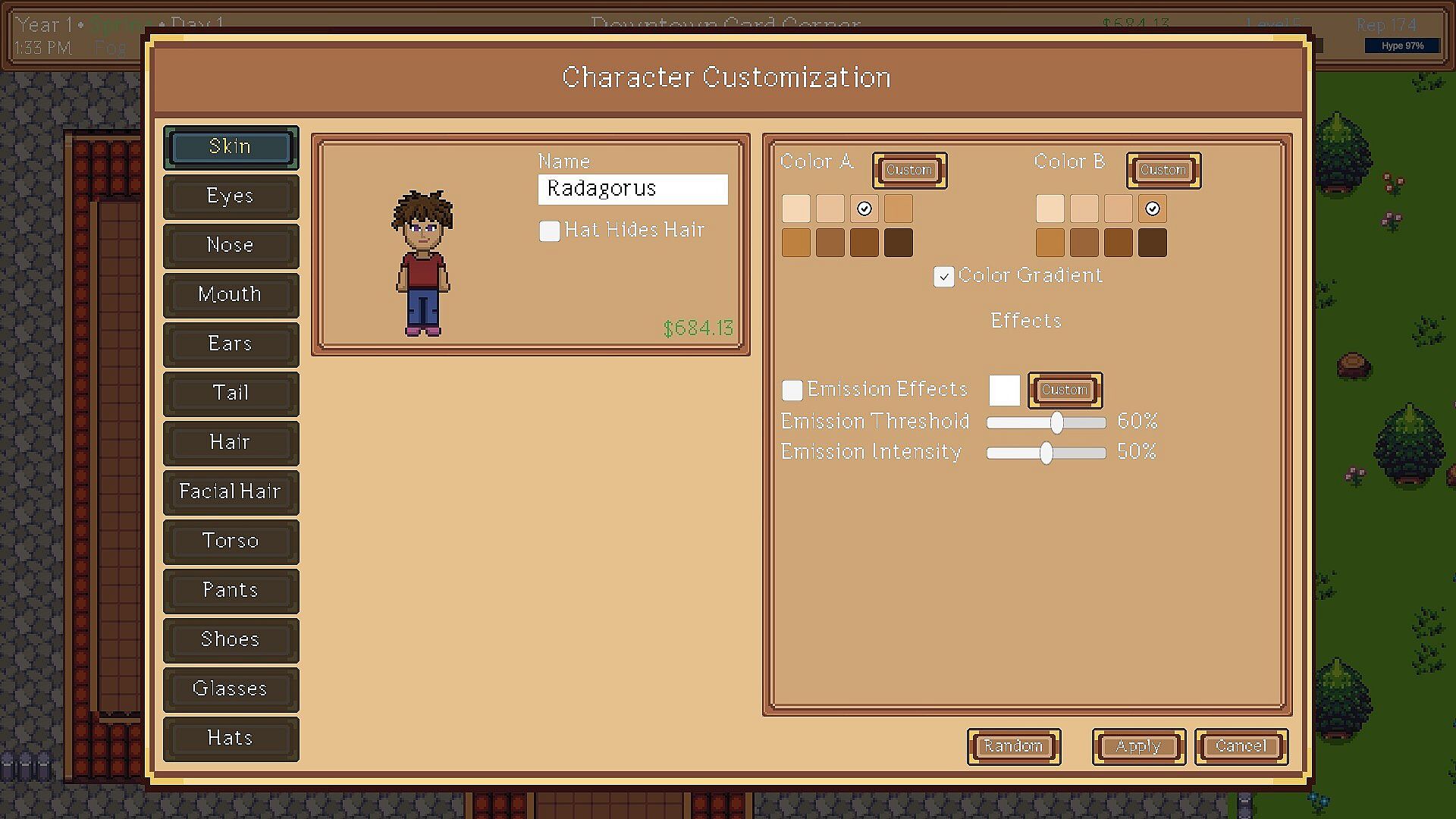
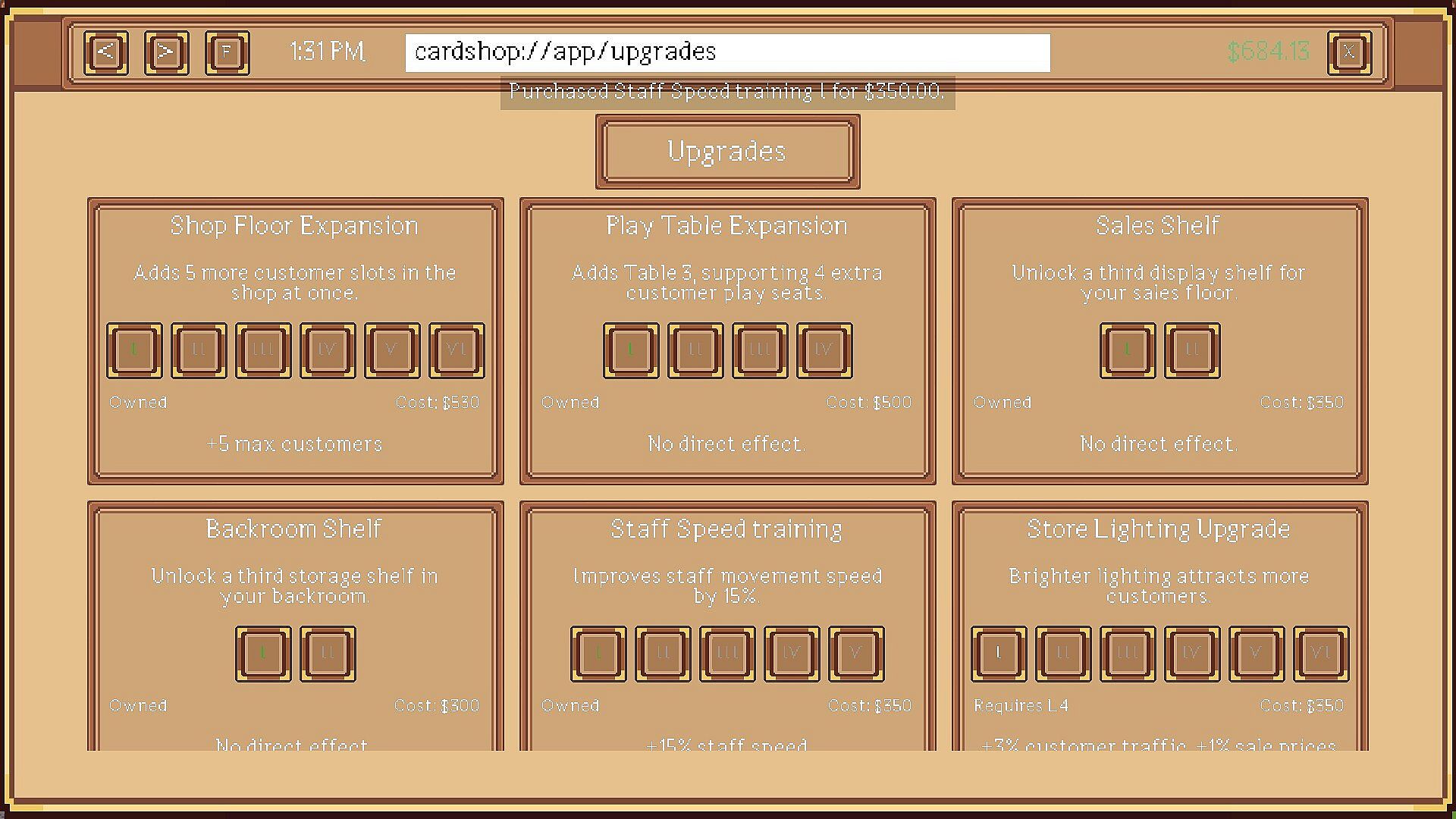
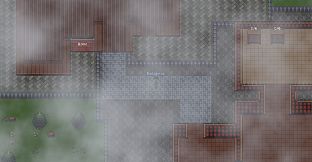
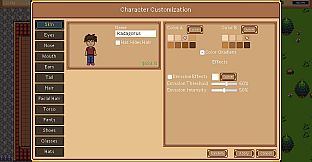
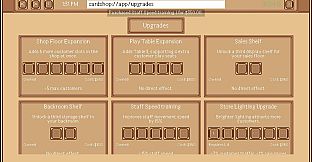
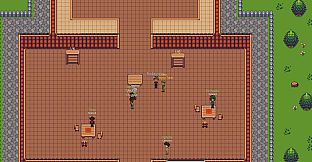
Rozbudowa sklepu odbywa się w trybie budowy, gdzie rozmieszczenie mebli i zmiana układu zamieniają małą przestrzeń w większą strefę spotkań. Ulepszenia zwiększają pojemność magazynu, powierzchnię półek oraz limity przenoszenia w miarę awansowania lokalu. Personalizacja postaci pozwala zmieniać wygląd właściciela za pomocą strojów dostępnych w grze.
Tryby gry
W trybie dla jednego gracza skupiasz się na samodzielnym rozwoju sklepu - od niewielkiego punktu po pełnoprawny hub społecznościowy. Cele dzienne, tygodniowe i główne nadają strukturę rozgrywce, pozostawiając jednocześnie dużą swobodę. Sezony i wydarzenia wpływają na natężenie ruchu i zachowanie klientów, a dynamiczne oświetlenie zmienia się wraz z cyklem dnia i nocy.
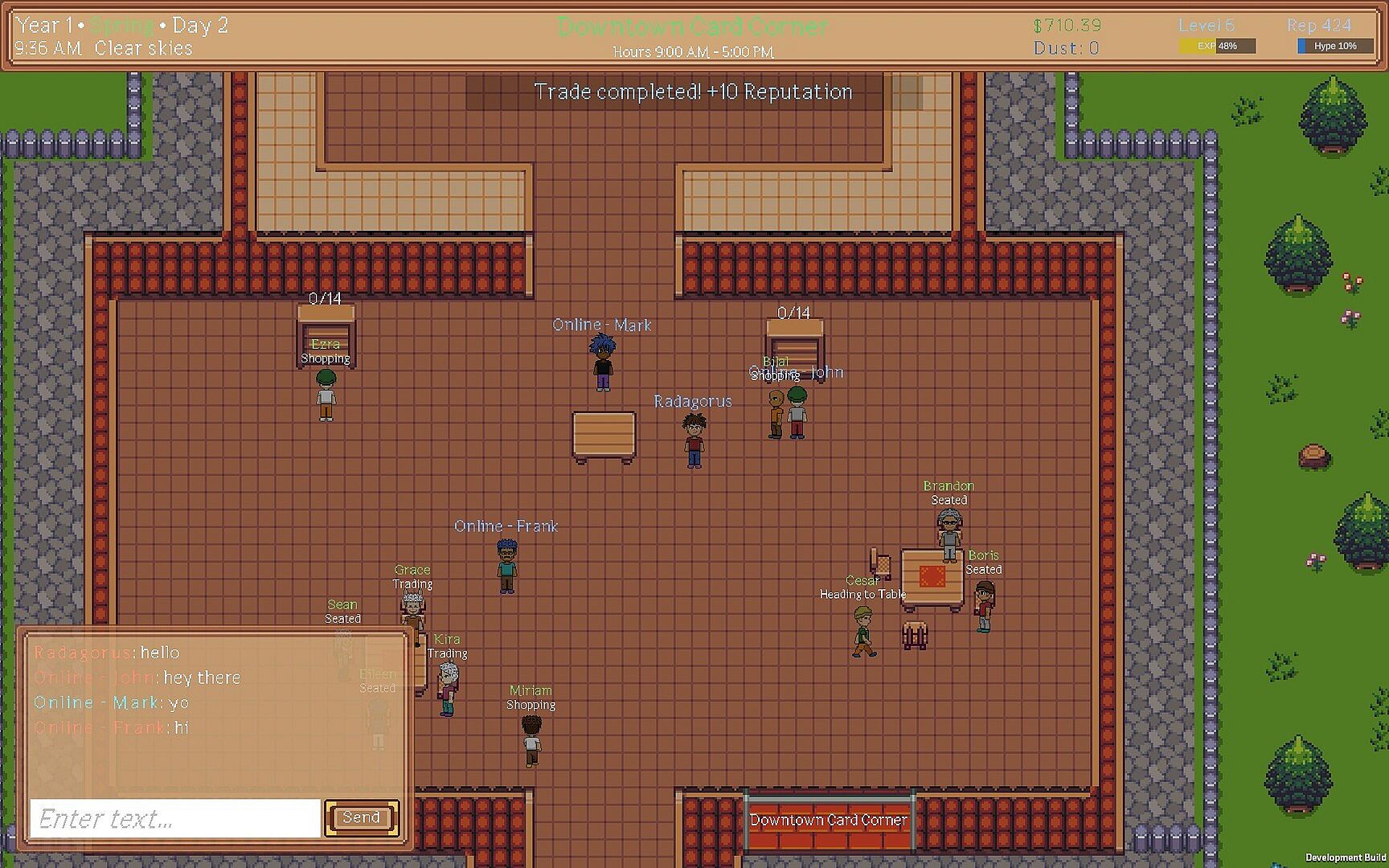
Tryb online pozwala na wspólną grę maksymalnie czterem osobom. Każdy uczestnik korzysta z własnego zapisu, zbioru kart i środków, a host decyduje o podziale przychodów oraz uprawnieniach gości. Możliwe jest bezpośrednie wymienianie kart, pojedynki w Battleforge oraz wspólne turnieje, w których prawdziwi gracze rywalizują razem z NPC-ami. Żadne zasoby nie są automatycznie łączone, dzięki czemu każdy zachowuje własny postęp.
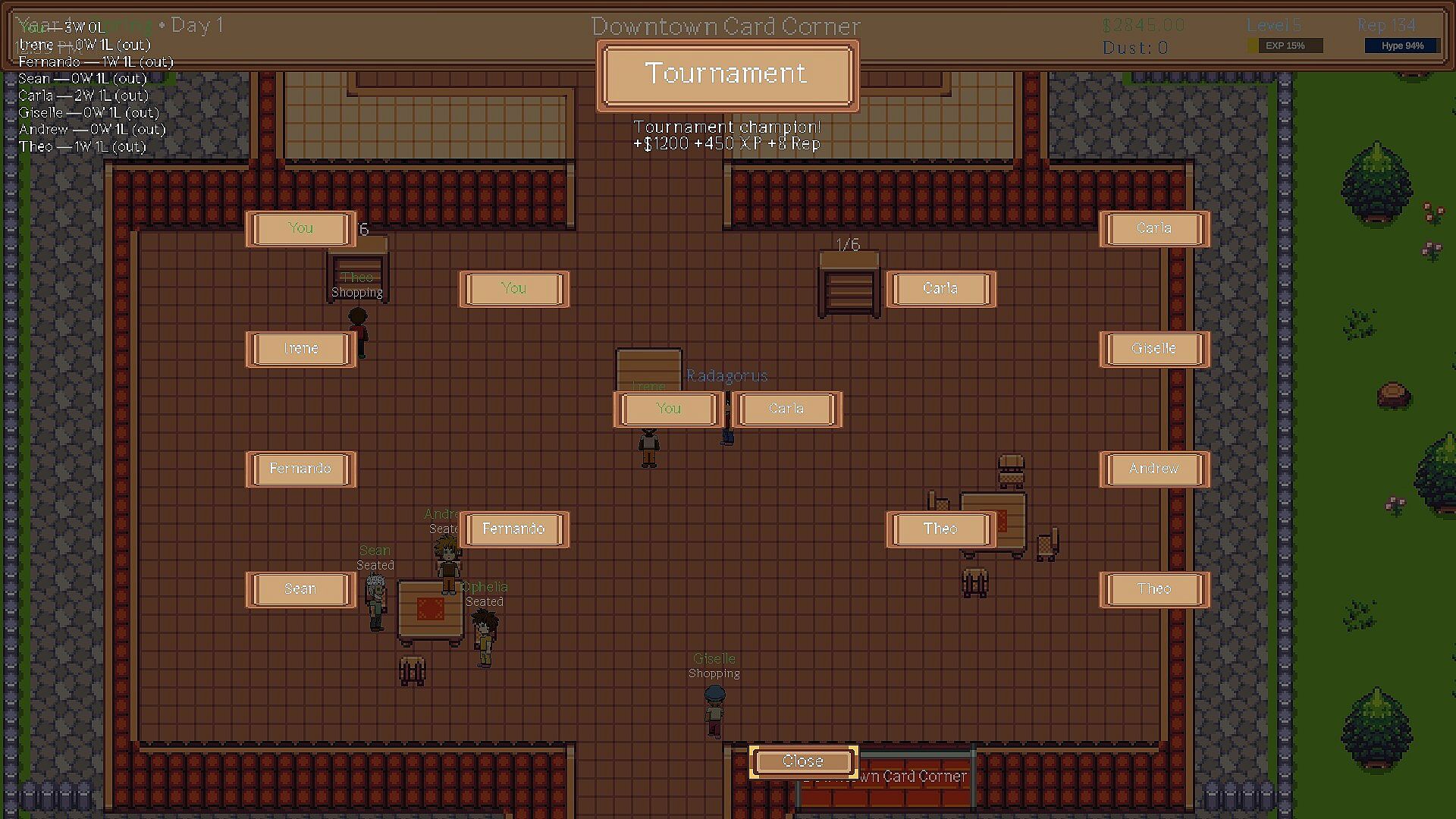
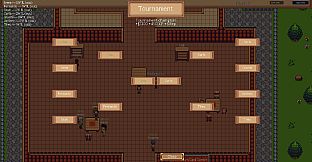
Turnieje stanowią ważny element obu trybów. W singlu bracket wypełniają boty, natomiast w sesjach online mieszają się gracze i stali bywalcy. Wydarzenia te generują dodatkowy ruch i dają okazję do pojedynków poza standardowymi wyzwaniami przy ladzie.
Budowa kolekcji
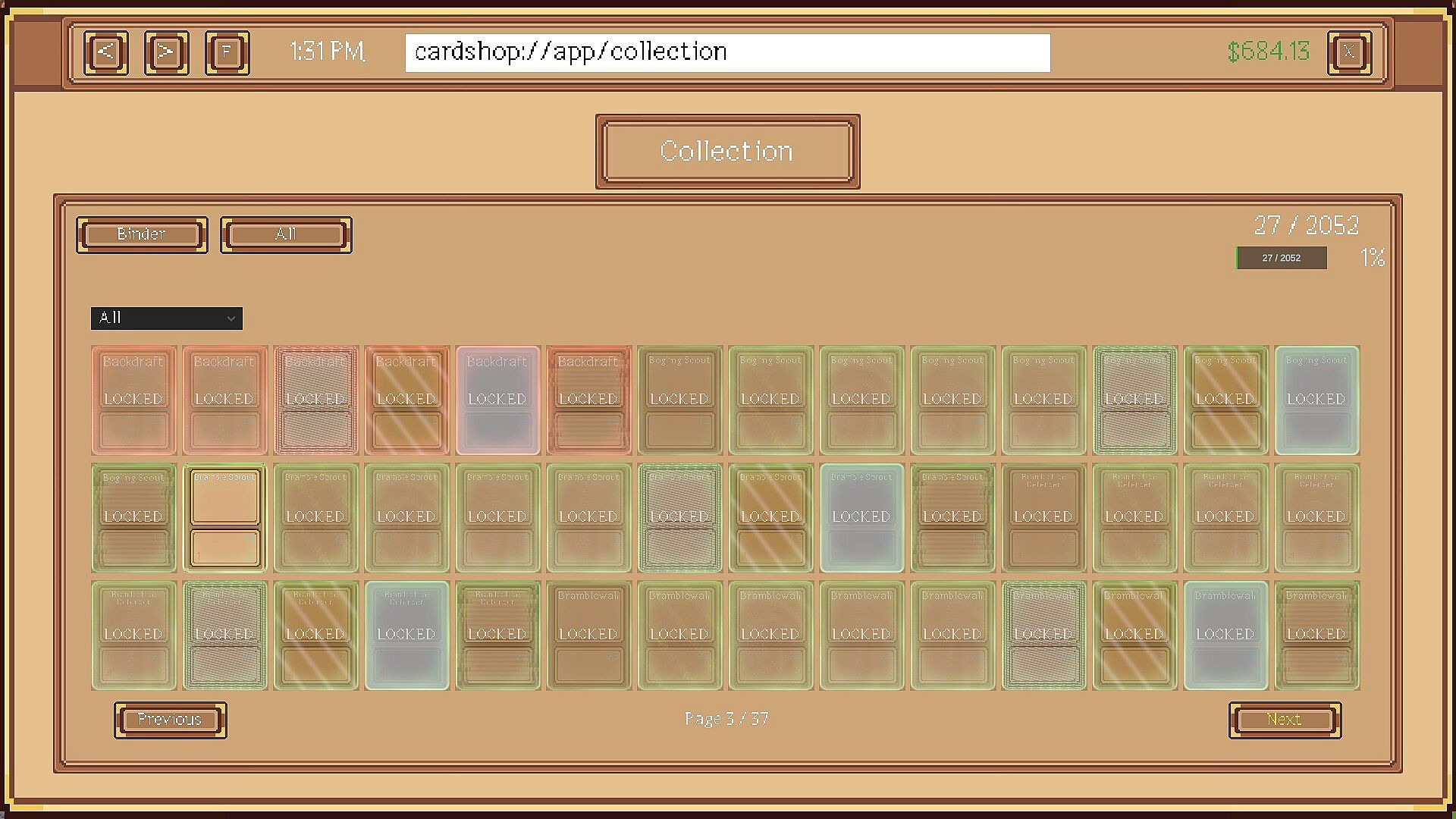
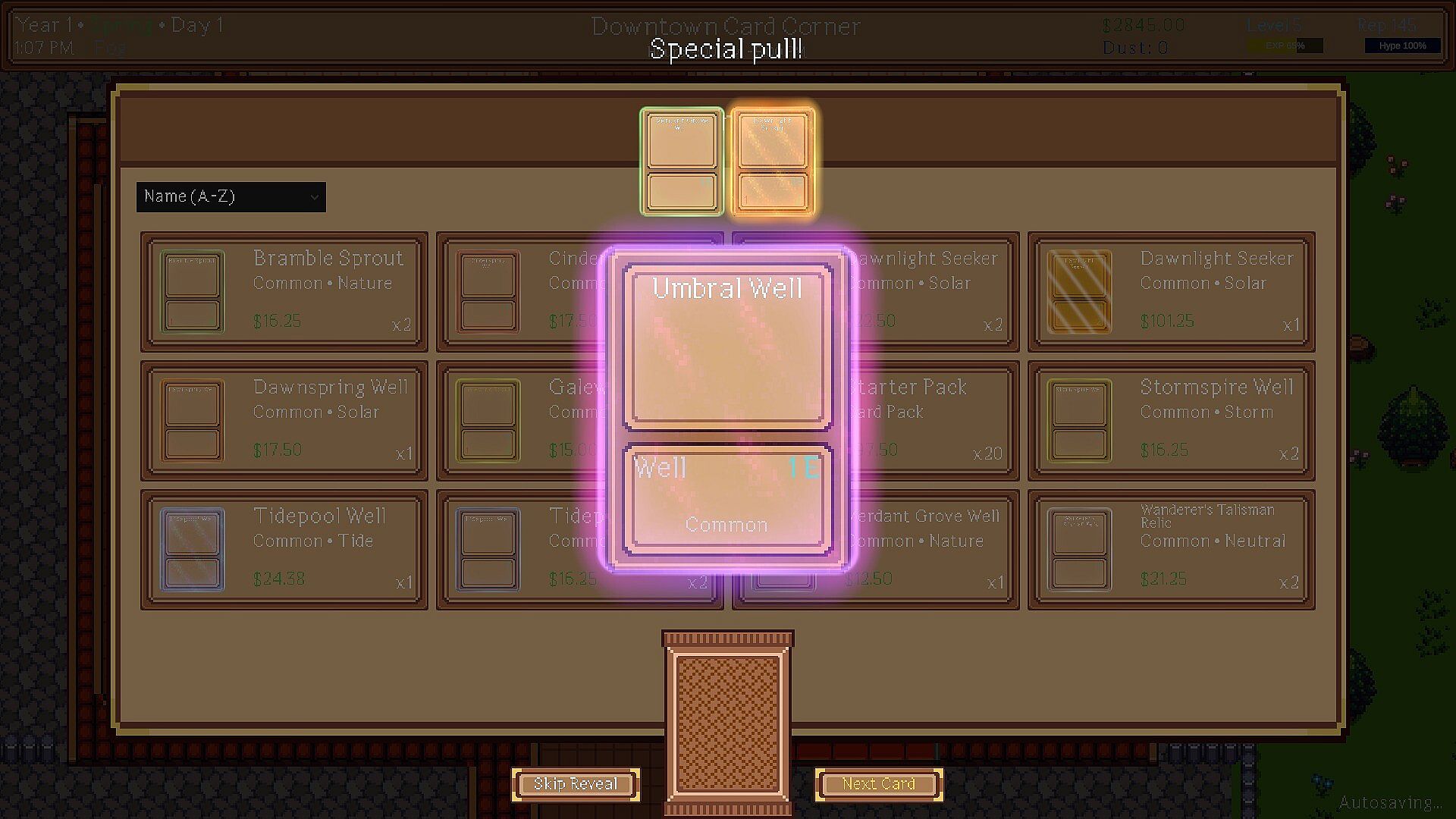
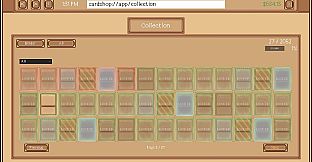
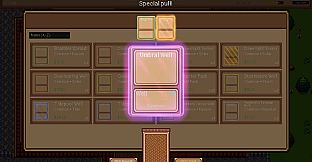
Gracz otwiera boostery na własny użytek i przechowuje wybrane karty w zabezpieczonym binderze, oddzielonym od towaru sklepnego. Postęp w kompletowaniu setów śledzony jest w wielu wariantach: foil, full art, sketch, misprint, promo oraz first edition. Nadmiarowe karty można przetopić na pył, z którego craftuje się brakujące sztuki, a wyjątkowe wyciągnięcia można wysłać do profesjonalnej gradacji i wystawić jako slab.
System śledzenia rejestruje każdą odkrytą kartę na stałe, dzięki czemu sprzedaż ze sklepu nie usuwa jej z historii kolekcji. Mechanika ta zachęca do długoterminowego polowania na warianty i rzadkości bez ryzyka utraty postępów.
Czy warto zagrać?
Card Shop Duelist przypadnie do gustu osobom, które lubią szczegółowe symulatory zarządzania z elementami lekkiej rywalizacji. Połączenie decyzji ekonomicznych, symulacji klientów i pojedynków w Battleforge tworzy rytm rozgrywki nagradzający planowanie i elastyczność. Status wczesnego dostępu oznacza, że funkcje będą się rozwijać na podstawie opinii graczy, a obecna wersja obsługuje już zarówno grę solo, jak i sesje online w małym gronie.
Fani tematyki sklepów z kartami kolekcjonerskimi docenią systemy uzupełniania towaru, ustalania cen i merchandisingu, natomiast miłośnicy pojedynków zyskają okazję do testowania talii przeciwko zróżnicowanym przeciwnikom. Brak sztywnych scenariuszy pozwala na organiczny rozwój, choć gra wymaga uwagi na codzienne zmiany rynkowe i nadzór nad personelem. Najlepiej odnajdą się w niej fani niezależnych tytułów strategicznych, którzy cenią sobie bezpośredni wpływ na rozwój sklepu.
- Zarządzanie sklepem z dynamicznymi cenami i ekonomią
- Pamięć klientów i system relacji
- Budowanie talii i pojedynki przy ladzie w Battleforge
- Współpraca online do czterech graczy z handlem i turniejami
- Zatrudnianie personelu, personalizacja sklepu i własna kolekcja kart











