

ChipWits World is a strategy indie simulation game set on PC where players manage fleets of robots powered by authentic 6502 microprocessors. The experience centers on programming these machines at the hardware level while building and sustaining industrial colonies on dangerous alien planets. Every robot operates with cycle-accurate 65C02 processors, 64KB RAM, memory-mapped I/O, and hardware interrupts, mirroring the architecture found in classic systems like the Commodore 64 and NES.
Gameplay
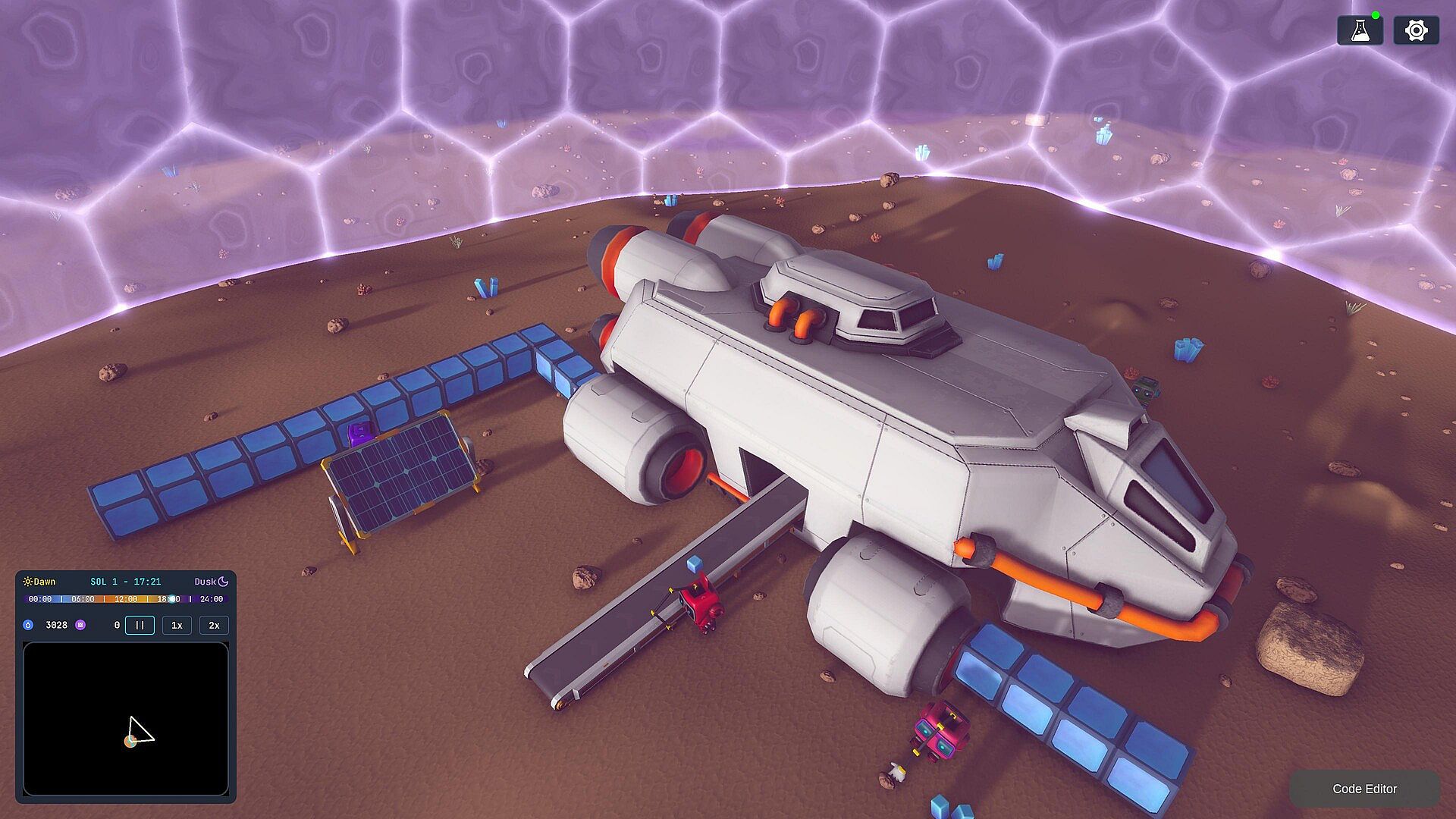
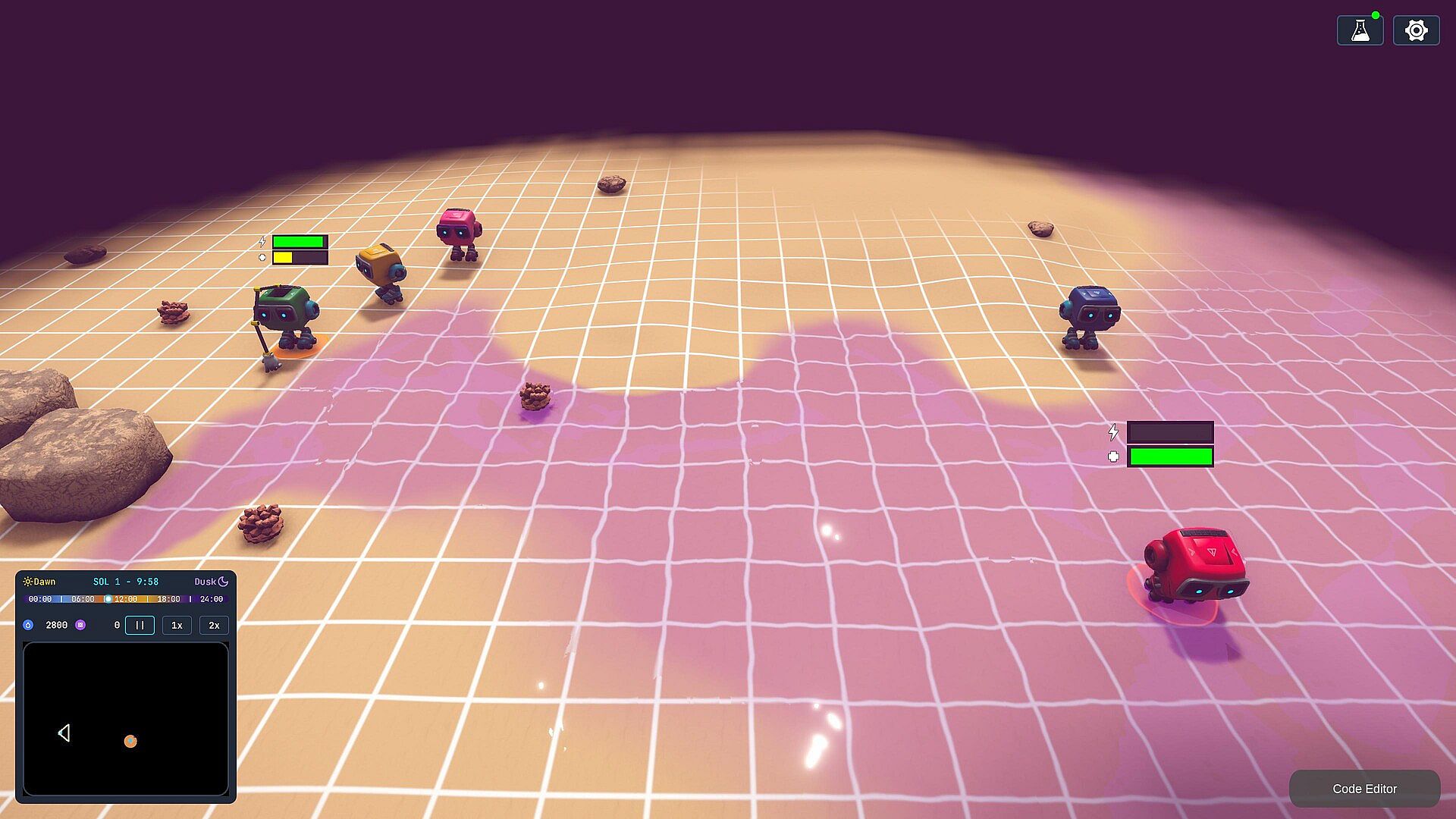
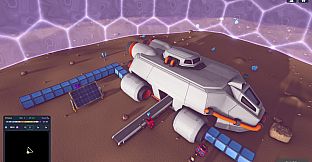
The core loop involves extracting resources such as Silicon and Curium, refining them into materials, and expanding infrastructure across hostile terrain. Players design power grids using solar arrays and battery buffers to handle the sol and night cycle, ensuring bots remain operational when sunlight vanishes. Logistics elements include constructing charging pads, fabrication bays, defensive turrets, and radar towers that support growing operations.
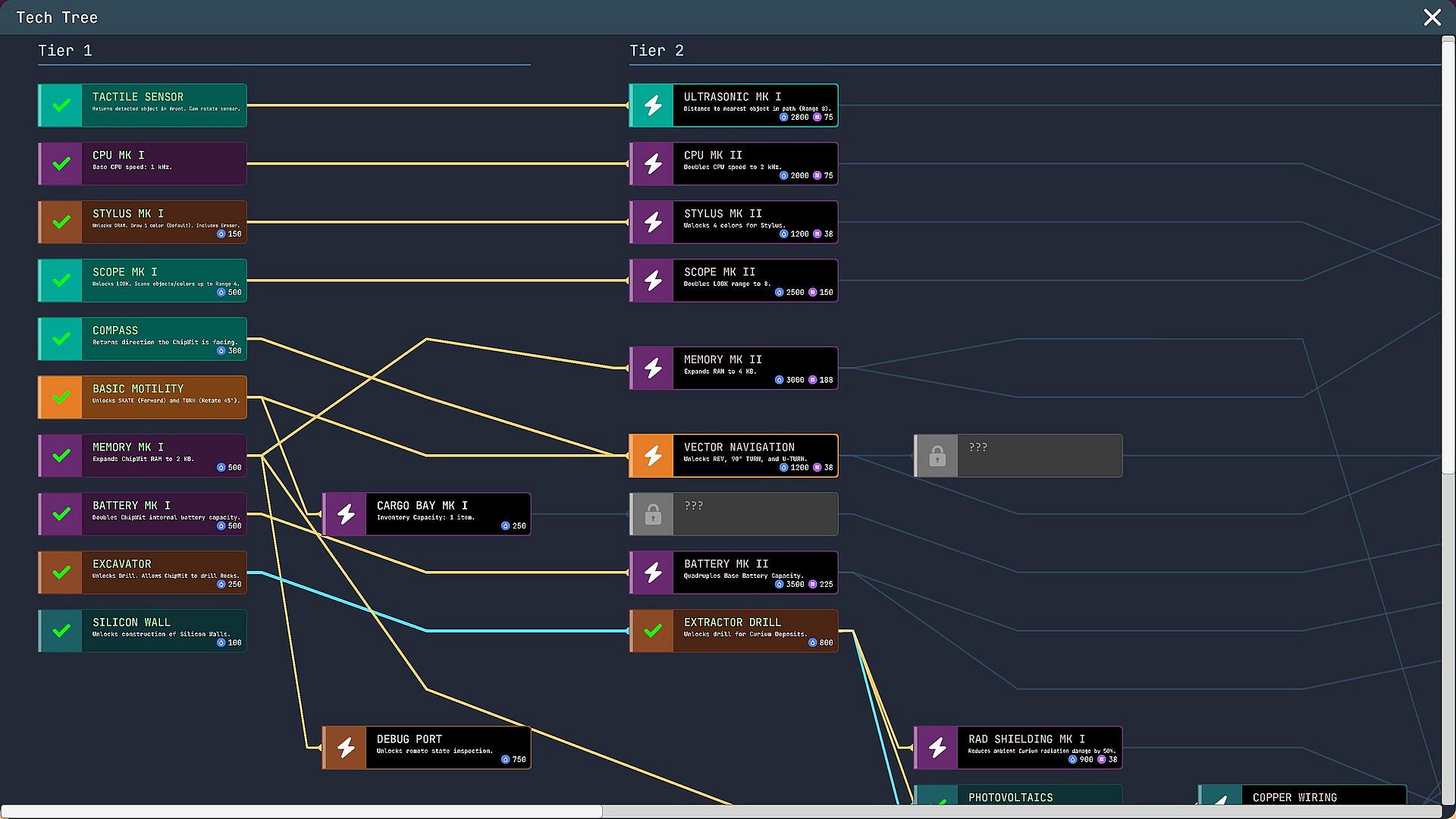
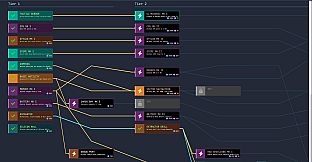
Hardware upgrades follow an exponential tech tree across five tiers. Reinvesting resources unlocks overclocks, expanded RAM, high-capacity batteries, LIDAR, X-ray vision, holonomic drives, and jetpacks. Field testing navigation routines and surviving nocturnal threats grants research discounts, while higher tiers automatically miniaturize older components to reduce energy consumption by half. This system encourages efficient low-power designs for scouts and sensors that function indefinitely.
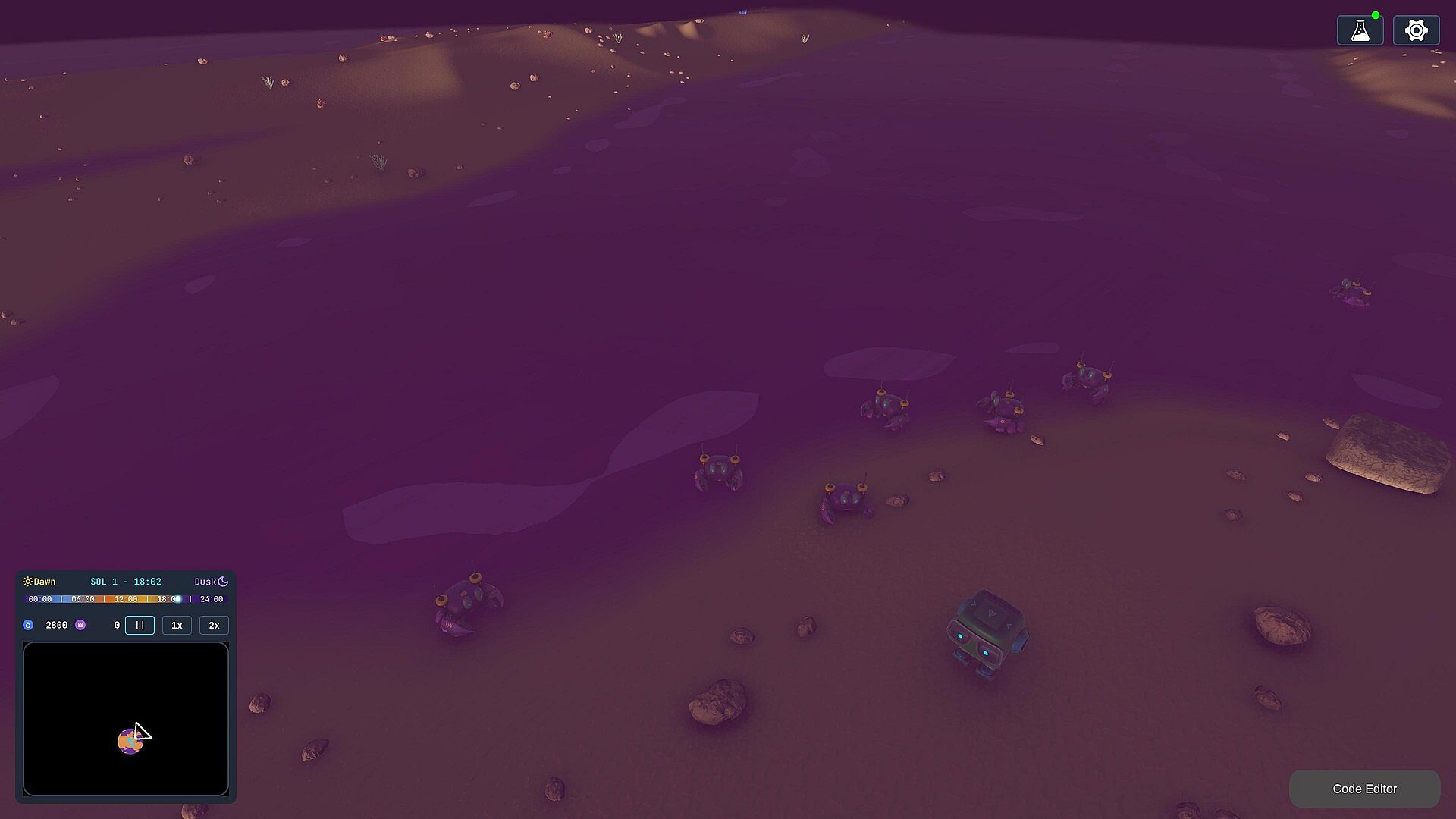
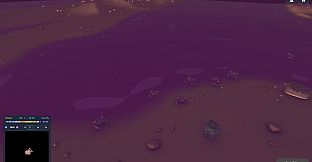
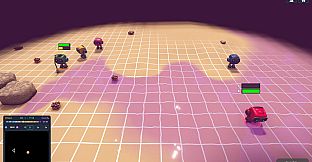
The environment presents constant risks. Ionic shallows short-circuit unprotected units and block paths until insulation research allows bridging. Predatory electrocrabs swarm in packs to drain power cells before retreating to lay eggs. Exploration relies on fog of war mechanics, with sensor modules revealing crystals and lost drop-pods amid glowing purple landscapes.
Game Modes
Three distinct control layers let players adjust involvement as their colony grows. Immediate mode grants real-time tactical oversight of single bots or squads for manual scouting, mining, and construction. Parameterized actions issue high-level waypoints and tasks, leaving local subroutines to manage obstacle avoidance, extraction, and tool use. Autonomous mode runs complete assembly scripts, enabling bots to scout independently, repair allies, and expand the base without intervention.
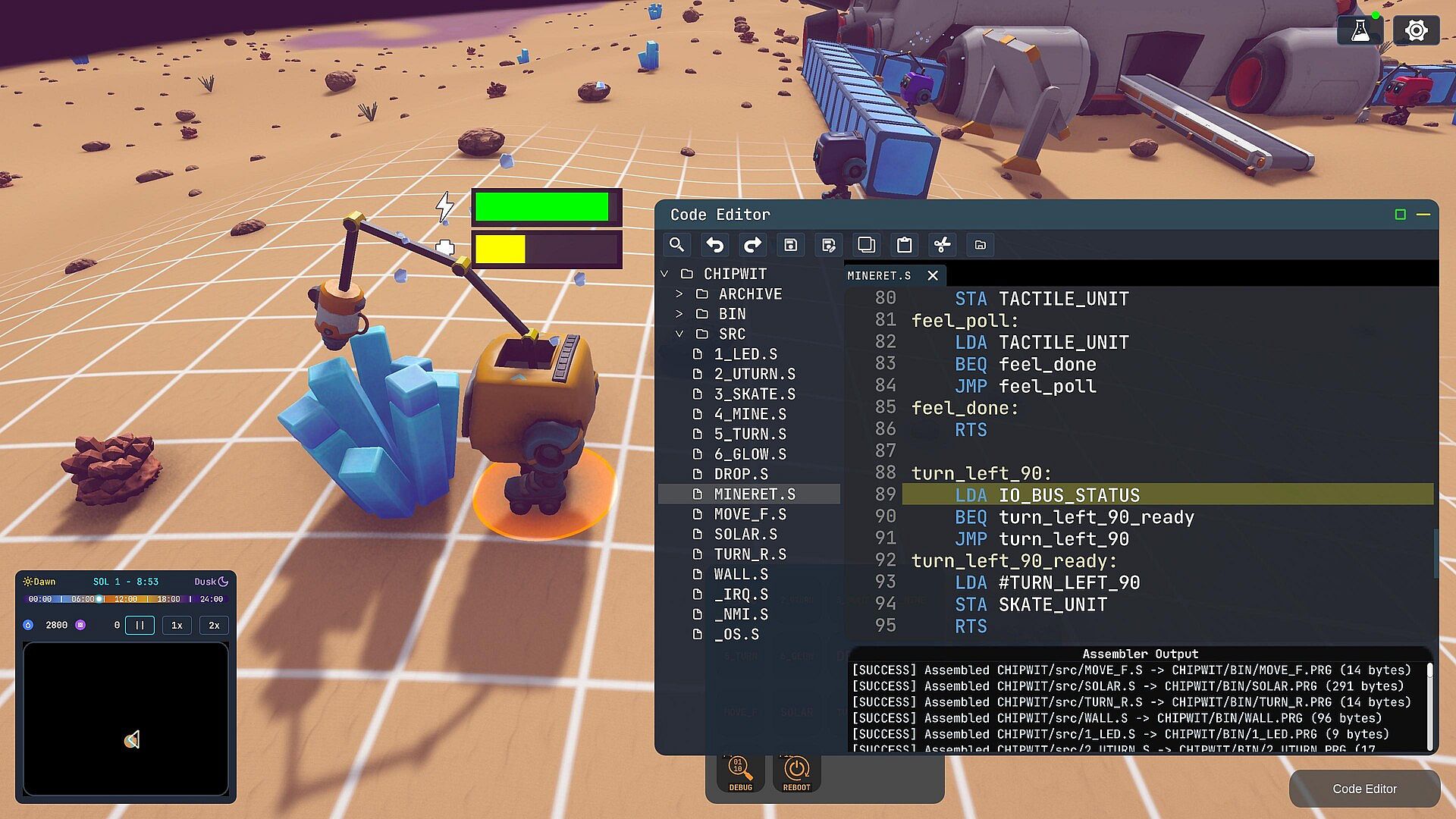
Programming occurs through hand-crafted 6502 subroutines that directly access registers and stack for sensor reading, manipulator control, power routing, and cargo handling. Modular .prg routines form the colony operating system, supporting library sharing, adaptation to new hardware, and on-the-fly self-modification. No abstractions intervene between code and hardware behavior.
Colony Building and Survival Systems
Industrial supply chains form the foundation of expansion. Rare resources feed refinement processes that support larger footprints, while energy management demands careful balancing of generation and storage across day-night transitions. Defensive measures range from radar-equipped bots with zappers to automated perimeters that protect against nighttime threats.
Research integrates practical testing. Executing subroutines in the field accelerates breakthroughs, and successful adaptation to terrain hazards or predator encounters yields further efficiencies. The result is a self-reinforcing progression where early manual efforts transition into robust automated networks.
Is It Worth Playing?
ChipWits World suits players drawn to deep simulation mechanics combined with genuine low-level programming challenges. The emphasis on cycle-accurate assembly and power-grid engineering creates a distinctive loop that rewards careful planning and iterative optimization. Those comfortable with strategy titles focused on automation and resource management will find substantial depth in the tech tree and control options. The game remains in active development following its initial release, with core systems centered on single-player colony survival and expansion. Individuals seeking accessible entry into hardware-level coding within a hostile ecosystem setting may find the hybrid control approach particularly engaging.