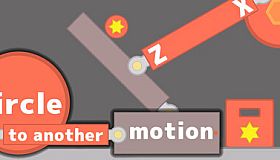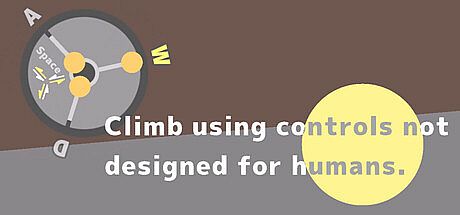


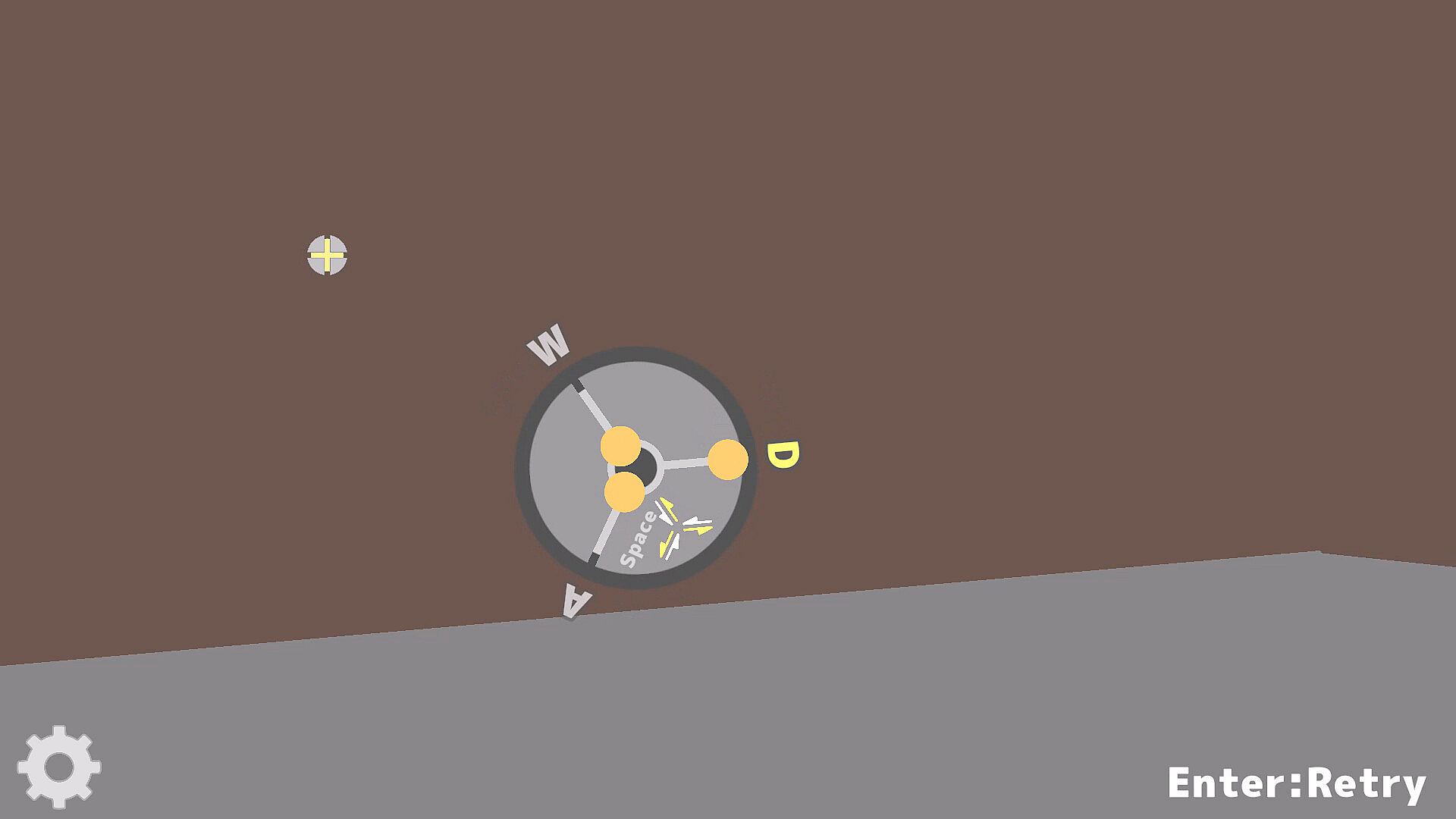
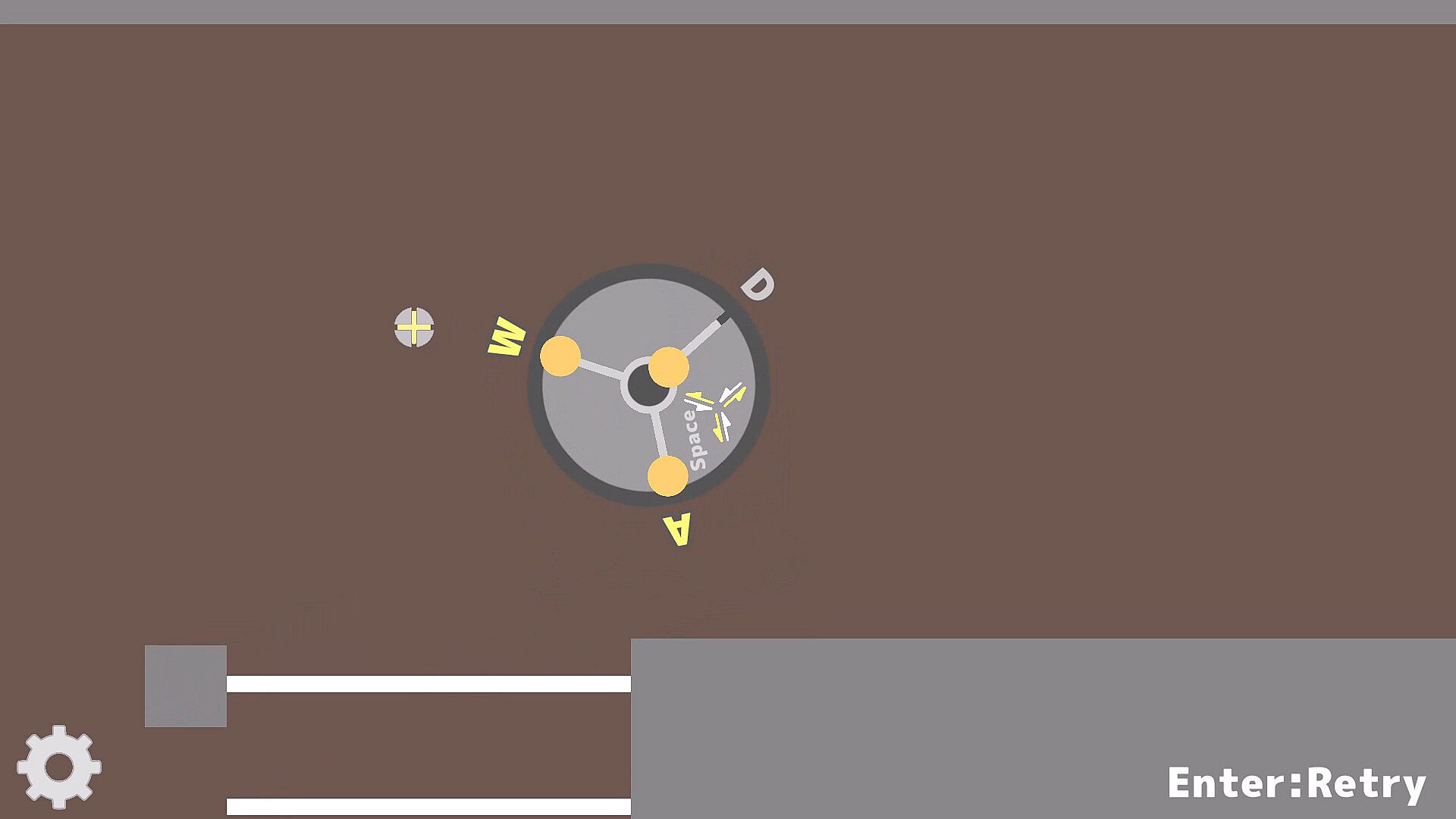
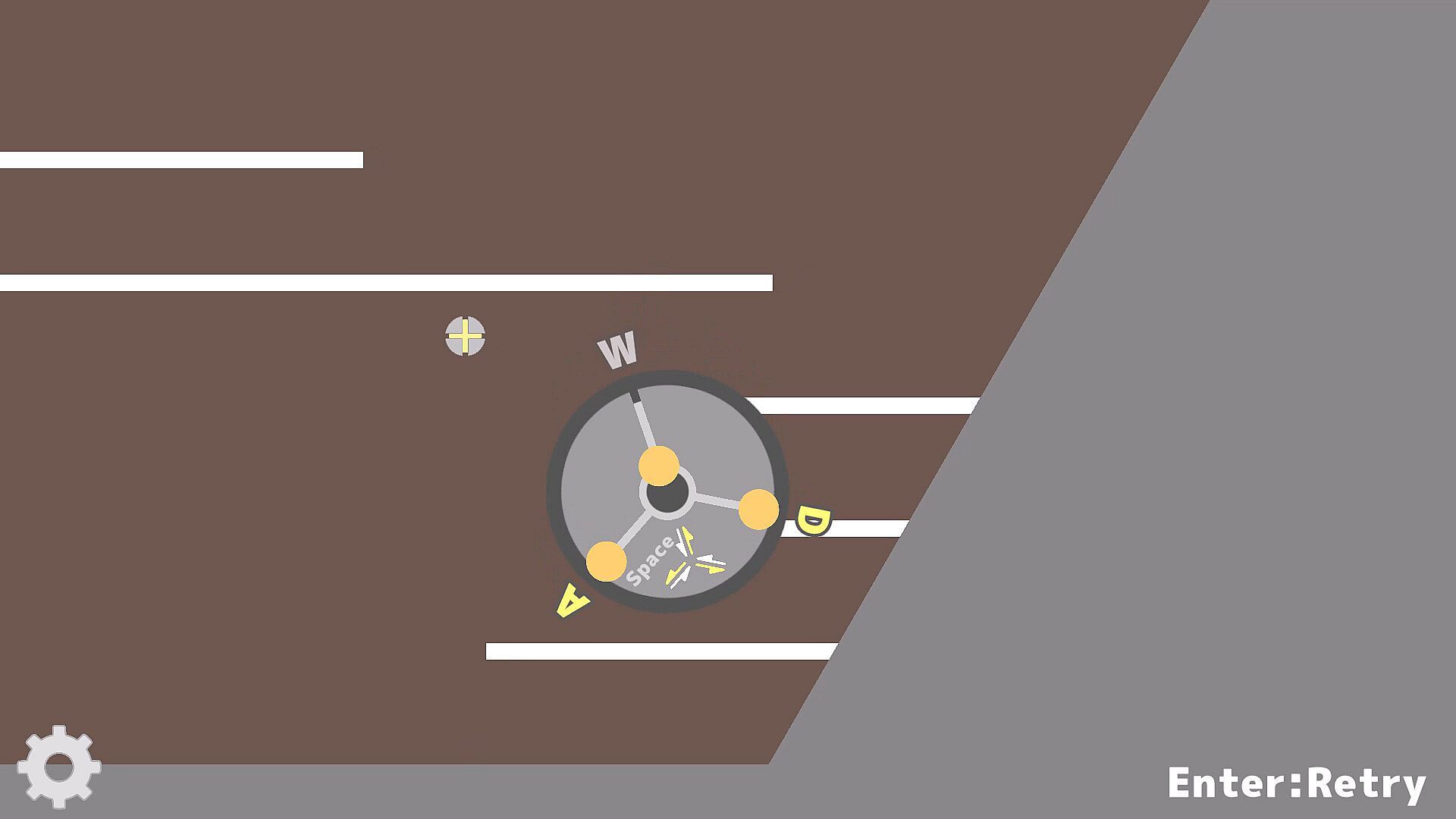
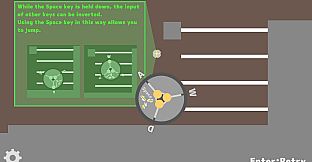
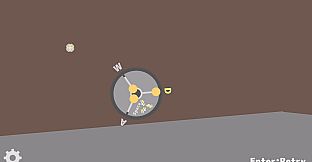
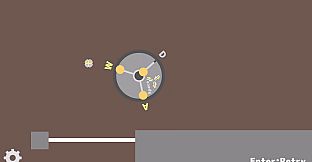
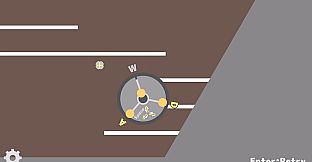
The action indie game Climb using controls not designed for humans places players in control of a sphere navigating vertical challenges through physics-driven movement on PC. This title emphasizes unconventional keyboard inputs to roll and jump the sphere by shifting its center of gravity and generating reaction forces upon motion. The experience stands out for its minimalist approach to climbing, where mastery comes from adapting to controls that feel deliberately at odds with standard expectations.
Gameplay
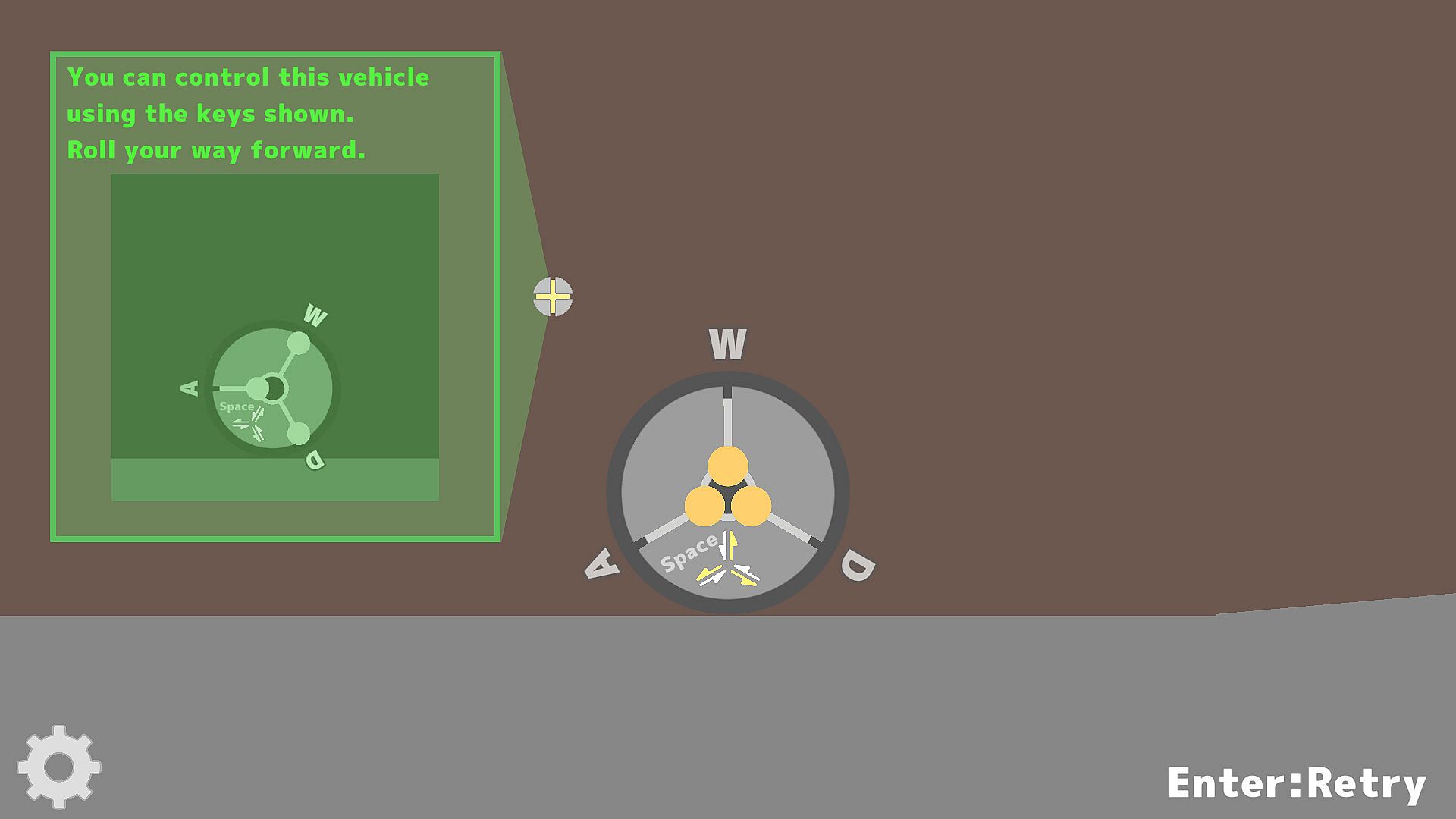
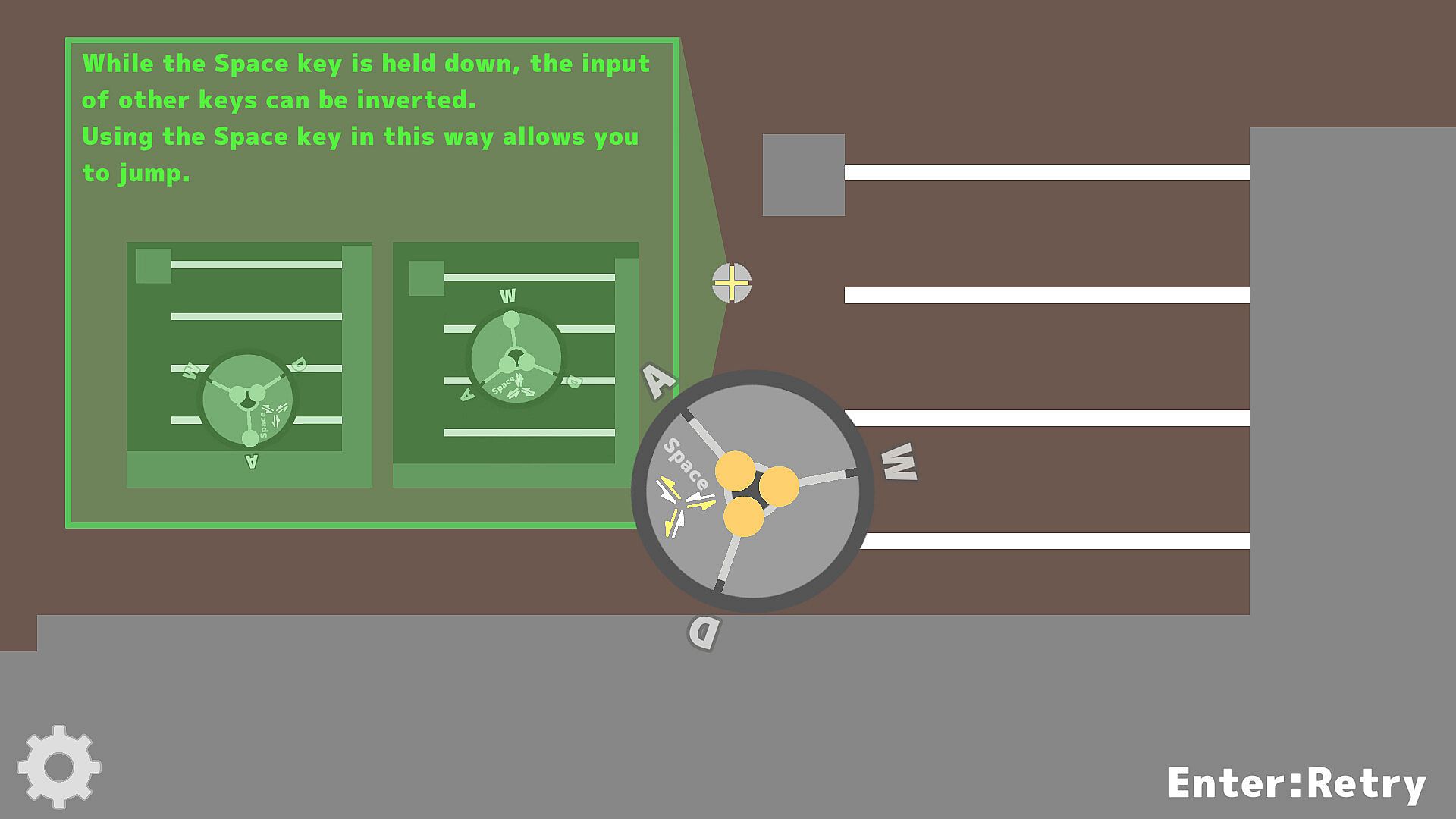
Core movement relies on three primary keys combined with the Space key. Forward motion occurs through rolling or jumping actions that leverage the sphere's physical properties. Pressing Space inverts the input mapping of the other three keys, which proves essential during jumps or when repositioning becomes tricky. The game provides in-game explanations of basic techniques to help players build familiarity without external guides. Every ascent demands precise timing and an understanding of how momentum and gravity interact with the sphere's form. Sessions focus entirely on reaching higher points through repeated practice of these mechanics.
Game Modes
The game presents a single-player climbing experience centered on one continuous ascent challenge. No separate named modes or variations appear in the available details, keeping the focus narrow on adapting to the control scheme and progressing upward. Players engage directly with the core loop of rolling, jumping, and input inversion across the climb without branching paths or alternate formats.
Controls and Physics
Keyboard input forms the foundation, with the three keys handling directional adjustments and Space serving as the inversion toggle for situational flexibility. The sphere responds to shifts in its center of gravity, creating natural rolling arcs and reactive jumps when force is applied. This system rewards players who learn to anticipate how each input affects the overall trajectory rather than relying on direct directional commands. The design avoids traditional human-like limb controls in favor of abstract sphere physics that highlight reaction forces during motion.
Progression and Replay
No progress saving feature exists, meaning any exit returns the player to the starting point for a fresh attempt. This structure turns each run into an opportunity to observe personal improvement in handling the inverted inputs and physics interactions. Repeated climbs allow for refined technique and a clearer view of the path ahead, reinforcing the sense of growth through direct experience rather than saved checkpoints.
Is It Worth Playing?
Players drawn to indie action titles that prioritize unusual mechanics and self-directed improvement will find the control scheme and no-save design a deliberate test of adaptation. The emphasis on starting over encourages a mindset of incremental mastery, where each attempt builds familiarity with the sphere's movement and input inversion. Those seeking straightforward platforming or multiple content options may find the narrow focus limiting, while enthusiasts of physics-based challenges appreciate the raw feedback loop of trial and repeated ascent. Streaming and video creation receive explicit support for both individuals and companies, with monetization permitted without additional approval.