

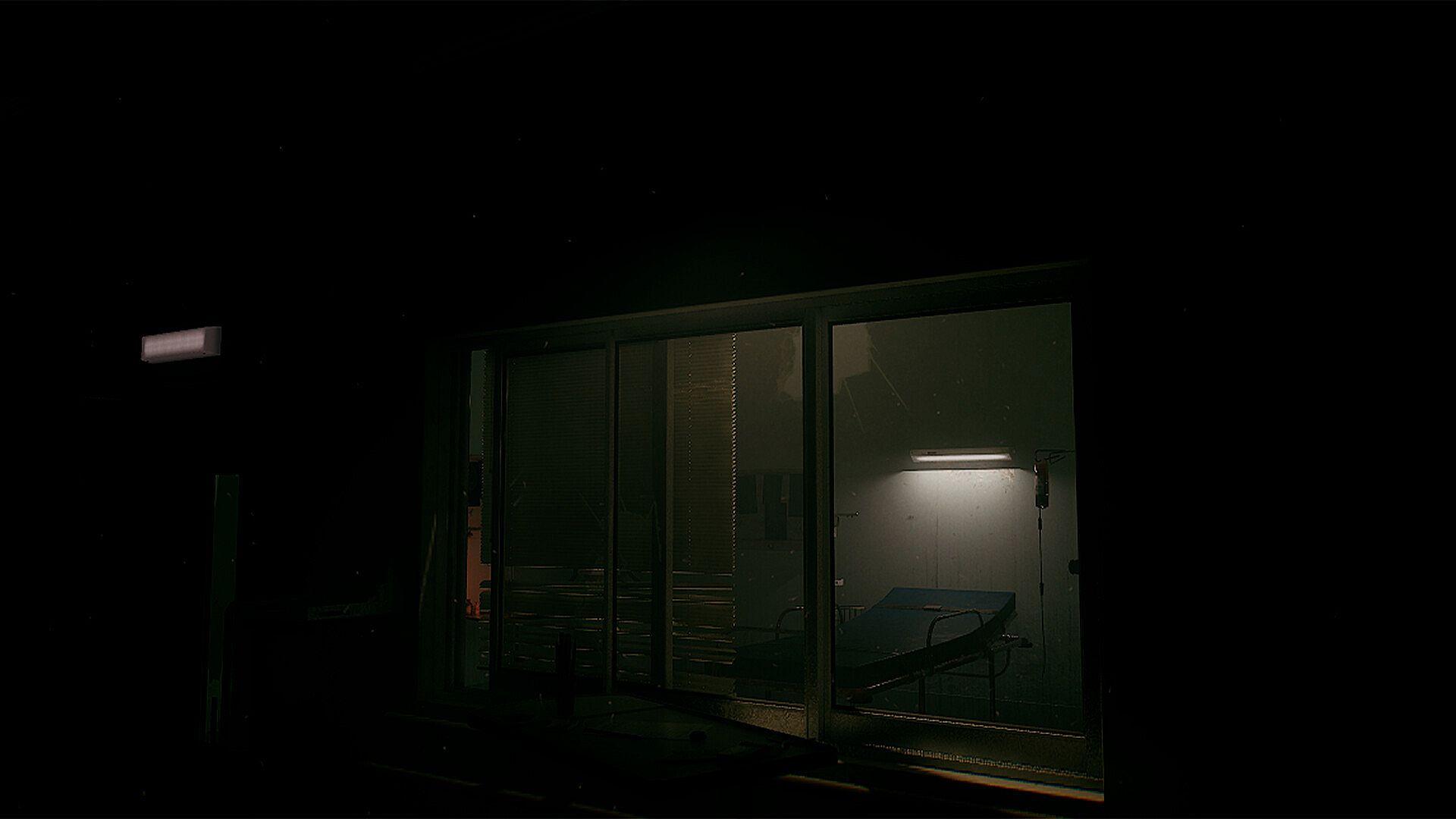
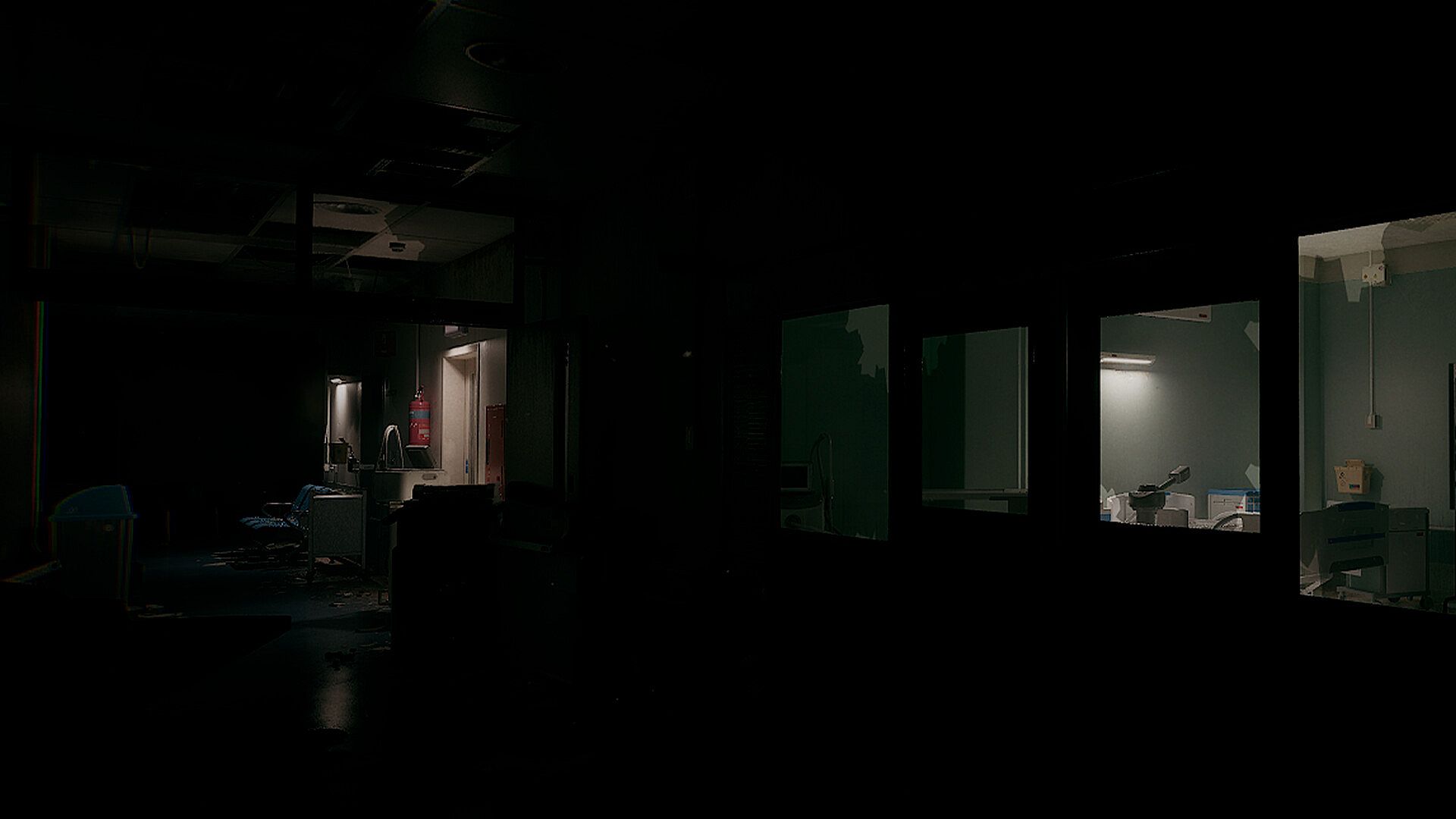
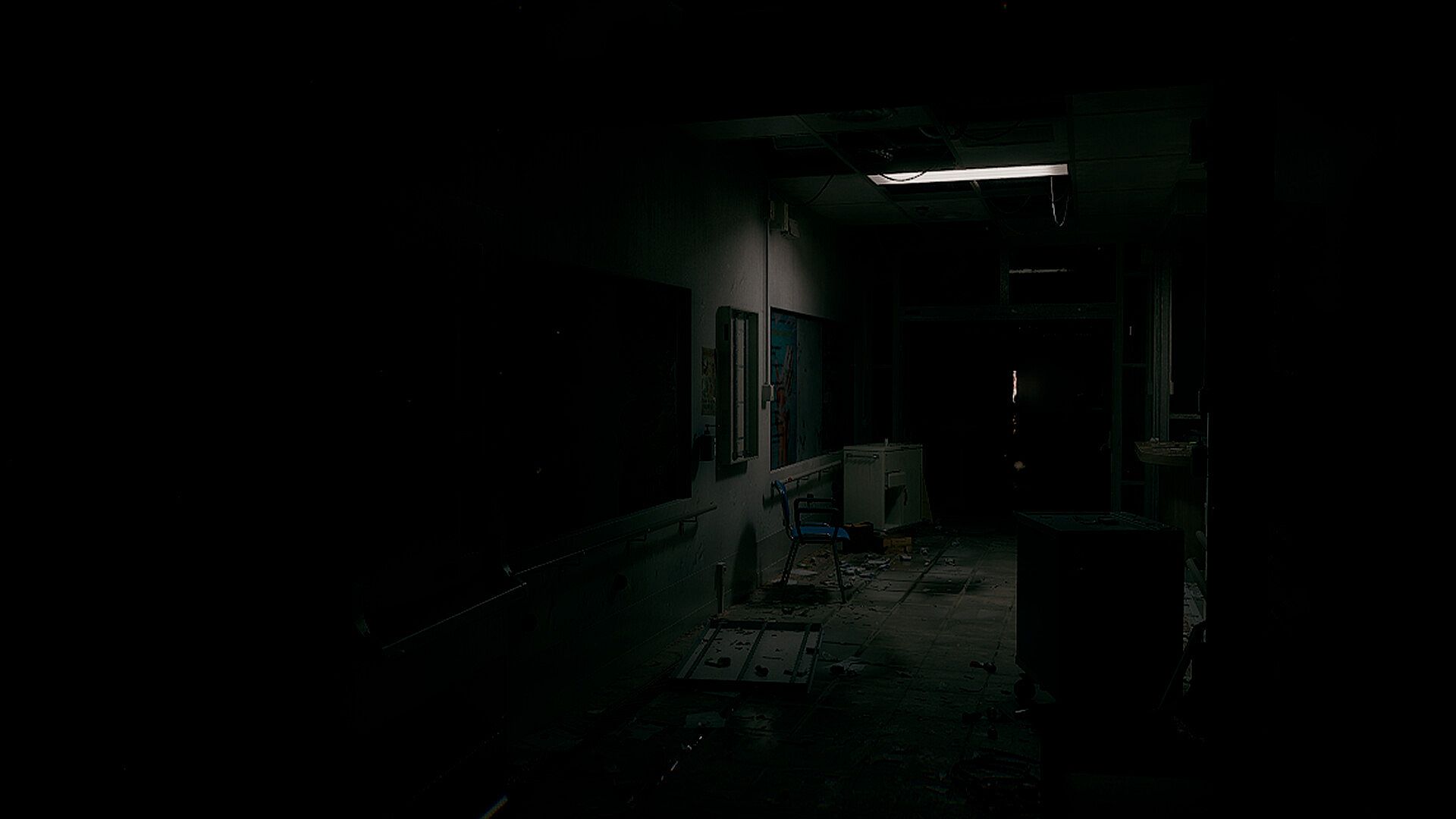
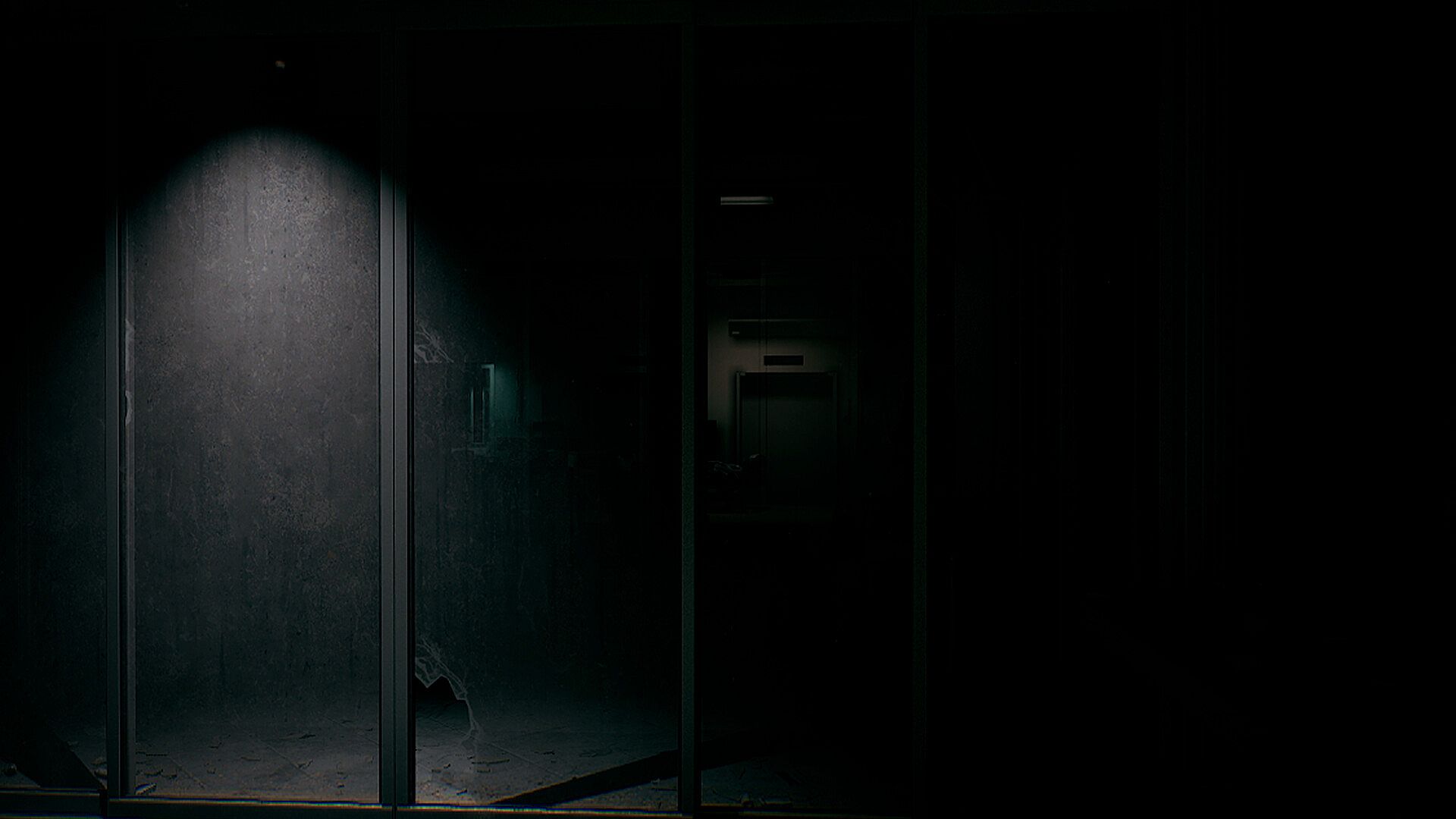
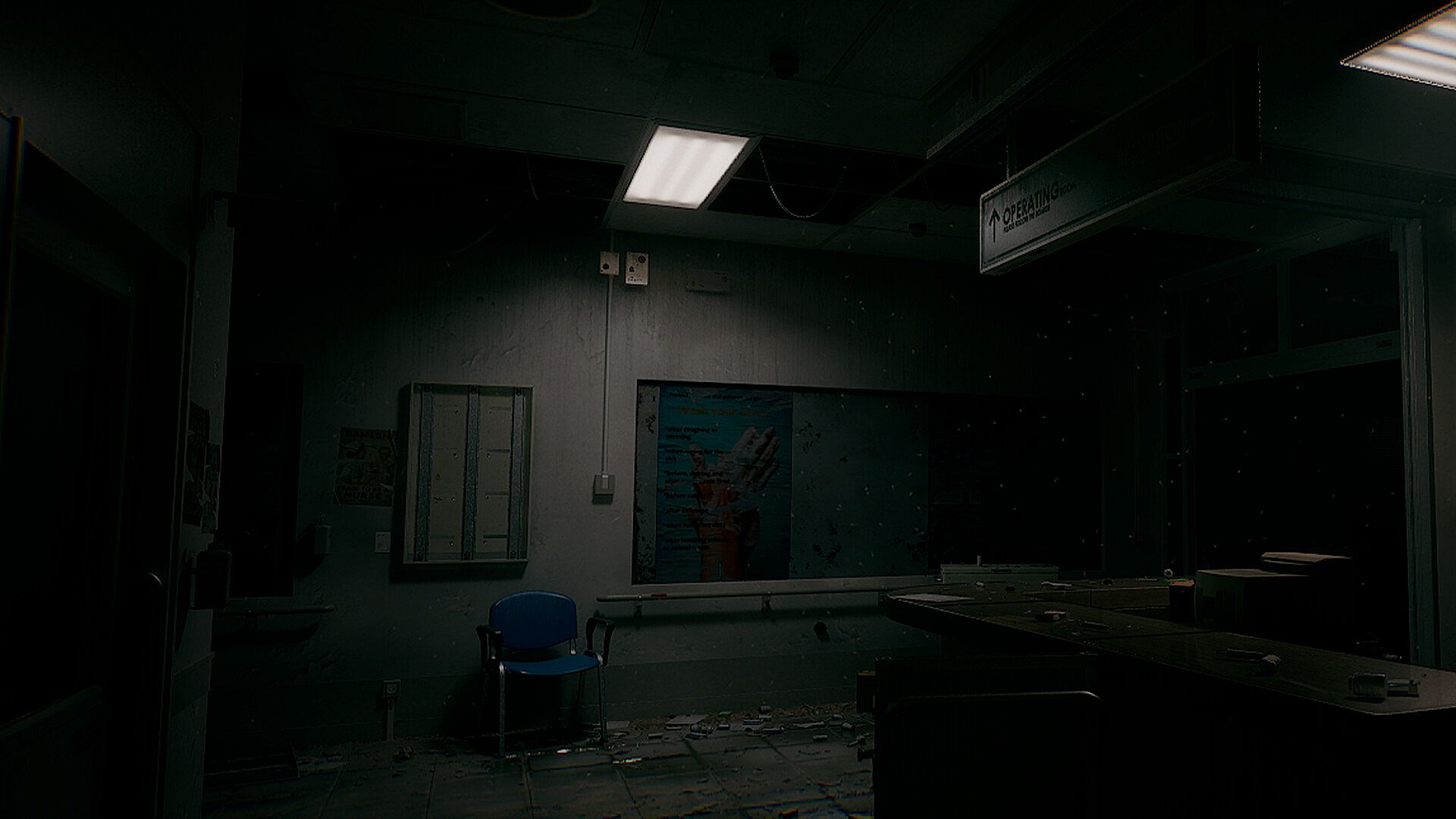
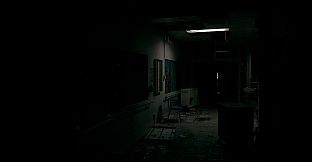
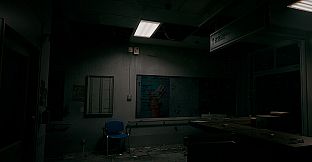
Clinical Memory places players in the role of an unnamed patient in Ward 7B of an abandoned hospital. The experience unfolds as a single-player psychological horror title that mixes exploration, item management, and decision-making across changing environments. The core premise centers on memory as both a tool and a liability, with the hospital layout remaining consistent while details shift after each failed attempt.
Gameplay
The game opens with the player regaining consciousness in a locked ward. Initial exploration reveals flickering lights, static-filled radios, and distant movements in the corridors. Wrong choices trigger a reset that returns the player to the start of the current section, though the map itself stays the same. Items vanish, notes alter their wording, triggers relocate, and enemy behaviors adjust on each repetition. This creates a loop where progress depends on noticing and adapting to these variations rather than repeating the same actions.
Navigation relies on practical tools. A flashlight requires battery management to maintain visibility in dark areas. Keys open specific doors, while a journal records observations that may later prove inconsistent. A camera captures evidence, and a modular inventory holds contextual items such as a pistol, crowbar, and screwdriver. Interaction occurs through a crosshair system that highlights usable objects, including radios, phones, and puzzle elements. Environmental storytelling builds through scattered notes and inspectable objects that gradually alter the player's understanding of events in the ward.
Puzzles emphasize direct interaction rather than abstract logic. Players combine tools with objects in the environment, read changing documents, and test different approaches across cycles. Tension arises from sound design, lighting shifts, and uncertainty about whether threats are physical or perceptual. The more cycles completed, the more the distinction between memory and reality blurs.
Game Modes
Clinical Memory structures its content around five distinct memory cycles. Each cycle presents the same hospital areas but modifies item placement, note content, trigger locations, and monster responses. There are no separate multiplayer modes or traditional difficulty settings listed. The progression remains linear within each cycle, with the final choice determining whether the loop continues or concludes. This cycle system serves as the primary framework for replay and discovery, encouraging players to track discrepancies between runs to piece together the underlying events.
Story and Atmosphere
The narrative unfolds through environmental clues and shifting documentation rather than direct exposition. Players question their own identity, the nature of the experiments conducted in Ward 7B, and the reality of the threats encountered. Notes and object inspections provide fragments that evolve across cycles, forcing reevaluation of prior assumptions. The hospital setting emphasizes realism in layout and detail, with atmosphere generated through practical elements like limited light sources, audio cues, and unpredictable enemy movement. The experience avoids overt jump scares in favor of sustained unease tied to memory unreliability.
Is It Worth Playing?
Clinical Memory targets players who prefer deliberate, observation-heavy horror over fast-paced action. The cycle mechanic rewards careful note-taking and experimentation, making it suitable for those who enjoy piecing together layered stories through repeated exploration. Availability is limited to PC, and the title remains in a state where wishlist additions are encouraged for future updates. Those drawn to psychological themes involving perception and identity will find the core loop engaging, while players seeking conventional horror tropes or extensive combat may find the emphasis on memory simulation less immediate. The combination of item-driven interaction and shifting environments offers a focused experience for fans of indie simulation and adventure titles with horror elements.