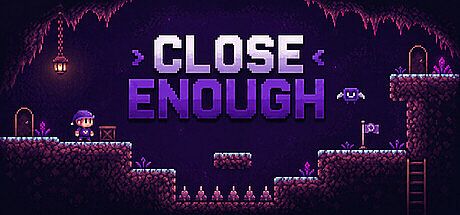


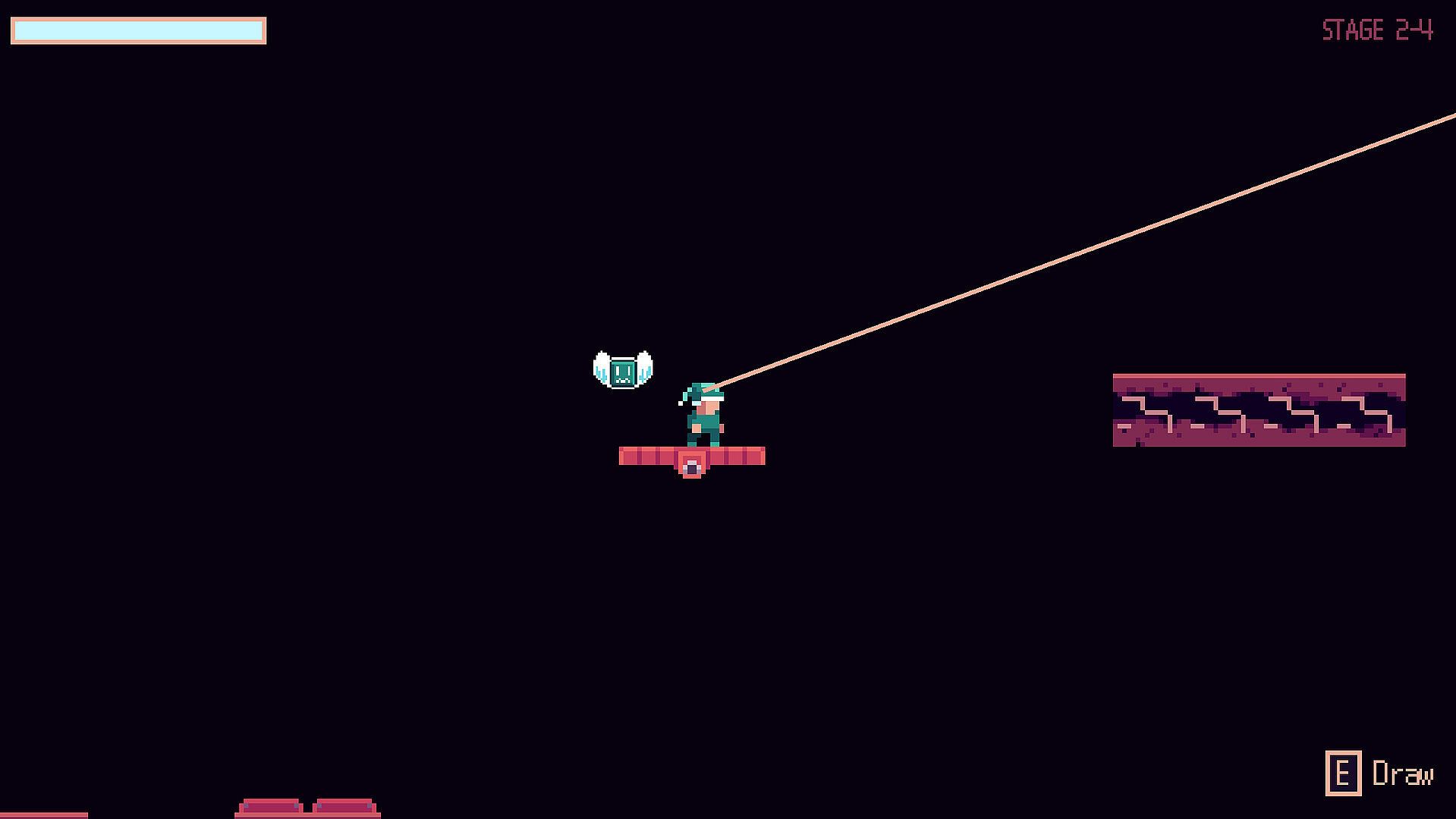
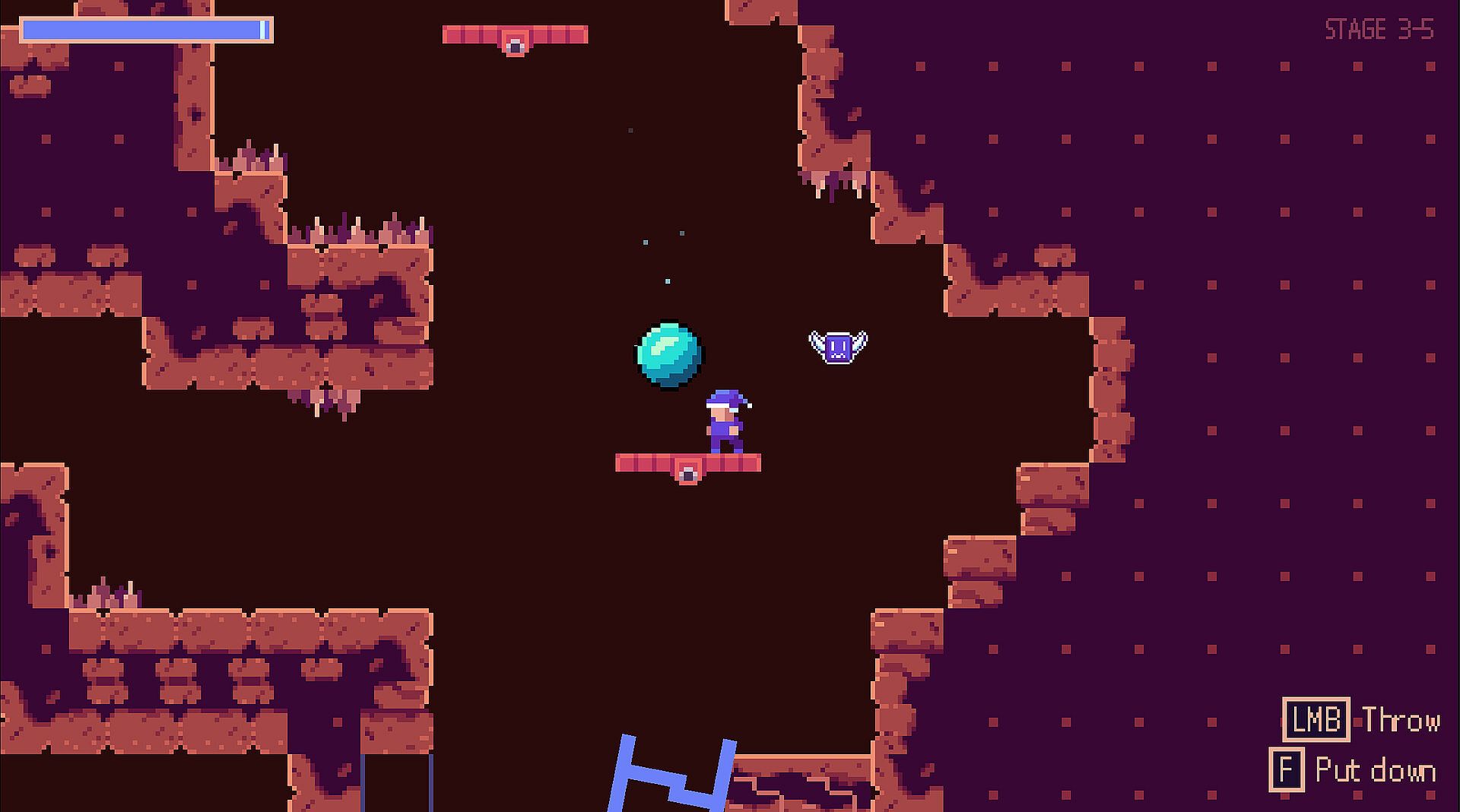

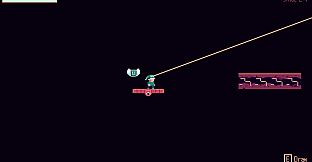
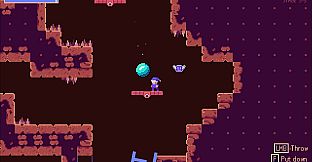
Close Enough is a strategy indie game for PC that challenges players to solve puzzles by drawing objects on a small grid. The core idea revolves around creativity and experimentation rather than following a single prescribed path. A neural network processes each drawing and turns it into a functional item with its own weight, physics, and uses. This system creates a flexible approach where the same stage can be cleared in multiple ways depending on what the player chooses to create.
Gameplay
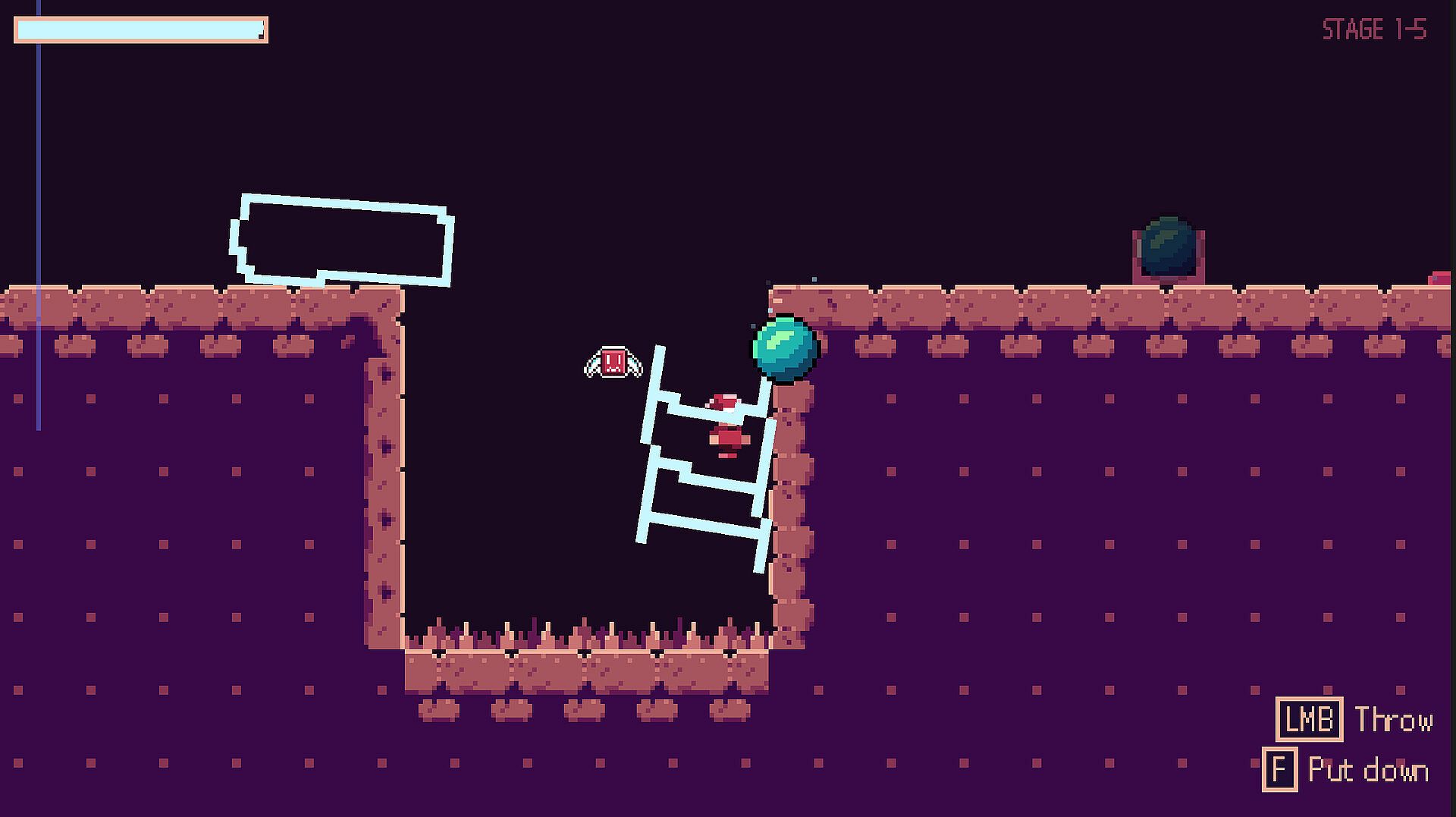
The central mechanic requires drawing on a 32-pixel grid to produce tools and platforms. The game does not evaluate the visual accuracy of the sketch. Instead it assesses the practical capabilities of the resulting object. Players manage a limited ink supply that depletes faster as drawings grow larger, forcing decisions about efficiency. A small bridge might suffice where a full span would waste resources, and the tank refills gradually to encourage thoughtful planning.
Each of the 100 drawable objects carries distinct properties that open different solutions. A ladder can be climbed or laid flat as a walkway. An anvil drops with force and can weigh down pressure plates. A watermelon detonates on impact or after a short fuse. An umbrella functions as a grappling hook. A leaf floats upward when released, while a boomerang returns to the thrower. These behaviors are fixed once the neural network recognizes the drawing, and the game runs the recognition model locally without external connections.
Stages emphasize object utility over precise replication. When progress stalls, switching to a different item often provides the needed route rather than refining the same sketch. The system supports at least three viable paths through every level, rewarding players who explore alternative creations instead of perfecting one approach.
Game Modes
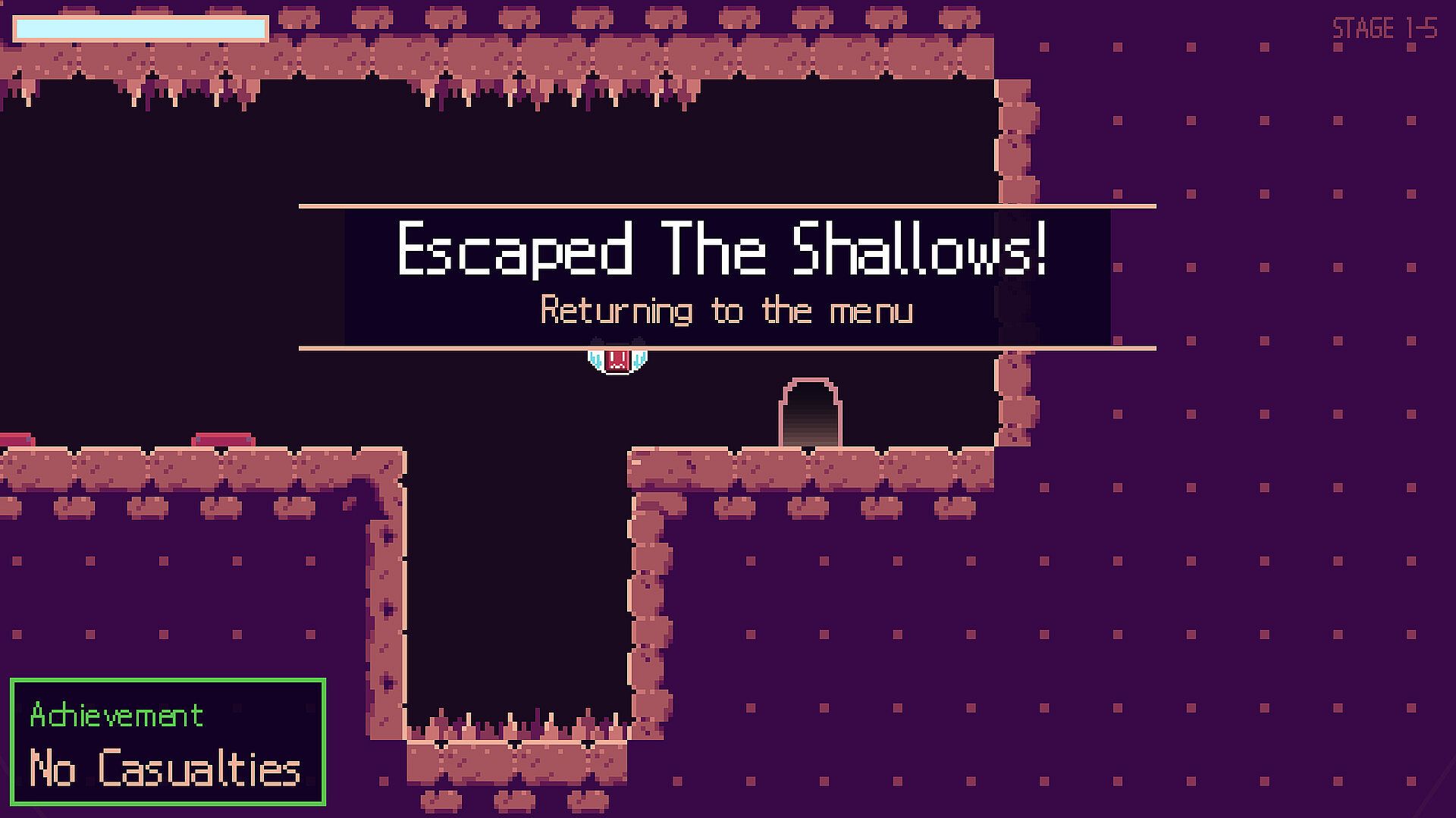
The main experience consists of 25 stages spread across five caves. Each cave presents a series of connected challenges built around the properties of the available objects. Progression focuses on discovering how different drawings interact with the environment and each other.
Two-player co-op allows shared play through a room code or Steam friend invite. Both participants draw from a single ink tank, which adds a layer of coordination and resource management. One player might create a support structure while the other prepares a tool for the next section.
A built-in stage editor lets users construct their own levels. Completed creations can be shared through Steam Workshop, extending the game beyond the official content with community designs.
Object Recognition and Local Processing
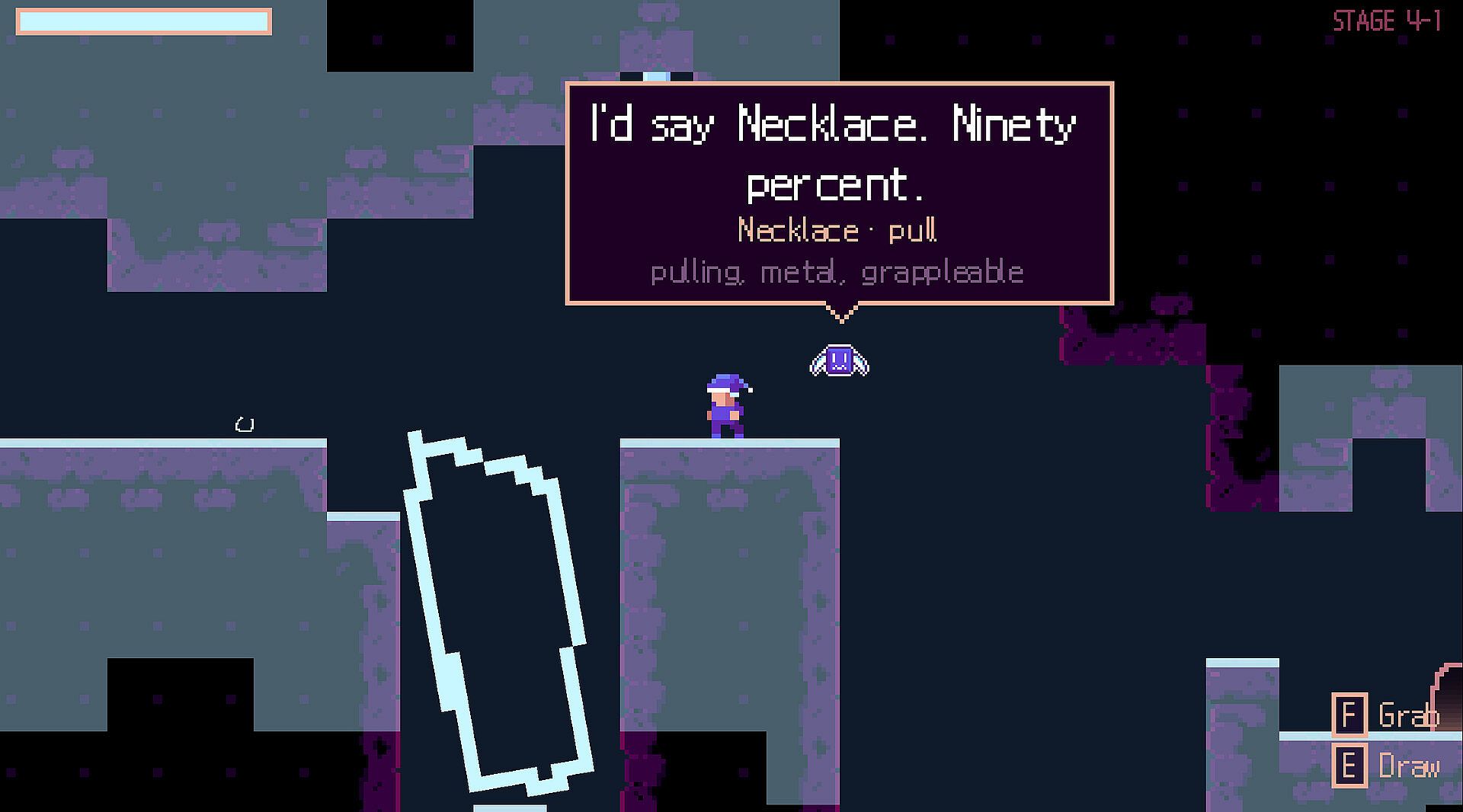
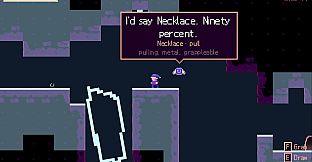
The neural network that interprets drawings operates entirely on the player's machine. No account, API key, or internet connection is required for the recognition step. When an object appears, a small robot provides a name that matches the drawing in most cases. This local setup keeps the experience self-contained and responsive during both solo and co-op sessions.
Training data for the model comes from the Quick, Draw! dataset, which helps the system handle a wide variety of sketches while still producing consistent physics and interactions for each recognized item.
Is It Worth Playing?
Close Enough suits players who enjoy creative puzzle solving and experimenting with mechanics rather than linear progression. The emphasis on multiple solutions per stage and the variety of object behaviors provide replay value within the 25 official levels. Co-op adds a collaborative dimension that changes how ink and ideas are shared. The stage editor and Workshop support further extend playtime for those interested in building and sharing content. The game delivers a focused indie experience centered on drawing, physics, and problem solving without additional layers or ongoing seasonal content. Those drawn to strategy titles that reward inventive thinking will find its systems engaging and distinct.