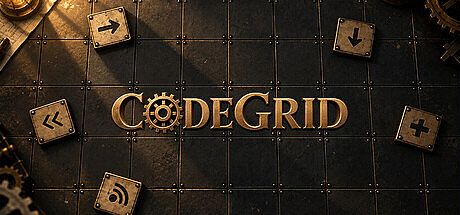


Code Grid is a strategy indie game for PC that blends puzzle solving with visual programming mechanics. Players explore a narrative spanning generations through a mysterious machine while constructing efficient instruction sets on a grid-based interface. The experience centers on logic, path planning, and optimization rather than traditional coding syntax.
Gameplay
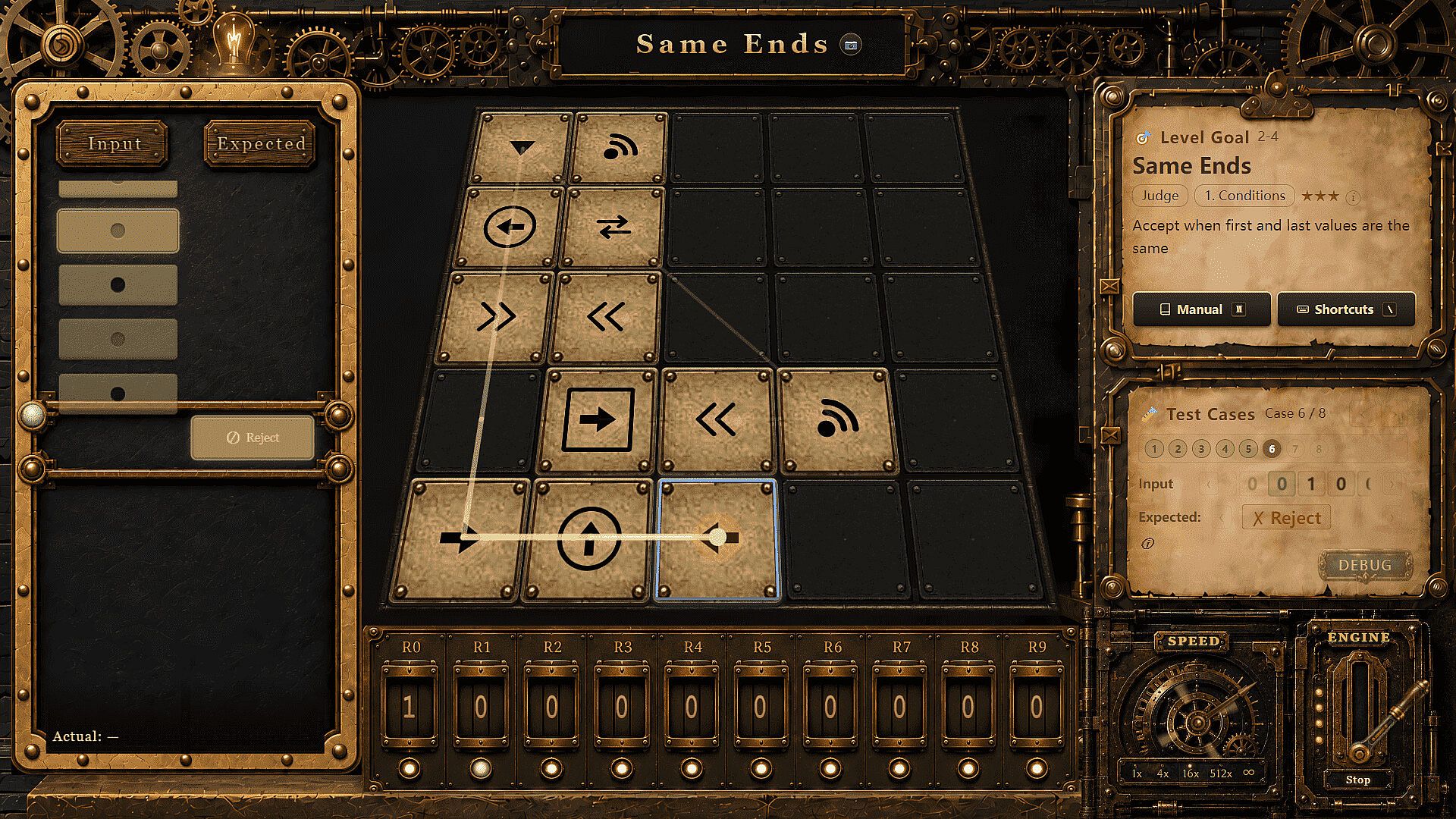
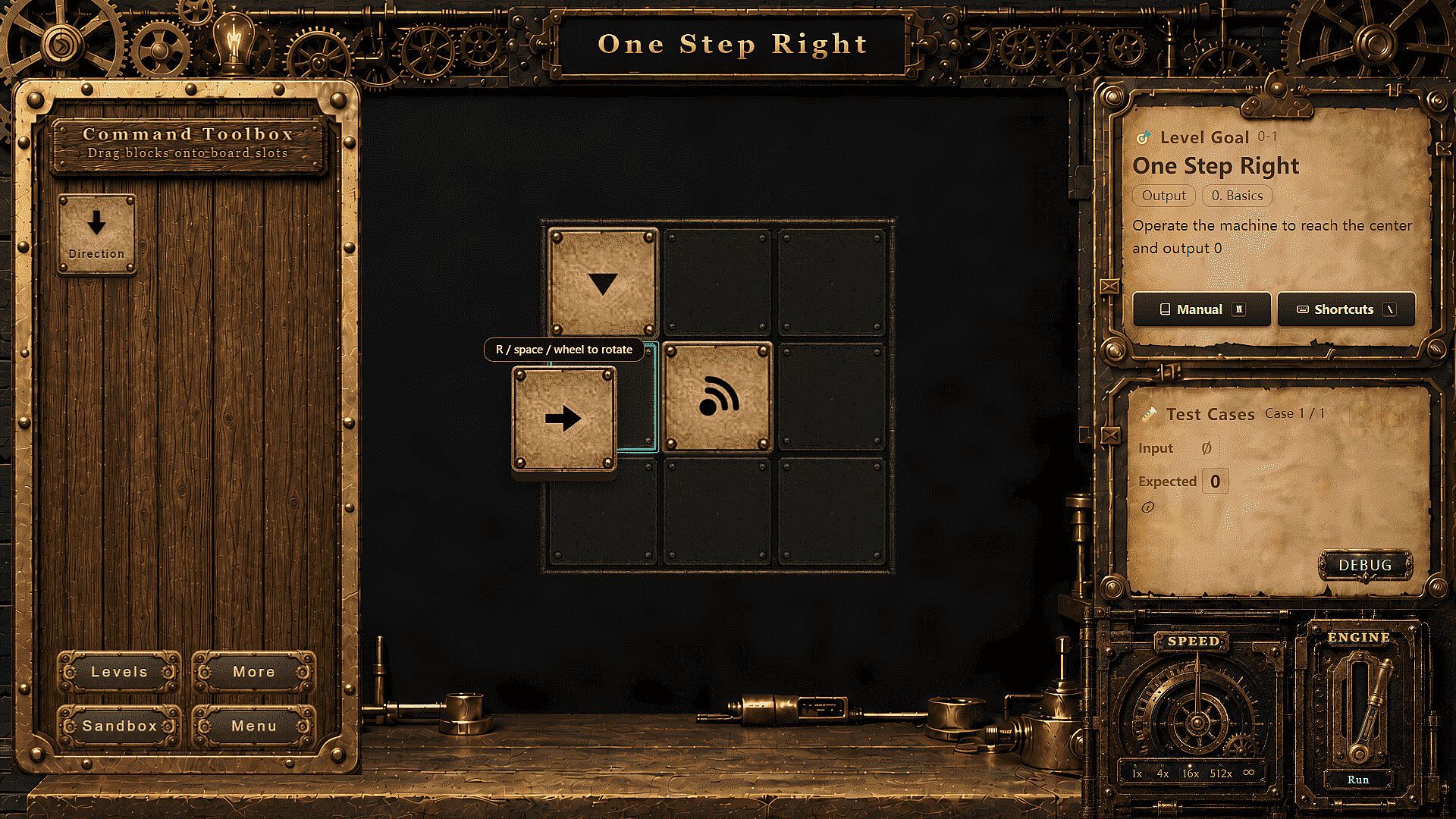
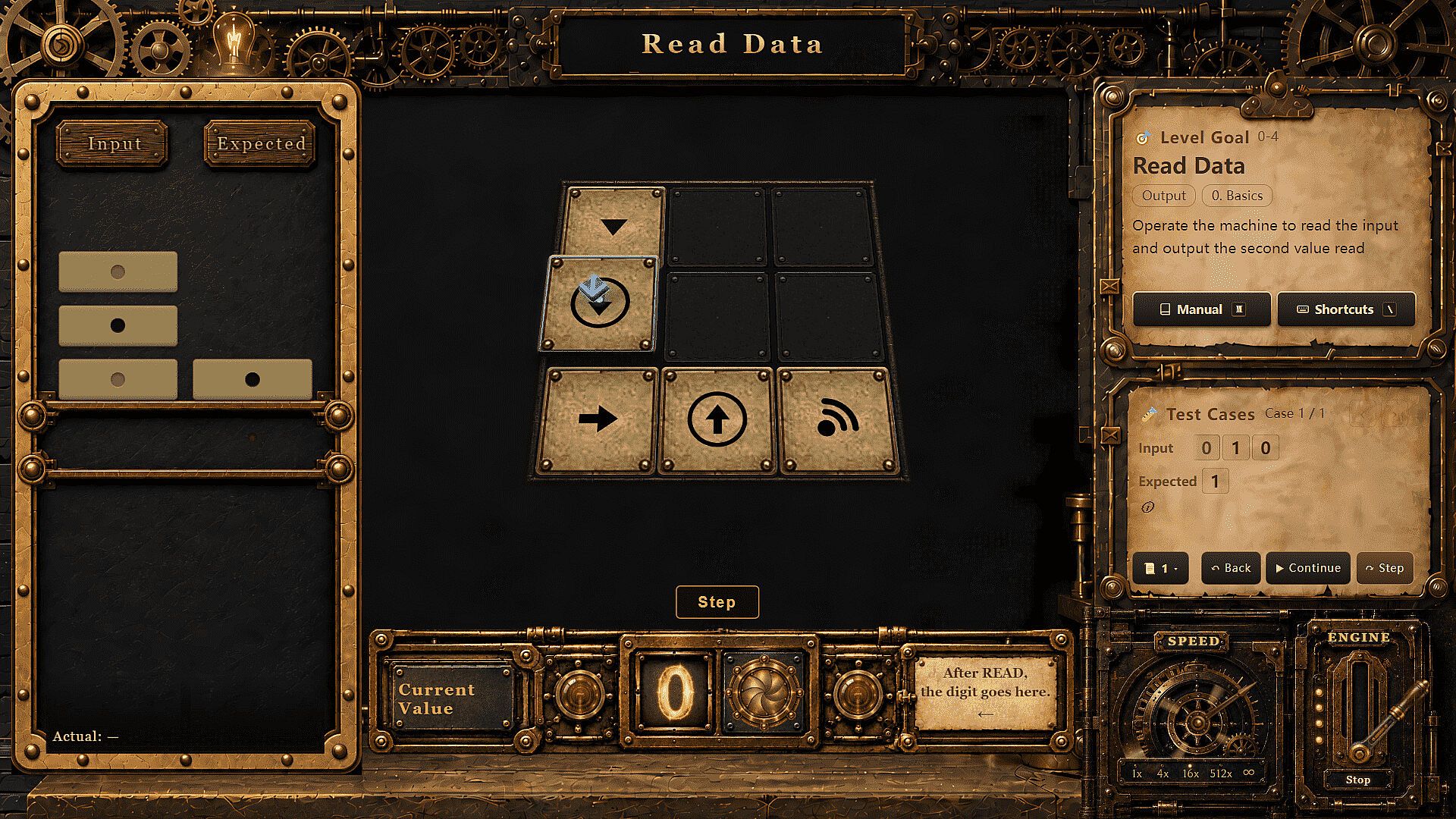
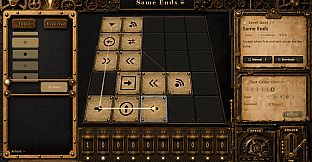
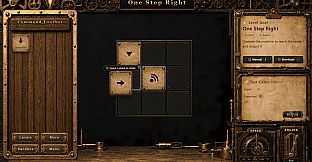
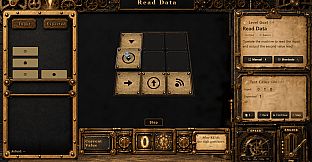
The core loop involves placing instructions on a finite grid to guide a machine along a path that processes numbers, alters values, changes directions, and generates required outputs. Each cell on the grid can hold a command, and the machine executes them in the order it encounters them during its movement. This spatial arrangement means the physical layout of instructions, the sequence of encounters, and the route itself all contribute to the program's behavior.
Basic commands handle reading data, modifying values, redirecting movement, and managing flow. As players advance, these simple rules combine into intricate systems through loops, conditional branches, state tracking, and data manipulation. The result is programs that evolve from straightforward sequences into sophisticated, self-adjusting mechanisms. Self-modifying code adds another layer, allowing certain cells to alter the program dynamically during execution.
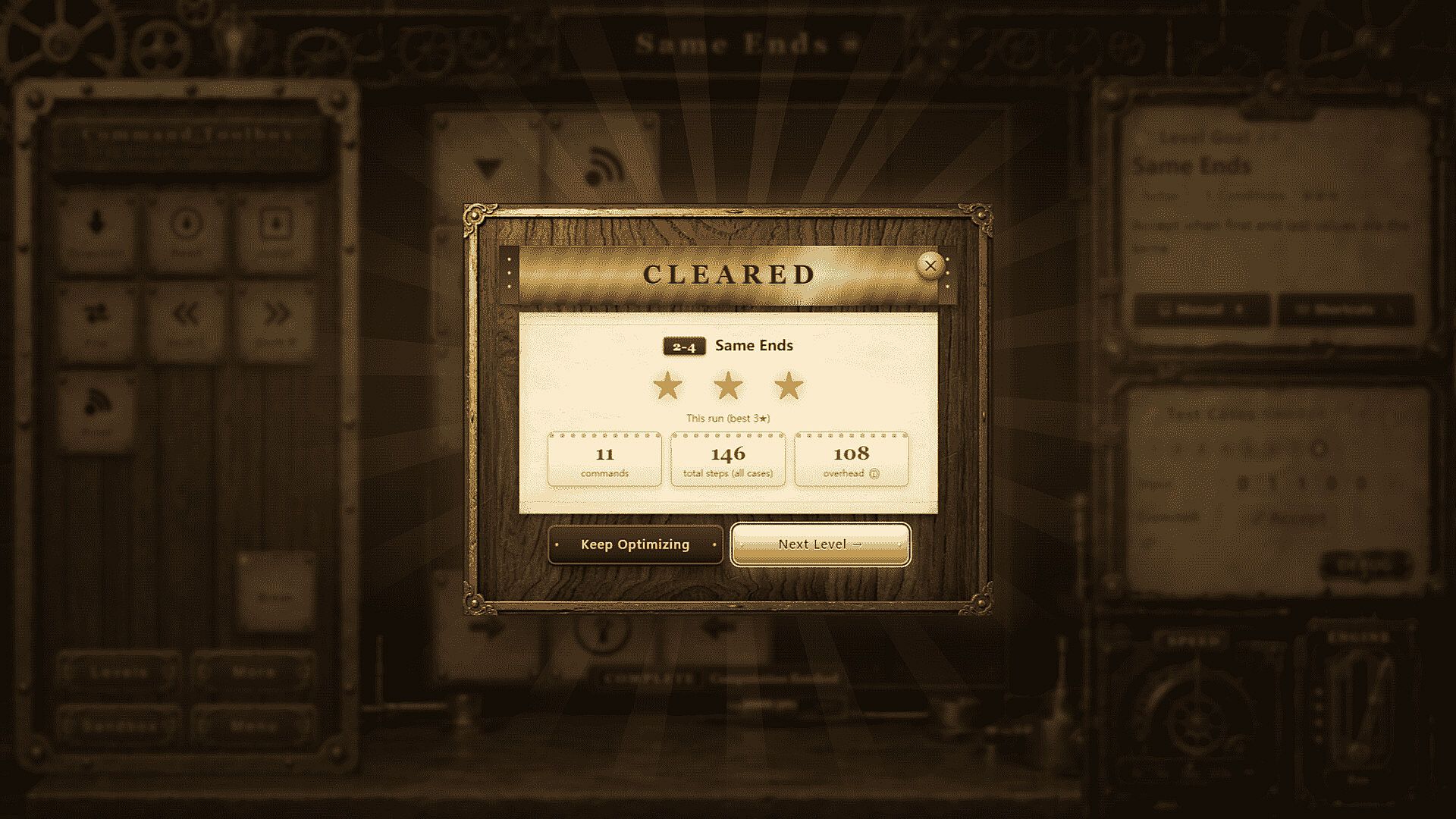
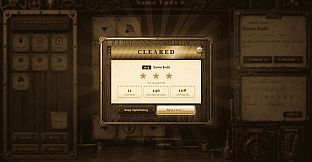
Every solution faces evaluation across three scoring dimensions: the total number of instructions used, the steps required for execution, and an overall cost metric. Completing a puzzle marks only the initial success. Refining the approach for greater efficiency becomes the ongoing objective. Global leaderboards track these metrics across players worldwide, encouraging iterative improvements on existing solutions.
Game Modes
Code Grid operates as a single-player experience focused on sequential puzzle progression. Each challenge presents specific test cases that a constructed program must satisfy. Players build, test, and refine their grid arrangements until the machine produces the correct outputs across all requirements.
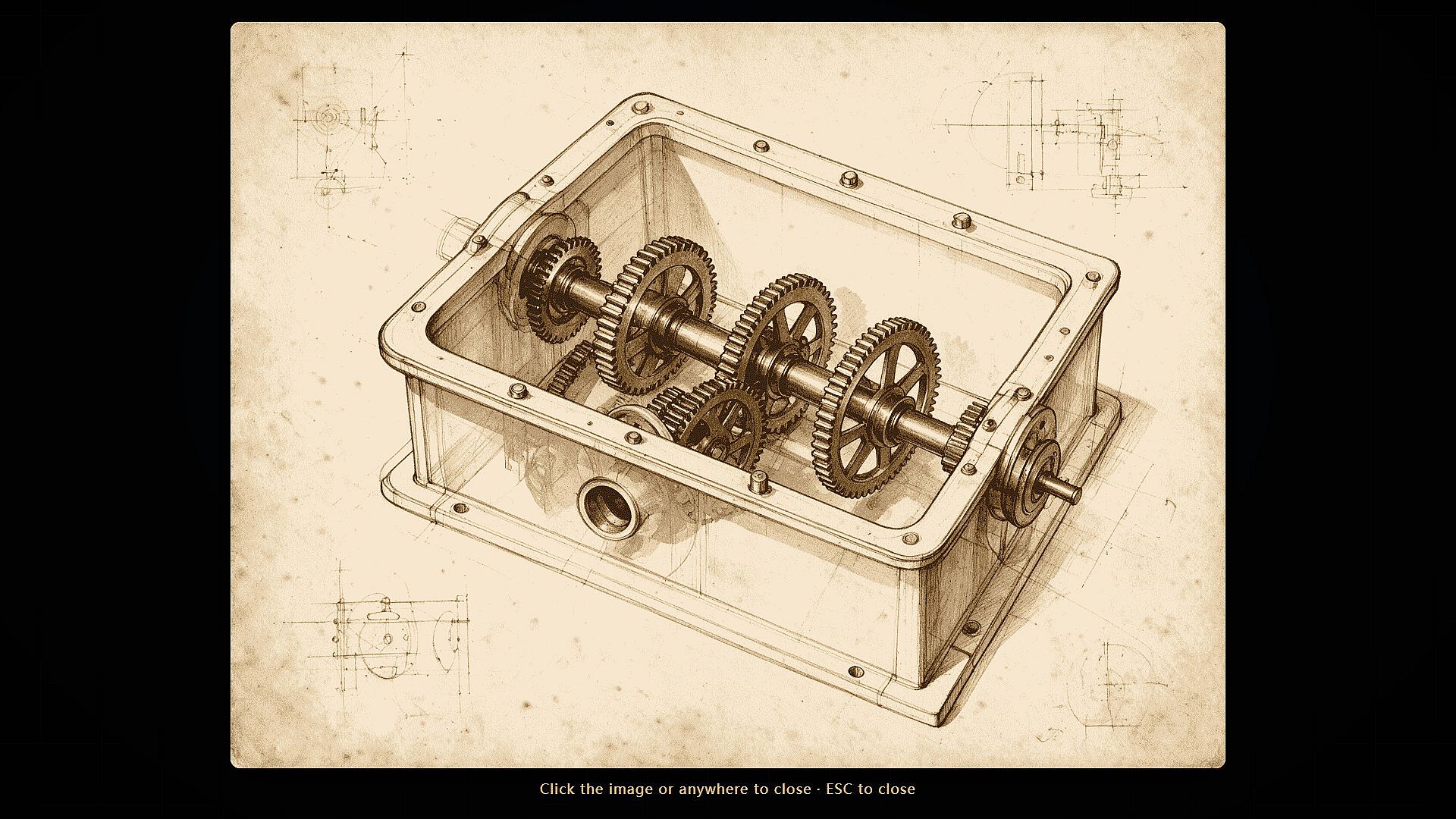
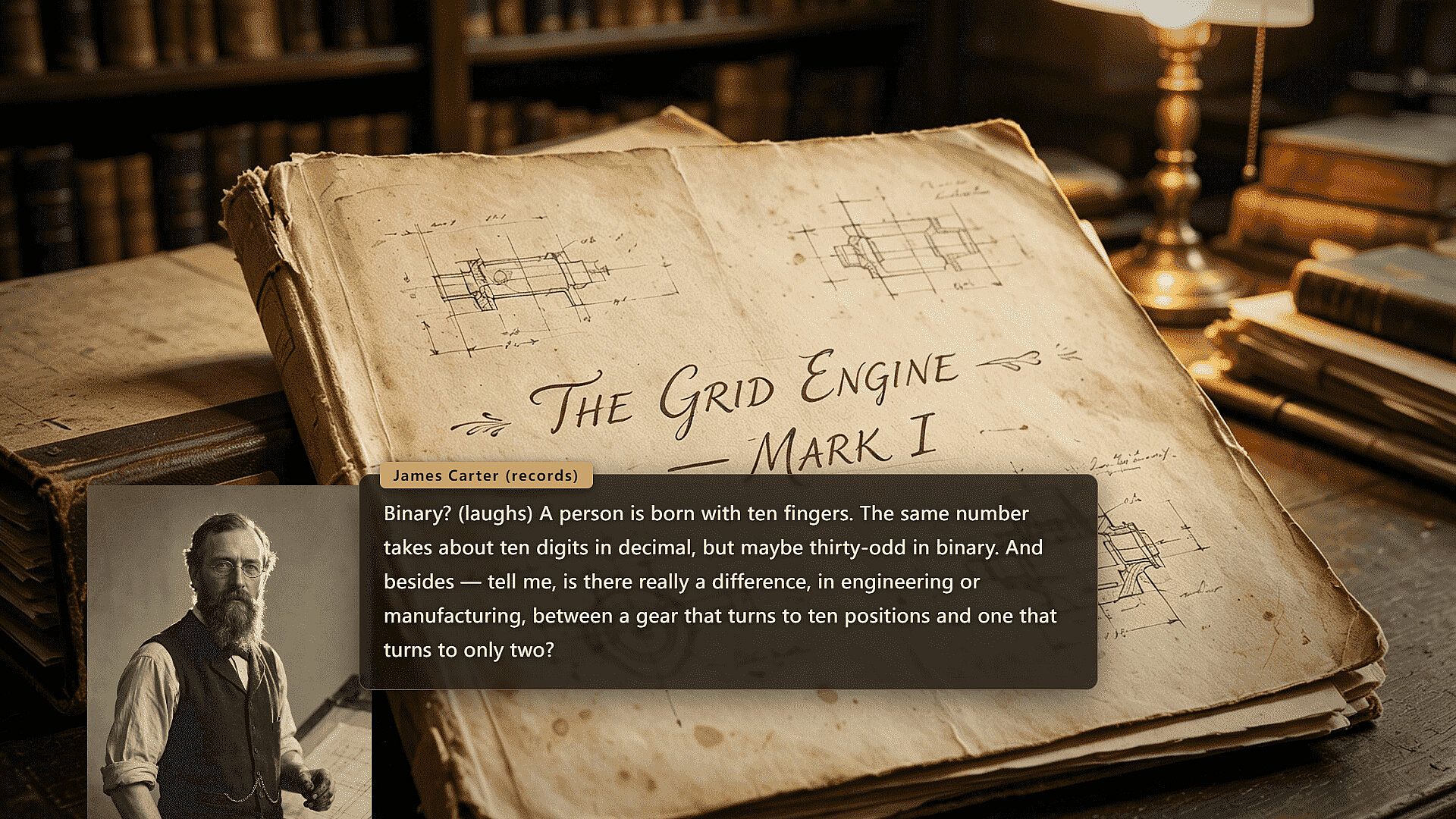
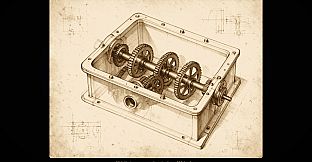
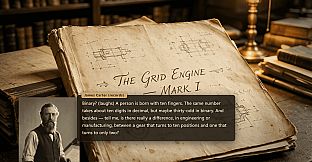
Progression ties directly to uncovering fragments of a larger story through these puzzles. Manuscripts, notes, and recordings from four generations reveal the history of the Grid Computing Machine and the individuals who worked on it. Some explorations within the puzzles may lead to impractical paths, yet they still contribute to understanding the machine's legacy and the reasons it faded from use.
The emphasis remains on experimentation within the grid's constraints. The finite space of each puzzle contrasts with the expanding complexity possible through creative instruction placement and path design. No separate competitive or cooperative modes appear; the focus stays on individual problem solving and optimization.
Narrative and Themes
A personal story unfolds as players investigate the hidden study and its collection of yellowed documents. The narrative spans Victorian blueprints, wartime prototypes, and later personal coding efforts by an elderly family member. Generations left questions and contradictions in the margins, creating a conversation across time that the player continues by running and refining programs.
This layer adds context to the mechanical challenges without interrupting the puzzle flow. Discoveries emerge gradually through successful solutions, revealing why the machine was ultimately set aside. The experience rewards persistence in both logical construction and historical exploration.
Is It Worth Playing?
Code Grid suits players who enjoy logic puzzles, optimization challenges, and visual programming systems. Its approach to building programs through spatial placement on a grid offers a distinct alternative to text-based coding games. The three-dimensional scoring and leaderboards provide clear goals for improvement beyond basic completion.
Those drawn to narrative-driven puzzle titles with themes of legacy and unfinished work will find additional appeal in the generational story. The mechanics scale from accessible basics to complex interactions, supporting steady progression. Availability on PC makes it accessible for sessions focused on thoughtful problem solving rather than fast action or multiplayer competition.
Overall, the game delivers a cohesive package for fans of indie strategy puzzles centered on systems thinking and efficiency. Its combination of mechanical depth and understated storytelling creates a focused experience that rewards careful iteration and creative arrangement within the grid.