

Crawlbound is a grid-based roguelite that blends strategy and RPG elements on PC. Players navigate procedurally generated floors while exploiting game-altering bugs as the primary survival tool. The experience centers on turn-based movement across a grid, where positioning, timing, and bug selection determine whether a run continues or ends abruptly.
Gameplay
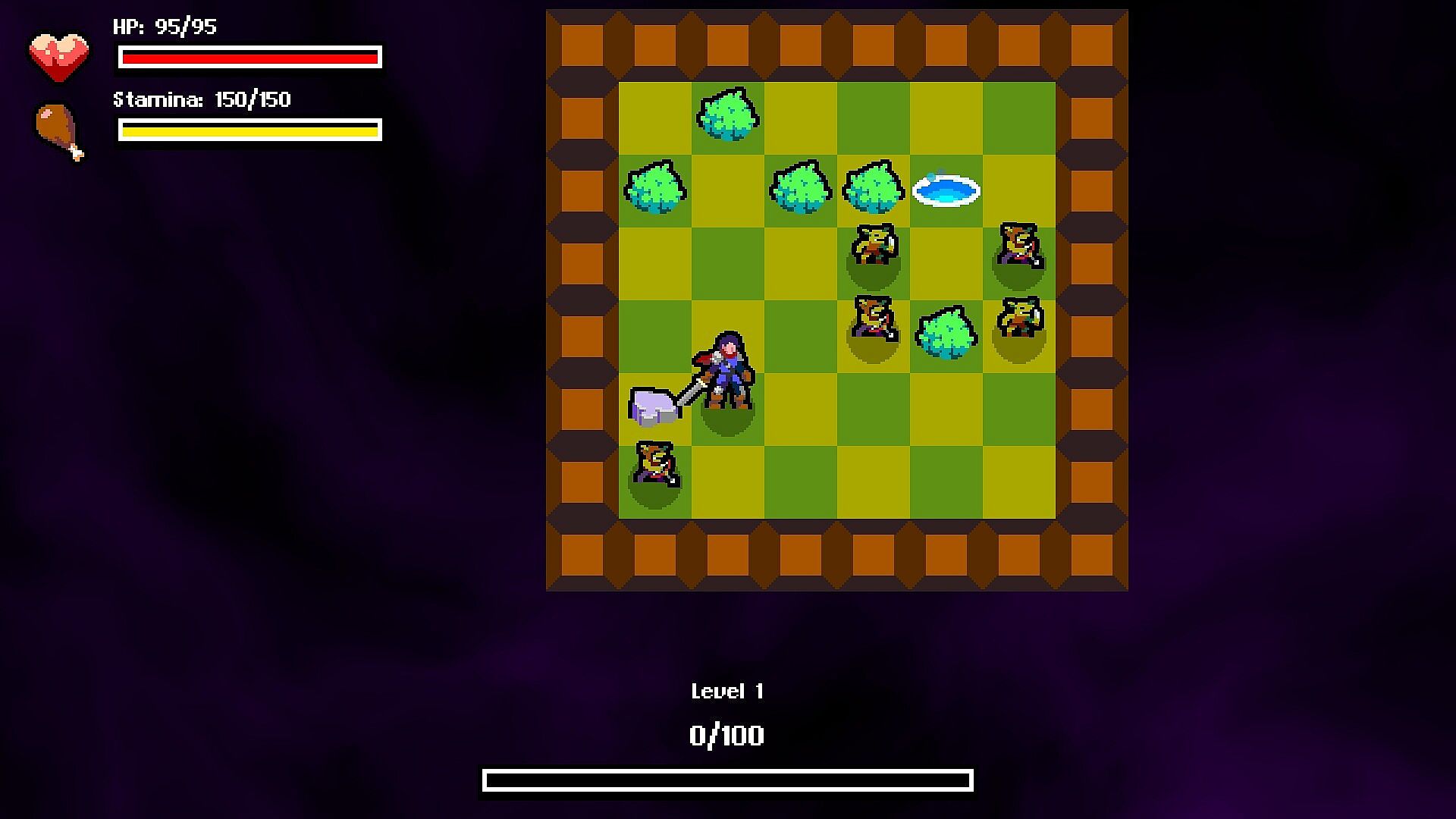
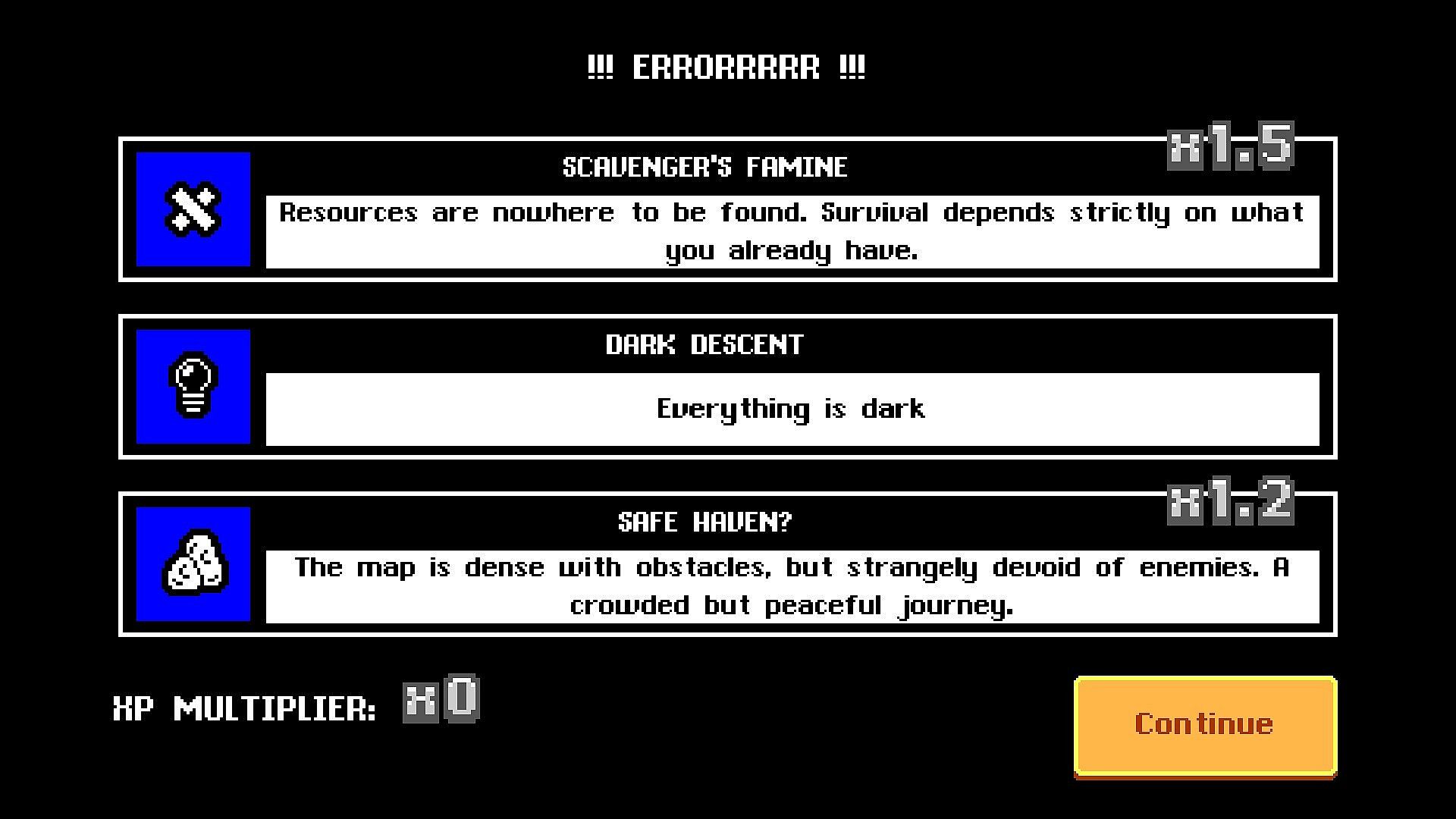
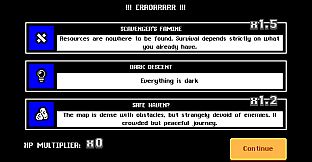
The core loop revolves around descending through dungeon floors one at a time. Each floor presents enemies, traps, and resources that must be handled within the grid constraints. Movement occurs on a turn-based system, allowing careful planning of attacks and dodges. Bugs function as temporary or situational modifiers that alter enemy behavior, environmental effects, or even the player's own capabilities, turning potential threats into manageable situations or outright advantages.
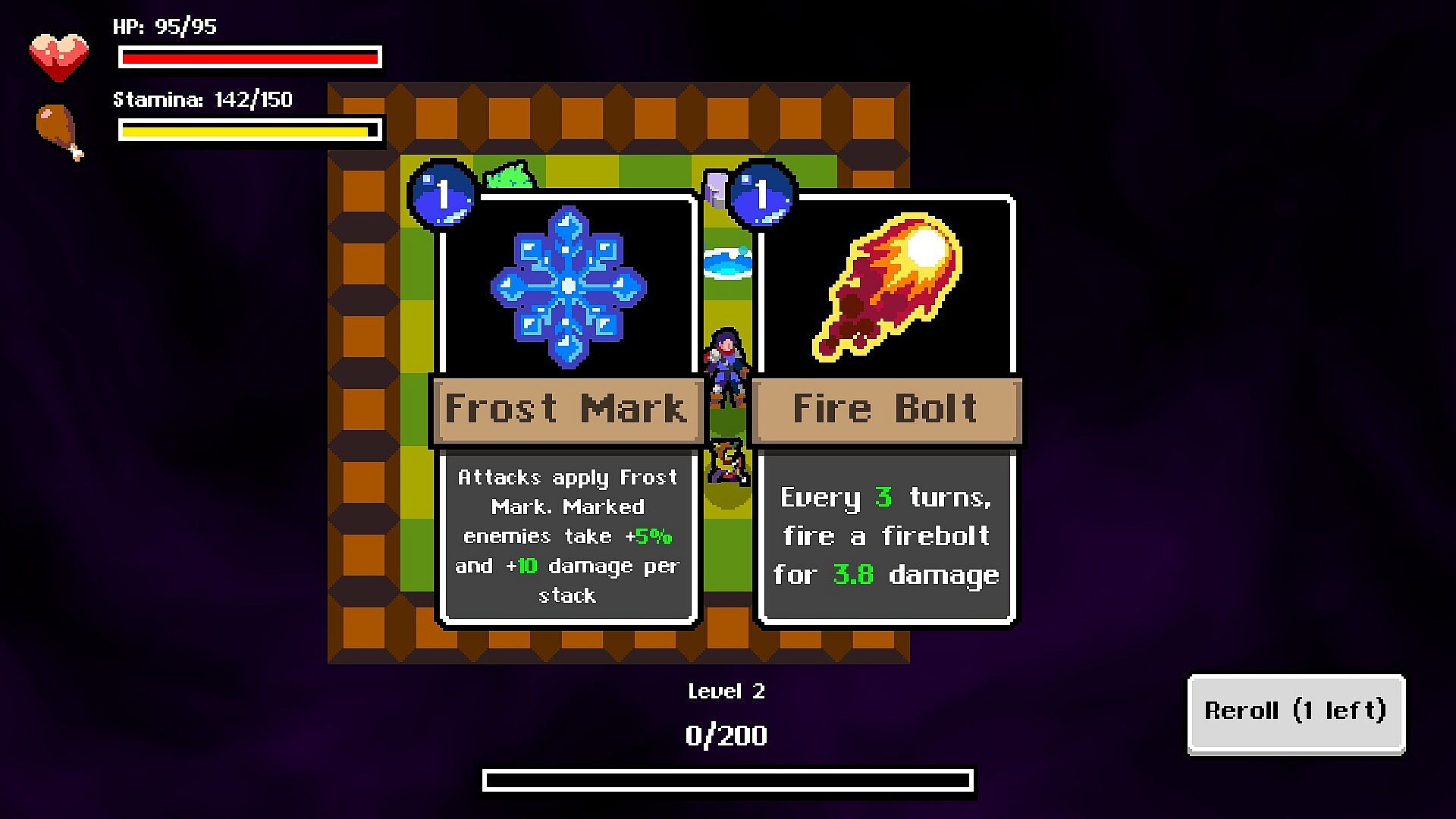
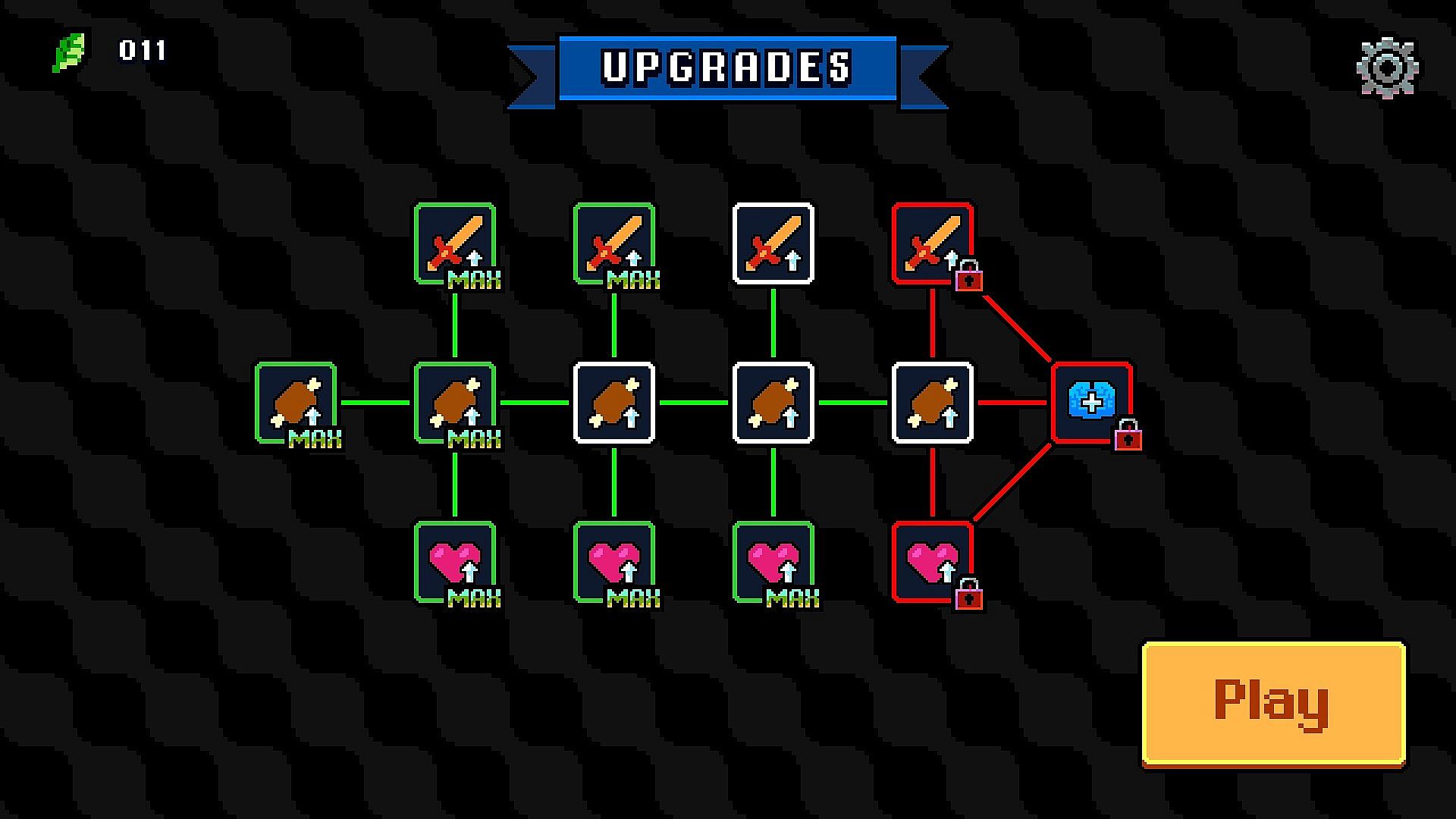
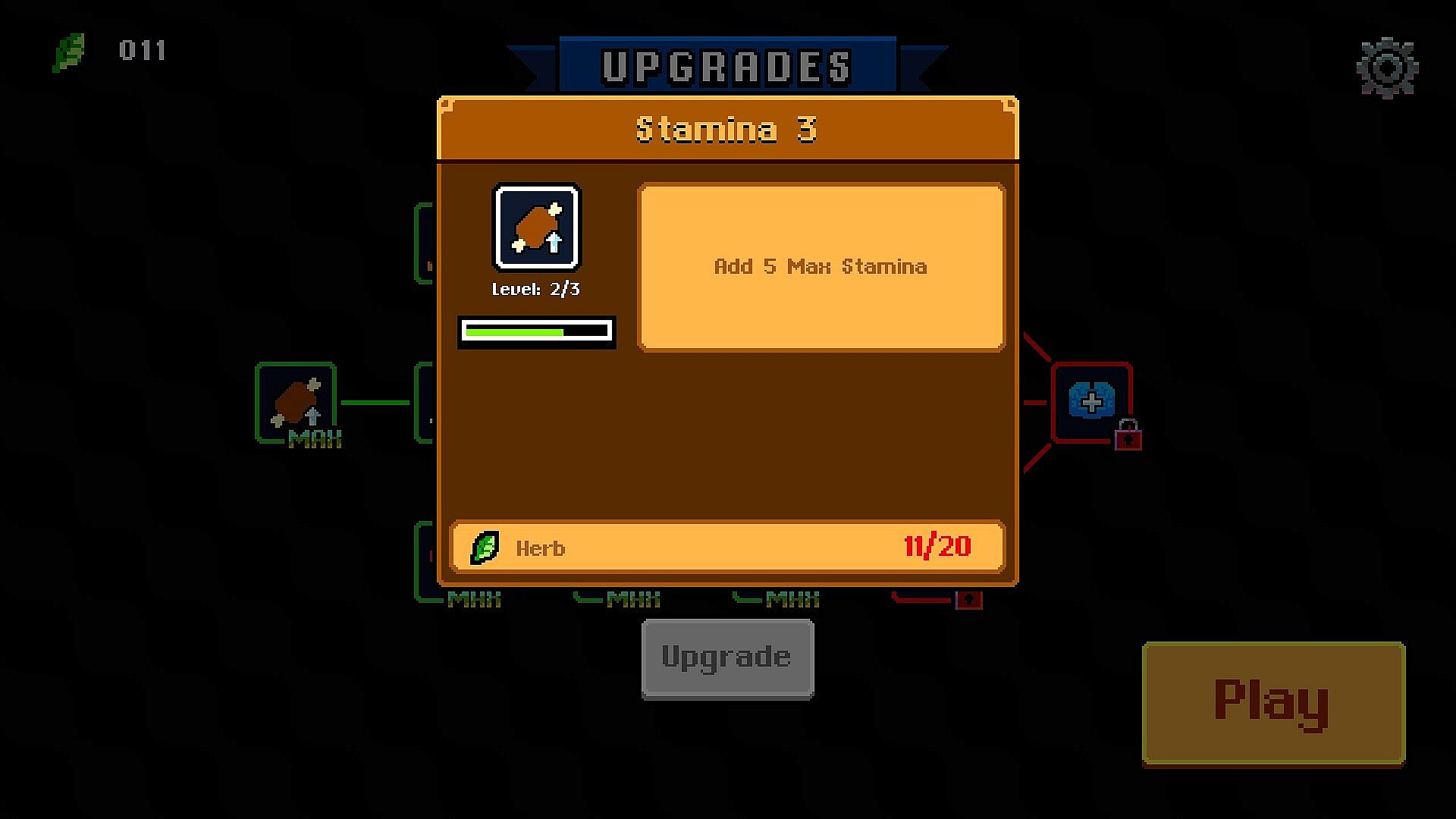
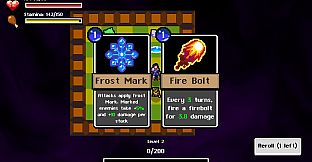
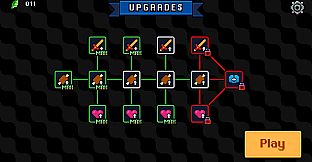
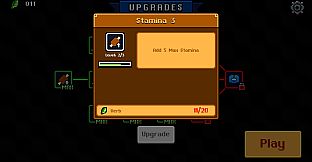
Combat emphasizes efficiency. Defeating enemies yields XP that triggers level-ups, each offering a selection of upgrades drawn randomly with different rarities. These choices shape the current run by stacking effects that can create powerful combinations. Loot collected along the way serves dual purposes: immediate use for survival and accumulation for permanent upgrades purchased between runs. Resource farming becomes essential for extending progress deeper into the dungeon.
Boss encounters punctuate longer runs. These fights reward precise bug exploitation and synergy building, often requiring players to disable or outpace the boss before it can act. Traps add another layer of risk, demanding spatial awareness on the grid to avoid damage while pursuing objectives. Procedural generation ensures no two floors play identically, keeping each attempt distinct through varied layouts and enemy placements.
Game Modes
Crawlbound operates around a single primary survival format focused on endurance across successive floors. Runs begin at the entrance and continue until the player falls, with success measured by depth reached and resources gathered. The format encourages repeated attempts as permanent upgrades accumulate, gradually increasing the potential for longer survival.
Within each run, players manage a growing set of bug exploits alongside standard character progression. The absence of separate competitive or cooperative modes keeps the focus on individual optimization and experimentation with synergies. Procedural elements and random upgrade pools ensure high replayability even in this streamlined structure.
Progression Systems
Character advancement splits between temporary run-specific upgrades and permanent meta-progression. Level-ups during a run provide immediate power spikes through random offerings that vary in strength and rarity. Permanent upgrades, funded by accumulated loot, carry forward across attempts and allow deeper exploration over time.
Synergy building forms the heart of long-term strategy. Certain bug combinations or upgrade paths enable outsized results, such as neutralizing threats before they activate or amplifying resource gains. Players experiment across runs to identify effective pairings while adapting to the randomness of each floor.
Is It Worth Playing?
Crawlbound suits players who enjoy roguelites centered on creative problem-solving through mechanics like bug exploitation rather than traditional power fantasy. The grid-based, turn-based approach rewards deliberate planning and adaptation to random elements. Those drawn to indie strategy titles with RPG progression will find the loop of short failed runs building toward stronger attempts familiar yet distinct due to the bug-focused twist.
As a recently released title from a solo developer, the game remains in an early phase with active community feedback shaping future direction. Its appeal lies in the tight integration of survival, resource management, and synergy discovery within a compact package. Players seeking polished, lengthy campaigns or multiplayer features may find the scope limited, while fans of pixel-art roguelites that emphasize mechanical creativity stand to gain the most from repeated play sessions.