


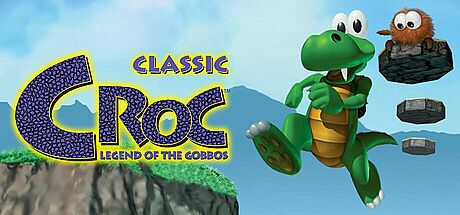


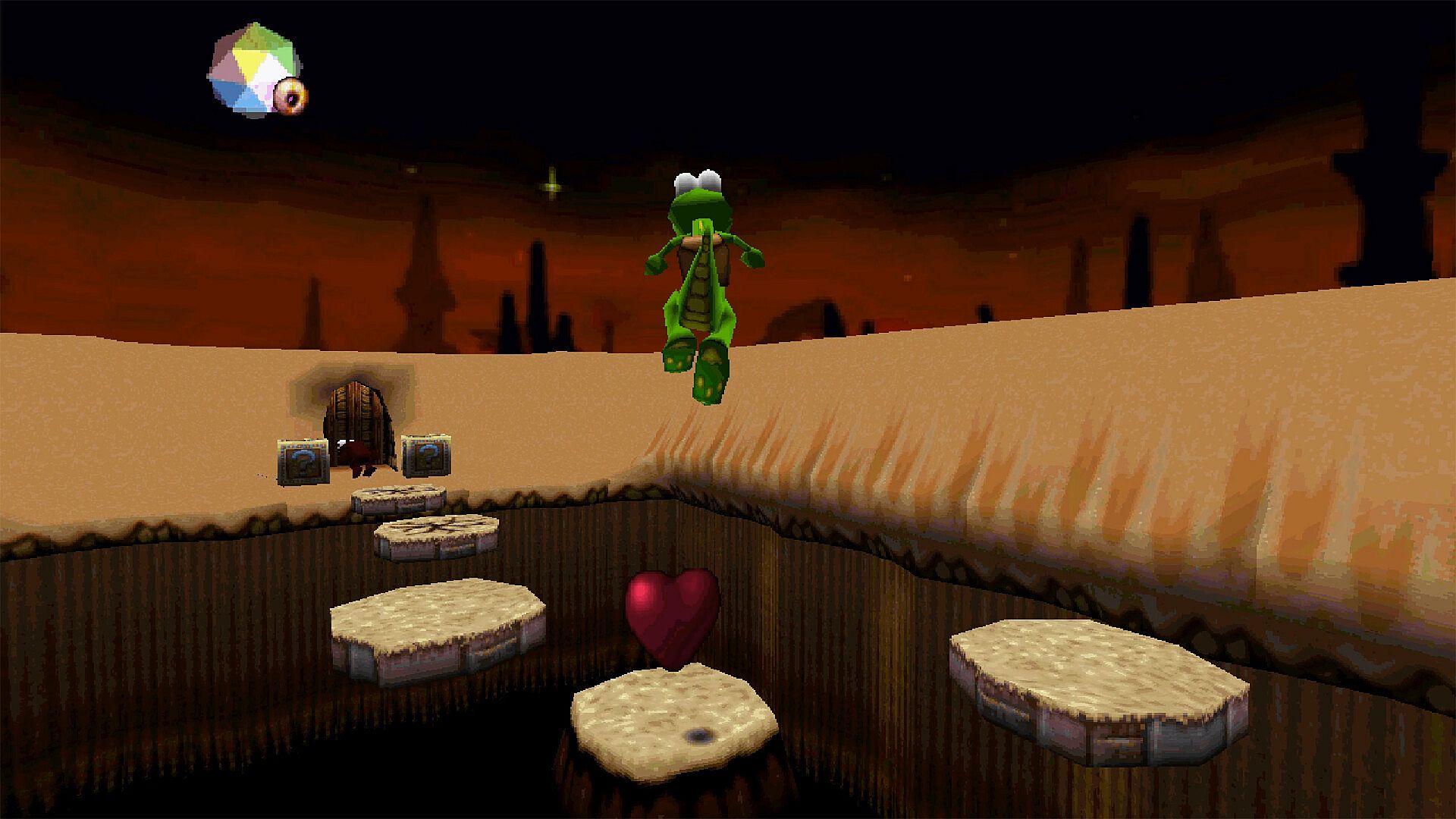
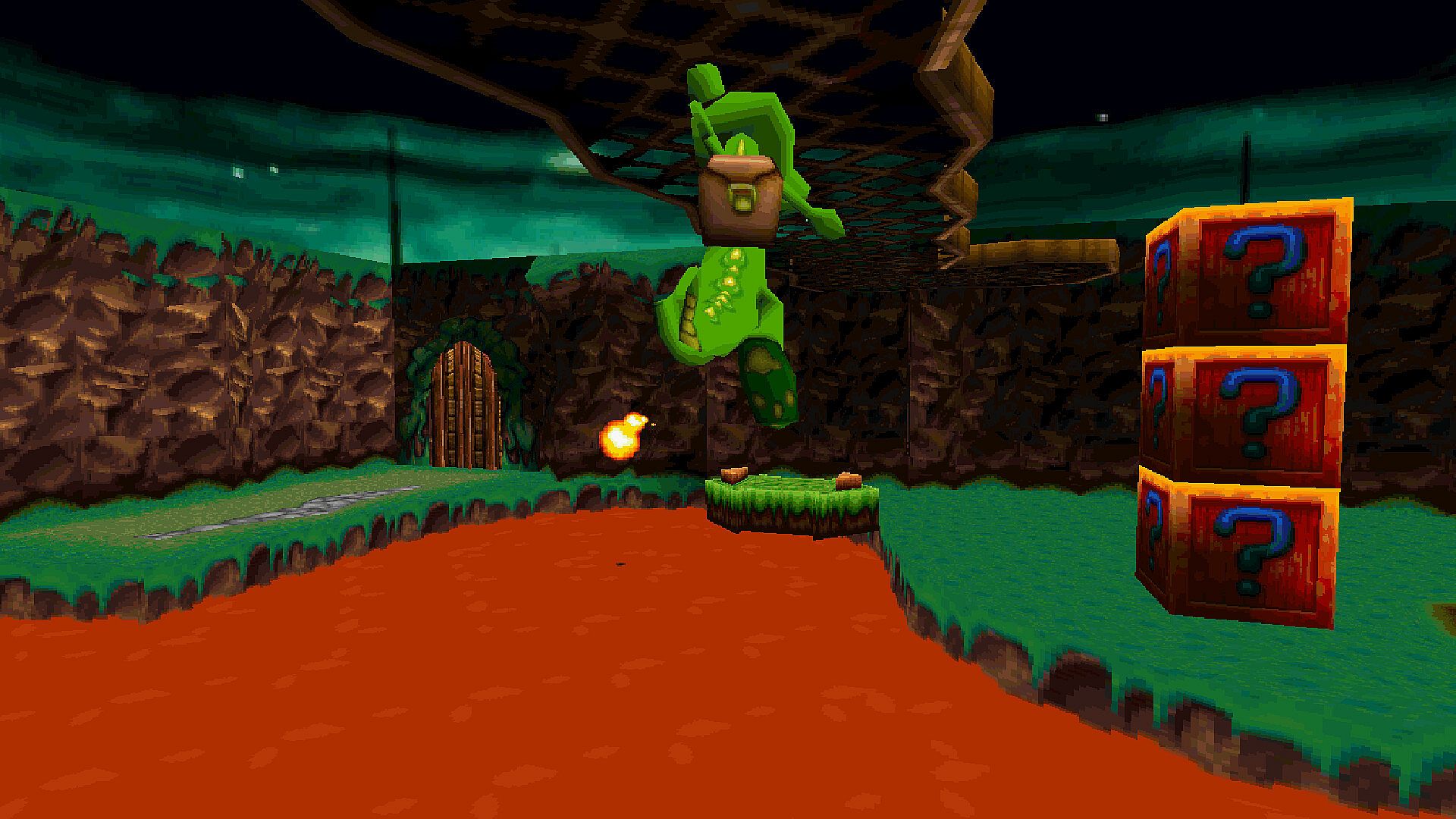
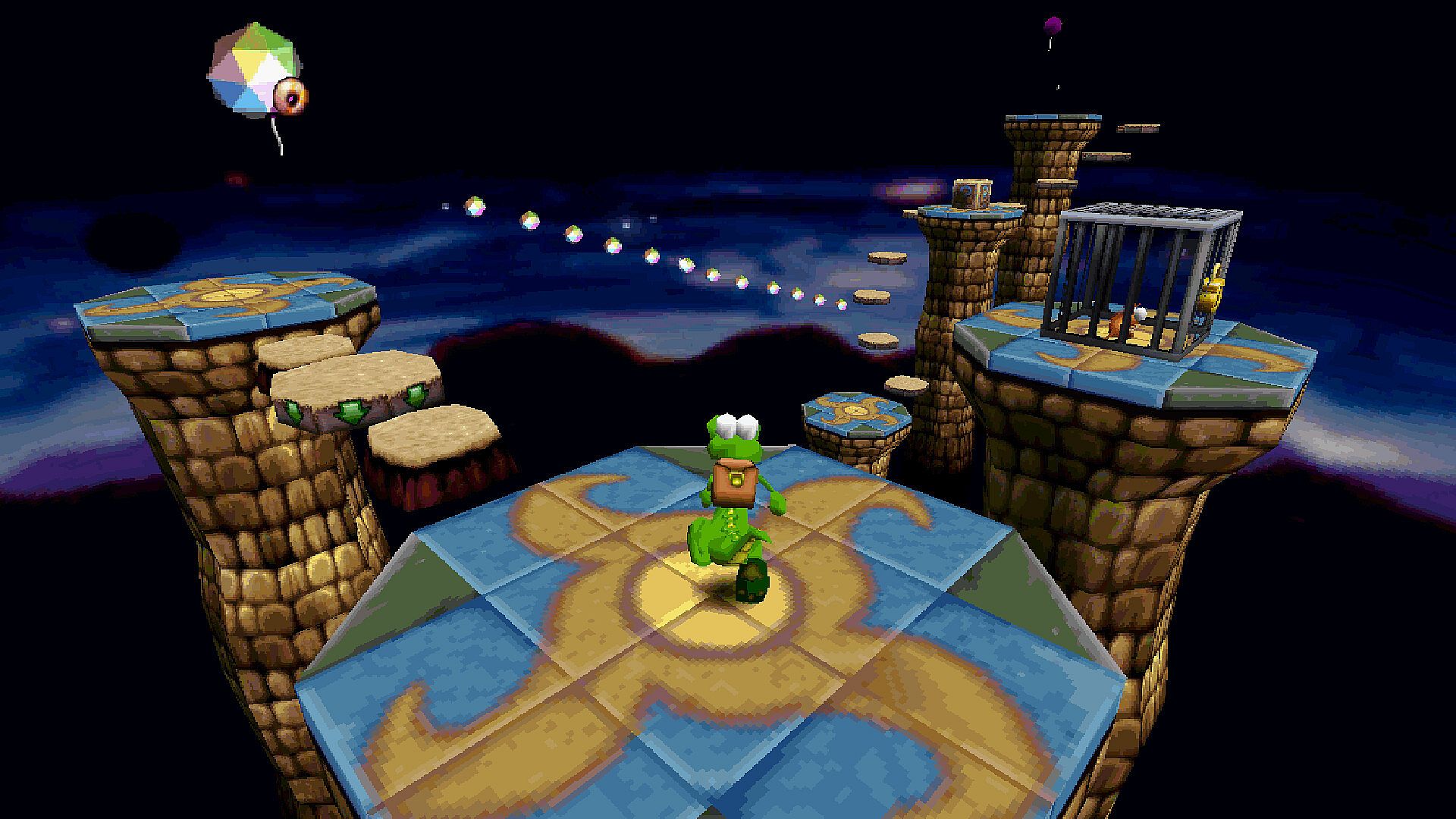
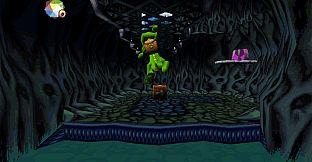
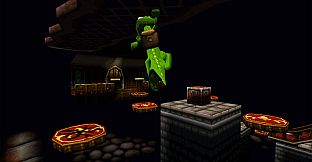
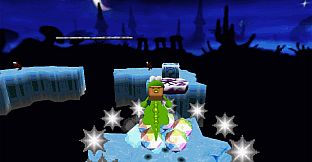
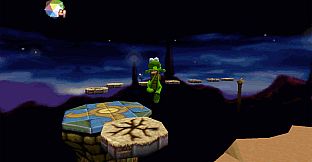
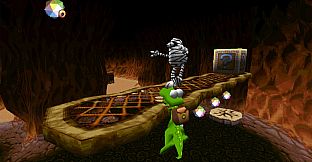
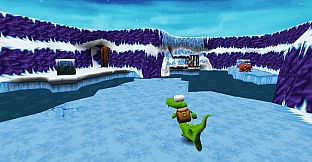
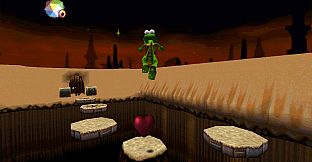
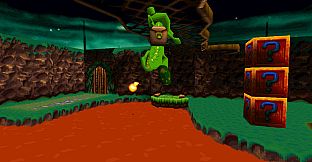
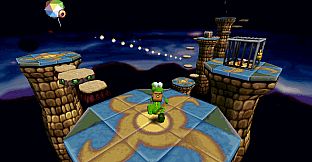
Croc Legend of the Gobbos Classic is a 3D action-adventure platformer that puts players in control of a small crocodile on a mission to free his captured friends. The game follows the original 1997 PC release, rebuilt to run on modern systems while preserving its real-time 3D graphics and core design. Croc must navigate five distinct worlds filled with platforming challenges, enemies, and collectibles as he works to defeat the evil magician Baron Dante and return the Gobbos to safety.
Gameplay
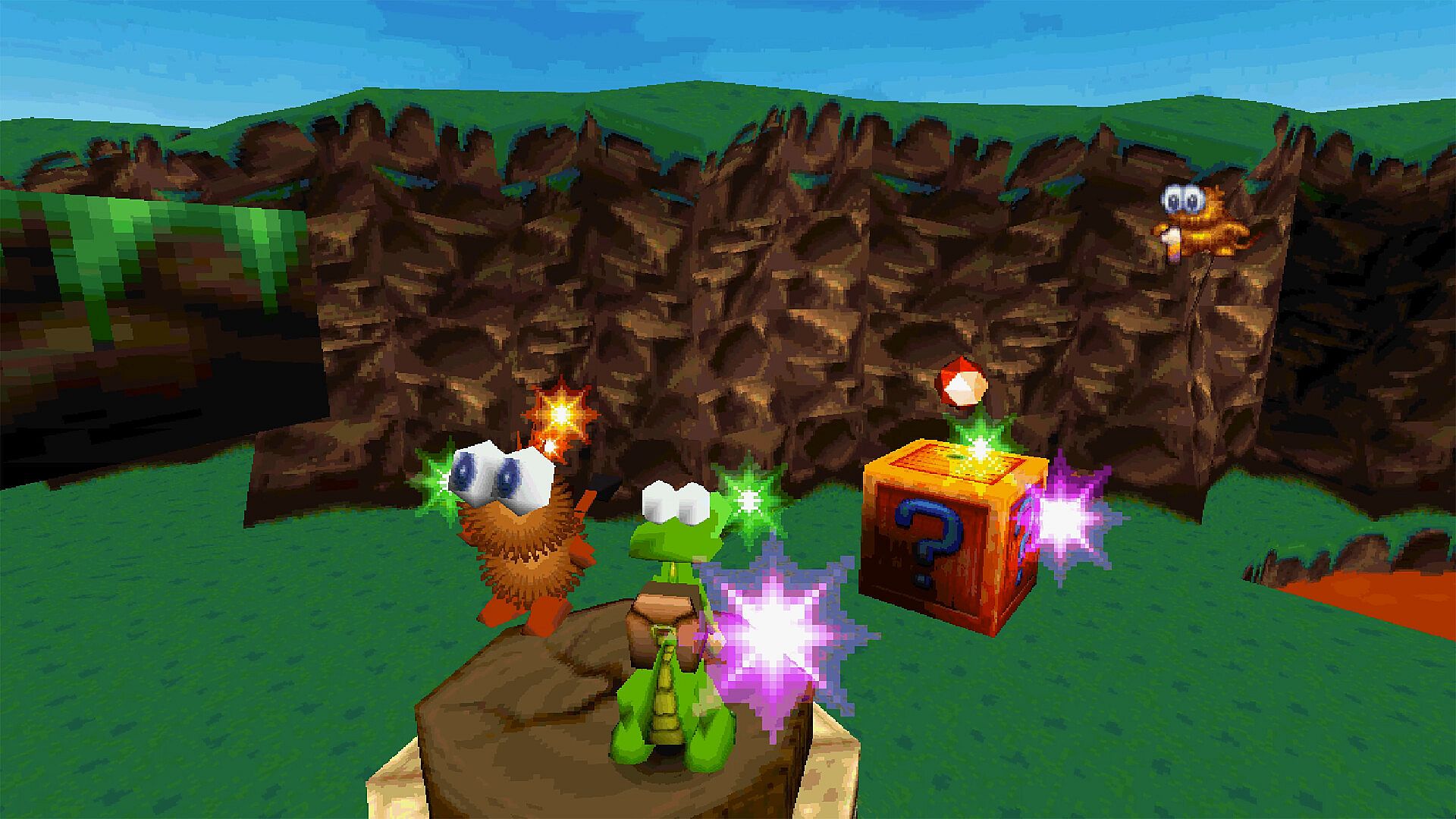
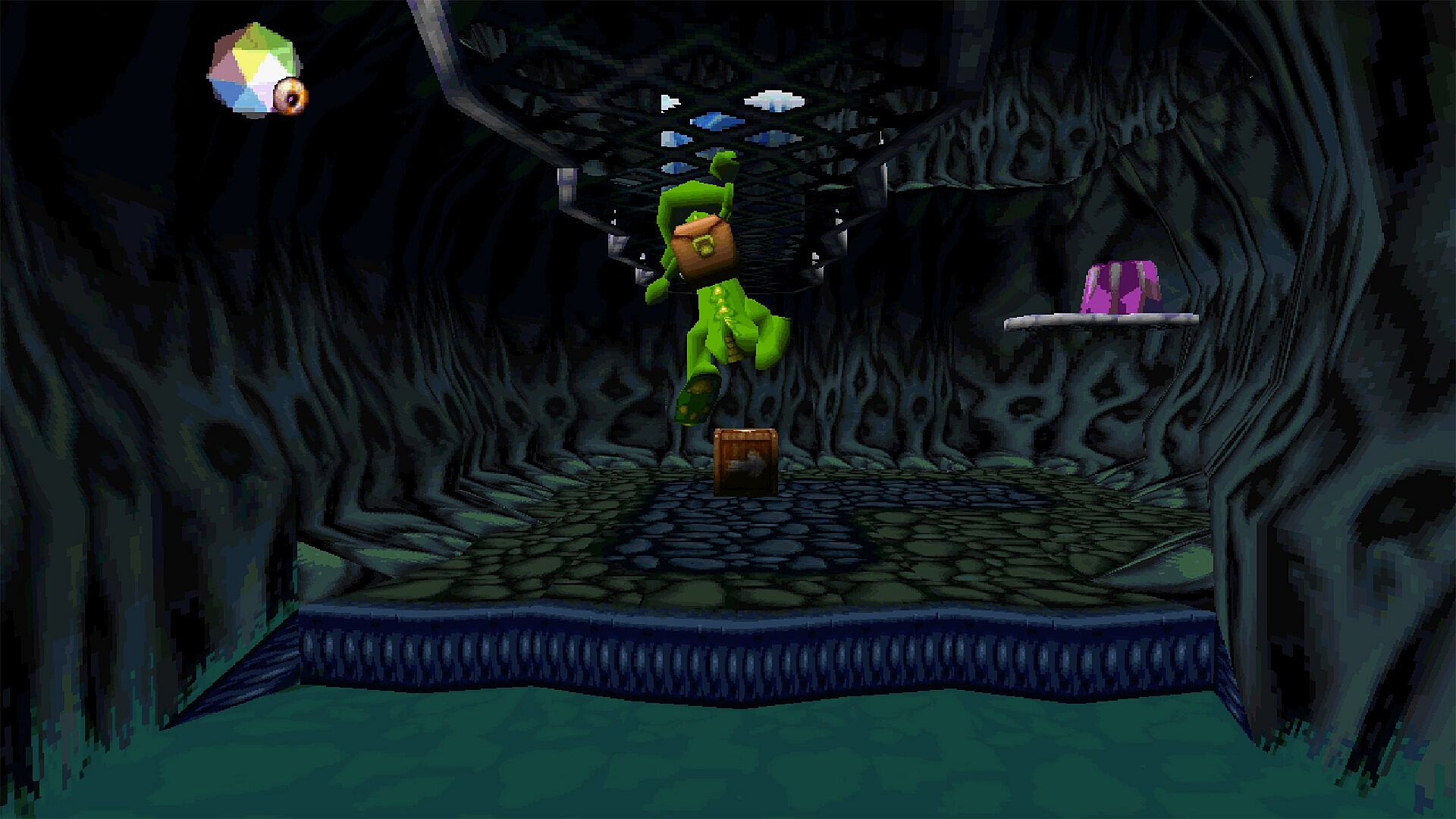
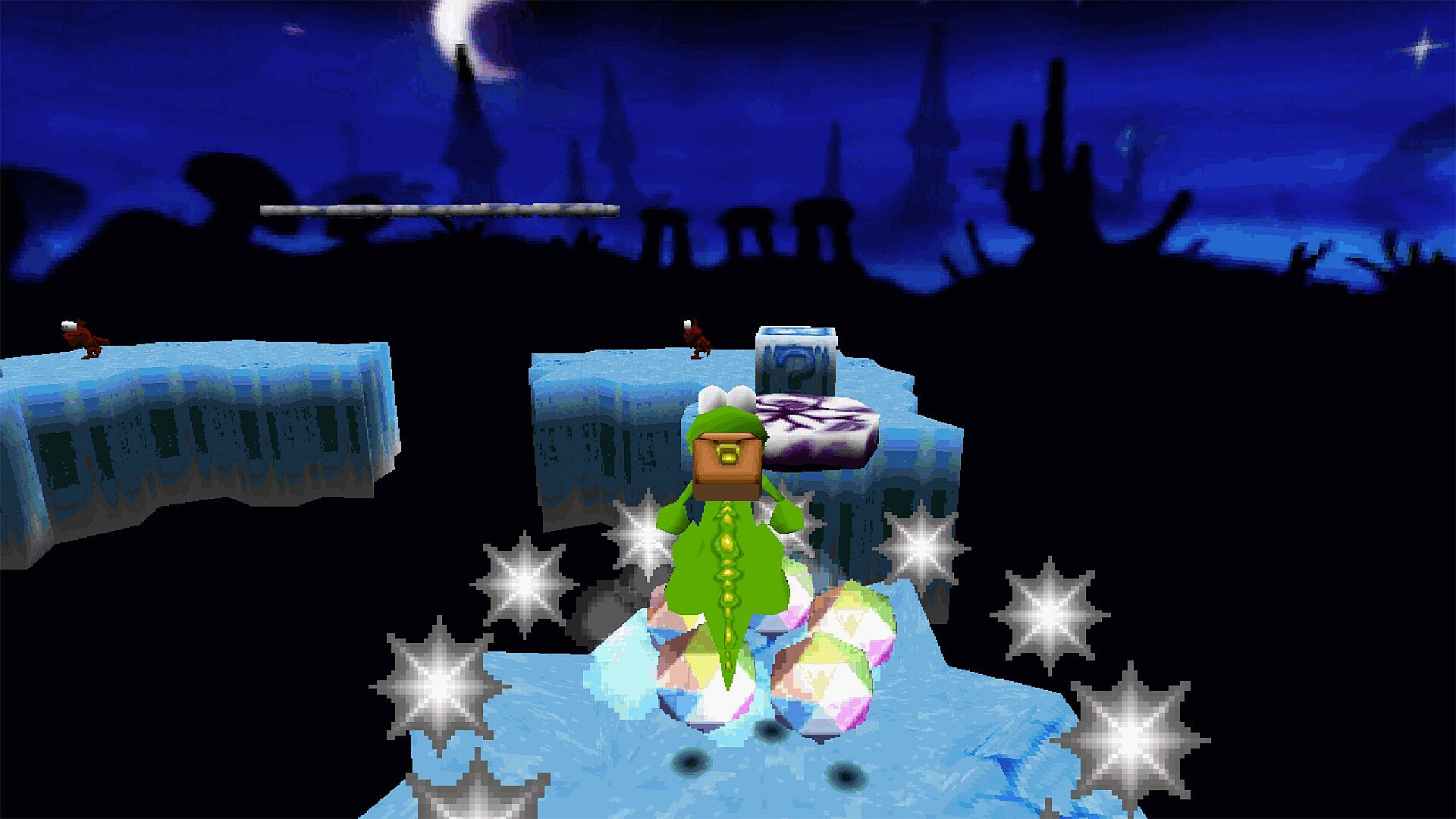
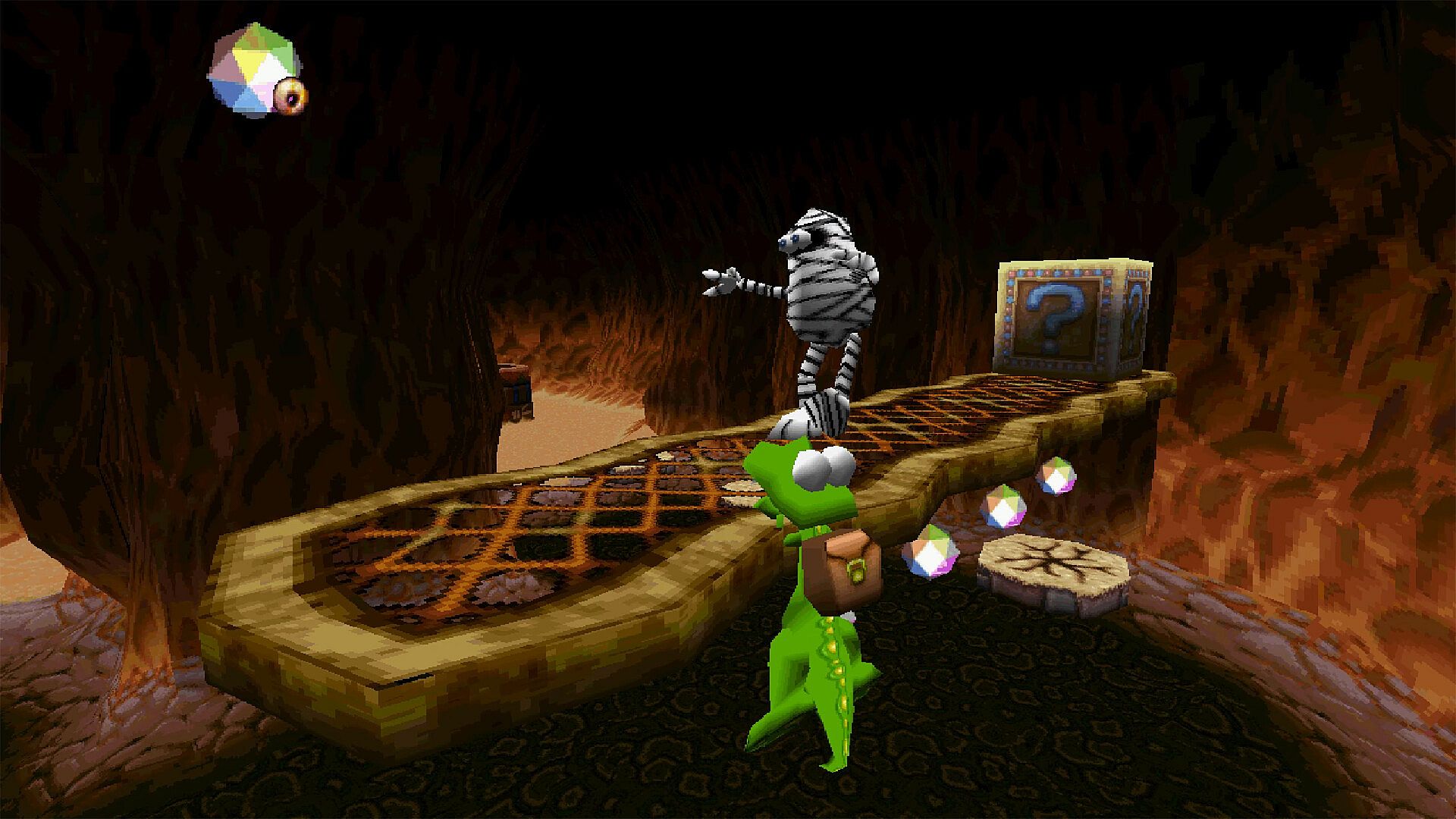
The central loop revolves around exploring compact, room-based levels where Croc runs across platforms, jumps between ledges, climbs certain surfaces, swims through water sections, and uses his tail to spin-attack foes. A ground-pound move lets him smash boxes that often hide items or open paths. Crystals scattered throughout each stage function as a protective buffer; taking damage drops them, and losing all crystals ends the attempt. The backpack Croc carries serves as a visual cue during movement and attacks.
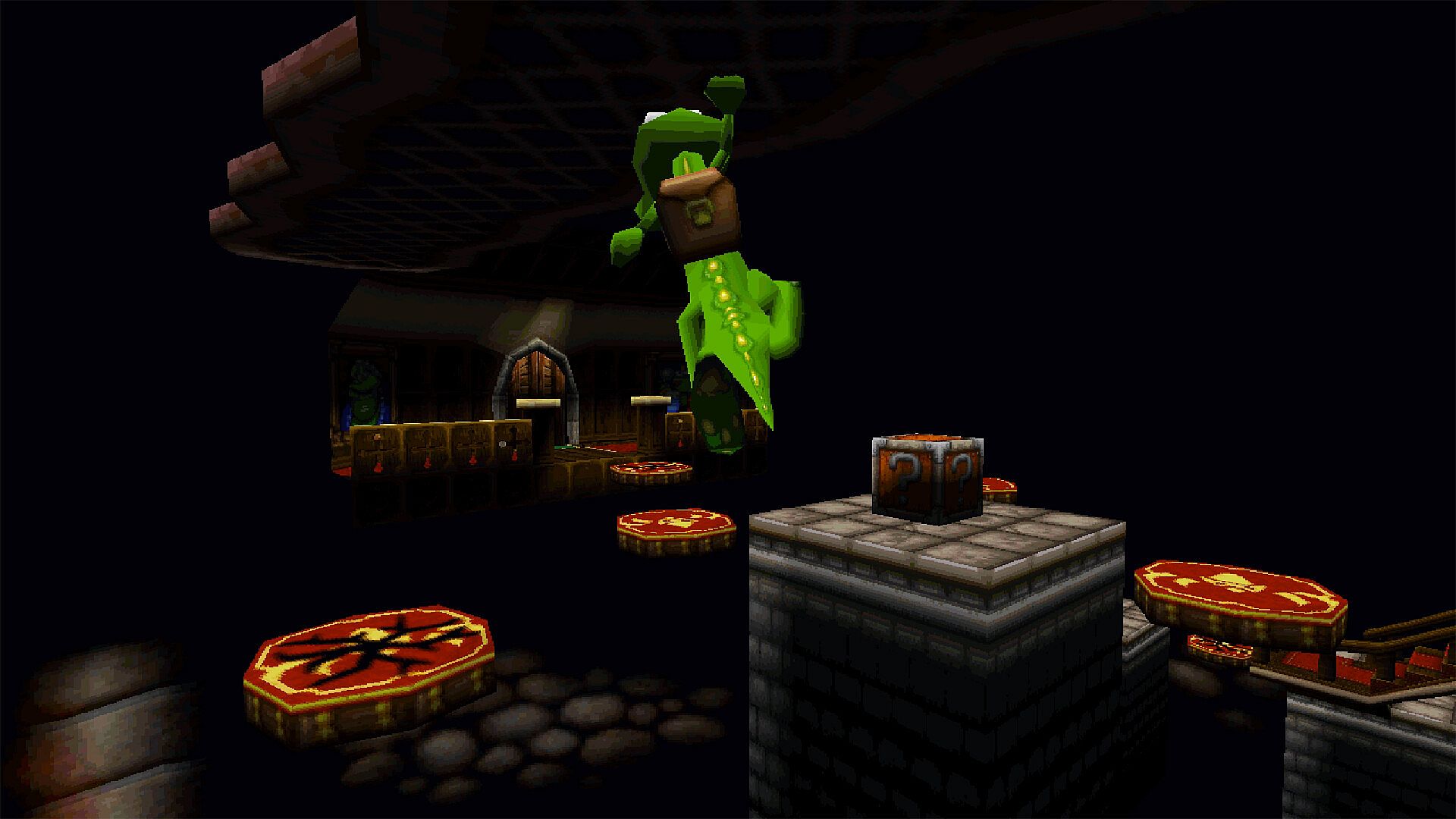
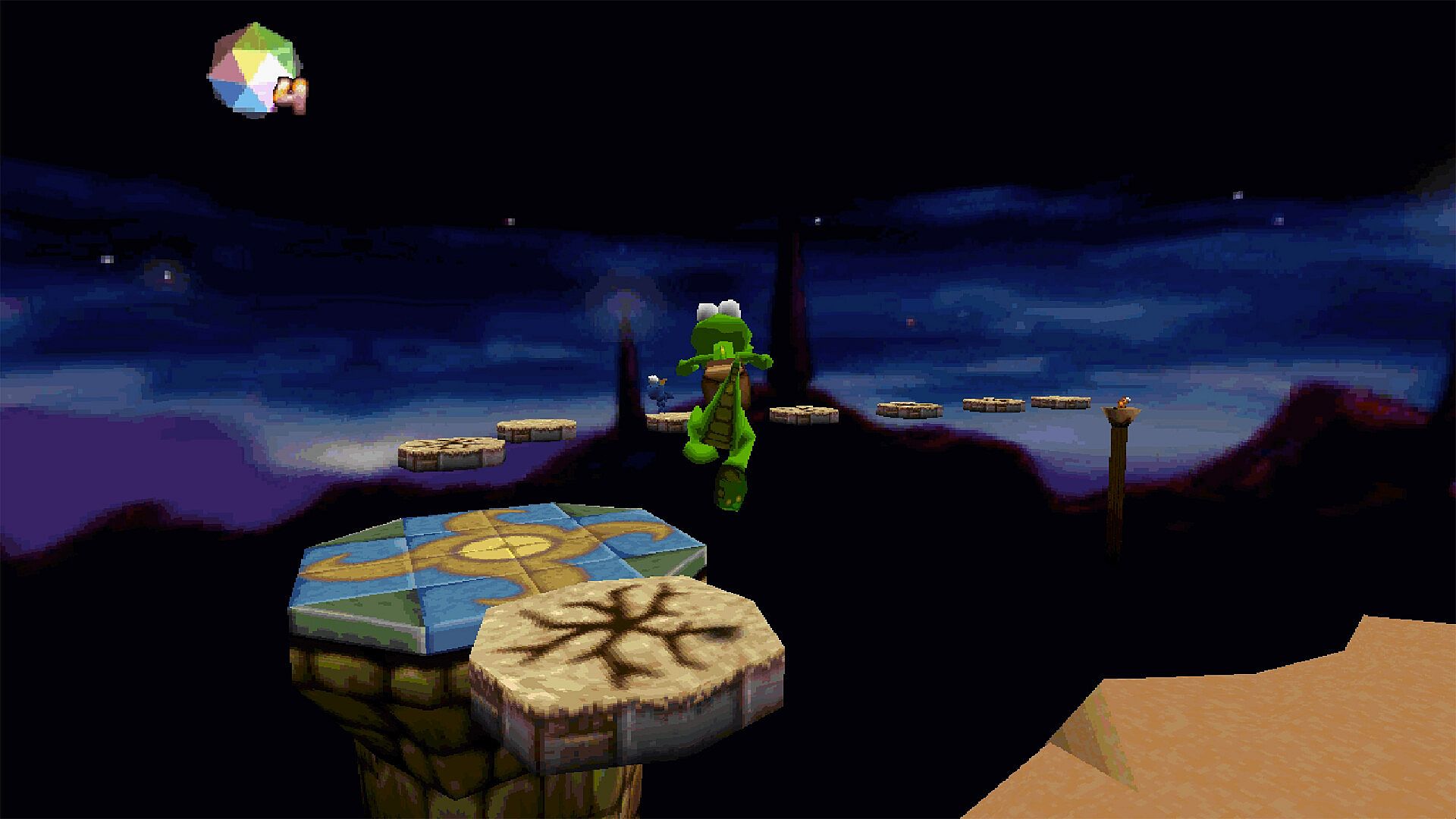
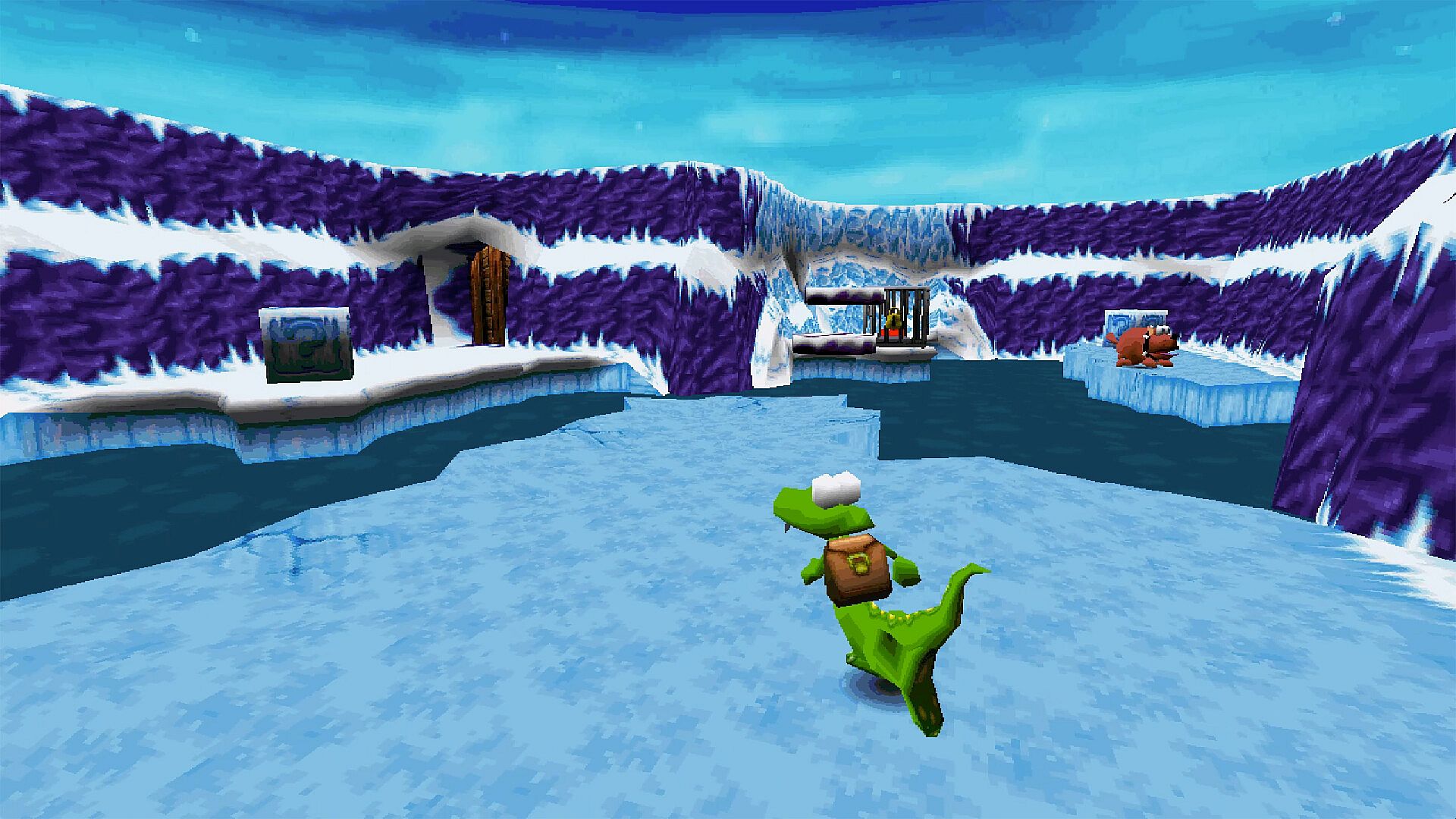
Levels emphasize precise timing on moving platforms, switches, and hazards that vary by world theme. Forest areas feature dense vegetation and lava flows, ice zones introduce slippery surfaces and cold-weather obstacles, desert regions add sand traps and heat-related elements, while underwater caves and volcanic sections test swimming and vertical navigation. Progression feels deliberate, with players often doubling back through connected rooms to locate hidden items before reaching the exit gong.
Game Modes
The experience centers on a single-player campaign structured around regular levels, boss encounters, and optional secret stages. Each of the four main worlds contains six regular levels followed by two boss stages. In regular levels the objective is to locate and free six Gobbos while gathering five colored crystals that unlock a bonus door containing the final Gobbo. Boss stages strip away the collectibles and focus purely on reaching and defeating the guardian at the end.
Completing all Gobbos in the three regular levels before a boss unlocks a secret level after that boss fight. These secret stages reward jigsaw pieces. Collecting every jigsaw piece across the game opens a fifth bonus world with additional challenging levels and a final confrontation. The structure encourages replaying completed stages to hunt missed items without altering the linear world order.
Worlds and Progression
Five themed worlds provide variety in obstacles and enemy types. The first four follow a set sequence, each ending in boss fights that test the move set in more contained arenas. The optional fifth world appears only after full completion of prior content and raises the difficulty with tighter platforming sequences. Nine stage bosses in total appear across the adventure, each tied to specific worlds and requiring repeated attacks during brief vulnerability windows.
Free-roaming within individual levels allows exploration of side paths and hidden rooms, though overall progression remains gated by the world order. The original 1997 presentation keeps camera behavior and animation faithful to the era, resulting in a brisk pace where most stages last only a few minutes on a first pass.
Is It Worth Playing?
This release suits players who enjoy straightforward 3D platformers with collectible-driven level design and a focus on precise movement through themed environments. The campaign delivers hours of gameplay across more than 40 stages, with replay value tied to locating every Gobbo and crystal for the bonus content. Those seeking modern control refinements or updated visuals will find the Classic version stays true to its 1997 roots instead.
Reception for the original game highlighted its charming character and accessible entry point for the genre, though later stages introduce stricter timing demands. Availability on PC makes it accessible for anyone interested in experiencing the unaltered platforming classic or introducing it to new players who appreciate retro mechanics without additional layers.












