

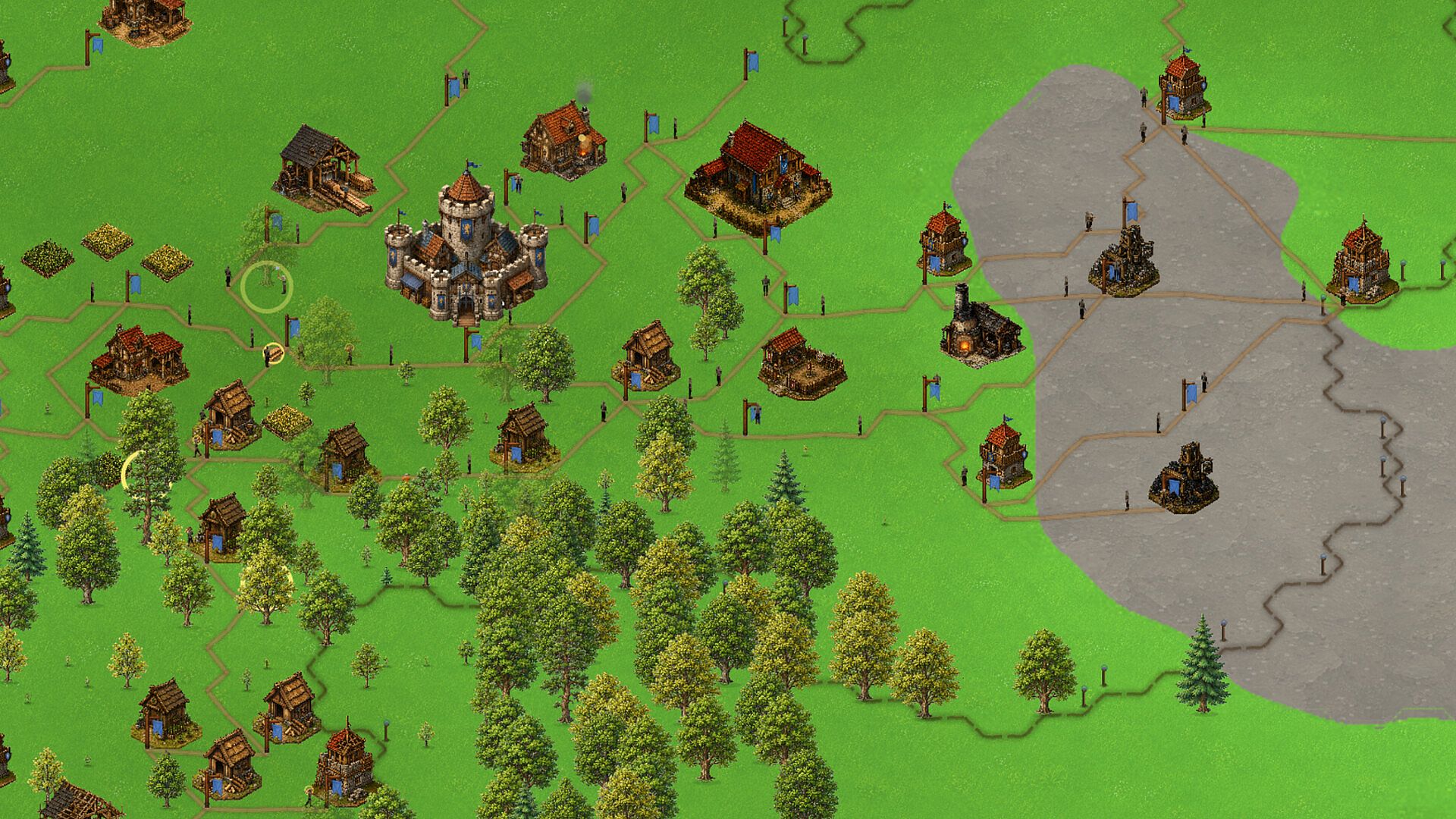
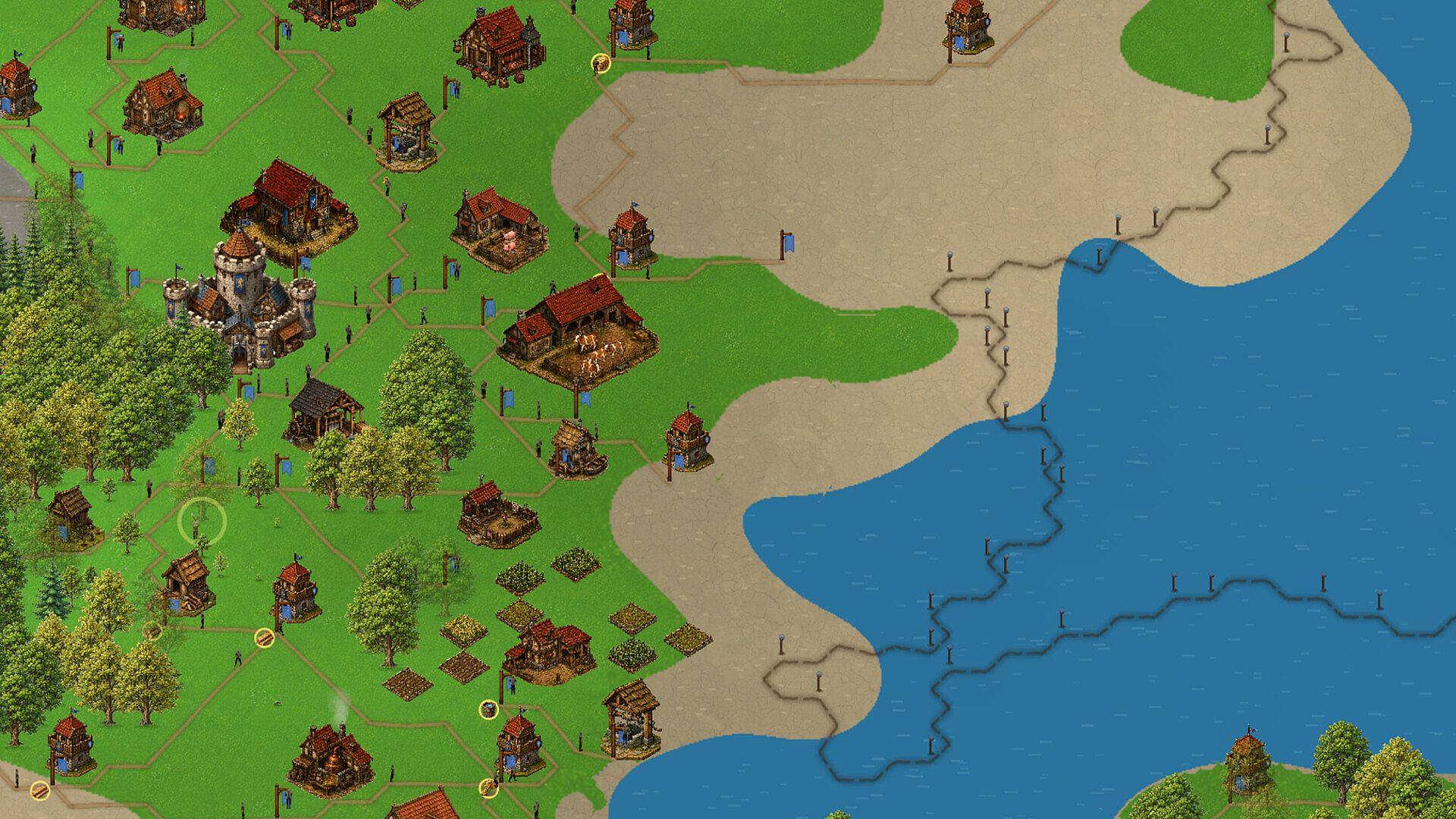
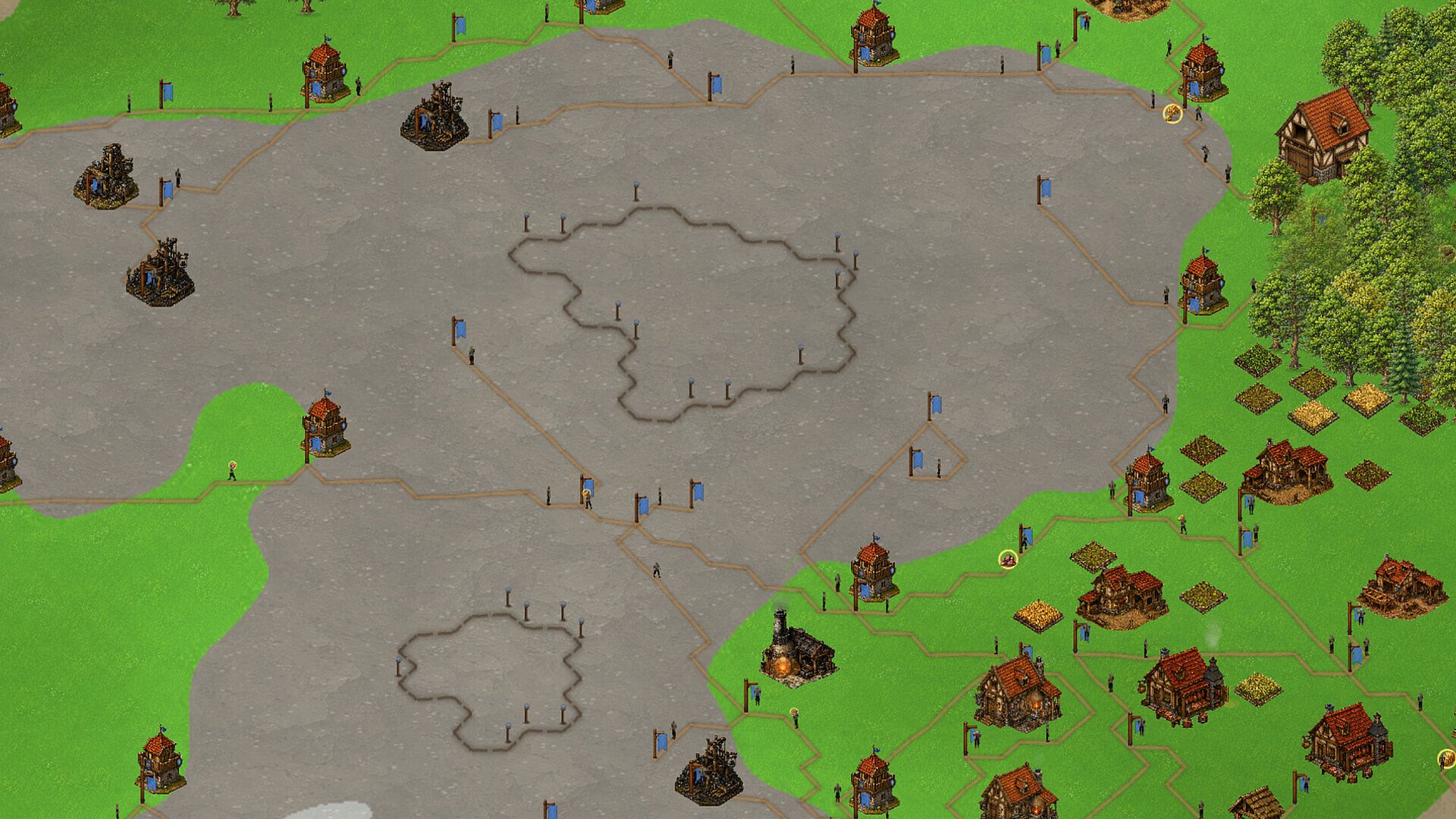
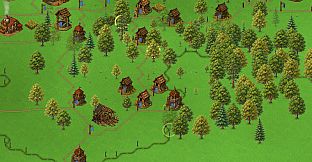
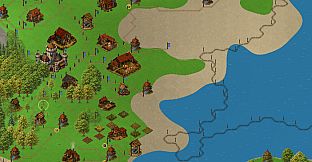
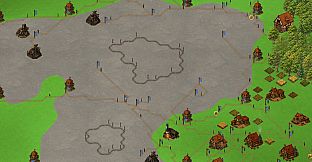
Crownways: A Settlement Economy is a strategy and simulation game centered on constructing and managing a medieval settlement through interconnected resource systems and production networks. Players begin with a basic castle and gradually shape the surrounding land into a functional economy on procedurally generated hex-based worlds that feature varied terrain including forests, mountains, and scattered natural resources.
Gameplay
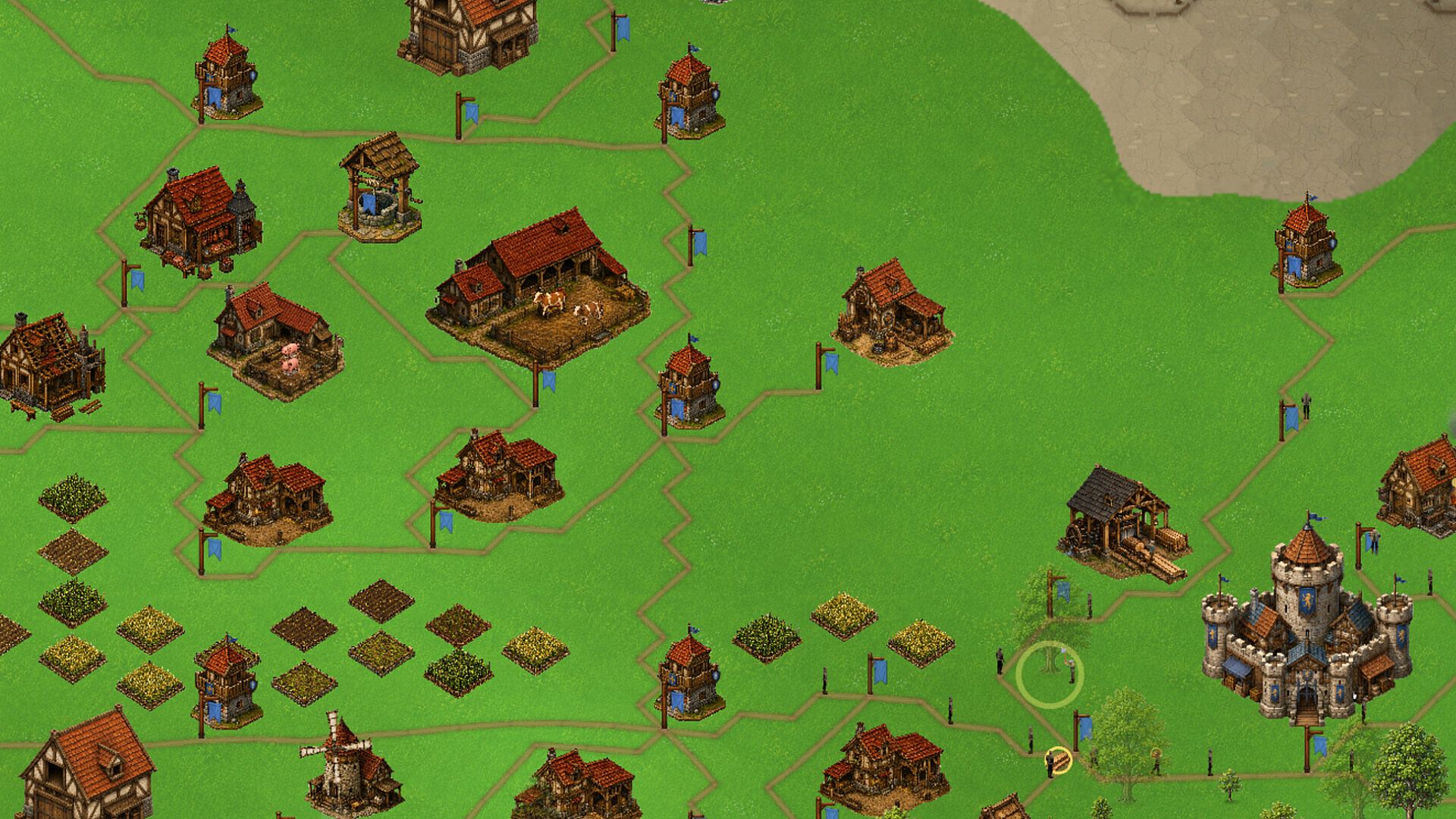
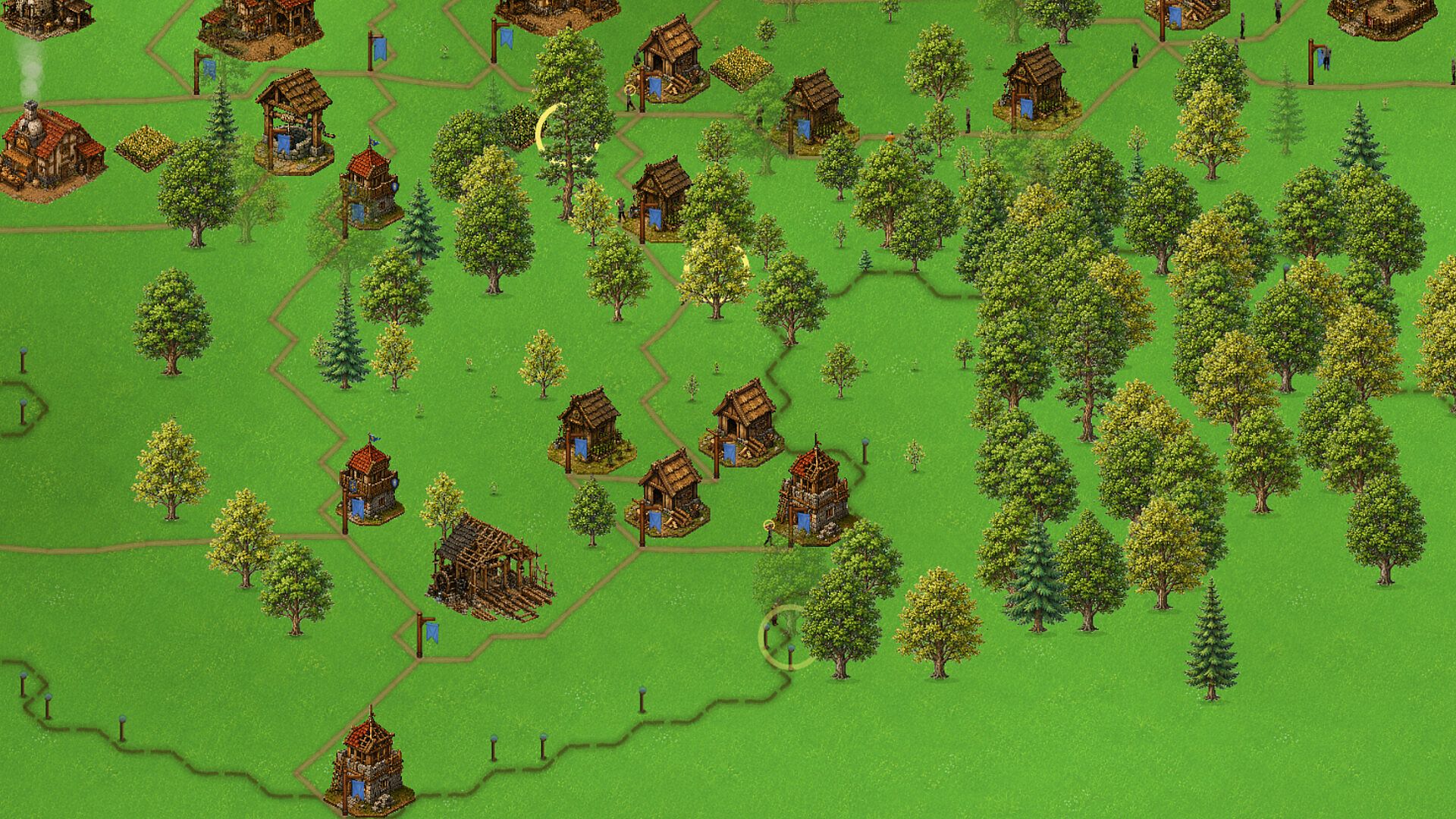
The core loop revolves around establishing production chains that convert raw materials into usable goods. Early structures include woodcutter huts, sawmills, stonemason workshops, farms, and mills. These turn timber, stone, grain, and other inputs into construction supplies, tools, food, and higher-value items needed for further growth.
Transportation forms a critical layer. Buildings connect through roads and flags that create pathways for carriers to move goods between production sites, storage, and active construction projects. Inefficient routes quickly lead to bottlenecks, forcing careful planning of layouts to maintain steady flows as the settlement expands.
Resource discovery drives progression. New deposits appear across the hex map, prompting the placement of mines and supporting infrastructure. Guardhouses extend territorial control, allowing access to additional land while protecting the growing settlement from external pressures. Demand rises with each new building and population increase, requiring constant adjustments to keep supply lines balanced.
Procedural generation ensures each session presents unique challenges. Different landscape distributions and resource placements alter optimal building placements and chain efficiencies, encouraging repeated playthroughs focused on refining economic layouts.
Game Modes
Current development prioritizes single-player experiences built around the detailed economic simulation. Players manage all aspects of settlement growth independently, experimenting with production sequences and transportation networks without external interference.
Additional elements such as AI opponents with distinct behaviors, diplomacy systems, trade mechanics, seafaring options, and multiplayer support remain planned for later stages. These features are not available in the present version, which stays focused on the foundational single-player economic systems.
Settlement Expansion
Expansion begins modestly but scales through deliberate choices. Initial focus stays on basic resource extraction and processing. As chains mature, attention shifts toward supporting larger populations and more complex manufacturing. Each new structure adds specific demands that ripple through the entire network.
Territory growth relies on strategic placement of guardhouses to claim hexes containing valuable deposits. Mines then feed raw inputs back into existing chains, while warehouses help buffer against fluctuations in carrier capacity. The hex grid layout influences route efficiency, making spatial decisions as important as production sequencing.
Development and Current State
The game remains in active early access development with emphasis on refining the single-player economic simulation. Updates continue to address core systems such as building interactions, carrier pathing, and resource balancing. Future stages will introduce the broader features outlined in the development roadmap, but the present build delivers a complete foundation for settlement management.
Is It Worth Playing?
Players interested in methodical strategy and simulation titles will find value in the current single-player focus on production chains and transportation logistics. The procedural hex worlds provide variety across sessions, while the emphasis on efficient networks rewards careful planning over rapid expansion. As an early access title, the experience centers on the economic systems described, with additional content scheduled for later updates. Those seeking a self-contained management challenge without reliance on multiplayer or AI elements can engage with the available gameplay loop immediately.