


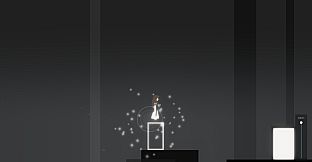
Da Capo is an action, indie, and casual musical puzzle game developed for PC that centers on reshaping environments through precise sound manipulation. Players guide protagonist Aria Coda, a former music producer who has lost both her voice and creative spark, as she navigates abstract spaces built from sonic remnants. The experience blends puzzle solving with direct audio parameter control, drawing from real synthesizer and digital audio workstation principles to create a cohesive loop of experimentation and discovery.
Gameplay
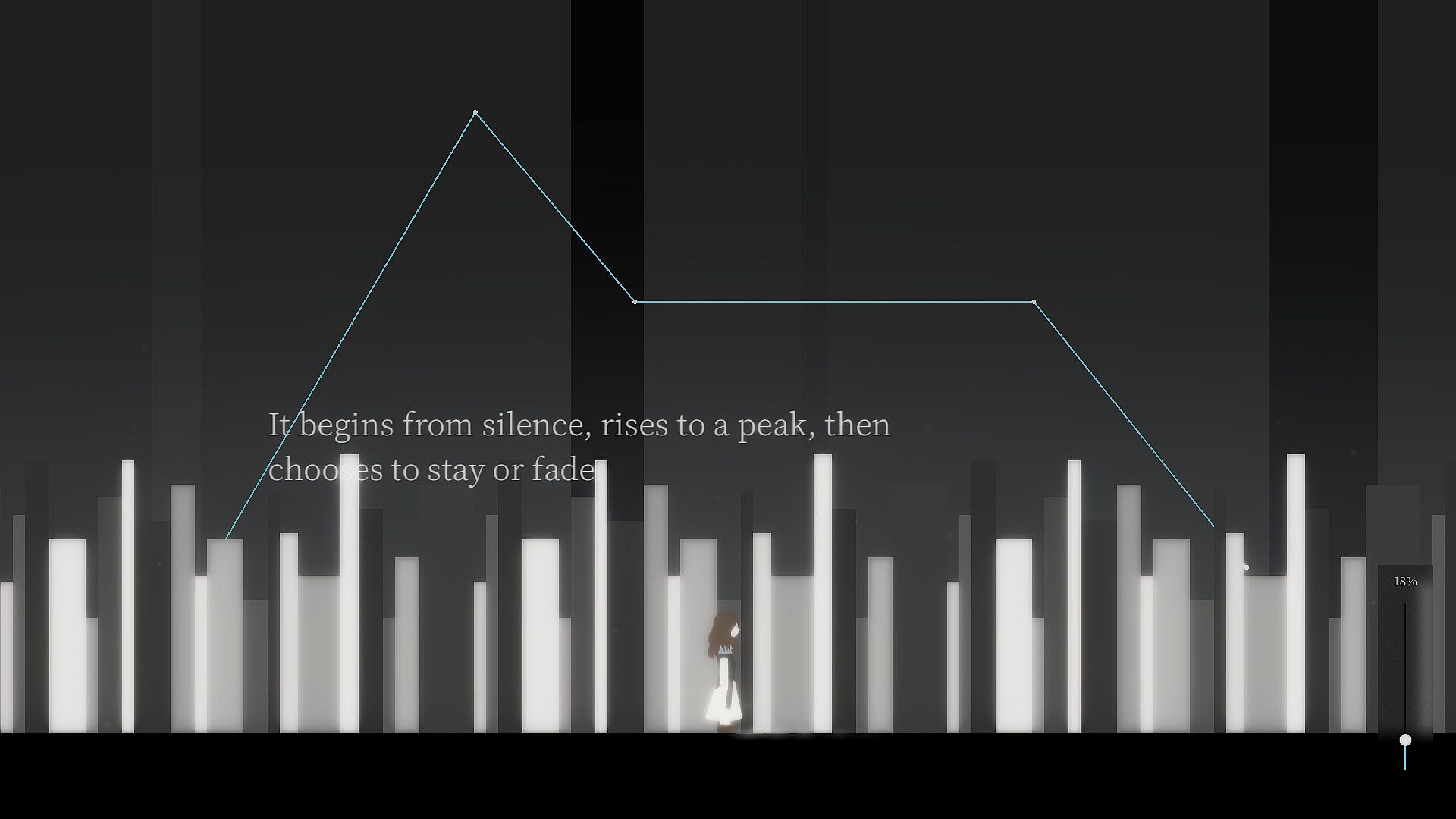
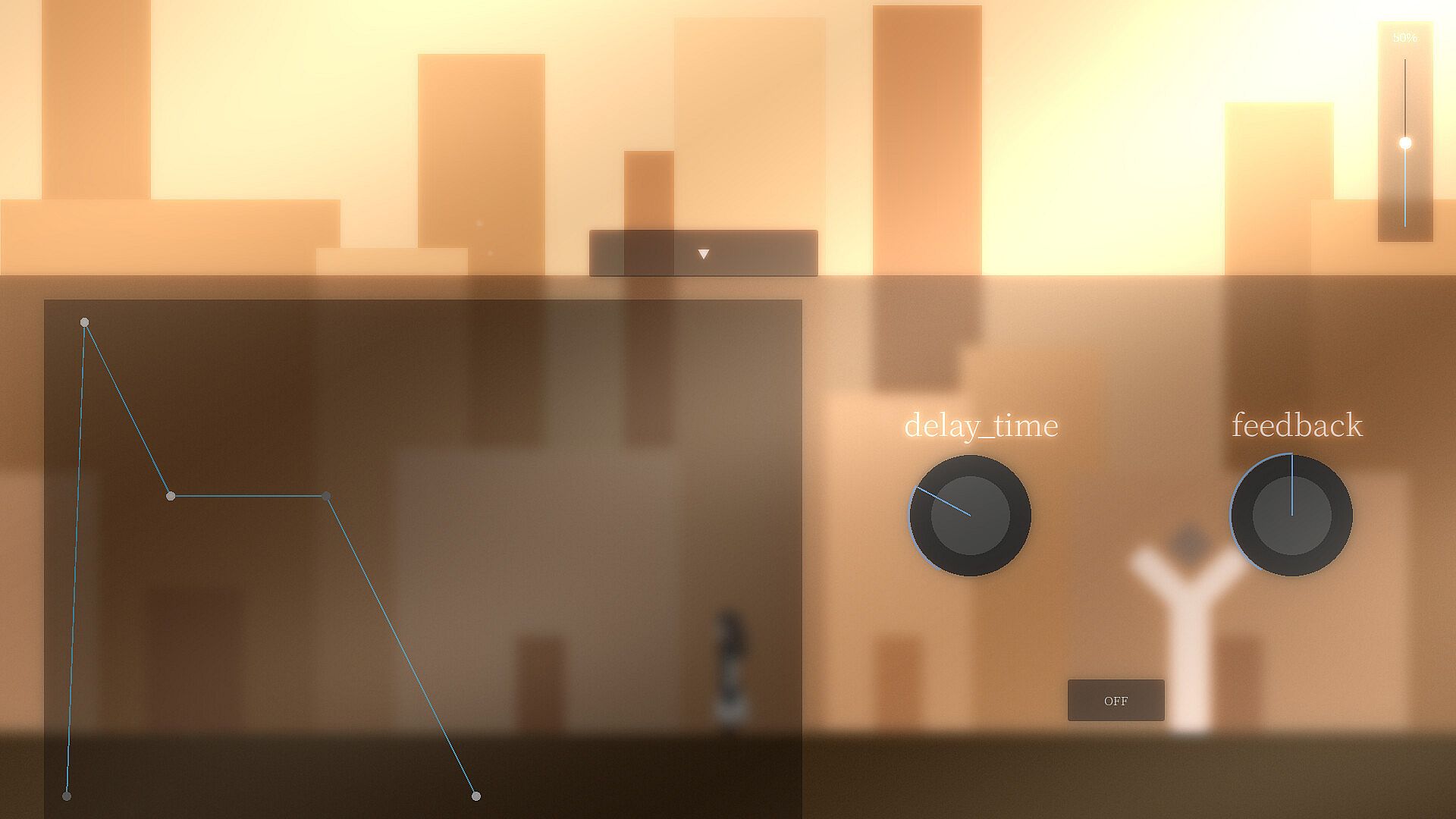
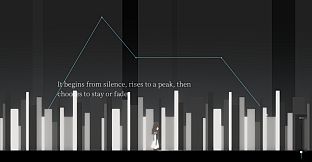
Core gameplay revolves around mastering the life cycle of sound, specifically the Attack, Decay, Sustain, and Release stages known as ADSR. Each note or sound element carries its own envelope that players adjust to alter the surrounding terrain and overcome obstacles. This mechanic serves dual purposes: it restores fragments of Aria's musical memory while physically transforming platforms, barriers, and pathways in the environment.
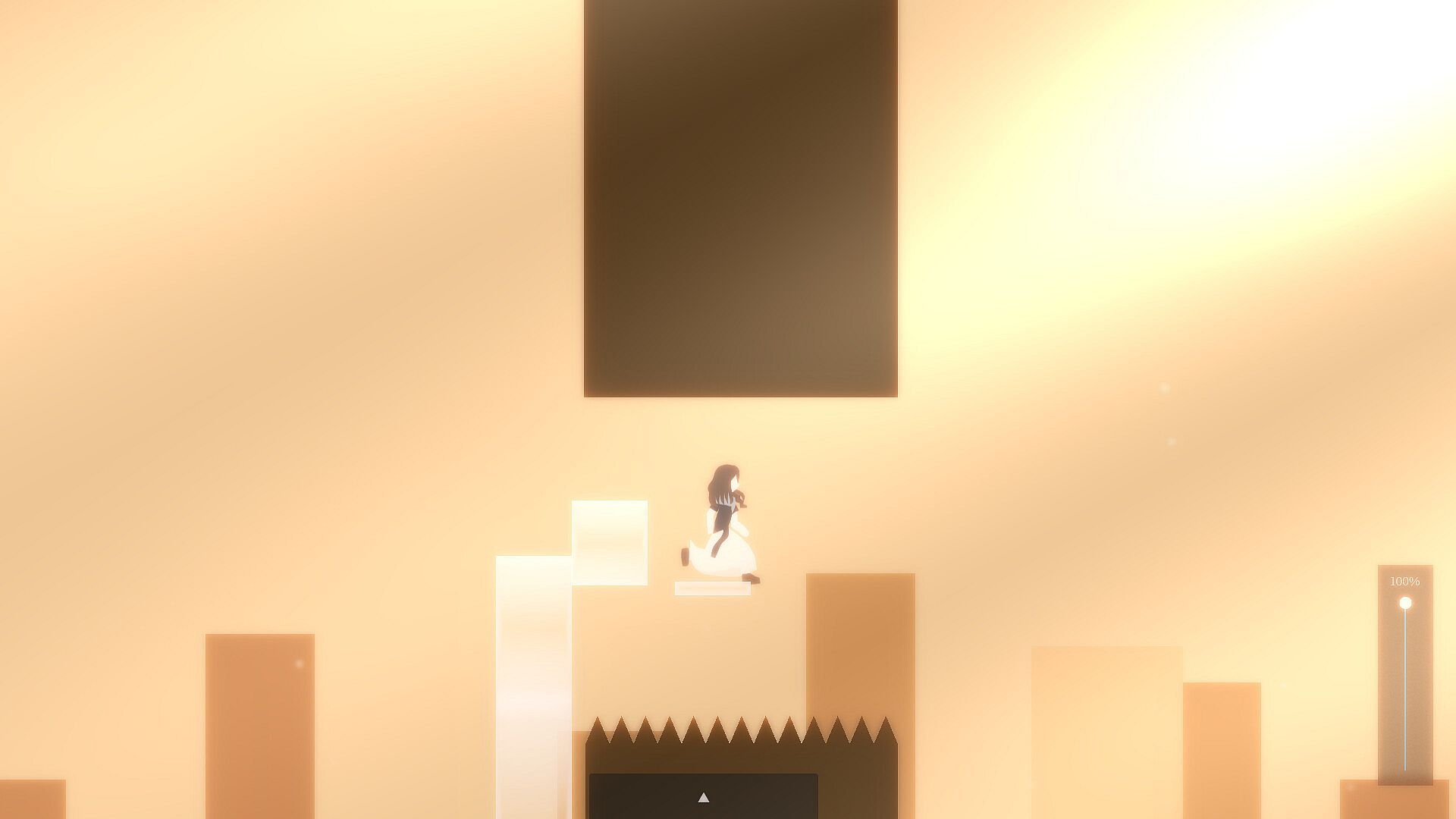
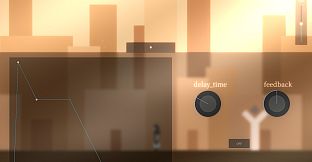
Interaction mirrors professional audio software, allowing direct dragging of envelope curves, delay time, and feedback values. Adjustments produce immediate visual feedback as the world responds in real time, creating a tight loop where sonic tweaks directly influence spatial navigation and puzzle resolution. The system emphasizes precision and iteration, with players refining parameters to achieve the exact configuration needed for progression.
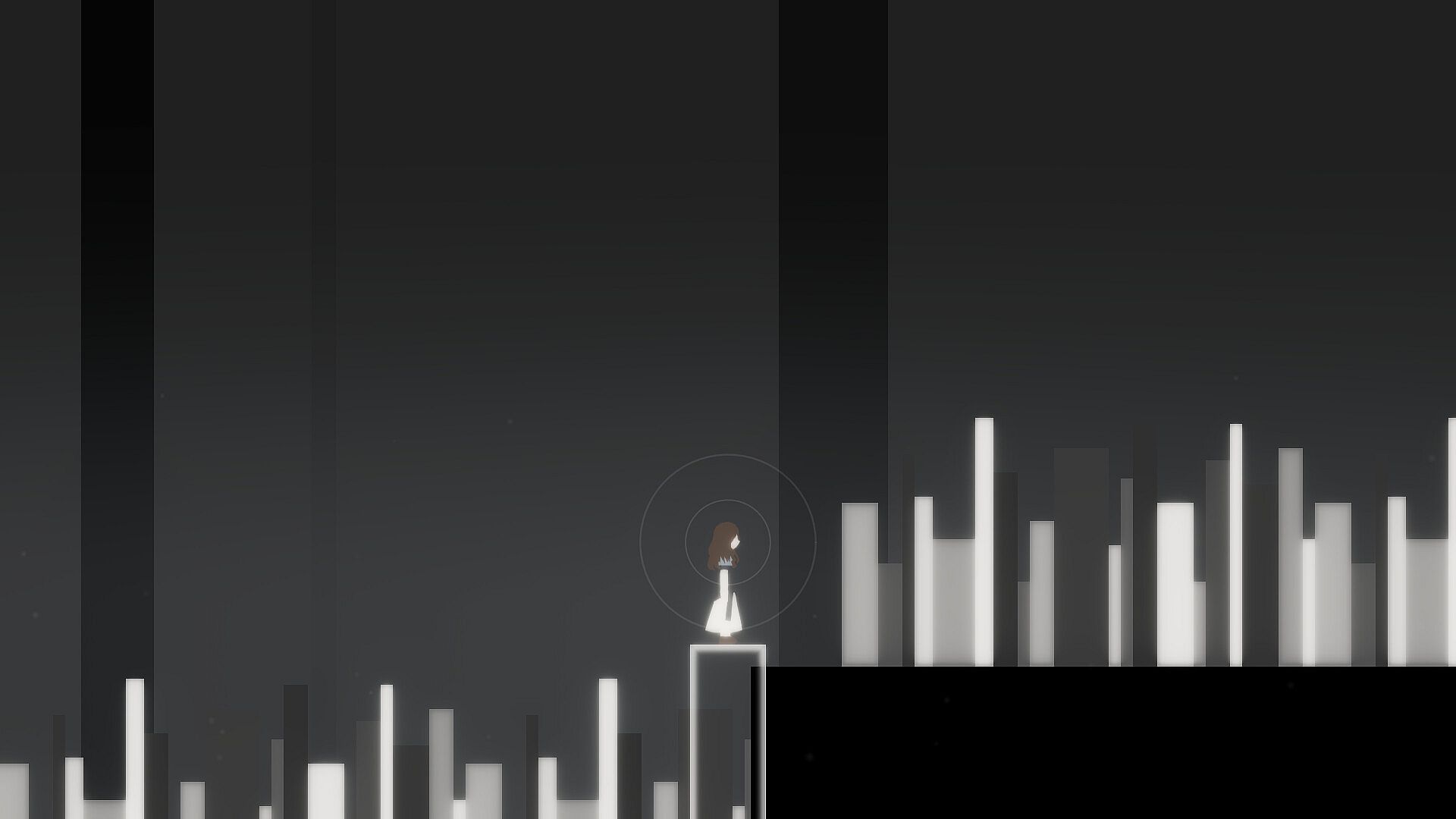
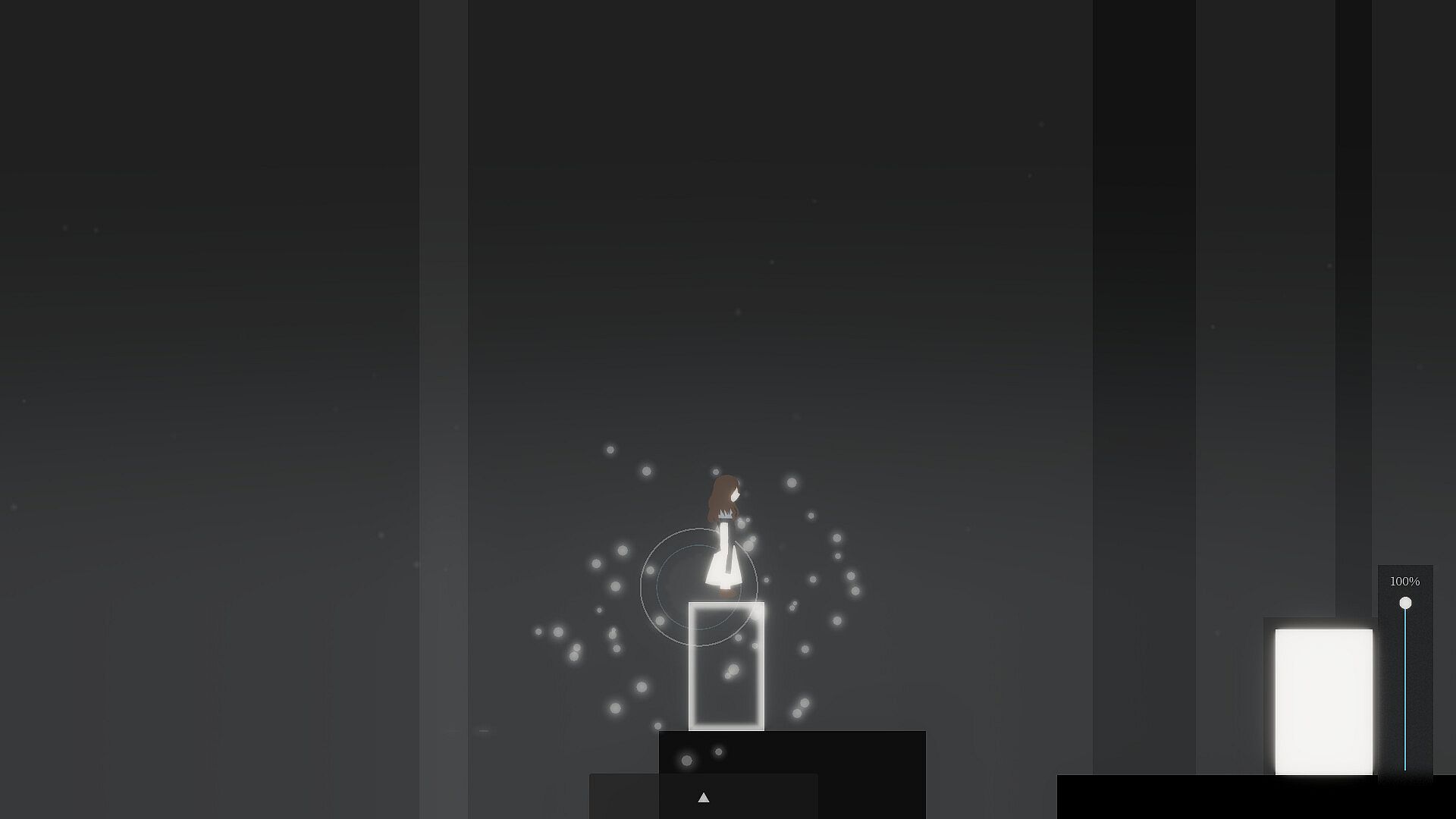
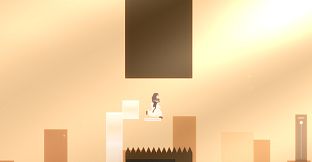
Visuals sync tightly with audio output through synesthesia-inspired design, where every parameter change generates matching geometric shifts and tonal variations. The minimalist aesthetic alternates between clean geometric forms and shifting cool or warm color palettes, supporting focused concentration on the audio-visual connection without unnecessary distractions.
Game Modes
Da Capo operates as a single-player experience with no separate multiplayer or competitive modes confirmed. Progression follows a linear yet exploratory structure centered on sequential puzzle chambers that build upon previous sound mastery lessons. Players advance by applying ADSR and delay techniques in increasingly complex combinations, revisiting earlier areas with expanded capabilities to uncover additional paths or solutions.
The game maintains a consistent focus on solitary reflection and incremental skill development rather than branching challenges or alternative formats. All activity ties back to the central narrative thread, ensuring every session contributes directly to both mechanical understanding and story advancement.
Story and Atmosphere
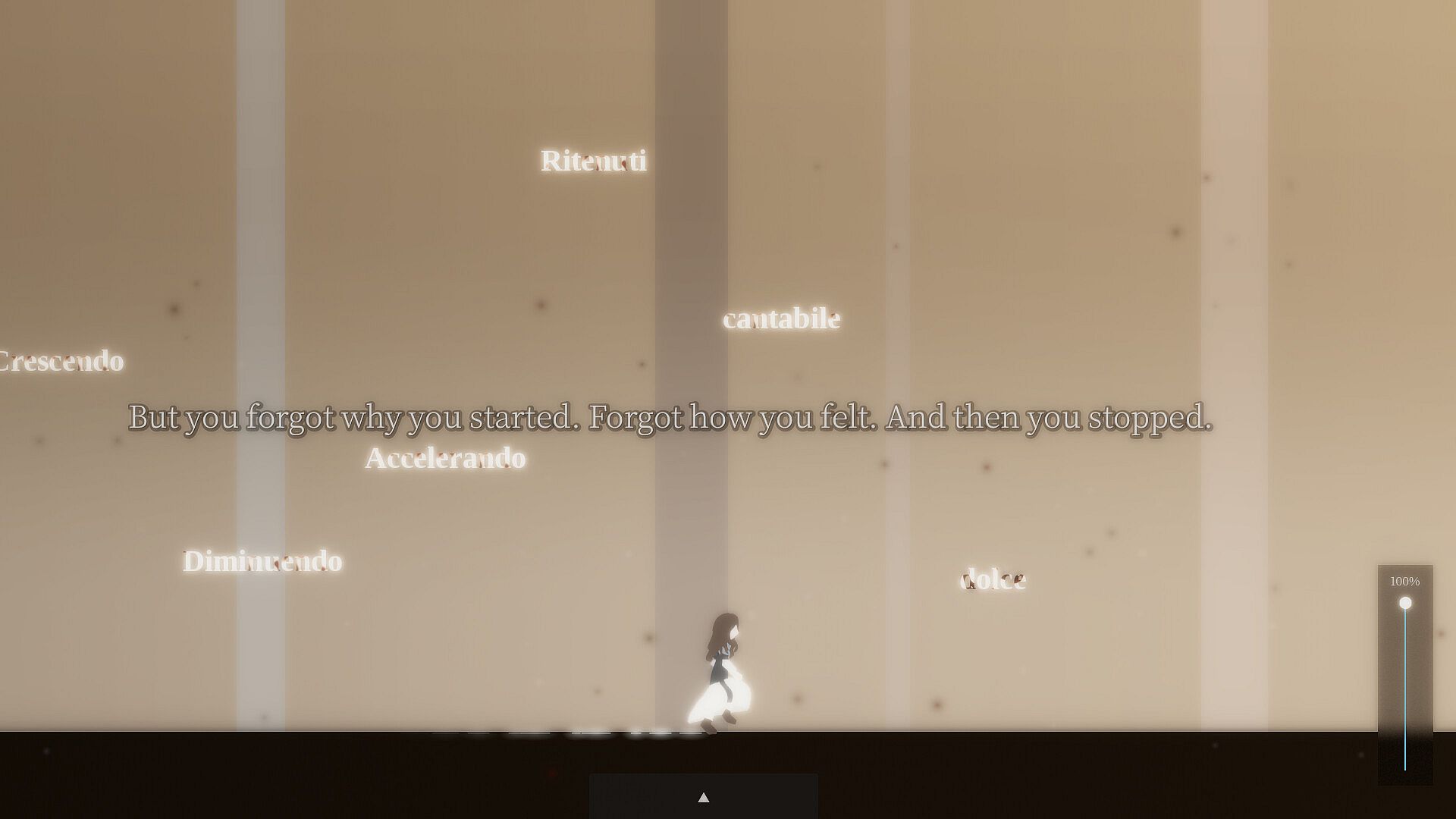
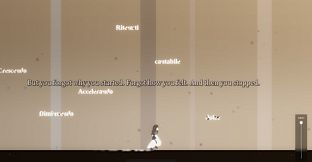
Long ago Aria Coda shaped the world itself through musical notation. When those melodies disappeared, she lost her inspiration and ability to speak, leaving only silence and a labyrinth constructed from sound spectra. The journey requires her to re-enter sonic afterimages, relearning how sound attacks, decays, sustains, and releases while piecing together lost memories.
An original soundtrack accompanies the entire experience, its emotional arcs mirroring the rise and fall of notes that players manipulate. The narrative culminates in a central question about the purpose of creation, framed through Aria's personal rediscovery rather than external conflicts or multiple endings.
Key Features
Synesthesia ensures every sound produced aligns perfectly with adjusted parameters, reinforcing the direct cause-and-effect relationship between audio and environment. The minimalist geometric style paired with dynamic color shifts delivers a cinematic yet restrained presentation suited to sustained focus.
Original music threads throughout, providing both guidance and emotional context as players experiment with the flow of notes. These elements combine to create an intimate, introspective atmosphere where technical mastery and personal reflection advance in tandem.
Is It Worth Playing?
Da Capo targets players interested in innovative puzzle mechanics that integrate real audio production concepts with spatial problem solving. Its single-player structure and emphasis on precise parameter tuning suit those who enjoy methodical experimentation over fast-paced action or narrative branching.
With a planned release in December 2026 and no user reviews available yet, reception remains undetermined. The game appeals most to individuals drawn to minimalist aesthetics, original sound design, and mechanics that reward careful listening and adjustment. Those seeking conventional platforming, combat, or expansive multiplayer options may find the focused scope less engaging. Availability on PC positions it for easy access once launched, though its niche blend of music theory and puzzle design will determine long-term appeal based on execution.