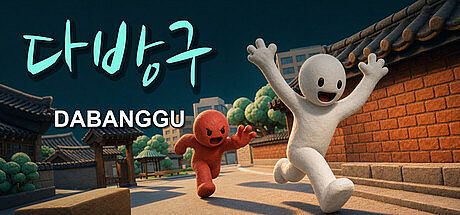


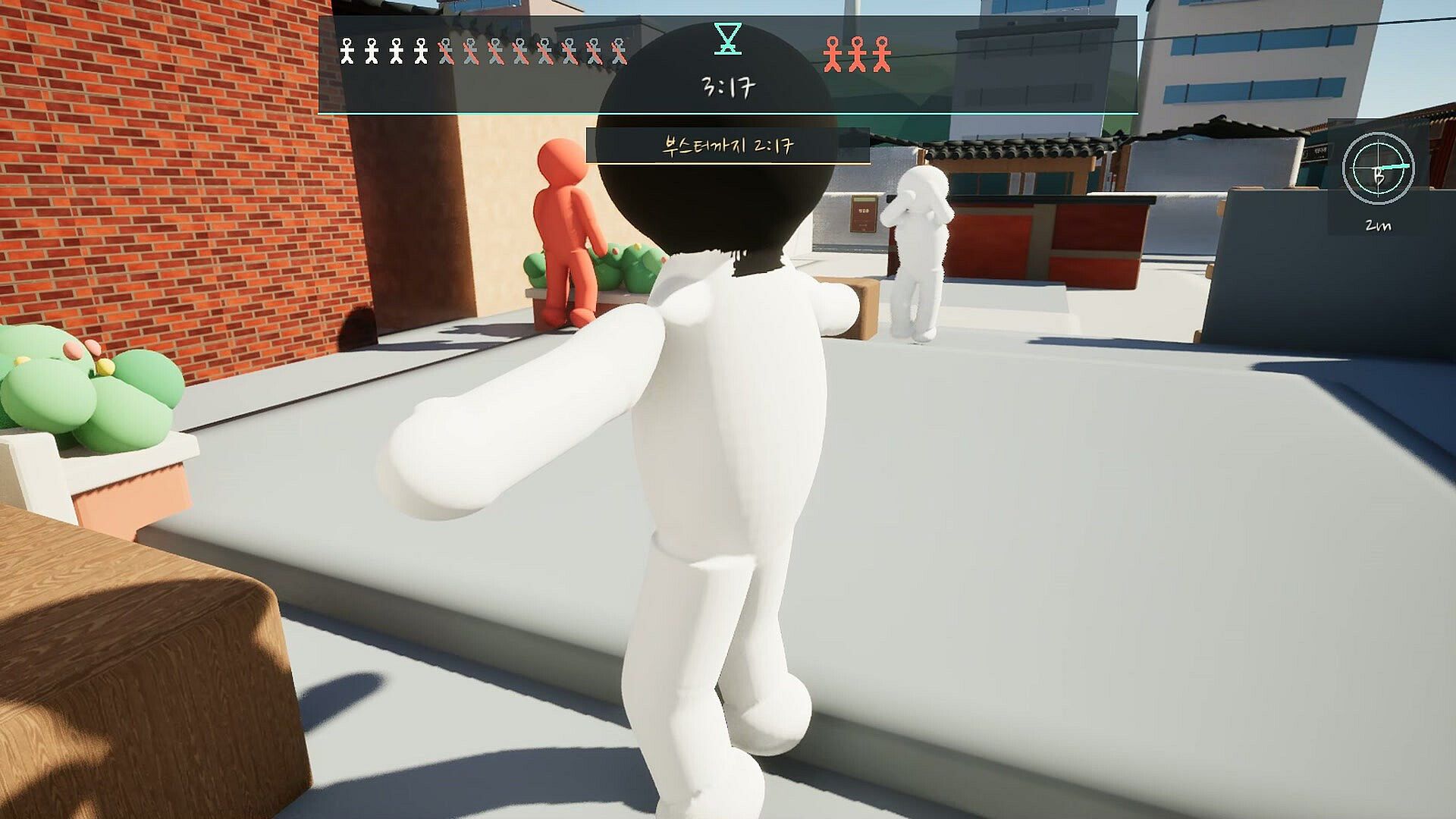
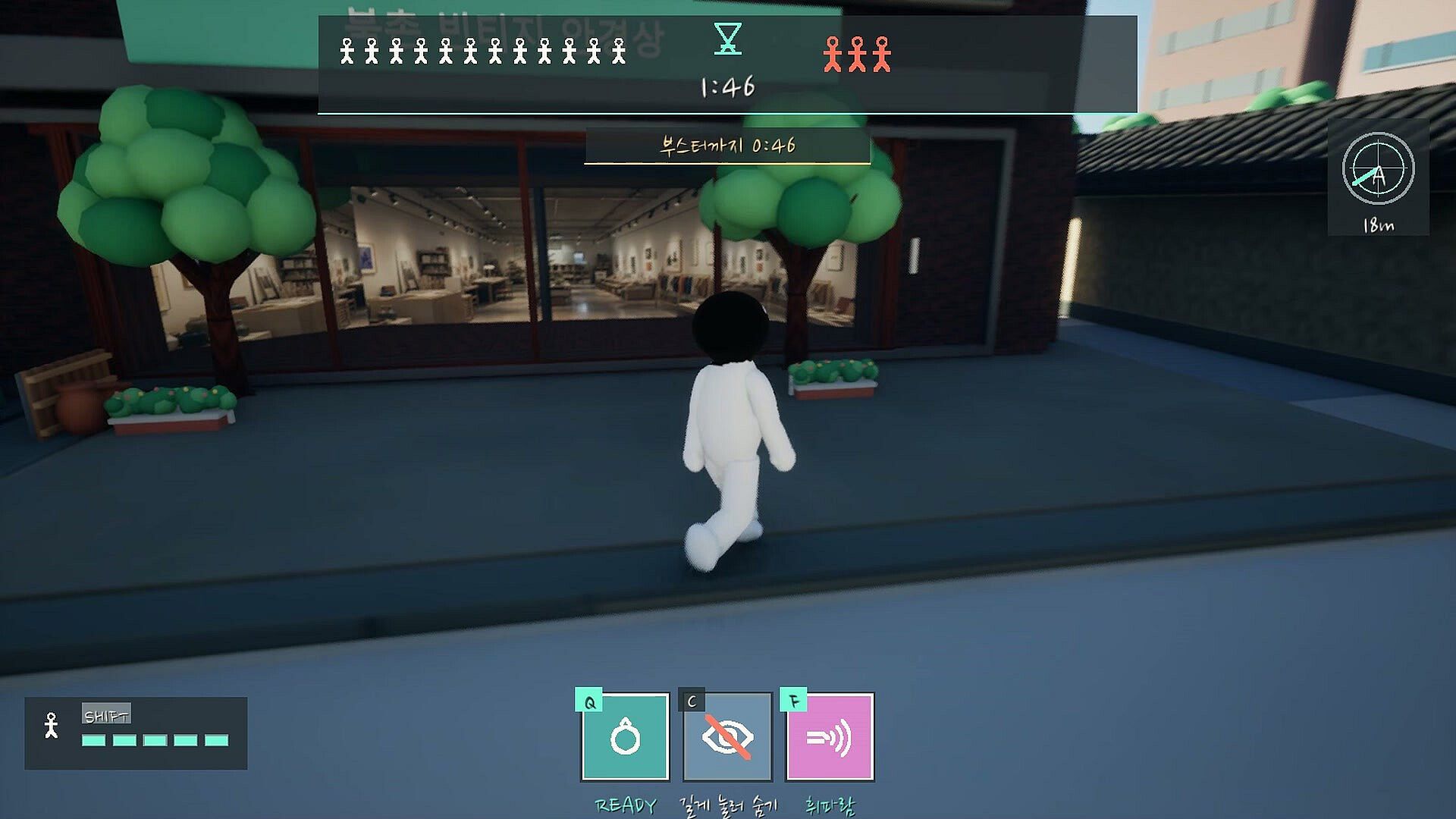
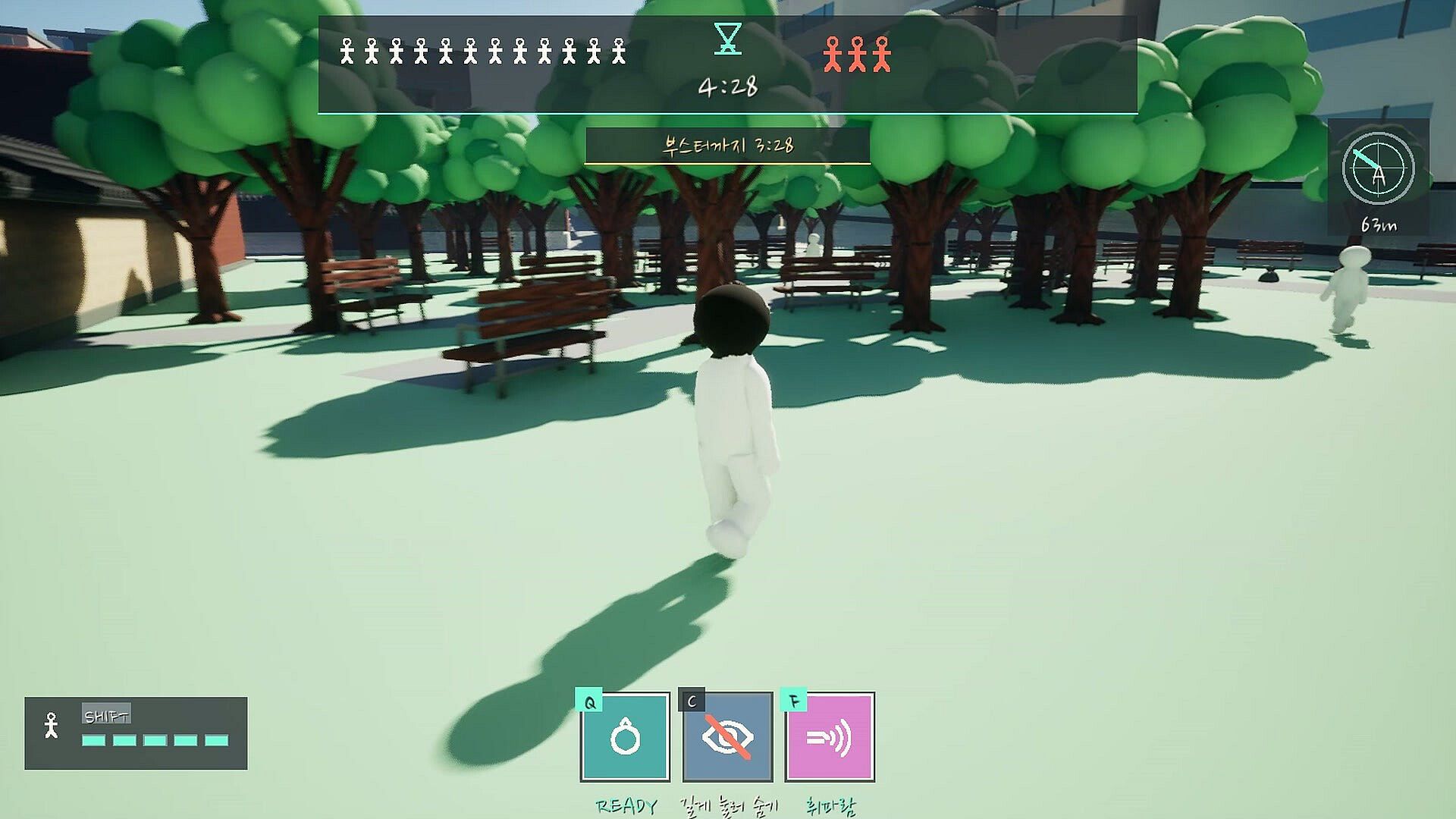
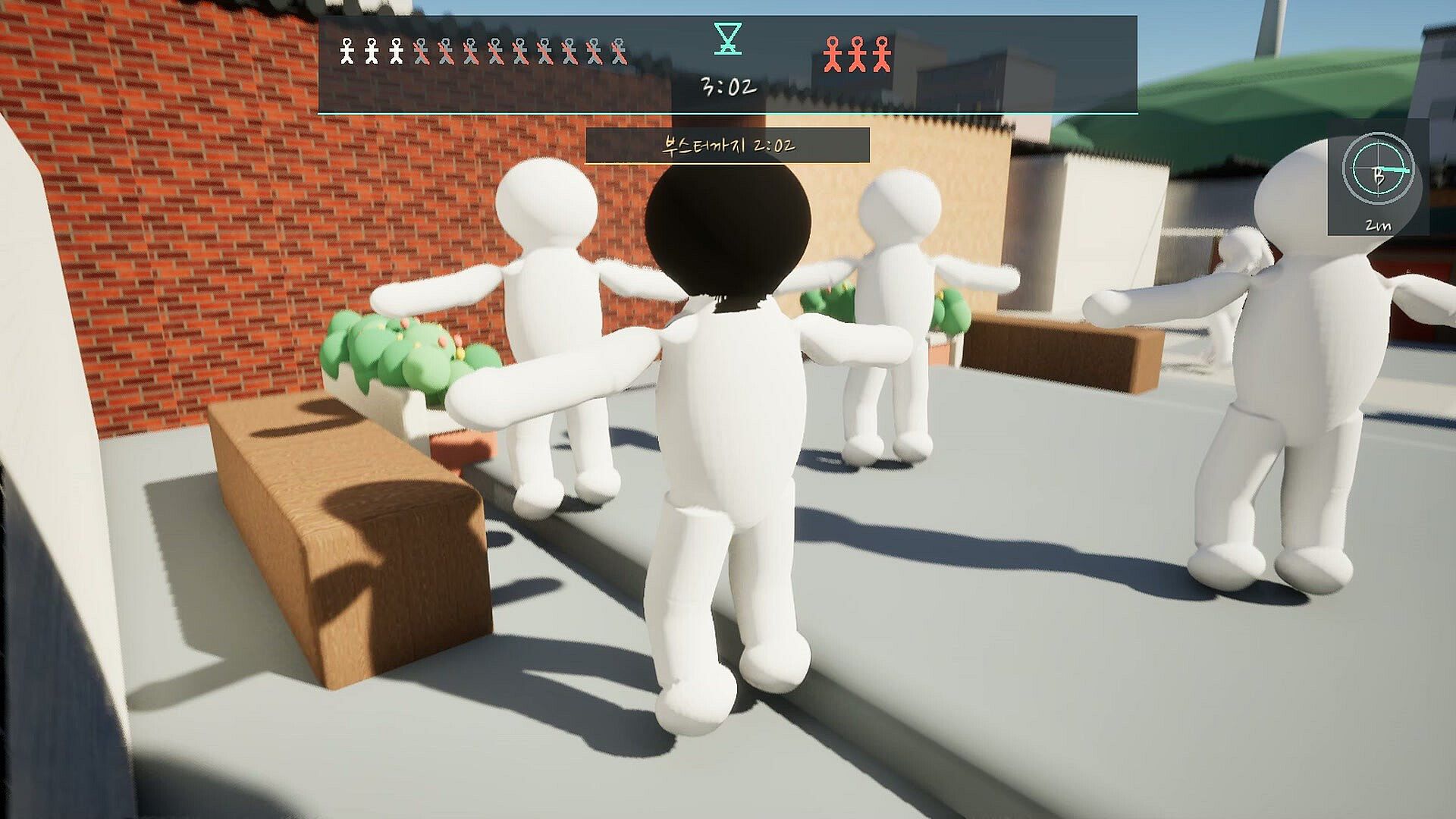
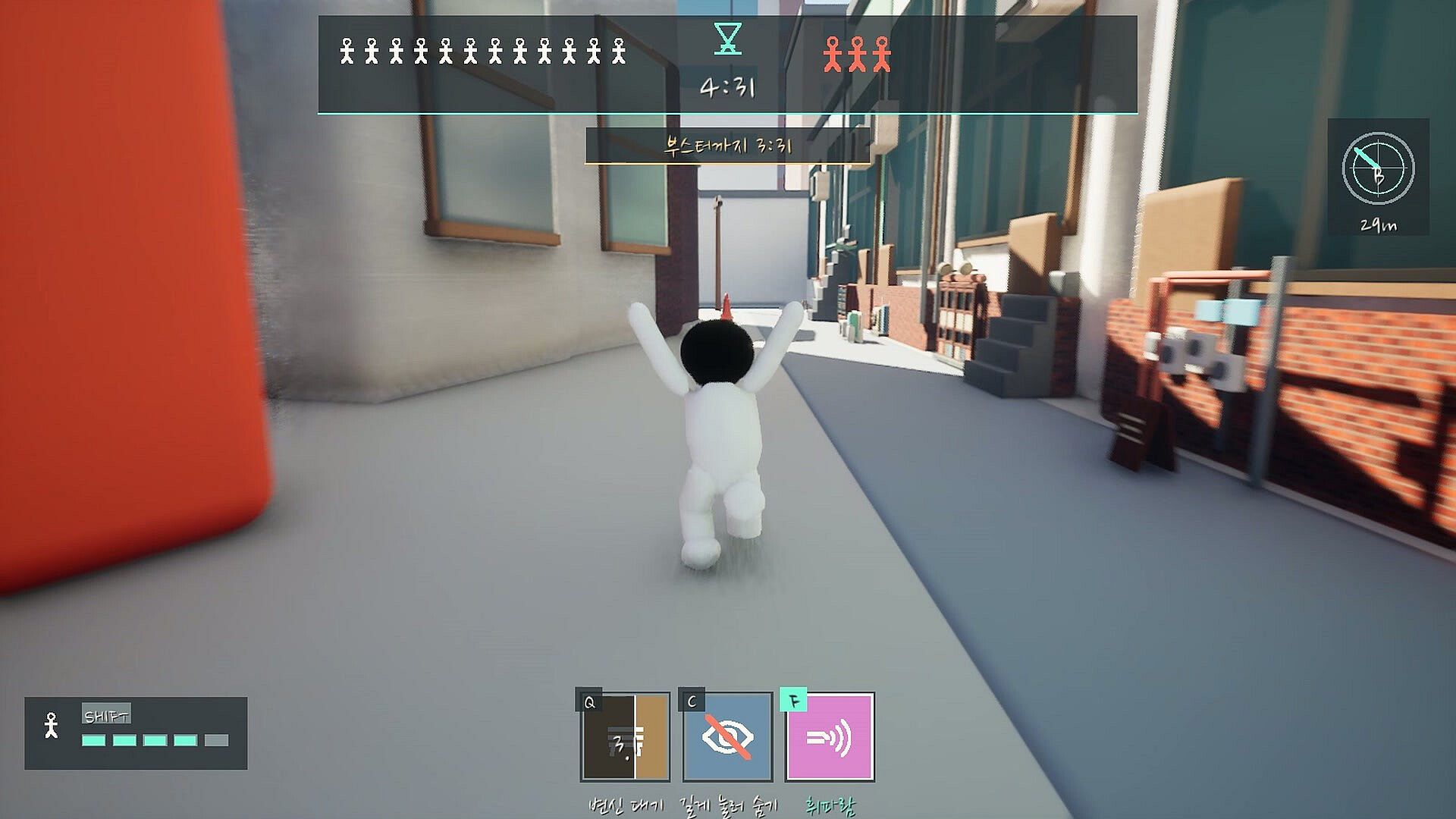
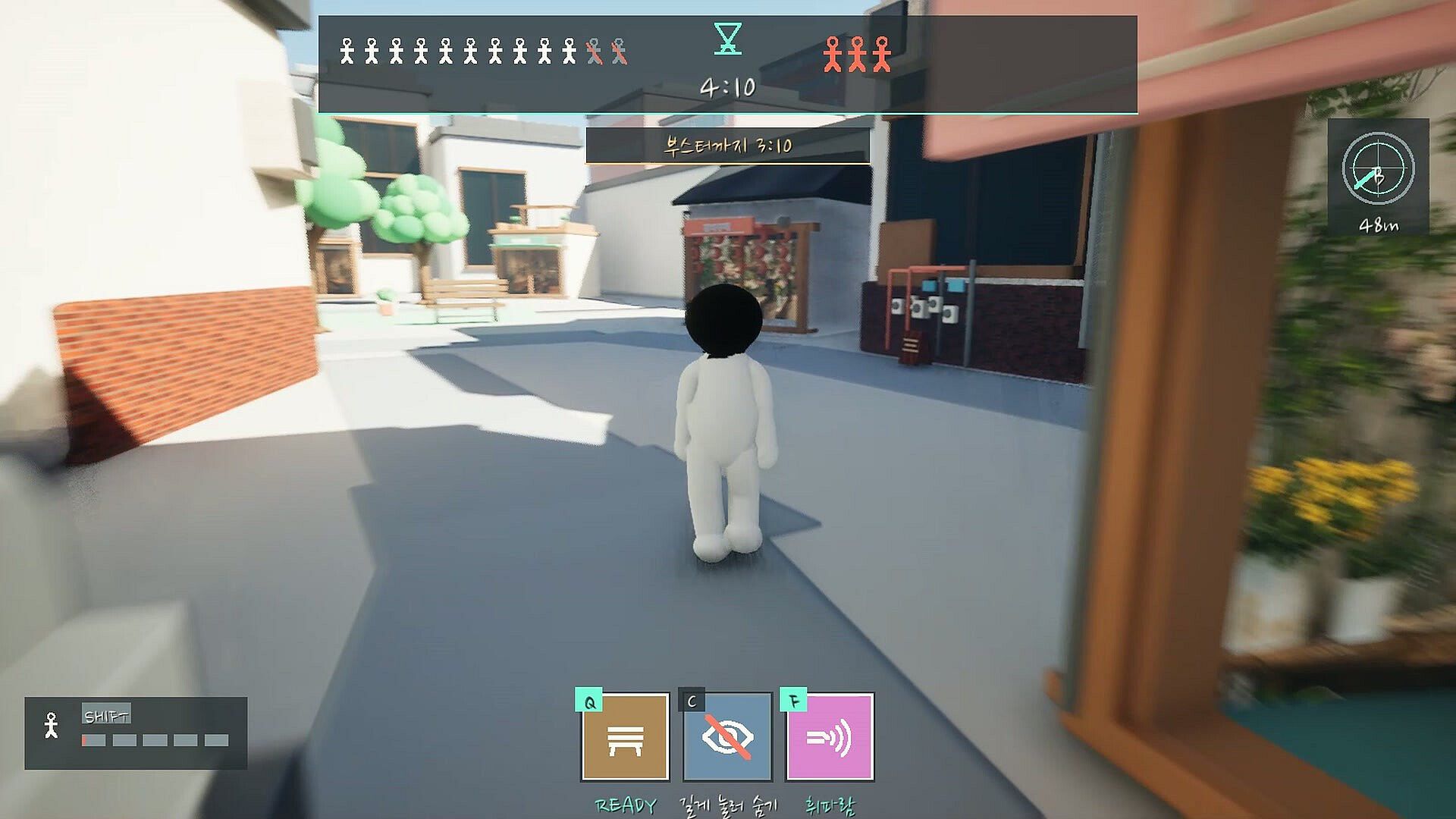
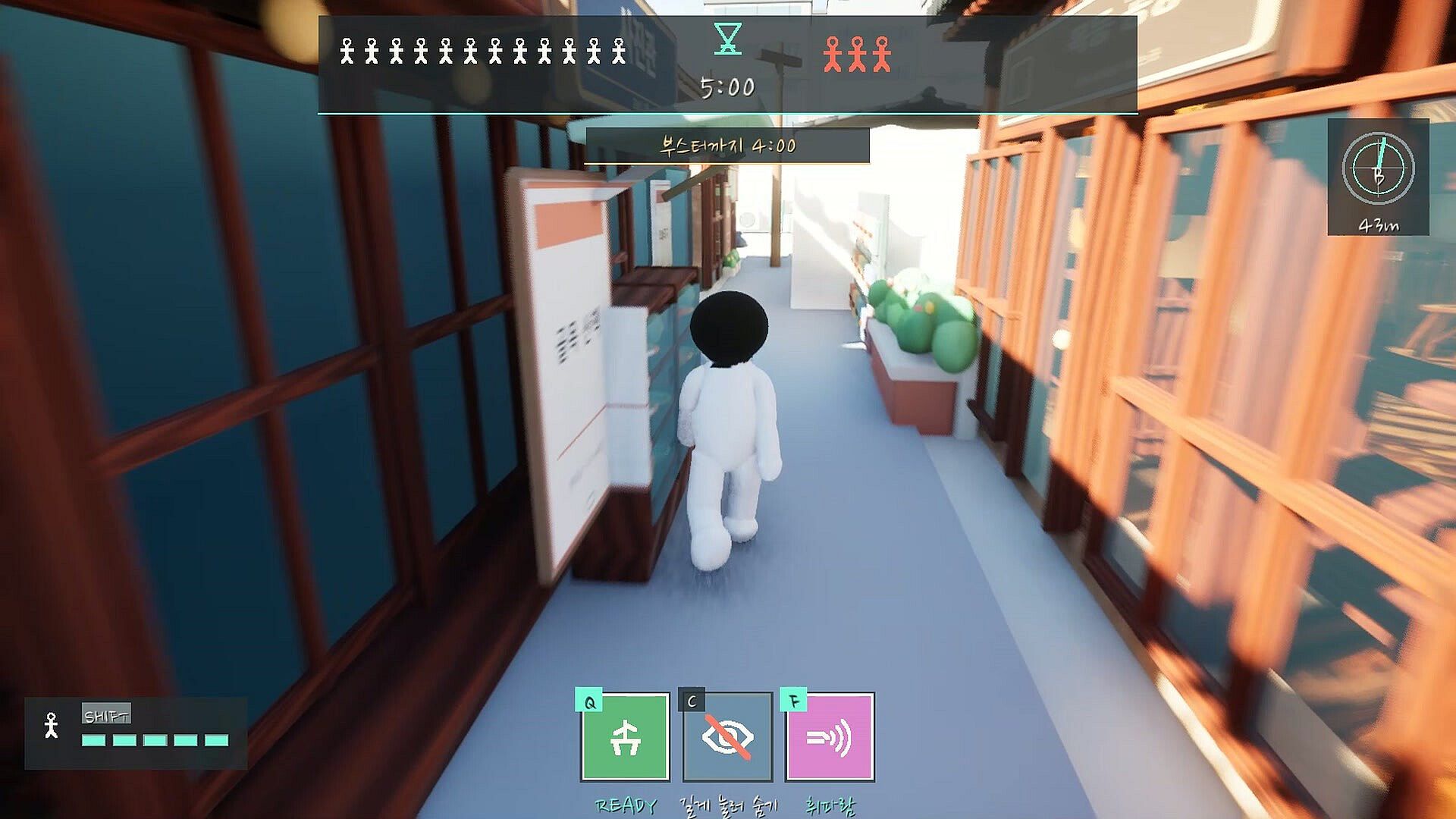
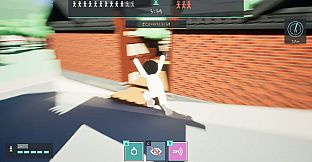
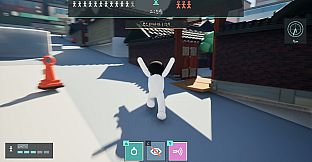


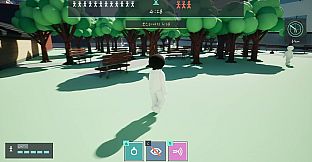


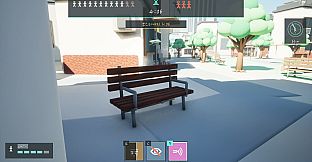
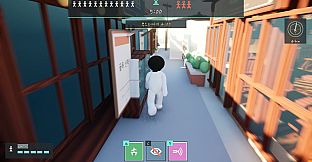
DABANGGU to dynamiczna gra akcji, która przenosi na PC tradycyjną koreańską zabawę w berka. Gracze wcielają się w role uciekających lub goniących w szybkich meczach rozgrywanych na uliczkach w stylu retro, gdzie zadaniem uciekających jest unikanie schwytania, a goniących - odprowadzenie przeciwników do bazy.
Rozgrywka
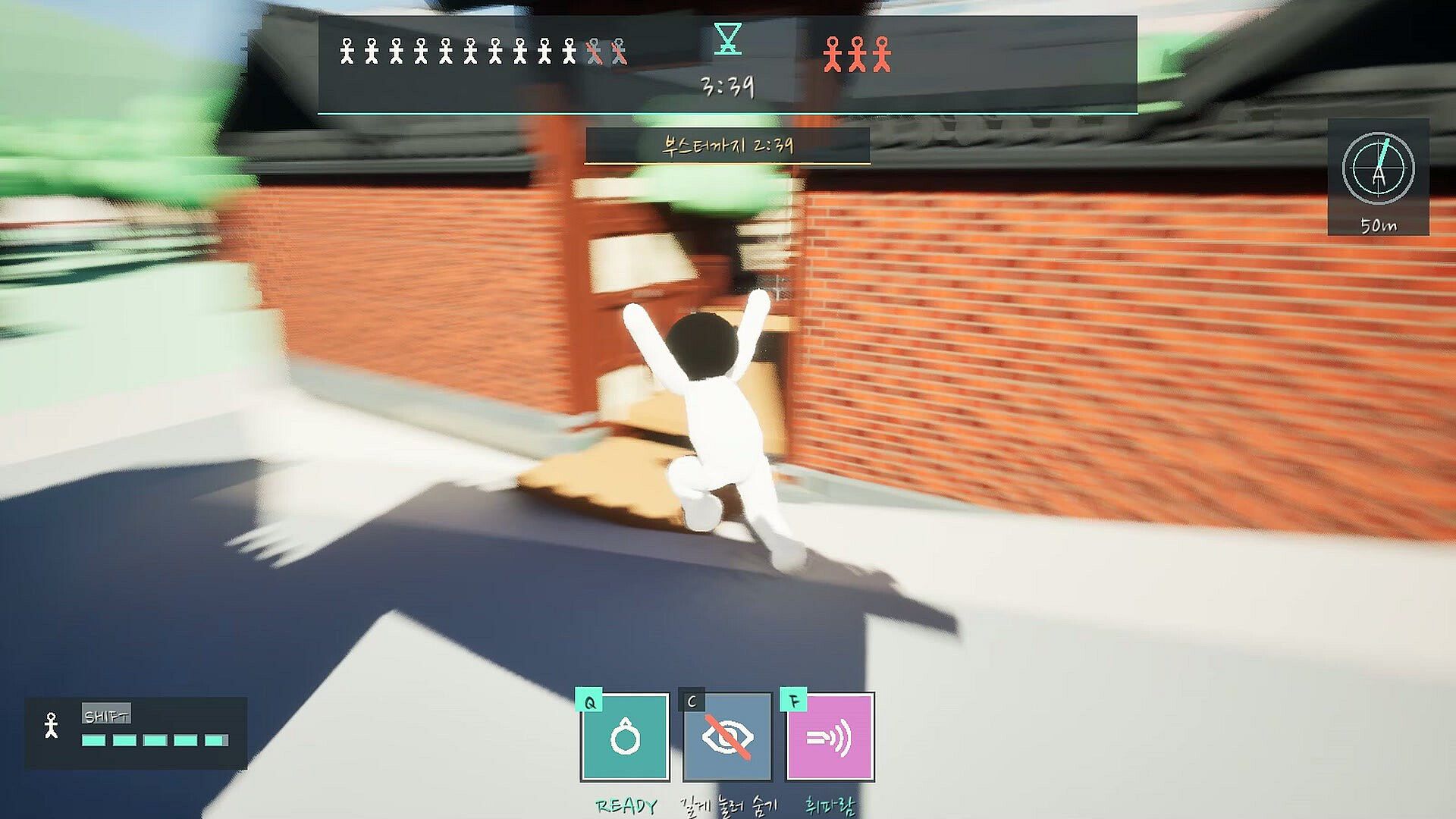
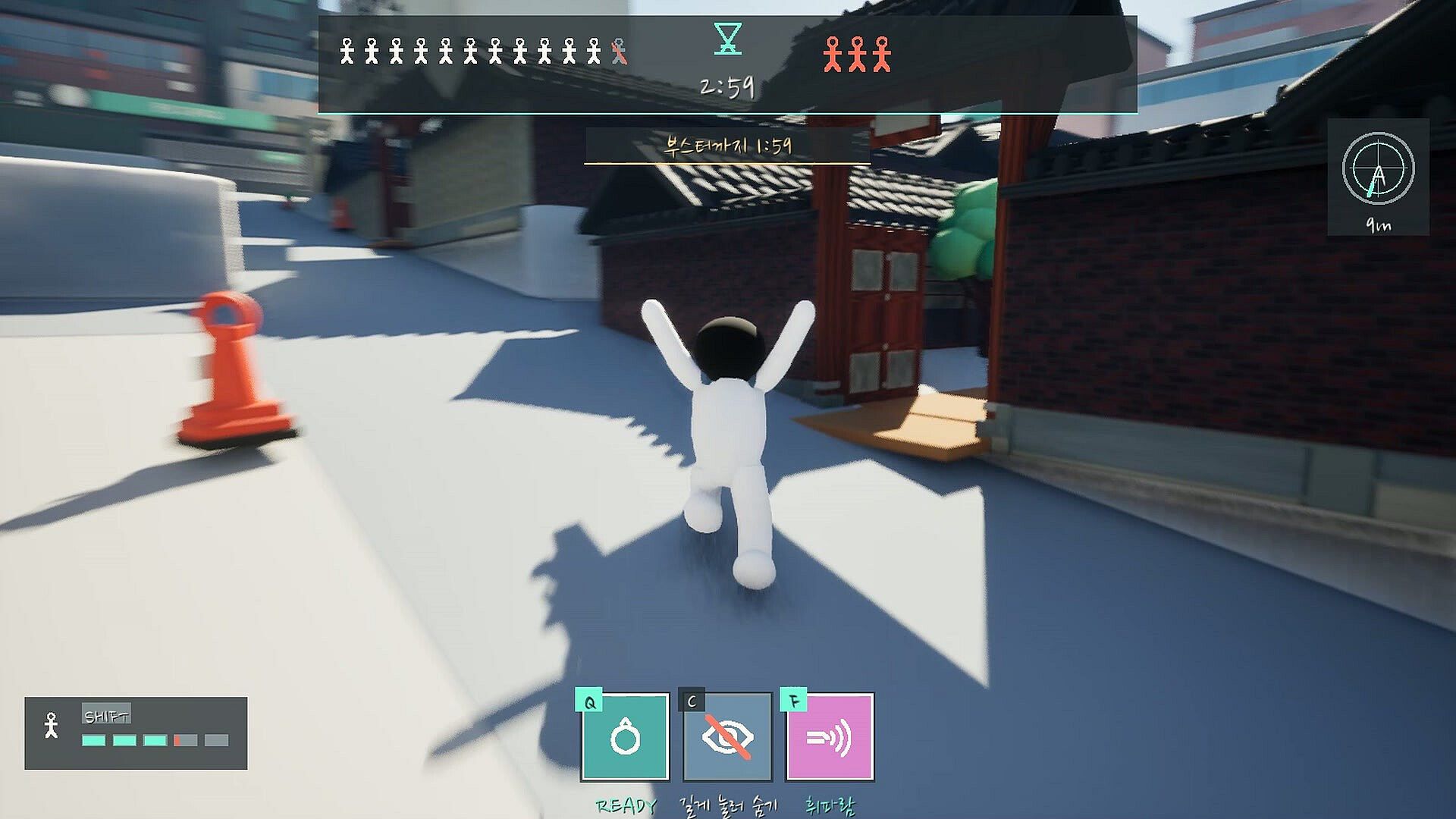
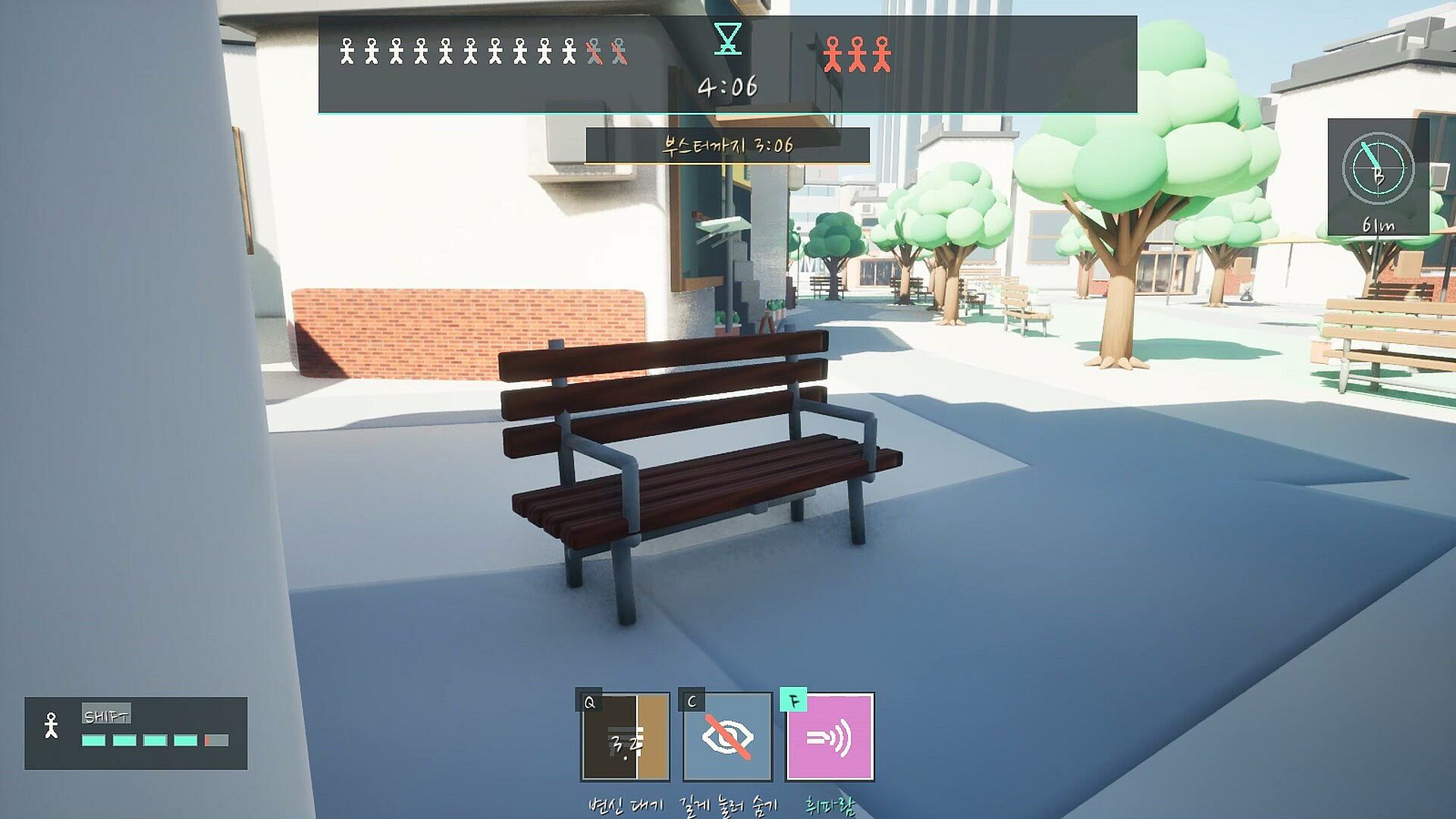
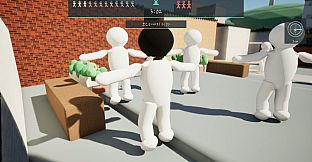
Podstawą rozgrywki jest cykl pościgu, pojmania i odbicia. Uciekający przemierzają ulice, podczas gdy goniący starają się ich oznaczyć i zatrzymać. Schwytani gracze czekają w bazie, aż drużyna przeprowadzi akcję ratunkową, docierając do miejsca i wywołując nazwę gry. Dzięki przebraniom uciekający mogą wtopić się w otoczenie, przybierając postać ławek czy donic, co zmusza goniących do uważnej obserwacji. Gwizdek pozwala celowo zdradzić swoją pozycję, by sprowokować rywali. W ostatniej minucie meczu uruchamia się Booster Time, który zwiększa prędkość goniących i podnosi presję na pozostałych uciekających.
Personalizacja postaci polega na malowaniu glinianej figurki, dzięki czemu każdy gracz zyskuje unikalny wygląd przed rozpoczęciem meczu. Trzy różne koreańskie dzielnice stanowią tło dla rozgrywek, a każda z nich oferuje własny układ wpływający na poruszanie się i możliwości ukrycia.
Tryby gry
Mecze obsługują do 15 graczy online. Uczestnicy tworzą drużyny goniących i uciekających w wybranym otoczeniu, co pozwala grupom znajomych grać razem. W trybie solo brakujących graczy zastępuje AI, umożliwiając samodzielne przeżywanie całego cyklu pościgów i ucieczek na dostępnych mapach.
System punktacji uwzględnia indywidualne osiągnięcia, takie jak udane odbicia czy ucieczki, a najlepsze wyniki trafiają do rankingu Top 5 każdej sesji.
Mechaniki i funkcje
Przebrania w postaci rekwizytów stanowią podstawowe narzędzie ukrycia, zachęcając do wtopienia się w elementy ulicy. Gwizdek wprowadza element psychologiczny - uciekający sami decydują, kiedy zwrócić na siebie uwagę. Booster Time dodaje napięcia pod koniec rundy, przechylając szalę na korzyść goniących. Wyniki meczu podkreślają znaczenie współpracy, nagradzając zarówno indywidualne akcje, jak i skoordynowane akcje ratunkowe.
Gra powstała jako projekt jednoosobowy, a jej celem jest przybliżenie fragmentu koreańskiego dzieciństwa z lat 70. i 80. W planach znajduje się dodanie kolejnych map dzielnic na podstawie sugestii społeczności.
Czy warto zagrać?
DABANGGU przypadnie do gustu fanom casualowych, wieloosobowych gier w berka z kulturowym akcentem i prostą, ale angażującą mechaniką. Połączenie ukrywania się w przebraniach, drużynowych akcji ratunkowych oraz wsparcia AI sprawia, że gra jest dostępna zarówno dla grup, jak i graczy solo. Jako tytuł tworzony przez jedną osobę, oferuje spójną wizję asymetrycznej rozgrywki zespołowej bez zbędnych komplikacji. Osoby szukające krótkich, powtarzalnych meczów opartych na ruchu i pozycjonowaniu odnajdą w DABANGGU angażującą pętlę rozgrywki, szczególnie podczas eksploracji trzech dostępnych dzielnic w towarzystwie znajomych lub AI. Zapowiadane ulepszenia stabilności i nowe mapy wskazują na dalsze wsparcie po premierze.