




















Daylight Line is a single-player card roguelite that blends three-person party deckbuilding with the routines of city life. Players form investigation teams, tackle assignments in shifting anomaly zones, and return to Daylight City for shop management and personal interactions with companions. The game falls under strategy, indie, RPG, and adventure genres and runs on PC.
Gameplay
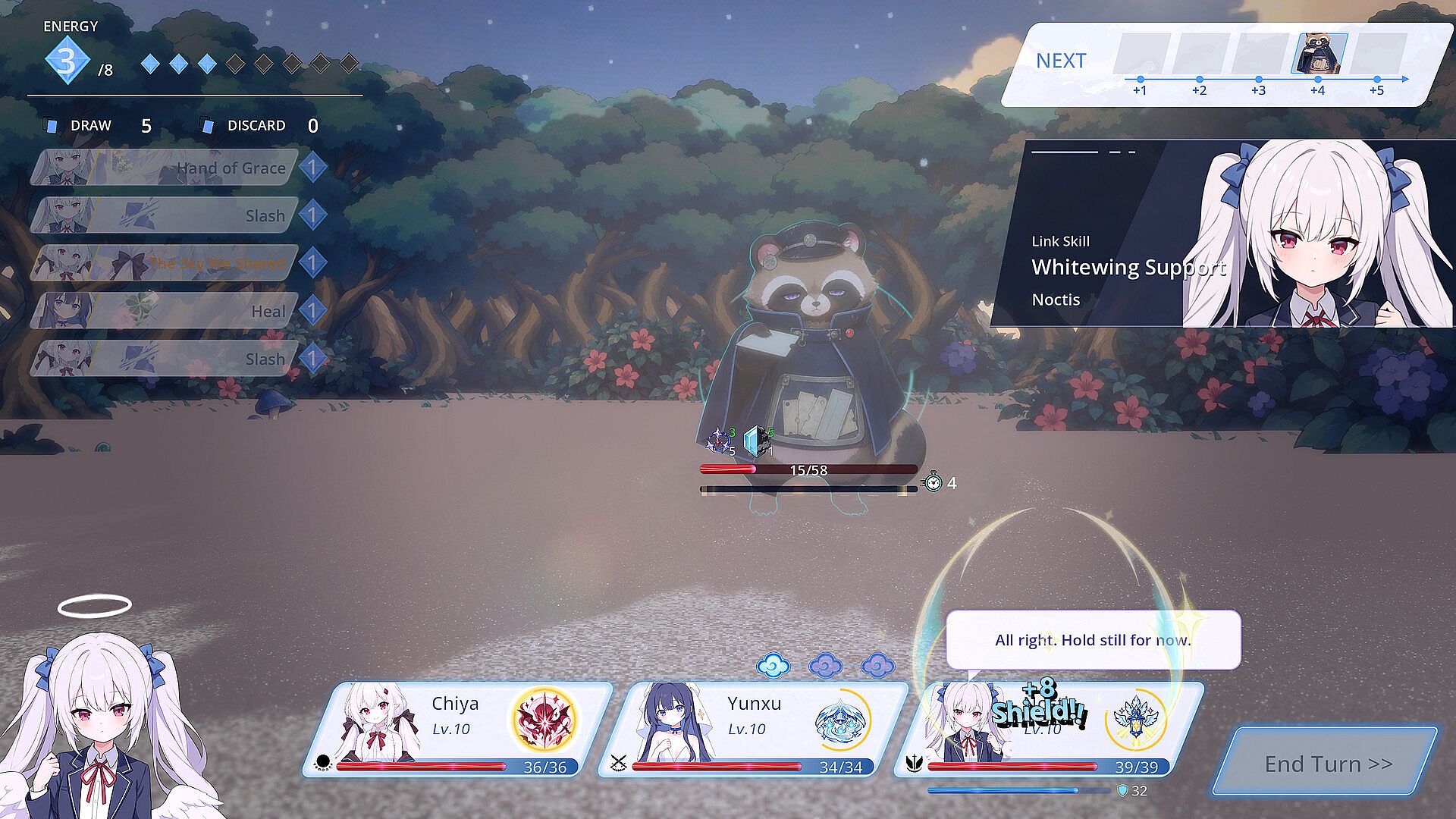
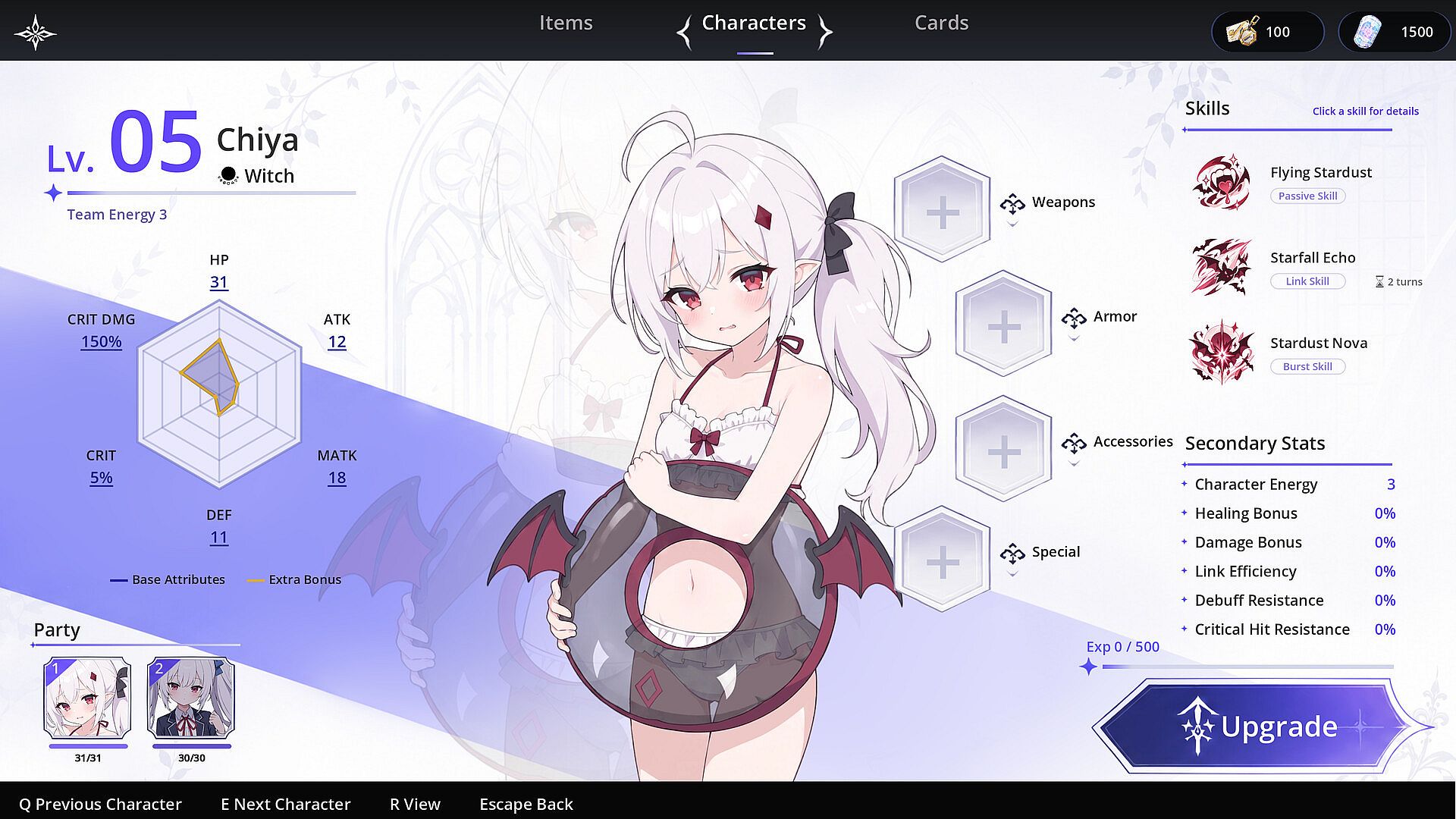
The core loop centers on assembling a team of up to three characters from a roster of at least twelve available options. Each character brings a dedicated deck, passive abilities, link skills, and burst skills. Card play opens windows for teammates to chain abilities while charging burst energy for stronger effects. Team composition matters because synergies determine how effectively players handle the varied challenges inside anomaly zones.
Exploration takes place in distinct regions that feature unique terrain and atmosphere. Weather shifts and the day-night cycle alter the appearance and feel of each area on repeat visits. Procedural elements introduce new routes, supplies, and encounters with every run, encouraging adaptation rather than repetition of the same path.
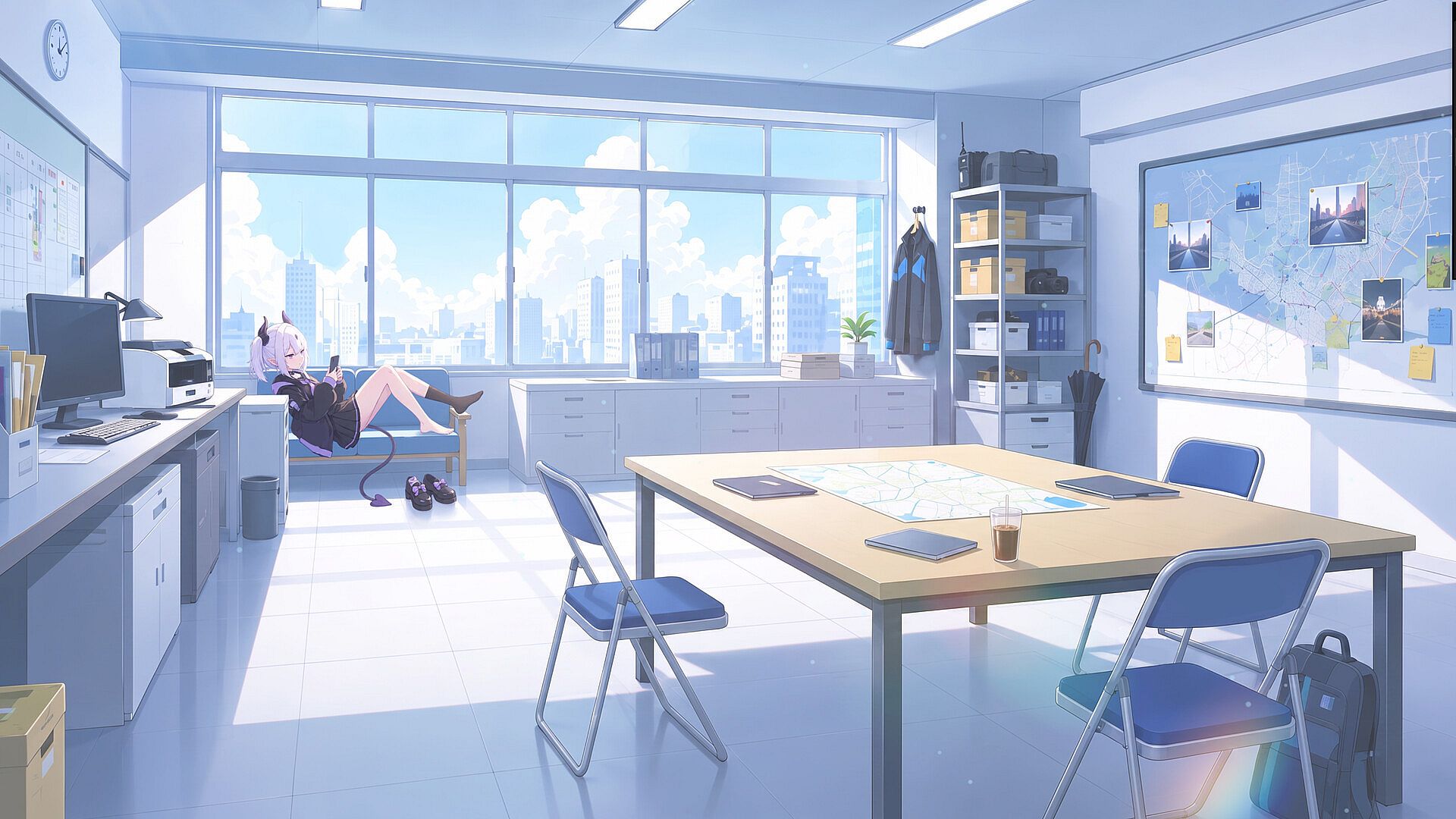
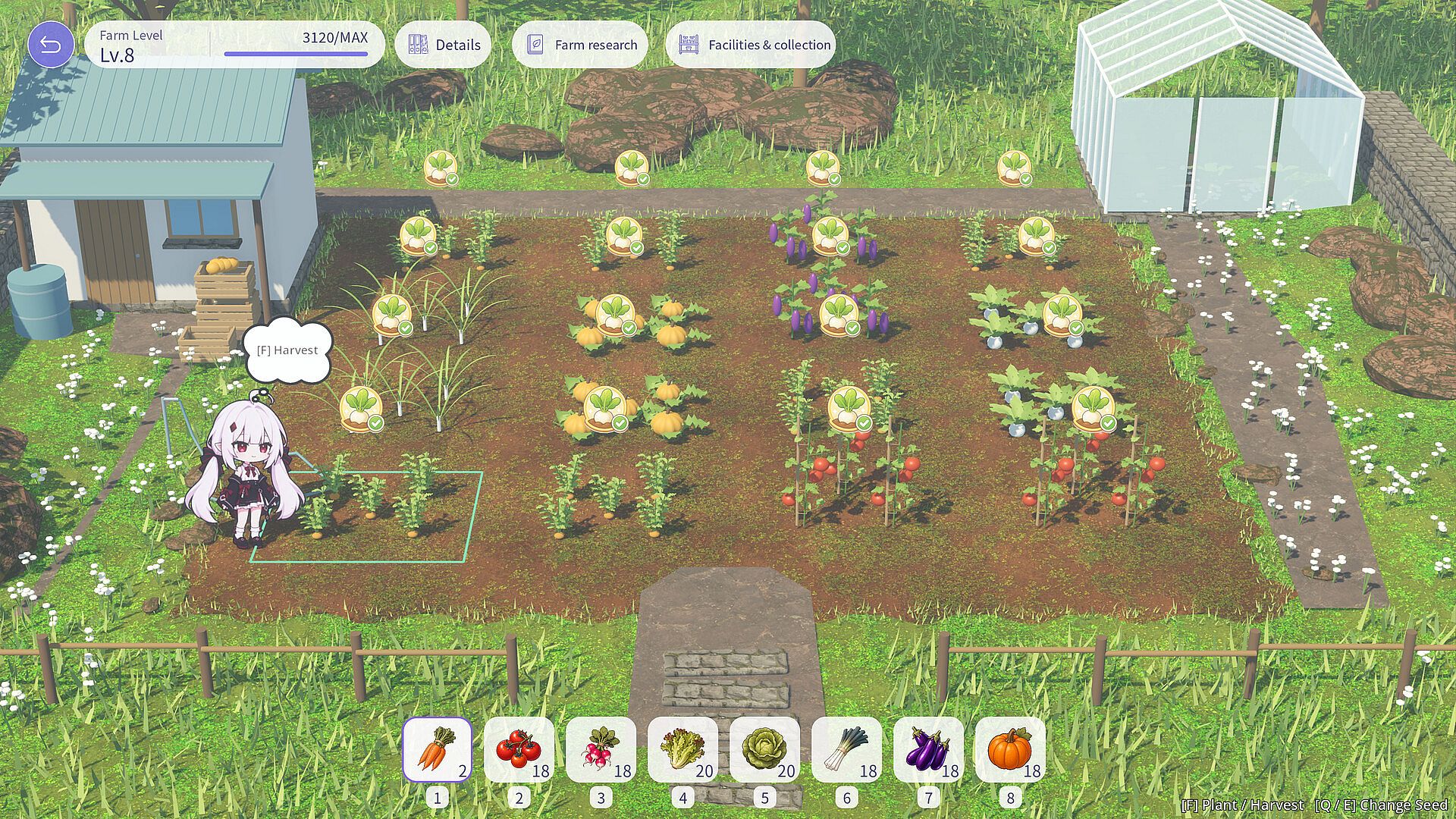
Outside the zones, players manage a shop in the shopping district, restock supplies, and spend time with companions in everyday settings. Rewards from investigations feed into character growth and team preparation, creating a steady cycle between high-stakes outings and quieter city moments. Live2D animations and outfit options add visual personality to the companions during these sequences.
Game Modes
The experience remains single-player throughout. The primary activity involves selecting a team, entering anomaly zones for roguelite runs, and returning to Daylight City for recovery and progression. No separate competitive or cooperative modes exist beyond this unified loop. Players repeat the cycle of investigation and city life, with each zone visit offering fresh layouts and opportunities to test different team combinations.
Character Development and City Life
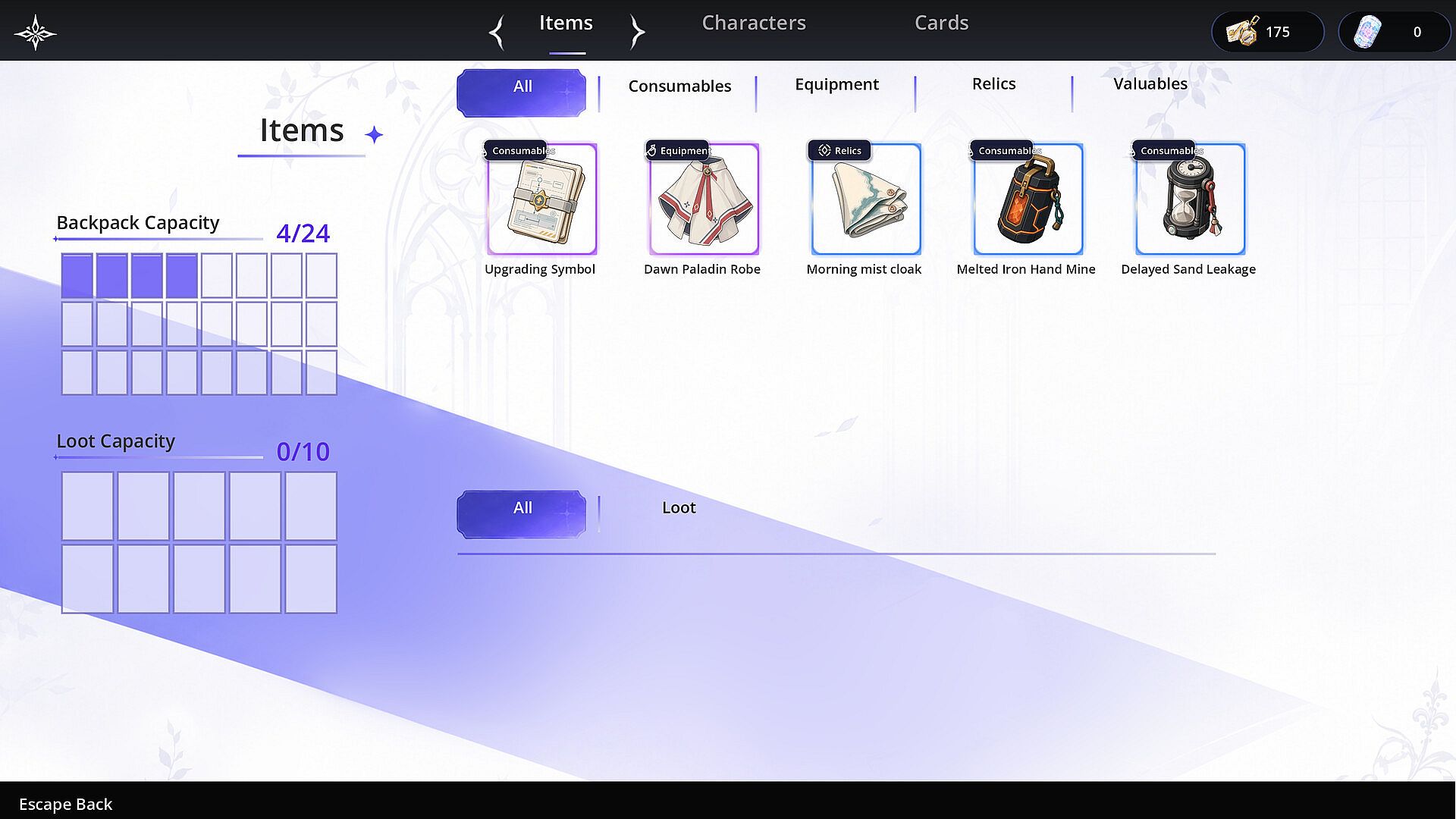
Companions develop through dedicated decks and skill systems that reward experimentation across multiple runs. Time spent in Daylight City after each investigation allows players to learn more about individual personalities through routine activities. These moments tie directly into preparation, as shop earnings and agency reviews contribute resources for upgrades and new card acquisitions.
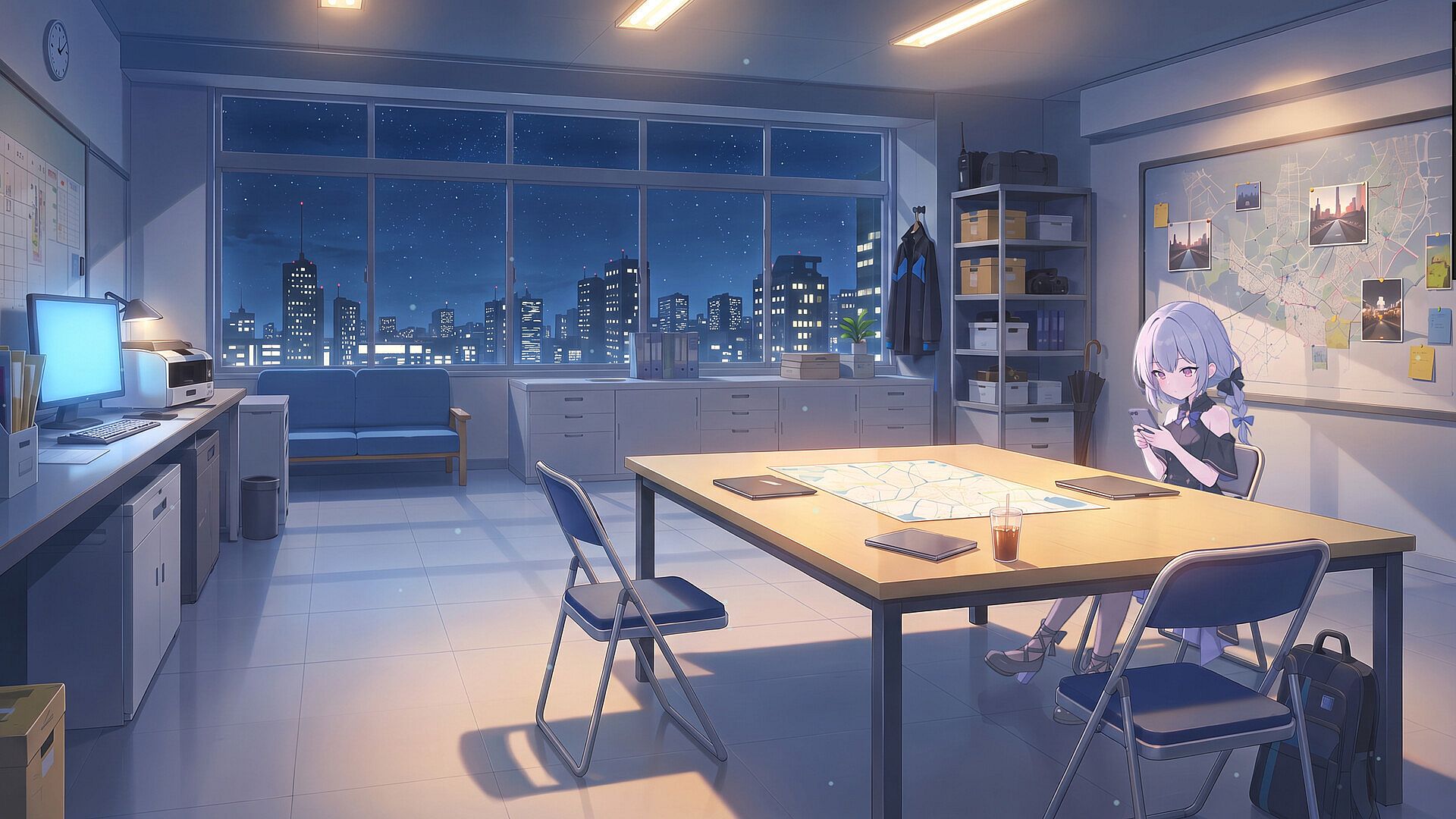
The city serves as both a hub and a narrative space. Running a store, browsing the shopping district, and reviewing investigation findings all feed back into the next team outing. This structure keeps the focus on steady progression without requiring constant combat.
Is It Worth Playing?
Daylight Line targets players who enjoy roguelite deckbuilding combined with light management and character interaction elements. The single-player format and emphasis on team synergy suit those who prefer deliberate planning over fast reflexes. Because the title has not yet released, no player reviews or ratings are available to gauge reception. Those drawn to strategy-focused card games with an added layer of everyday city routines may find the described systems appealing once it becomes available in 2027.











