




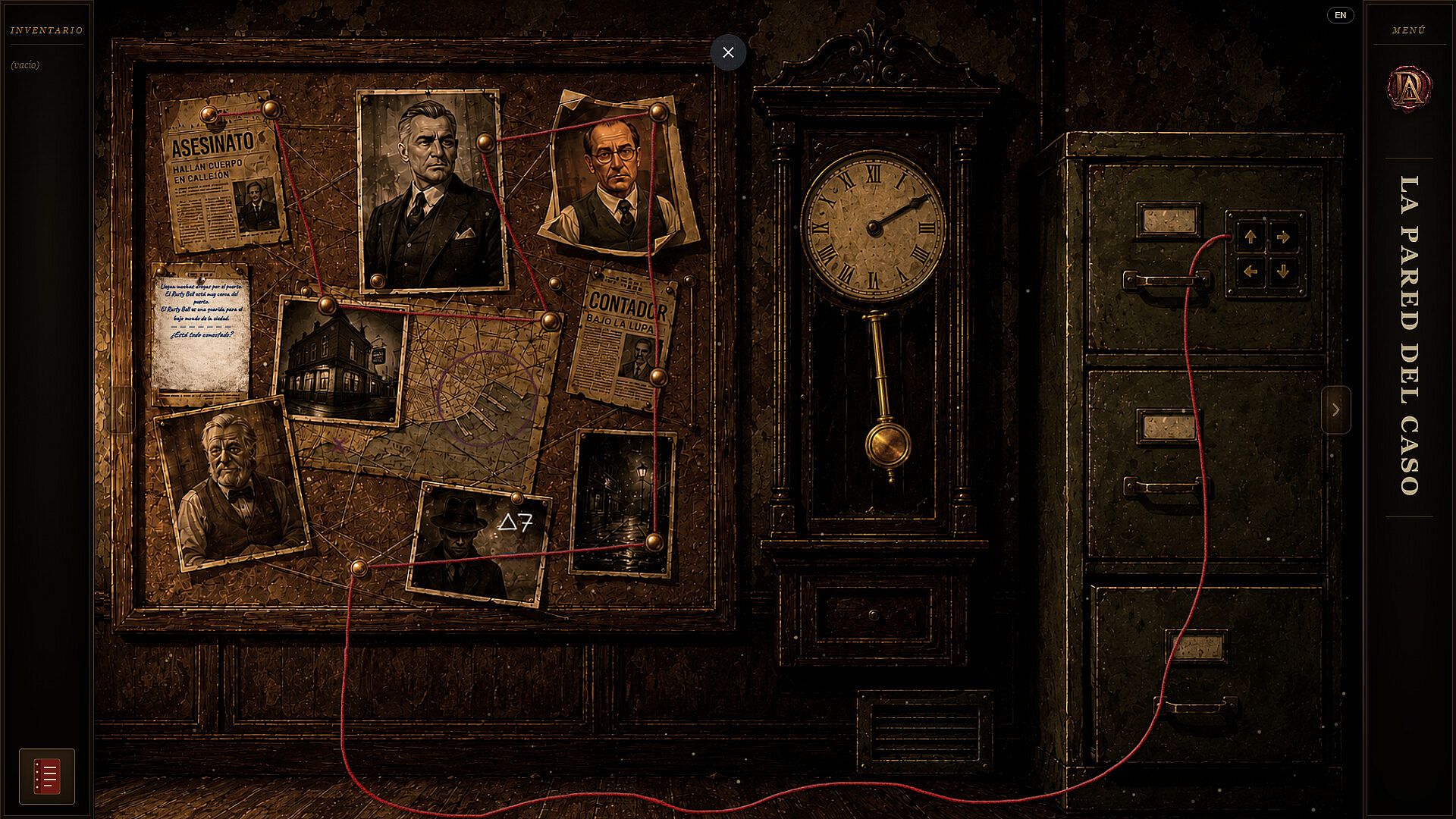
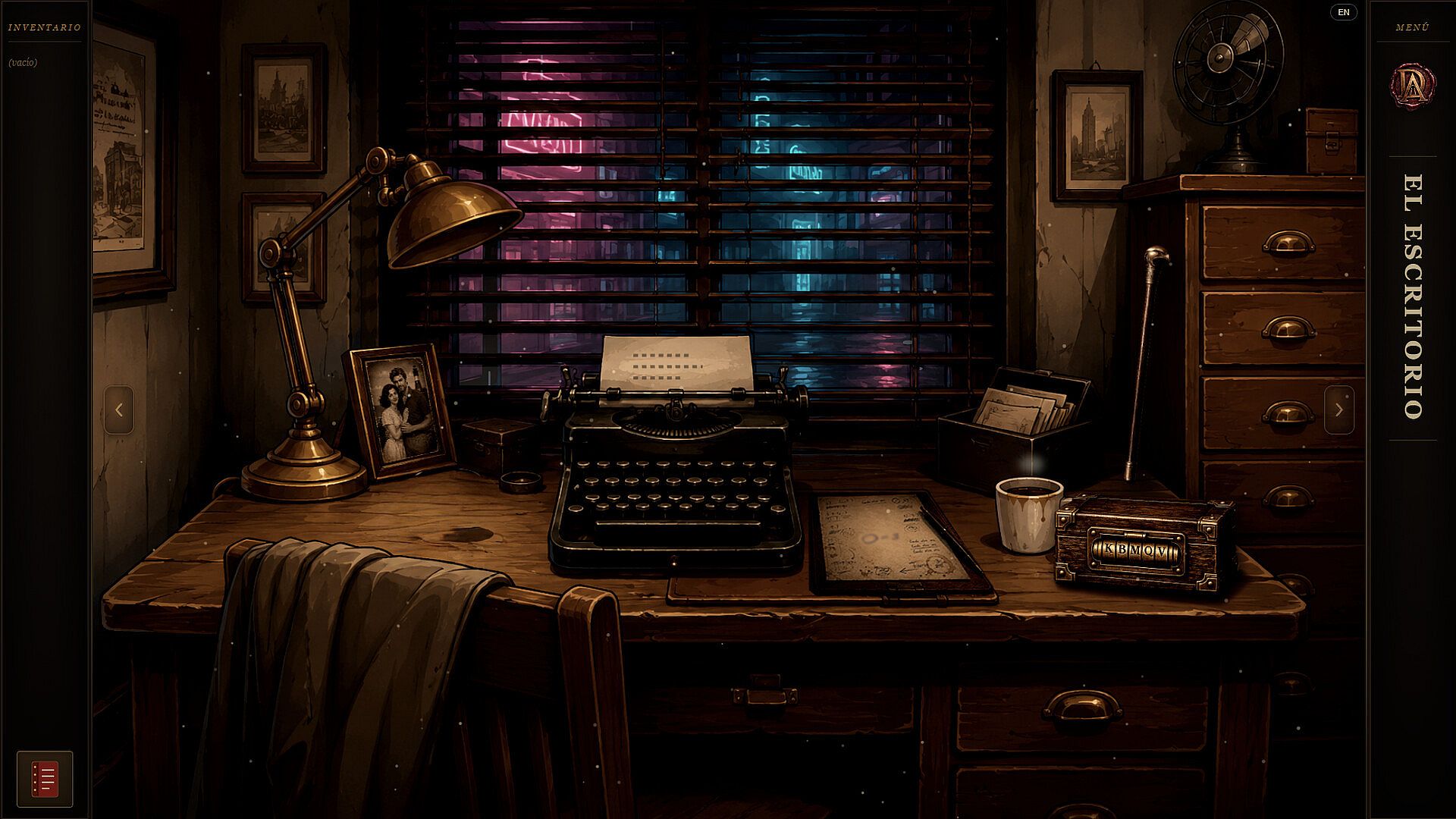
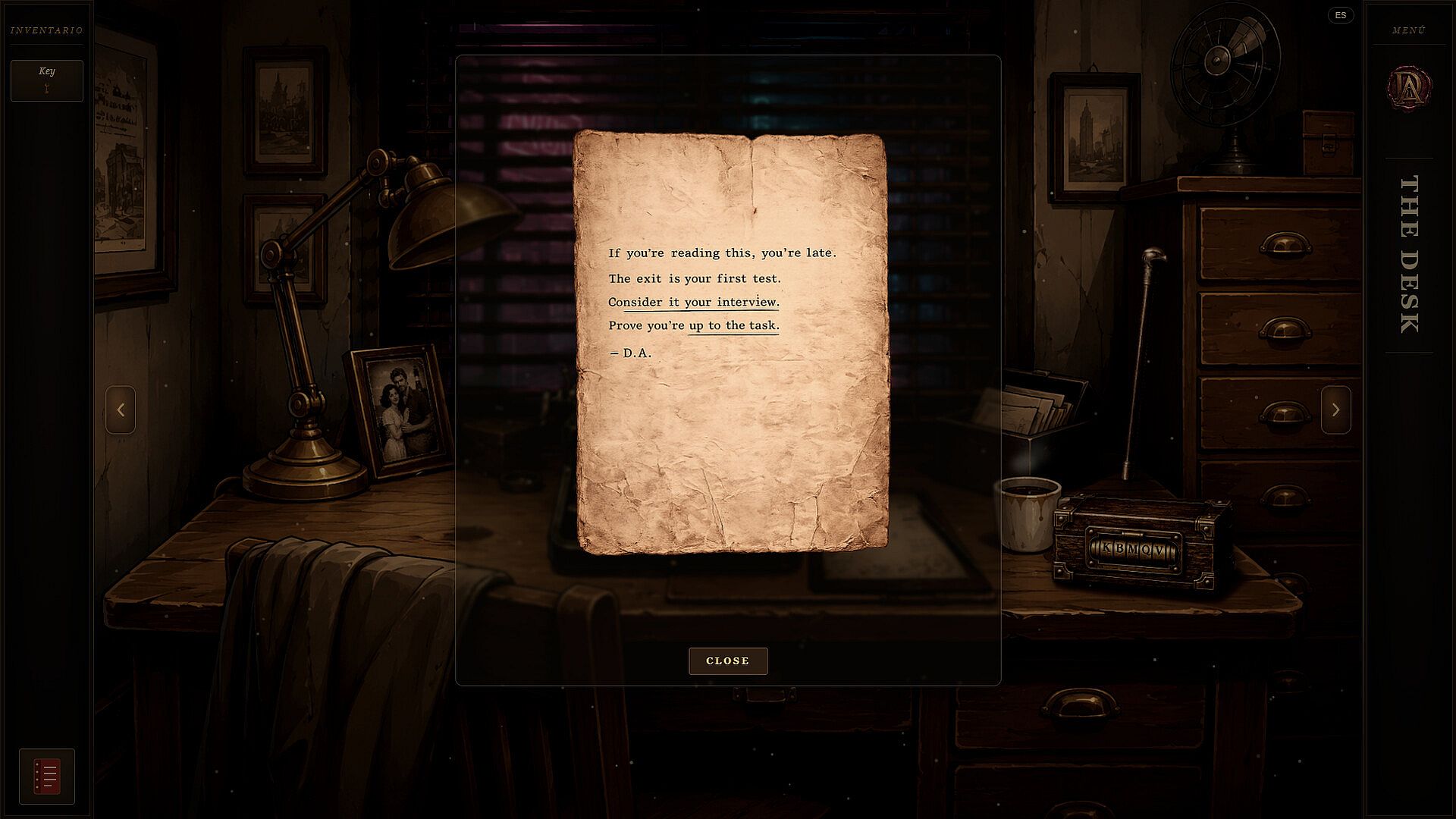
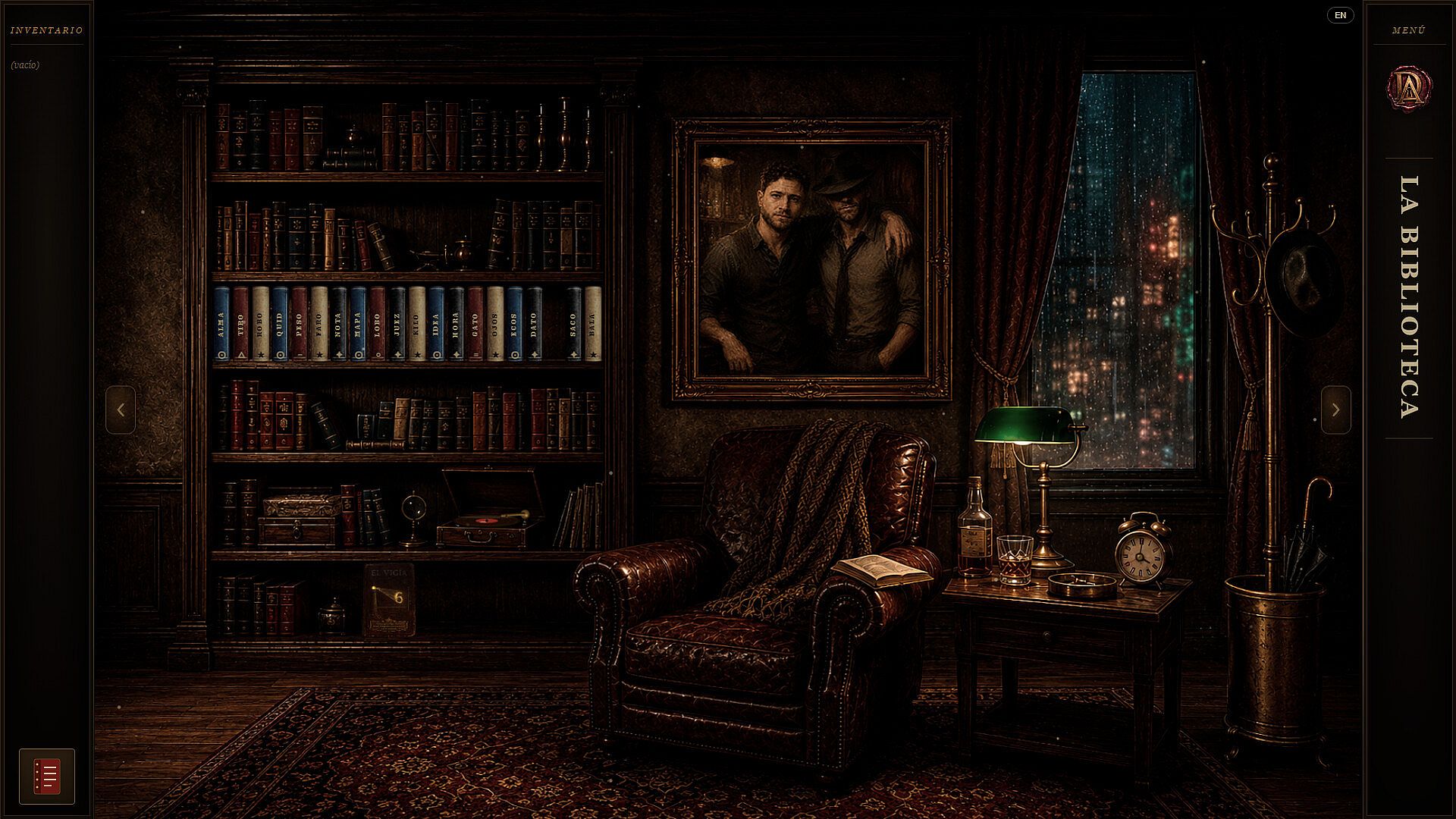




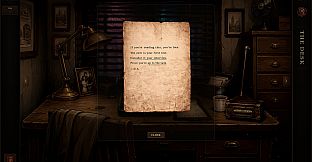


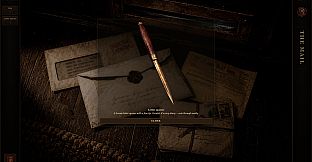



Dean Archer Stories: The Missing Detective to przygodowa gra typu point-and-click, która otwiera antologię noir. Akcja rozgrywa się wyłącznie w zamkniętym gabinecie doświadczonego detektywa, a gracz wciela się w początkującego śledczego, który musi odtworzyć przebieg wydarzeń na podstawie pozostawionych śladów. Tytuł łączy klasyczne zagadki środowiskowe i logiczne z naciskiem na obserwację i notatki, utrzymując jednocześnie niezmienny klimat noir - deszcz, przyćmione światło i subtelne dźwięki w tle.
Rozgrywka
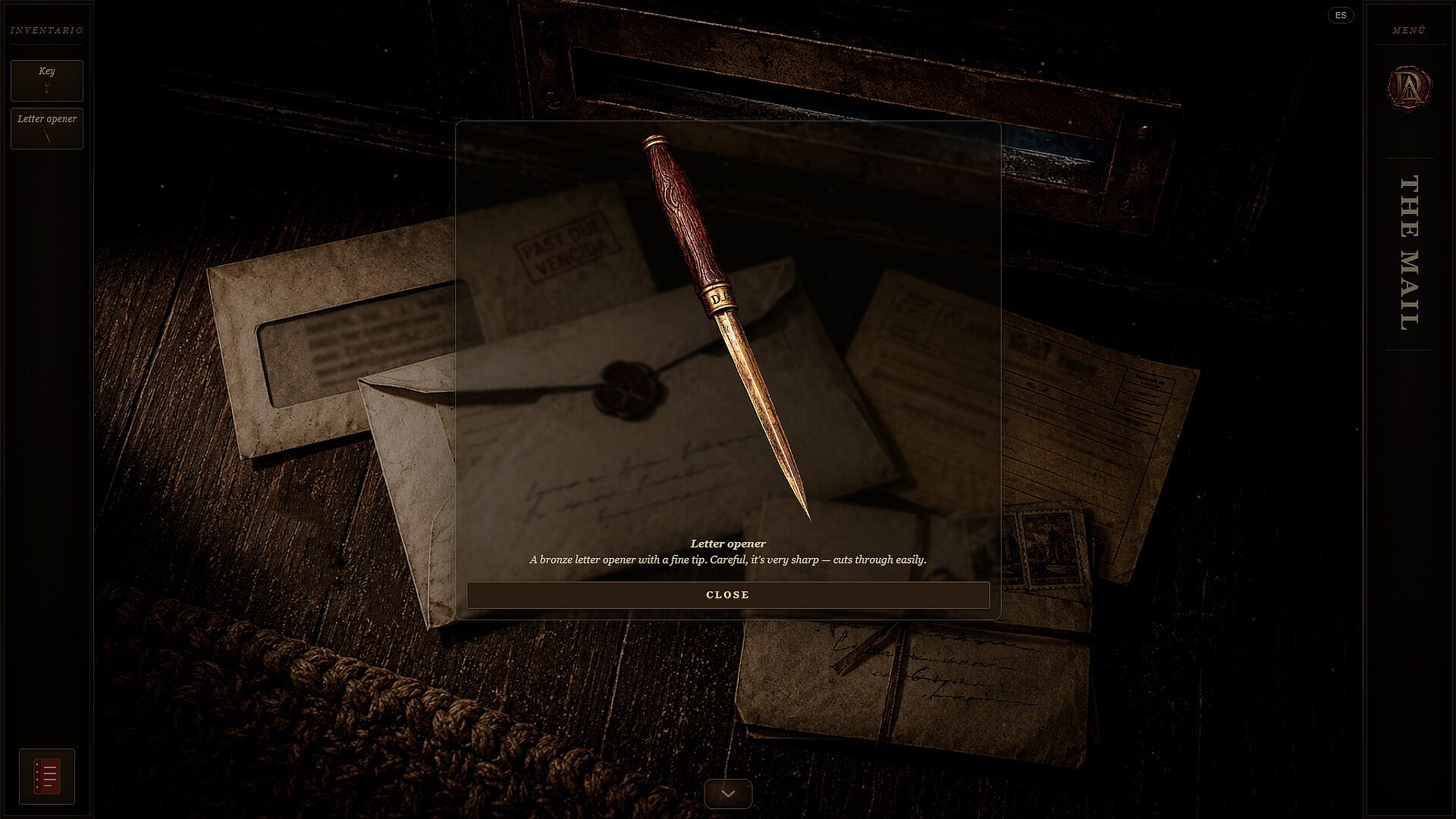
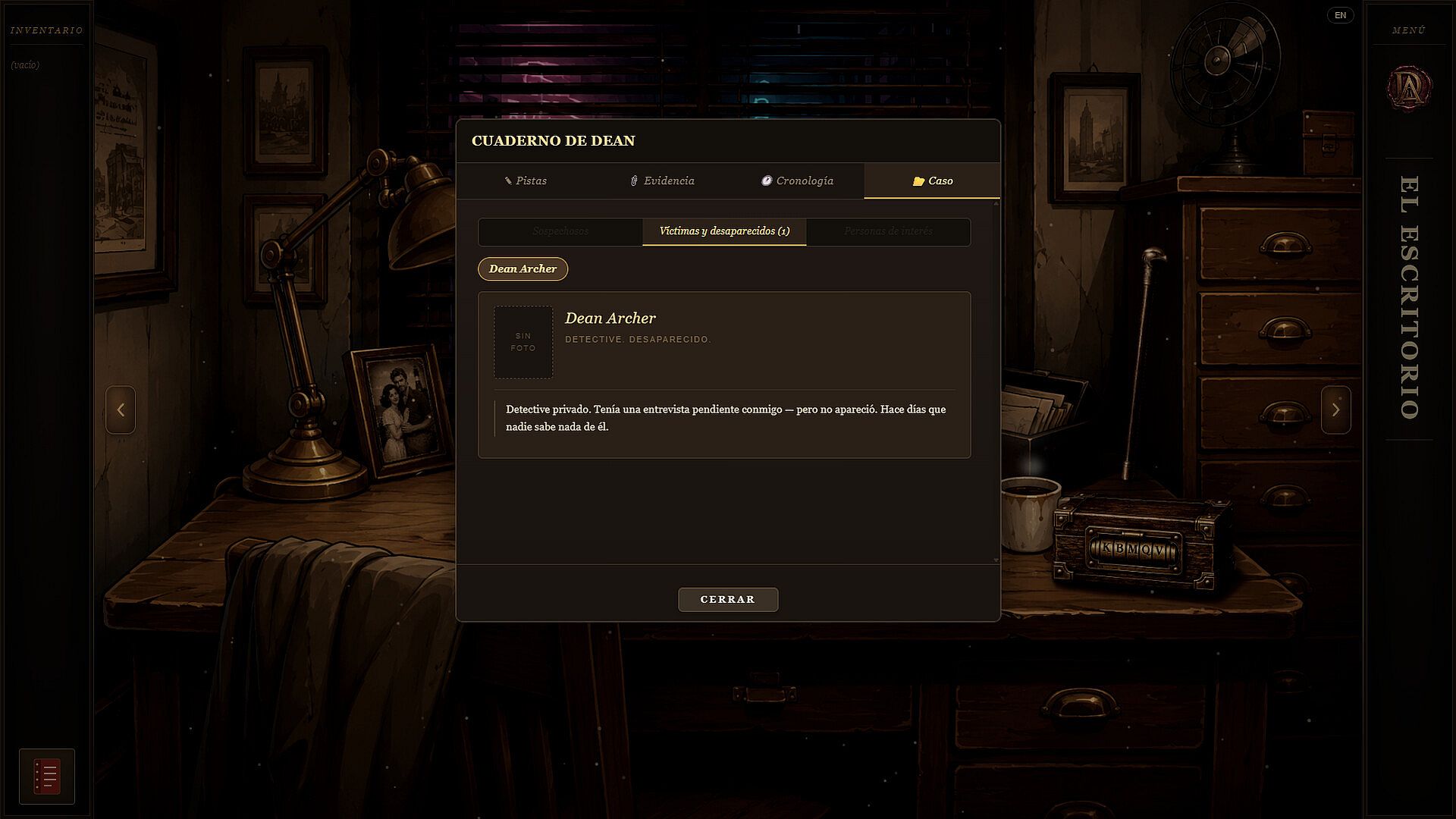
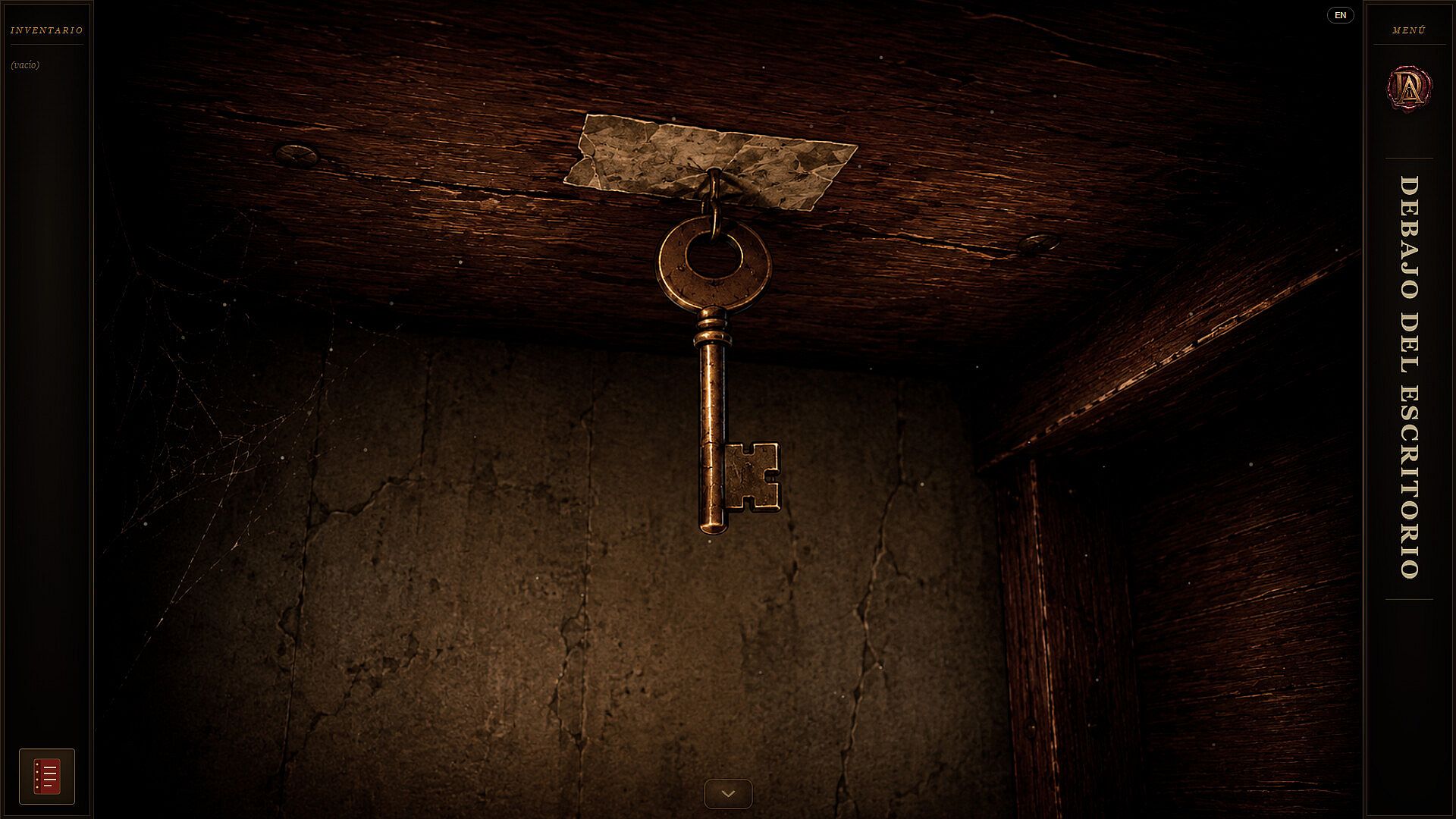
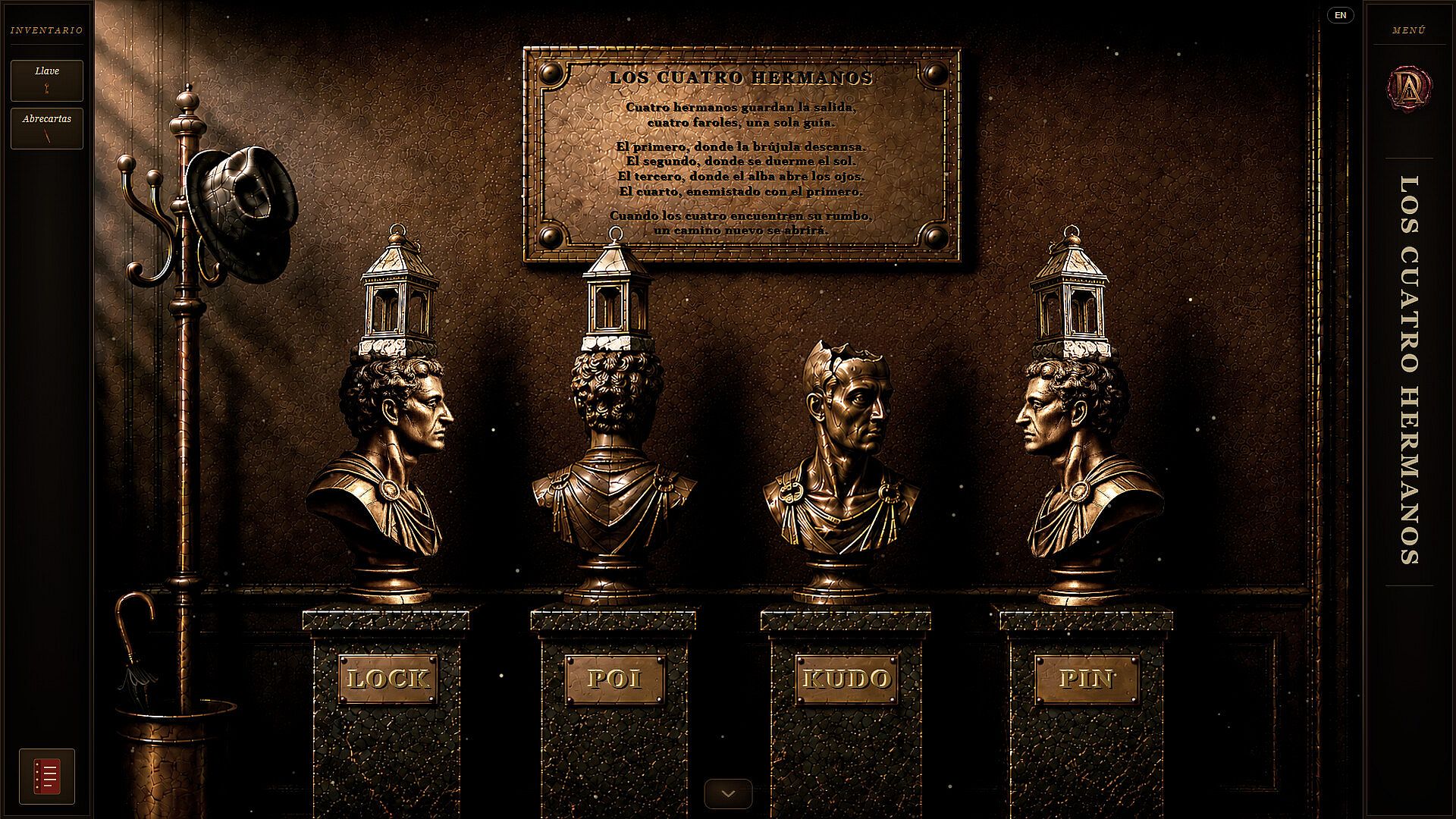
Podstawą rozgrywki jest eksploracja jednego, bardzo szczegółowego miejsca - prywatnego biura Deana Archera. Gracz przegląda każdy przedmiot, czyta rozrzucone notatki i sprawdza obiekty, które mogą mieć znaczenie. Zagadki środowiskowe wymagają logicznego łączenia znalezionych elementów, a wbudowany notatnik pełni rolę głównego narzędzia do zapisywania obserwacji, porządkowania dowodów i śledzenia postępów. Każdy szczegół pomaga zbudować spójny obraz, zachęcając do metodycznego działania zamiast pośpiesznych decyzji. Atmosferę wzmacniają nieustanne odgłosy deszczu, migoczące lampy gazowe i odległe dźwięki saksofonu, które budują poczucie izolacji i napięcia bez zakłócania rozwiązywania zagadek.
Sterowanie opiera się na standardowym schemacie point-and-click z użyciem myszy do wybierania i łączenia przedmiotów. Dwujęzyczne wsparcie pozwala płynnie przełączać się między interfejsem i napisami w języku angielskim i hiszpańskim, co zwiększa dostępność narracji. Jako pierwszy przypadek w serii Dean Archer Stories, rozgrywka wyznacza kierunek dla kolejnych części, kładąc nacisk na rekonstrukcję wydarzeń na podstawie materialnych śladów.
Tryby gry
Gra działa wyłącznie w trybie jednoosobowym i nie oferuje elementów wieloosobowych ani alternatywnych wariantów. Cała sesja skupia się na liniowym postępie w śledztwie, gdzie sukces zależy od dokładnej eksploracji i trafnych wniosków, a nie od rywalizacji czy współpracy. Gracz posuwa się naprzód, zbierając i interpretując wskazówki w odpowiedniej kolejności, korzystając z notatnika do zarządzania informacjami i odblokowywania nowych interakcji. Taka struktura sprzyja skupionym sesjom solowym, skoncentrowanym na odkrywaniu historii i rozwiązywaniu zagadek, bez rozgałęzień ani dodatkowych wariantów rozgrywki.
Fabuła i świat gry
Historia zaczyna się od przyjazdu gracza na rozmowę kwalifikacyjną, która nigdy nie ma miejsca, ponieważ Dean Archer zniknął. Zamknięty gabinet zawiera celowo rozmieszczone przedmioty i dokumenty, sugerujące, że detektyw przygotował się na taką sytuację. Jako nowicjusz, gracz musi odtworzyć zaginioną sprawę, interpretując pozostawione ślady i poznając metody Archera oraz miasto, w którym działał. Akcja ogranicza się do wnętrza biura, a konwencje noir - nieustanny deszcz i stonowane oświetlenie - podkreślają atmosferę tajemnicy i osobistego zaangażowania. Ta pierwsza część wprowadza szerszy uniwersum Dean Archer Stories jako antologię powiązanych ze sobą spraw, a obecna historia stanowi punkt wejścia do zrozumienia świata detektywa poprzez pośrednie wskazówki.
Czy warto zagrać?
Dean Archer Stories: The Missing Detective jest przeznaczony dla graczy ceniących spokojne przygodówki point-and-click i tajemnice w klimacie noir. Nacisk na zagadki środowiskowe, zbieranie dowodów i zarządzanie notatnikiem zapewnia zamknięte doświadczenie śledcze, które nagradza cierpliwość i dbałość o szczegóły. Dwujęzyczna prezentacja oraz klimatyczna oprawa dźwiękowa dodają poloru do mechanik opisanych w cechach gry. Ponieważ tytuł pozostaje niewydany, a planowana premiera przypada na III kwartał 2026 roku i nie ma jeszcze recenzji użytkowników, decyzja o zakupie powinna opierać się na zainteresowaniu klasyczną przygodówką oraz perspektywą kontynuacji serii. Osoby szukające krótkich, skupionych sesji jednoosobowych opartych na logice i obserwacji znajdą tu systemy odpowiadające ich preferencjom, natomiast gracze oczekujący akcji lub elementów wieloosobowych powinni poszukać innych tytułów.