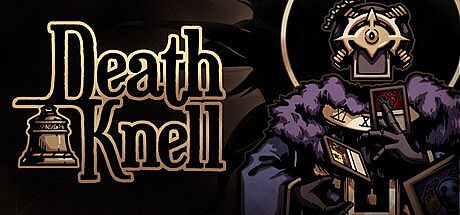


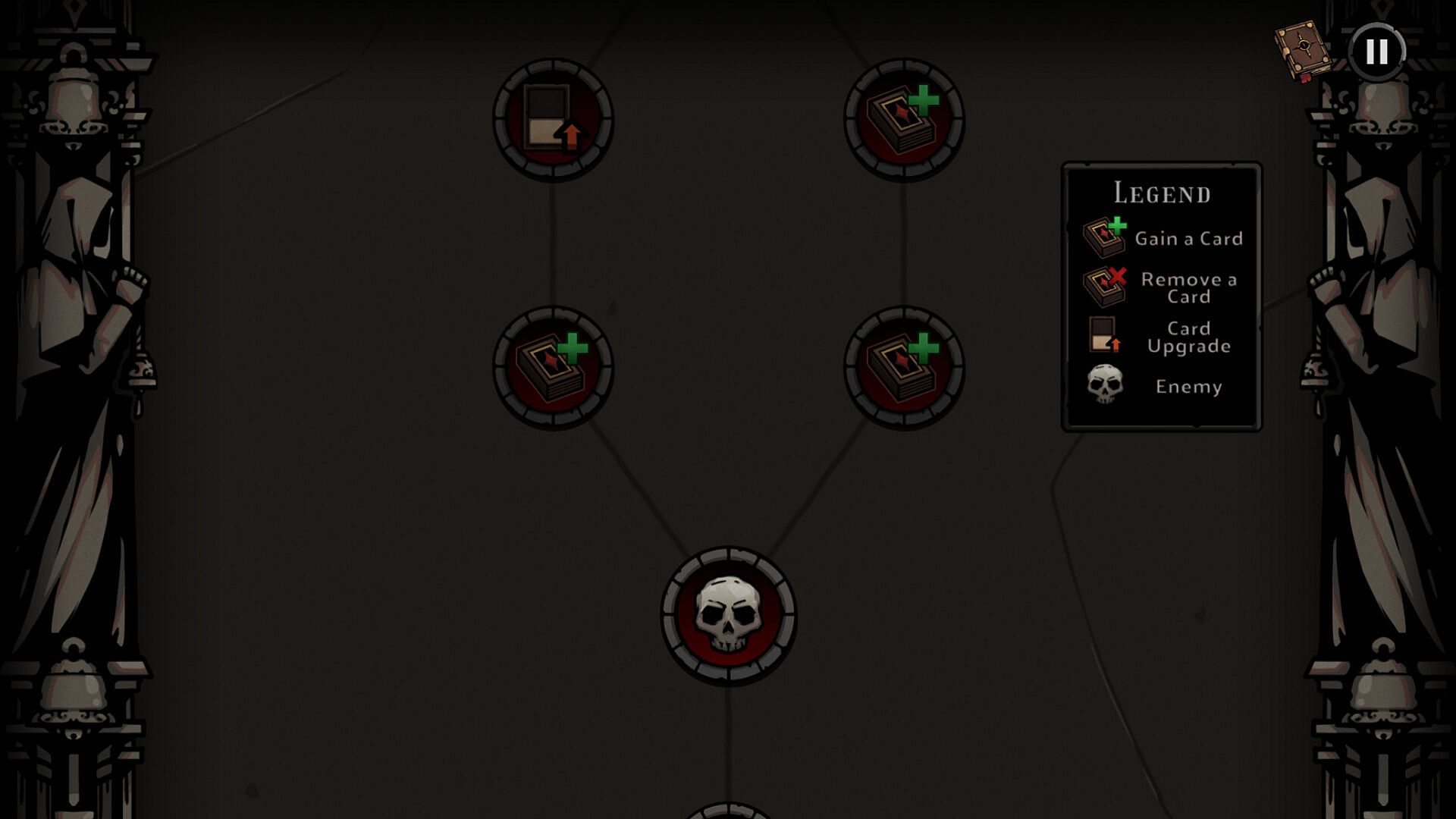
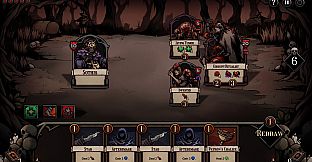
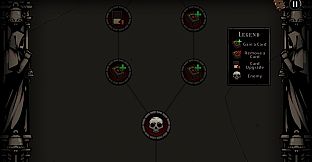
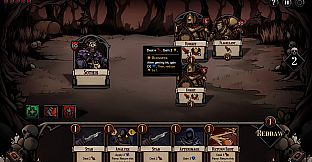
Death Knell is a gothic deckbuilding roguelike strategy game developed for PC. Players take on the role of a chosen servant in a world where a god has perished, leaving a vacant throne and a landscape of rival cults and horrors. The core loop centers on card play that directly influences timing and enemy responses, creating a constant sense of pressure without traditional resource management.
Gameplay
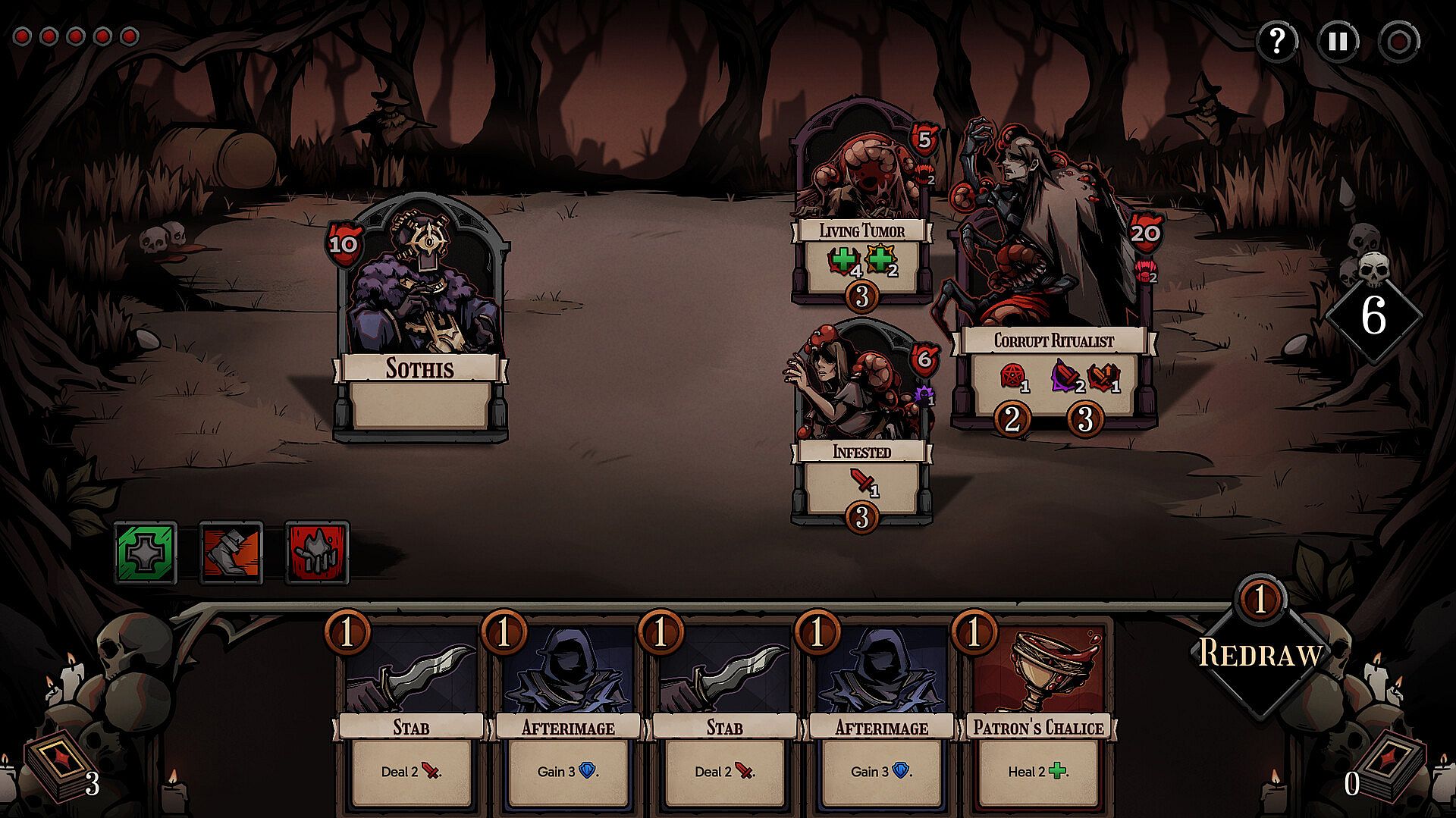
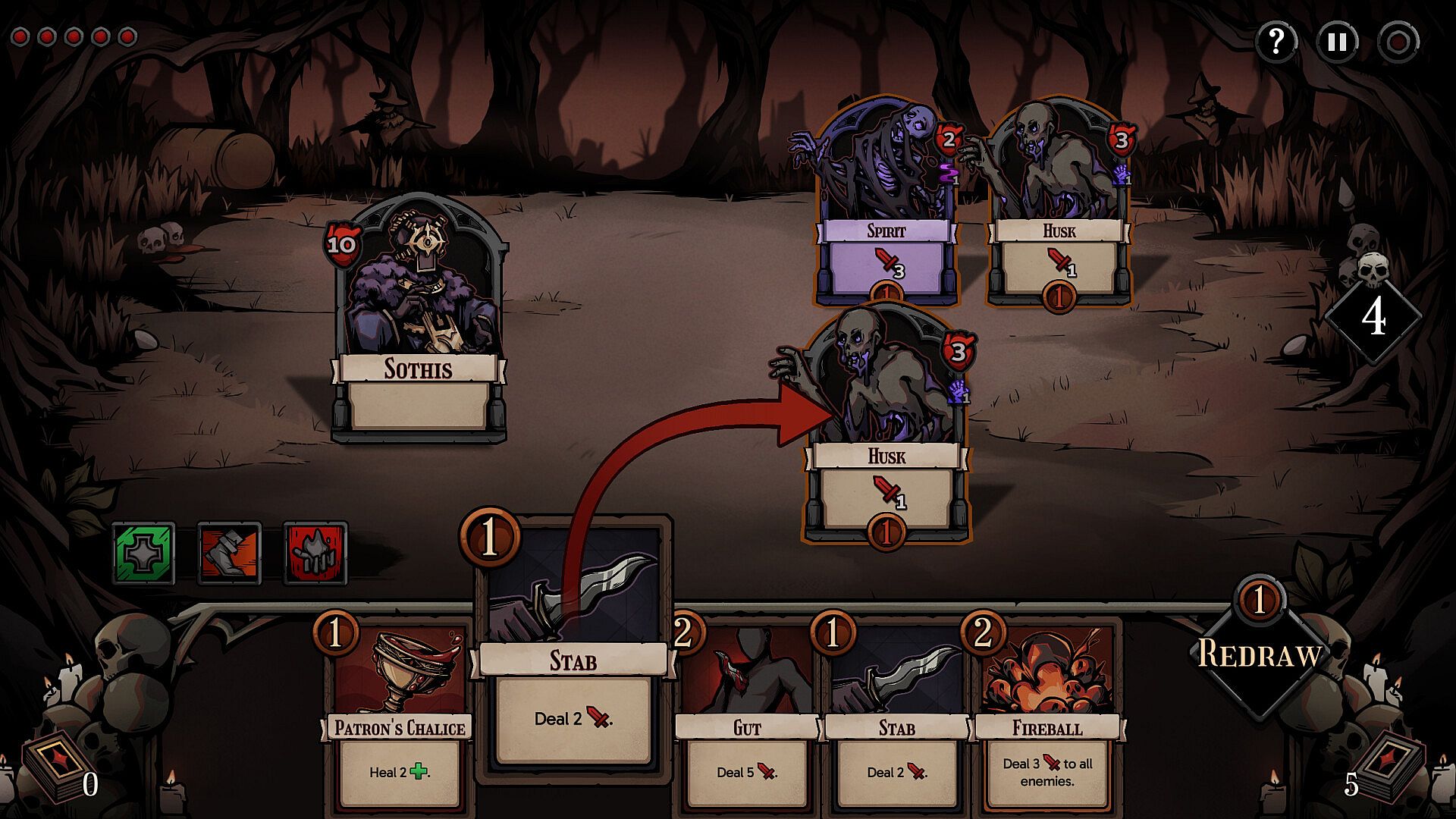
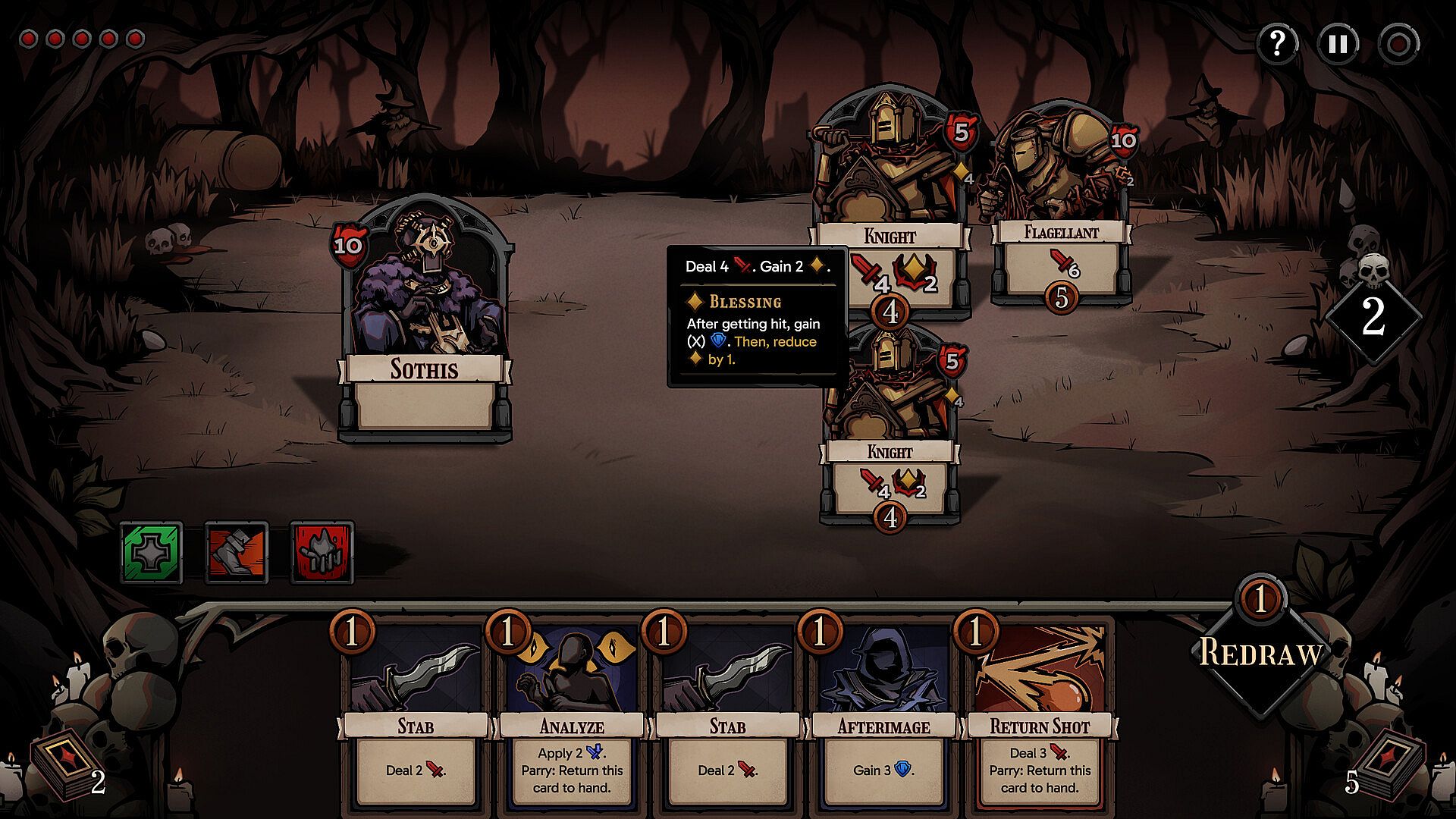
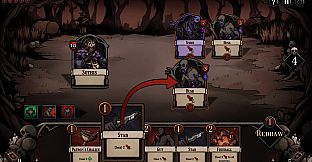
The variable turn system forms the foundation of combat. Cards carry a time cost rather than mana or other resources, and each enemy action advances its own timer. This setup causes turn order to shift and overlap unpredictably, forcing players to weigh every move against the advancing threat of enemy attacks. The result is a fluid battle rhythm where positioning and timing matter as much as card selection.
Skills add another layer of decision making. These patron-granted abilities bypass the time cost entirely but require discarding cards from the hand. Unwanted cards gain value as fuel for these actions, allowing players to interrupt enemy plans or trigger powerful effects at critical moments. The combination of timed card plays and sacrifice-based skills encourages careful hand management and adaptive strategies across encounters.
Combat unfolds in a decaying world filled with cultists and monstrous entities. Each decision carries weight because actions accelerate the enemy's next strike, yet the player retains full control over when and how to respond. This creates tense, deliberate gameplay that rewards foresight and quick adjustments rather than rote sequences.
Game Modes
The primary experience revolves around roguelike mode. In this mode, enemies and available cards randomize with each run, producing different combinations of threats and tools. Players encounter varied factions and card pools across attempts, which encourages experimentation with different builds and approaches to the same core systems.
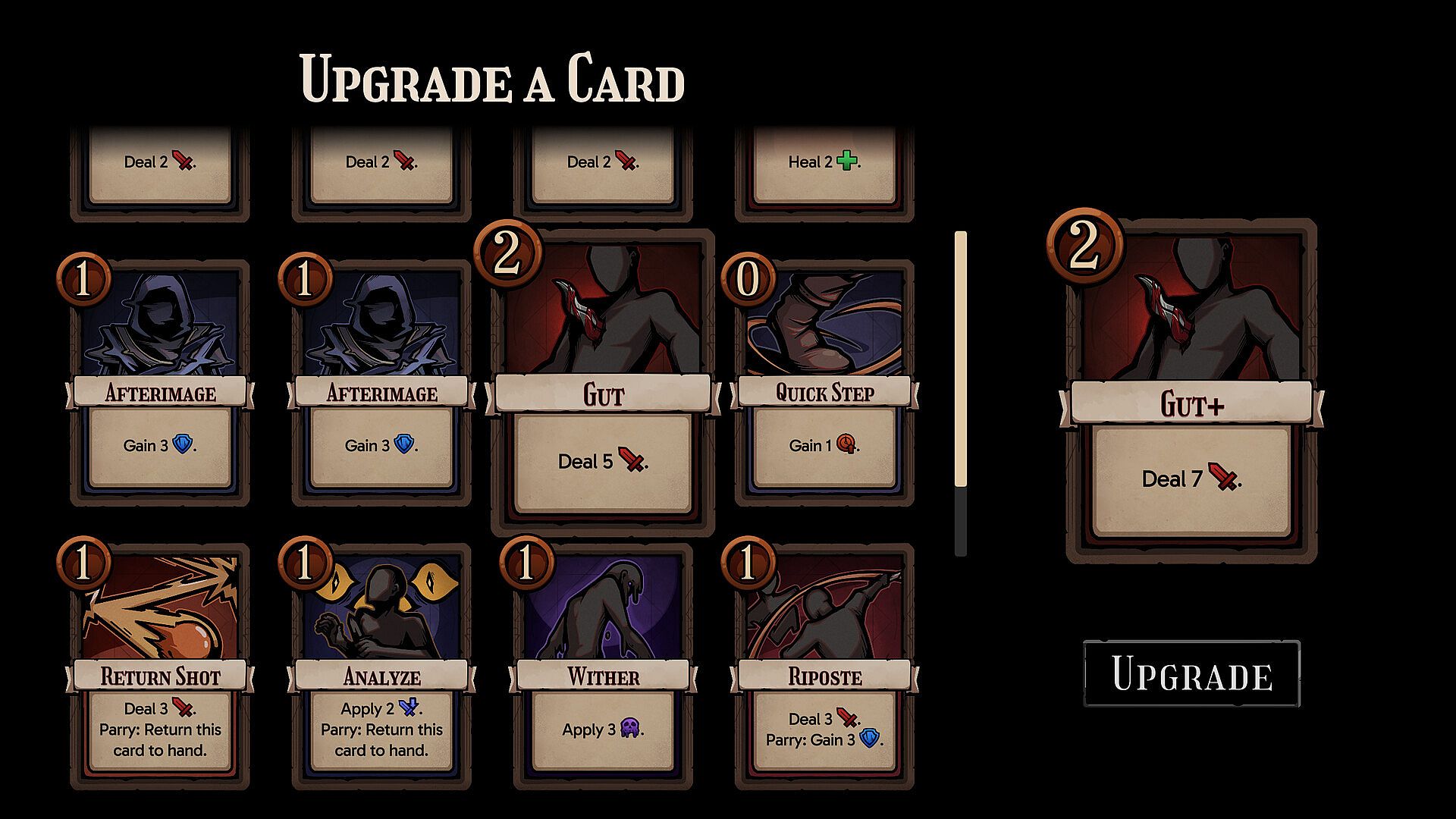
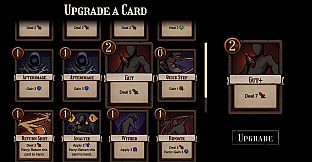
Progression ties into ascending through the ruined world toward godhood. Runs emphasize survival against shifting opposition while collecting and refining decks suited to the current randomization. The single-player focus keeps attention on individual mastery of the timing mechanics and skill usage without external competition.
Story and Setting
The narrative backdrop involves a fallen deity and competing powers vying for the empty throne. As the chosen of one entity, the player navigates this struggle as both pawn and potential victor. The gothic atmosphere permeates encounters with rival cults and grotesque horrors, framing each roguelike run within a larger tale of decay and ambition.
World details emerge through the factions and monsters faced during play. Randomization in roguelike mode introduces fresh combinations of these elements, keeping the setting dynamic even as the underlying conflict remains consistent. The tone stays grounded in occult imagery and the consequences of divine absence.
Is It Worth Playing?
Death Knell targets players who enjoy roguelike deckbuilders that emphasize timing and resource trade-offs over standard mana systems. The variable turn mechanics and skill sacrifices create a distinct loop that stands apart from conventional card battlers. Those drawn to single-player strategy experiences with high replayability through randomization will find the core systems engaging.
The game remains in development with a planned release in Q3 2027. Its single-player structure and focus on one roguelike mode mean the experience centers entirely on personal runs and mechanical mastery. Fans of indie strategy titles that reward adaptation to changing conditions may find it a strong fit once available.
- Unique time-based combat that alters traditional turn order
- Skill system that repurposes discarded cards for immediate effects
- Randomized elements that support repeated playthroughs