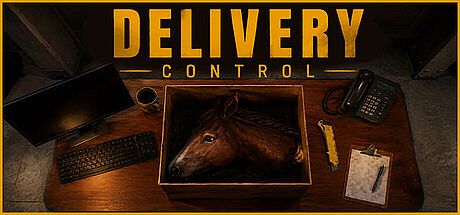


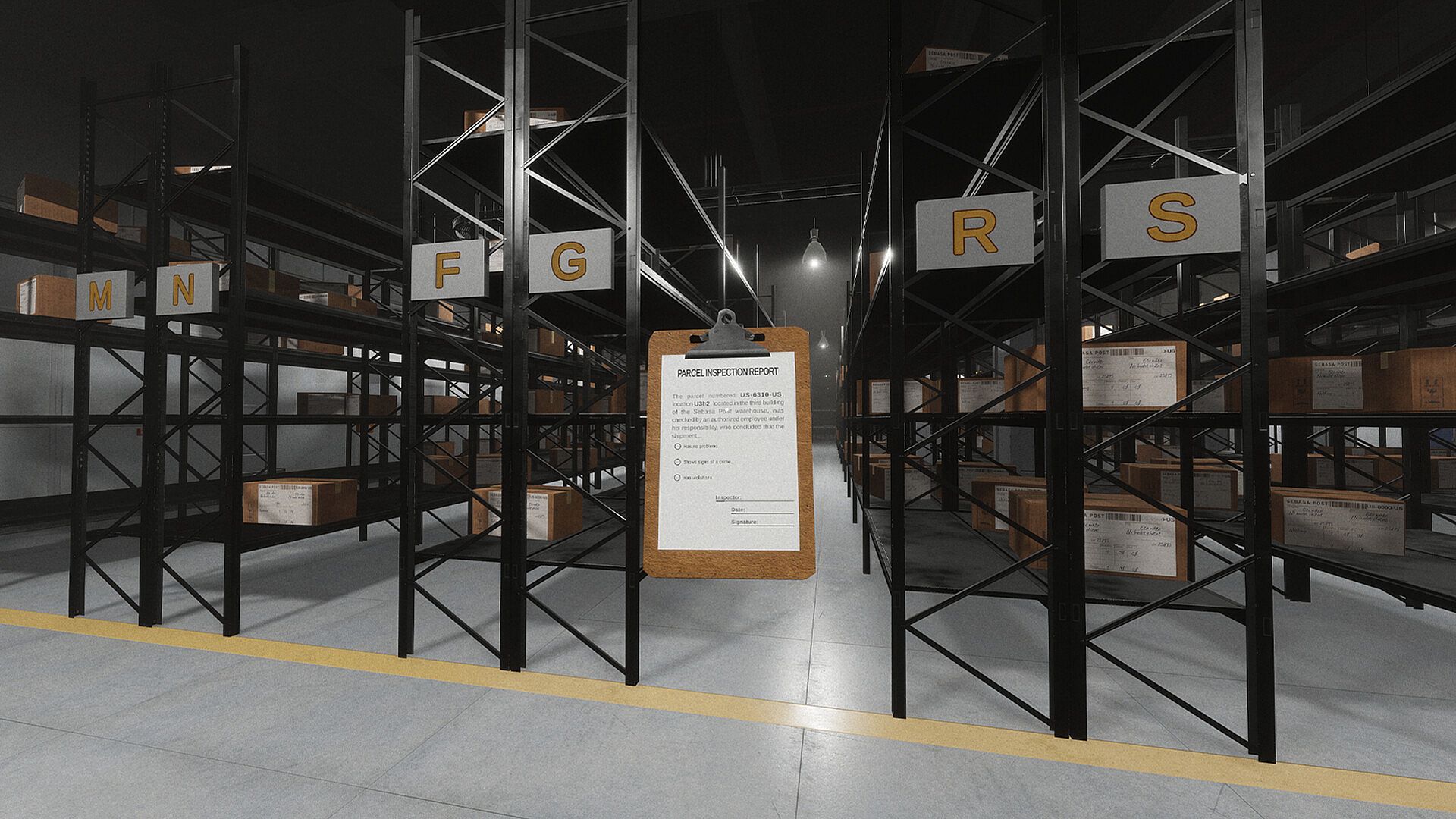
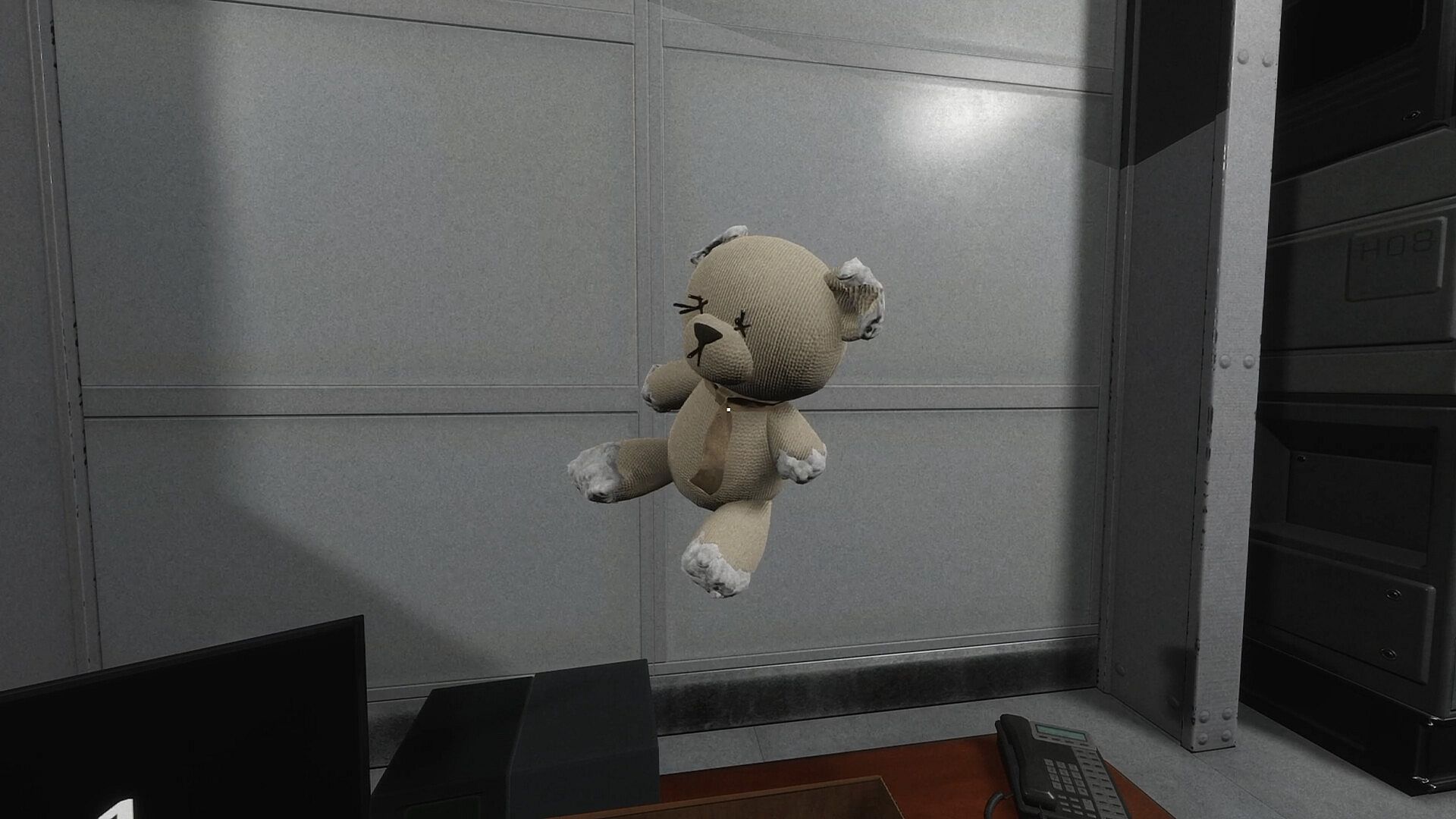
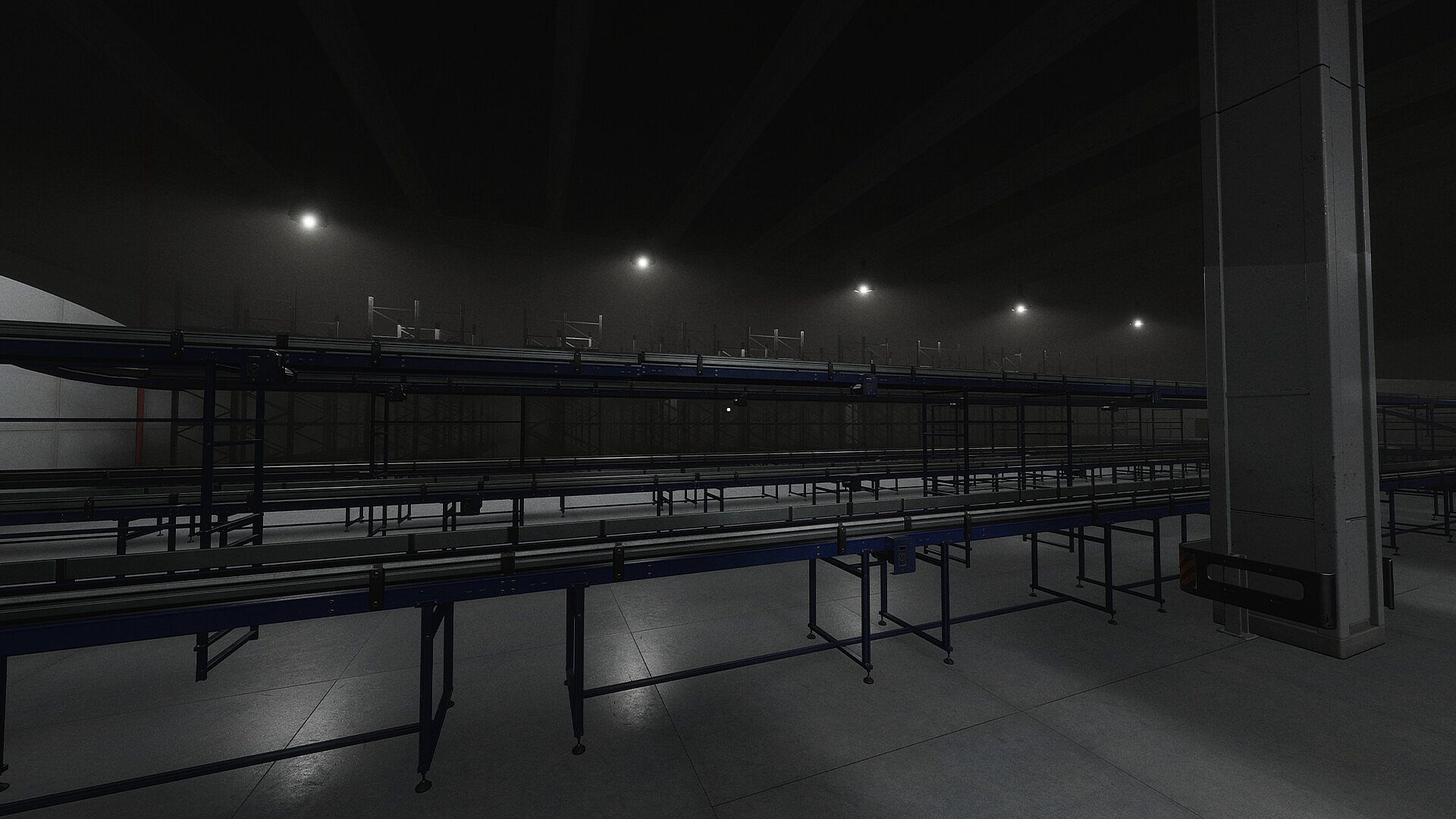
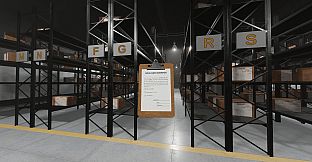

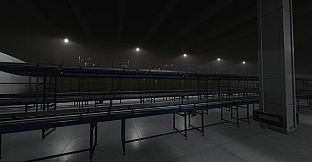
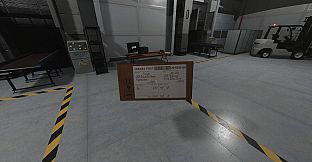
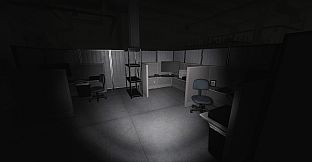
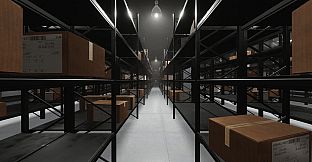

Delivery Control to indyjska gra symulacyjna z elementami przygodowymi, osadzona w magazynie dużej firmy pocztowej. Gracz wciela się w rolę kierownika nocnej zmiany, który musi obsłużyć setki przesyłek podczas kolejnych, coraz dziwniejszych zmian. Główny nacisk pada na sprawdzanie paczek, weryfikację dokumentów i podejmowanie kluczowych decyzji dotyczących każdego z nich, przy jednoczesnym narastającym poczuciu niepokoju w obiekcie.
Rozgrywka
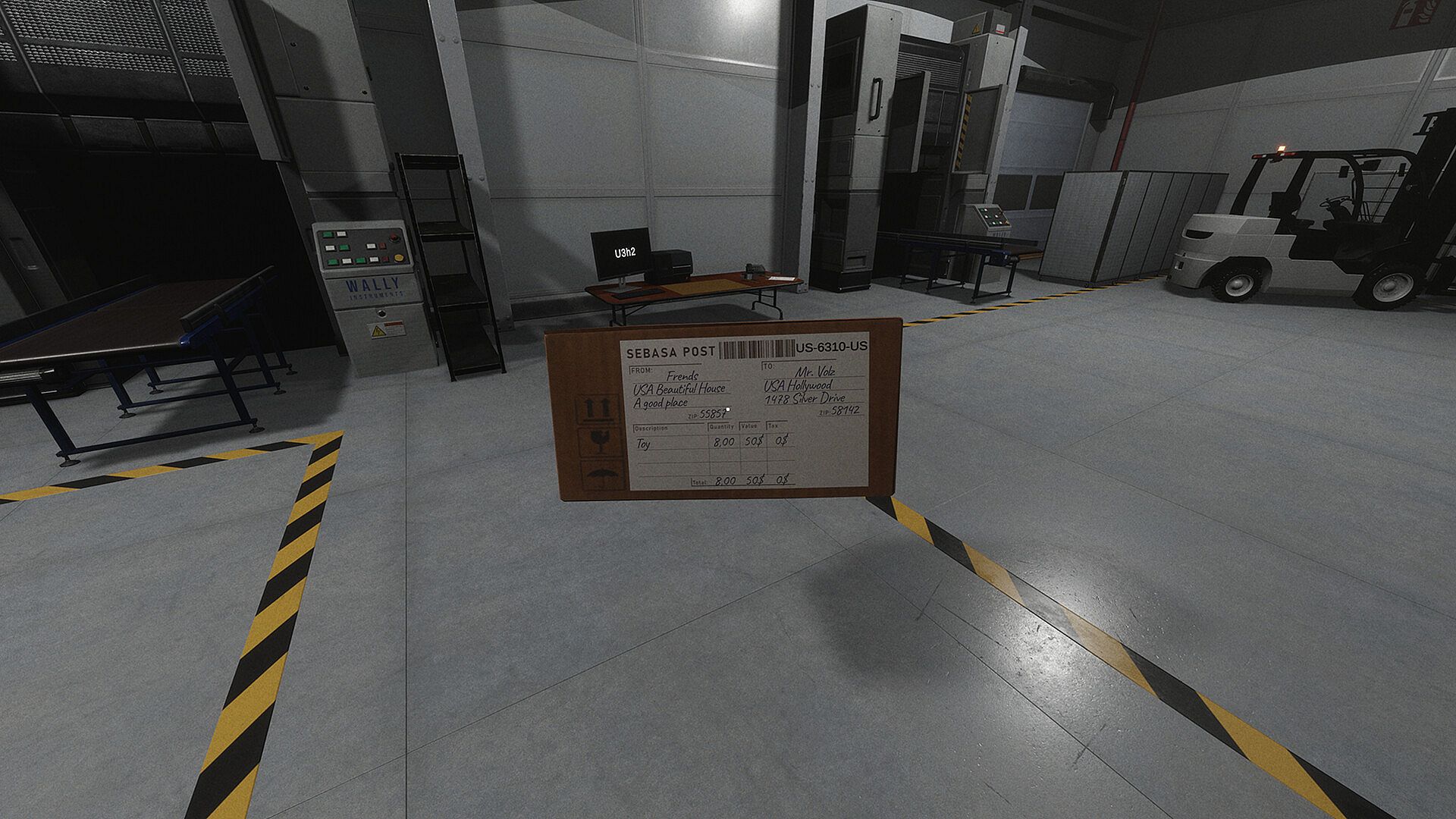
Podstawą rozgrywki jest badanie przesyłek - od standardowych zamówień po nietypowe kontenery bez adresu zwrotnego, o podejrzanej wadze lub dziwnym zapachu. Gracz otwiera paczki, szuka ukrytych wskazówek i porównuje zawartość z dołączonymi fakturami, by wybrać właściwą reakcję. Do dyspozycji ma trzy opcje: przekazać przesyłkę dalej, odrzucić ją lub zgłosić naruszenie. Każda decyzja wpływa na przebieg kolejnych nocy i kształtuje atmosferę gry.
Duże znaczenie ma dbałość o szczegóły - nawet drobne niezgodności w dokumentach lub wyglądzie paczek mogą wskazywać na poważniejsze problemy. Elementy symulacyjne wymagają metodycznego sprawdzania i logicznego wnioskowania, a aspekt przygodowy ujawnia się podczas eksploracji magazynu w poszukiwaniu dodatkowych informacji. Z każdą kolejną zmianą sytuacja staje się coraz bardziej nietypowa, wprowadzając nowe czynniki, które testują spostrzegawczość i umiejętność podejmowania decyzji pod presją.
Tryby gry
Delivery Control to wyłącznie gra dla jednego gracza - nie zawiera trybów wieloosobowych ani rywalizacyjnych. Struktura opiera się na kolejnych nocnych zmianach, które rozwijają się na podstawie wcześniejszych wyborów i odkryć. Postęp jest liniowy, ale z elementami rozgałęzień zależnymi od decyzji gracza, co prowadzi do różnych zakończeń w zależności od tego, jak obsługiwane są przesyłki i jakie informacje uda się zebrać podczas kontroli.
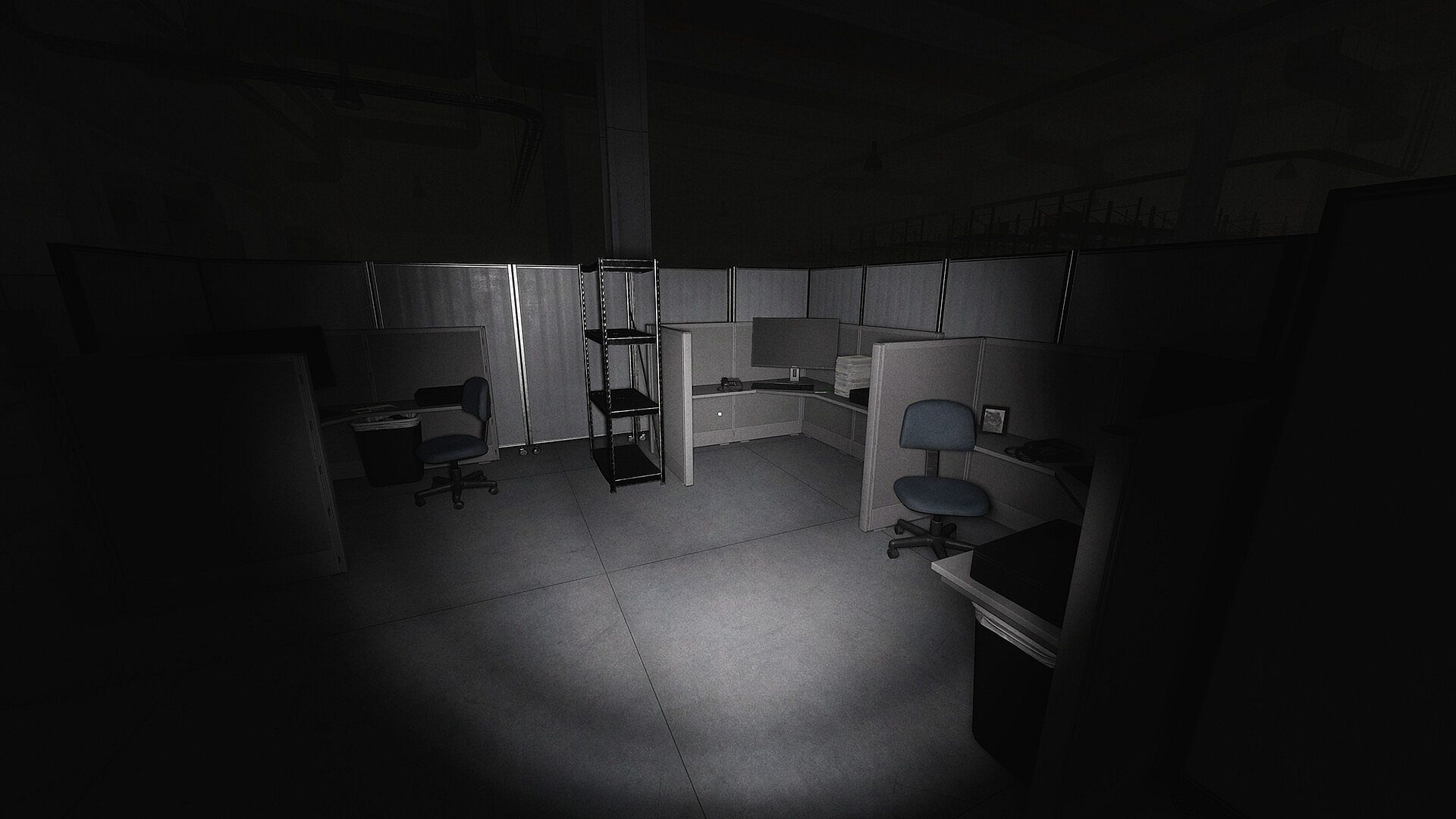
Eksploracja jest integralną częścią pracy - gracz przemieszcza się po różnych częściach magazynu, by znaleźć pominięte szczegóły lub ukryte elementy wpływające na dalszy przebieg zmian. Brak osobnych podtrybów sprawia, że całość skupia się na spójnym cyklu kontroli, weryfikacji i konsekwencji, tworząc jednolitą sesję rozgrywającą się przez wiele kolejnych nocy.
Eksploracja i ukryte elementy
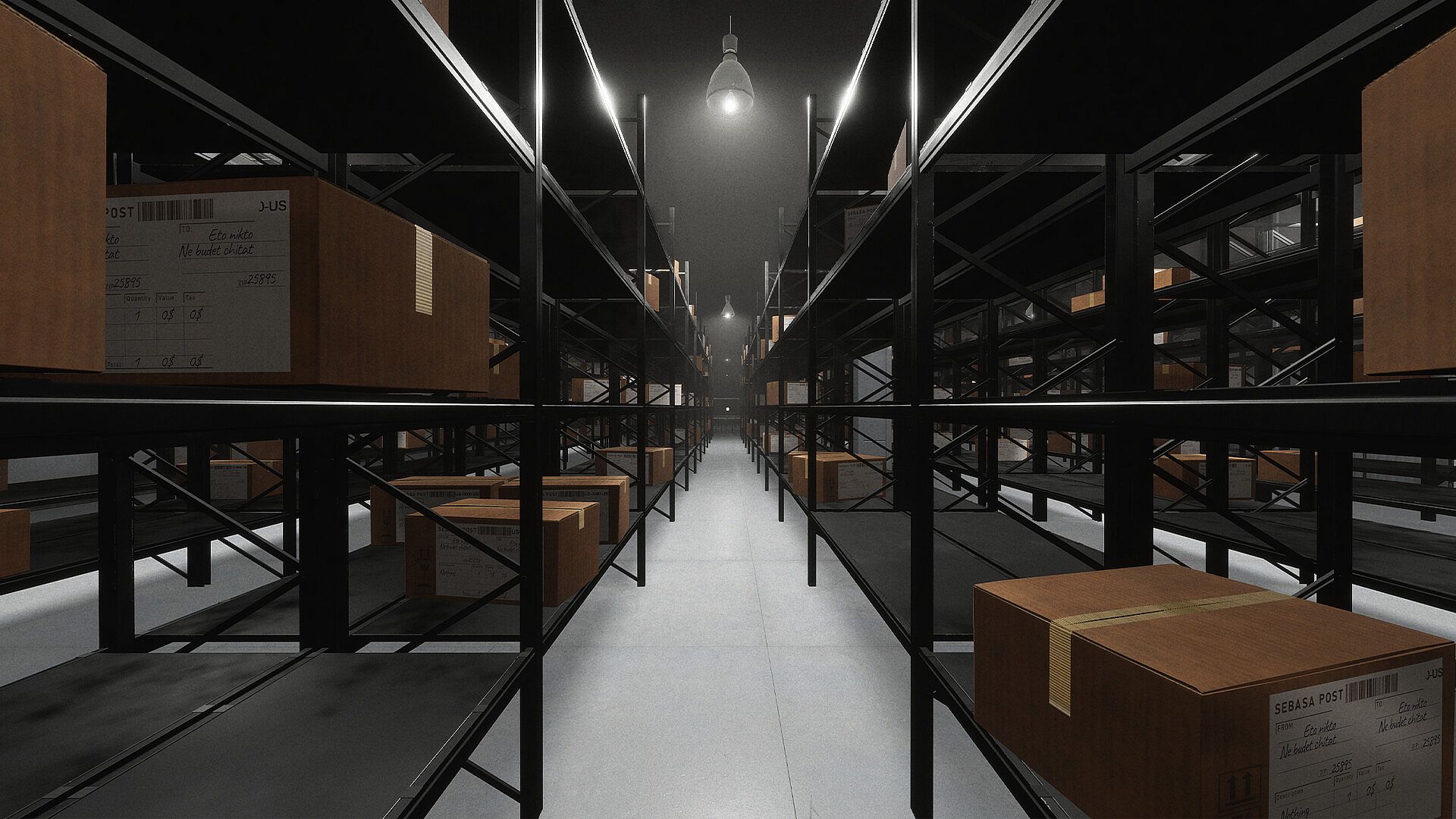
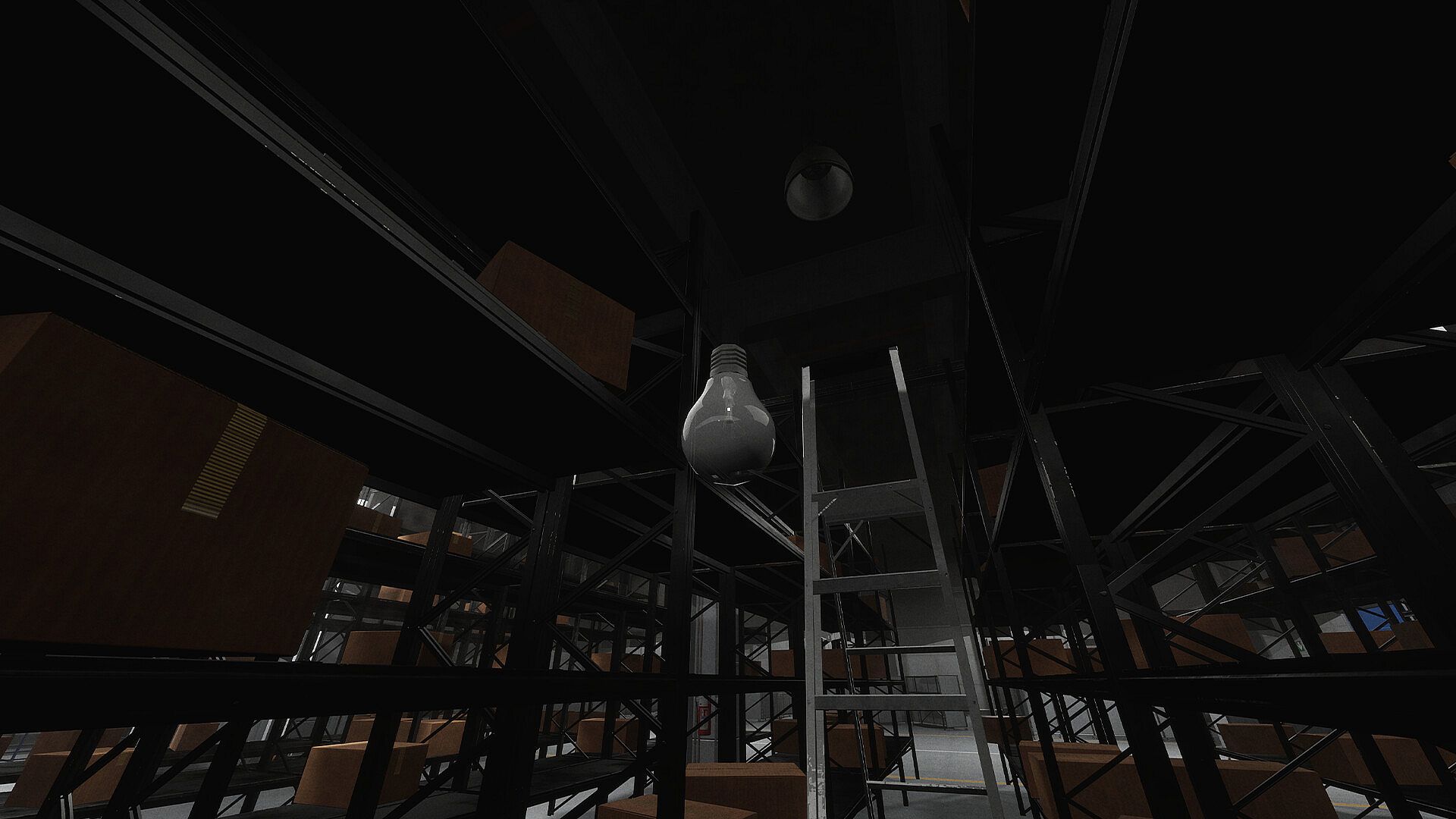
Poza rutynową obsługą paczek sam magazyn stanowi przestrzeń do interakcji, w której gracz może prowadzić dodatkowe poszukiwania. Sekrety ujawniają się podczas dokładnego przeszukiwania, a skrupulatność nagradzana jest nowymi informacjami wpływającymi na decyzje w kolejnych zmianach. Ten element pogłębia symulację, łącząc standardowe zadania kontrolne z możliwościami odkryć, które zmieniają trajektorię narracji.
Aspekt przygodowy nabiera znaczenia, gdy gracz zaczyna dostrzegać powiązania między zdarzeniami z różnych nocy. Fizyczne ślady z odrzuconych lub zgłoszonych przesyłek mogą prowadzić do szerszych tajemnic skrywanych przez obiekt, zachęcając do kolejnych podejść i eksploracji alternatywnych ścieżek bez zmiany podstawowych mechanik weryfikacji i podejmowania decyzji.
Czy warto zagrać?
Delivery Control przypadnie do gustu graczom ceniącym spokojną, opartą na kontroli rozgrywkę w zamkniętym otoczeniu. Porównywanie szczegółów, ważenie opcji i radzenie sobie z konsekwencjami decyzji tworzy stały rytm, który nagradza cierpliwość i spostrzegawczość. Osoby lubiące symulatory z lekkimi elementami przygodowymi i tajemniczymi wątkami znajdą w środowisku magazynu angażującą przestrzeń, która z każdą zmianą staje się coraz bardziej niepokojąca.
Gra jest dostępna na PC za pośrednictwem standardowych platform cyfrowych i w obecnym kształcie skupia się na opisanym systemie kontroli przesyłek oraz podejmowania decyzji. Osoby szukające dynamicznej akcji lub rozbudowanych funkcji wieloosobowych mogą uznać ten model za niewystarczający, natomiast fani klimatycznych narracji opartych na codziennych czynnościach z pewnością docenią narastające napięcie kolejnych nocy. Tytuł stanowi niszową pozycję w segmencie indie, przeznaczoną dla graczy preferujących metodyczne tempo i indywidualne decyzje.