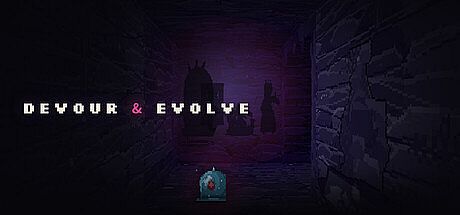


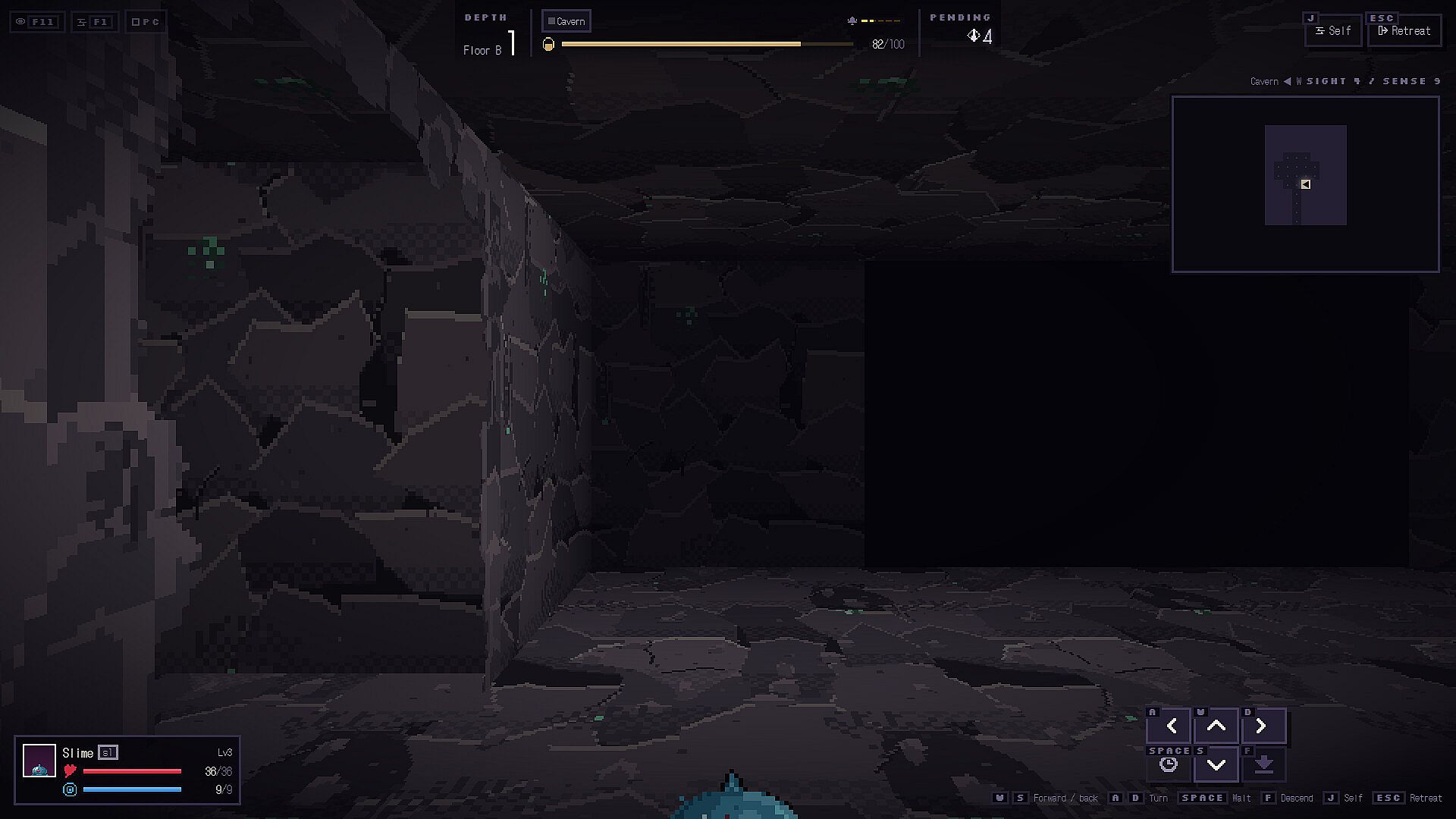

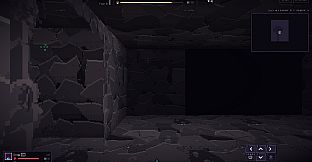
Devour & Evolve is a single-player turn-based roguelite RPG that places players in control of a monster navigating a first-person grid dungeon. The experience blends strategy, indie development sensibilities, RPG progression, and simulation elements through persistent bloodline mechanics and resource management across repeated runs.
Gameplay
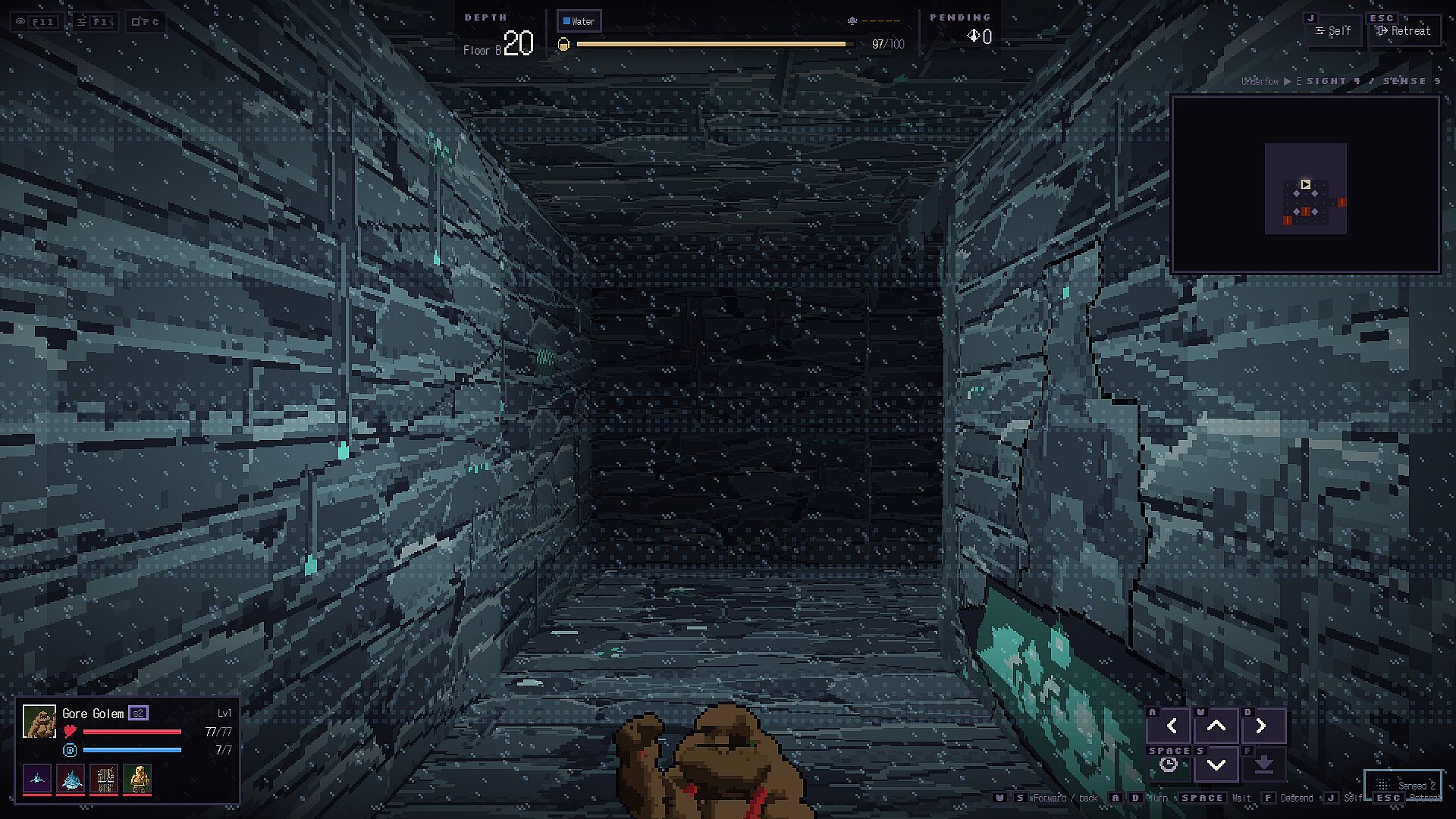
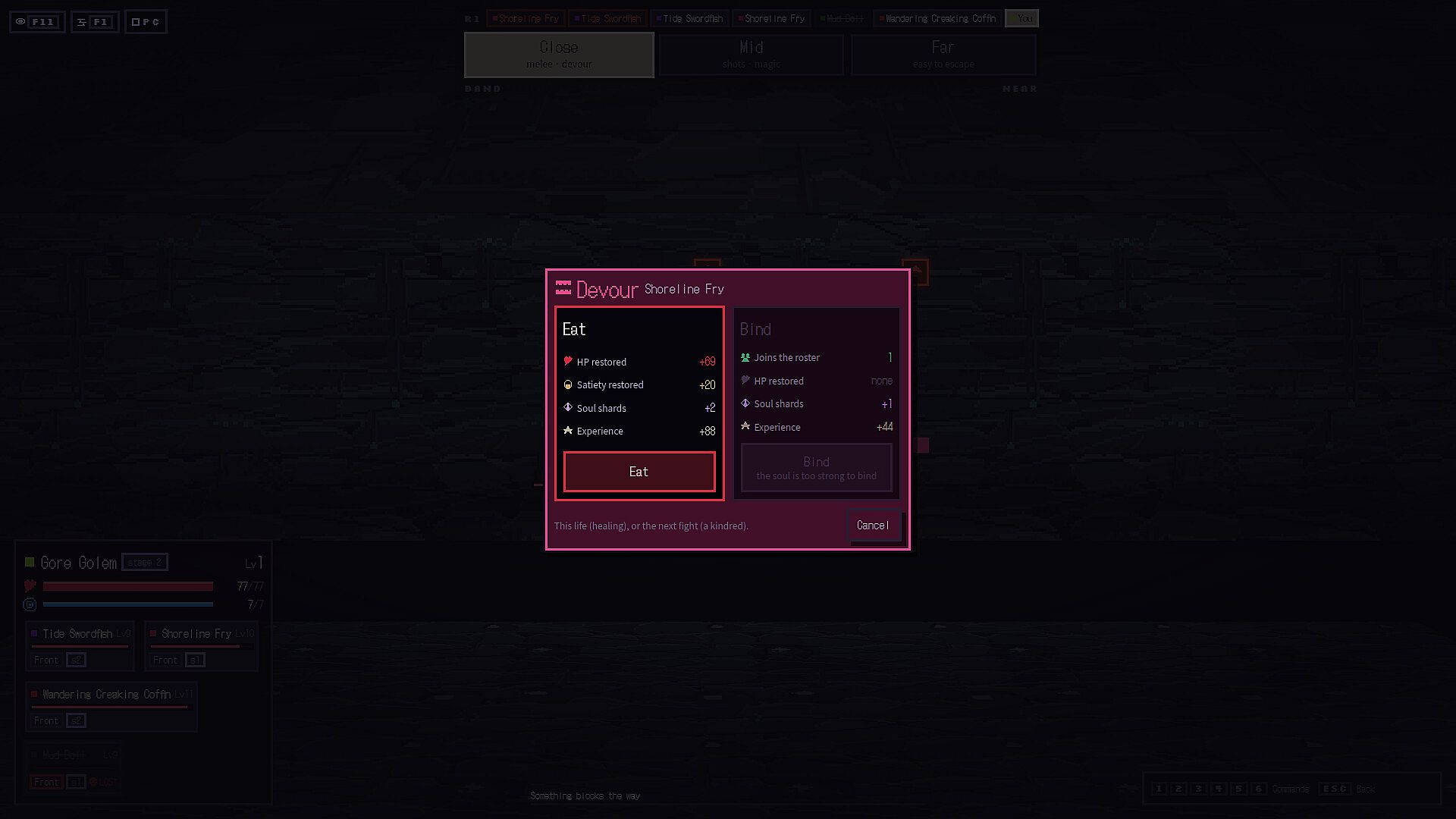
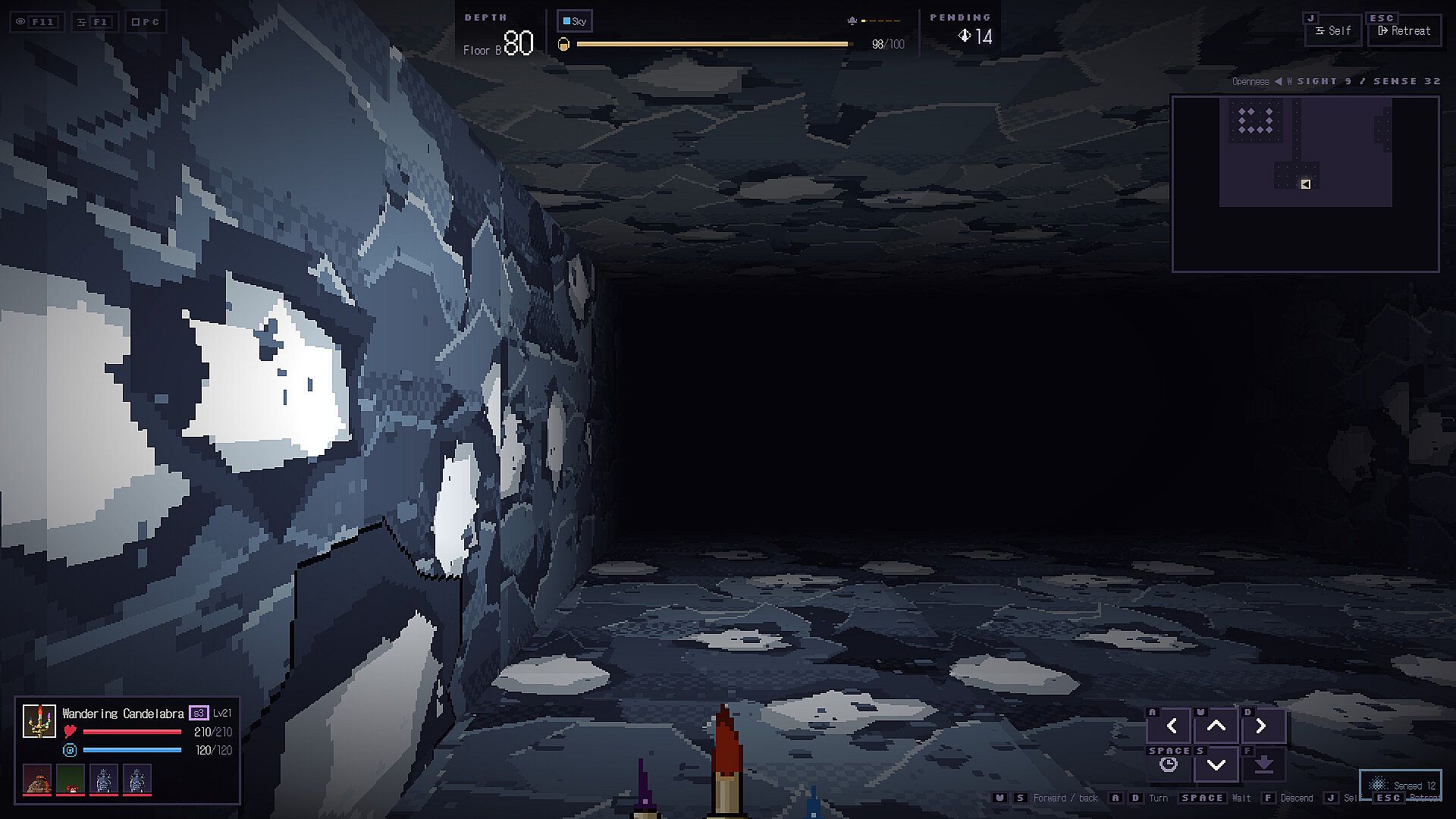
Exploration occurs on a grid layout viewed from the first person. Creatures encountered in the dungeon trigger command-style battles that factor in positioning, range, and row formations for both the player and opponents. Weakened foes present a binary decision: devour them to restore health, reduce hunger, and record their bloodline for future use, or bind them as kindred to expand the party without immediate recovery benefits. This irreversible choice shapes party composition and personal growth for that life.
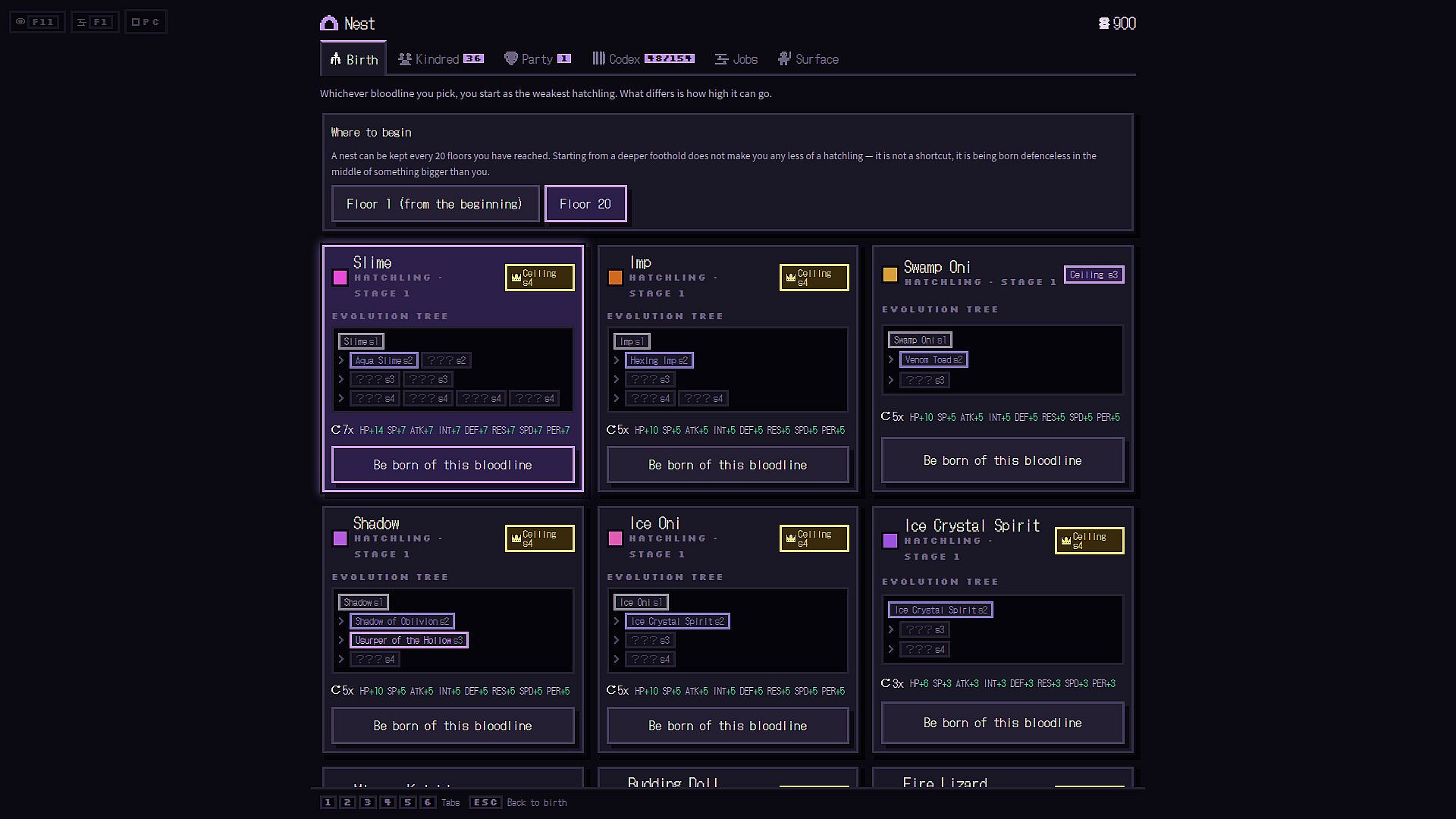
Bloodlines unlocked through devouring become selectable starting species in subsequent runs. Evolution paths stay concealed until specific conditions are fulfilled, encouraging repeated dives to expand the bestiary and unlock new branches. Organs harvested from creatures can be embedded to modify abilities, adding layers of customization to each body. Death discards the current form and any active kindred, yet collected blood and unlocked bloodlines carry forward, allowing the next life to begin as a hatchling. Kindred stored at the nest remain available for later recruitment via soul shards.
The dungeon deepens with stronger enemies at greater distances from the starting point. Wardens guard key depths, and new nests become available as progress advances. Automatic saving preserves overall advancement, though individual battles and prior decisions stay fixed once made. Pixel-art animations bring more than 100 creature species to life during encounters.
Game Modes
The game operates exclusively in single-player format with no online requirements. Each session consists of dungeon dives that emphasize strategic decision-making around devouring versus binding, formation management in battles, and long-term planning for bloodline and evolution unlocks. Persistence across deaths forms the core loop, where short-term losses in body and companions contrast with retained progress in blood and species availability. Players manage hunger, health, and party resources while deciding how to allocate limited recovery options during each run.
Exploration rewards careful mapping of grid layouts and anticipation of enemy placements at varying depths. Establishing nests and confronting wardens serve as milestones that open further areas without altering the fundamental single-player structure. The absence of rewind options heightens the weight of choices made in combat and recruitment.
Core Systems and Progression
Turn-based command combat integrates range and formation rules to create tactical depth within each encounter. Species selection at the start of a new life draws from previously devoured bloodlines, allowing players to experiment with different monster archetypes over multiple attempts. Embedded organs provide targeted ability adjustments that complement the evolution tree hidden behind specific requirements.
Resource loops center on hunger management through devouring, party expansion via binding, and persistent unlocks that reward consistent exploration. The grid-based movement and automatic saving support focused dives without external dependencies, keeping all mechanics contained within the single-player experience.
Is It Worth Playing?
Devour & Evolve targets players who enjoy roguelite structures with persistent meta-progression, turn-based tactical combat, and monster-evolution themes. The bloodline and kindred systems create meaningful trade-offs that influence how each dive unfolds, while the grid dungeon and formation battles reward deliberate planning. With a planned release in Q4 2026 and no user reviews available yet, the title stands as an upcoming option for those seeking a contained single-player RPG that emphasizes repeated runs and incremental bestiary completion over immediate high-stakes action.
The feature set, including more than 100 pixel-art creatures and offline play, aligns with preferences for strategy-heavy indie titles that build depth through multiple lives rather than one continuous campaign. Individuals drawn to simulation-style customization via organs and hidden evolution branches may find the persistent elements particularly engaging once the game launches.