


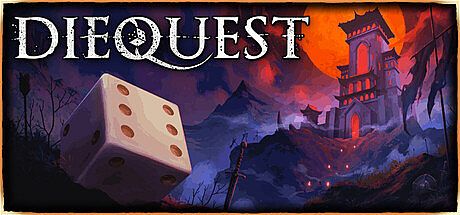


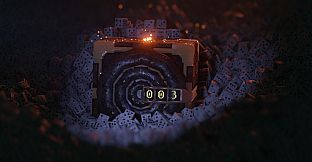
DieQuest is an autobattling dice roguelike that blends strategy, indie development, and RPG progression on PC. Players select a hero and attempt a climb through ten fights with only two lives, building and rolling collections of dice to overcome enemies while managing resources between battles.
Gameplay
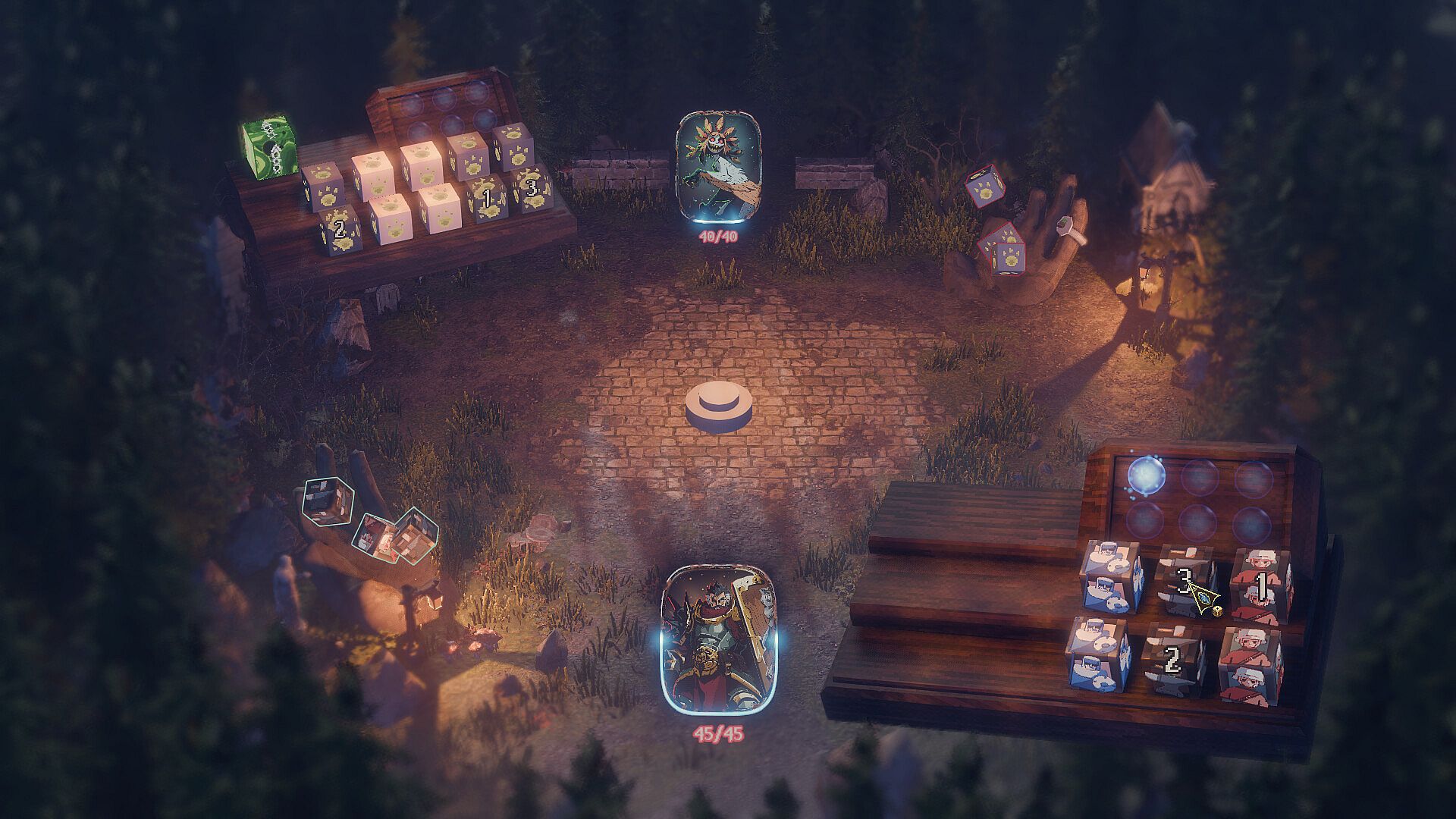
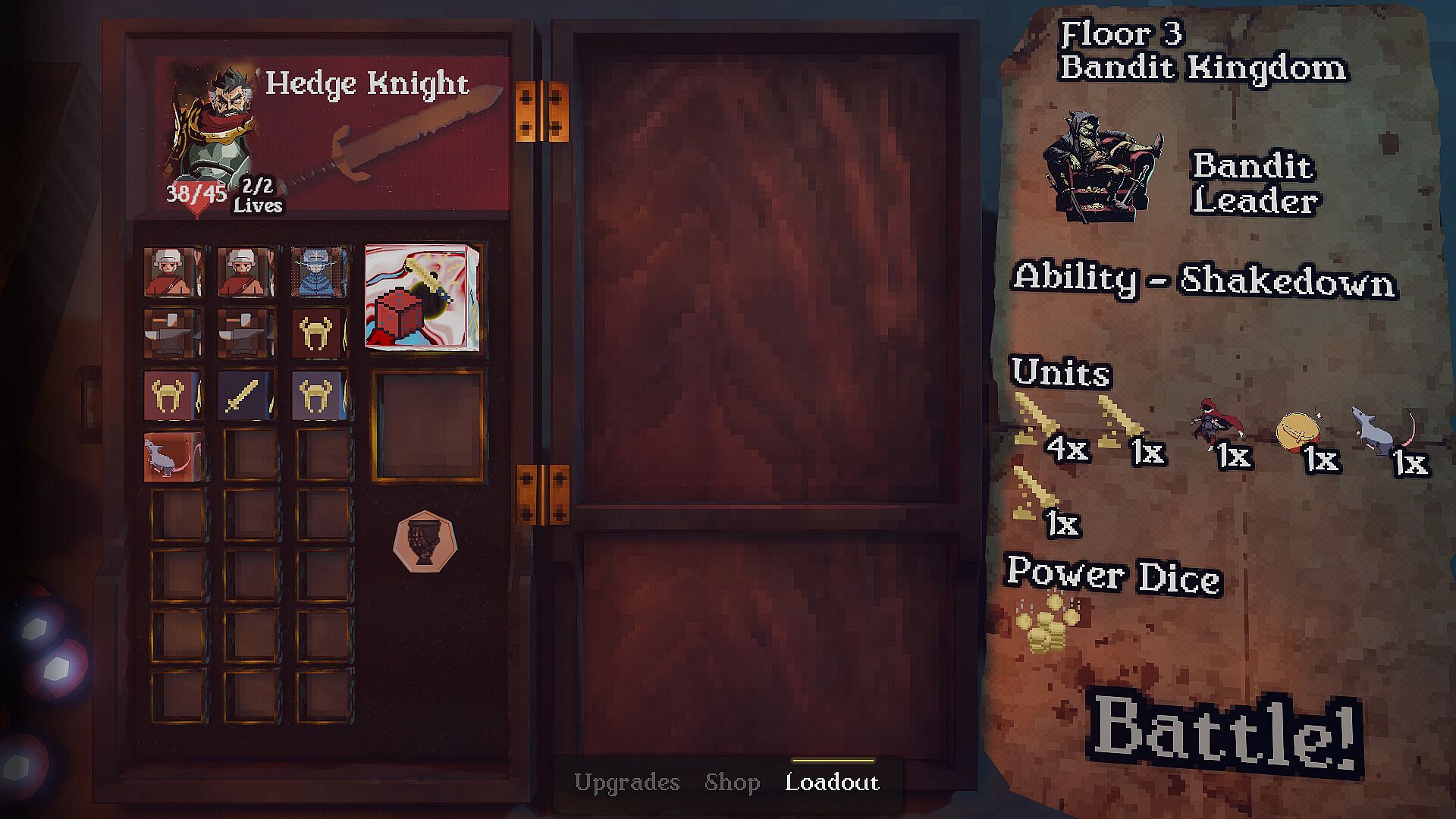
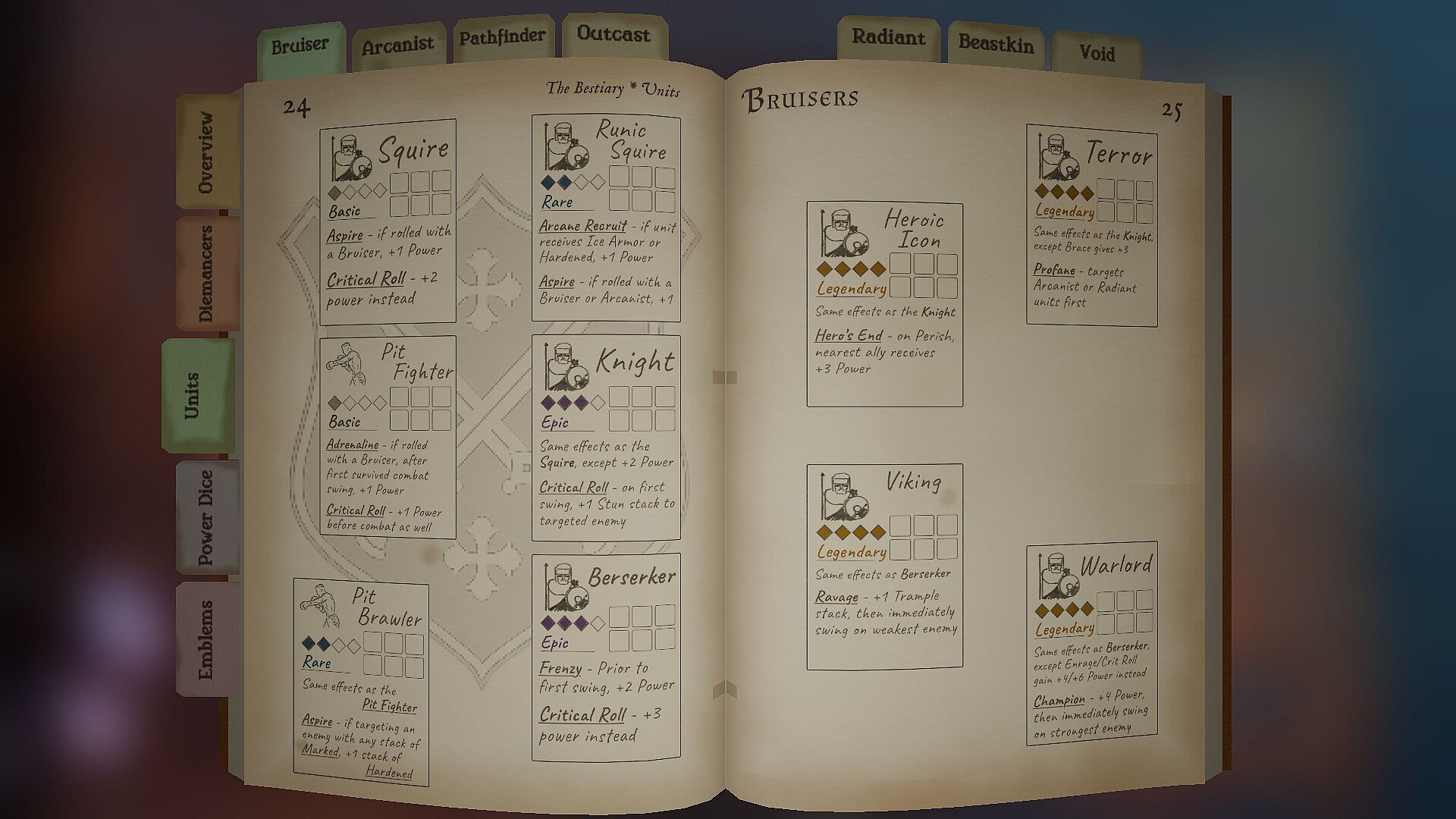
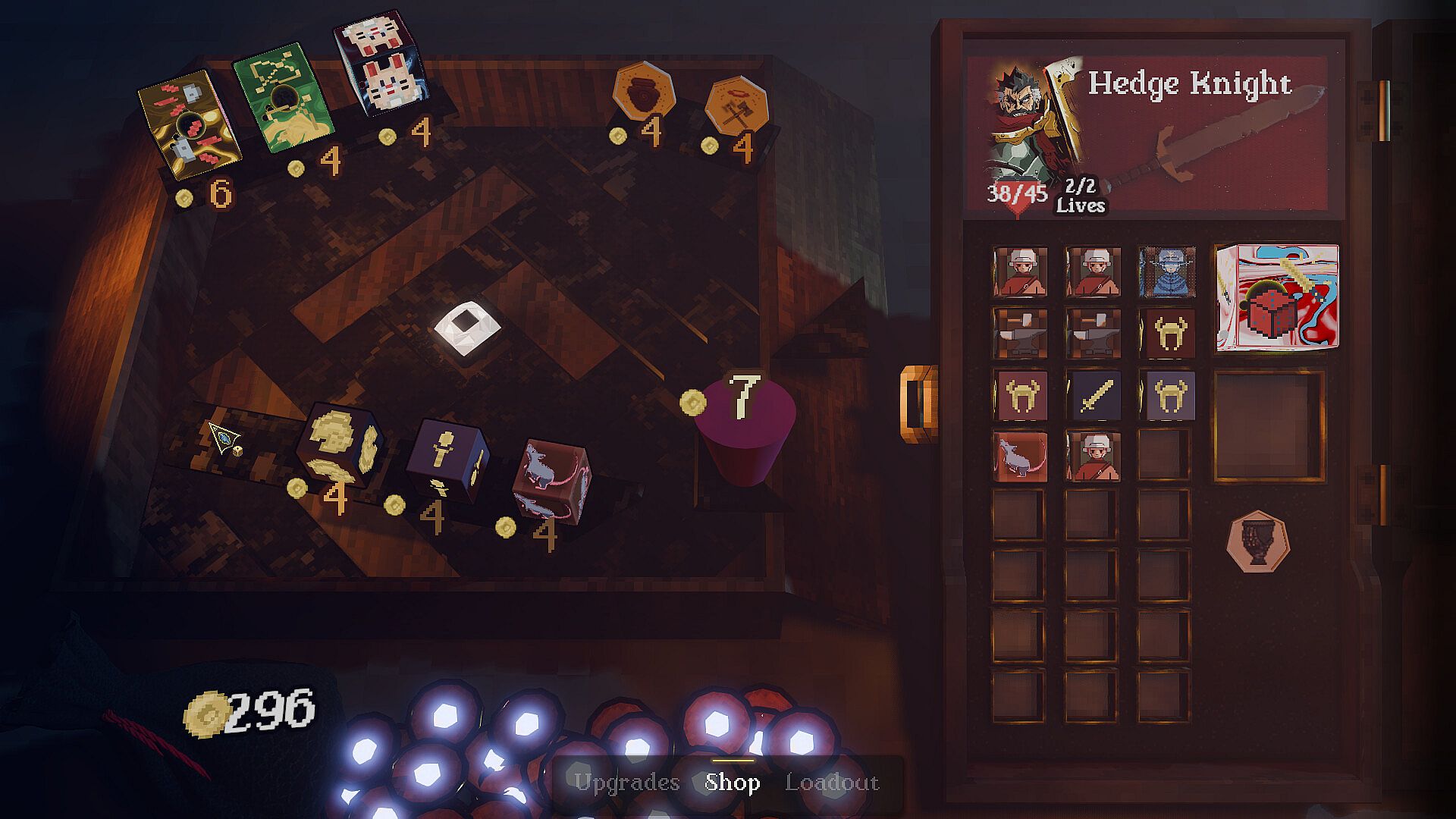
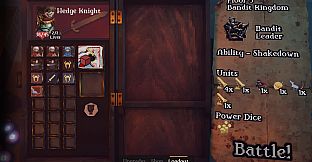
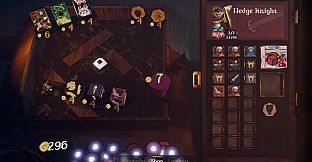
The core loop centers on dice composition and physics-based rolls. Each run begins with a small set of starting dice drawn from seven families. As fights progress, players unlock additional options and visit a shop to prepare for the next encounter. At the anvil, dice evolve from basic units into more powerful forms, opening access to passives and abilities that can salvage poor rolls or amplify strong ones. Gold management adds tension, as players decide whether to spend immediately or save for bigger upgrades later in the run.
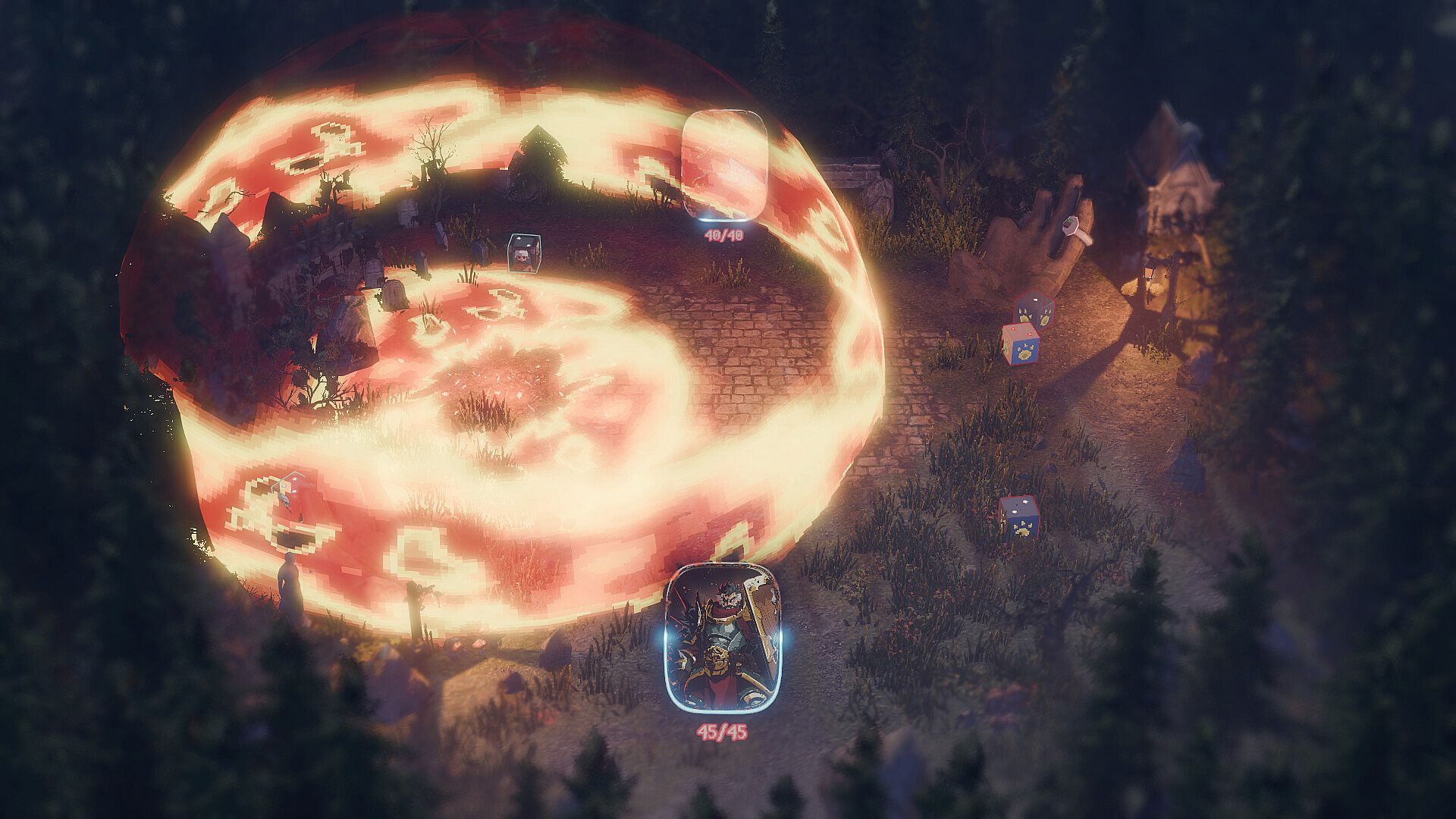
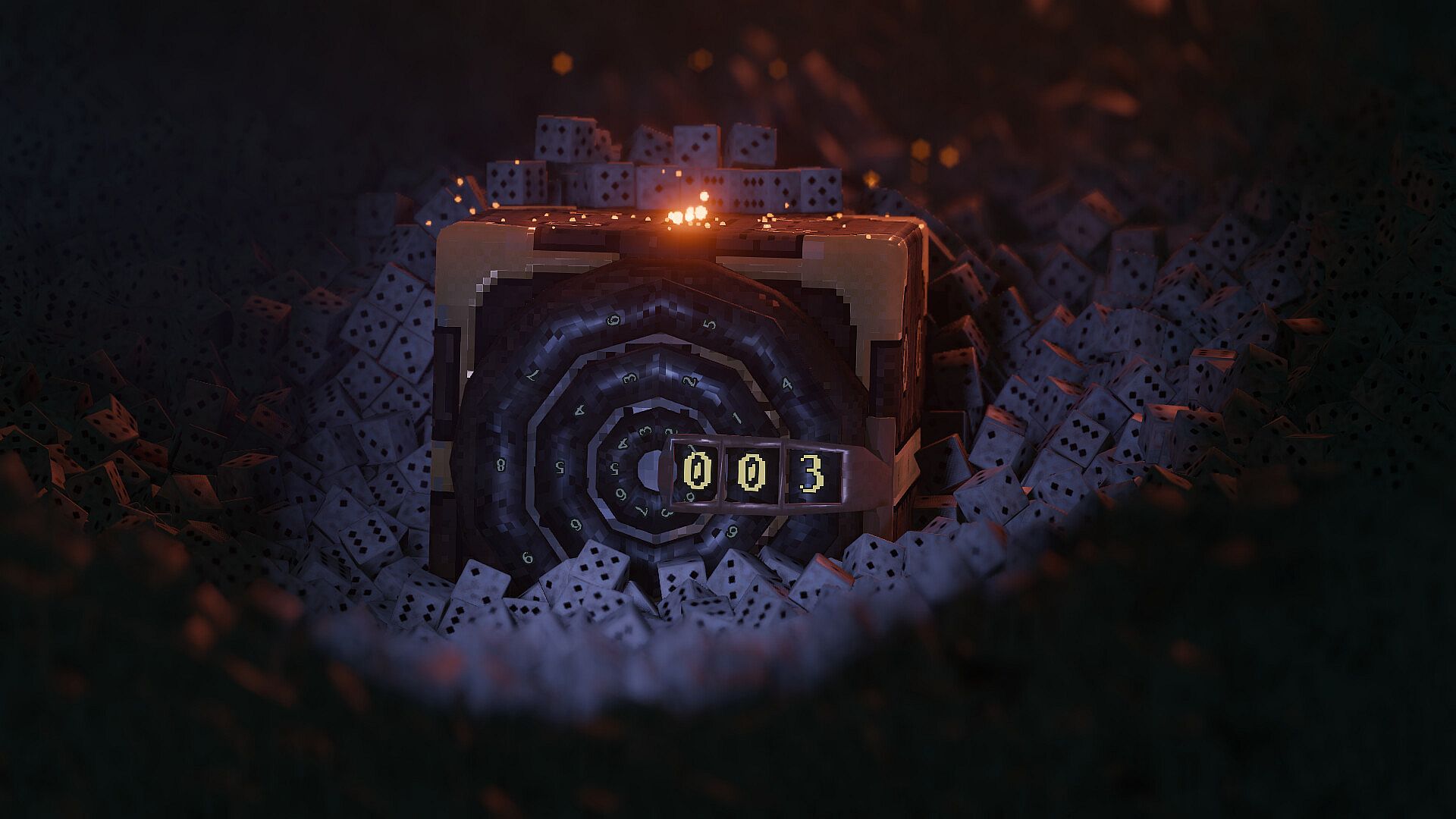
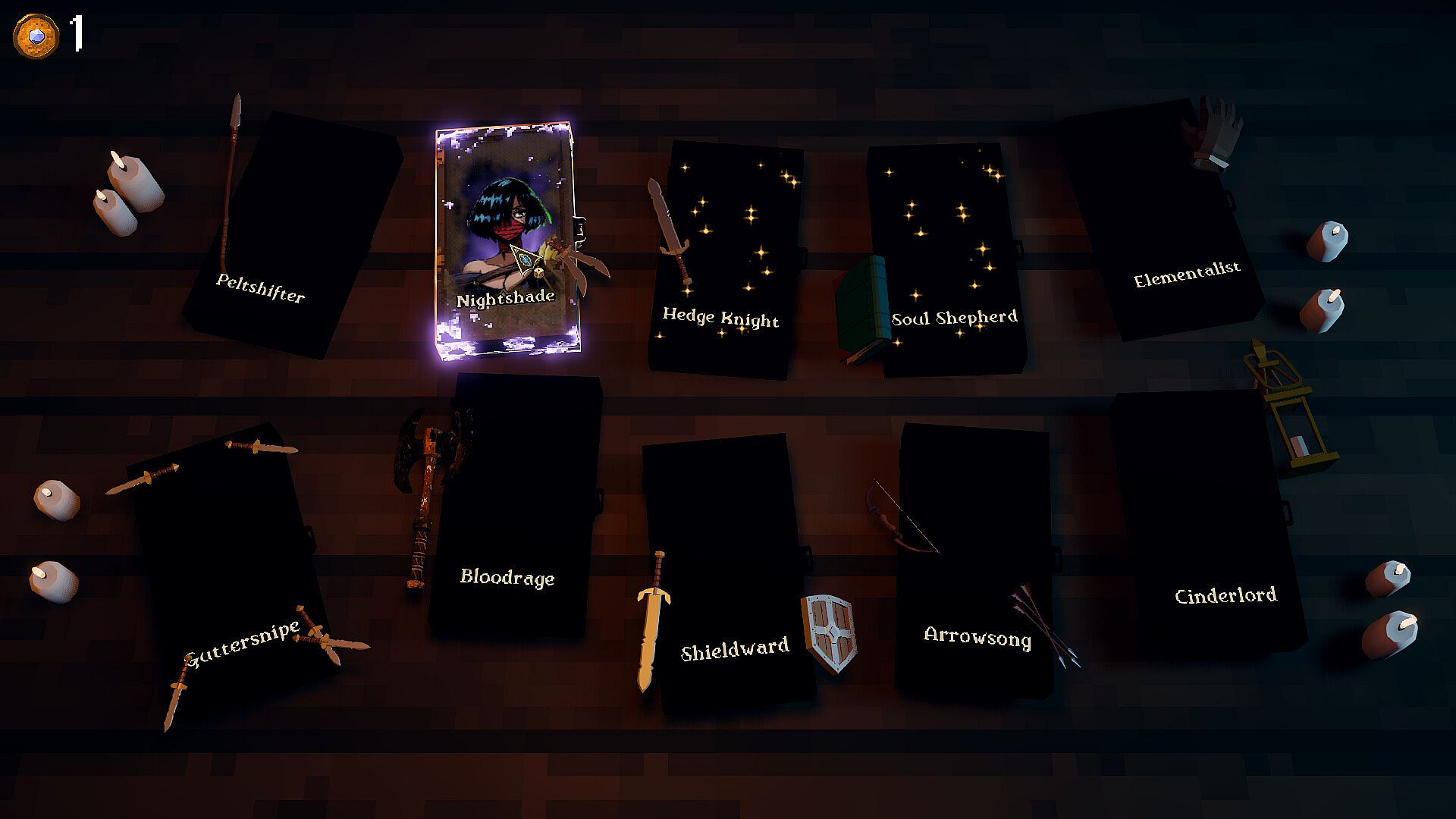
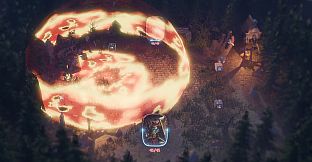
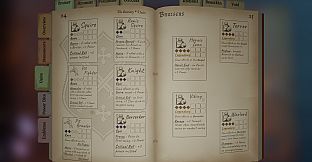
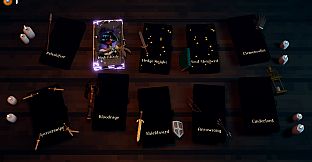
Over 200 dice provide billions of potential combinations when slotted into a dicebox. Fifty power dice introduce visually striking effects that bend outcomes in specific ways. Forty cup emblems function as relics slotted into rings, allowing effects to stack and interact during throws. Ten heroes each bring signature dice and abilities that shape starting strategies and long-term builds. Sixty unique enemies appear across runs, demanding adaptation in dice selection and positioning.
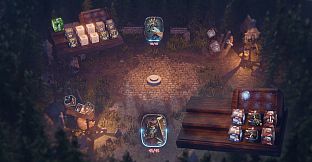
Battles unfold on tabletop dioramas rendered in a distinctive 3D style that encourages interaction with the environment. An original soundtrack of more than twenty tracks, composed by Michael Hensley, responds dynamically to gameplay events and maintains momentum through the tower climb. Narrative threads about the Mage and the tower wings unfold gradually through repeated ascents.
Game Modes
DieQuest operates as a single-player roguelike experience focused on repeated runs through the Mage's Tower. Each attempt follows the same structure of ten fights with limited lives, emphasizing dice building, shop decisions, and anvil upgrades. The design supports experimentation across different hero starts and dice families without branching into separate competitive or cooperative formats at launch.
Progression ties directly to run performance. Successful climbs unlock new heroes, dice options, and emblems for future attempts. The system rewards careful resource allocation and adaptation to enemy matchups rather than fixed campaigns or versus play. Remote Play Together support exists for shared viewing, though the underlying systems remain single-player oriented.
Progression and Customization
Hero selection influences early dice access and ability options, while the anvil system allows ongoing evolution of the dice collection. Players craft loadouts that balance reliable units with high-risk, high-reward power dice. Cup emblems add another layer by combining relic effects across multiple throws. The result is a deep buildcrafting loop where small changes in composition can shift outcomes dramatically due to the physics simulation.
The tower itself changes between runs through different wings and enemy arrangements. This variability, combined with the two-life limit, keeps each climb distinct even after multiple completions. Lore elements surface naturally during exploration and combat, revealing more about the central mystery without requiring separate story modes.
Is It Worth Playing?
DieQuest targets players who enjoy dice-driven strategy and roguelike runs where every decision compounds over a short series of fights. The Early Access version arrives content-complete with the full roster of dice, heroes, enemies, and systems described above, with the development period focused on balance adjustments, art polish, and potential additions based on feedback. Performance targets Steam Deck at stable frame rates, and the game runs on a range of hardware through Vulkan support.
Those drawn to physics-influenced dice rolls, incremental evolution of units, and atmospheric presentation will find a focused experience here. The absence of user reviews at this stage means expectations should center on the documented features rather than polished post-launch metrics. Players comfortable with roguelike repetition and the inherent variance of dice outcomes stand to gain the most from experimenting with the billions of dice combinations available.












