


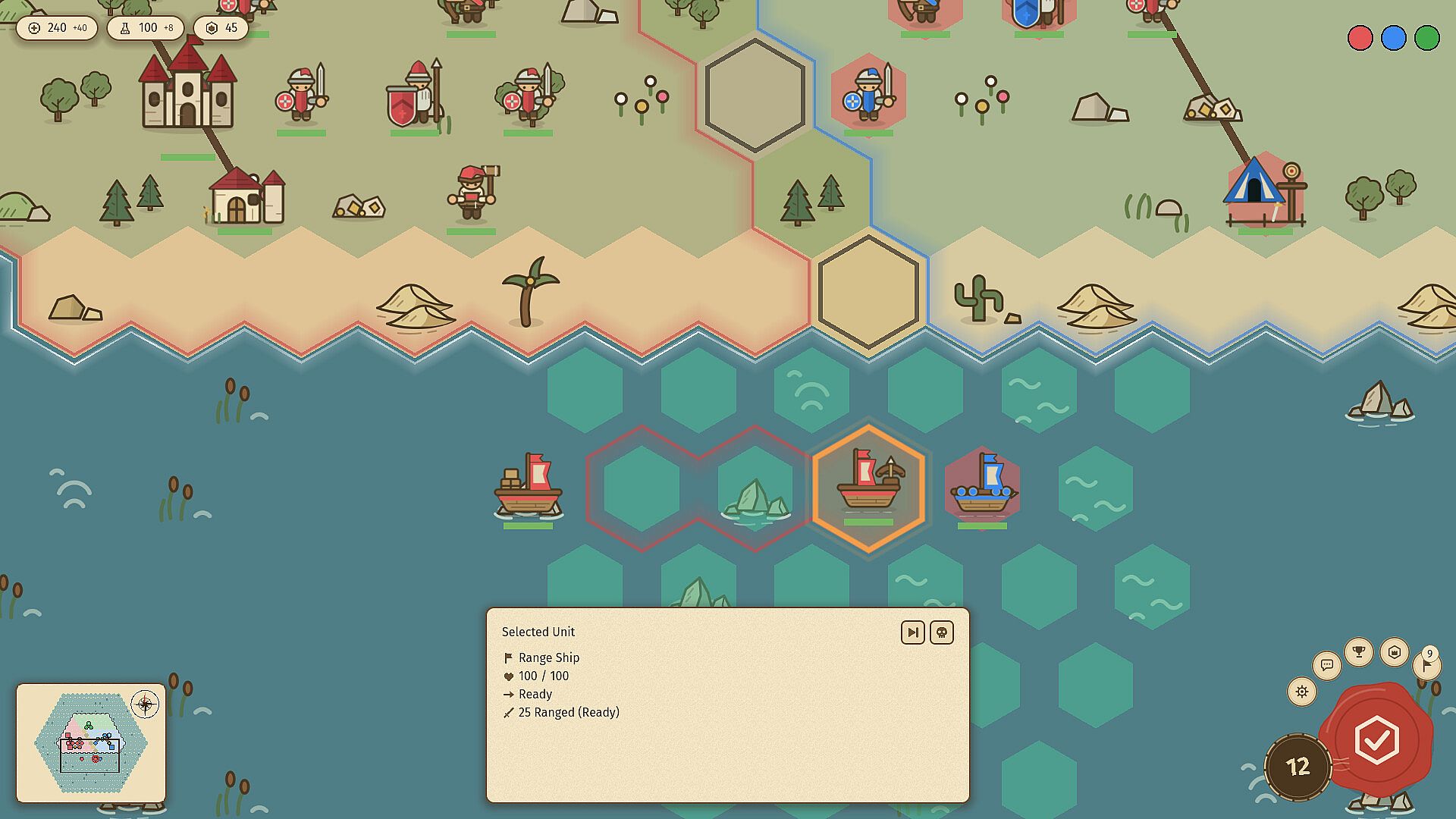
Diplomacy, or Else! is a turn-based hex strategy game built around negotiation as the central mechanic. Players compete on procedurally generated maps for territory, armies, gold, and scientific progress while forging or breaking agreements that the game enforces directly. The title emphasizes that every composed phrase carries weight, turning conversations into binding moves that influence the entire match.
Gameplay
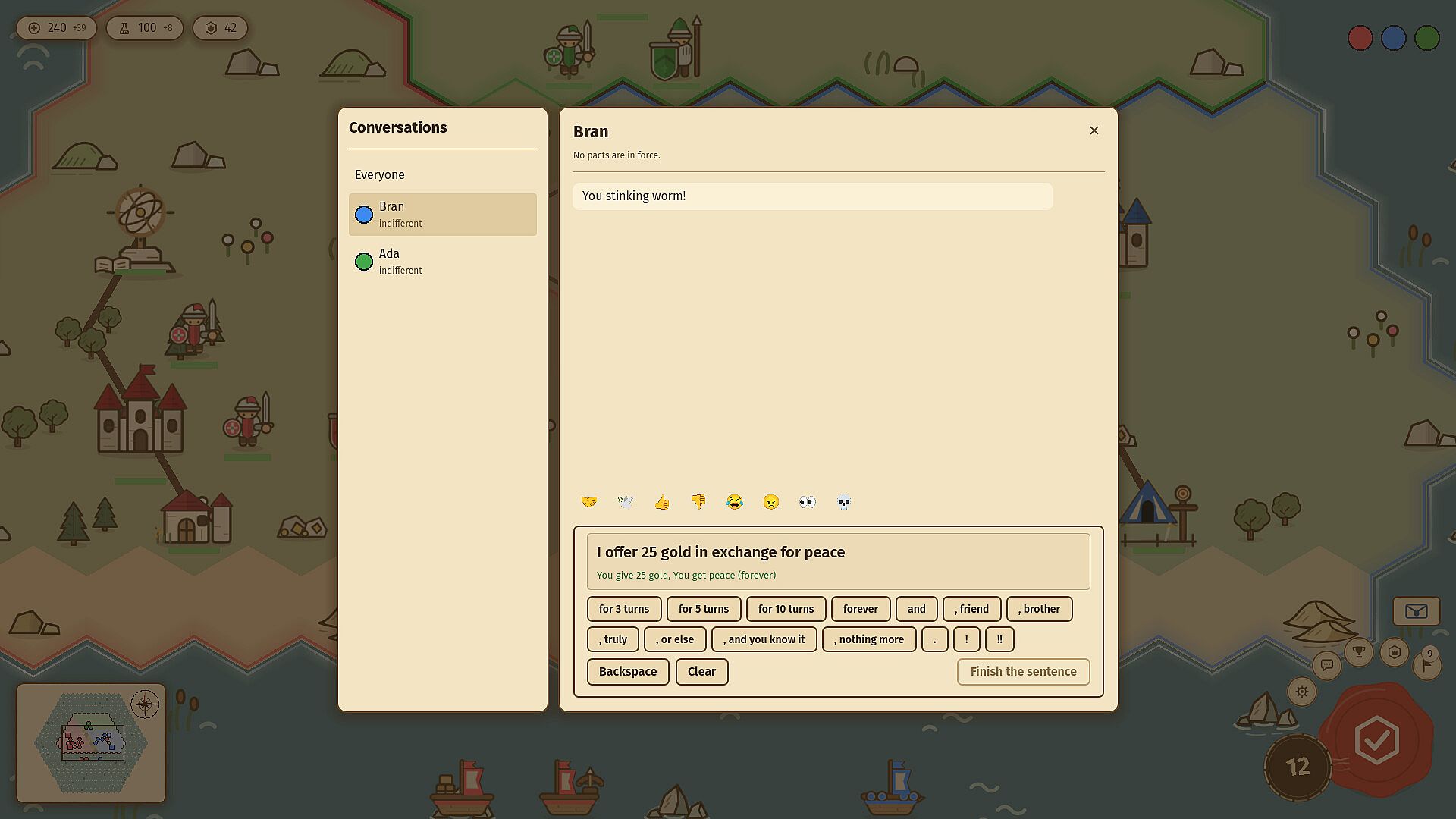
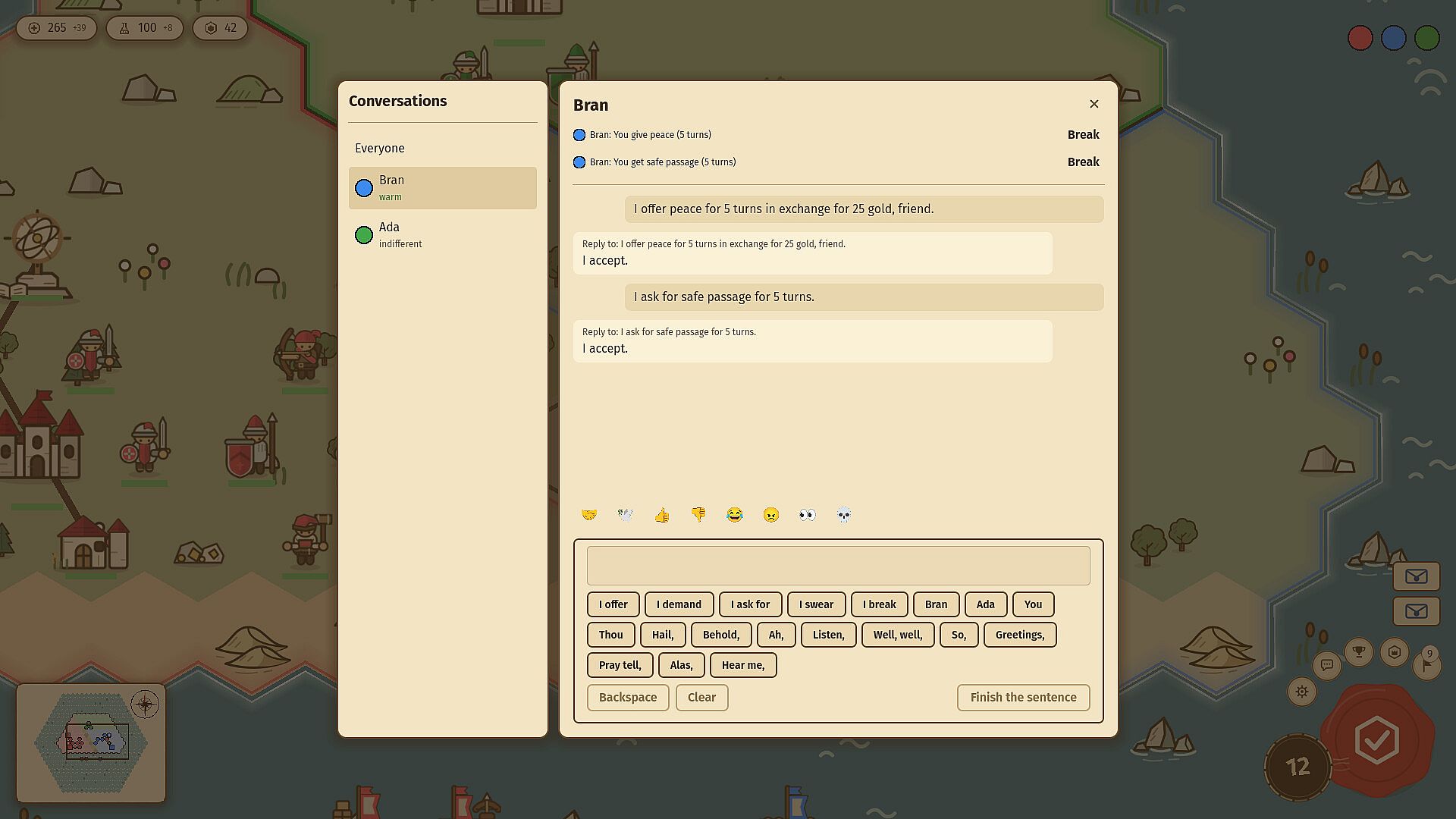
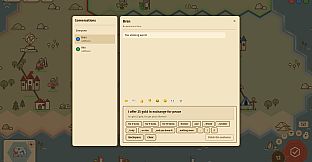
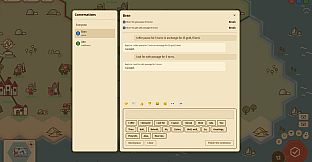
Core play revolves around composing sentences word by word from a shared lexicon rather than free typing. Options include offers, demands, requests, oaths, or declarations to break prior commitments. These phrases cover truces, non-aggression pacts, safe passage rights, shared vision, gold transfers, tribute, or even technology gifts, each lasting a set number of turns or indefinitely. Once accepted, the pact becomes active and the game tracks compliance automatically. Consistent adherence improves a player's standing with others, while violations leave lasting memory among all participants.
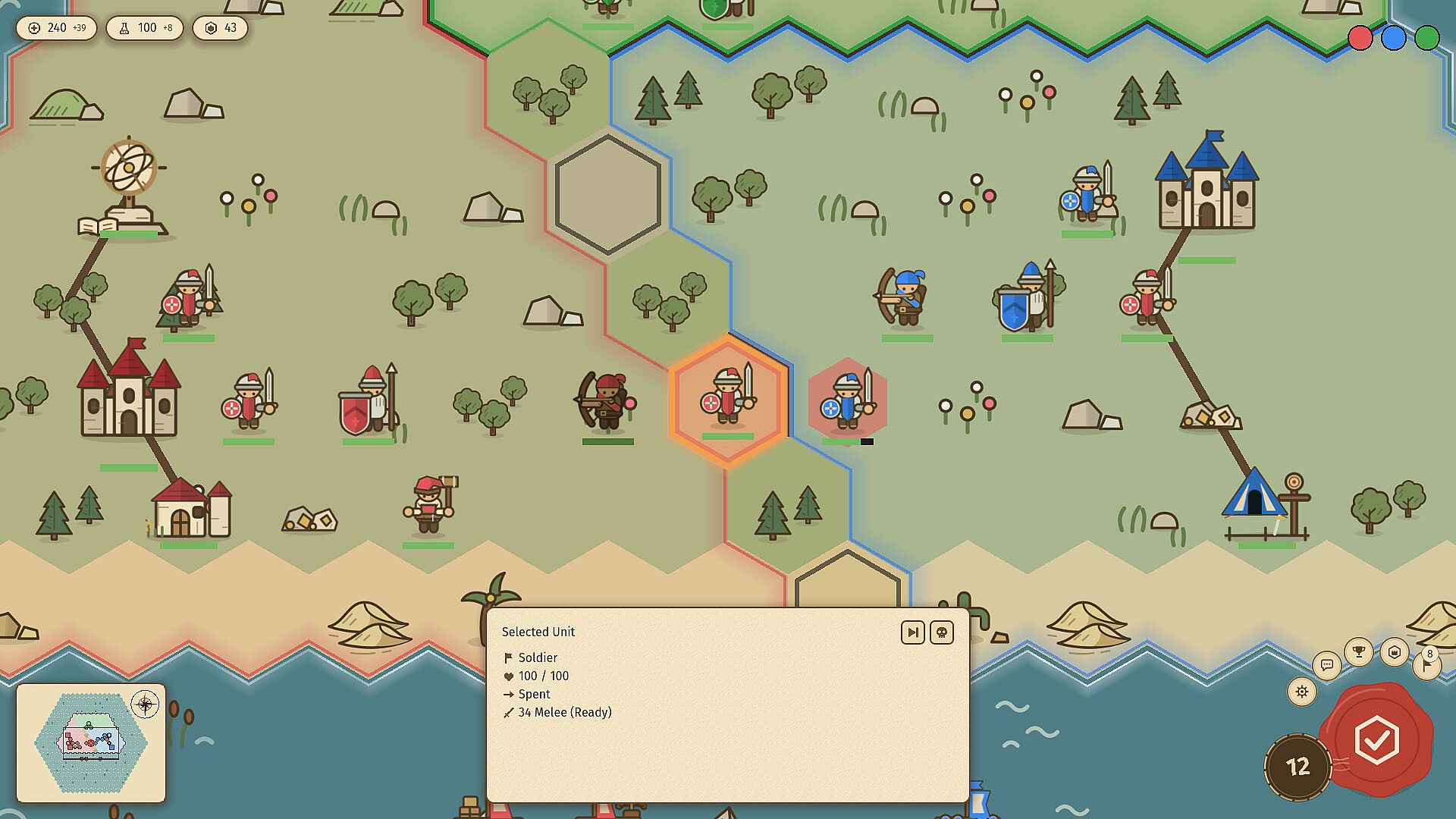
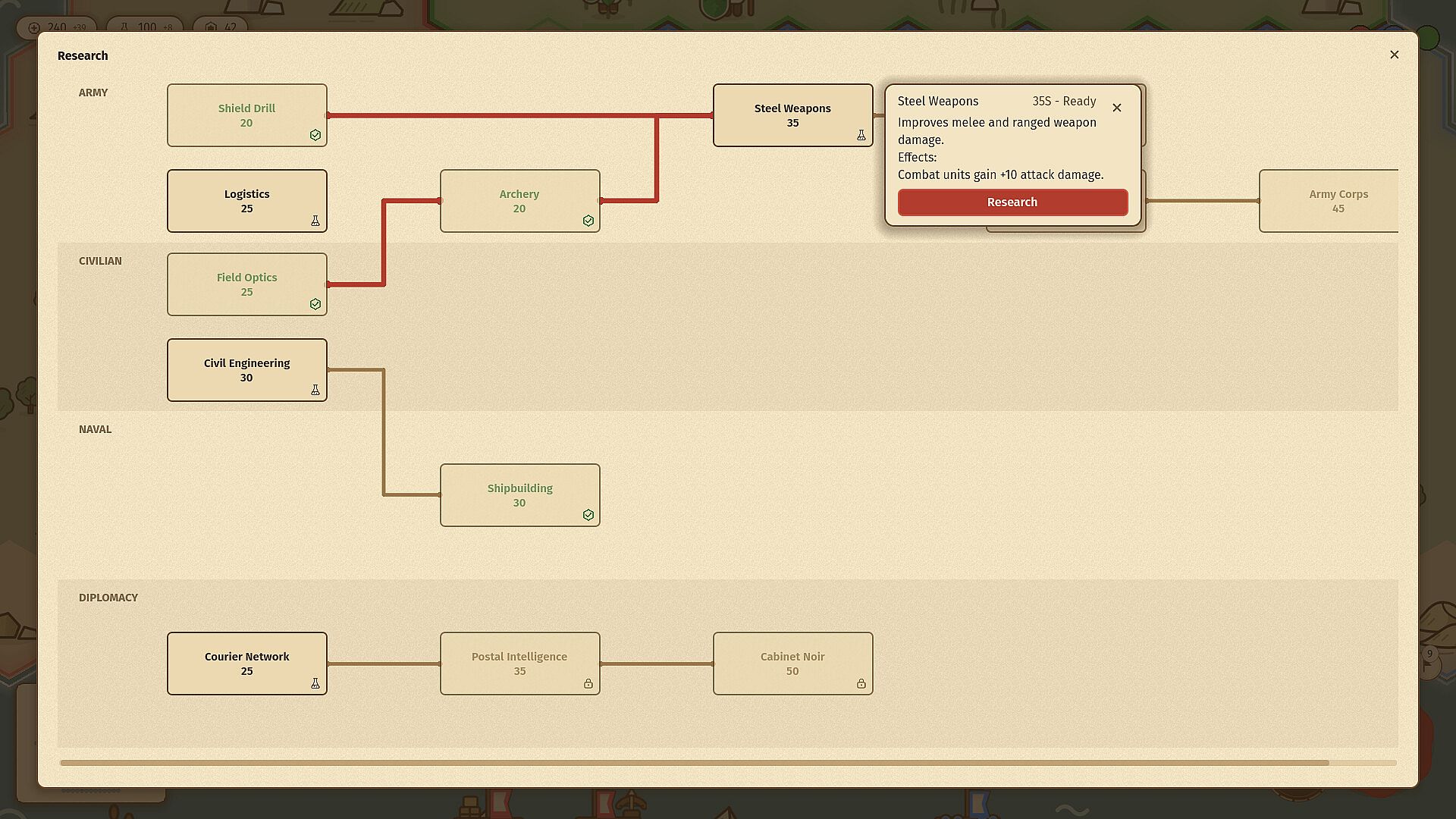
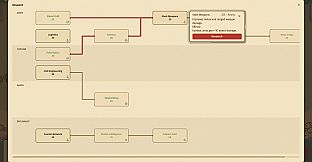
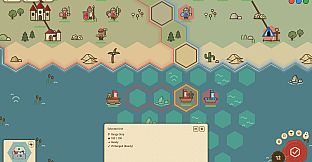
Communication occurs through sealed envelopes delivered privately to each rival or via a public channel for table-wide announcements. Emotes add punctuation to messages. An espionage technology line unlocks additional intelligence tools, such as revealing who is writing to whom or even intercepting letter contents. Maps feature configurable size and water coverage, fog of war, and optional control points that can be contested. Units include land forces like soldiers, guards, archers, and builders alongside naval warships and transports. Structures such as forts, farms, training grounds, shipyards, gold mines, and science sites are placed directly on tiles. Research covers army, civilian, naval, and diplomacy branches, with deterministic combat that resolves without random rolls and includes counterattacks from surviving units in range.
Game Modes
Victory conditions track progress on a dedicated ledger and include several distinct paths. Standard military routes involve holding control points, capturing an enemy headquarters, or eliminating all opponents until only one remains. Two alternative routes reward diplomatic or territorial dominance instead. The Diplomacy victory requires every surviving player to swear everlasting peace with one another and maintain that state for ten turns to share the win. The Dominion route awards victory to the largest realm after fifty turns without any battles occurring, with ties sharing the crown.
Matches support two to six participants in any combination of human players and bots. Solo play pits one person against computer opponents, while local hotseat allows multiple people at the same device. Online sessions use direct IP connections or Steam invites, with simultaneous turns for human participants who mark readiness when finished. Bots operate at three difficulty levels and follow the same diplomacy system as humans. Saved matches preserve seats, active pacts, and full conversation history for later resumption. Pacts function on meaning across languages, so a player writing in one language binds the same oath when read in another.
Diplomacy System and Map Design
The negotiation layer integrates tightly with military and economic systems. Every agreement carries enforceable consequences, and espionage research adds layers of information warfare that can reveal hidden communications or intentions. Hex-based maps emphasize positioning and resource placement, with water coverage affecting naval movement and land battles. Players build infrastructure tile by tile while researching technologies that expand options in combat, production, or further diplomacy. The absence of random elements in combat keeps outcomes predictable based on unit positioning and surviving forces.
Is It Worth Playing?
This title suits players who enjoy deep strategic planning combined with interpersonal negotiation in a multiplayer or bot-supported setting. The emphasis on composing precise phrases from a lexicon creates a unique layer of expression and risk that standard strategy games rarely feature. Support for mixed human and bot tables, cross-language pacts, and multiple victory routes broadens accessibility for different group sizes and preferences. Because the game remains in a pre-release state with no player reviews available yet, prospective buyers should weigh the described mechanics against their interest in turn-based hex strategy focused on enforced agreements and standing. Those drawn to games where words directly shape territory control and alliances will find the core loop distinctive and replayable through varied map configurations and opponent mixes.