












Dreamcore: Liminal Spaces is an indie adventure walking simulator that places players in vast, surreal environments built around the liminal spaces aesthetic. Developed as a psychological exploration experience, the game emphasizes atmosphere and disorientation over action or narrative. Players navigate first-person through enormous, interconnected areas that blend familiar architecture with impossible layouts, all viewed through a VHS-style camera filter that adds analog distortion and flickering effects.
Gameplay
The core loop centers on patient observation and navigation. Movement includes walking, running, and crouching, with the ability to zoom the view for closer inspection of details. Occasional interactions involve picking up a flashlight or pressing buttons, but these serve mainly as subtle progression aids rather than complex systems. Sound design plays a key role, with echoing footsteps, distant drips, and ambient tones guiding or misleading the player through looping corridors and shifting spaces.
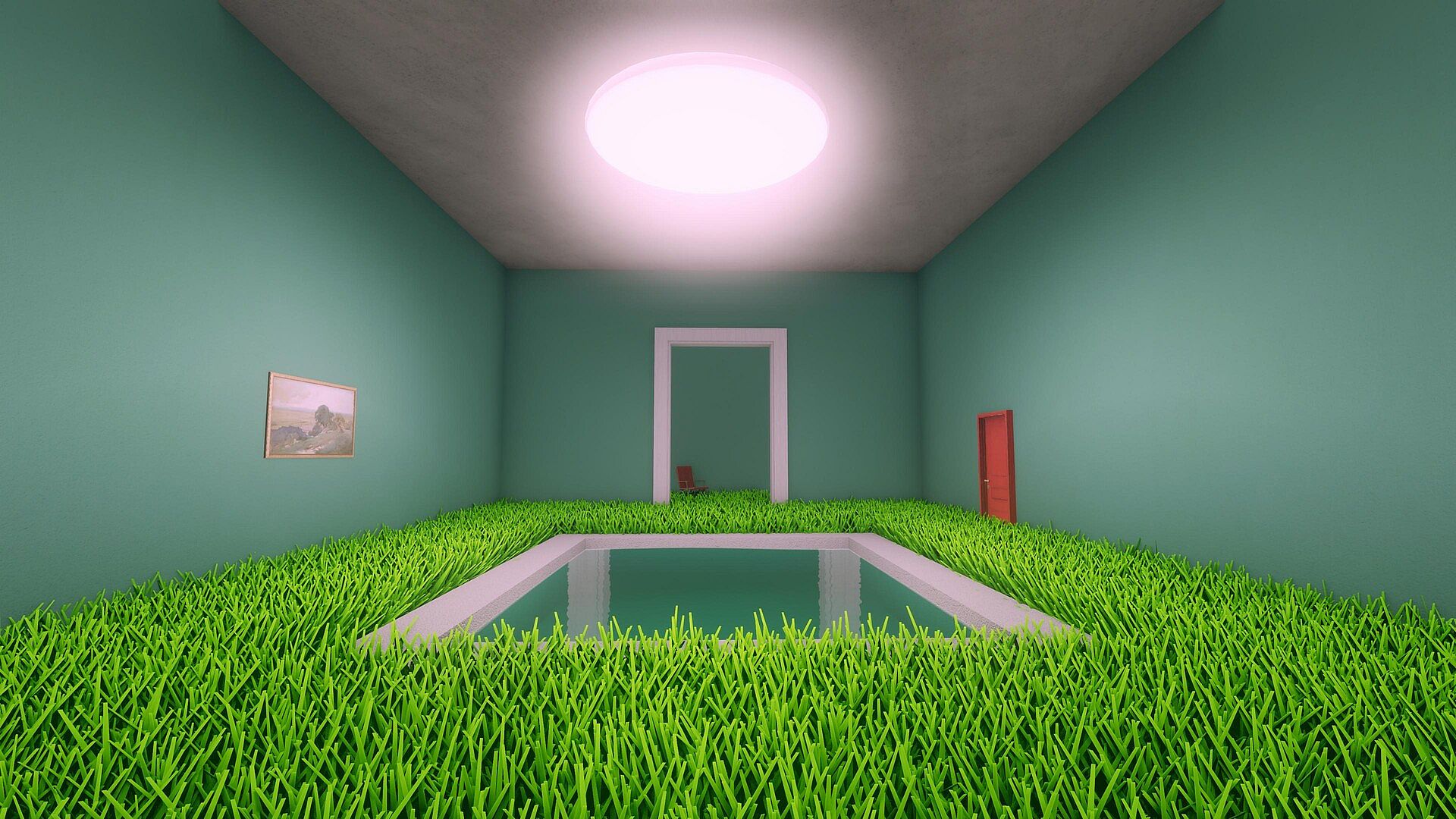
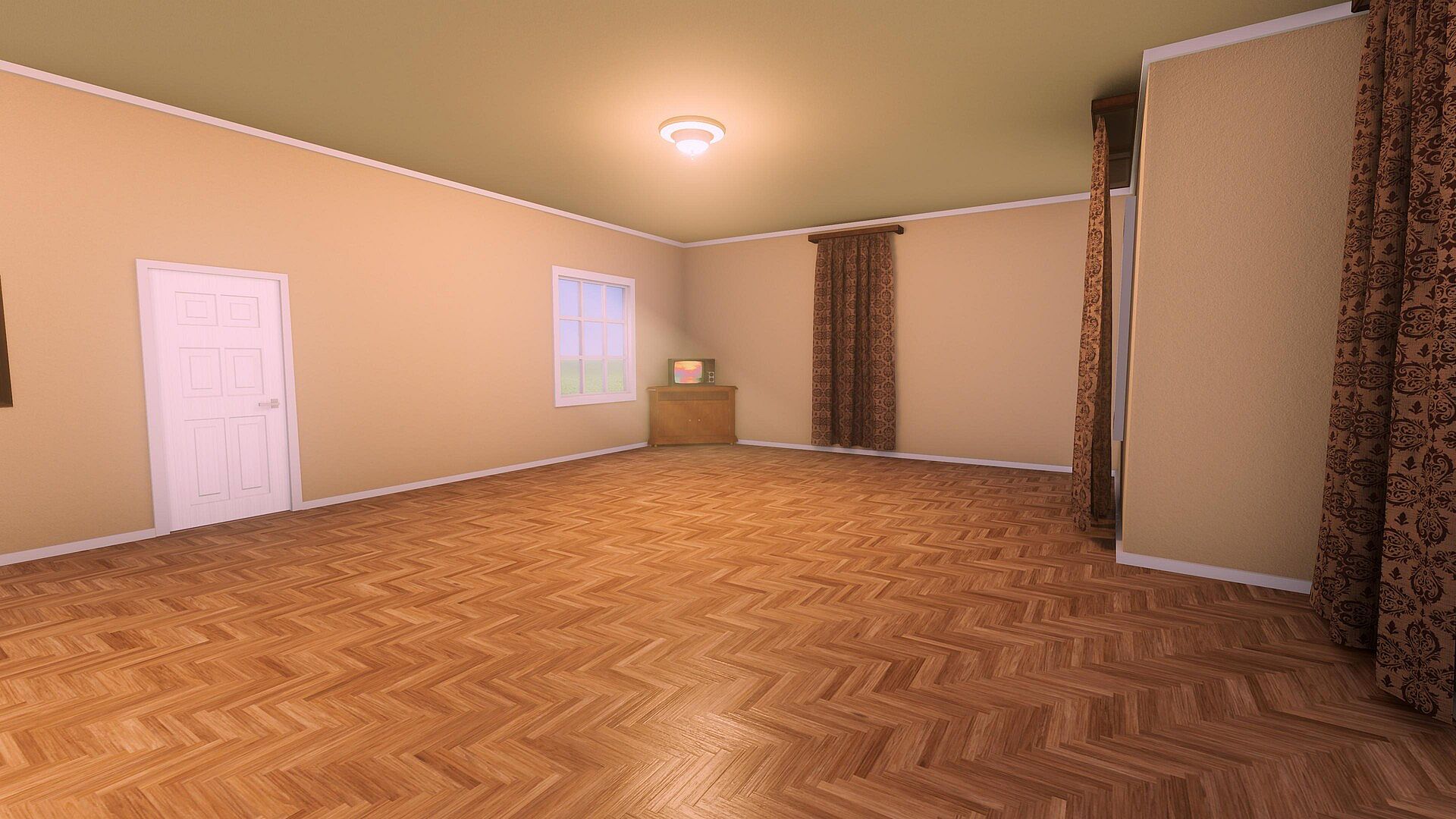
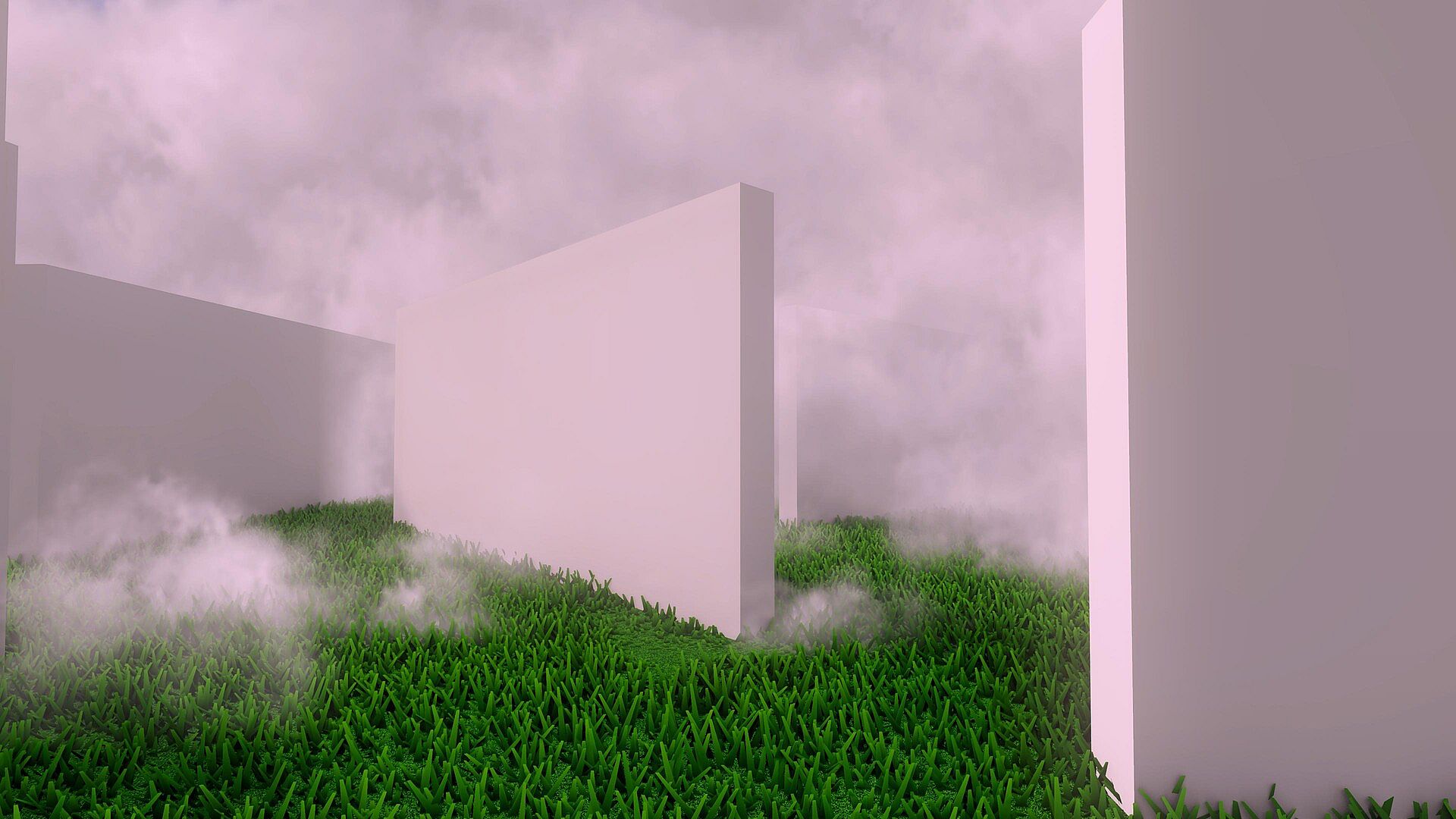
Environments draw from dreamlike fragments such as endless tiled pools, low-poly suburban neighborhoods, multi-floor hotels with deceptive elevators, abandoned malls, and other surreal structures. Each area features hundreds of rooms connected in non-linear ways, where paths fold back on themselves and familiar elements appear out of place. The visual style uses reflective surfaces, soft lighting, and retro video artifacts to heighten the sense that something feels off without relying on traditional horror mechanics like jump scares.
Progression relies entirely on the player's intuition and memory of layouts. There are no maps, markers, or explicit objectives beyond locating an exit, which often requires backtracking through disorienting architecture. Light puzzle elements appear in the form of vague environmental hints, such as written messages or item placements, but success comes more from persistence than deductive logic.
Game Modes
Dreamcore offers a single-player experience structured around a series of distinct levels, each functioning as a self-contained exploration zone. At launch the game included two environments, with additional levels added through updates that expand the total to five varied settings. These levels do not connect into a larger campaign and instead present separate opportunities to wander and discover exits at the player's own pace.
The structure encourages repeated visits to the same spaces, as layouts reward careful attention to subtle changes and hidden connections. No competitive or cooperative elements exist, keeping the focus on solitary immersion in the dreamlike worlds. Updates have introduced new environments while maintaining the same core navigation focus across all areas.
Exploration and Atmosphere
Each level builds on the liminal theme with unique architectural twists. Dreampools features reflective white tiles and water surfaces that stretch into darkness, while Eternal Suburbia presents an eerie, empty neighborhood under a flat sky. Later additions include hotel floors that shift in style and scale, toy-filled rooms, apartment complexes, and sprawling malls with long corridors. The consistent VHS presentation and sound cues create a cohesive sense of unease across every space.
The design deliberately avoids clear direction, forcing players to rely on observation of details like reflections, shadows, and audio cues. This approach produces moments of quiet discovery alongside periods of genuine confusion, mirroring the fragmented nature of dreams. Performance remains stable even in the largest areas, supporting extended sessions without technical interruptions.
Is It Worth Playing?
Dreamcore suits players who enjoy atmospheric walking simulators and the Backrooms-inspired liminal aesthetic. Those who appreciate slow-paced exploration and are comfortable with minimal guidance will find the environments rewarding, especially after updates added more levels. The game has received mixed feedback, with praise for its visual design and unsettling mood balanced against criticism of repetitive navigation and limited initial content.
Current support includes multiple completed levels and ongoing refinements to existing maps. The experience lasts several hours depending on exploration style, with each environment offering substantial space to get lost in. It provides a clear recommendation for fans of surreal, non-linear discovery rather than structured gameplay or high-stakes challenges. If disorientation and visual immersion appeal more than traditional mechanics, the game delivers a focused take on its concept.