


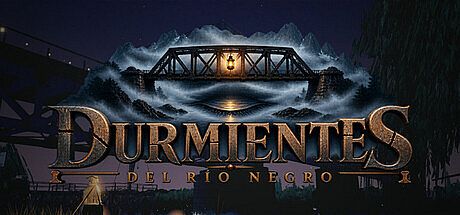





DURMIENTES del Río Negro is an action and adventure game developed for PC by Arthemis Games. It places players in real locations along the Río Negro in Argentine Patagonia, where historical events intersect with supernatural elements. The experience unfolds through a series of short episodes called vigils, each set during a pivotal night in the region's past or present.
Gameplay
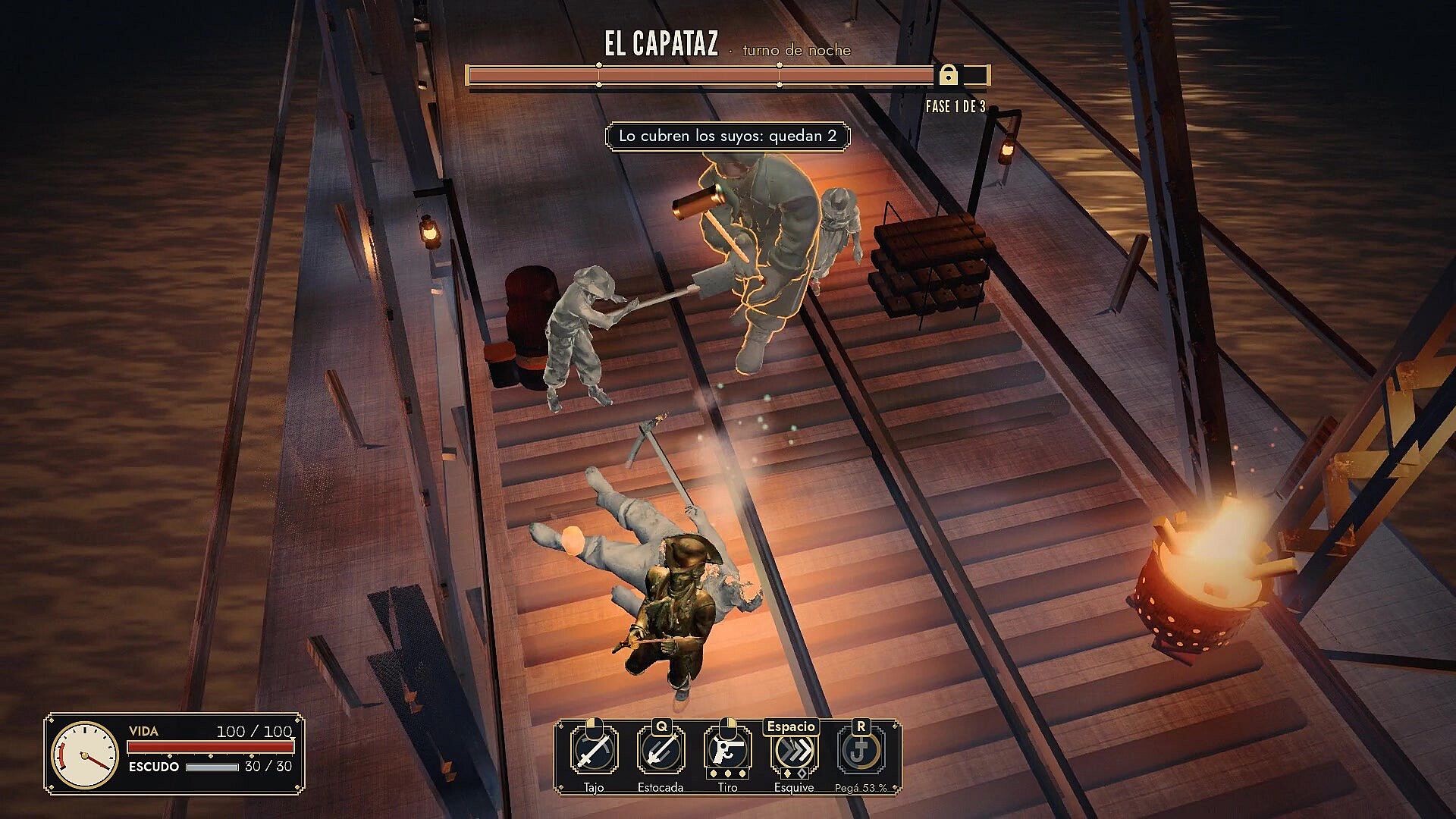
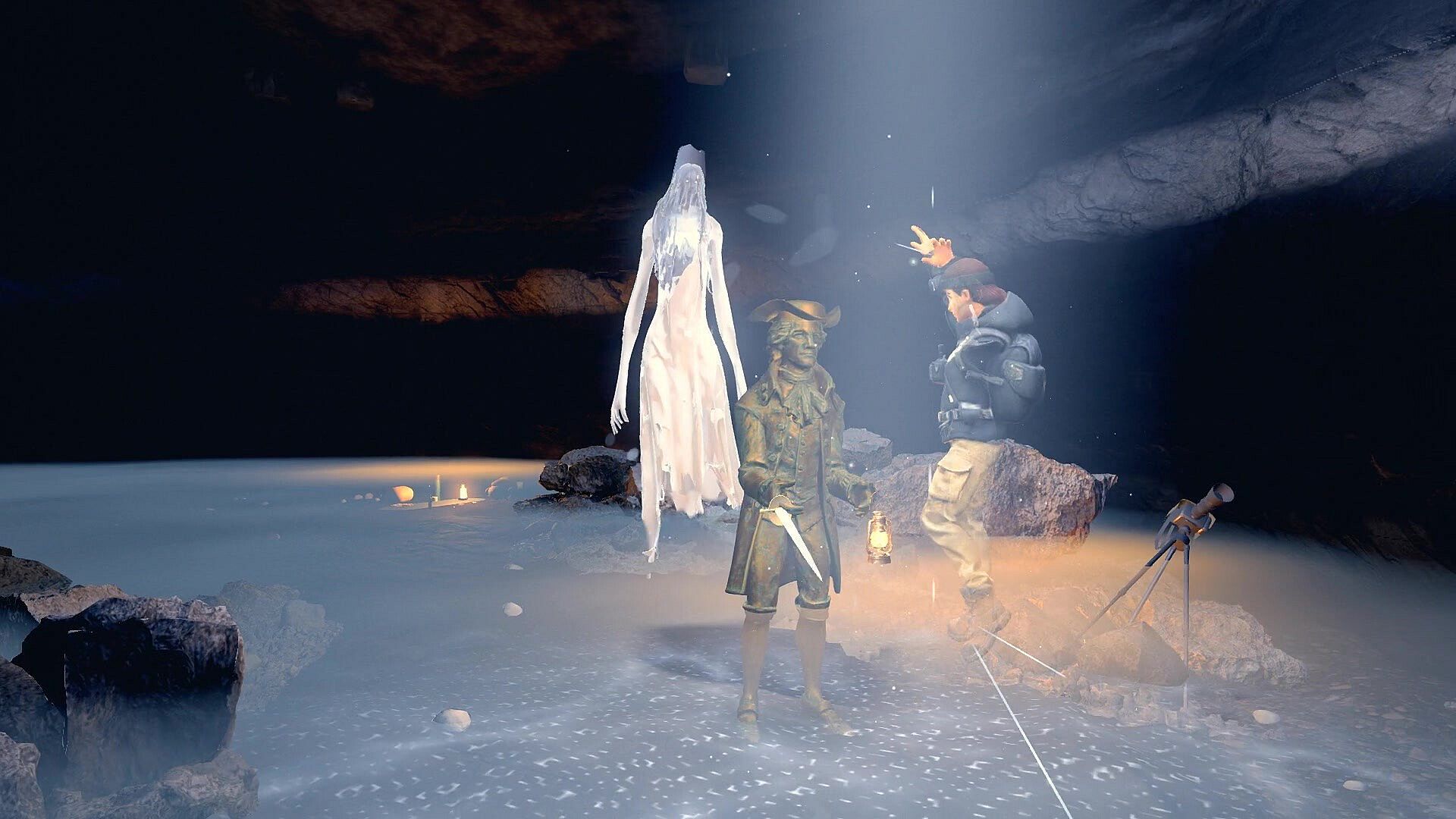
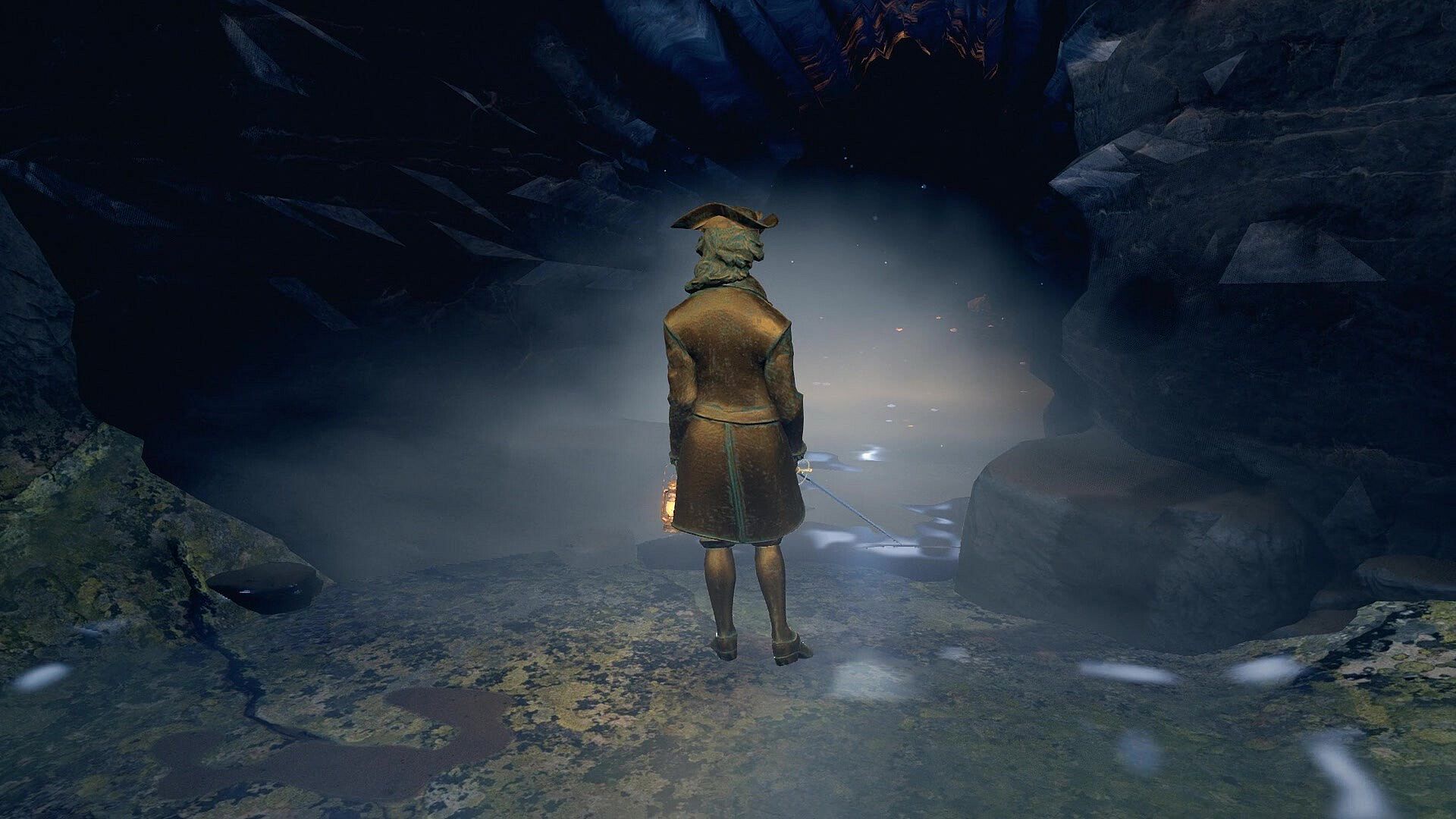
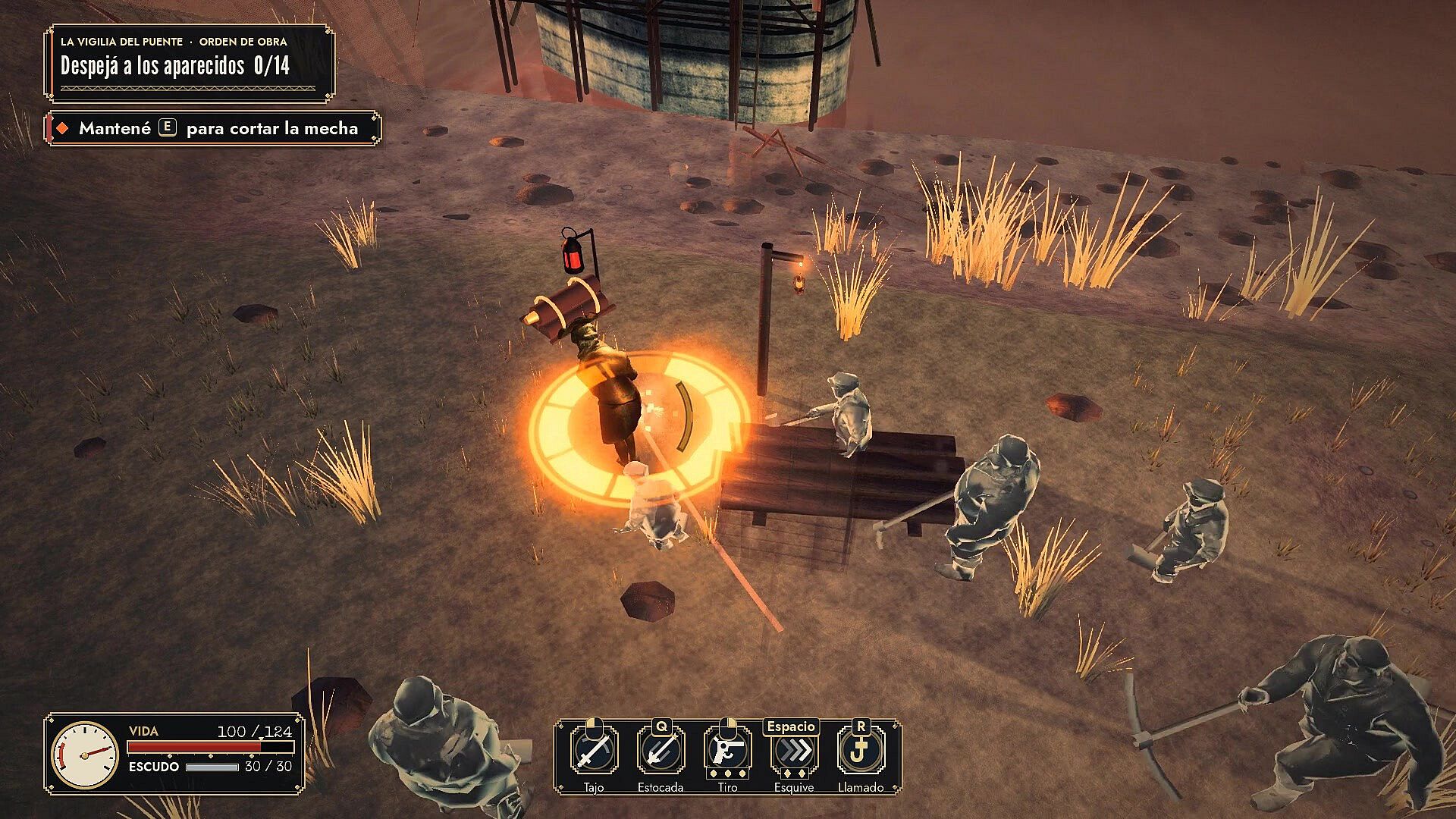
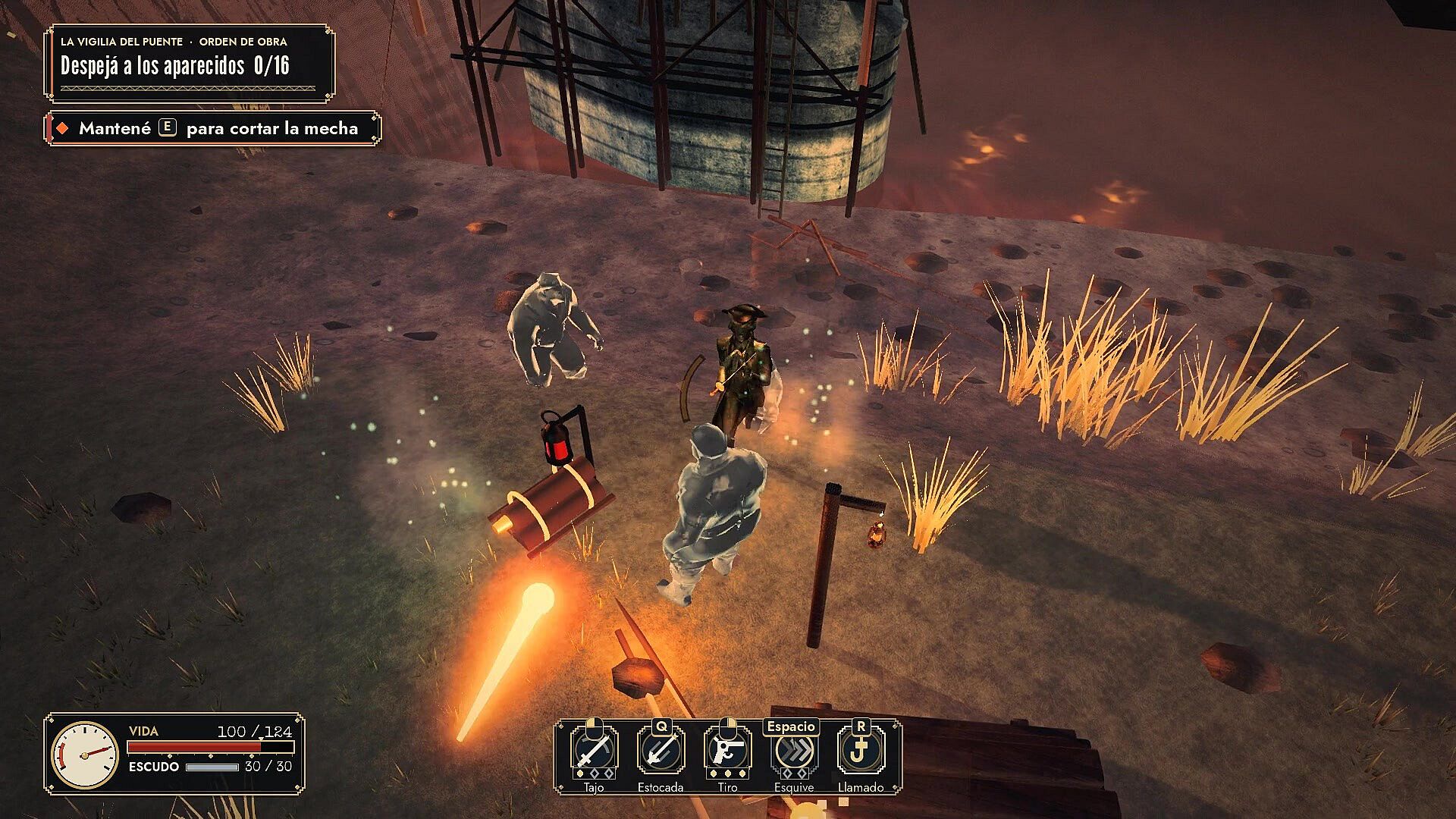
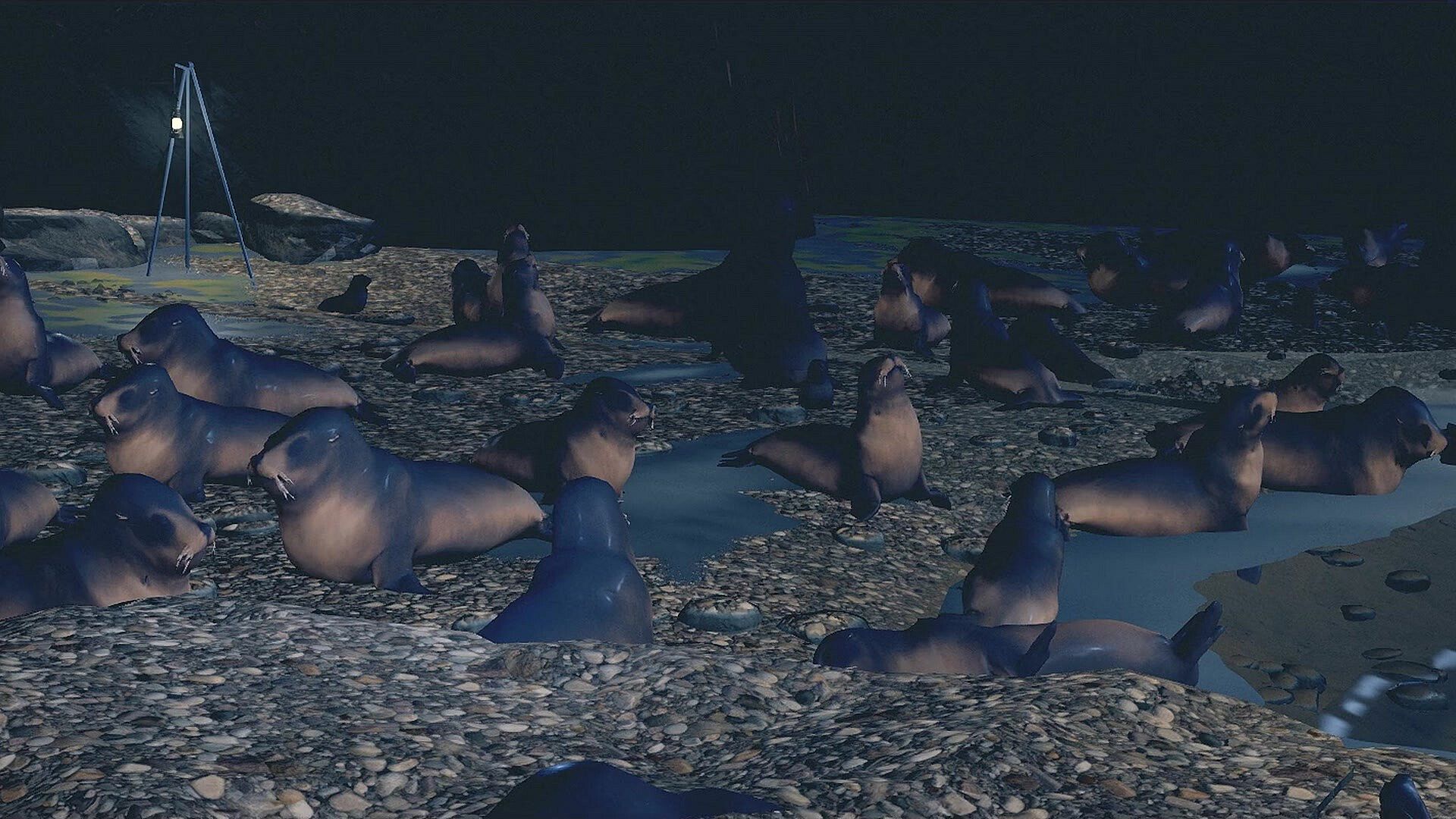
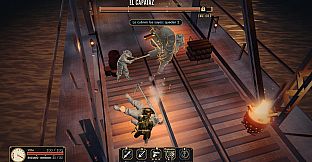
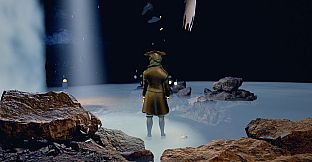
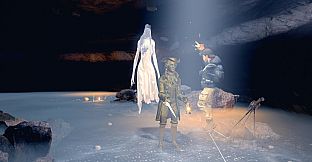
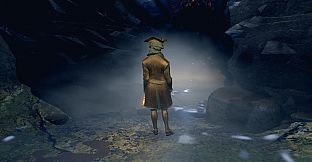
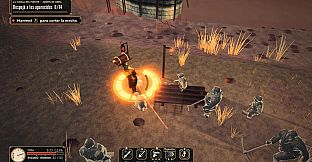
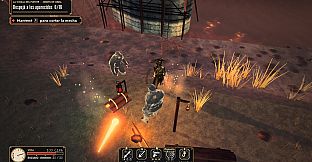
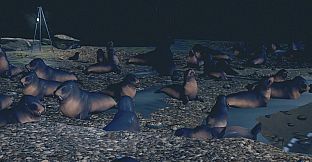
The core loop centers on exploration and combat within faithfully recreated sites such as the Viedma waterfront, the old railway bridge over the Río Negro, and the sea-lion caves of Punta Bermeja. Players take on the role of a guardian spirit tied to a specific historical figure, using that figure's distinct fighting style to confront threats awakened by the river. Movement and interaction focus on navigating these authentic environments while managing encounters that blend action sequences with discovery of the surroundings.
Progression relies on short, self-contained sessions. Each vigil lasts between fifteen and twenty minutes. Decisions made during one episode, such as items collected or paths chosen, carry forward and alter the state of later vigils. This creates a sense of continuity across the timeline without requiring long play sessions in a single sitting. Combat encounters emphasize the unique abilities of each guardian, leading to varied approaches against enemies and larger threats.
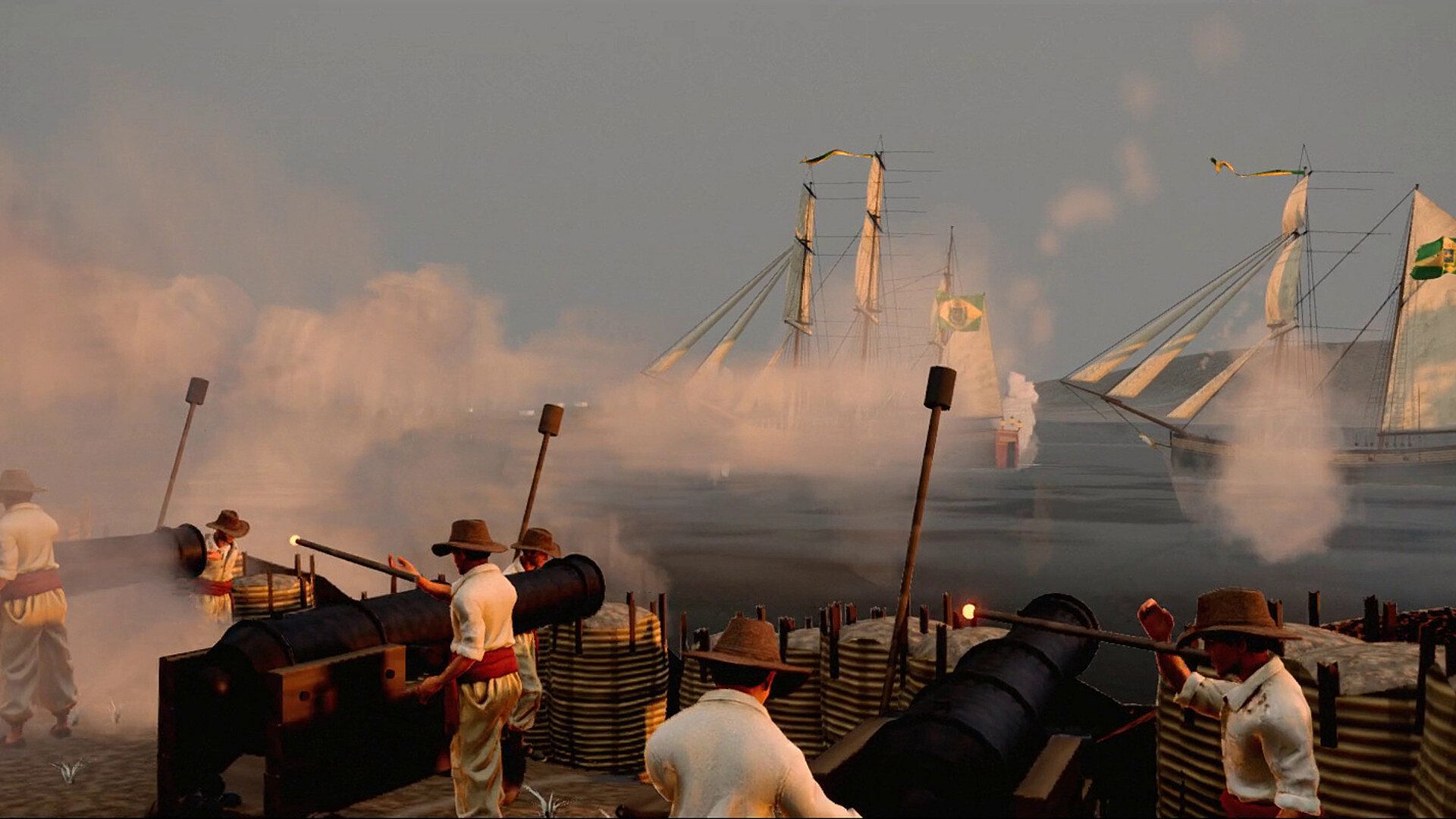
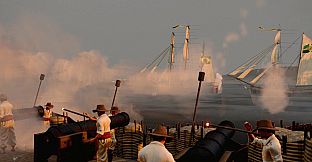
Boss encounters draw directly from the historical context. Examples include confrontations with the Foreman on the bridge during the 1931 vigil and engagements with the imperial fleet at the river mouth in 1827. These fights integrate narrative weight with mechanical challenge, reflecting the specific era and location.
Game Modes
The game structures its content around sequential vigils rather than traditional separate modes. Players advance through a linear yet interconnected series of nights spanning from the founding in 1779 through events like the 1881 wreck of the Cóndor, the 1887 establishment of the Río Negro Lighthouse, the 1899 great flood, the 1931 Bridge Vigil, and a contemporary Sea Cave Vigil during a spring tide. Each vigil functions as a discrete chapter with its own guardian and objectives, while persistent changes from prior choices influence subsequent ones.
No separate multiplayer or competitive modes exist. The focus remains on single-player progression through the historical episodes. The episodic format supports replayability through the impact of choices, allowing different outcomes on subsequent runs without altering the core vigil structure.
Historical Setting and Locations
Every vigil occurs in a documented real-world site reconstructed from period plans, photographs, and on-site surveys. The first stage covers Viedma and its immediate coast, with later stages planned to expand across the rest of Río Negro province. Each location ties to a specific turning point, such as coastal defense in 1827 or lighthouse operations in 1887. The narrative frames these as nights when the river revives figures from local history, giving each guardian a personal stake in defending or confronting the events of that era.
The development approach emphasizes accuracy to the physical places. Locations appear as they existed or currently stand, grounding the supernatural elements in tangible Patagonian geography. This creates a grounded backdrop for the action, where players encounter both environmental details and the awakened spirits tied to those sites.
Development and Future Plans
Arthemis Games, based in Viedma, built the initial content around the Viedma and Patagones region. The founder spirit serves as the first guardian, with subsequent stages introducing new locations and their associated historical figures across the province. The project remains in active development ahead of its planned release, with the episodic structure allowing for phased expansion of the vigil timeline.
Is It Worth Playing?
The game suits players interested in concise action-adventure sessions that combine exploration of real historical sites with combat tied to local legends. Its short vigil length makes it accessible for those who prefer focused play without extended commitments, while the carry-over choices add depth for players who enjoy seeing the consequences of their actions across episodes. As an upcoming title with no released player data yet, its appeal rests on the described blend of authentic Patagonian settings and episodic narrative structure. Those drawn to indie action adventures with a strong sense of place and historical framing will find the premise distinctive.












